
International Hooklift Trucks For Sale
Shop International hooklift trucks built for roll-off body flexibility, municipal service, waste, scrap, and contractor hauling applications.
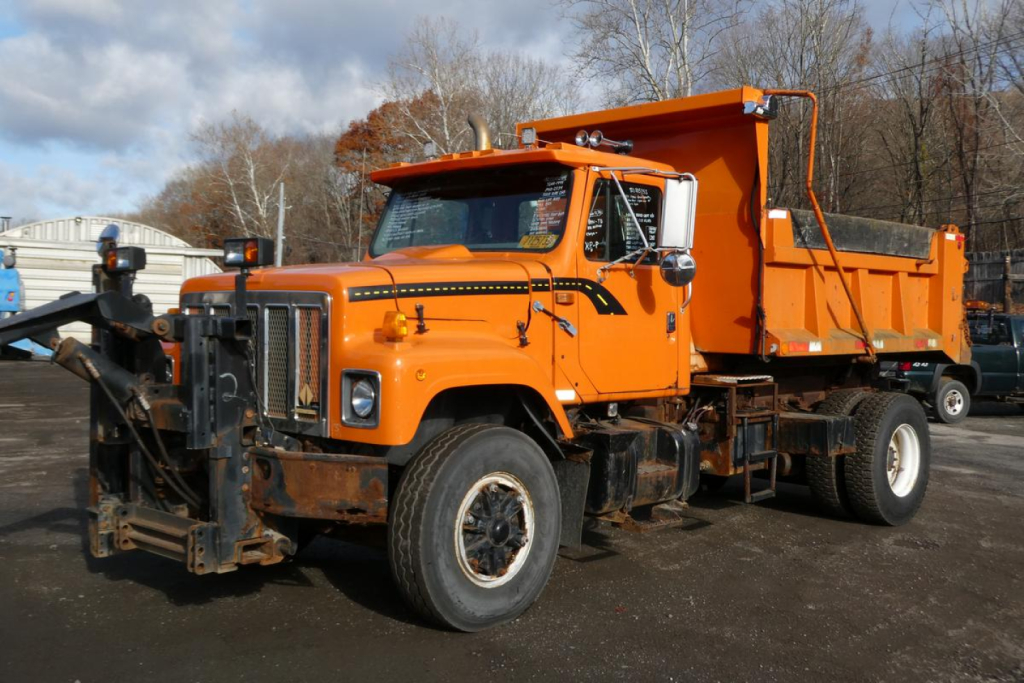

Selling a international hooklift truck? List your international hooklift truck for sale and reach thousands of commercial buyers.
International Hooklift Trucks
The first decisions are usually chassis class, axle rating, and hook height. Many International hooklift trucks in this category are single-axle units with GVWRs in the medium to upper medium-duty range, but specs vary widely depending on body length and intended payload. Wheelbase, cab-to-axle, and rear overhang need to match the containers or bodies you plan to run. A buyer should verify hook height compatibility, hoist capacity, and usable body length before comparing price alone. Transmission choice matters too. Allison automatic transmissions are common in vocational hooklift applications because they simplify stop-and-go work, PTO engagement, and driver training. Engine options on older International units often include DT-series diesels, and buyers should pay attention to horsepower, torque, rear axle ratio, and suspension setup if the truck will see steep grades, off-pavement access, or frequent full-load starts.
Hydraulics and frame condition are where the value of a used hooklift truck is really determined. Look closely at PTO operation, pump response, cylinder condition, pivot points, wear pads, locks, and hoist controls. A double frame or reinforced frame can be a major advantage on trucks used for heavy containers or severe municipal duty. If the truck has auxiliary hydraulics for plows, sanders, or other seasonal equipment, confirm how those circuits are plumbed and whether they affect hooklift operation. Tire size, brake type, and suspension also matter because these trucks often carry shifting loads and operate in tight urban environments. Air brakes, spring suspension, and common vocational tire sizes like 22.5-inch rubber are typical on many older International units, but exact configuration should line up with the routes and body weights the truck will handle.
International hooklift trucks are especially attractive to fleets that want practical serviceability and broad parts support. They can be configured for municipal snow and ice work, debris removal, dumpster service, material delivery, and jobsite support with flatbeds or dump inserts. For buyers comparing listings, the most important questions are not just model year and mileage. Focus on the hoist brand and rating, body compatibility, frame integrity, hydraulic health, corrosion level, and the presence of vocational equipment such as plow mounts, tarping systems, or sander controls. A properly matched International hooklift truck can replace multiple dedicated bodies, improve daily utilization, and give a small fleet more flexibility without stepping up to a larger roll-off platform.
Frequently Asked Questions about International Hooklift Trucks
What should I check first when buying a used International hooklift truck?
Start with hook height, hoist capacity, chassis GVWR, and the body lengths the truck is designed to handle. Then inspect the hydraulic system, PTO engagement, cylinders, frame rails, rear rollers, and locking mechanism. On a used unit, body compatibility and hoist condition are usually more important than cosmetic appearance because those items determine whether the truck can safely and efficiently handle your containers or swap bodies without downtime.
Are International 4300 hooklift trucks suitable for contractor and municipal work?
Yes, many International 4300 hooklift trucks are well suited for contractor, municipal, and light to medium vocational work. They are commonly used for dumpsters, flatbeds, dump inserts, snow equipment, and general service bodies. The key is matching the truck's axle ratings, wheelbase, hydraulic setup, and hoist capacity to the actual payload and body style. A 4300 can be very versatile, but it is still important to confirm that the chassis is not undersized for your intended container weight.
What body types can an International hooklift truck usually handle?
Most hooklift trucks can run interchangeable bodies such as dump boxes, debris containers, flatbeds, storage boxes, equipment bodies, and specialty municipal bodies. Some units are also configured to work with plows, sanders, and tarping systems. The exact options depend on hook height, container rail design, body length, and hoist rating. Buyers should confirm that existing containers match the truck's hooklift geometry before purchase, because small differences in body design can affect loading and locking.
Is an automatic transmission a good choice in a hooklift truck?
For many hooklift applications, an automatic transmission is a strong choice. Vocational work often involves frequent stops, backing, loading, and maneuvering in confined areas, and an automatic simplifies operation for the driver. Allison transmissions are common in this segment because they work well in municipal and contractor service and are familiar to many fleets. The tradeoff is that buyers should still verify PTO setup, transmission condition, and service history, especially on older trucks.
How important is frame construction on an International hooklift truck?
Frame construction is critical because hooklift loading places concentrated stress on the chassis during body pickup, transfer, and dump cycles. A double frame or properly reinforced frame is often preferred for heavier work, repeated container handling, or rough-route service. Inspect for rust, cracks, prior repairs, and signs of twisting near suspension hangers, hoist mounts, and rear body contact points. A strong frame is one of the best indicators that the truck can continue working reliably under vocational loads.