
Hooklift Trucks For Sale in Florida
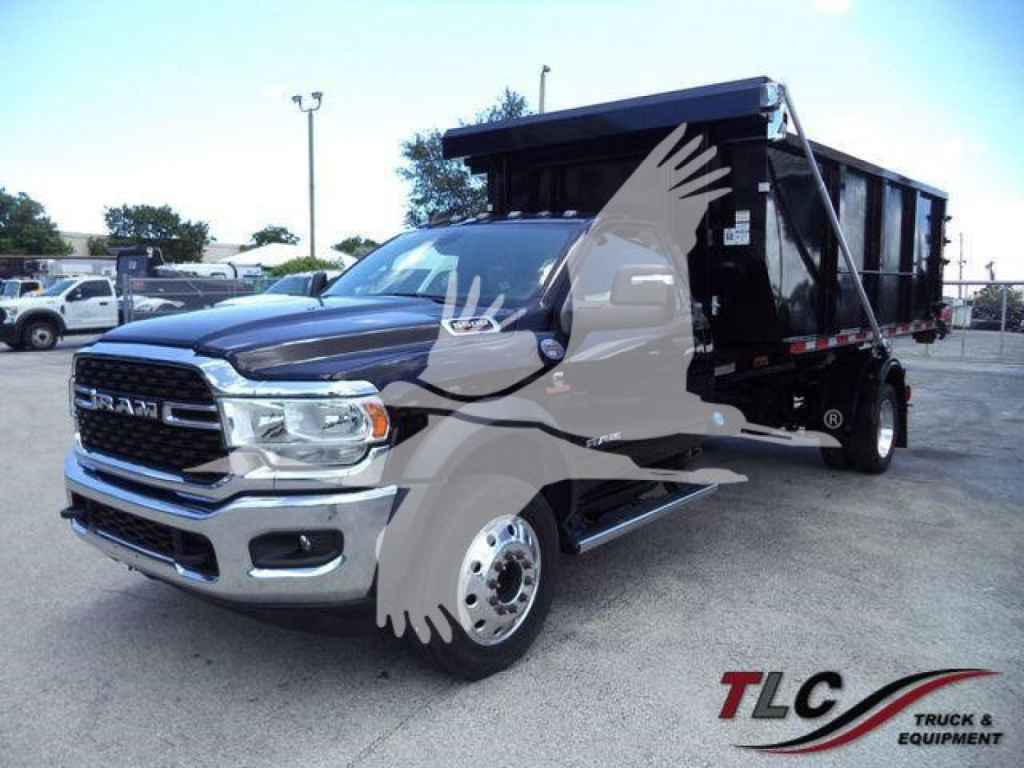
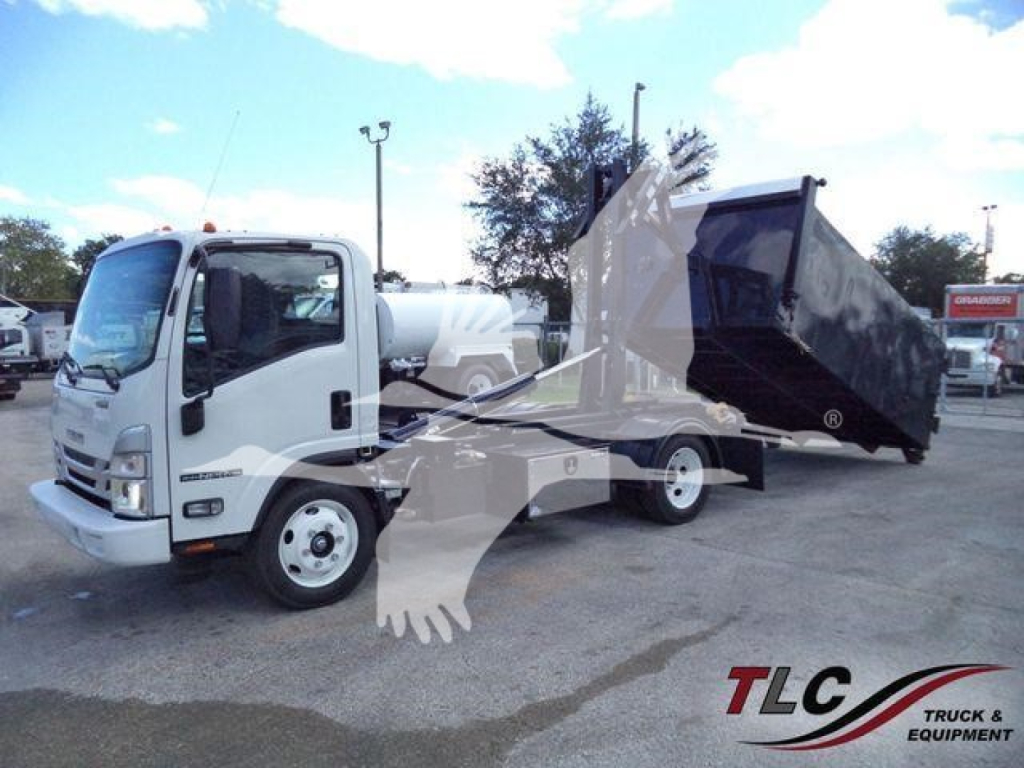
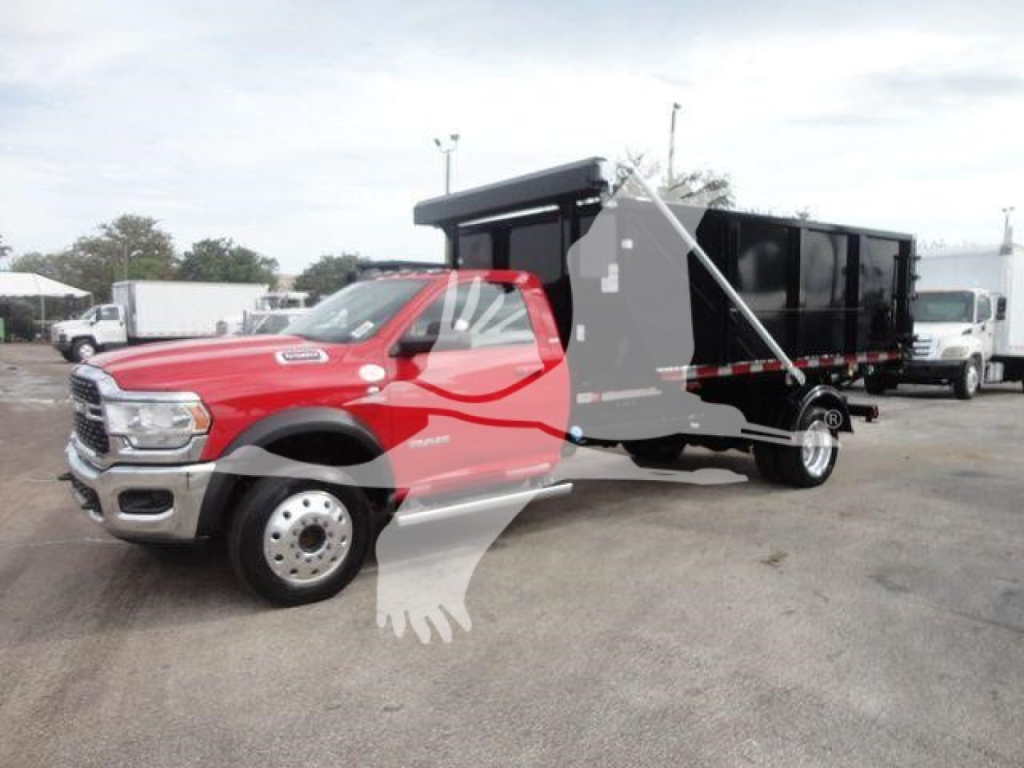
Browse hooklift trucks for sale in Florida, including roll-off and Switch-N-Go style bodies for debris, landscape, dumpster, and jobsite work.
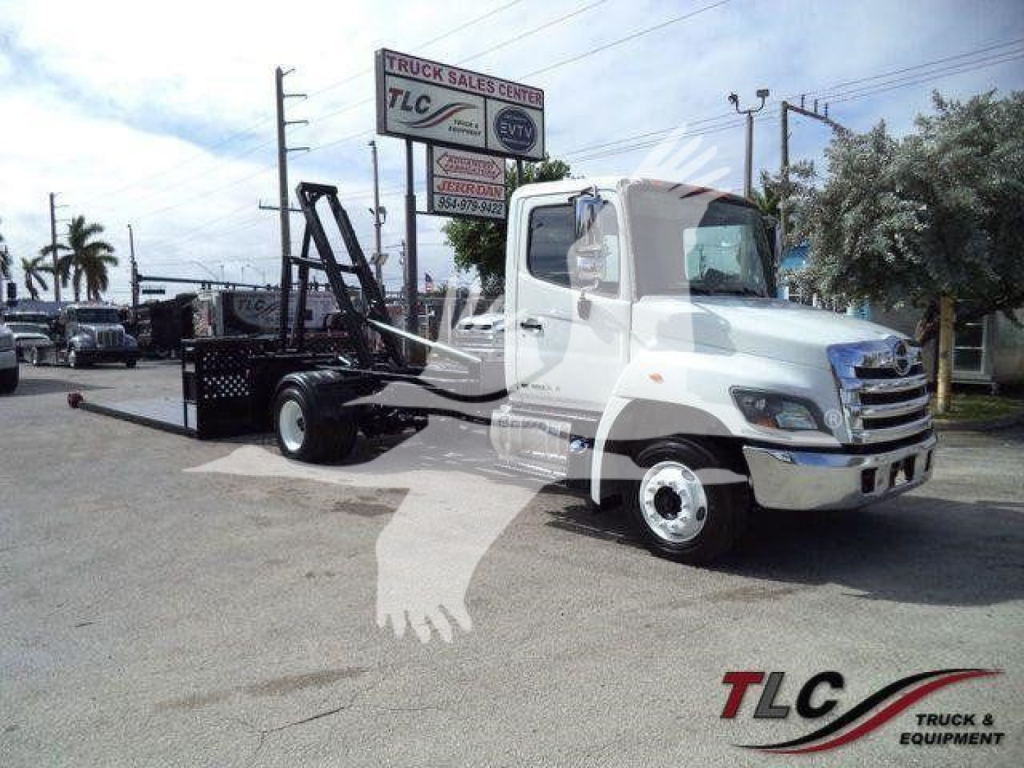
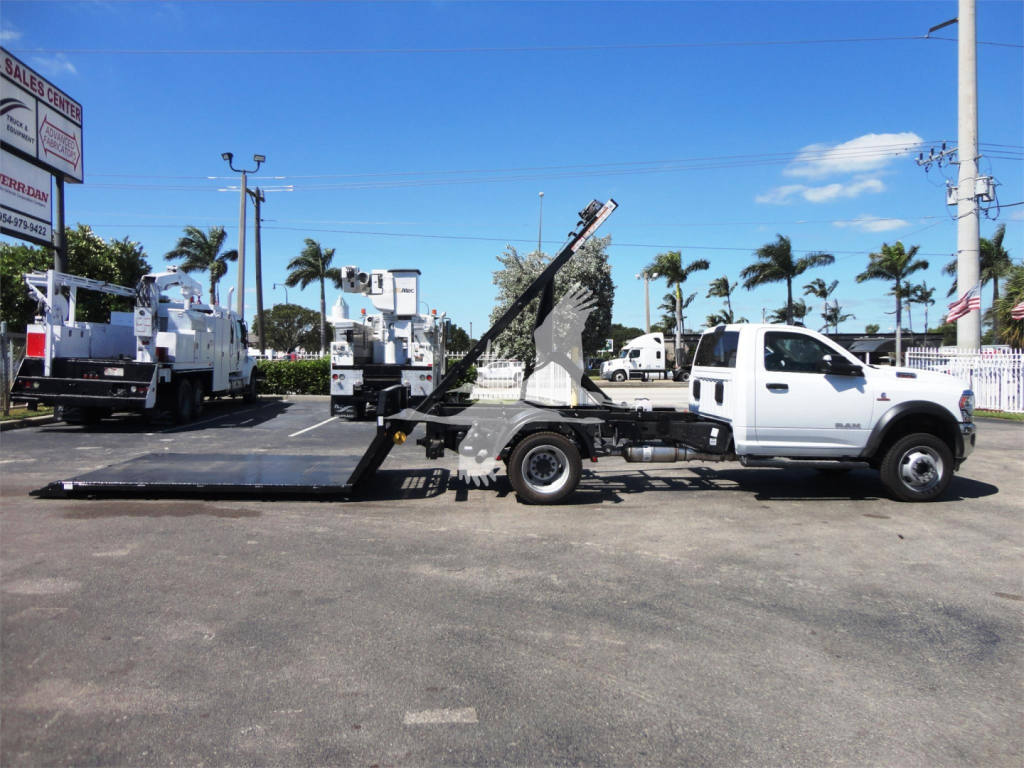
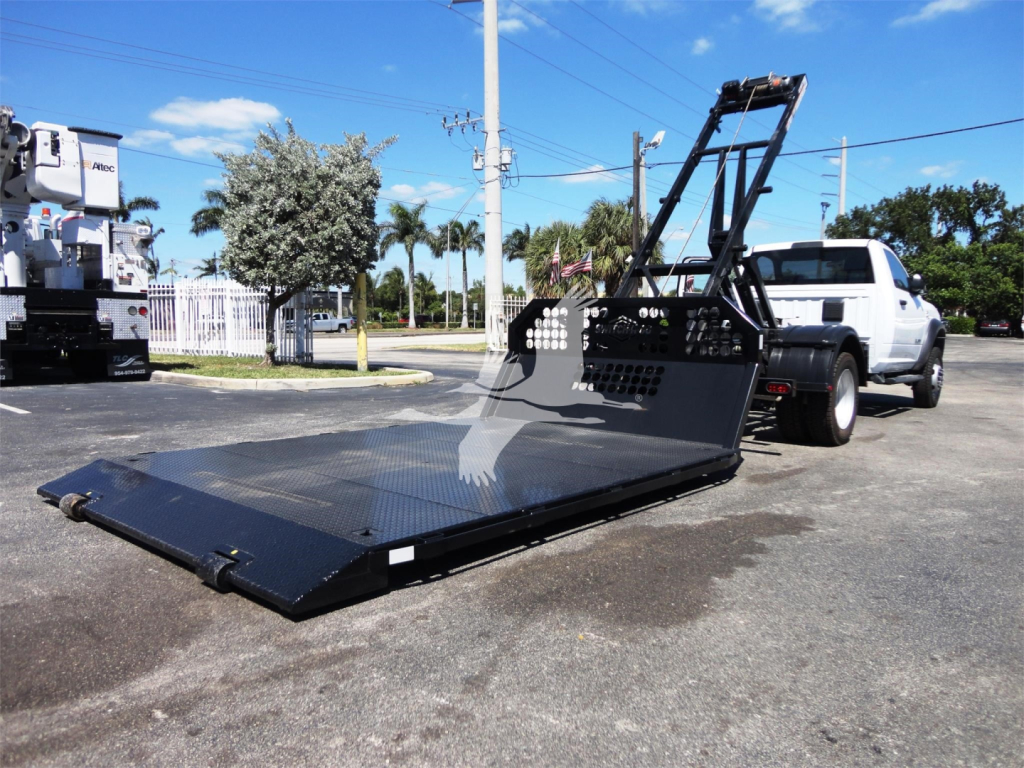
Selling a hooklift truck? List your hooklift truck for sale and reach thousands of commercial buyers.
Hooklift Trucks in Florida
A buyer should start with chassis class, hoist capacity, and container length. Many hooklift trucks in this segment are mounted on Class 5 through Class 7 chassis such as Ram 5500 or Hino 258 models, often with GVWRs around 19,500 to 25,500 pounds. Common setups include 11-foot, 14-foot, and 16-foot systems, with electric-over-hydraulic or hydraulic hoists, cable winches, and inside-outside controls. Single-axle configurations are common, and the right choice depends on payload, body style, and how often the truck will be running loaded. For Florida work, 4x2 trucks are common for paved routes and urban service, while 4x4 can make sense for soft ground, storm cleanup, agricultural property access, and unfinished jobsites.
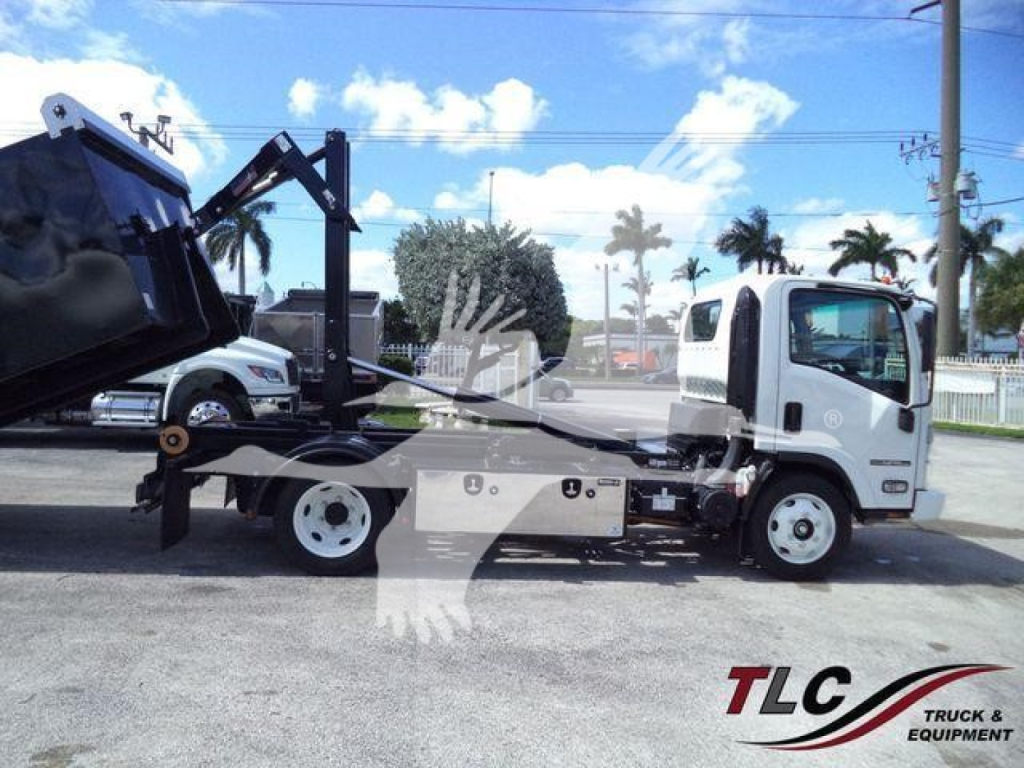
Body compatibility matters as much as the truck itself. Some hooklift trucks are set up for Switch-N-Go style interchangeable bodies, including landscape dumps, trash containers, flatbeds, and storage boxes. Others may be configured more like a rollback or carrier body for equipment or vehicle transport. Key details to compare include hook height, rail width, body length range, hoist rating, winch capacity, rear roller design, tarp systems, hitch package, brake controller integration, and PTO or electric-hydraulic layout. Buyers should also look at suspension type, brake system, cab style, wheelbase, and rear axle ratio because those specs directly affect turning radius, stability, and how well the truck matches a loaded container.
For used hooklift trucks, inspect the hoist pivot points, hydraulic cylinders, hoses, cable or hook assembly, rollers, subframe, and truck frame for wear, cracking, or corrosion. Confirm that the body locking system engages correctly and that the hoist cycle is smooth under load. On diesel models, service history, transmission condition, and idle hours can matter as much as mileage. A well-matched hooklift truck can replace several single-purpose units, cut downtime between jobs, and give an operator more billable uses from one truck throughout the year.
Frequently Asked Questions about Hooklift Trucks in Florida
What is a hooklift truck used for?
A hooklift truck is used to load, unload, transport, and swap interchangeable bodies on a single chassis. Common applications include debris removal, dumpster service, landscaping, demolition, municipal cleanup, equipment hauling, and flatbed delivery. The main advantage is versatility, because one truck can work with multiple bodies instead of being limited to one fixed bed.
What should I look for when buying a hooklift truck in Florida?
Focus first on chassis GVWR, hoist capacity, and the container lengths the system is designed to handle. Florida buyers should also consider whether 4x2 or 4x4 better fits their terrain, especially for soft ground, storm response, and off-pavement access. Corrosion is still worth checking even in warm climates, particularly on hydraulic components, body rails, locks, and wiring exposed to coastal moisture and heavy rain.
How do I choose between an 11-foot, 14-foot, or 16-foot hooklift setup?
The right length depends on the body types you plan to run, the payload you need, and the chassis capacity under the body. Shorter 11-foot systems are common on lighter trucks used for compact dumps, landscape work, and tighter urban routes. Fourteen-foot systems are a popular middle ground for trash, debris, and contractor applications. Sixteen-foot setups are better suited to larger bodies or carrier-style applications, but they require close attention to axle placement, wheelbase, and legal weight distribution.
Are hooklift trucks the same as rollback trucks?
Not exactly. A hooklift truck uses a hook and hoist system to pull interchangeable bodies onto rails mounted on the chassis. A rollback truck uses a tilting and sliding carrier bed, typically for vehicle or equipment transport. Some medium-duty trucks may be described in overlapping terms when they have carrier-style bodies, but the loading method and intended body interchangeability are different.
What components wear most on a used hooklift truck?
The highest-wear areas usually include hydraulic cylinders, hoses, pivot pins, rollers, body locks, winch components, and the subframe connection points. Repeated loading cycles can also stress the truck frame and hoist mounts if the truck has been overloaded or used on uneven ground. A buyer should test the full loading and dumping cycle, inspect for leaks and cracks, and verify that the body tracks straight and locks securely.