
2024 Hooklift Trucks For Sale in Florida
Browse 2024 hooklift trucks for sale in Florida. Compare chassis, hoist capacity, body length, PTO systems, and roll-off applications.
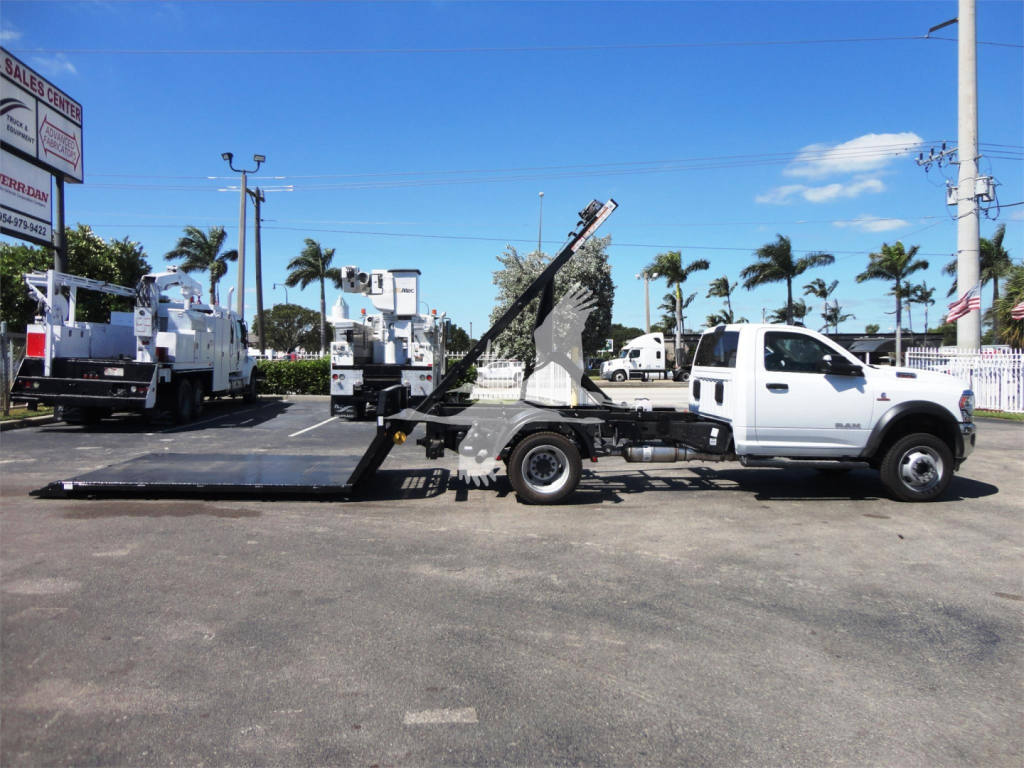
Selling a 2024 hooklift truck? List your 2024 hooklift truck for sale and reach thousands of commercial buyers.
2024 Hooklift Trucks in Florida
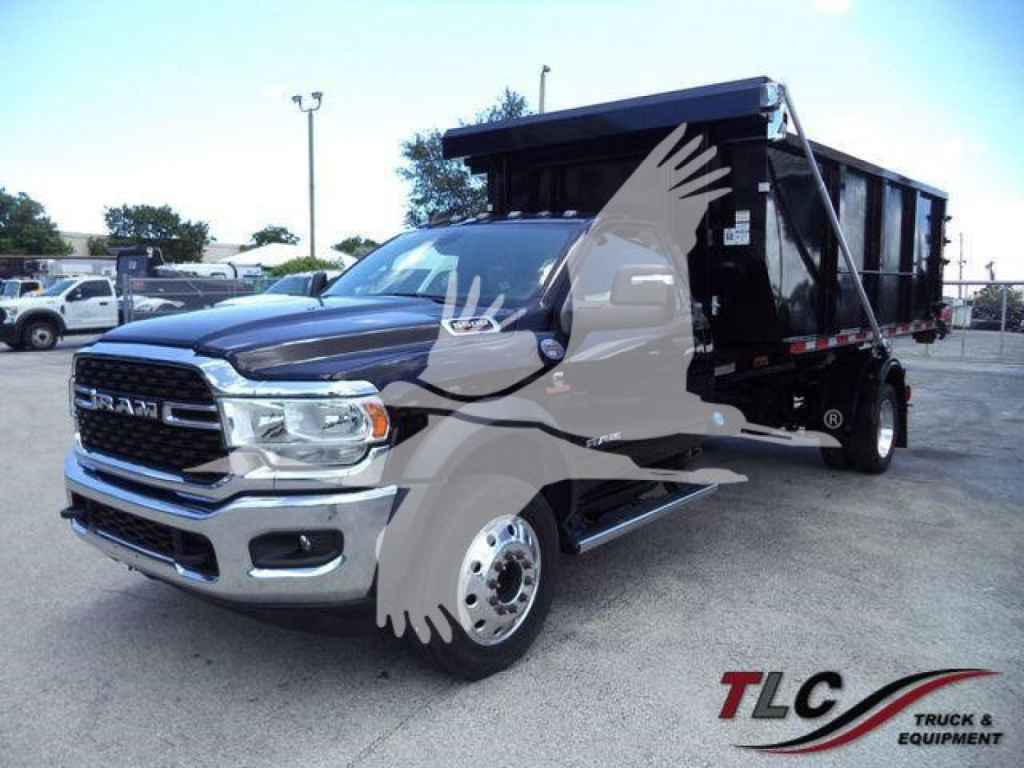
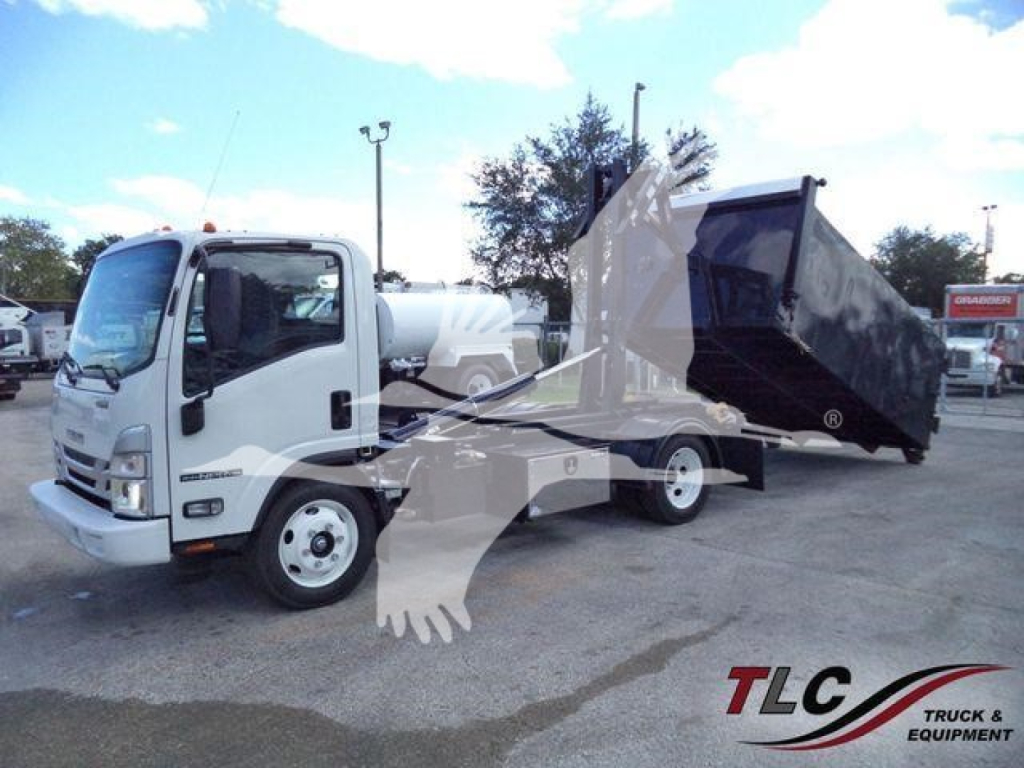
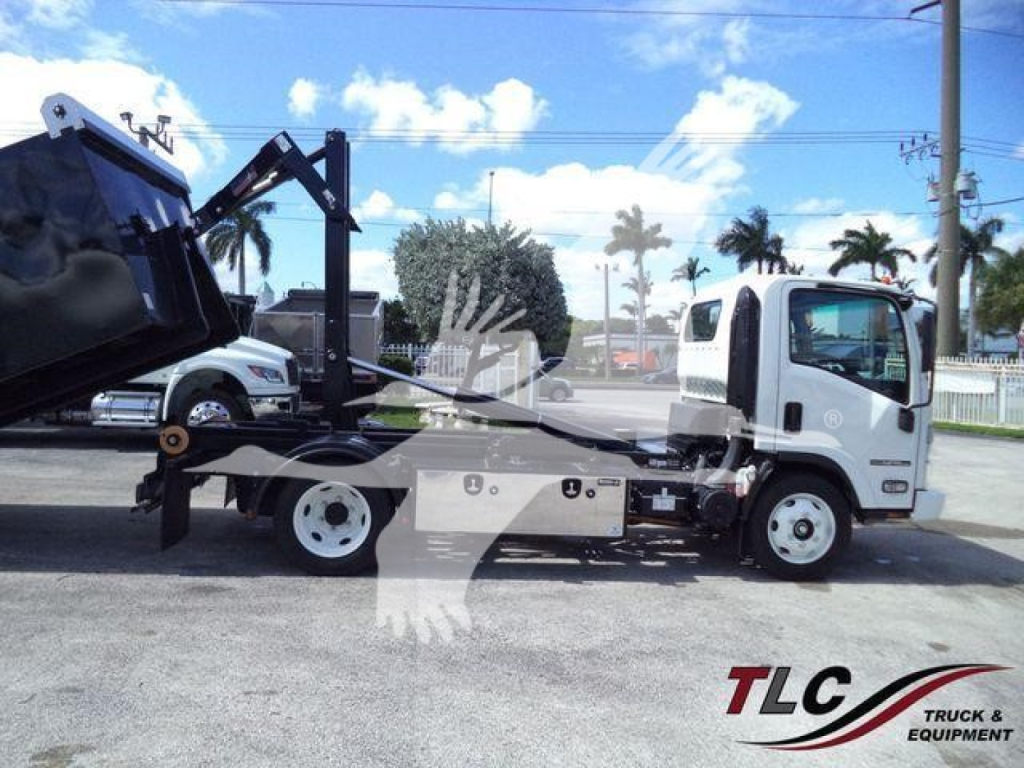
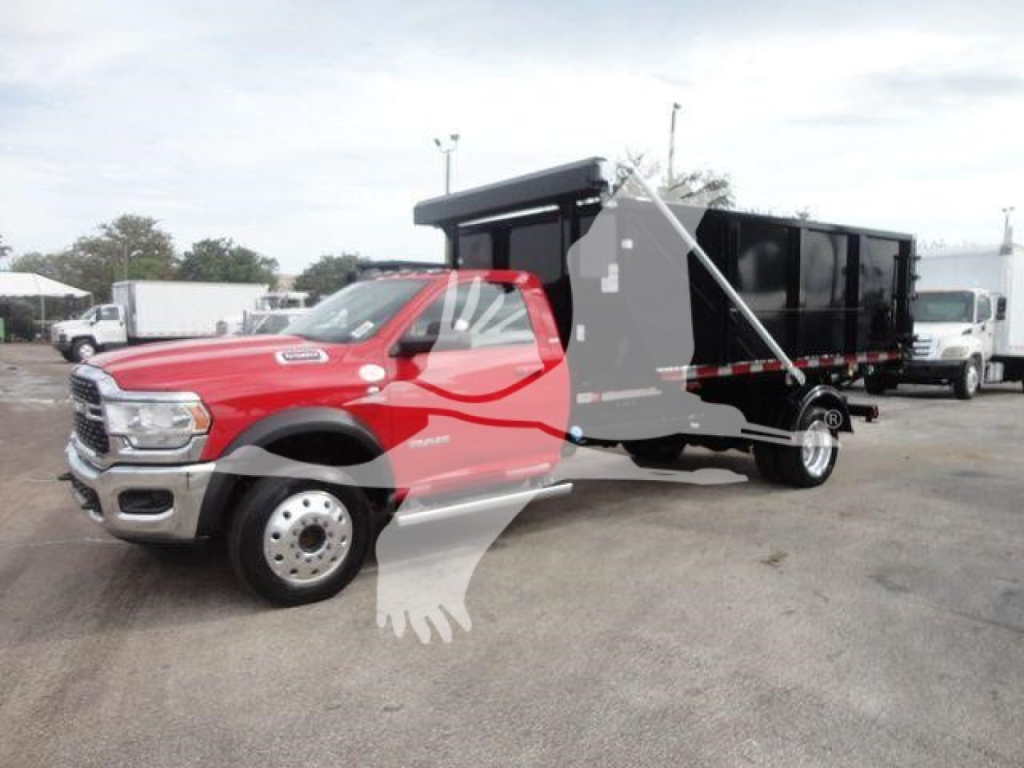
The first buying decision is usually chassis class and body length. In the lighter end of the market, Class 4 and 5 platforms such as Ram 5500 and Isuzu NPR-HD are common with 11 to 14 foot hooklift systems. These are popular for tight residential streets, landscaping crews, and smaller container work. Stepping up to medium-duty platforms adds payload, frame strength, and brake capacity for larger cans and heavier cycles. Key specs to compare are GVWR, front and rear axle ratings, hooklift hoist capacity, container length range, cab-to-axle dimension, and whether the system uses electric-over-hydraulic or PTO-driven hydraulics. PTO setups are often preferred for higher-duty applications because they support faster cycling and more sustained hydraulic performance.
Body and hoist details matter as much as the badge on the hood. Buyers should look closely at hook height, rail width compatibility, winch or jib design, container lock style, and the type of bodies the truck is expected to swap. Common interchangeable bodies include trash dump containers, landscape bodies, flatbeds, storage bins, and small equipment platforms. Features like barn doors, smooth sides, manual or mesh tarps, backup cameras, trailer brake controllers, ICC bumper hitches, receiver tubes, and onboard toolboxes can make a hooklift truck more useful day to day. If the truck will tow in addition to hauling a body, confirm hitch rating, brake controller setup, and combined weight limits instead of looking only at truck GVWR.
For 2024 hooklift trucks in Florida, corrosion resistance, cooling performance, and service access deserve extra attention. Powder-coated steel bodies are common, but coastal use can make underbody protection, wiring quality, sealed lighting, and hydraulic hose routing more important than they look on paper. Diesel and gas options both show up in this category. Gas chassis can make sense for lighter urban cycles and simpler maintenance, while diesel remains the better fit for heavier payloads and frequent towing. The best truck is the one sized correctly for the containers you already run, the route conditions you face, and the turnover speed your operation requires.
Frequently Asked Questions about 2024 Hooklift Trucks in Florida
What is a hooklift truck used for?
A hooklift truck is used to load, unload, and swap interchangeable bodies on a single chassis. Common uses include hauling debris containers, landscape dump bodies, flatbeds, storage bins, and equipment platforms. This makes a hooklift truck efficient for contractors, waste haulers, municipalities, and property maintenance fleets that need one truck to perform several different jobs.
What should I check when comparing 2024 hooklift trucks?
The most important items are chassis GVWR, axle ratings, hoist lifting capacity, container length compatibility, hydraulic system type, and cab-to-axle dimension. Buyers should also confirm hook height, body rail spacing, hitch rating, trailer brake provisions, and whether the truck is set up for the exact bodies already used in the fleet. A mismatch in these dimensions can limit interchangeability even when the truck looks properly equipped.
Is a gas or diesel hooklift truck better?
Gas hooklift trucks are often a good fit for lighter payloads, shorter routes, and fleets that want lower upfront cost and simpler emissions systems. Diesel hooklift trucks are usually the stronger choice for heavier containers, frequent towing, and higher annual mileage. The right answer depends on payload, route density, idle time, and how often the truck will cycle the hoist under load.
What body sizes are common on hooklift trucks?
In light- and medium-duty hooklift applications, 11 foot to 16 foot bodies are common, with exact size depending on the chassis and hoist system. Smaller setups are popular for landscape and trash applications in tight urban areas, while longer bodies work better for larger debris containers, flatbeds, and equipment hauling. Buyers should verify both the minimum and maximum container lengths supported by the hooklift system, not just the body currently mounted on the truck.
Are hooklift trucks a good choice for Florida operations?
Hooklift trucks are well suited to Florida because many operators handle a mix of storm cleanup, landscaping, construction debris, municipal work, and equipment delivery. The ability to swap bodies quickly helps keep utilization high across seasonal and day-to-day workload changes. In Florida, buyers should pay close attention to rust prevention, electrical sealing, hydraulic protection, cooling capacity, and camera visibility because heat, humidity, and coastal exposure can shorten component life if the truck is not properly spec'd.