
2024 Hooklift Trucks For Sale
Shop 2024 hooklift trucks for waste, landscaping, municipal, and container hauling jobs. Compare chassis, hoist capacity, PTO setup, and GVWR.
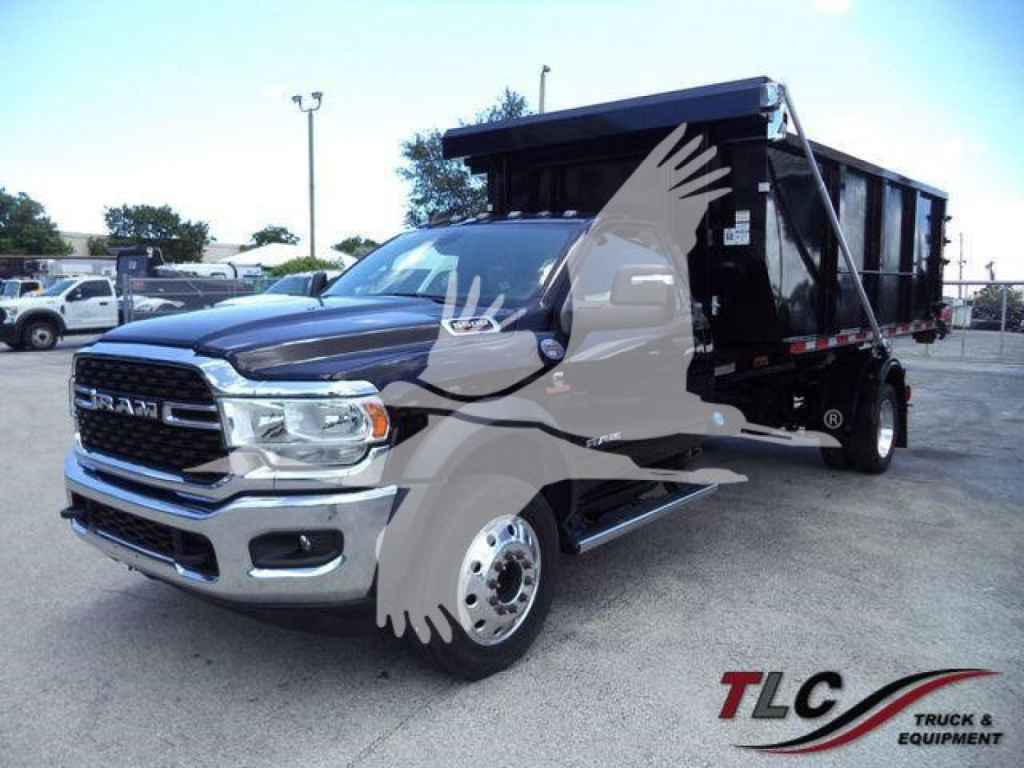
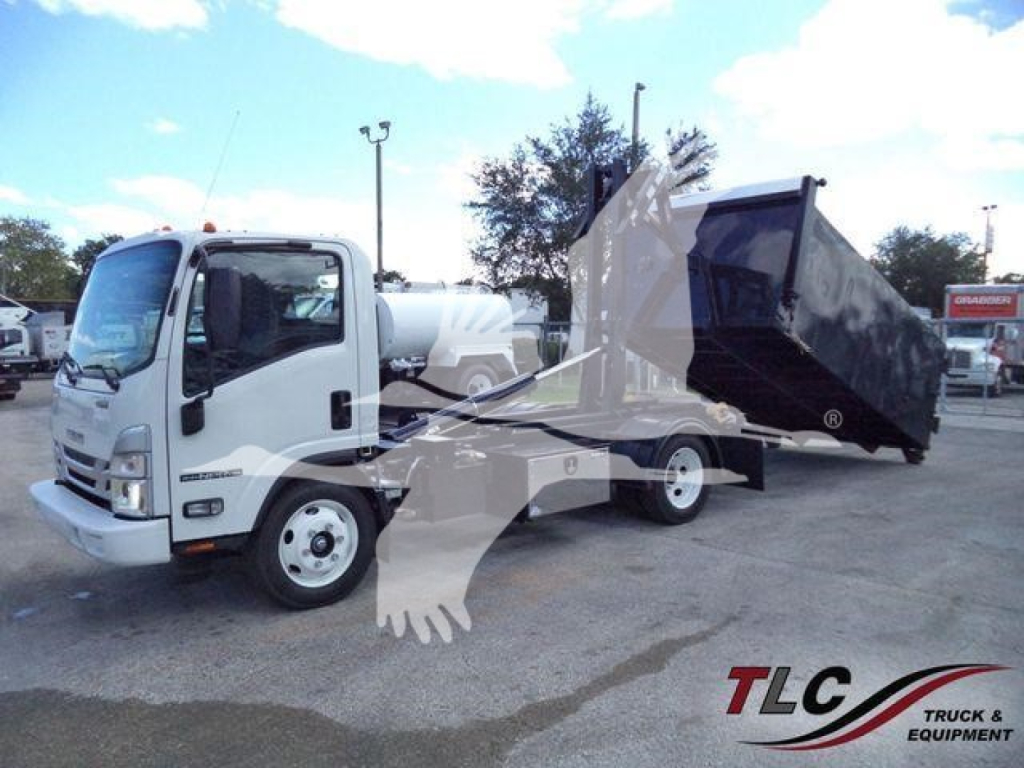
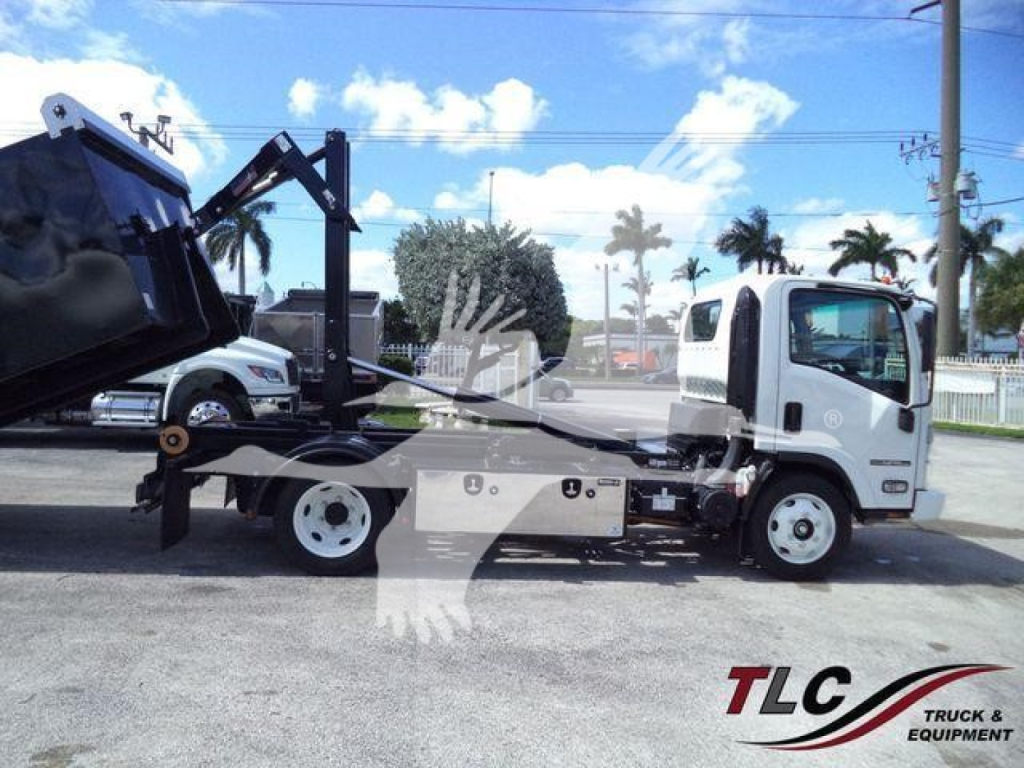
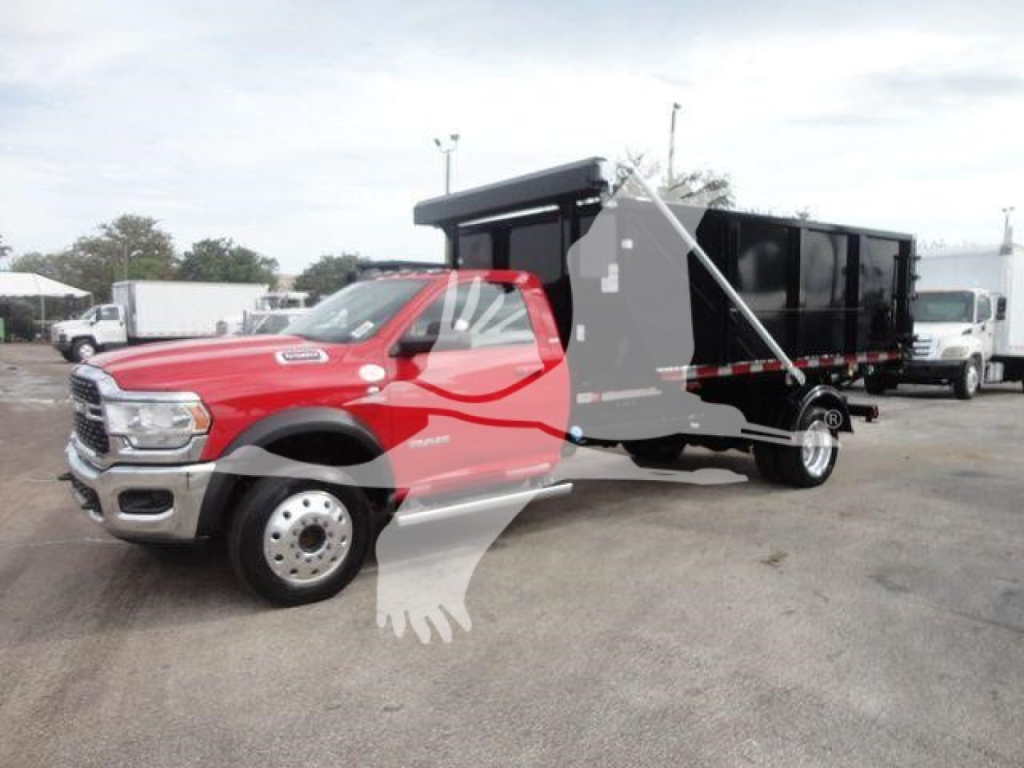
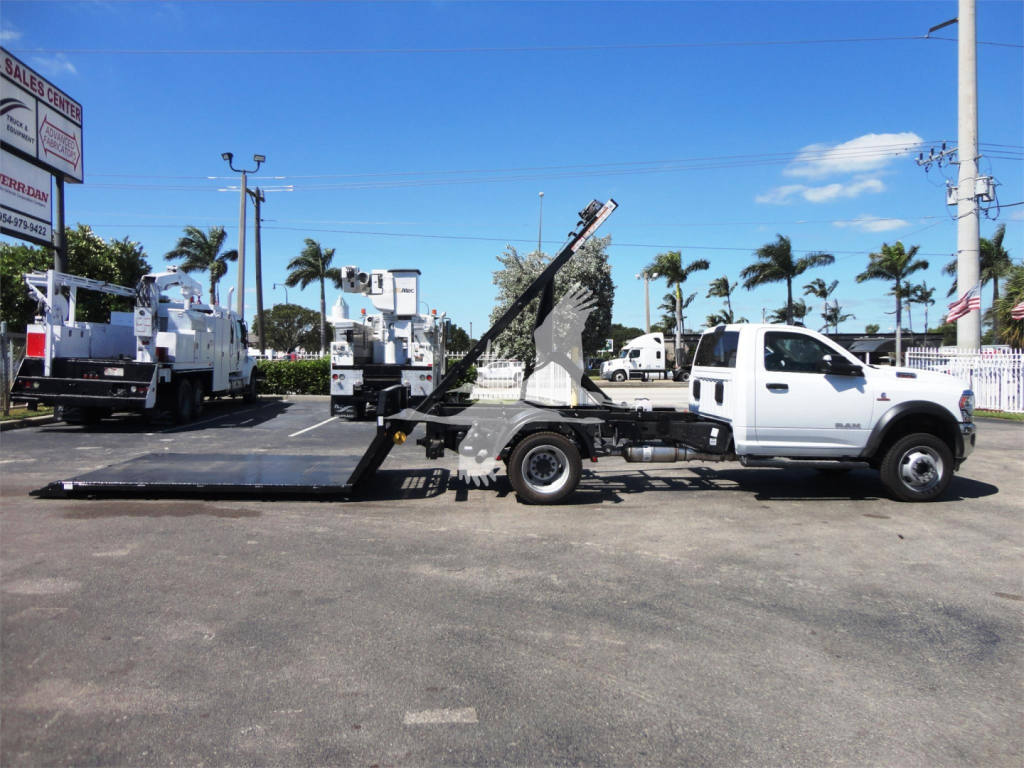
Selling a 2024 hooklift truck? List your 2024 hooklift truck for sale and reach thousands of commercial buyers.
2024 Hooklift Trucks
On 2024 models, buyers will typically see diesel medium-duty chassis from brands such as Mack, Kenworth, Ram, and similar platforms, often paired with automatic transmissions and PTO-driven hydraulic systems. Cummins and PACCAR engines are common in this segment, and Allison automatic transmissions remain popular because they are easy to operate in stop-and-go vocational service. Non-CDL and under-CDL builds matter in this category, especially around the 25,950 to 26,000 GVWR range, because they widen the driver pool and simplify hiring for local routes. That said, payload changes fast once the hooklift, tarp system, toolboxes, and container weight are added, so buyers should look closely at actual payload capacity, frame rating, axle ratings, suspension spec, and wheelbase. A truck that looks similar on paper can perform very differently depending on hoist brand, rail length, hoist geometry, and how the body weight transfers to the steer and drive axle during loading.
The upfit details are what separate a general-purpose hooklift from one that fits your operation. Popular systems include SwapLoader, Palfinger, Switch-N-Go, and comparable hoists, each with different body compatibility, hook height standards, and operating characteristics. Check hook capacity, container length range, hook center, inside rail width, and body latch design before assuming interchangeability with existing cans or beds. Tarp systems are important for waste and debris work, while backup cameras, fenders, trailer brake wiring, hitch packages, and work lighting can matter more on contractor or municipal applications. PTO configuration also deserves attention. Live drive and clutch pump arrangements affect how the truck performs on repeated loading cycles and can influence serviceability. If the truck will haul dense materials, confirm that the hoist rating, rear suspension, tire capacity, and braking package are appropriate for real-world loads, not just nominal body size.
A good 2024 hooklift truck should be evaluated as a complete system, not just a chassis with an attachment. Buyers should verify the intended body inventory, loading surface conditions, approach angles, legal weight targets, and expected cycle count per day. Local fleets may prioritize turning radius, cab visibility, and under-CDL compliance. Heavier vocational users may care more about frame reinforcement, hydraulic performance, and long-term durability under repeated container swaps. Hooklift trucks can deliver excellent flexibility and uptime when the chassis, hoist, and body ecosystem are matched correctly. The best choice is the one that fits your container fleet, route density, driver requirements, and maintenance capabilities without leaving payload or compatibility problems for later.
Frequently Asked Questions about 2024 Hooklift Trucks
What is a hooklift truck used for?
A hooklift truck is used to load, unload, and transport interchangeable bodies or containers on a single chassis. Common applications include waste and recycling containers, landscape debris boxes, flatbeds for material delivery, municipal cleanup bodies, equipment platforms, and contractor dumpsters. The value is versatility, because the same truck can switch between body types instead of staying dedicated to one permanent body.
What should I check first when comparing 2024 hooklift trucks?
Start with hoist capacity, body length compatibility, and GVWR. Those three factors determine whether the truck can safely handle the containers or bodies already in your fleet. After that, review axle ratings, wheelbase, suspension, PTO and hydraulic configuration, and actual payload after the hooklift and accessories are installed. Compatibility with your existing containers is critical, especially hook height, rail width, and latch style.
Are 2024 hooklift trucks available in non-CDL configurations?
Yes. Many medium-duty hooklift trucks are built near the 26,000-pound GVWR threshold to support non-CDL operation, which can make hiring easier for local fleets and seasonal work. Buyers still need to pay attention to payload, because a non-CDL rating does not guarantee useful legal capacity once the hoist, body, and cargo are included. The best approach is to compare the truck's empty weight and expected loaded body weight against your normal job requirements.
What brands or hoist systems are common on hooklift trucks?
Common chassis brands in this category include Mack, Kenworth, Ram, and other medium-duty vocational platforms. Common hooklift systems include SwapLoader, Palfinger, Switch-N-Go, and similar upfit manufacturers. Each system may differ in hook height, body length range, loading geometry, controls, and body interchange standards, so buyers should confirm that the truck matches their current body inventory or the body spec they plan to adopt.
How important is the PTO and hydraulic setup on a hooklift truck?
The PTO and hydraulic system are central to how the truck works in the field. They affect loading speed, smoothness, cycle durability, and service access. Trucks used for frequent container swaps or stop-and-go vocational work often benefit from robust PTO-driven hydraulic systems sized for repeated operation. Buyers should confirm the pump arrangement, control type, hydraulic reservoir capacity, and service support for the hoist brand, especially if uptime is a major concern.