
Hooklift Trucks For Sale in New Jersey
Compare hooklift trucks for sale with key specs, hoist capacity, container sizing, GVWR, and chassis options for waste and municipal work.
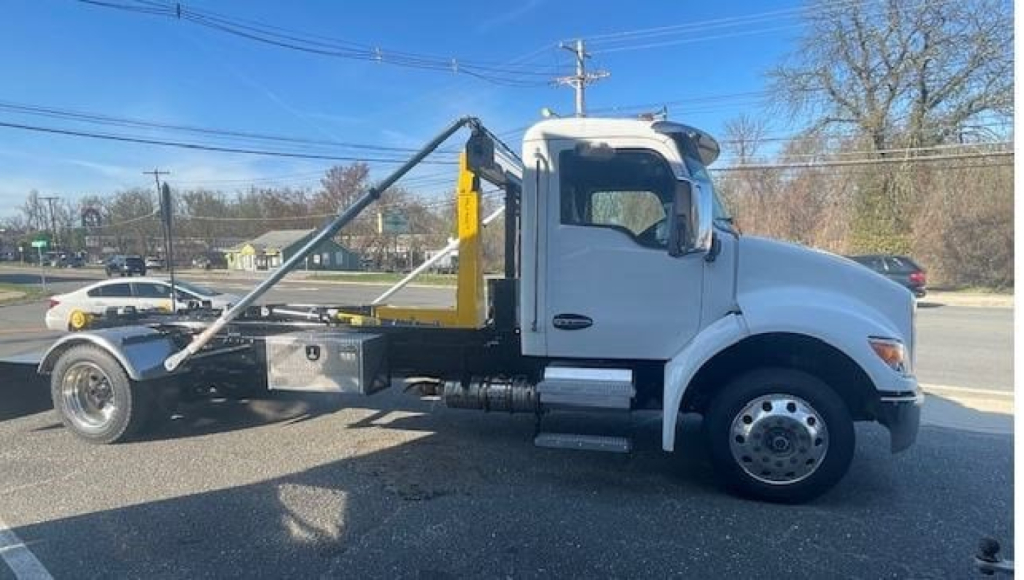
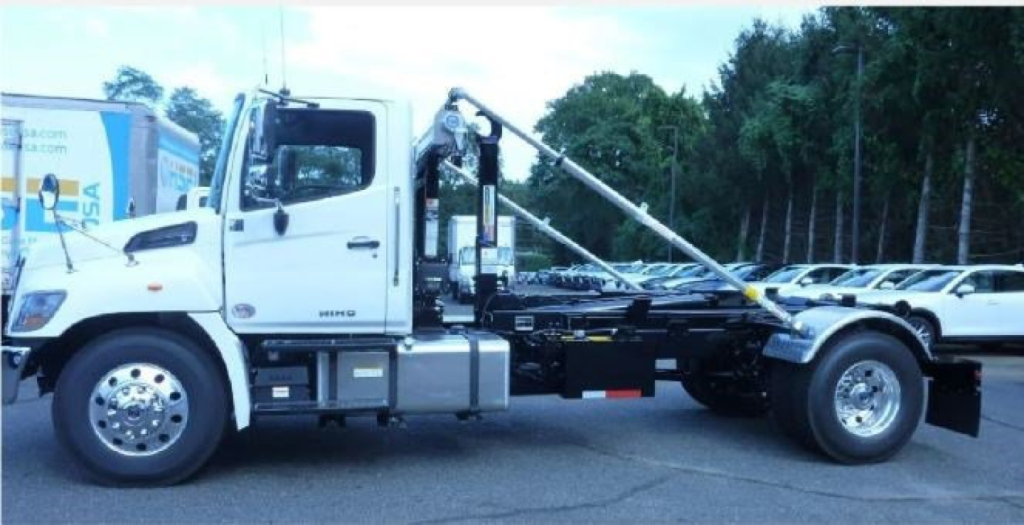
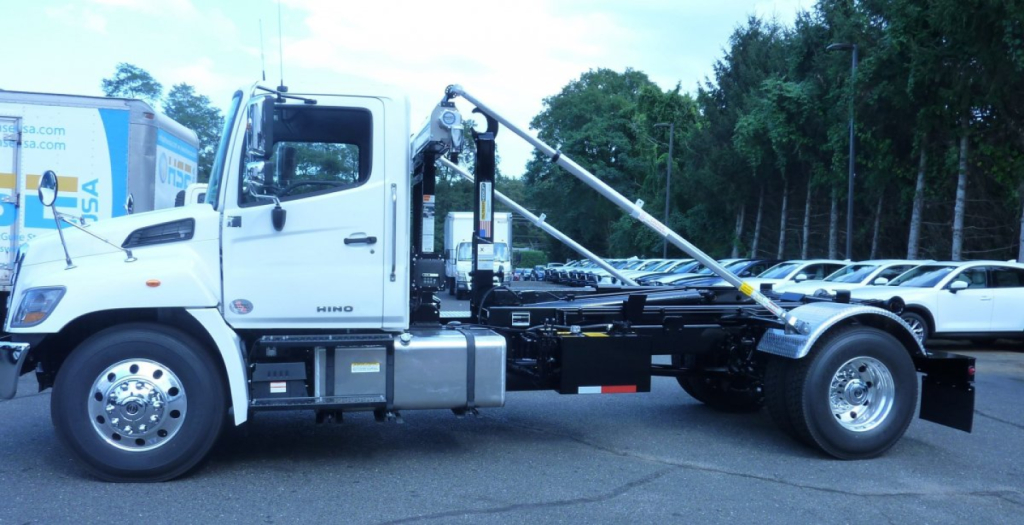
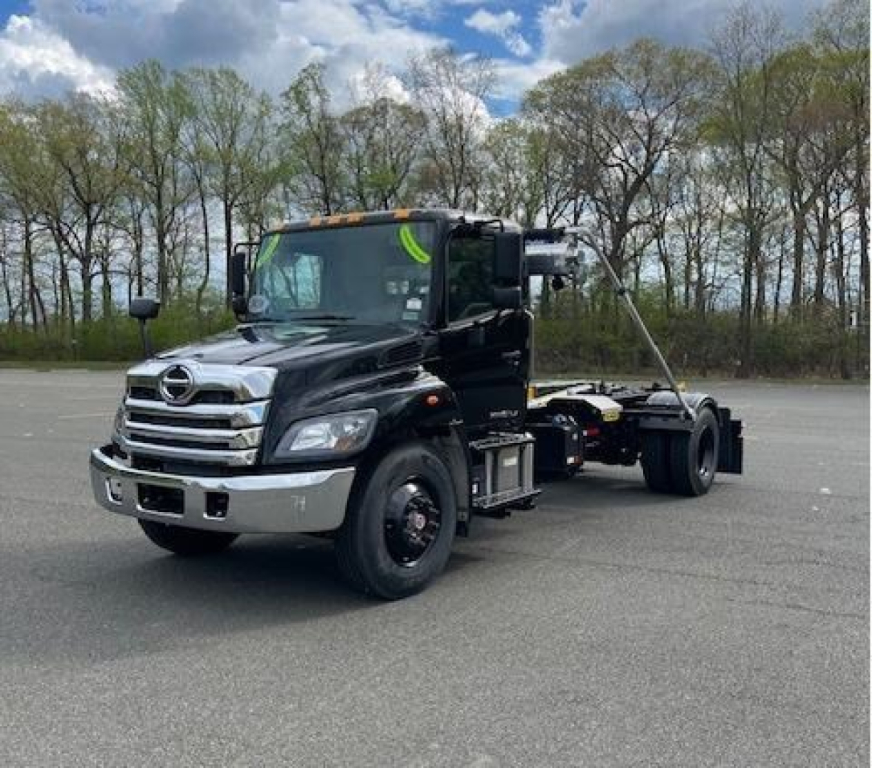
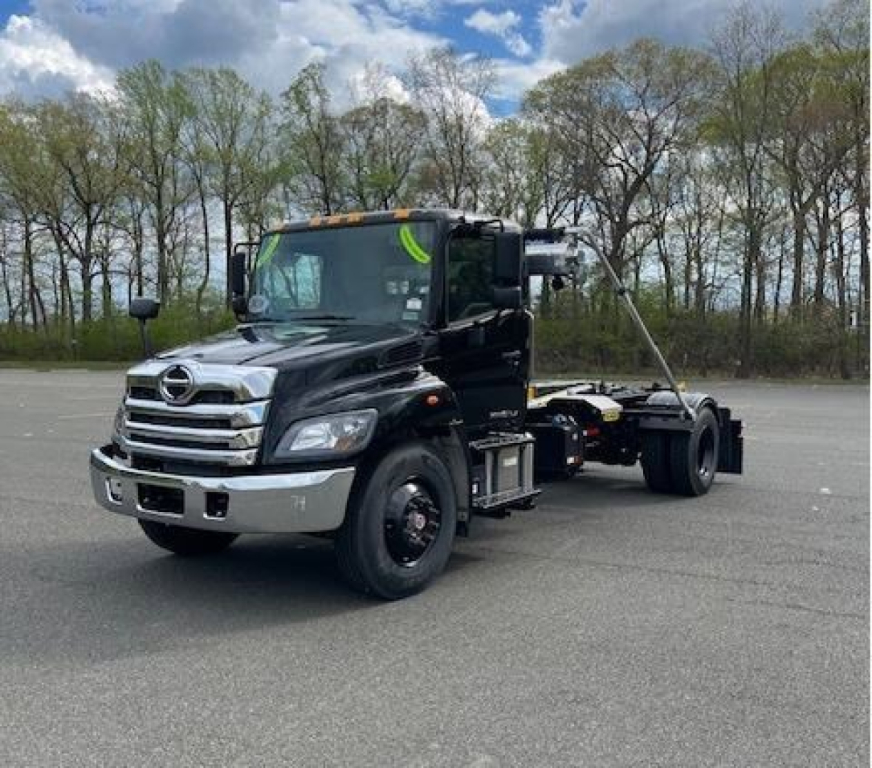
Selling a hooklift truck? List your hooklift truck for sale and reach thousands of commercial buyers.
Hooklift Trucks in New Jersey
The first buying decision is usually hoist capacity and container length range. Many medium-duty hooklift trucks are equipped in the roughly 20,000 to 25,000 lb class, which fits a broad mix of debris and vocational work without moving into a much larger chassis. Buyers should match the hook height, body rail width, and usable container length to the boxes already in their fleet or to the local container standard they plan to use. A mismatch in hook height or rail spec can create expensive compatibility problems even when the truck's rated capacity looks right on paper. Hoist geometry, dump angle, and the type of rear stabilizer or jib setup also affect how well the truck performs on uneven jobsites and during repeated load cycles.
Chassis choice matters just as much as the hoist. Common medium-duty hooklift platforms include models from Hino, Kenworth, Peterbilt, International, Freightliner, and Isuzu, typically paired with diesel engines in the 6.7L range and Allison automatic transmissions for stop-and-go route work. Wheelbase, cab-to-axle dimension, front axle rating, and suspension spec should be checked carefully because they determine what body lengths the truck can handle and how well the load distributes across the axles. In tighter urban markets like New Jersey, maneuverability, turning radius, and overall length can be just as important as pure payload. Buyers working in dense commercial areas also tend to value good visibility, PTO integration, and straightforward in-cab controls that reduce driver training time.
A well-matched hooklift truck can replace multiple single-purpose trucks, but only if the spec is disciplined. Review GVWR, hoist rating, container compatibility, axle ratings, frame reinforcement, brake setup, and any derate requirements before comparing price. If the truck will alternate between dumpsters, flat racks, and equipment hauling, pay attention to tie-down points, tarp systems, and legal payload with each body style. For municipal and contractor use, corrosion protection, hydraulic access, and serviceability are worth close attention because these trucks spend their lives in repetitive, dirty work cycles where uptime is the real cost driver.
Frequently Asked Questions about Hooklift Trucks in New Jersey
What is a hooklift truck used for?
A hooklift truck is used to load, unload, and transport interchangeable bodies such as roll-off style containers, dumpsters, flatbeds, equipment platforms, and specialty service bodies. The main advantage is that one chassis can perform several jobs during the same day, which improves utilization compared with a fixed-body truck. This makes hooklift trucks common in waste, recycling, demolition, landscaping, utility, and municipal applications.
How do I choose the right hooklift capacity?
Hooklift capacity should be chosen based on the heaviest loaded container the truck will routinely handle, not just occasional light-duty work. Medium-duty trucks are often equipped with hoists in the 20,000 to 25,000 lb range, but the correct rating depends on payload, body length, axle ratings, and the operating environment. Buyers should also confirm the hoist rating does not create a false sense of usable payload if the chassis GVWR, bridge laws, or axle distribution become the real limiting factor.
What container measurements matter on a hooklift truck?
The critical measurements are hook height, container rail width, body length range, and overall hoist compatibility. A truck may have enough lifting power but still be unusable with a container that has the wrong hook center or rail configuration. Buyers with existing boxes should verify exact dimensions before purchase, because changing a fleet of containers is far more expensive than matching the truck to the right standard at the start.
Can a hooklift truck be spec'd as a non-CDL truck?
Yes, many hooklift trucks are built on chassis rated at or derated to 25,950 or 26,000 GVWR so they can fit non-CDL operation in many jurisdictions. That can be a major advantage for contractor fleets, municipal departments, and businesses hiring drivers without a CDL. The tradeoff is reduced payload capacity, so buyers need to calculate real working weight with the hoist, the container, and the material being hauled before assuming a non-CDL setup will meet production needs.
What should I inspect on a used hooklift truck?
Inspect the hoist structure, hydraulic cylinders, pivot points, locks, rollers, controls, and the truck frame for cracks, distortion, or uneven wear. Check for hydraulic leaks, slow cycle times, loose body engagement, and damage around the rear stabilizer area. It is also important to review axle ratings, suspension condition, brake wear, PTO operation, and signs that the truck has regularly handled containers heavier or longer than the original spec allowed.