
Hino Hooklift Trucks For Sale in New Jersey
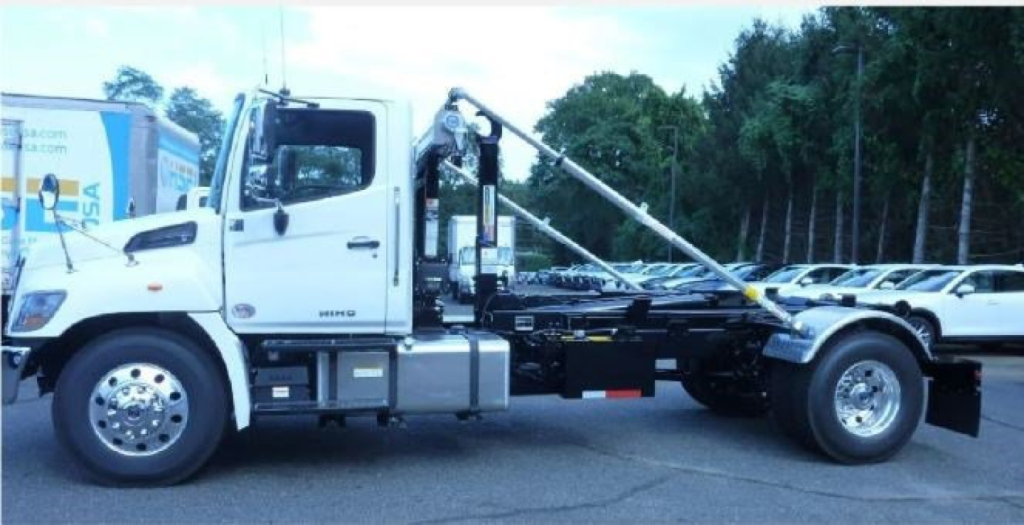
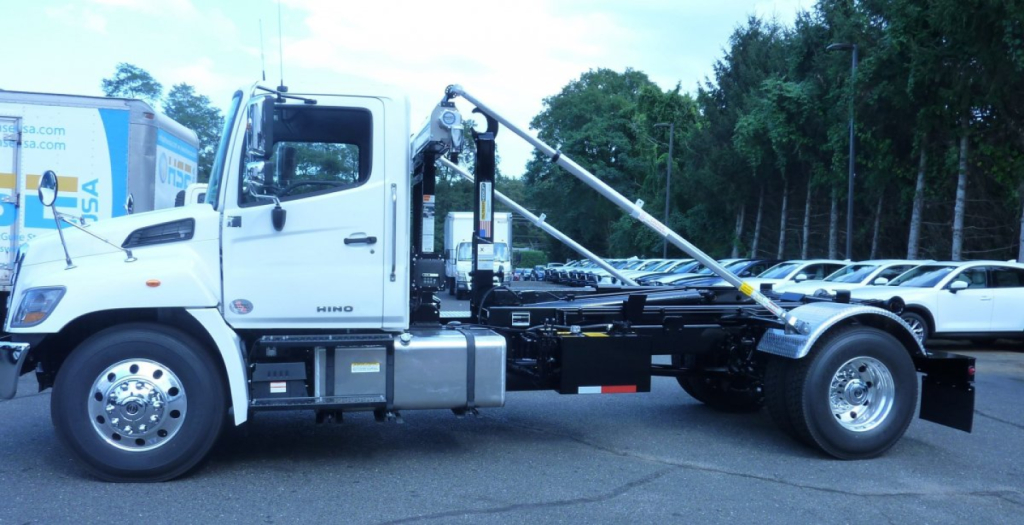
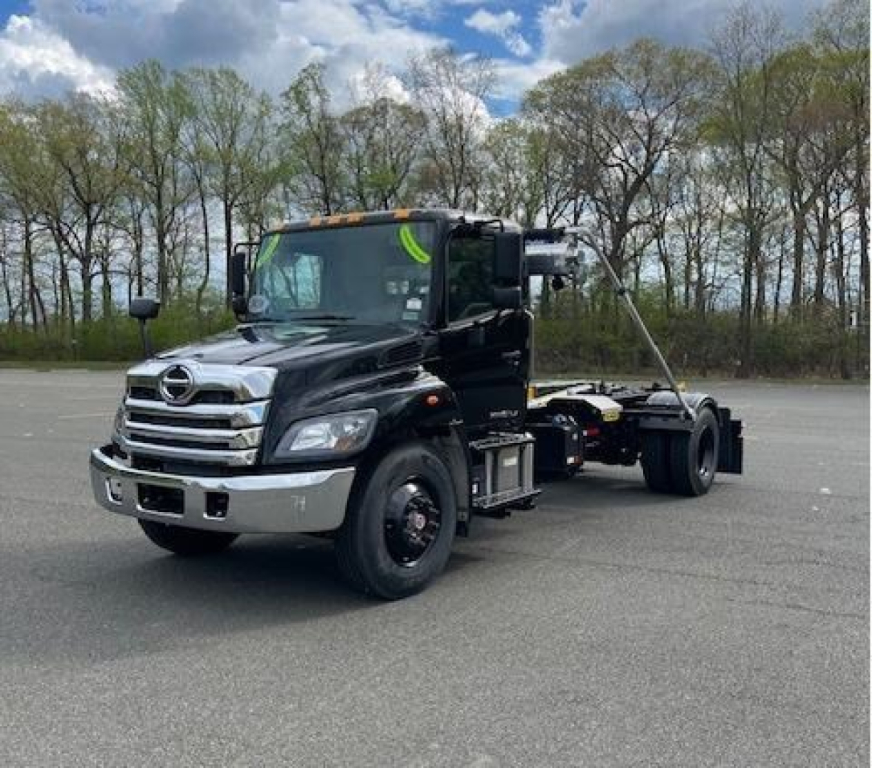
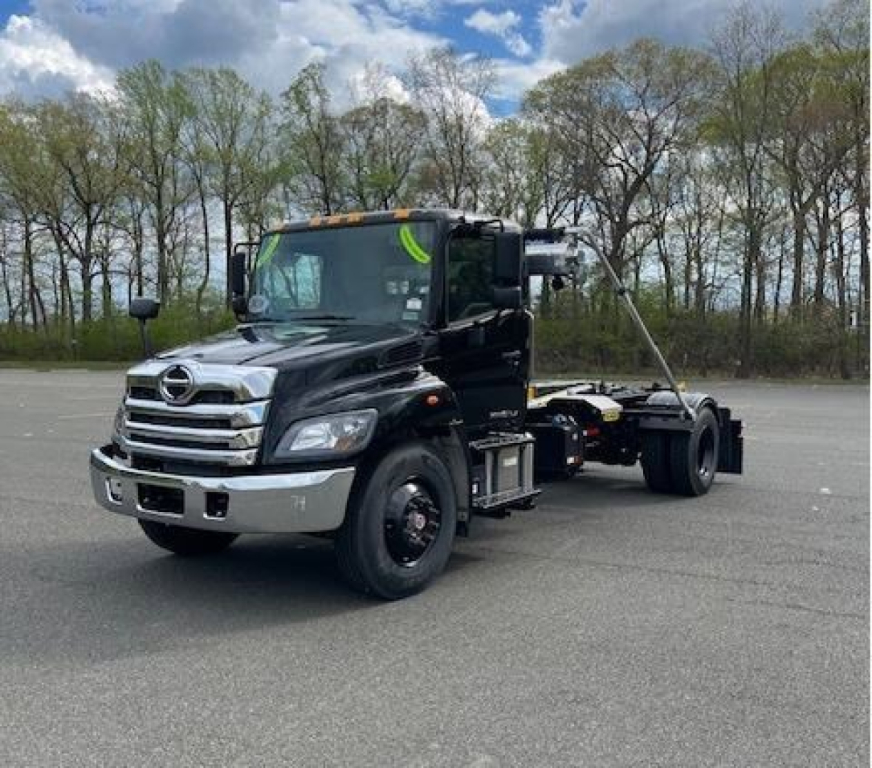
Shop Hino hooklift trucks for sale in New Jersey. Compare hoist capacity, GVWR, cab specs, PTO setup, and body compatibility.
Selling a hino hooklift truck? List your hino hooklift truck for sale and reach thousands of commercial buyers.
Hino Hooklift Trucks in New Jersey
On Hino chassis, buyers often focus on medium-duty platforms that balance payload, maneuverability, and driver comfort. Common considerations include GVWR, wheelbase, cab-to-axle dimension, rear axle rating, and PTO compatibility for the hydraulic system. Listings in this category may include trucks equipped with hooklift hoists around the 20,000 to 22,000 lb class, which is a practical range for many roll-off style applications on a medium-duty chassis. Engine and transmission specs also matter. Late-model Hino hooklift trucks may be paired with diesel power in the 6.7L class and an Allison automatic, a combination many fleets prefer for stop-and-go work, vocational durability, and easier driver onboarding.
A buyer should also pay close attention to the hoist brand and installation details, not just the chassis badge. Frame reinforcement, hydraulic tank placement, inside and outside control stations, tarp system compatibility, and body latch design all affect day-to-day usability. For New Jersey operations, turning radius, bridge law considerations, and axle spread can be just as important as raw lift rating. If the truck will serve multiple body types, confirm body lengths, hook height standards, and container compatibility before purchase. If it will stay in a dedicated application, look at trailer towing provisions, pintle or hitch setup, and how the hoist weight impacts net payload.
Hino has a strong presence in medium-duty vocational service, and that shows up in hooklift applications where uptime, cab ergonomics, and service access are important. Buyers comparing Hino hooklift trucks should look beyond advertised capacity and review actual legal payload, upfit quality, and how the truck is spec'd for the route. A well-matched hooklift truck can replace several single-purpose units, reduce idle equipment, and give a fleet more flexibility without stepping up to a larger chassis than the job requires.
Frequently Asked Questions about Hino Hooklift Trucks in New Jersey
What should I look for first when buying a Hino hooklift truck?
Start with the relationship between hoist capacity, chassis GVWR, and the container sizes you plan to use. A truck may have a hooklift rated for around 20,000 to 22,000 pounds, but legal payload depends on the chassis rating, wheelbase, axle ratings, and the empty weight of the hoist and body. Hook height, rail length, and body length compatibility should also be confirmed early because mismatched containers create loading and safety problems even if the truck appears properly rated.
Are Hino hooklift trucks good for urban and suburban New Jersey routes?
Yes, medium-duty Hino hooklift trucks are often a strong fit for New Jersey work because they combine vocational capability with better maneuverability than a larger roll-off chassis. That can be useful on tighter streets, job sites with limited access, and customer locations where turning room is restricted. Buyers should still verify wheelbase, overall length, axle placement, and local weight compliance to make sure the truck fits the actual route mix.
What body types can a Hino hooklift truck handle?
A Hino hooklift truck can support a range of interchangeable bodies, including dumpsters, debris containers, flatbeds, equipment bodies, and specialty vocational bodies, provided the dimensions and hook specifications match the hoist. The main advantage is being able to swap bodies instead of dedicating a truck to one task. That flexibility only works when container length, hook height, and body latch design are standardized across the fleet.
Why is the hoist brand important on a hooklift truck?
The hoist brand matters because hydraulic design, control layout, parts support, and long-term durability vary by manufacturer. Buyers often pay attention to hoist cycle speed, available lifting geometry, safety locks, and service network strength. A quality upfit with proper frame reinforcement and clean hydraulic installation can be as important as the chassis itself, especially for fleets that cycle bodies frequently or work in harsh vocational conditions.
Is an automatic transmission a good choice for a hooklift application?
For many hooklift applications, an automatic transmission is the preferred setup because it improves drivability in stop-and-go service and reduces driver fatigue. It can also help with consistency when backing, positioning, and loading containers in confined areas. In medium-duty vocational service, Allison automatic transmissions are commonly selected for their durability, PTO compatibility, and familiarity across mixed-driver fleets.