
New 2024 Ram Hooklift Trucks For Sale
Shop new 2024 Ram hooklift trucks built on Ram 5500 chassis with Cummins diesel power, PTO or electric-hydraulic systems, and swap-body versatility.
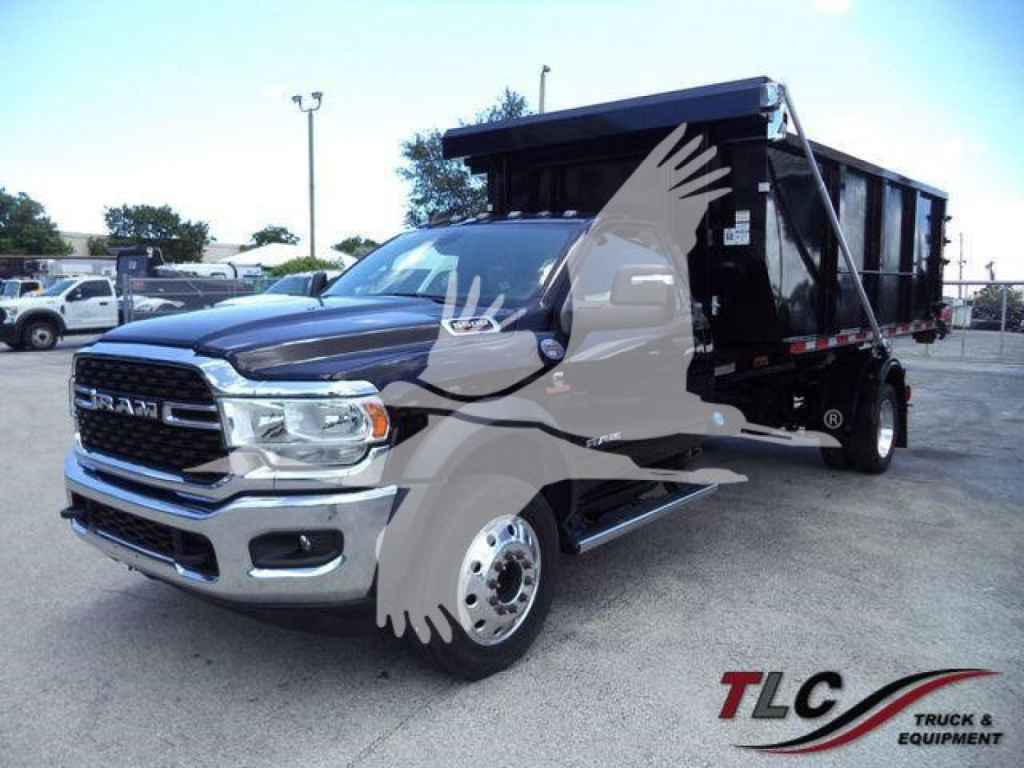
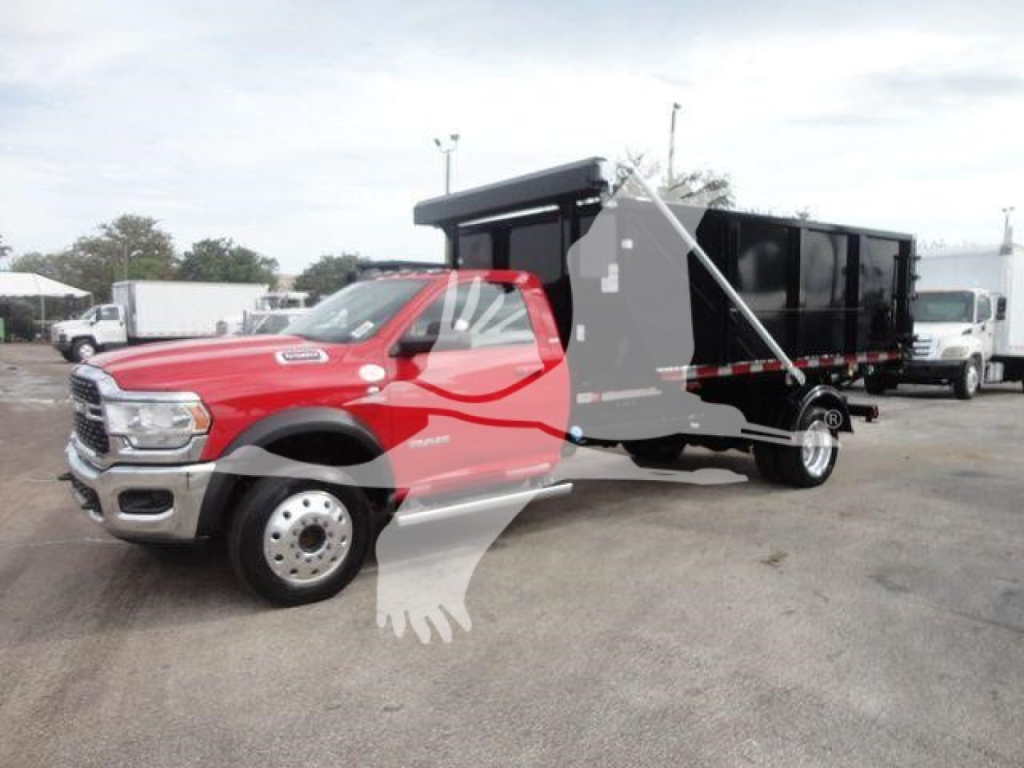
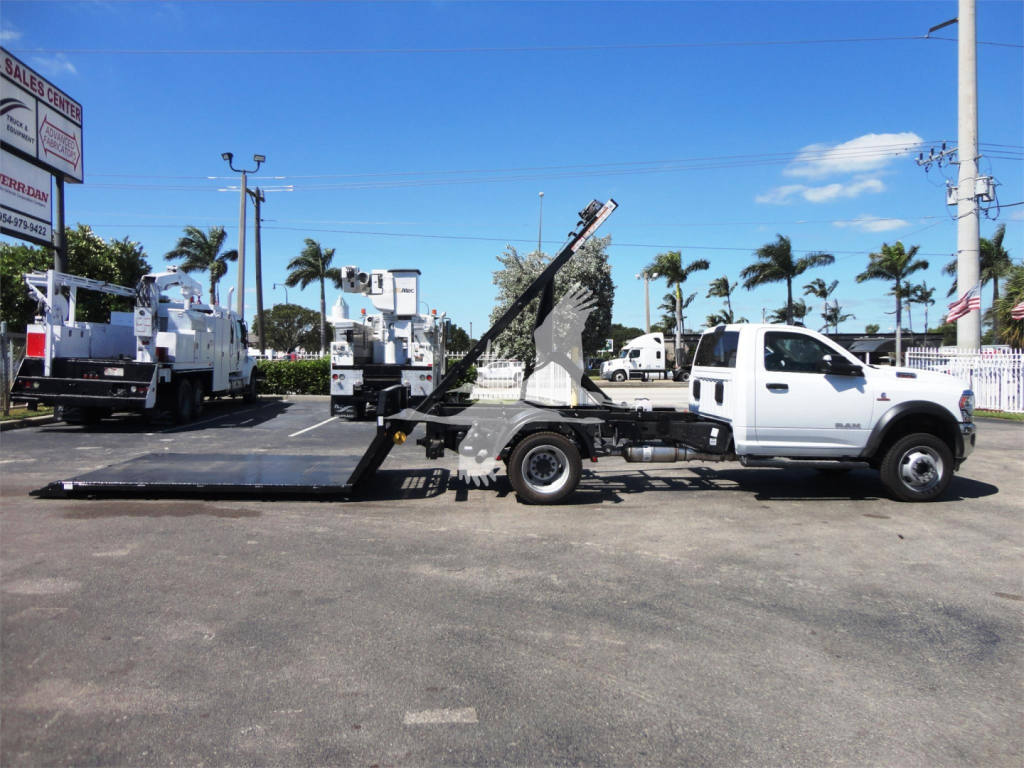
Selling a new 2024 ram hooklift truck? List your new 2024 ram hooklift truck for sale and reach thousands of commercial buyers.
New 2024 Ram Hooklift Trucks
The big buying decision is matching hooklift length and hoist capacity to the containers or bodies you plan to run. In this segment, 11-foot and 14-foot systems are common, often paired with steel dump bodies, landscape bodies, or flatbeds. Electric-over-hydraulic hoists are popular on Ram hooklift builds because they simplify operation and package well on this chassis. Features that matter in day-to-day use include winch rating and cable length, inside and outside controls, rear hitch capacity, trailer brake wiring, tarp systems, and rear door configuration on the container. If you are moving dense debris, concrete washout, roofing tear-off, or wet material, body side height and floor construction deserve as much attention as the hoist itself.
On the chassis side, most 2024 Ram hooklift trucks in this size range use the 6.7L Cummins diesel with an automatic transmission. Buyers should compare 4x2 versus 4x4 carefully. A 4x2 truck usually gives a simpler, lighter package for pavement and established jobsite use, while 4x4 can be worth the added cost for soft ground, rural routes, winter service, and undeveloped sites. Cab configuration also affects wheelbase, body fitment, and maneuverability. Regular cab trucks are common because they keep overall length tighter and leave room for the hooklift package, but payload planning still needs to account for the installed hoist, body weight, fuel, passengers, and any towing setup.
A well-matched Ram hooklift can replace several single-purpose trucks by letting one unit switch between dump, debris, and flatbed bodies in minutes. That flexibility is what drives value in this category, but only if the truck is spec'd around your actual container inventory and workload. Buyers should verify hook height compatibility, usable body length, hoist lift rating, bumper and receiver ratings, electrical connections, and whether the truck will spend more time hauling containers or towing equipment. For contractors, property maintenance fleets, and local hauling operations, a new 2024 Ram hooklift truck offers a practical balance of medium-duty capability, maneuverability, and body-swap efficiency.
Frequently Asked Questions about New 2024 Ram Hooklift Trucks
What is a Ram hooklift truck used for?
A Ram hooklift truck is used to pick up, transport, dump, and set down interchangeable bodies or containers on a single chassis. Common uses include hauling landscape debris, construction waste, small dumpsters, equipment platforms, and flatbeds. In many fleets, the main advantage is reducing the need for separate dedicated trucks because one Ram 5500 hooklift can alternate between multiple bodies as work changes through the day or season.
What should I look for when comparing 11-foot and 14-foot hooklift systems?
The right length depends on the containers or bodies you already own and the type of material you haul. An 11-foot system can be a good fit where maneuverability matters most and the truck needs to stay compact, while a 14-foot setup offers more body options and often better capacity for landscape, trash, and light construction applications. Buyers should confirm usable rail length, hook height, hoist rating, body weight, and the loaded center of gravity to make sure the truck will handle the intended containers safely and efficiently.
Is a 4x4 Ram 5500 hooklift worth it?
A 4x4 Ram 5500 hooklift is usually worth considering if the truck will operate on soft ground, gravel, muddy jobsites, snow, or rural roads where traction limits productivity. A 4x2 configuration is often the better value for pavement-based routes, municipal work, and established commercial properties because it is typically lighter and mechanically simpler. The decision comes down to terrain, seasonal conditions, and whether the truck needs to back into undeveloped job areas with a loaded container.
How much can a Ram 5500 hooklift truck carry?
Payload depends on the truck's GVWR, the weight of the hooklift hoist, the weight of the body or container, drivetrain, wheelbase, and any towing or accessory equipment installed. In this category, many trucks are built on a 19,500 lb GVWR Ram 5500 chassis, but actual usable payload can vary significantly once the hoist, steel body, tarp system, hitch equipment, and fuel are included. Buyers should always review the completed truck's actual weight and calculate net payload based on the heaviest body and material they expect to haul.
What features matter most on a new hooklift truck?
The most important features are the hoist capacity, hook compatibility, control layout, and body fitment. After that, buyers should pay close attention to winch specification, cable length, hitch rating, trailer brake integration, tarp system, rear door style, and body construction. These details affect daily loading speed, operator safety, towing capability, and how well the truck handles different materials such as brush, demolition debris, pallets, or equipment.