
New Ram Rolloff Trucks For Sale
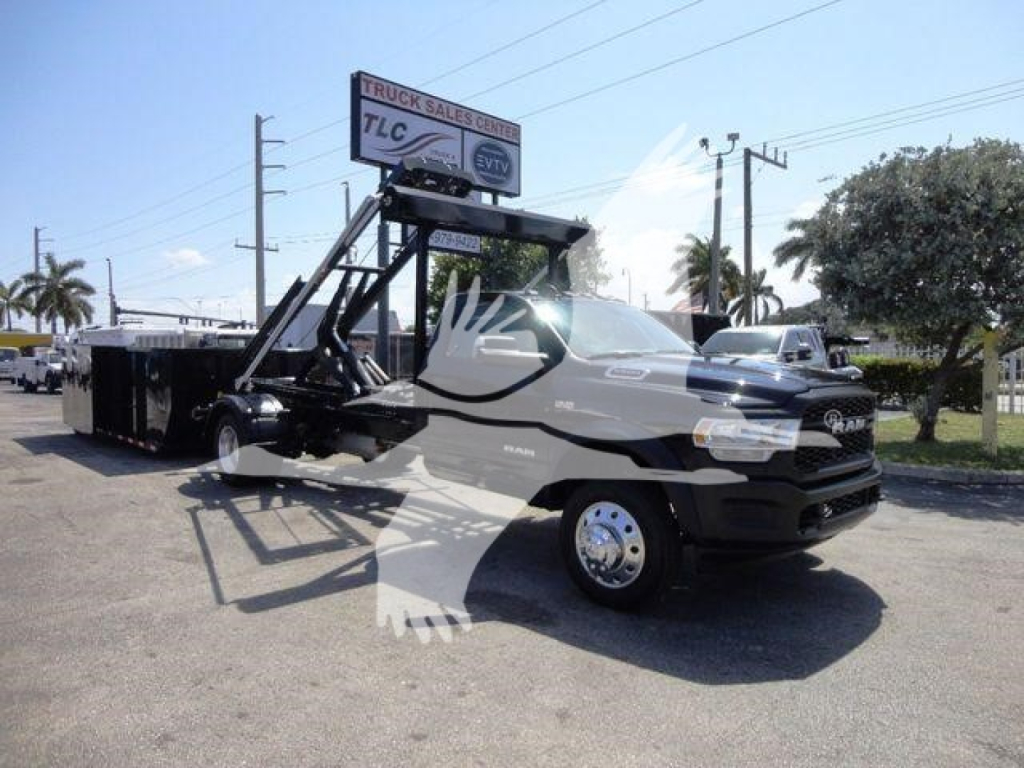
Shop new Ram rolloff trucks built on 5500 chassis with interchangeable bodies, strong payload capacity, and jobsite-ready hoist systems.
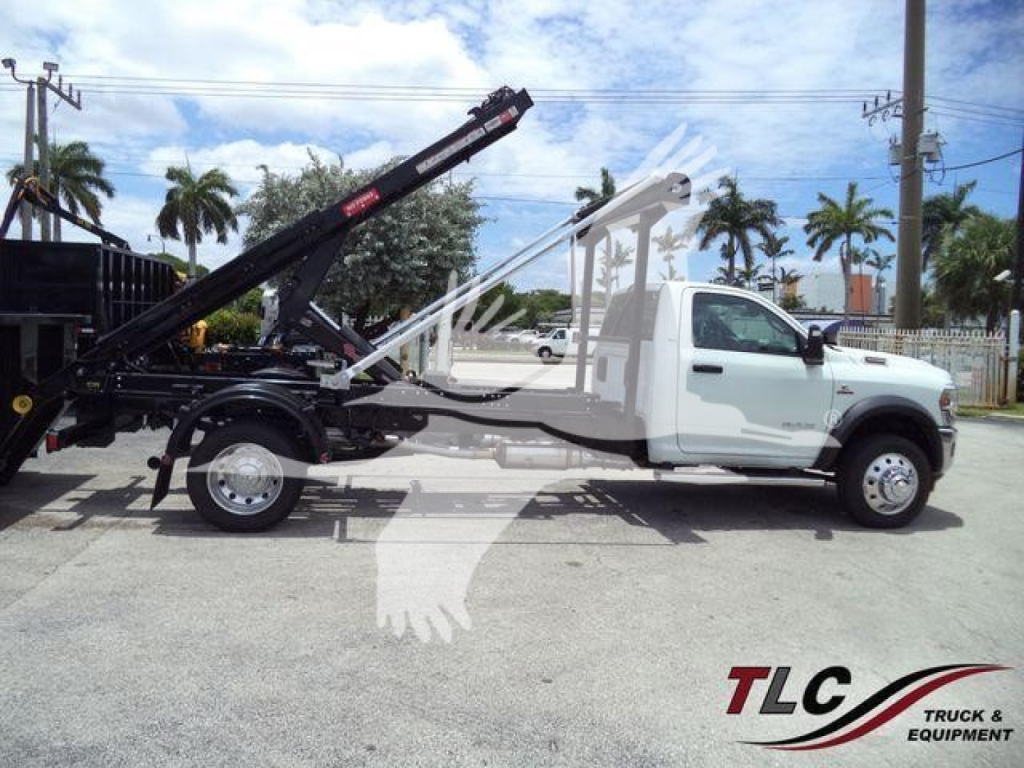
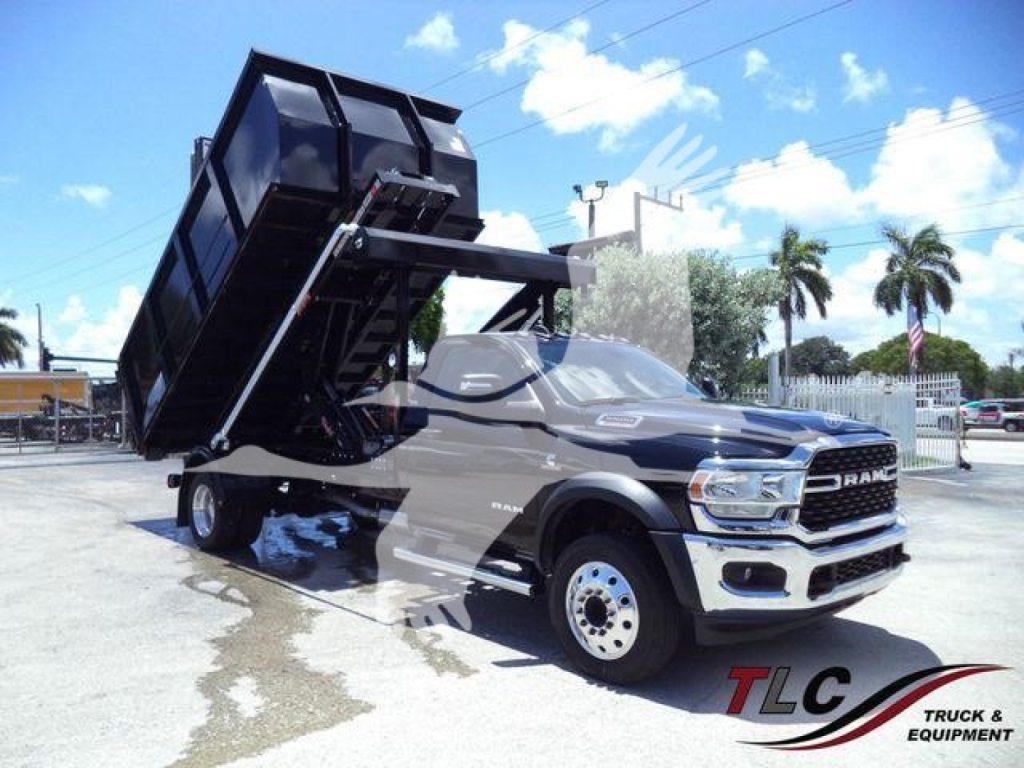
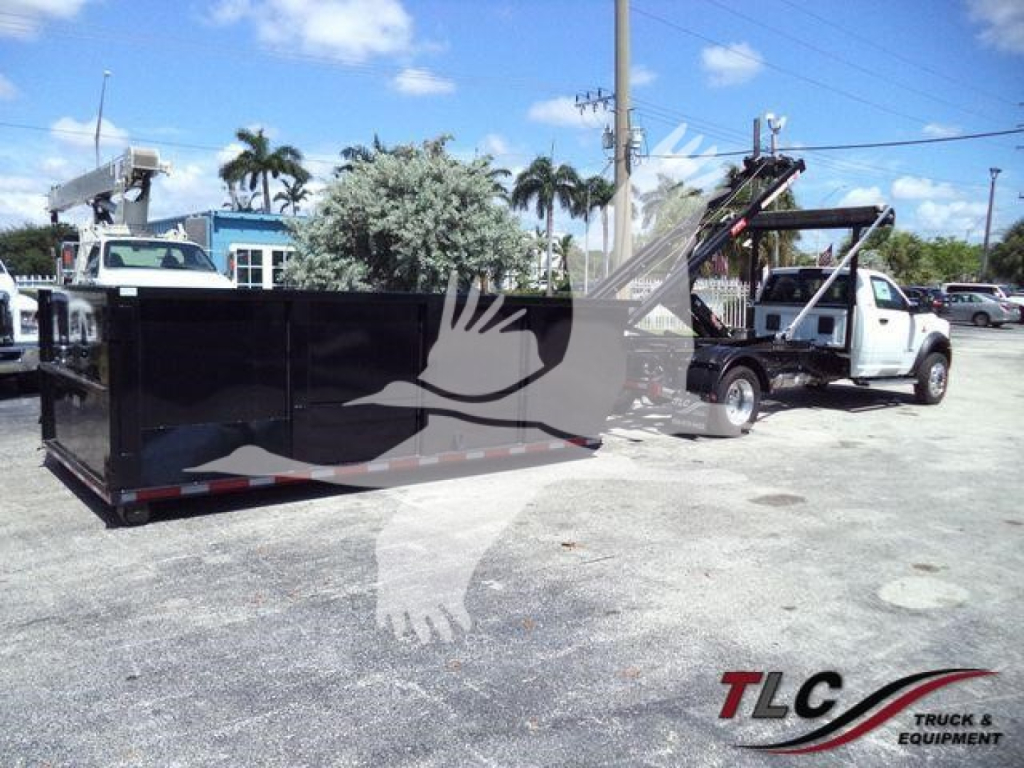
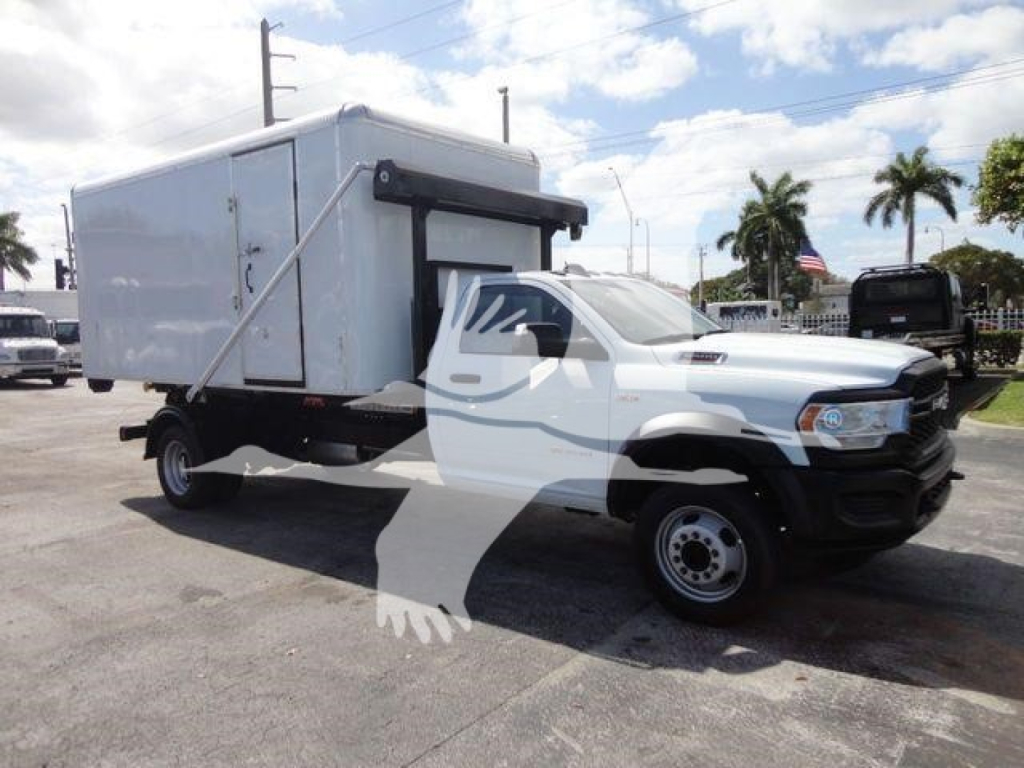
Selling a new ram rolloff truck? List your new ram rolloff truck for sale and reach thousands of commercial buyers.
New Ram Rolloff Trucks
The key buying decision is usually the hoist and container system. Many Ram rolloff trucks in this category use cable-style, electric-over-hydraulic hoists with interchangeable bodies, often paired with 14-foot containers or work bodies. That setup lets one truck switch between a dump box, landscape body, storage box, debris container, or other specialty body depending on the day’s work. Buyers should pay attention to hoist rating, winch capacity, cable length, rear roller design, and controls with both in-cab and exterior access. A full electric tarp system, trailer brake wiring, receiver hitch, and ICC bumper hitch can also matter if the truck will pull equipment or operate on mixed job types.
On the chassis side, Ram 5500 rolloff trucks are commonly spec'd with either the 6.7L Cummins diesel or the 6.4L HEMI gas engine, typically backed by an automatic transmission. Diesel is usually favored for higher torque, frequent towing, and heavier daily use, while gas can make sense for lighter routes or fleets focused on lower upfront cost and simpler maintenance planning. Buyers should also compare 4x2 versus 4x4 configurations, wheel and tire setup, regular cab layout, and axle ratings against the intended container weight. Body dimensions are just as important. A 14-foot by 8-foot box with higher sidewalls works well for mulch, brush, C&D debris, and light demo material, while enclosed van-style containers can support tools, equipment, or secured jobsite storage.
A Ram rolloff truck is also commonly called a cable rolloff truck, dumpster truck, mini rolloff truck, or interchangeable-body truck, although some buyers also cross-shop hooklift trucks for similar applications. The difference matters. Cable rolloff systems are often simpler and cost-effective for standardized containers, while hooklifts can offer faster body exchange and broader body compatibility at a higher price point. For many small to mid-size fleets, a new Ram rolloff truck hits the sweet spot between capacity, operating cost, and versatility. The best spec is the one matched to container size, debris type, route density, towing needs, and the clearance limits of the jobsites where the truck will spend most of its time.
Frequently Asked Questions about New Ram Rolloff Trucks
What is a Ram rolloff truck typically used for?
A Ram rolloff truck is commonly used for hauling debris boxes, landscape bodies, dump containers, and storage bodies on a single medium-duty chassis. Typical applications include junk removal, construction debris, roofing tear-off, landscaping, municipal cleanup, equipment transport, and jobsite storage. The main advantage is body interchangeability, which allows one truck to cover several functions instead of dedicating separate trucks to each task.
Is a Ram 5500 rolloff truck considered a non-CDL truck?
Many Ram 5500 rolloff trucks are built at a 19,500 GVWR, which keeps them under the 26,001-pound federal CDL threshold. That said, CDL requirements can still depend on actual truck spec, trailer use, combined weight rating, and state or local regulations. Buyers should verify GVWR, GCWR, axle ratings, and towing plans before assuming a specific truck can be operated without a CDL.
Should I choose the Cummins diesel or the 6.4L HEMI gas engine in a Ram rolloff truck?
The 6.7L Cummins diesel is usually the better choice for fleets that tow regularly, run heavier containers, or put high annual mileage on the truck because it offers strong low-end torque and good performance under load. The 6.4L HEMI gas engine can be a solid option for lighter-duty cycles, shorter routes, and buyers prioritizing lower initial cost. The right choice depends on route length, idle time, payload expectations, service access, and total cost of ownership.
What should I check on the rolloff hoist and body system before buying?
Focus on hoist capacity, winch rating, cable length, hydraulic design, control placement, and compatibility with the containers you plan to use. It is also smart to confirm body length, wall height, rear door style, tarp system, and the way the body sits on the rails when loaded. If the truck will support multiple bodies, make sure the interchange system is standardized and practical for your fleet’s daily loading conditions.
What is the difference between a cable rolloff truck and a hooklift truck?
A cable rolloff truck uses a winch and cable system to pull containers onto rails, while a hooklift uses a hydraulic arm with a hook to lift and load compatible bodies. Cable rolloff systems are often simpler and lower in purchase cost, especially for fleets using standard debris boxes. Hooklifts usually provide faster swaps and more flexibility with body styles, but they can cost more and may not be necessary for every application.