
New 2026 Garbage Trucks For Sale
Shop new 2026 garbage trucks including front loaders, side loaders, and refuse chassis with specs for residential, commercial, and municipal use.
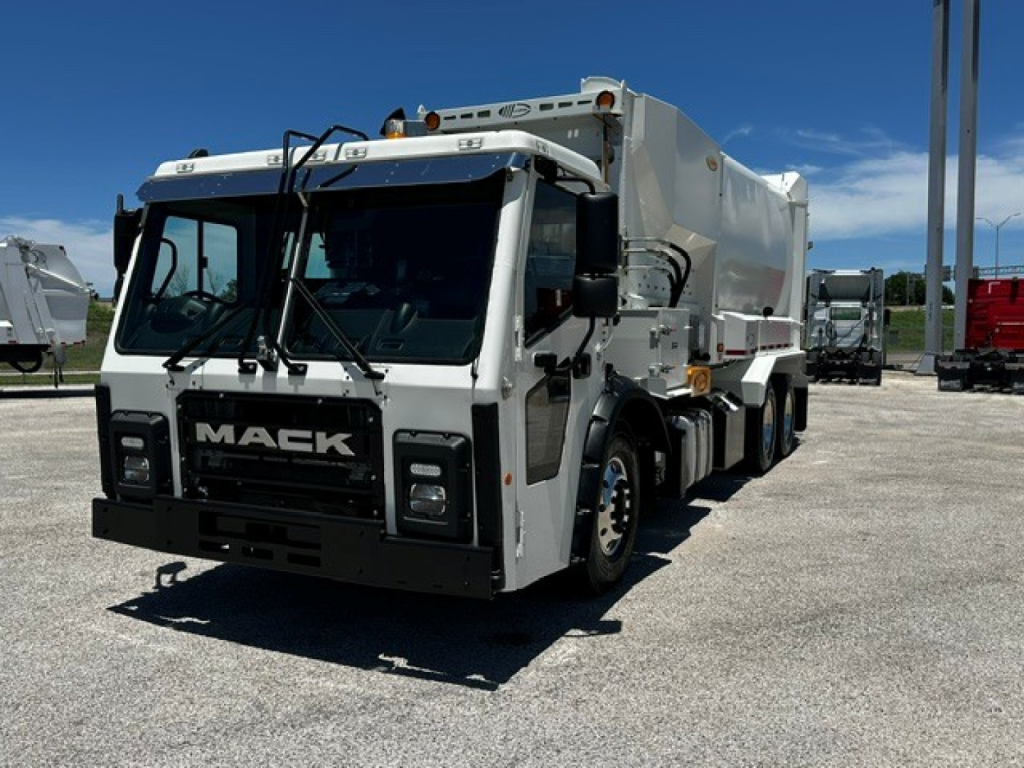

Selling a new 2026 garbage truck? List your new 2026 garbage truck for sale and reach thousands of commercial buyers.
New 2026 Garbage Trucks
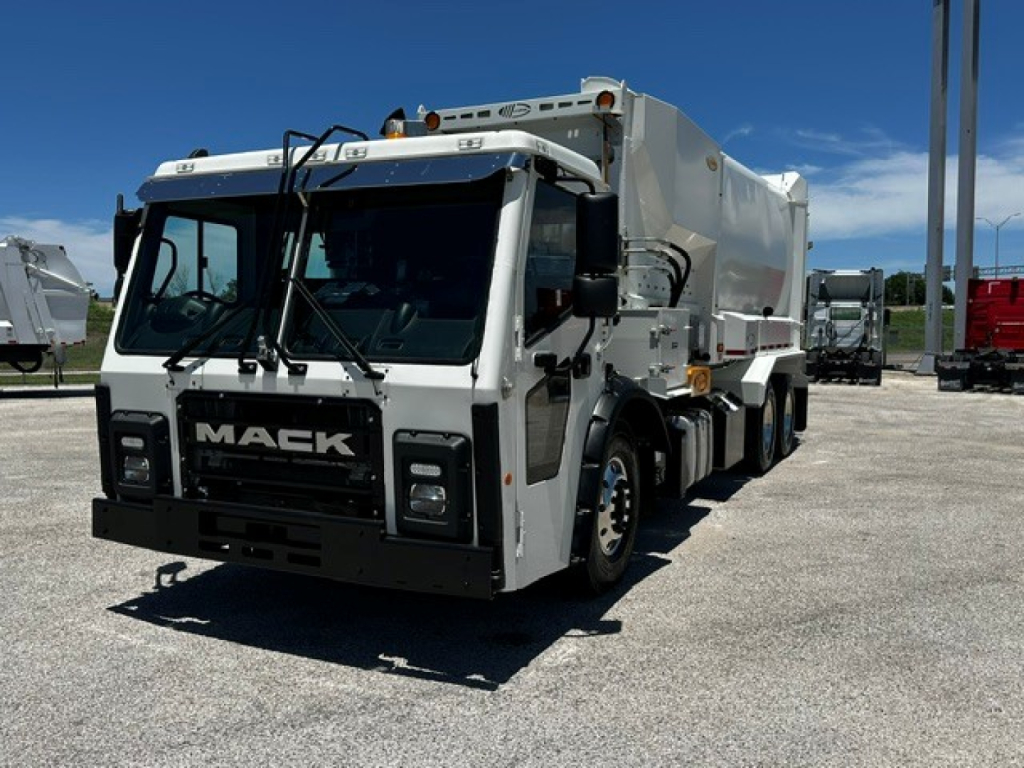
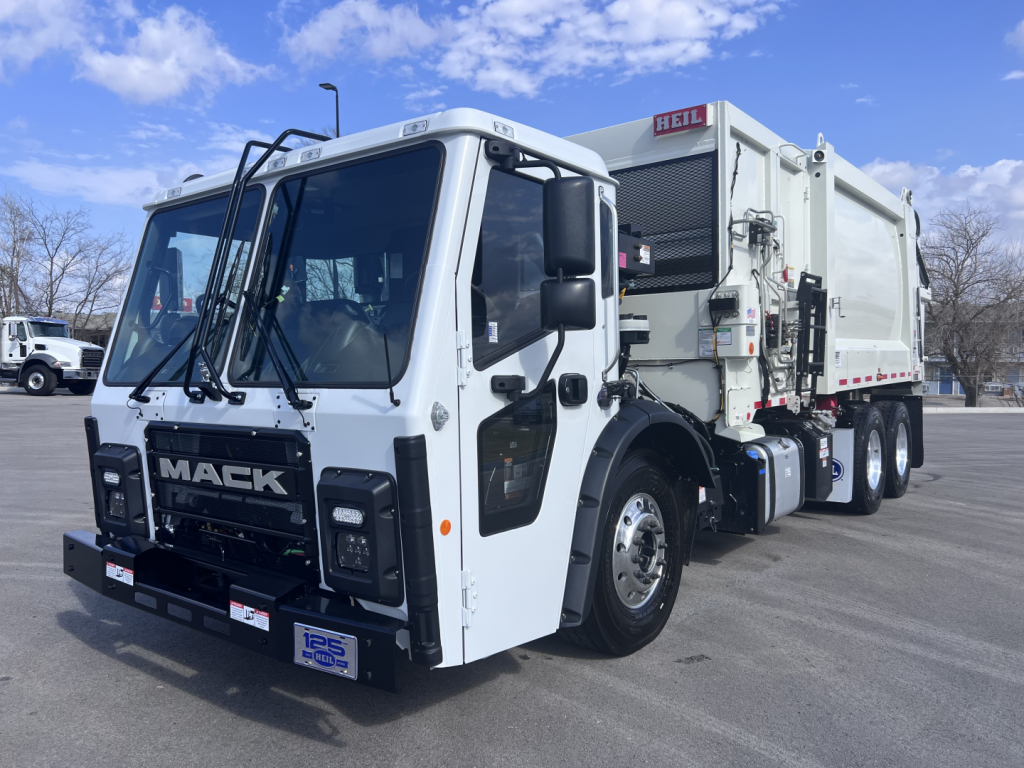
The first decision is usually collection type. Automated side loaders are built for residential cart service and often pair with 28-yard bodies, grabber arms, camera systems, hopper lights, and operate-in-gear-at-idle hydraulic setups to keep stops fast and repeatable. Front loader garbage trucks are more common in commercial routes with dumpsters and higher lift demands. They need stable front axle capacity, strong frame rails, and the right wheelbase to match body and arm geometry. If the route includes alleys, cul-de-sacs, or tight urban turns, low-cab-forward refuse trucks with excellent sightlines and a tight curb-to-curb turning radius can make a noticeable difference in driver productivity and safety.
Key specs to compare on a 2026 refuse truck include engine type, horsepower, transmission model, front and rear axle ratings, wheelbase, rear axle ratio, and brake configuration. Many garbage trucks in this class use Allison automatic transmissions and rear axle ratings around 44,000 to 46,000 pounds, with front axles often rated near 20,000 pounds to handle body, hopper, and lift loads. Natural gas variants can reduce emissions and help meet local clean-fleet mandates, but diesel still offers simpler fueling logistics in many markets. Buyers should also look closely at body-mount details, full eject versus standard packing design, hydraulic pump setup, camera coverage, backup alarms, work lighting, and practical route equipment such as toolboxes, fire extinguishers, mud flaps, and cart grabber options for 60-gallon and 90-gallon containers.
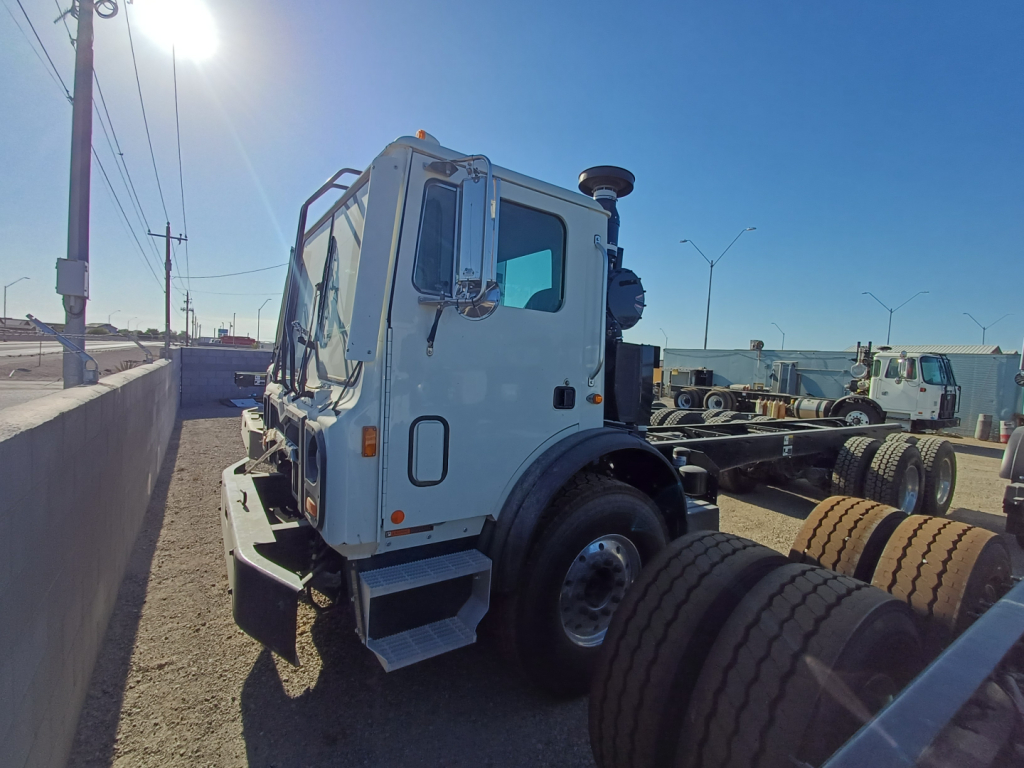
A new 2026 garbage truck should be evaluated as a complete route tool, not just a chassis and body combination. Cab entry height, seat position, visibility at the hopper or forks, service access, and body control layout all affect uptime and operator acceptance. Municipal fleets may prioritize emissions compliance, standardized body specs, and long lifecycle cost. Private haulers may focus more on payload, packer performance, turnaround speed, and maintenance support. The best choice is the truck that matches route density, container type, transfer distance, shop capability, and driver staffing, with enough axle, body, and hydraulic capacity to handle real-world stop-and-go refuse work every day.
Frequently Asked Questions about New 2026 Garbage Trucks
What is the difference between a front loader and an automated side loader garbage truck?
A front loader is typically used for commercial refuse collection with dumpsters or commercial bins that must be lifted over the cab and emptied into the body. An automated side loader is designed mainly for residential cart routes and uses a mechanical arm to grab and dump carts from the side of the truck. Front loaders are better for heavier container lifts and commercial service, while side loaders are better for high-stop residential routes where speed, one-person operation, and repeatable cart pickup matter most.
What axle ratings are common on new 2026 garbage trucks?
Many new garbage trucks are spec'd with front axles around 20,000 pounds and rear axles in the 44,000 to 46,000 pound range, although the exact rating depends on body type, route, and legal weight limits. Front loader and side loader configurations both place significant weight on the chassis because of the body, hydraulics, hopper loads, and repeated stop-start operation. Buyers should confirm that axle ratings, suspension, and wheelbase match the installed body and the intended payload profile rather than relying only on engine or cab specs.
Are natural gas garbage trucks a good choice for refuse fleets?
Natural gas garbage trucks can be a strong fit for municipal and private fleets that have access to CNG fueling and need to meet emissions or clean-fleet targets. They are especially common in refuse because these trucks operate on fixed local routes and return to base regularly, which makes fueling infrastructure easier to manage. The tradeoff is that natural gas units may require different service planning, fuel system familiarity, and tank packaging considerations compared with diesel trucks.
Why are low-entry cabs and right-hand steer common in refuse trucks?
Low-entry cabs reduce driver fatigue by making frequent entry and exit easier during dense collection routes. Right-hand steer improves the driver's view of the curb side, carts, pedestrians, and pickup points during residential collection, especially on automated side loader applications. These features are used because garbage trucks spend much of their workday in slow-speed neighborhoods and commercial lots where visibility, safety, and stop efficiency are more important than long-haul comfort.
What should I look for besides the chassis on a new garbage truck?
The body and route equipment are just as important as the cab and drivetrain. Buyers should review body manufacturer, cubic-yard capacity, arm or fork configuration, hydraulic pump setup, eject system, camera package, lighting, backup alarm, controls, and compatibility with the cart or container sizes used on the route. A well-matched refuse truck is one where the chassis, body, hydraulics, and safety systems are spec'd together to support the actual collection environment and maintenance program.