
New 2026 Garbage Trucks For Sale in Texas
Shop new 2026 garbage trucks for sale in Texas. Compare refuse truck specs, body types, axle ratings, right-hand steer, and PTO setup.

Selling a new 2026 garbage truck? List your new 2026 garbage truck for sale and reach thousands of commercial buyers.
New 2026 Garbage Trucks in Texas
The first buying decision is usually body style. Front loaders are common for commercial dumpsters and heavier container service. Rear loaders fit residential routes, manual pickup operations, and mixed waste applications. Side loaders, including automated side loaders, are favored by municipalities running cart-based residential programs because they reduce labor and speed up repetitive stops. Key chassis and body specs include GVWR, front and rear axle ratings, wheelbase, PTO compatibility, hopper capacity, packer rating, and legal payload. Buyers in Texas should also pay attention to cooling performance, idle management, and cab HVAC because long route hours, high ambient temperatures, and frequent compaction cycles can stress both operators and equipment.
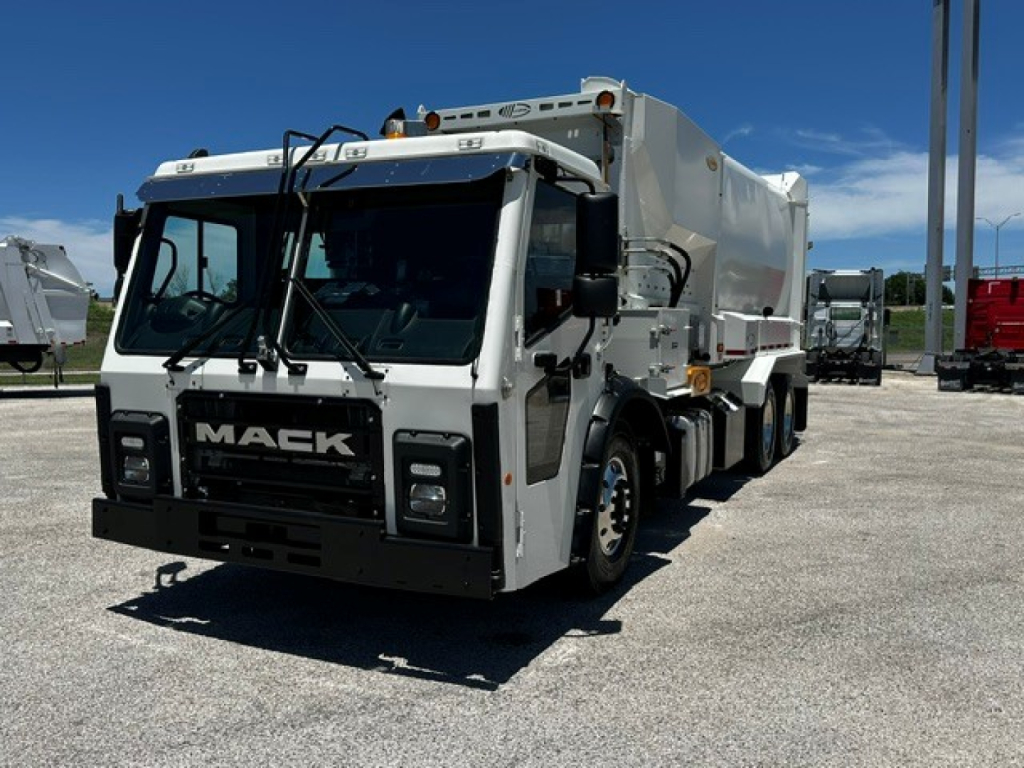
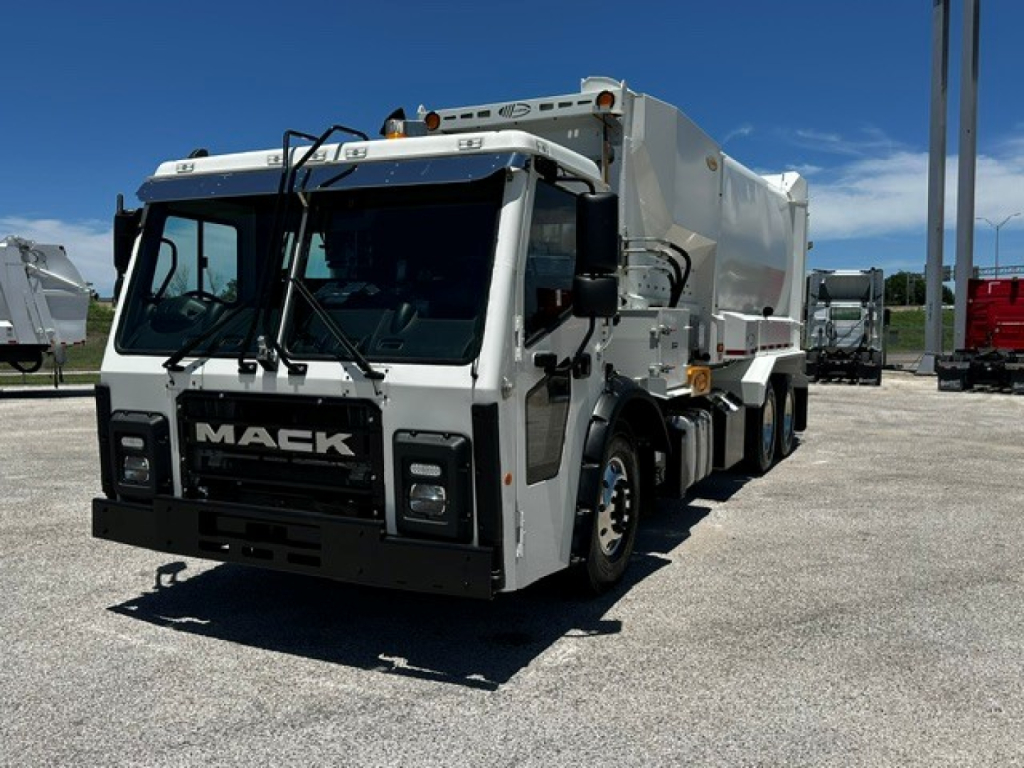
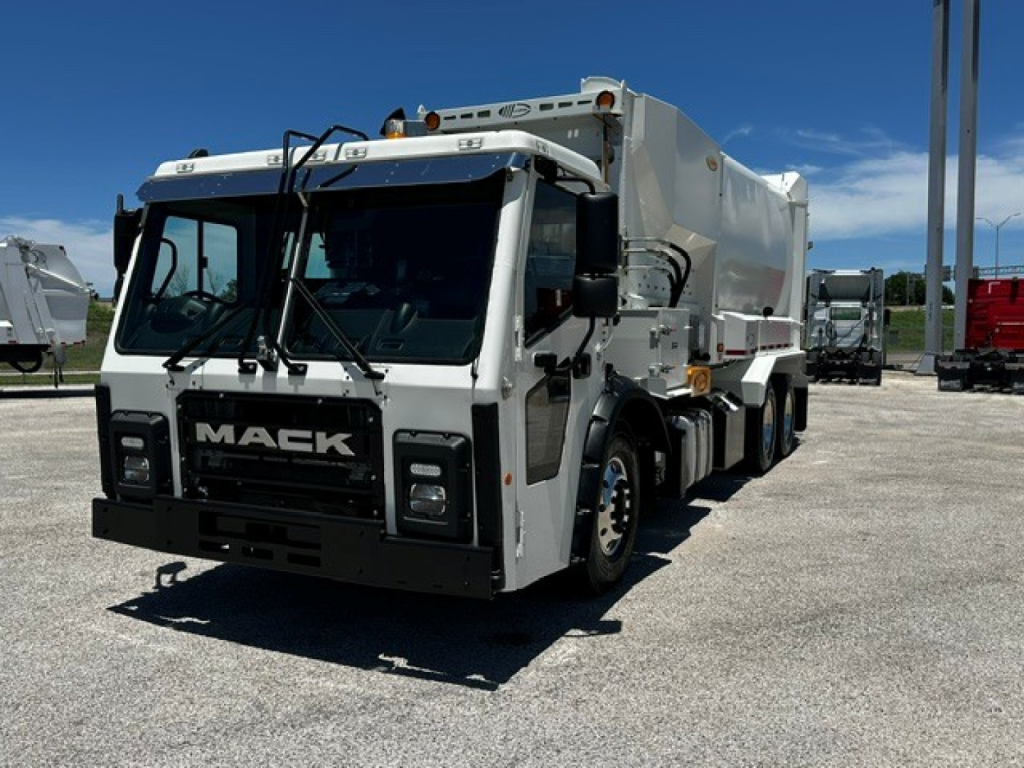
Cab layout and serviceability have a direct impact on uptime. Low-entry refuse trucks like the Mack LR series are popular because they offer excellent step-in height, wide windshield visibility, and tight urban maneuverability. Right-hand steer is especially relevant for residential collection because it gives the driver a cleaner line of sight to the curb, carts, and pedestrians. Automatic transmissions are standard in most refuse applications, and many fleets now look closely at camera systems, backup radar, body controls, in-cab diagnostics, and telematics integration. On the body side, details such as hopper design, tailgate seal performance, packer panel durability, hydraulic routing, and corrosion protection can make a major difference in long-term maintenance cost.
A good 2026 garbage truck spec should match the route, not just the budget. Short, dense city routes may prioritize turning radius, low cab entry, and automated collection arms, while commercial container work may call for higher axle capacity, stronger frame reinforcement, and a front loader body with the right reach and dump geometry. In Texas, fleets often look for durable cooling packages, robust PTO and hydraulic systems, and easy parts support because downtime on a refuse route quickly turns into a service failure. The best comparison points across listings are body type, steering position, axle ratings, compaction system, wheelbase, and how well the truck is configured for the actual waste stream it will handle.
Frequently Asked Questions about New 2026 Garbage Trucks in Texas
What types of garbage trucks are most common for Texas refuse routes?
The most common garbage truck types are front loaders, rear loaders, and side loaders. Front loaders are usually selected for commercial dumpster service, rear loaders are common in residential and mixed manual pickup routes, and automated side loaders are popular for municipal cart-based collection. In Texas, route density, transfer station distance, and summer heat often influence the final spec because those factors affect payload, hydraulic duty cycle, and operator efficiency.
Why do some garbage trucks use right-hand steer?
Right-hand steer lets the driver work closer to the curb side of the route, which improves visibility during residential collection and can reduce exposure to traffic when servicing carts. It is especially useful on stop-and-go neighborhood routes where the driver needs a direct view of containers, pedestrians, and obstacles. For many refuse fleets, right-hand steer is a practical safety and productivity feature rather than just a driver preference.
What should buyers compare when looking at new 2026 garbage trucks?
The most important comparison points are body type, GVWR, axle ratings, wheelbase, steering position, PTO and hydraulic setup, hopper size, compaction rating, and legal payload. Buyers should also check cab entry height, visibility, turning radius, camera systems, and service access to hydraulic and electrical components. A refuse truck that looks similar on paper can perform very differently depending on route length, stop frequency, and container type.
Are low-entry cab garbage trucks better for residential collection?
Low-entry cab garbage trucks are often a strong fit for residential collection because they improve driver ingress and egress, provide better visibility in tight neighborhoods, and usually offer a tighter turning radius than conventional cab designs. Those advantages matter on routes with frequent stops, parked cars, alley access, and heavy pedestrian traffic. They are especially valuable when the route depends on quick, repetitive movement throughout the day.
How important is body and chassis integration on a refuse truck?
Body and chassis integration is critical because the truck's compaction system, PTO, hydraulics, axle placement, and weight distribution all have to work together under constant stop-and-go loads. Poor integration can create maintenance issues, payload limitations, and poor route performance even on a new truck. A properly matched refuse chassis and body will usually deliver better uptime, safer handling, and lower long-term operating cost.