
New 2026 Mack Garbage Trucks For Sale in Texas
Shop new 2026 Mack garbage trucks for sale in Texas, including refuse-ready LR and TE models built for urban collection routes.
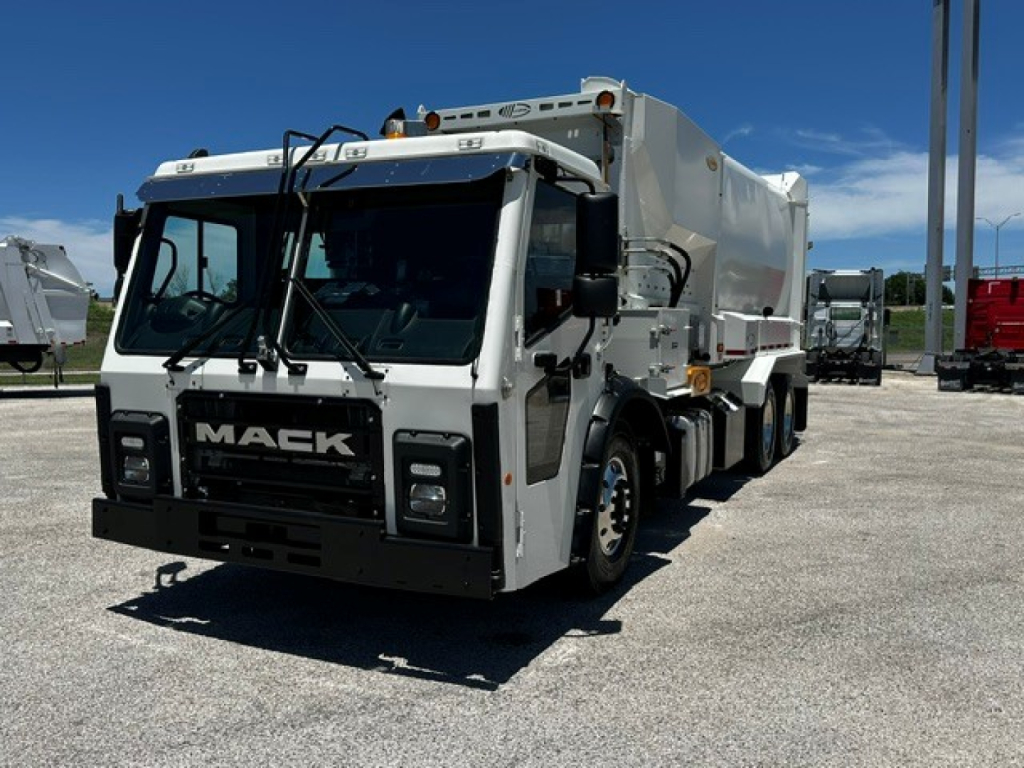
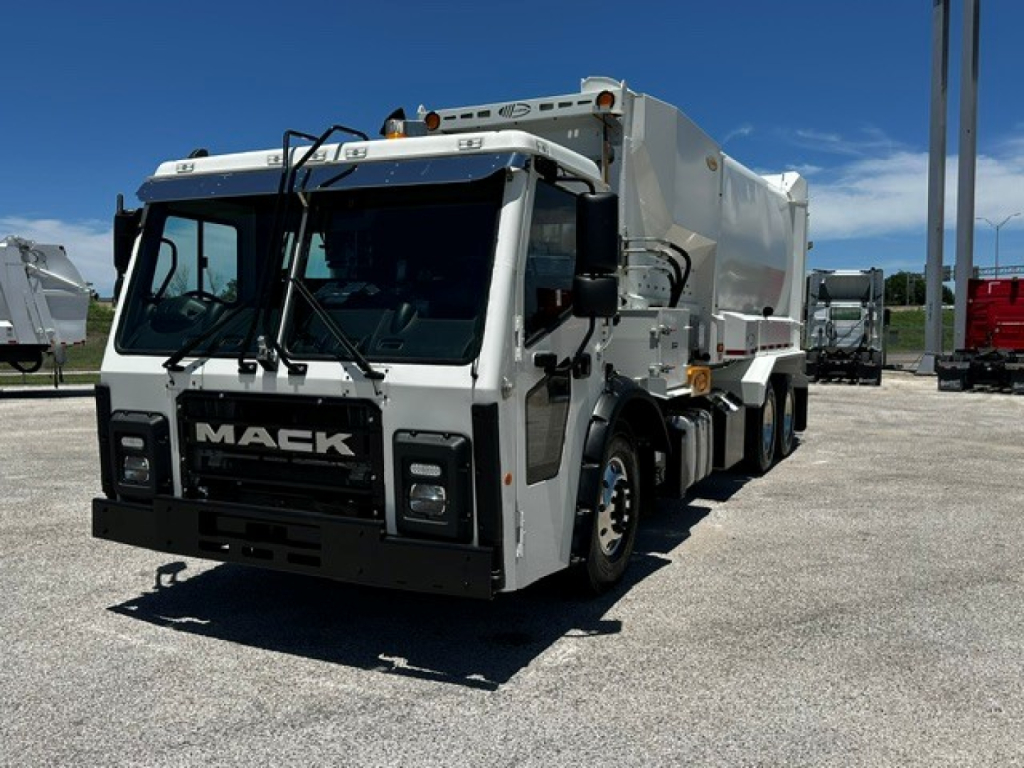
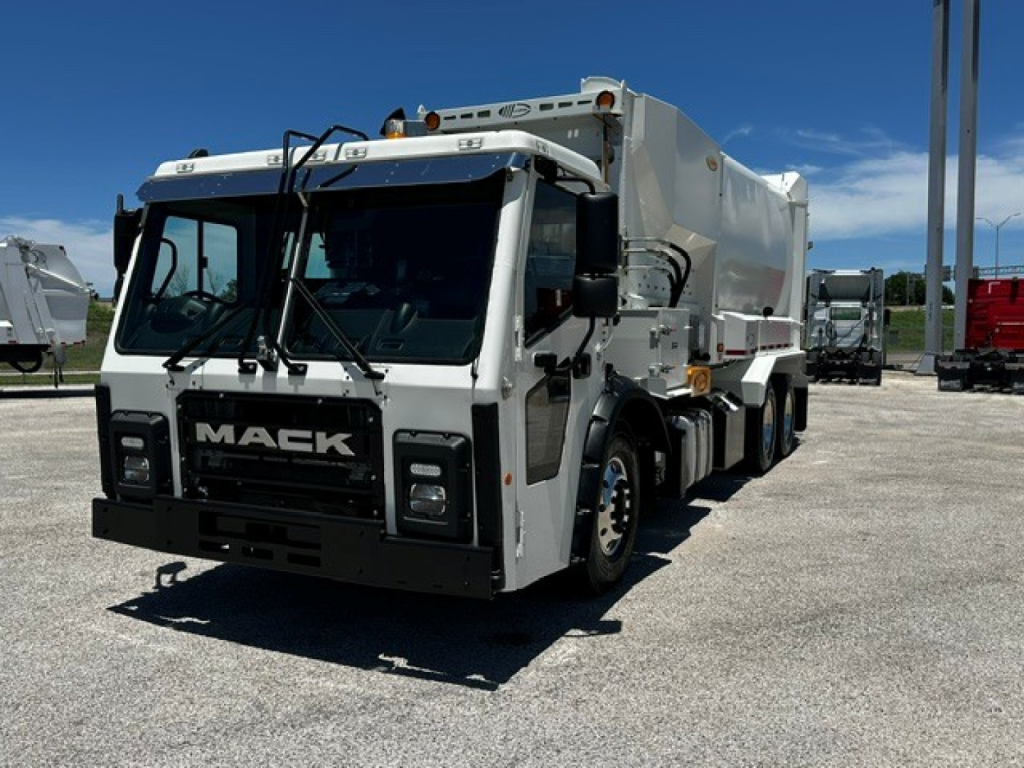

Selling a new 2026 mack garbage truck? List your new 2026 mack garbage truck for sale and reach thousands of commercial buyers.
New 2026 Mack Garbage Trucks in Texas
For most buyers, the chassis spec matters as much as the body. Key items to compare include engine rating, transmission, axle capacity, wheelbase, and PTO compatibility for the packer body. Mack refuse trucks in this class are often spec'd with diesel power in the mid-300 horsepower range, paired with fully automatic transmissions such as the Allison 4500 RDS for smooth launch, reduced driver fatigue, and reliable performance in start-stop service. Front axle ratings around 20,000 pounds and rear axle ratings up to 44,000 pounds are common depending on the intended body and legal gross weight. Wheelbase selection is critical because it affects body fit, turning radius, bridge law compliance, and hopper or tailgate placement.
Texas buyers should pay close attention to cooling capacity, vocational frame strength, and steering configuration. Urban collection in Houston, Dallas-Fort Worth, San Antonio, Austin, and other fast-growth markets often favors low-cab-forward refuse trucks that can handle alley access, curbside visibility, and frequent ingress and egress. Right-hand steer is especially relevant for residential side-loader and curbside collection work. Buyers should also look at suspension type, brake configuration, cab access, visibility packages, and body-builder support, since refuse service is one of the highest-cycle applications in a truck fleet.
A good Mack garbage truck spec is one that matches route density, container type, transfer distance, and maintenance strategy. If the route is residential and highly repetitive, cab ergonomics, sightlines, and transmission calibration can have a direct effect on uptime and operator retention. If the truck will run commercial containers or heavier loading cycles, axle ratio, frame reinforcement, rear suspension, and body mounting provisions become more important. Across the category, Mack refuse chassis are known for vocational durability, tight maneuverability, and configurations designed to support the demands of municipal and private sanitation fleets.
Frequently Asked Questions about New 2026 Mack Garbage Trucks in Texas
What is the difference between a Mack LR64 and a Mack TE64 garbage truck?
The Mack LR64 is a low-entry refuse chassis designed for frequent stops, easy cab entry, strong visibility, and urban route efficiency. It is commonly used in residential collection and can be ordered in right-hand steer for curbside work. The Mack TE64 uses a more conventional cab layout and is often chosen when buyers want a traditional vocational chassis for specific refuse body installations, heavier-duty component matching, or fleet standardization with other truck types.
Is right-hand steer important on a garbage truck?
Right-hand steer is important for many residential refuse routes because it improves the driver's view of the curb, containers, pedestrians, and traffic at the point of collection. It is especially useful for automated side-loader and other curbside applications where the operator works closest to the right side of the truck. On commercial front-load or rear-load routes, the benefit may be smaller, so the steering position should match the route design and body style.
What specs matter most when buying a new Mack refuse truck?
The most important specs are the body type the chassis will carry, front and rear axle ratings, wheelbase, engine horsepower and torque, automatic transmission model, PTO setup, and suspension. Buyers should also verify turning radius, cab configuration, steering position, brake spec, frame section, and cooling package. Refuse trucks live in severe-duty service, so matching the chassis to the exact loading cycle and route layout is more important than choosing the highest rating in every category.
Why are automatic transmissions common in garbage trucks?
Automatic transmissions are standard in many refuse applications because they handle constant stop-and-go driving better than manual gearboxes in terms of driver workload and consistency. A transmission such as the Allison 4500 RDS helps deliver smoother launches, easier operation in traffic, and less fatigue over a full route. In refuse service, that can translate into better productivity, easier driver training, and reduced wear from repeated shifting.
What should Texas buyers look for in a new garbage truck?
Texas buyers should focus on route environment, heat management, and legal weight requirements. Urban and suburban collection often demands strong cooling performance, durable vocational suspension, and a wheelbase that balances body length with maneuverability. Buyers running municipal or contractor fleets should also consider service network coverage, body-builder coordination, and how the truck is spec'd for local transfer distances, landfill runs, and container types.