
New Mack Garbage Trucks For Sale
Shop new Mack garbage trucks including LR and TerraPro models with front loader, side loader, and refuse-ready specs for municipal fleets.
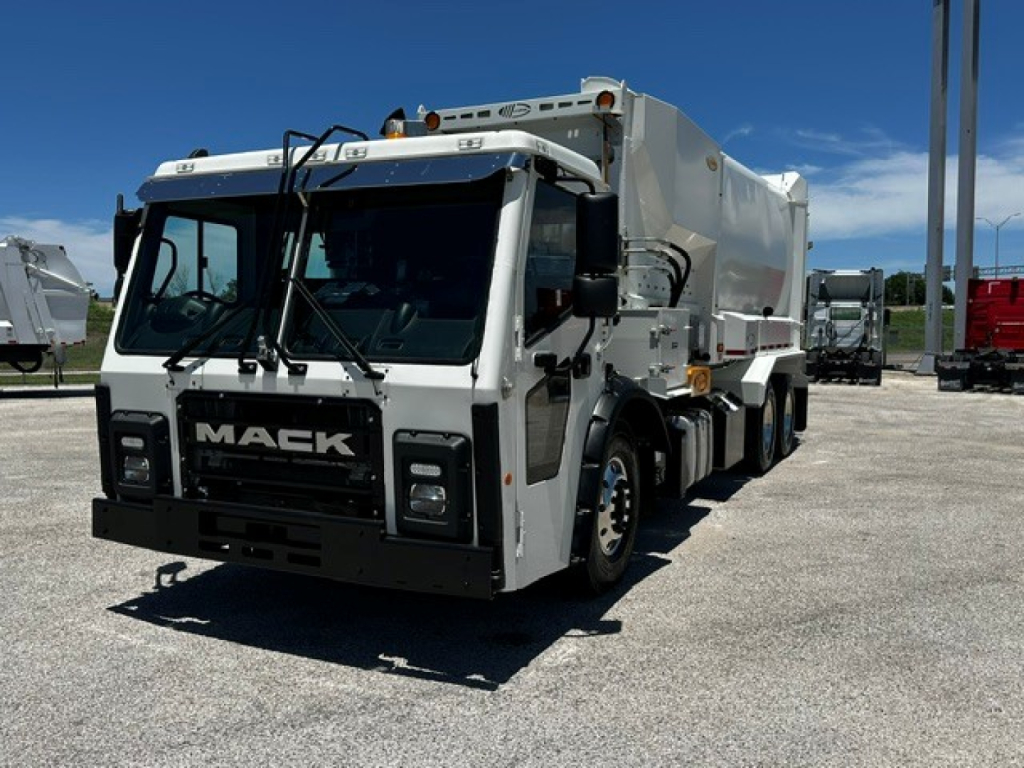
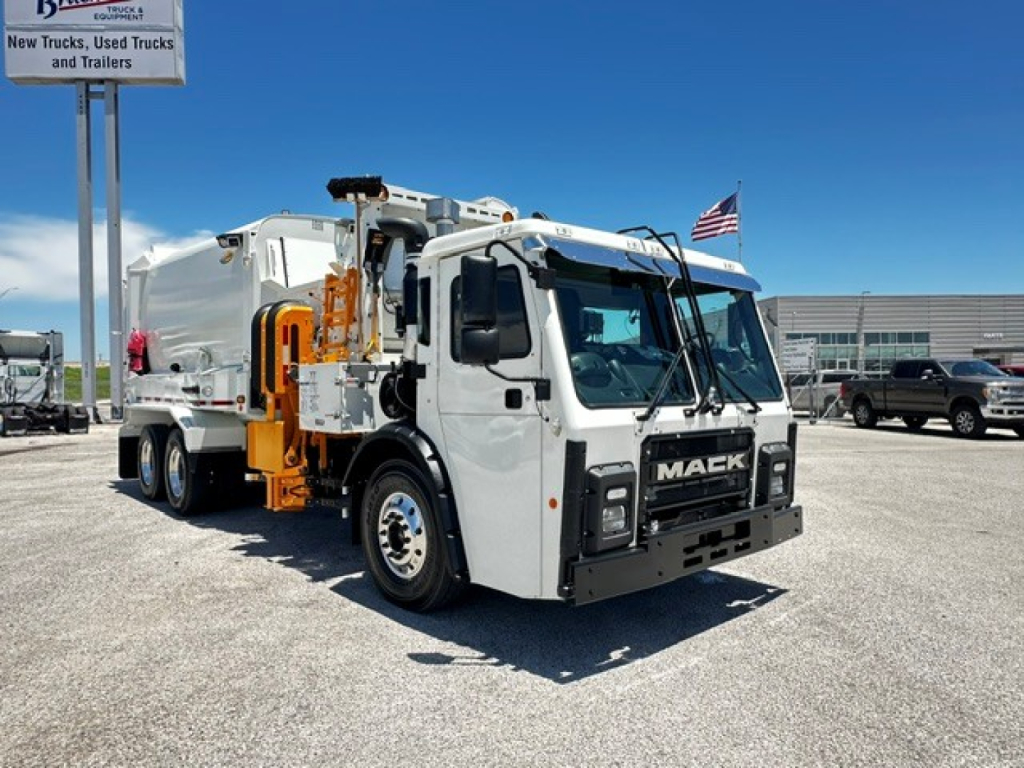
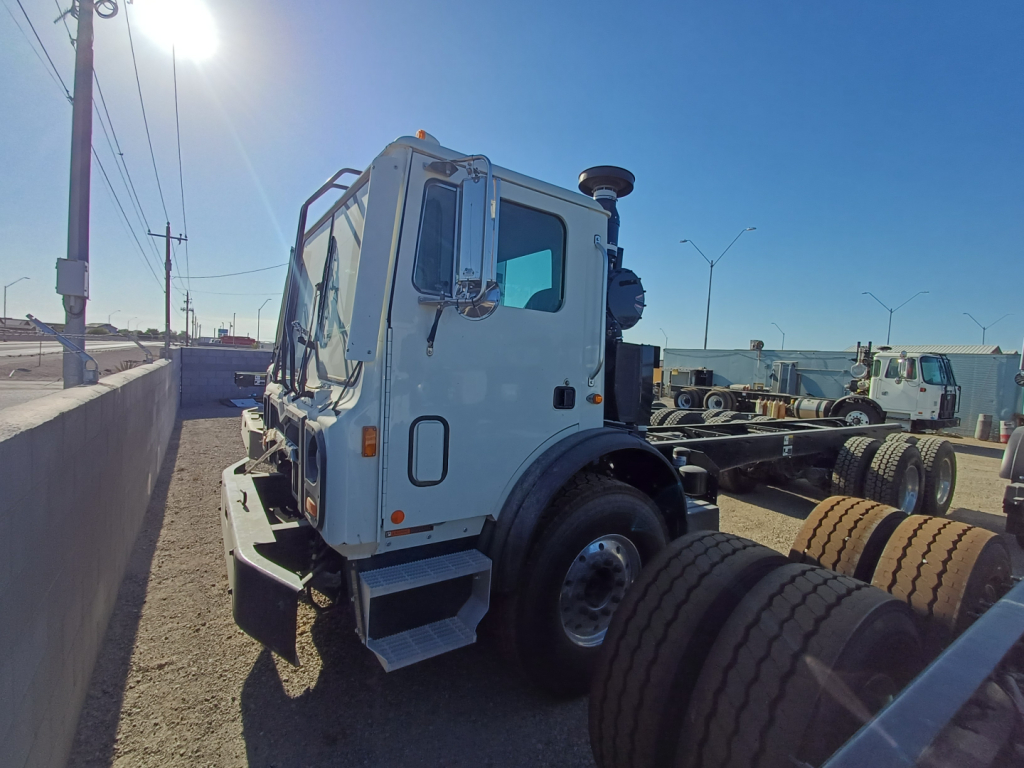
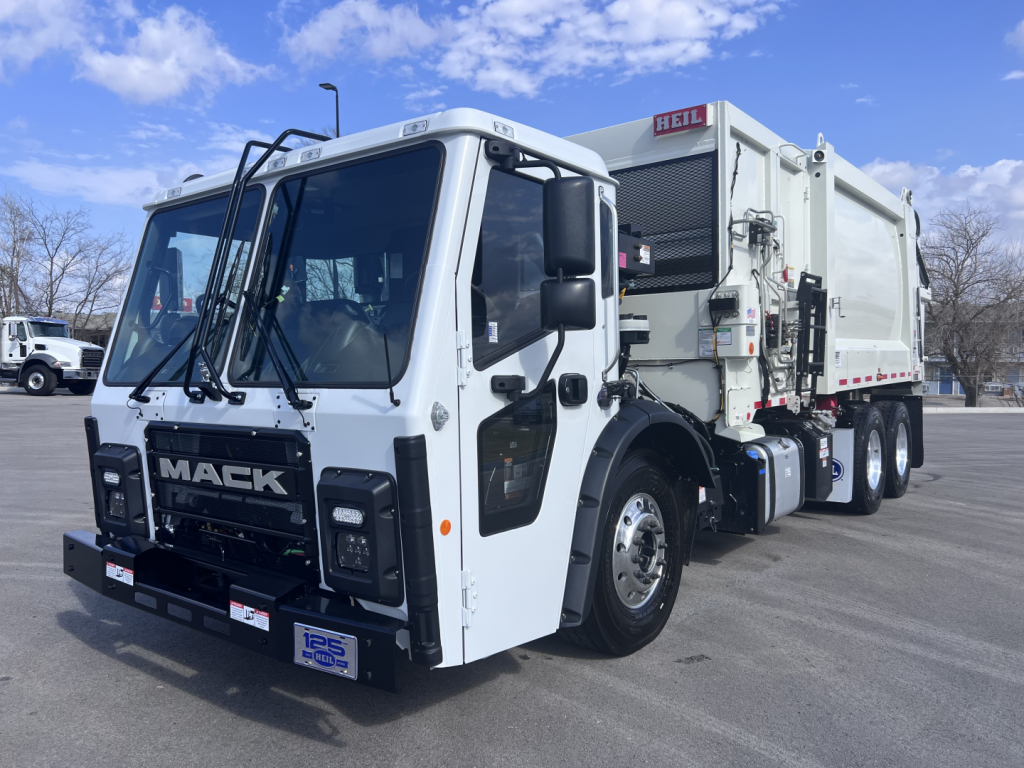
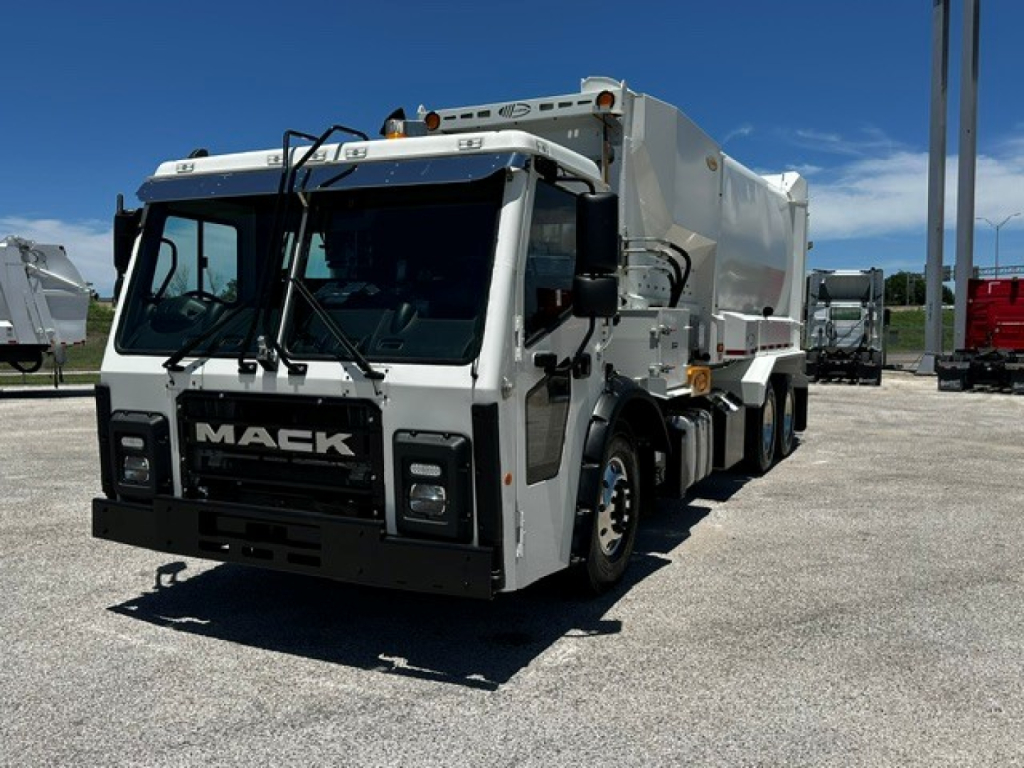
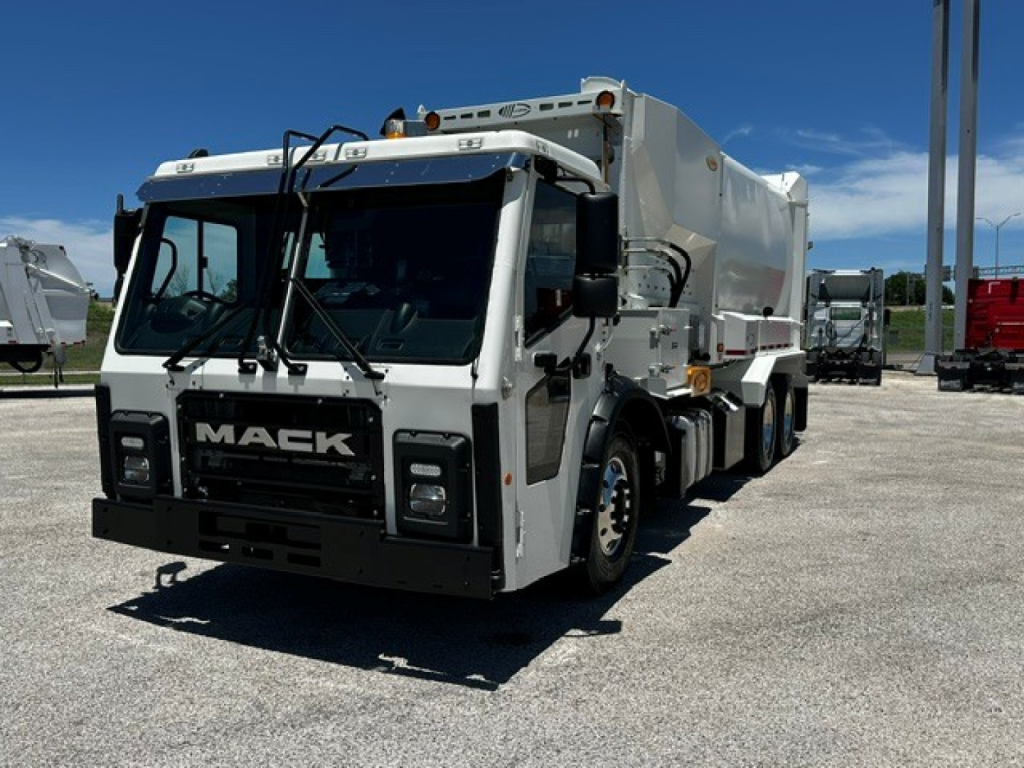

Selling a new mack garbage truck? List your new mack garbage truck for sale and reach thousands of commercial buyers.
New Mack Garbage Trucks
A buyer should start with route type and body style. Front loaders, automated side loaders, rear loaders, and roll-off or recycler bodies all place different demands on wheelbase, axle ratings, and cab layout. Common refuse specs include set-back front axles, heavy front ratings for arm systems or hopper loading, 6x4 drivetrains, and Allison automatic transmissions for constant start-stop work. Engines in this class are often chosen for low-speed torque and PTO compatibility, with diesel and natural gas options both appearing in municipal and private fleet service. CNG-powered Mack refuse trucks can be especially relevant for fleets working under emissions mandates or fuel-diversification plans.
Upfit compatibility matters as much as the chassis. Refuse buyers should look closely at frame rail dimensions, body and hoist clearances, electrical architecture, and whether the truck is being built for Heil, McNeilus, New Way, or another body manufacturer. Important details include front and rear axle capacities, suspension spec, brake type, cab entry and exit ergonomics, steering cut, and tire size. Wide-base steer tires, locking differentials, backup alarms, camera systems, and high-cycle cooling packages are all common considerations on a new garbage truck. If the route involves alleys, downtown commercial containers, or long residential runs, turning radius, sightlines, and right-hand visibility become decision-making factors.
For buyers comparing new Mack refuse trucks for sale, long-term operating cost is usually tied to application match more than headline horsepower. A properly spec'd garbage truck needs the right GCWR, body-ready frame layout, and enough cooling, braking, and transmission capacity for repetitive hydraulic work. Municipal fleets often prioritize durability, safety systems, and standardized maintenance across multiple units, while private haulers may focus more on payload, route productivity, and fuel strategy. Mack remains a consistent choice in refuse because its chassis are designed around severe-duty vocational use rather than adapted from a highway platform.
Frequently Asked Questions about New Mack Garbage Trucks
What is the difference between a Mack LR garbage truck and a Mack TerraPro refuse truck?
The Mack LR is a low-entry refuse truck designed primarily for residential collection and high-frequency stop-and-go service. Its cab layout improves driver entry, exit, and visibility, which is valuable on dense urban routes. The Mack TerraPro, often listed as TE64 or similar configurations, is commonly used for front loader, commercial refuse, and other heavier vocational applications where a conventional severe-duty chassis, higher axle capacities, and body-mount flexibility are important.
Are Mack garbage trucks available with natural gas engines?
Yes. Some new Mack garbage truck configurations are offered with natural gas power, often using the Cummins L9N in refuse applications. CNG refuse trucks are common in municipal fleets and private haulers that want lower emissions, reduced diesel dependence, or compliance with regional clean-fleet requirements. Buyers should confirm fuel storage layout, range, payload impact, and local fueling access before selecting a natural gas spec.
What specs matter most when buying a new Mack garbage truck?
The most important specs are body type, axle ratings, wheelbase, transmission, engine torque, PTO compatibility, and cab configuration. Refuse trucks also need the correct front axle capacity for loader arms or heavy payload concentration, plus suspension and frame specs that match the body manufacturer’s requirements. Visibility, turning radius, brake package, and cooling capacity matter because garbage trucks spend most of their life in repetitive low-speed, high-cycle operation.
Why are Allison automatic transmissions common in garbage trucks?
Allison automatics are widely used in refuse service because garbage collection involves constant starting, stopping, reversing, and hydraulic operation. An automatic transmission reduces driver fatigue, delivers smooth low-speed control, and is well-suited to PTO-intensive vocational work. In a garbage truck, transmission choice affects route efficiency, maintenance planning, and how well the chassis handles repeated urban duty cycles.
Is a low-entry cab better for refuse collection?
A low-entry cab is often the better choice for residential and municipal collection because it makes frequent entry and exit easier and improves side visibility around neighborhoods, pedestrians, and parked cars. That design can reduce driver strain over a long route with hundreds of stops. For commercial front loader work or routes with different body needs, a more conventional severe-duty cab and chassis may still be the better fit depending on axle, frame, and body requirements.