
New 2026 Mack Garbage Trucks For Sale
Shop new 2026 Mack garbage trucks, including LR64 and TE64 models, built for refuse routes with durable chassis, high visibility, and PTO-ready specs.
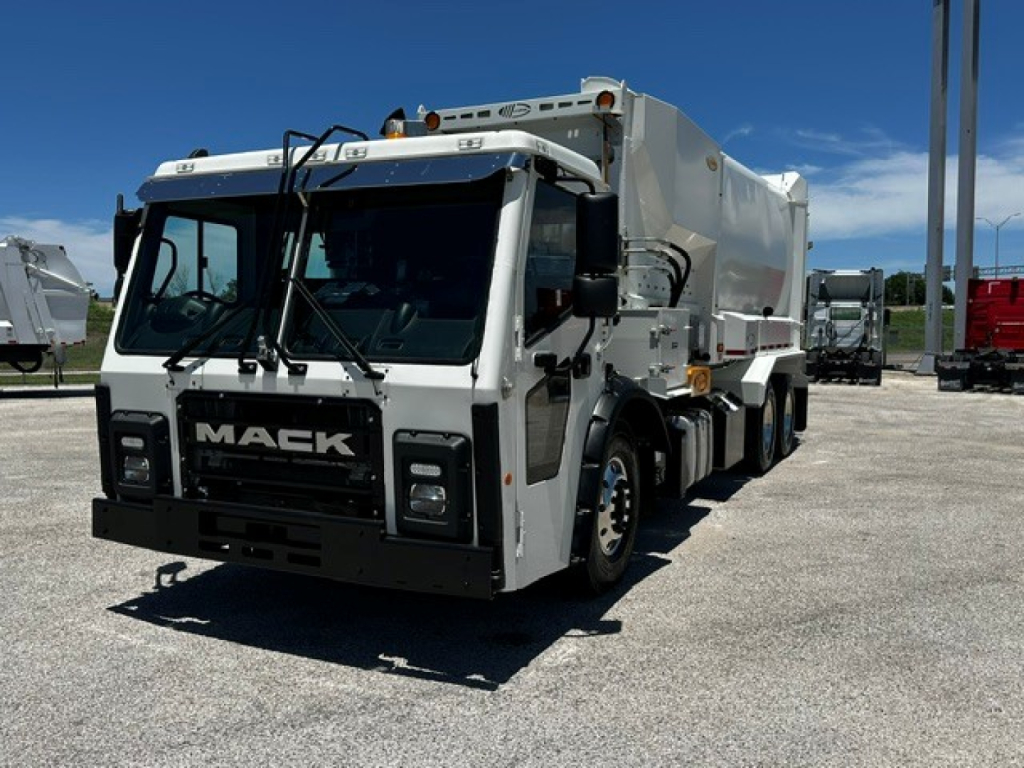
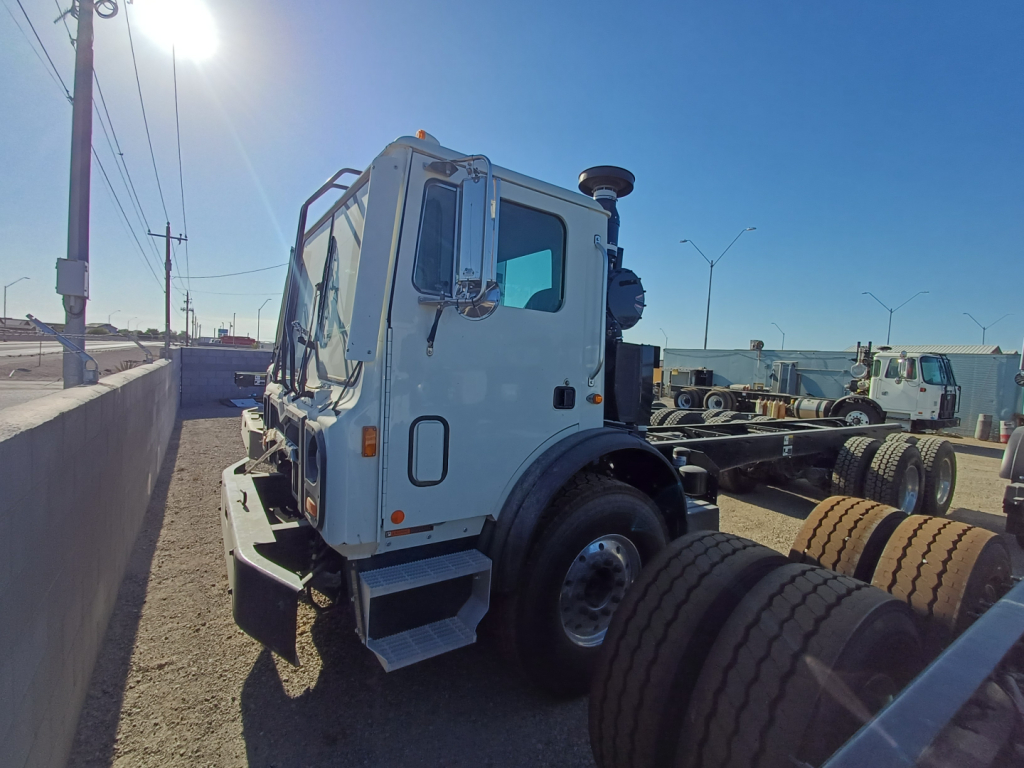
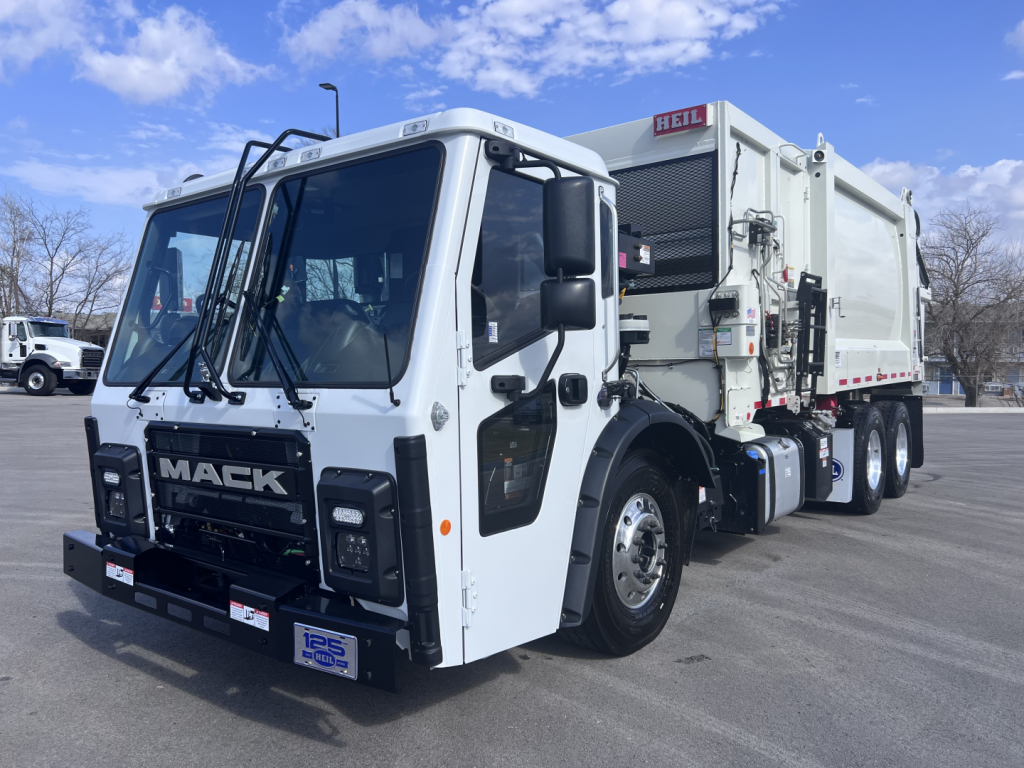
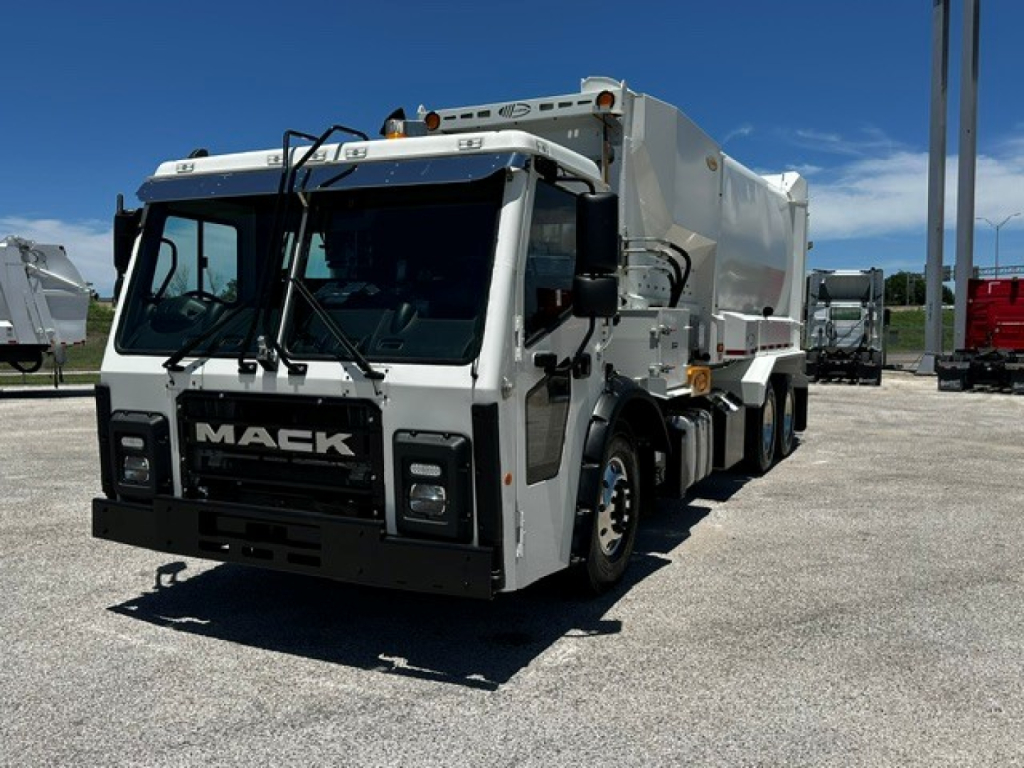
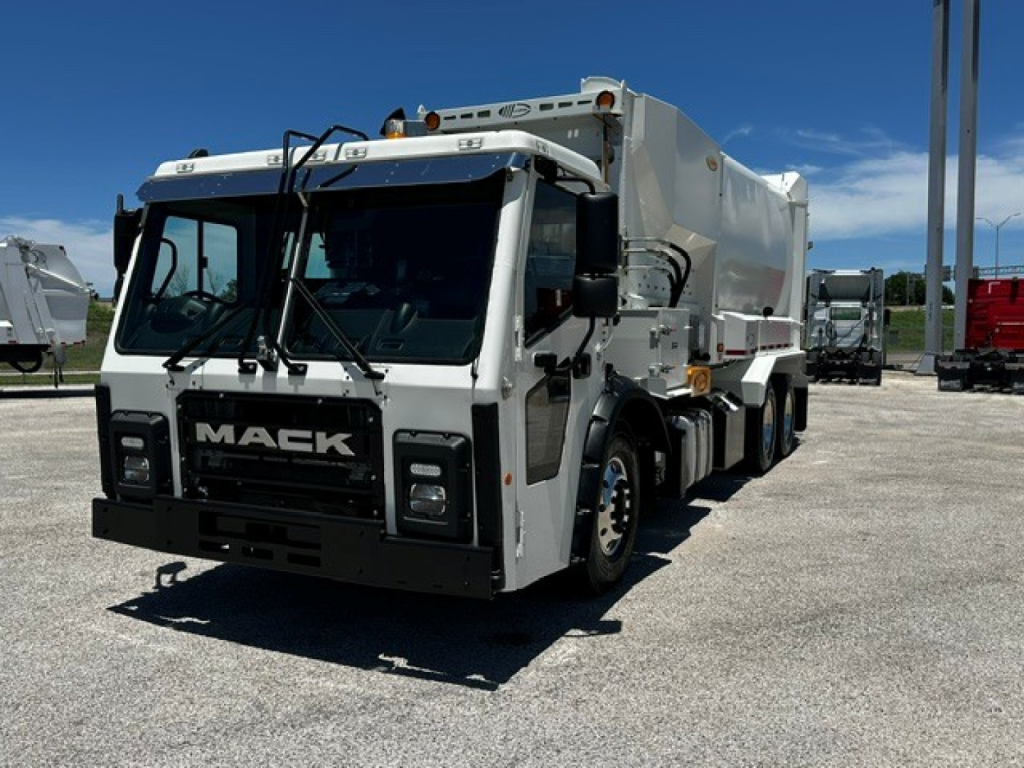

Selling a new 2026 mack garbage truck? List your new 2026 mack garbage truck for sale and reach thousands of commercial buyers.
New 2026 Mack Garbage Trucks
The first buying decision is usually body type compatibility. Mack garbage truck chassis are commonly spec'd for front loaders, automated side loaders, rear loaders, and roll-off applications depending on route structure and container style. A TE64 paired with a front loader body is a common fit for commercial dumpsters and heavier lift cycles, while LR-series trucks are widely chosen for residential refuse because of their low-cab-forward design and operator access. Buyers should look closely at front axle and rear axle ratings, frame reinforcement, PTO provisions, wheelbase, and cab-to-axle dimensions to make sure the chassis matches the intended body and legal payload targets. Typical refuse specs often include Allison automatic transmissions, heavy front axles in the 20,000-lb range, and tandem rears up to 46,000 lbs, along with high-horsepower diesel engines tuned for start-stop work.
Cab layout and driver efficiency matter more in garbage trucks than in many other truck categories. Right-hand steer is common on residential collection routes because it improves curbside visibility and reduces driver movement at every stop. Low step-in height, large windshield area, and door design all affect route time, fatigue, and safety over a full day of collection. Mack refuse trucks are also commonly chosen for their durability in severe service, with cooling systems, suspension options, and electrical layouts engineered around PTO demand and body integration. On a new 2026 unit, it also makes sense to evaluate emissions package access, serviceability, and telematics support, since downtime on a refuse route creates immediate operational problems.
A buyer comparing new Mack garbage trucks should pay attention to route density, transfer station distance, body manufacturer requirements, and local weight laws before focusing on engine horsepower alone. Refuse trucks live and die by uptime, maneuverability, and how well the chassis supports the body over years of packer cycles and alley work. A properly spec'd Mack garbage truck can deliver strong visibility, stable body mounting, and the axle capacity needed for demanding municipal or commercial collection service.
Frequently Asked Questions about New 2026 Mack Garbage Trucks
What Mack models are commonly used as garbage trucks?
The Mack LR64 is one of the most common refuse chassis in this category because its low-entry cab and visibility are well suited to stop-and-go collection routes. The Mack TE64 is also used in refuse service, especially where a heavier vocational chassis is needed for applications such as front loader or other body configurations that demand strong axle ratings and durable frame capacity.
What should I check when matching a Mack garbage truck chassis to a refuse body?
The most important chassis details are wheelbase, cab-to-axle measurement, frame strength, PTO compatibility, and axle ratings. Buyers should also confirm the intended body type, such as front loader, rear loader, automated side loader, or roll-off, because each body has different mounting, weight distribution, and hydraulic requirements. A mismatch between chassis layout and body spec can reduce payload, hurt turning performance, or complicate installation.
Why is right-hand steer important on many garbage trucks?
Right-hand steer improves the driver's view of the curb and collection point on residential routes, which can increase safety and reduce wasted motion at every stop. It is especially useful in automated and residential collection work where the operator needs a clear line of sight to carts, pedestrians, and parked vehicles. On dense neighborhood routes, this layout can also improve overall route efficiency.
Are automatic transmissions standard on new refuse trucks?
Automatic transmissions are very common in garbage trucks because refuse work involves constant stopping, starting, and PTO-related operation. Allison automatic transmissions are frequently spec'd in this class because they handle repeated shift cycles well and help reduce driver fatigue. For most refuse fleets, an automatic is the practical choice for route consistency, operator training, and driveline longevity.
What matters more in a garbage truck: horsepower or axle capacity?
Both matter, but axle capacity and chassis configuration usually have a bigger impact on real-world refuse performance. Garbage trucks carry heavy bodies, lift systems, and shifting payloads, so front and rear axle ratings must support the route and body design safely and legally. Horsepower is still important for transfer runs, grades, and PTO performance, but a refuse truck that is underspec'd on axle ratings will create more problems than one with modest engine output.