
Garbage Trucks For Sale
Shop garbage trucks for sale including front loaders, rear loaders, and side loaders with key specs on body size, axle ratings, fuel type, and route use.
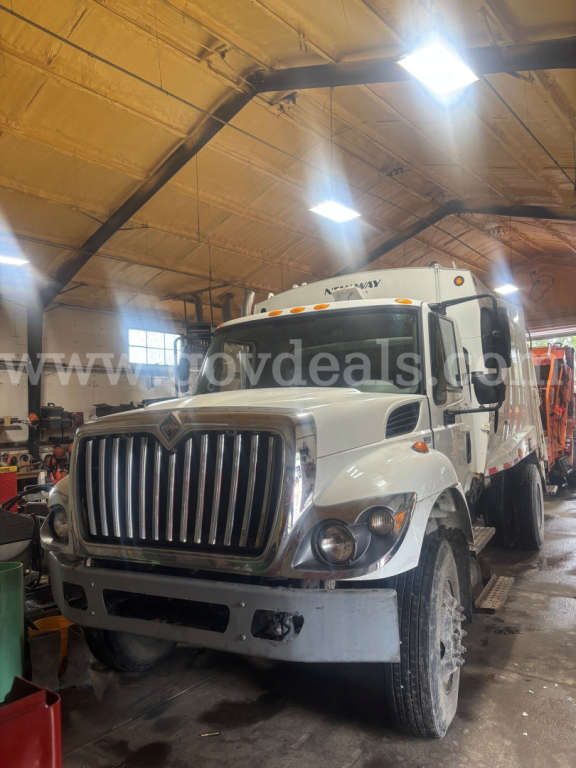
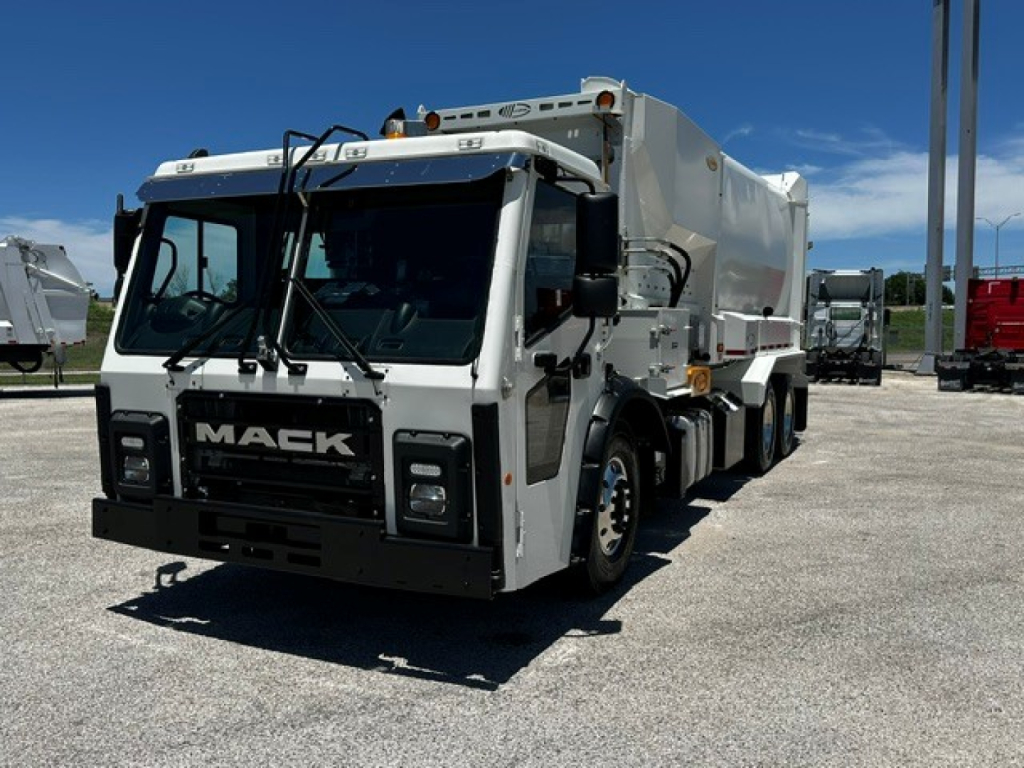
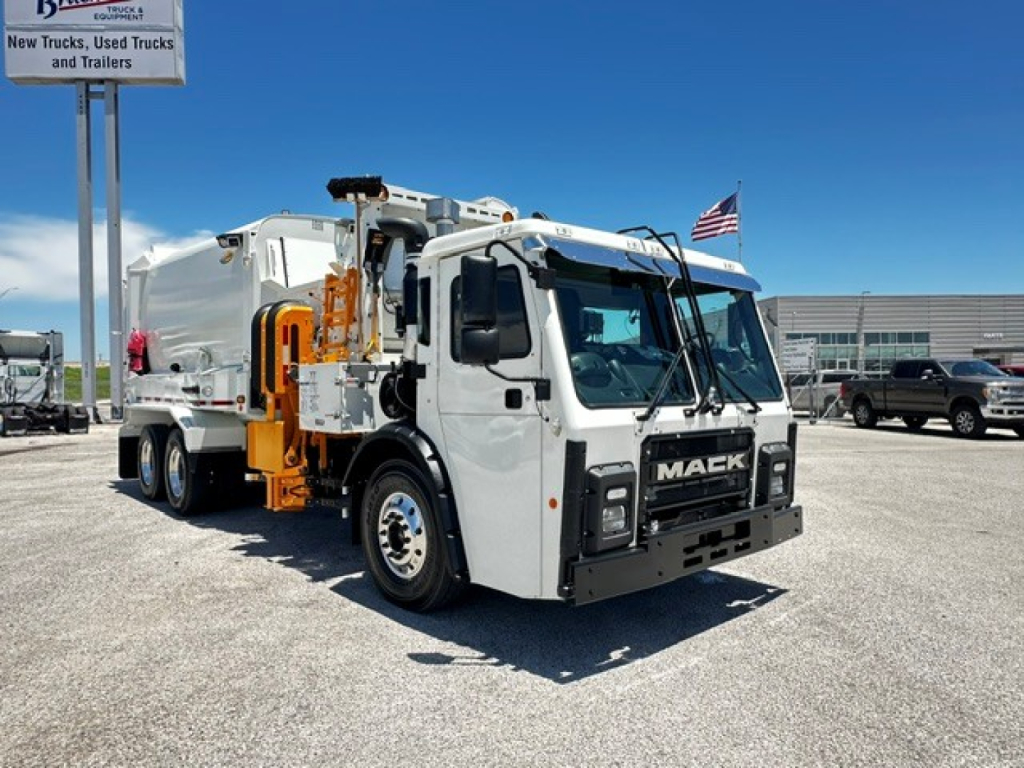
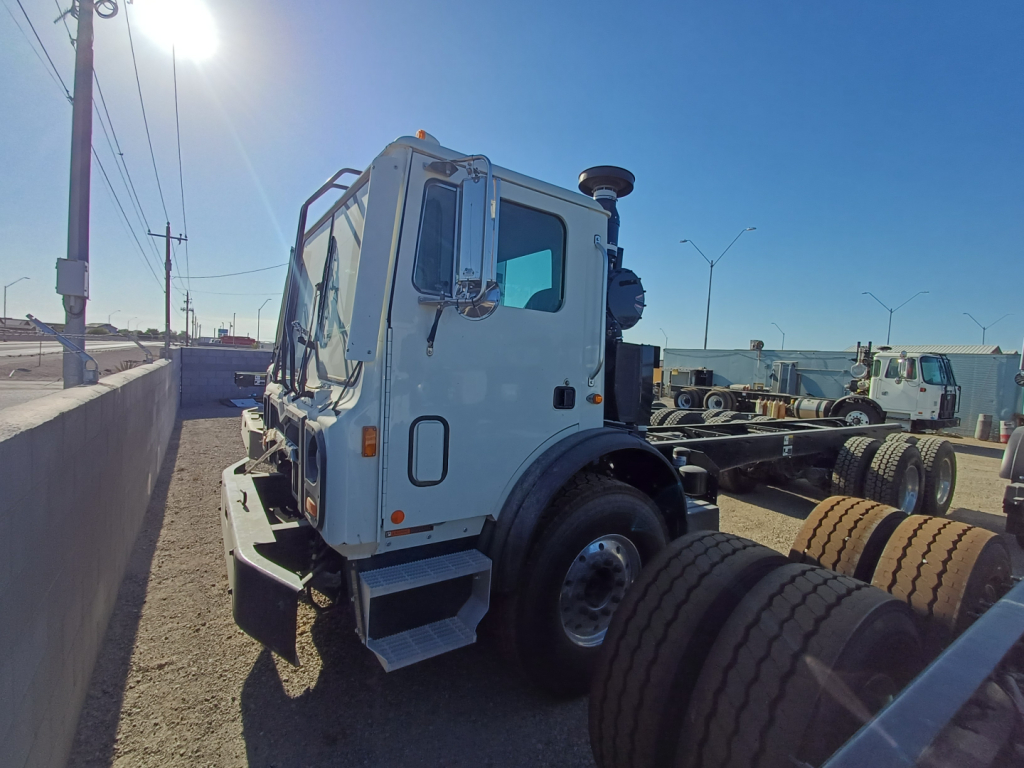
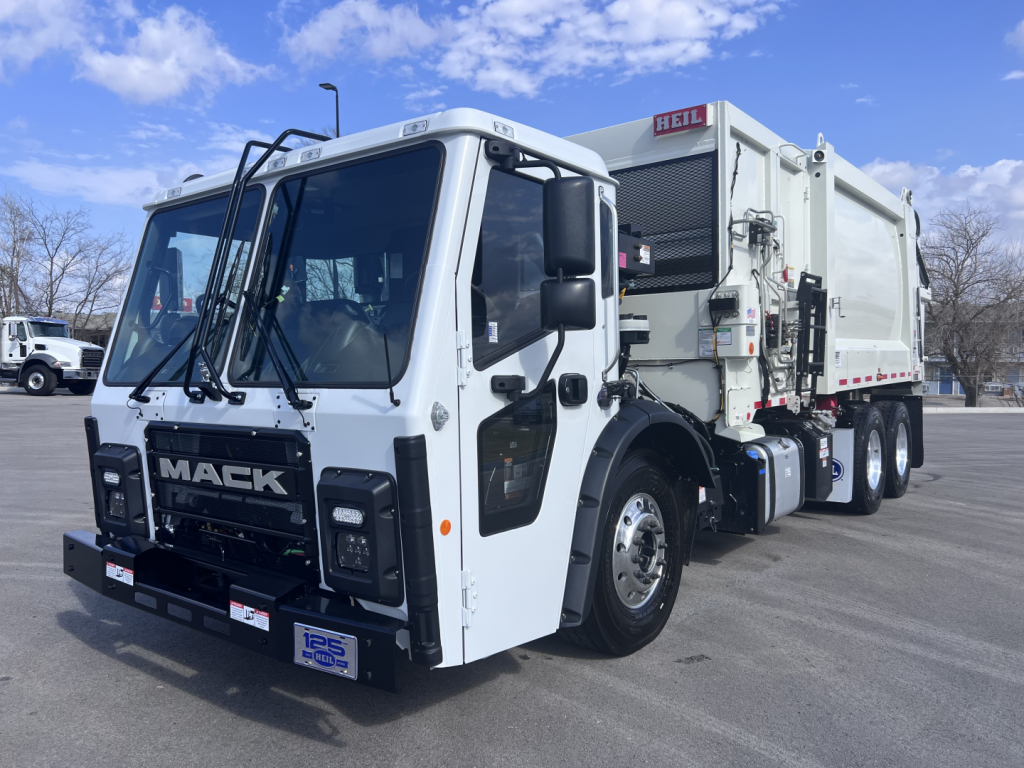
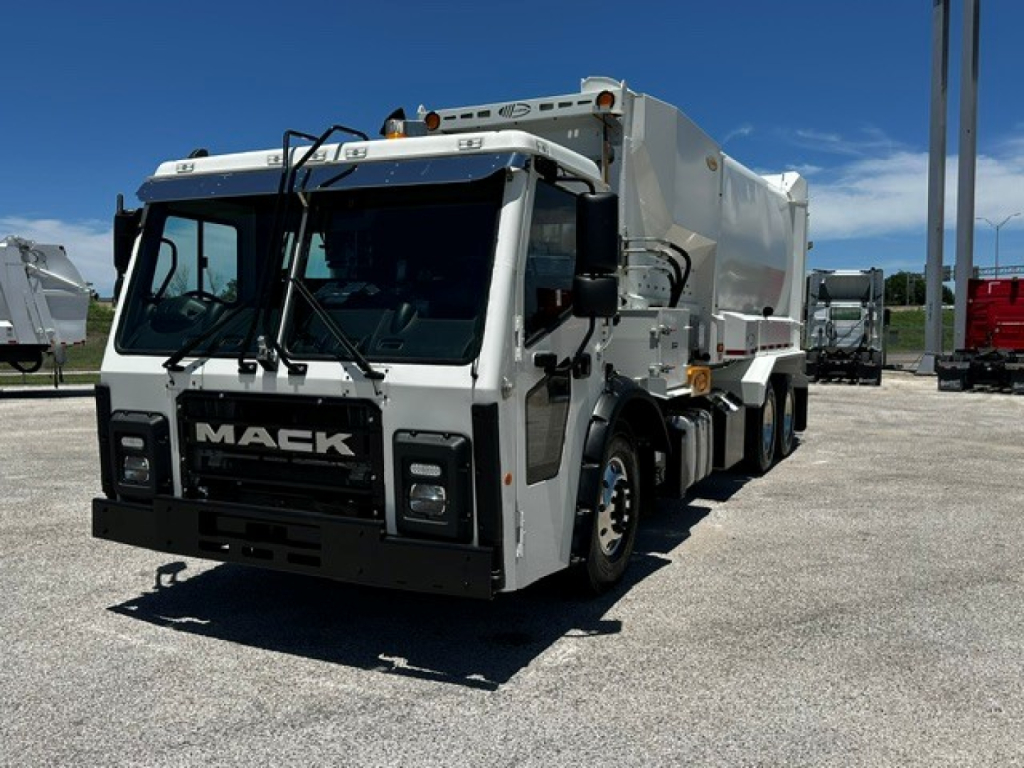
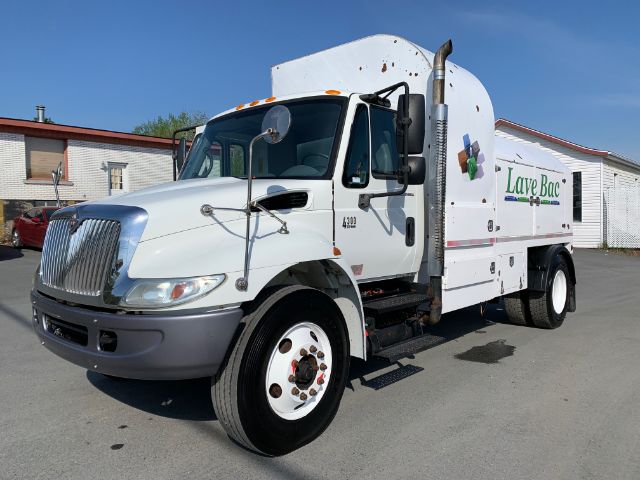

Selling a garbage truck? List your garbage truck for sale and reach thousands of commercial buyers.
Garbage Trucks
A serious garbage truck buyer should look closely at axle ratings, body capacity, packer design, and transmission spec before comparing price. Front axle ratings around 18,000 to 20,000 pounds and rears in the 40,000 to 46,000 pound range are common on heavier front loader applications. Allison automatic transmissions dominate the segment because they handle repetitive starts, PTO operation, and variable route conditions better than a manual in most refuse work. Engine choice matters too. Diesel remains common for power and service familiarity, while CNG is still found in municipal and fleet applications where fuel infrastructure is already in place. Body size is typically evaluated in cubic yards, but payload capacity, hopper design, arm reach, and compaction force often matter more than headline volume.
Used garbage trucks need more inspection than many other vocational trucks because the chassis and body wear at different rates. Check packer rails, ejector tracks, cylinder pins, body mounts, frame rail condition, hydraulic leaks, arm bushings, tailgate seals, and PTO engagement. Air leaks, electrical faults in body controls, and corrosion around the hopper or floor can become expensive quickly. Hour meter accuracy is important on refuse units because idle time and hydraulic cycles can tell more than odometer miles. Buyers should also verify body manufacturer support, parts availability, and whether the truck uses proprietary controls or multiplex wiring that may require dealer-level diagnostics.
Spec decisions should follow the route, not just the badge on the hood. A commercial front loader working alleys and bins has very different needs than a suburban automated side loader running tight cul-de-sacs all day. Turning radius, cab entry height, visibility, bridge formula, legal payload, and local emissions rules all affect long-term operating cost. The best garbage truck for sale is the one that matches container type, route density, disposal distance, and maintenance capability, with enough hydraulic and axle capacity to work daily without living at the shop.
Also known as: Refuse Truck, Trash Truck, Waste Collection Truck
Frequently Asked Questions about Garbage Trucks
What are the main types of garbage trucks?
The three main types are front loaders, rear loaders, and side loaders. Front loader garbage trucks are commonly used for commercial dumpster service and are built to lift containers over the cab into the body. Rear loaders are common in residential and mixed-route service, especially where manual loading or cart tipping is needed. Side loaders, including automated side loaders, are designed for residential cart collection and can improve route efficiency by allowing one operator to control the lift arm from the cab.
What specs matter most when buying a garbage truck?
The most important specs are loader type, body capacity in cubic yards, axle ratings, transmission, engine fuel type, and hydraulic system condition. Buyers should also check wheelbase, turning radius, front axle capacity for lift work, rear axle capacity for payload, and compatibility between the chassis and refuse body. In daily operation, transmission choice and hydraulic performance usually matter as much as horsepower because refuse trucks spend so much time in stop-and-go service with constant PTO use.
Is mileage or engine hours more important on a used garbage truck?
Engine hours are often more revealing than mileage on a used garbage truck. Refuse trucks accumulate heavy idle time, PTO hours, and hydraulic cycles that do not show up clearly in the odometer reading. A lower-mile truck can still have significant wear if it spent years on dense collection routes. The best evaluation combines miles, engine hours, maintenance records, and a close inspection of the body, hydraulics, suspension, and frame.
Are CNG garbage trucks a good choice?
CNG garbage trucks can be a strong choice for fleets that already have fueling infrastructure and technicians familiar with natural gas systems. They are common in municipal and residential refuse service and can help reduce fuel cost volatility and emissions exposure in some markets. The key consideration is support. Buyers need to confirm tank certification dates, fuel system condition, local service access, and whether the truck's route profile justifies the added complexity compared with diesel.
What should I inspect on the refuse body before buying?
Inspect the refuse body as carefully as the chassis. Focus on packer panels, hopper floor, ejector system, tailgate hinges, cylinder rods, hydraulic hoses, body mounts, arm pivot points, and any cracks or corrosion around high-stress areas. Test body controls, interlocks, backup systems, and PTO engagement. A truck can have a solid engine and transmission but still require expensive refuse body repairs, so body condition should be part of the core buying decision, not an afterthought.