
2026 Garbage Trucks For Sale
Shop 2026 garbage trucks for sale, including side loaders, front loaders, and rear loaders with packer bodies, PTO setups, and refuse-ready specs.

Selling a 2026 garbage truck? List your 2026 garbage truck for sale and reach thousands of commercial buyers.
2026 Garbage Trucks
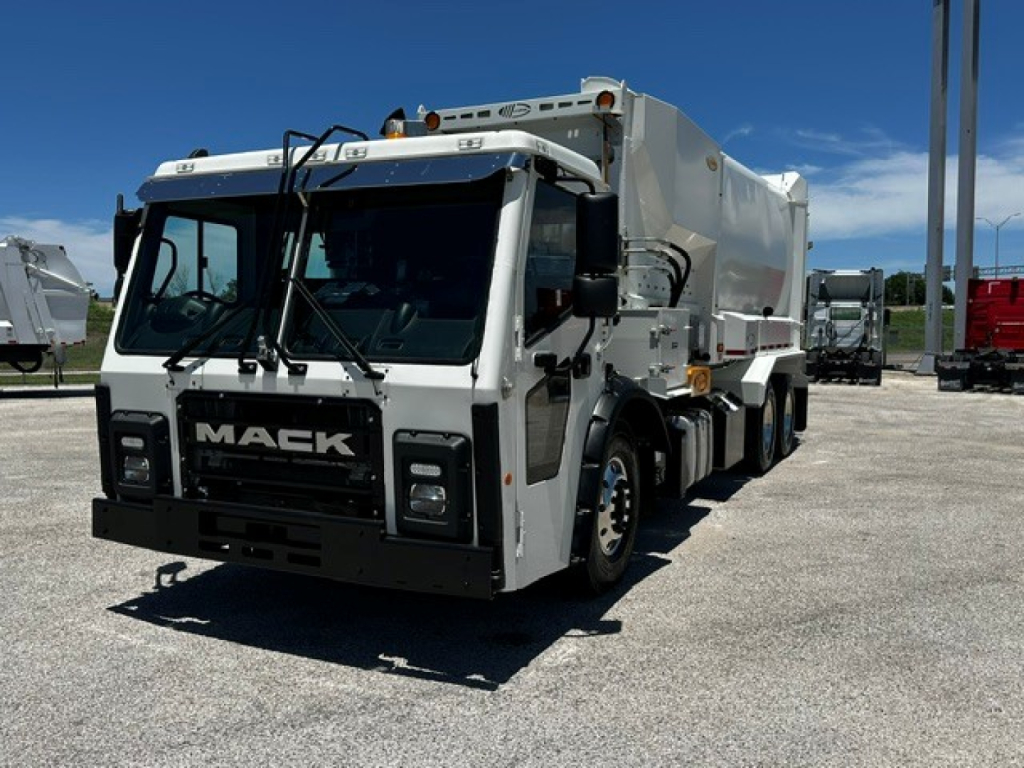
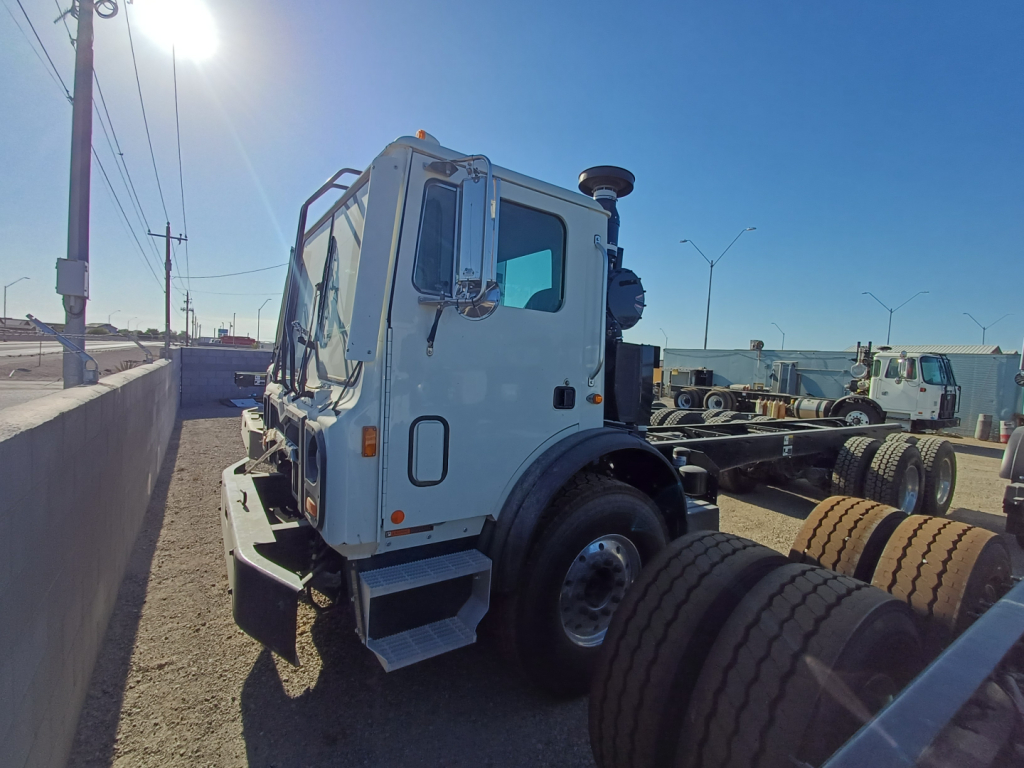
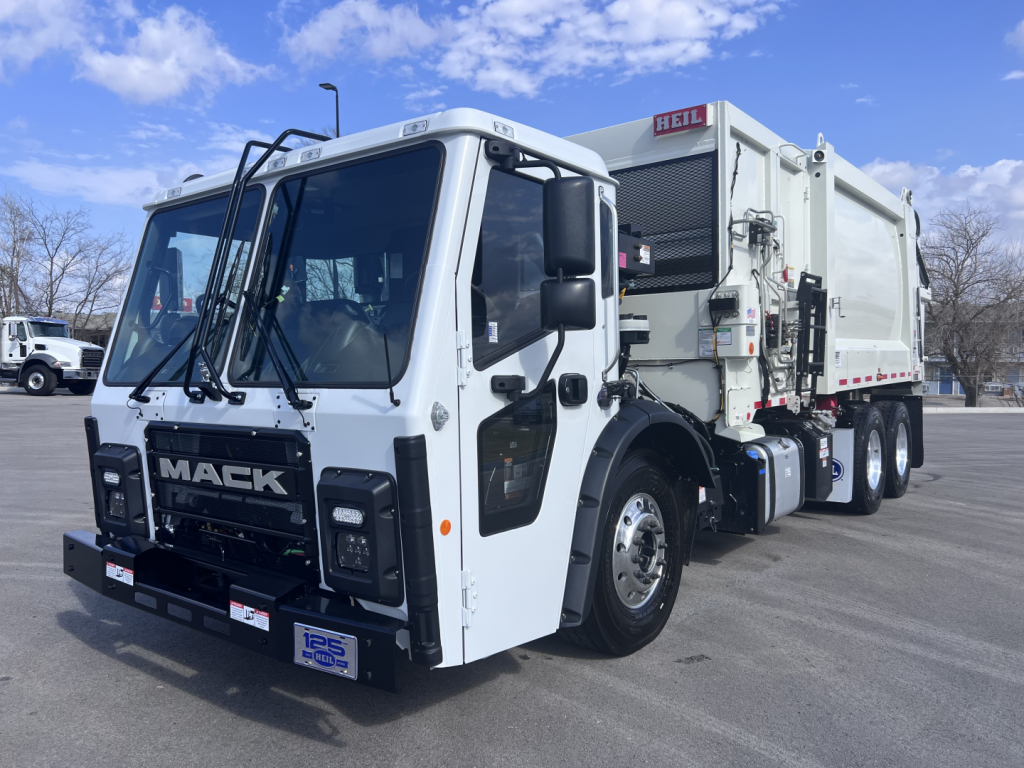
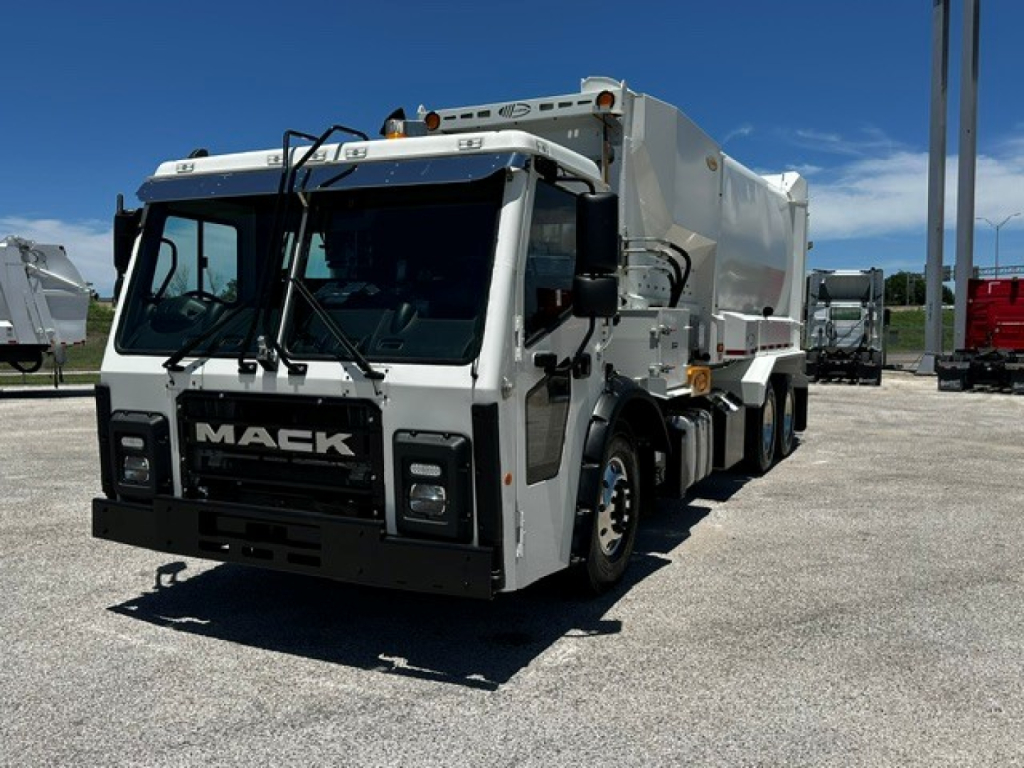
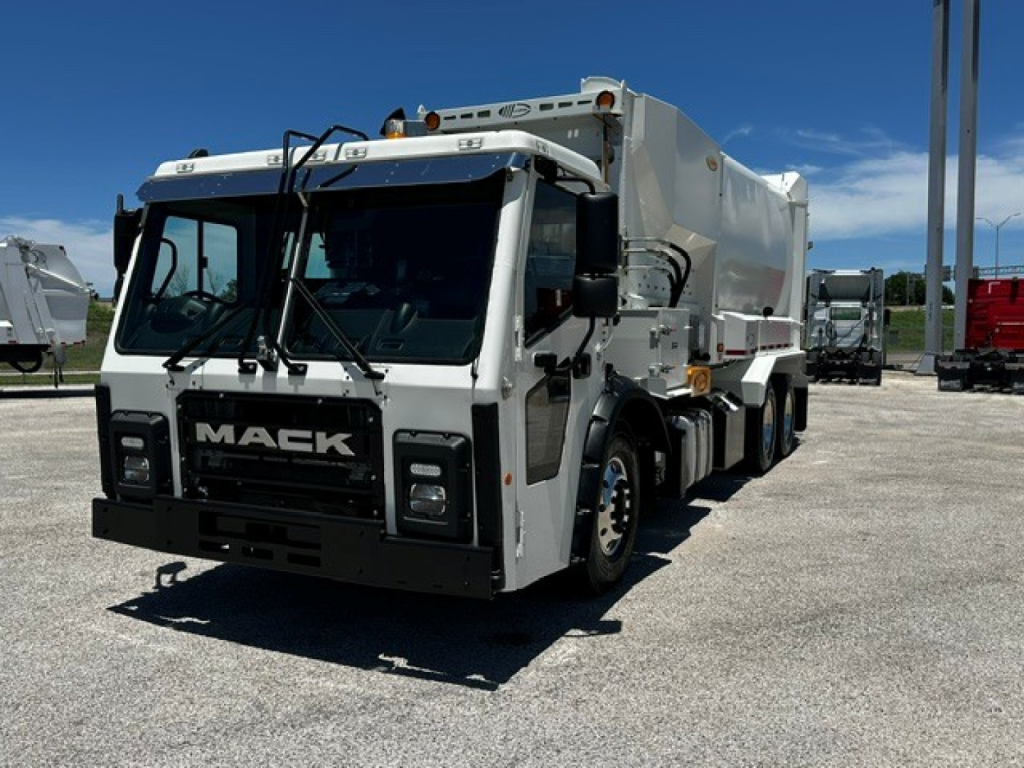
On the chassis side, refuse trucks are purpose-built for constant stop-and-go duty, high PTO demand, and tight turning requirements. Low-cab-forward models like the Mack LR series and Autocar ACX are popular because they improve visibility and shorten overall length for urban routes, alleys, and cul-de-sacs. Typical specs include Allison automatic transmissions, heavy front axles for loader arm or hopper weight, tandem rears on larger packers, and rear axle ratios selected for launch and low-speed route work rather than highway speed. Buyers should pay close attention to wheelbase, bridge law considerations, suspension type, and steering geometry because body length and loader placement can dramatically affect turning radius, transfer station performance, and front axle loading.
Body and hydraulic details matter as much as engine horsepower. A garbage truck may be equipped with a full eject or panel-style body, high-compaction packing systems, sump chutes, hopper work lights, remote lift controls, tailgate and side cameras, strobe and turn lamp packages, and cart tipper or grabber options depending on the route. For automated side loaders, arm reach, cycle times, hopper design, and packer reliability are key points. For front loaders, look closely at fork ratings, arm geometry, and body floor construction. For rear loaders, hopper size, tailgate seal condition, and compatibility with commercial cans or residential carts deserve attention. In colder climates, corrosion protection, body seam integrity, and hydraulic hose routing are especially important.
For a 2026 model, emissions system support, safety technology, and body manufacturer service access are part of the buying decision. Refuse trucks spend their lives in severe duty cycles, so uptime depends on access to chassis diagnostics, hydraulic service, and replacement parts for the body brand. Buyers comparing listings should weigh engine output against PTO performance, confirm axle ratings against the fully mounted body, and review camera coverage, warning systems, and cab layout for driver efficiency. The best garbage truck for sale is the one matched to the route's container type, stop count, street width, transfer distance, and maintenance capability.
Frequently Asked Questions about 2026 Garbage Trucks
What is the best type of garbage truck for residential trash routes?
Automated side loaders are often the best fit for residential trash routes because they reduce labor, speed up cart service, and work well on dense curbside stops. They are commonly spec'd with grabber arms, camera systems, and low-cab-forward chassis for visibility and maneuverability. The right choice still depends on street width, cart placement, and whether the route includes alleys, tight cul-de-sacs, or mixed recycling service.
How many cubic yards does a garbage truck usually hold?
Garbage truck capacity varies by body style and route, but many refuse bodies fall in the 20 to 40 cubic yard range. Automated side loaders are often seen around the high-20-yard class, while front loaders and larger rear loaders can be spec'd higher depending on axle ratings and local weight limits. Capacity should be evaluated with compaction performance and legal payload in mind, not just the advertised cubic yard number.
Why are Allison automatic transmissions so common in garbage trucks?
Allison automatics are widely used in garbage trucks because refuse collection is constant stop-and-go work with frequent starts, PTO engagement, and low-speed maneuvering. Automatic transmissions reduce driver fatigue, provide smoother operation during repetitive route cycles, and are well suited to severe-service vocational applications. Their durability and broad service support also make them a common choice for municipal and private fleet refuse operations.
What should I check first when comparing garbage truck listings?
Start with the loading style, body size, axle ratings, wheelbase, and the installed body brand. Those items determine whether the truck is actually suited for your route. After that, review engine horsepower, transmission model, rear axle ratio, PTO and hydraulic setup, camera system, and any route-specific equipment such as cart tippers, fork ratings, dual steer, or full eject. On used units, body condition and hydraulic health are often more important than cosmetic chassis appearance.
Are low-cab-forward garbage trucks better for city routes?
Low-cab-forward garbage trucks are usually preferred for urban refuse work because they offer better forward visibility, tighter turning characteristics, and a shorter bumper-to-body length than conventional cab trucks. That makes them effective in dense neighborhoods, alleys, and commercial areas with limited space. They can also improve driver entry and exit efficiency on routes with frequent stops.