
2026 Garbage Trucks For Sale in Texas
Browse 2026 garbage trucks for sale in Texas, including refuse truck options for residential, commercial, and municipal collection routes.

Selling a 2026 garbage truck? List your 2026 garbage truck for sale and reach thousands of commercial buyers.
2026 Garbage Trucks in Texas
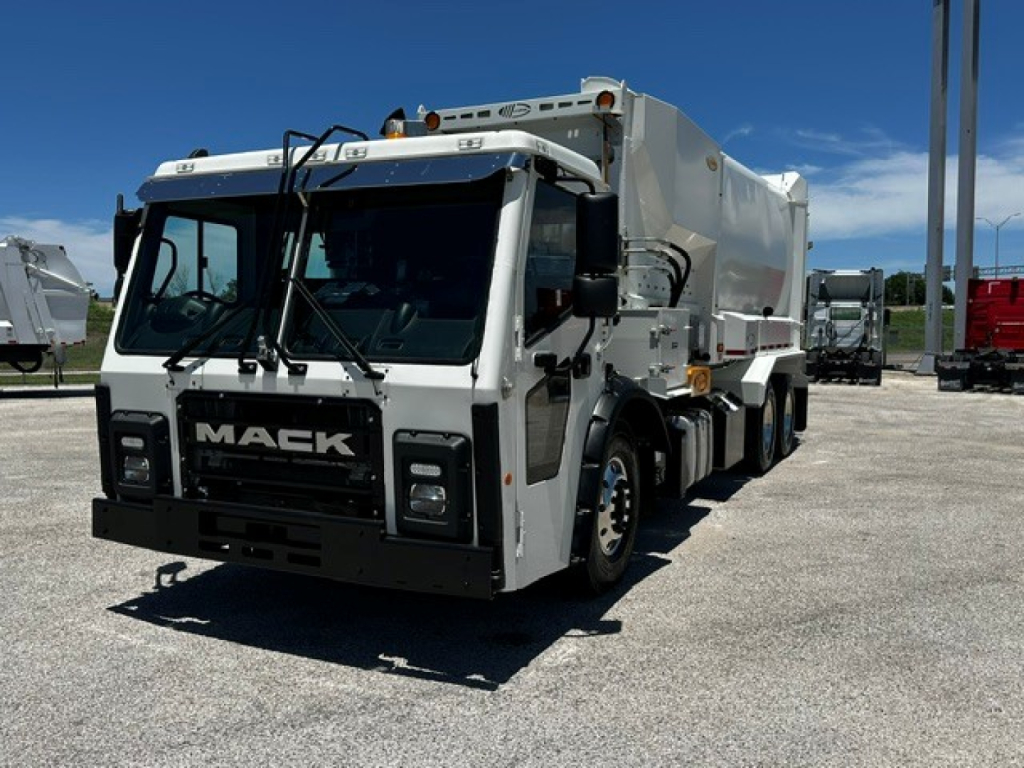
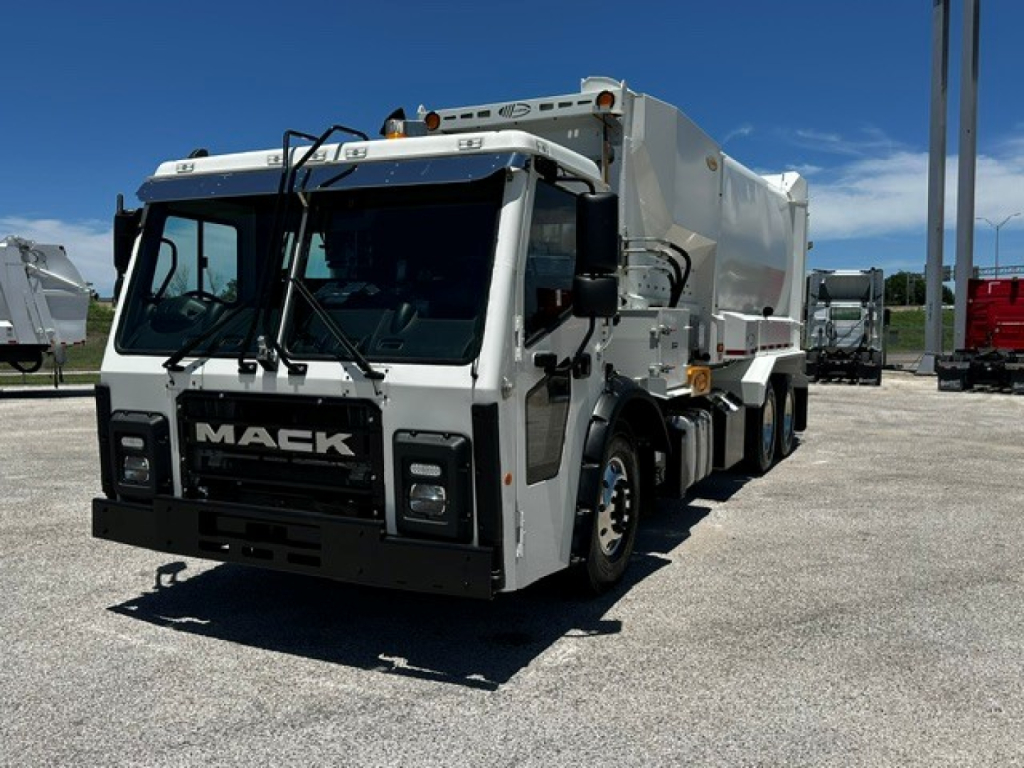
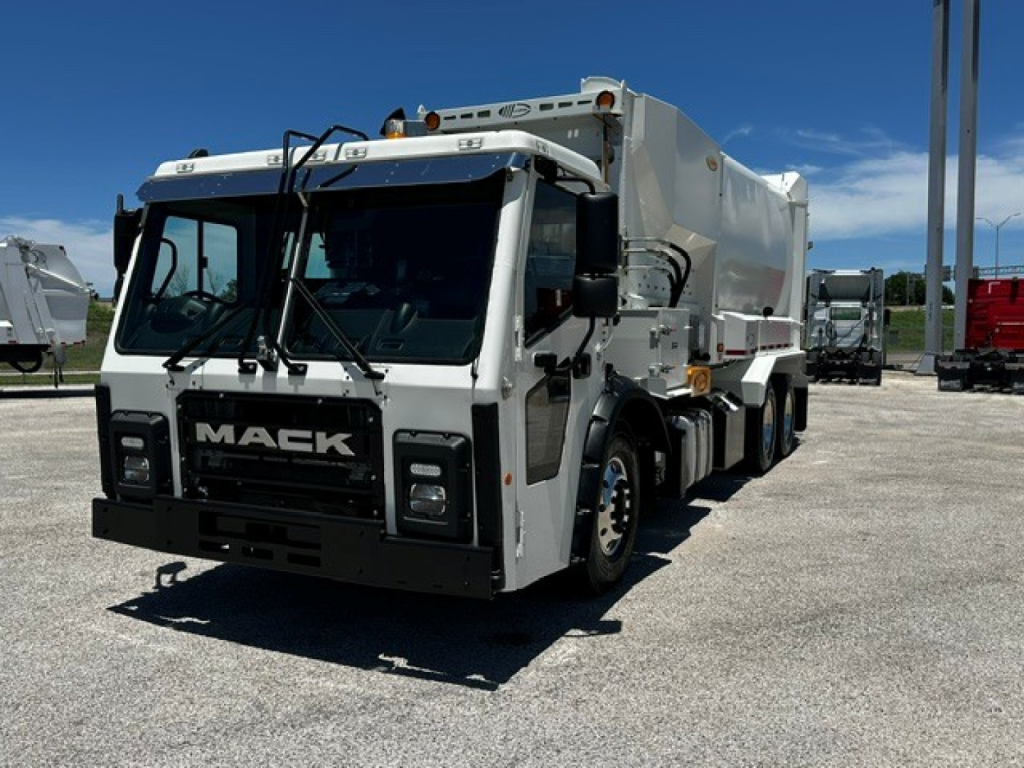
For residential work, automated side loaders remain one of the most efficient options because they reduce labor and speed up one-person routes. Front loaders are more common in commercial container service where lift capacity, hopper design, and frame reinforcement matter. Rear loaders still make sense for municipal crews, bulk pickup, and routes where hand loading or mixed waste streams are part of the job. Typical refuse truck specs include 6x4 or 4x2 configurations depending on body size and route demands, Allison automatic transmissions, heavy-duty PTO and hydraulic systems, and bodies from major manufacturers such as Heil, McNeilus, New Way, Labrie, or Amrep. Capacity is usually described by body volume in cubic yards, but buyers should also check payload capability, pack ratio, and whether the chassis and suspension are matched correctly to the intended waste stream.
A buyer comparing 2026 garbage trucks in Texas should pay close attention to maneuverability, emissions strategy, and service access. Urban and suburban routes benefit from tight wheel cuts, excellent sightlines, and low-entry cabs that reduce driver fatigue over repeated stops. On heavier routes, lift arm cycle times, hopper size, tailgate seal design, and hydraulic cooling become important. If the fleet runs long municipal contracts, corrosion protection, body floor thickness, and the availability of wear parts can matter as much as the engine spec. Texas fleets also often evaluate CNG and diesel side by side. CNG can make sense for large public fleets with fueling infrastructure, while diesel generally offers simpler deployment and easier flexibility across mixed-route operations.
The best garbage truck for sale is the one that fits the route without carrying unnecessary chassis, body, or fuel-system cost. Review the cab layout, camera package, axle ratings, turning radius, and body manufacturer support before comparing price alone. A well-matched refuse truck should load efficiently, hold legal weight, protect the driver in high-traffic stops, and stay easy to service through years of repetitive duty cycles. On new-model refuse trucks, that means looking beyond the badge and confirming the entire chassis-body package was spec'd for the collection method it will actually perform.
Frequently Asked Questions about 2026 Garbage Trucks in Texas
What body types are most common on garbage trucks?
The three main refuse body types are automated side loaders, front loaders, and rear loaders. Automated side loaders are widely used for residential curbside routes because one driver can service carts quickly with a hydraulic arm. Front loaders are common in commercial waste collection because they can lift and dump larger containers into a high-capacity body. Rear loaders are still popular for municipal routes, alley collection, and bulk pickup where manual loading flexibility matters.
What should I look for first when comparing a 2026 garbage truck?
Start with the route application, then match the truck to the body style, legal GVWR, and axle configuration needed for that work. After that, review body capacity in cubic yards, pack ratio, hydraulic system design, and lift capacity. Cab visibility, turning radius, transmission type, and body manufacturer support are also critical because refuse trucks spend their lives in dense stop-and-go service where uptime and maneuverability directly affect route efficiency.
Are diesel or CNG garbage trucks better for Texas fleets?
Neither is automatically better because the right choice depends on infrastructure and route planning. Diesel garbage trucks usually offer easier deployment, broad service support, and flexibility for mixed operations or changing territories. CNG garbage trucks can reduce fuel-cost volatility and may fit large municipal or private fleets that already have fueling access and technicians familiar with the system. The decision should include acquisition cost, shop capability, fueling time, and expected annual route density.
Why are low-cab-forward chassis common in refuse service?
Low-cab-forward refuse chassis are designed for visibility, maneuverability, and driver access. They generally provide a tighter turning radius than conventional cabs, which helps on residential streets, alleys, and crowded commercial sites. The low entry height also reduces strain on drivers who make frequent stops throughout the day. That combination makes them especially effective for high-stop garbage collection routes where safety and efficiency are tied closely to the cab design.
How important is body manufacturer choice on a garbage truck?
Body manufacturer choice is extremely important because the refuse body, hydraulics, controls, and lift system do most of the work. A strong chassis paired with the wrong body can still underperform on route. Buyers should consider parts availability, local service support, common wear items, floor and sidewall construction, tailgate sealing, and the reliability of the packing and lifting systems. In refuse service, body uptime is just as important as engine and transmission durability.