
Autocar Garbage Trucks For Sale
Browse Autocar garbage trucks for sale, including ACX Xpeditor refuse trucks with front, side, and automated loading setups.
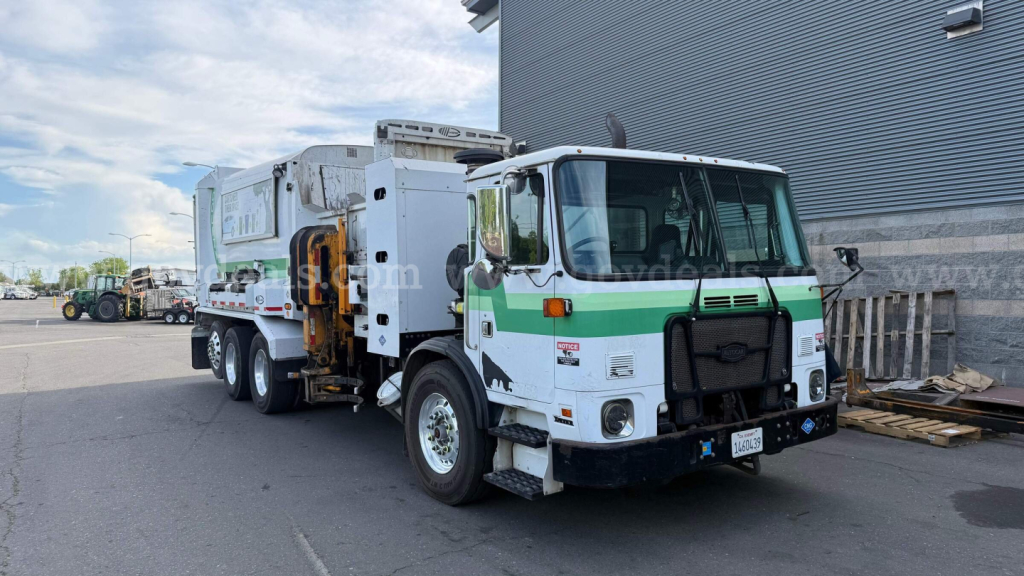
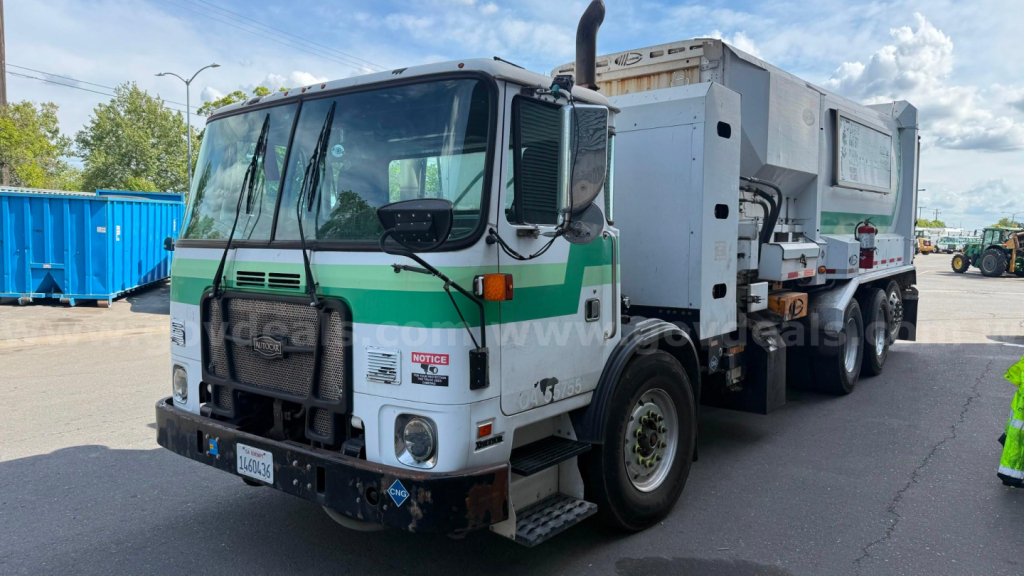
Looking for the easiest place to sell your autocar garbage truck? List it here to reach thousands of buyers.
Autocar Garbage Trucks
For most buyers, the first decision is loader type and route fit. Front loader Autocars are common in commercial dumpster service and can be paired with 30-yard class bodies for high-volume pickup. Side loader and automated side loader configurations are more common in residential service where arm reach, hopper design, cycle speed, and visibility matter more than raw fork capacity. Dual-steer cab layouts also show up in this segment for right-hand curb access and improved operator sightlines on residential routes. On used units, pay close attention to body manufacturer and model, since a truck equipped with a McNeilus, Heil, New Way, or similar body can have very different maintenance needs, packing performance, and parts support.
Refuse buyers should evaluate the truck and body as one system. A strong chassis still needs clean hydraulic function, solid packer operation, sound arm bushings, and predictable electrical communication between cab controls and body components. Common inspection points include hopper floor wear, tailgate seal condition, packing cylinder leaks, body rust around high-stress points, air leaks in locks or controls, and signs of wiring repairs around the body harness. If the truck is CNG-powered, tank certification dates, fuel system inspections, and local service support should be reviewed early. If diesel-powered, emissions history matters, especially DEF, EGR, turbo actuator, and aftertreatment repairs on stop-and-go refuse duty cycles.
Autocar has a long-standing presence in the refuse market because the platform is built for frequent entry and exit, strong body builder compatibility, and durability under repetitive route work. Buyers comparing used Autocar garbage trucks should look beyond mileage alone and weigh engine hours, route type, idle time, maintenance intervals, and body condition. A residential truck with moderate hours but heavy arm cycling may show different wear than a commercial front loader with higher gross weights and fewer stops. The best fit comes from matching the chassis, engine fuel type, transmission, axle capacity, and body style to the exact collection environment the truck will work in.
Frequently Asked Questions about Autocar Garbage Trucks
What makes Autocar garbage trucks popular in refuse service?
Autocar garbage trucks are widely used in refuse service because they are designed specifically for severe-duty vocational work. The ACX Xpeditor platform is known for cab-over maneuverability, strong axle and frame specs, and compatibility with major refuse body manufacturers. That combination makes them a practical choice for municipal fleets, waste haulers, and contractors running dense urban routes, residential pickup, or commercial container service.
What body types are commonly found on Autocar garbage trucks?
Autocar garbage trucks are commonly equipped as front loaders, side loaders, and automated side loaders. Front loaders are typically used for commercial dumpster pickup and higher-volume routes. Side loaders and automated side loaders are more common in residential service where curbside collection, arm reach, and operator visibility are important. The body brand and model matter because cycle times, hopper capacity, packing design, and parts support can vary significantly between manufacturers.
Should I choose a diesel or CNG Autocar garbage truck?
The right fuel type depends on route structure, local fuel availability, emissions policy, and service support. Diesel Autocar garbage trucks are often easier to place into mixed fleets and may offer broader maintenance coverage. CNG units can make sense for municipal or private fleets with access to fueling infrastructure and a sustainability mandate. On a used CNG truck, buyers should verify tank inspection status, fuel system condition, and local technician support before purchase.
What should I inspect first on a used Autocar refuse truck?
Start with the body and hydraulic system, then move to the chassis and engine. Refuse trucks live hard lives, so packer performance, arm operation, cylinder leaks, hinge wear, tailgate sealing, and hopper condition are often more important than cosmetic appearance. On the chassis side, review engine hours, transmission operation, suspension wear, brake condition, emissions repairs, and any fault codes. Electrical issues between the cab and body controls are also common and should be checked carefully.
Are engine hours more important than mileage on a garbage truck?
In many cases, yes. Garbage trucks spend much of their life in stop-and-go service with heavy PTO and hydraulic use, long idle periods, and repeated loading cycles. That means mileage alone does not tell the full story. Engine hours, maintenance records, route type, and body cycle wear often provide a better picture of actual remaining life and expected repair needs than odometer readings by themselves.