
2018 Garbage Trucks For Sale
Shop 2018 garbage trucks for sale, including side loaders and refuse trucks with diesel or CNG power, heavy-duty chassis, and municipal specs.
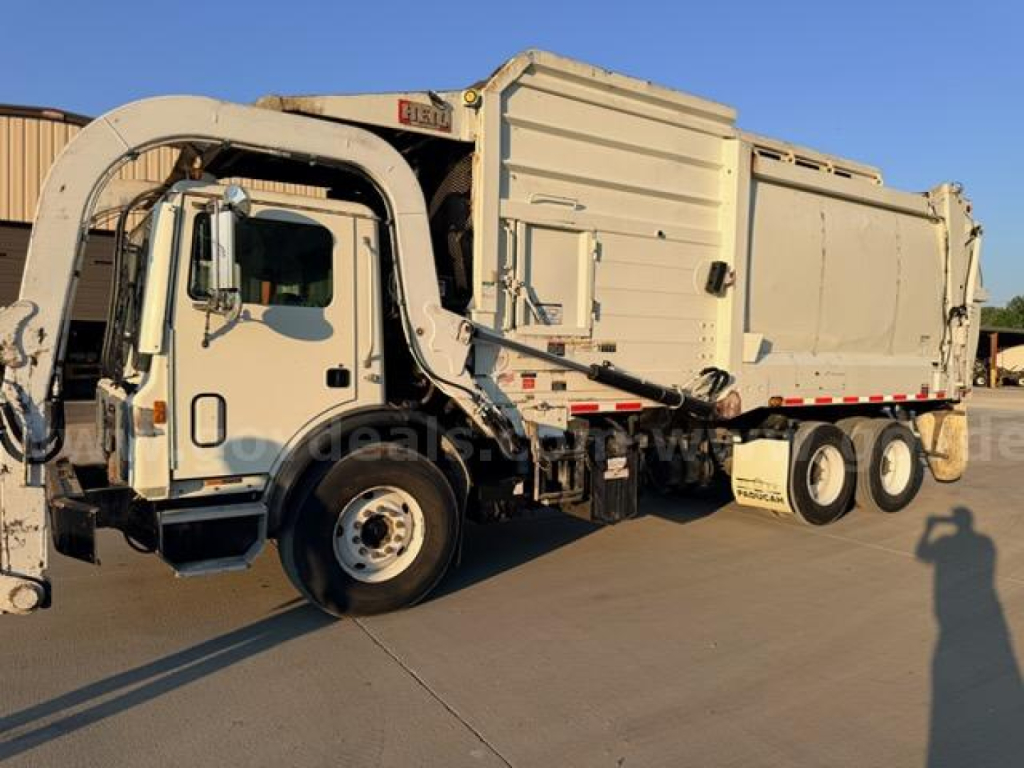

Have 2018 garbage truck to sell? List it here to reach thousands of buyers.
2018 Garbage Trucks
For a 2018 refuse truck, pay close attention to chassis and body hours, not just mileage. Garbage trucks spend much of their life in stop-and-go service, packer cycling, PTO operation, and hard turns, so engine hours, hydraulic system condition, and body wear often tell more than odometer readings. Typical specs in this class include GVWRs around 54,000 to 66,000 pounds, tandem rear axles, Allison automatic transmissions, and engines such as the Cummins ISL, ISL9, or natural gas ISL-G. CNG units are common in municipal fleets from this period, and they can be a smart buy if fuel infrastructure, tank certification status, and local service support are already in place. Diesel units usually offer easier resale and broader service access, especially for independent haulers and regional operators.
Inspection points on a 2018 garbage truck should include hopper floors, packer rails, body sidewalls, arm pins and bushings, tailgate seals, hydraulic cylinders, and frame condition around high-stress mounting areas. Look for cracking in the hopper, corrosion in the body, uneven packer wear, and signs of chronic hydraulic leaks. On automated side loaders, the grabber arm, joystick controls, cart tipper function, and camera system deserve special attention. Cab layout also matters in daily refuse work. Low-entry cabs, right-hand or dual-steer setups, visibility packages, interlocks, and camera coverage can make a major difference in route safety and driver fatigue.
A well-matched 2018 refuse truck should be evaluated as a complete system: chassis, body, hydraulics, PTO, suspension, brakes, and route application. Buyers comparing listings should verify body manufacturer, body model, cubic-yard capacity, legal axle weights, fuel type, and recent major repairs such as EGR components, injectors, packing cylinders, or transmission work. Service records are especially valuable in this category because refuse trucks operate in one of the harshest duty cycles in trucking. A clean-looking unit is useful, but a documented maintenance history and a body spec that matches your collection work usually matter more.
Frequently Asked Questions about 2018 Garbage Trucks
What should I look at first when buying a 2018 garbage truck?
Start with the body style and route application. A 2018 garbage truck should match the work before anything else, because residential cart service, alley pickup, manual collection, and commercial container service all require different body designs. After that, review engine hours, body hours if available, hydraulic condition, and recent repair history. In refuse applications, mileage alone does not tell the full story.
Are 2018 garbage trucks commonly diesel or CNG?
Both are common in this model year. Many municipal and government fleets bought CNG refuse trucks in 2018, especially on low-cab-forward chassis like the Peterbilt 520 and Autocar ACX. Diesel remains a practical choice for fleets that want simpler fueling, broader technician support, and easier resale. CNG can work well if tank inspections, local fueling access, and qualified service support are already covered.
How many yards is a typical 2018 refuse body?
A typical 2018 garbage truck may carry a body in the mid-20-yard to low-30-yard range, with 26-yard, 28-yard, 31-yard, and 32-yard bodies being common depending on loader type and route density. Capacity should be considered alongside payload, axle ratings, and legal route weights. A larger body is not always better if the truck will cube out before it weighs out, or if local transfer station access limits maneuverability.
Why do hours matter so much on a garbage truck?
Hours matter because refuse trucks operate under severe stop-start duty with constant idling, PTO engagement, and packer cycling. A 2018 garbage truck with moderate mileage may still have heavy wear if it spent years on dense residential routes. Engine hours, hydraulic usage, and body wear points often provide a better picture of real-life condition than odometer readings alone.
What are common wear and repair items on a used 2018 garbage truck?
Common issues include hydraulic leaks, worn arm pins and bushings, packer cylinder wear, hopper cracking, tailgate seal problems, corrosion in the body, suspension wear, and emissions-related repairs on diesel engines. On CNG units, tank age, valve condition, and inspection documentation are critical. Buyers should also check cameras, interlocks, warning lights, and control systems because refuse trucks depend heavily on safety equipment in daily operation.