
Mack Garbage Trucks For Sale
Shop Mack garbage trucks including LR, LEU, and TE models. Compare refuse truck specs, body compatibility, fuel types, and route needs.
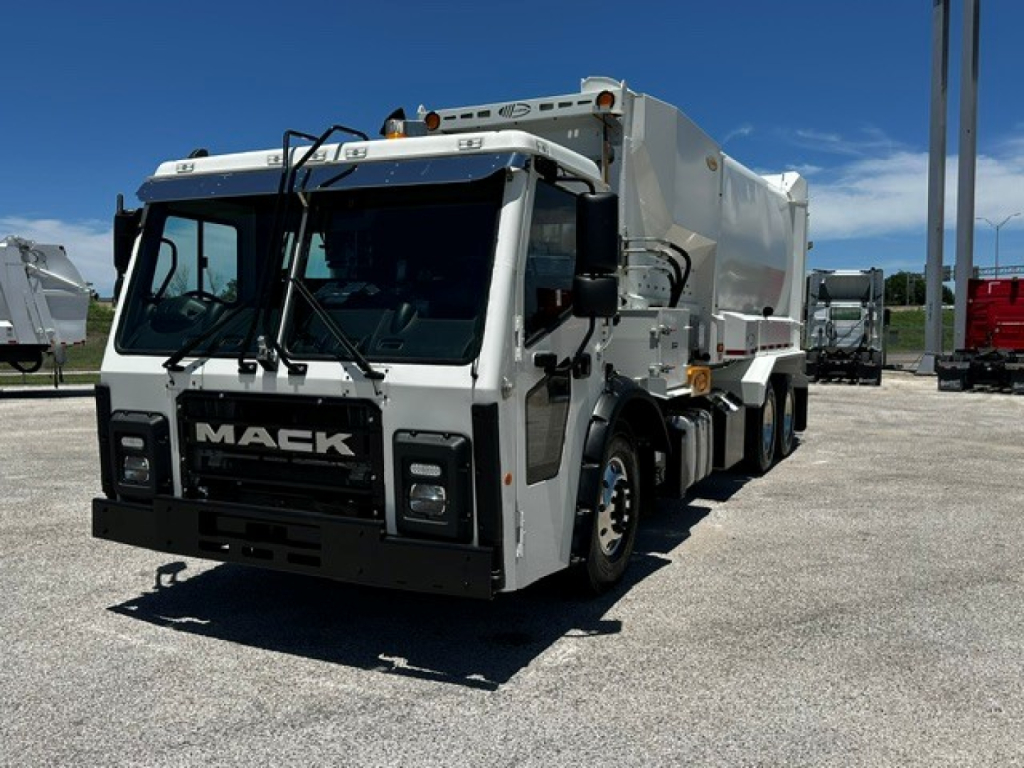
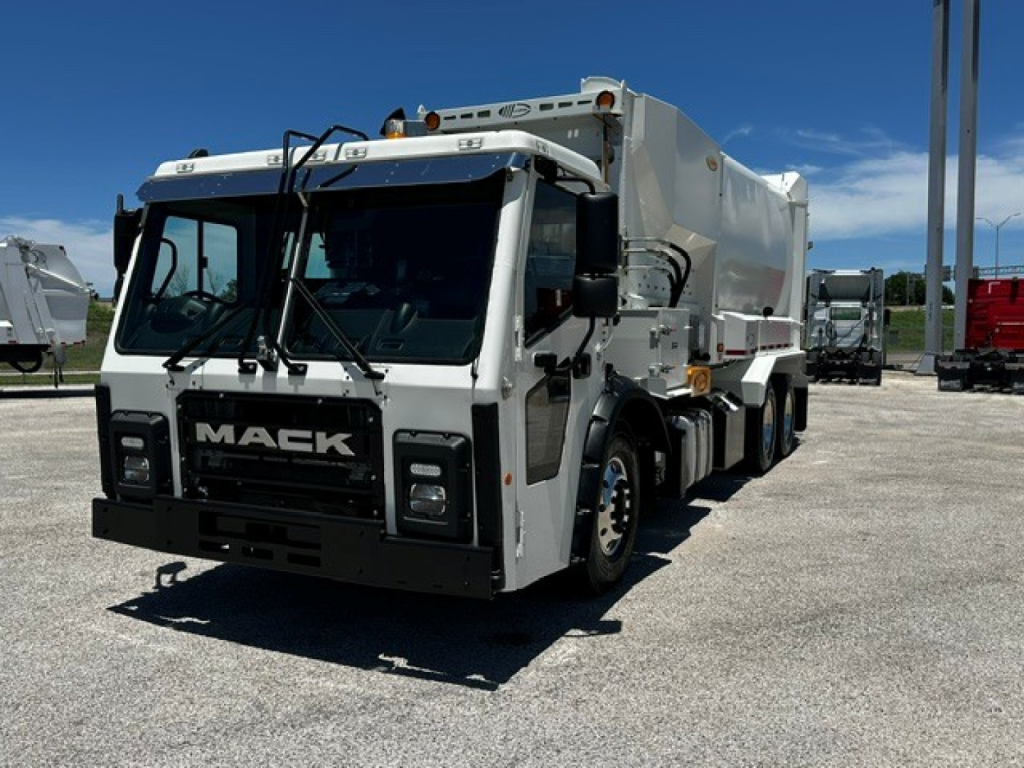

Selling a mack garbage truck? List your mack garbage truck for sale and reach thousands of commercial buyers.
Mack Garbage Trucks
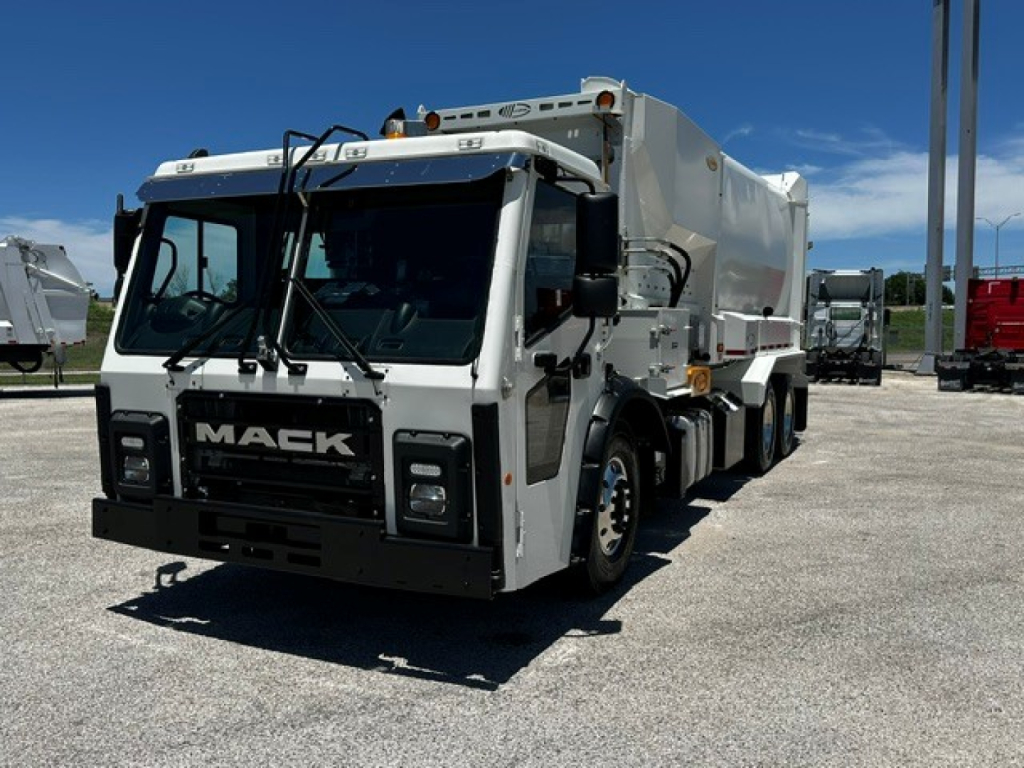
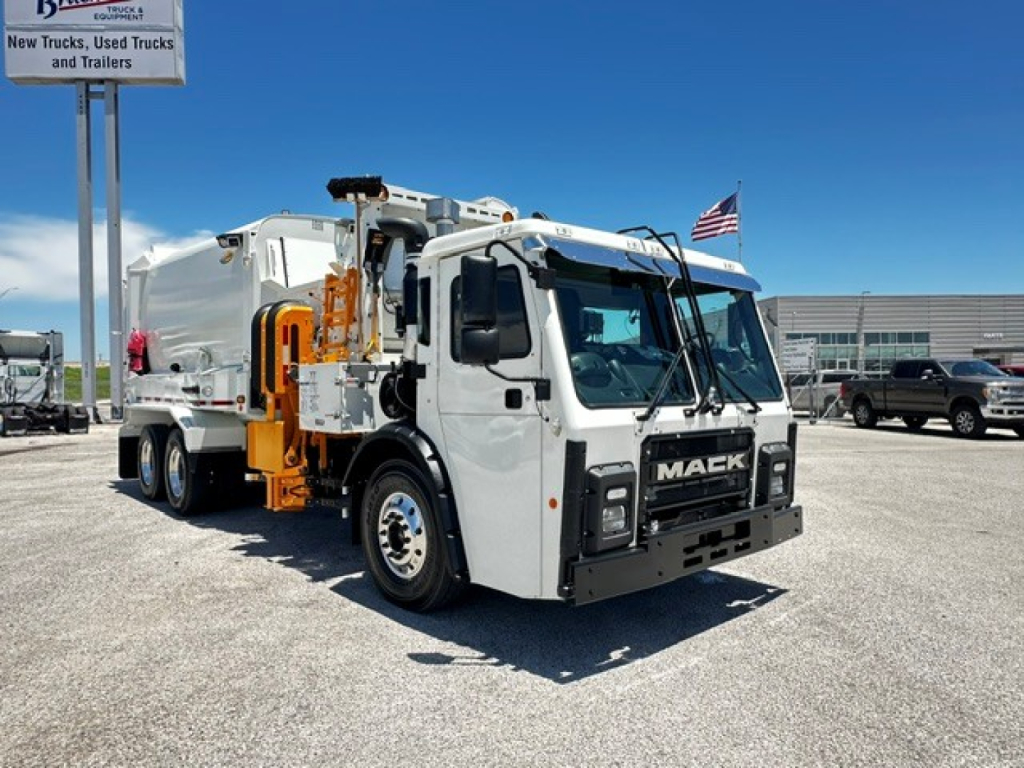
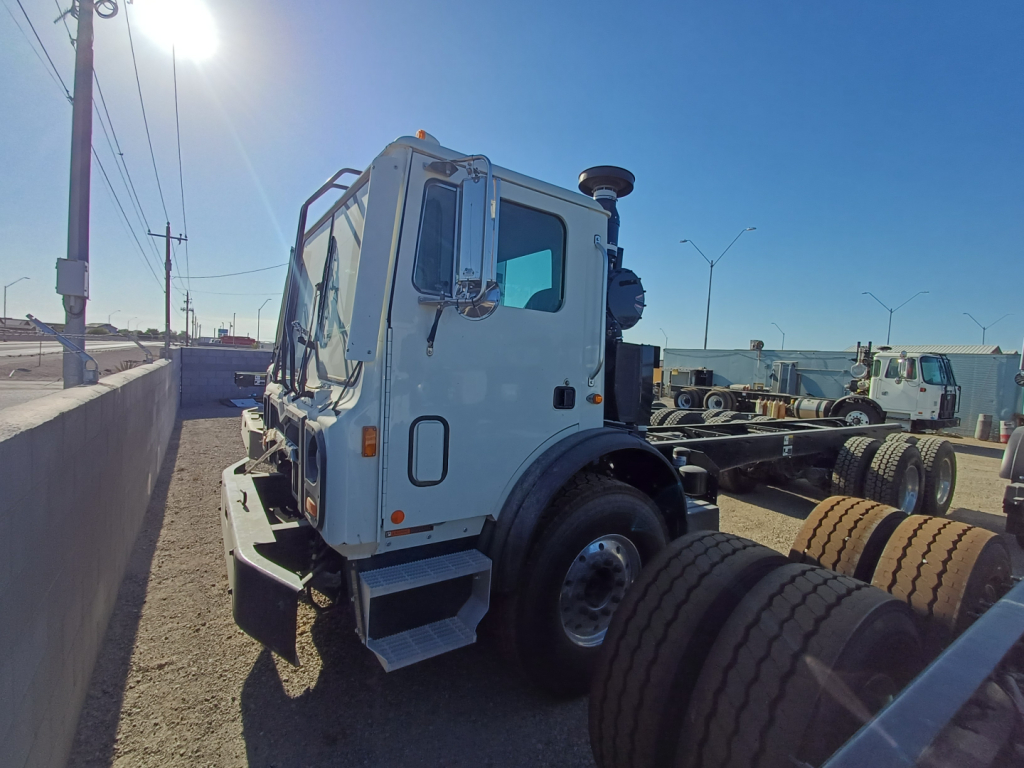
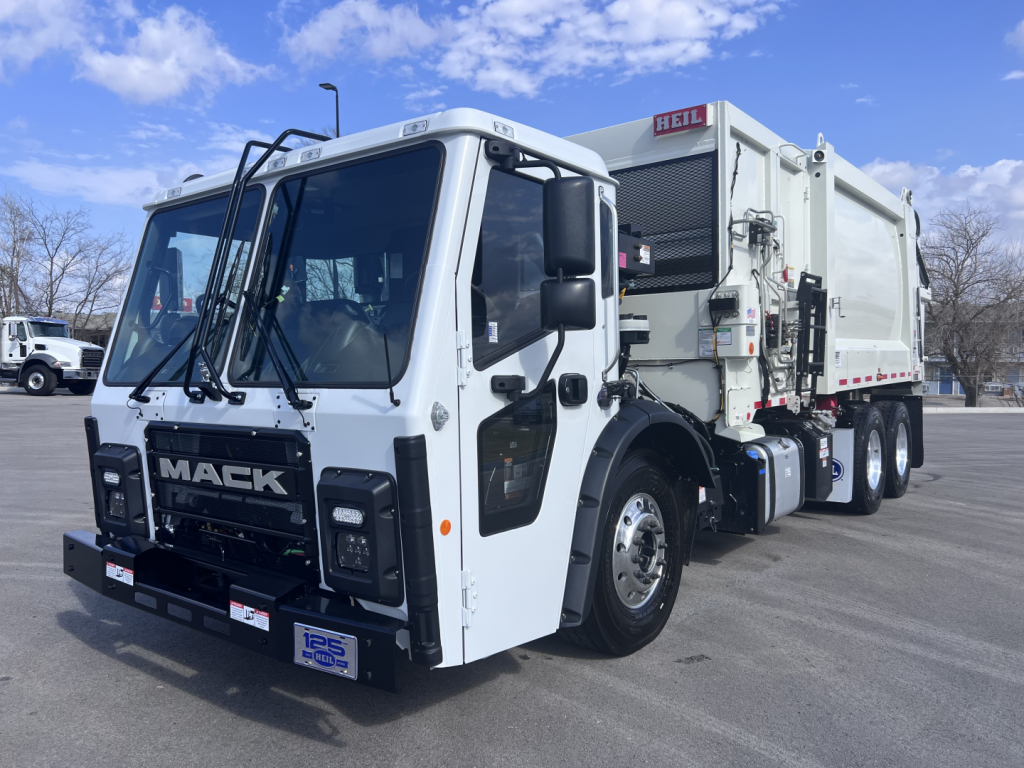
On a Mack refuse chassis, pay close attention to axle ratings, wheelbase, frame specification, and PTO setup because those details determine what body can be installed and how the truck will perform at legal weight. Common garbage truck considerations include bridge law compliance, hopper capacity, packer requirements, and front axle capacity once the body is loaded and the arm is working off the curb side. Refuse buyers should also verify suspension type, brake spec, transmission calibration, and steering geometry, especially on trucks expected to work alleys, cul-de-sacs, and transfer station approaches. Mack chassis are often selected for their vocational focus and tight packaging, which helps with body integration and service access.
Fuel choice is another major buying point in this category. Along with diesel-powered LR and LEU models, some Mack garbage trucks are configured for alternative fuel applications, including natural gas and newer battery-electric platforms such as the Mack TE. CNG refuse trucks can make sense for fleets with central fueling and emissions targets, while electric garbage trucks are gaining attention in urban routes where noise reduction, predictable daily mileage, and idle-heavy duty cycles fit the application. Buyers comparing powertrains should look beyond sticker price and weigh route length, payload, gradeability, charging or fueling infrastructure, maintenance capability, and body system power demand.
Used Mack garbage trucks should be evaluated with extra attention to route wear. Hours, idle time, hydraulic performance, packer cycle history, frame condition, and cab entry wear can tell you more than mileage alone. Inspect front axle components, steering linkages, suspension mounts, body subframe areas, and corrosion around the hopper, tailgate, and floor if the body is included. A well-matched Mack refuse truck can deliver strong service life, but the right choice depends on matching the chassis, powertrain, and body type to the collection route, transfer distance, and maintenance program.
Frequently Asked Questions about Mack Garbage Trucks
What Mack models are most common in garbage truck applications?
The Mack LR is the most common modern Mack refuse platform, especially for low-entry urban collection work. Older or specialized fleets may also run Mack LEU models, and newer alternative-fuel or zero-emission applications may include the Mack TE electric chassis. The exact model matters because cab height, entry design, steering position, and powertrain options all affect route suitability and body compatibility.
What should I check first when buying a Mack garbage truck?
Start with body type compatibility and route requirements. Confirm whether the truck is set up for an automated side loader, front loader, or rear loader, then verify axle ratings, wheelbase, frame spec, PTO provisions, and steering configuration. After that, review engine or fuel type, transmission, suspension, and front axle capacity because refuse trucks carry shifting loads and spend their lives in repeated stop-and-go service.
Is right-hand steer important on a Mack refuse truck?
Right-hand steer is important for many residential automated side-load routes because it gives the driver a direct view of the curb, carts, and arm operation. That can improve safety and efficiency on dense neighborhood collection. It is less critical for some front-load or commercial applications, so buyers should match steering position to collection method rather than treating it as a universal requirement.
Are Mack garbage trucks available with alternative fuel or electric power?
Yes. Mack garbage trucks can be found with diesel, natural gas, and battery-electric configurations depending on model and application. Natural gas can fit fleets with dedicated fueling infrastructure and emissions goals, while electric refuse trucks are best evaluated on route predictability, charging time, payload impact, body power demand, and total daily miles. The best powertrain choice depends on your depot setup and collection cycle, not just fuel cost alone.
How do I evaluate a used Mack garbage truck compared with a highway truck?
A used refuse truck should be judged more by duty-cycle wear than by mileage. Garbage trucks accumulate heavy idle time, repeated packer cycles, hard curbside steering loads, and constant cab entry and exit. Inspect hydraulic systems, steering and suspension components, frame rails, body mounts, hopper and tailgate condition, and signs of corrosion or cracking. Service records for body systems and route history are often as important as engine and transmission records.