
Mack Garbage Trucks For Sale in Texas
Browse Mack garbage trucks for sale in Texas, including LR and TE refuse chassis with MP7 power, Allison automatics, tandem axles, and high GVWRs.
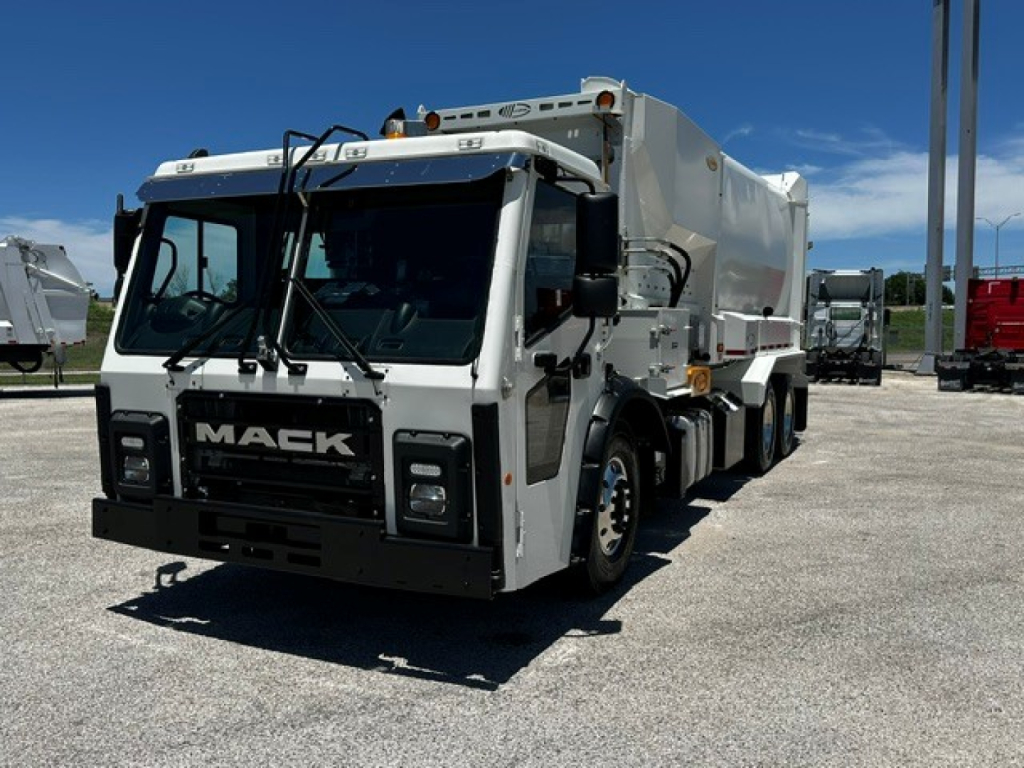
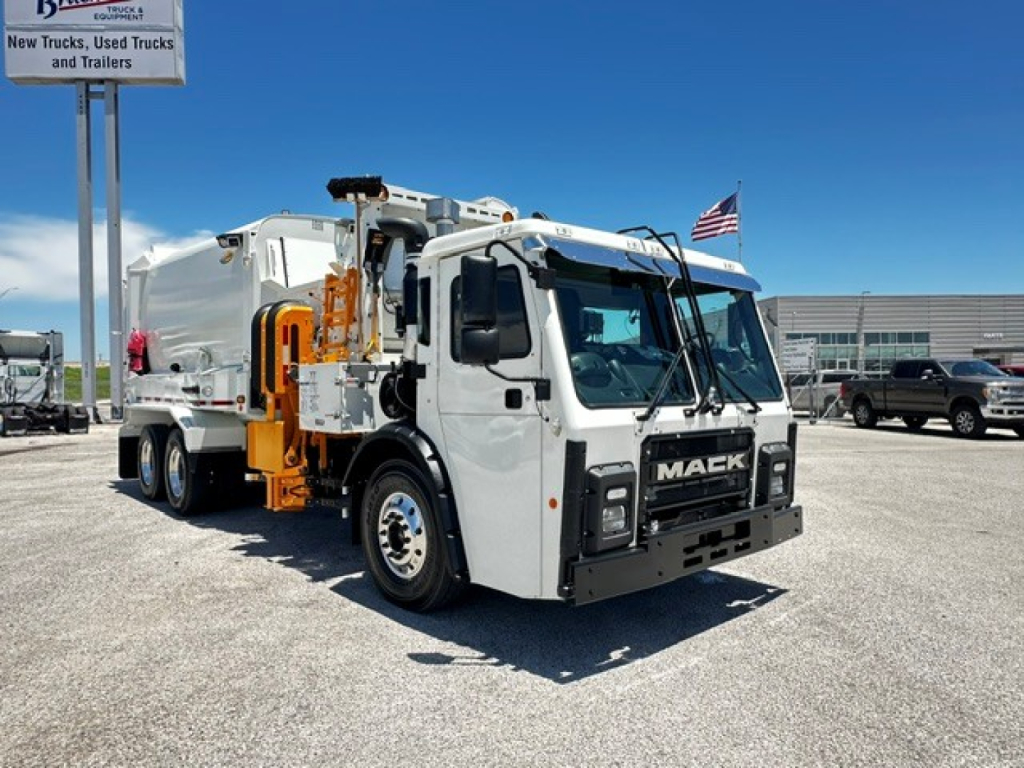

Selling a mack garbage truck? List your mack garbage truck for sale and reach thousands of commercial buyers.
Mack Garbage Trucks in Texas
On current Mack garbage truck setups, the MP7 engine is a frequent spec, often in the mid-300 horsepower range, paired with an Allison automatic such as the 4500 RDS. That combination is popular in refuse service because it delivers smooth launch characteristics, predictable low-speed control, and less driver fatigue on dense urban routes. Tandem axle configurations with 60,000 to 66,000 lb GVWR are common, along with 20,000 lb front axles and rear axles in the 40,000 to 46,000 lb range. Rear suspension choice matters. Mack Camelback is known for rugged simplicity and durability under punishing loads, while mRIDE can improve ride quality and help protect the chassis and body over rough streets and transfer station approaches. Rear axle ratios such as 3.98, 4.50, 4.88, and 5.31 all point to different priorities in launch, gradeability, and route speed.
Wheelbase is another key buying point because it affects turning radius, bridge formula considerations, and body length options. Many refuse chassis in this class fall around the 210 to 221 inch wheelbase range, which supports a variety of packer body installations without making the truck too cumbersome in alleys, subdivisions, or commercial lots. Texas buyers should also think about cooling performance, PTO integration, and daily duty cycle. Refuse trucks spend long hours at low speed with constant hydraulic demand, so transmission and PTO compatibility with the body manufacturer is just as important as engine output. Front axle capacity becomes especially important on front loader applications or any route that carries heavy container loads forward on the chassis.
A good Mack garbage truck spec is the one that matches the body, route density, dump frequency, and maintenance plan. For residential work, buyers often prioritize low-entry access, right-hand steer, and automatic transmission performance. For commercial or heavier container service, higher rear axle ratings, stronger suspension packages, and conservative gearing tend to matter more. Mack remains a strong fit in the refuse market because these chassis are designed around vocational use, not adapted to it later. That shows up in cab access, frame strength, axle options, and the ability to handle the repetitive starts, tight turns, and high hydraulic workload that define garbage truck service.
Frequently Asked Questions about Mack Garbage Trucks in Texas
What makes a Mack LR a strong choice for refuse work?
The Mack LR is designed specifically for refuse applications, with a low-entry cab that improves driver access during repeated stops and an overall layout that supports high-visibility route work. Many LR configurations are also ordered with right-hand steer, which is useful for residential curbside collection. The chassis is built to handle frequent stop-and-go operation, body PTO demands, and tight urban turning conditions better than a general-purpose truck spec.
What engine and transmission are common in Mack garbage trucks?
A common Mack garbage truck spec uses the Mack MP7 engine paired with an Allison 4500 RDS automatic transmission. This setup is popular because refuse work depends on strong low-speed drivability, smooth launches, and reliable operation under constant shifting and hydraulic load. Horsepower often falls in the mid-300 range, which is enough for most residential and commercial collection routes when matched with the right rear axle ratio and body.
How important are axle ratings and GVWR on a garbage truck?
Axle ratings and GVWR are critical because they determine how much legal payload the truck can carry and how well it handles body weight, route density, and transfer station conditions. A refuse chassis with a 20,000 lb front axle and 40,000 to 46,000 lb rears is common in tandem axle configurations. Front axle capacity is especially important when the truck carries weight forward, such as with front loader service or certain body and hopper combinations.
What is the difference between Camelback and mRIDE on a Mack refuse chassis?
Camelback is a traditional Mack rear suspension known for toughness, simplicity, and long-term durability in severe vocational service. mRIDE is a parabolic spring suspension that can provide a smoother ride and better chassis control on rough streets and uneven surfaces. The right choice depends on route conditions, body type, maintenance preferences, and how much emphasis a fleet places on driver comfort versus maximum mechanical simplicity.
What wheelbase should I look for on a Mack garbage truck?
The right wheelbase depends on body length, axle spacing requirements, and the type of collection route. Many refuse chassis are spec'd around 210 to 221 inches because that range works well for common packer body installations while still allowing decent maneuverability. A shorter wheelbase can help in alleys and tight subdivisions, while a longer wheelbase may be needed for certain body layouts, weight distribution targets, or front loader applications.