
New Mack Garbage Trucks For Sale in Texas
New Mack garbage trucks for sale in Texas, including LR and GR refuse chassis built for residential, commercial, and municipal collection.
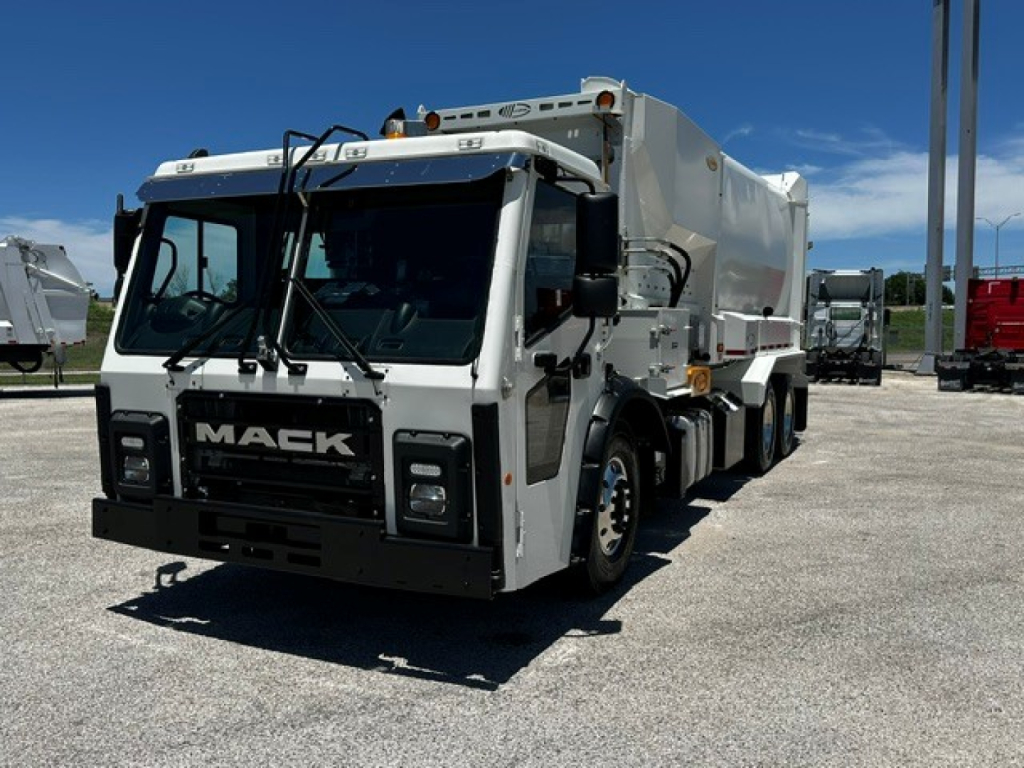
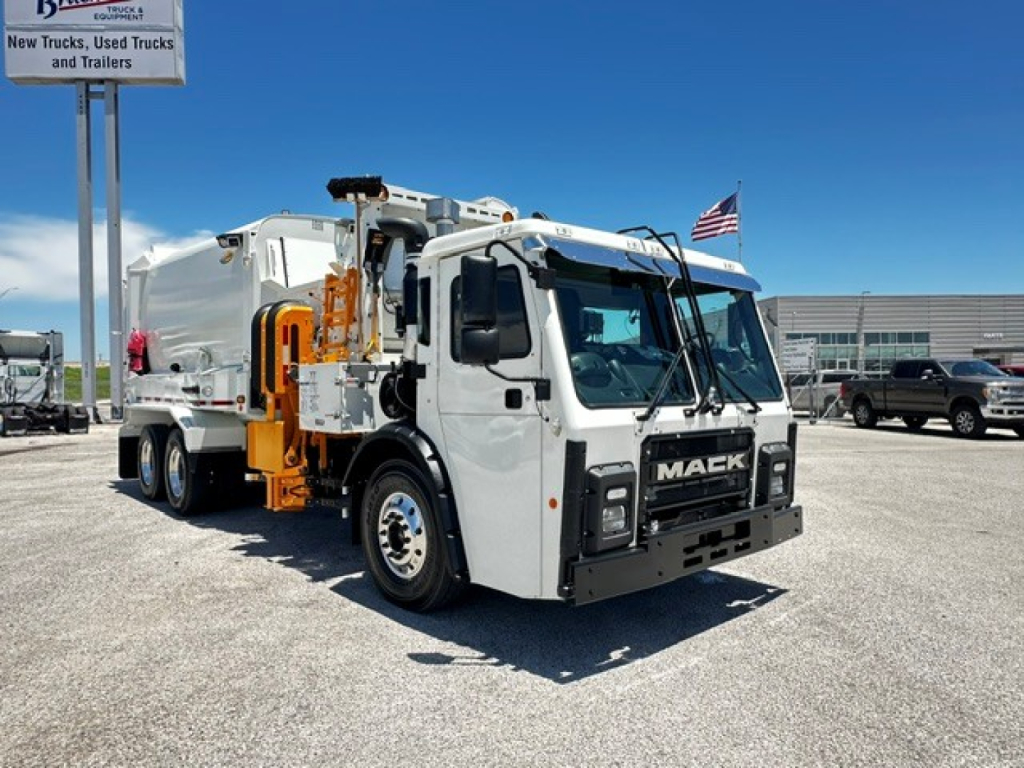

Selling a new mack garbage truck? List your new mack garbage truck for sale and reach thousands of commercial buyers.
New Mack Garbage Trucks in Texas
The Mack LR64 is especially common in residential and municipal refuse work because the low cab height reduces driver fatigue during repeated exits and entries, and the tight wheel cut helps in alleys, neighborhoods, and crowded commercial routes. Right-hand steer configurations are also common for residential pickup, particularly where curbside collection and operator visibility are priorities. Buyers should look closely at axle ratings, frame strength, wheelbase, PTO setup, and body-builder provisions to make sure the truck is spec'd correctly for compactor weight, hopper capacity, and legal payload. Bridge law, transfer station distance, and route density all affect whether a lighter, more maneuverable setup or a heavier packer configuration makes more sense.
On a new Mack refuse chassis, powertrain and serviceability matter as much as body style. Refuse trucks spend their lives in low-speed, high-cycle work, so automatic transmissions, strong cooling packages, and engine calibrations suited for vocational duty are important. Mack refuse platforms are known for durable frames, set-back front axle maneuverability, and driver-focused cab layouts. Buyers in Texas should also consider air conditioning performance, idle management, and corrosion protection, especially for long summer routes, coastal environments, or operations that run multiple shifts. Spec details like front axle capacity, rear suspension, pusher or tag axle needs, and cab entry configuration can have a direct impact on uptime and route efficiency.
A new garbage truck should be evaluated as a complete refuse system, not just a cab and chassis. The best spec depends on route type, container style, lift system, pack ratio, and disposal cycle time. Municipal fleets may prioritize standardization and driver ergonomics, while private haulers often focus on payload, turning radius, and maintenance access. Mack garbage trucks remain a strong choice for fleets that need purpose-built refuse performance, especially when the chassis is matched carefully to the body, duty cycle, and operating conditions in Texas.
Frequently Asked Questions about New Mack Garbage Trucks in Texas
What Mack models are commonly used as garbage trucks?
The Mack LR64 is one of the most common refuse chassis in this category because it was designed specifically for stop-and-go collection work and low-entry operation. The Mack GR64B can also be used in refuse applications when a fleet prefers a conventional cab layout or a different vocational configuration. The right model depends on route type, body style, driver access needs, and required axle capacities.
Why is right-hand steer important on some garbage trucks?
Right-hand steer is commonly specified for residential refuse collection because it gives the driver a better view of the curbside work area and can improve safety during pickup. It also reduces the need for the operator to lean across the cab or rely as heavily on mirrors and camera systems when servicing homes. For automated or curbside routes, that visibility advantage can improve efficiency over the course of a full route.
What should buyers check when matching a Mack chassis to a refuse body?
Body compatibility starts with wheelbase, cab-to-axle dimension, frame layout, PTO provisions, and axle ratings. Buyers should also confirm hydraulic requirements, electrical interface needs, suspension selection, and front and rear weight distribution once the body is installed and loaded. A refuse truck that is not matched correctly can suffer from poor maneuverability, overloaded axles, or reduced packer performance.
Are low-entry cab garbage trucks better for city routes?
Low-entry cab trucks are often the better fit for dense urban and residential routes because they make repeated entry and exit easier on the driver and improve visibility around the truck. They are especially useful on routes with frequent stops, tight turns, parked cars, and pedestrian traffic. A conventional cab may still be the better choice in some applications, but low-entry designs are widely preferred for high-frequency collection work.
What specs matter most on a new garbage truck in Texas?
In Texas, buyers often pay close attention to cooling performance, air conditioning capacity, axle ratings, turning radius, and how the truck handles long, hot operating days. Route length, disposal site distance, neighborhood density, and legal weight limits all influence the final spec. The most important point is to build the truck around the actual route and body requirement rather than choosing a chassis based on gross vehicle weight alone.