
New 2026 Commercial Trucks For Sale in Texas
Shop new 2026 trucks for sale in Texas, including day cabs, sleepers, dump, reefer, and medium-duty truck configurations.
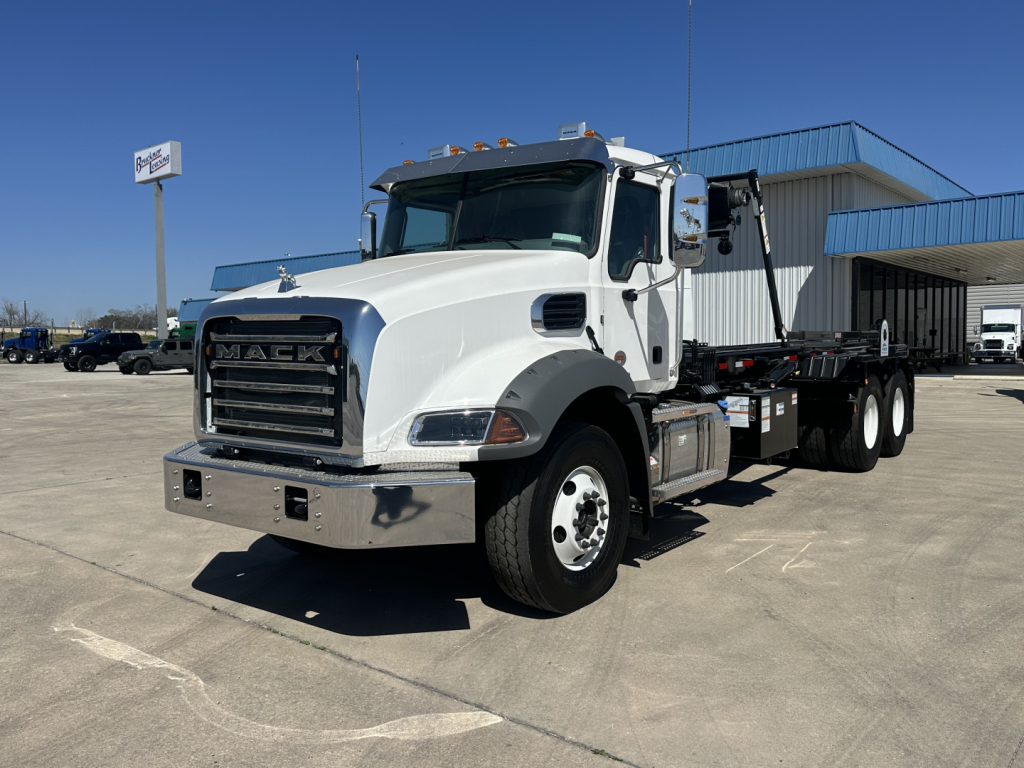
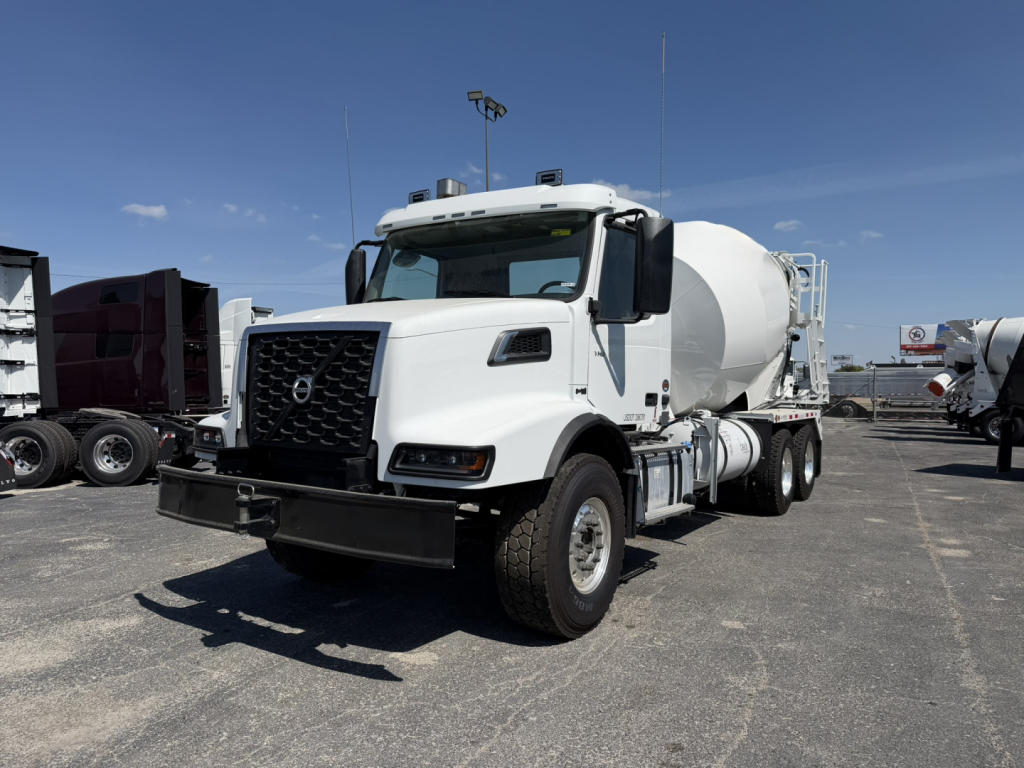
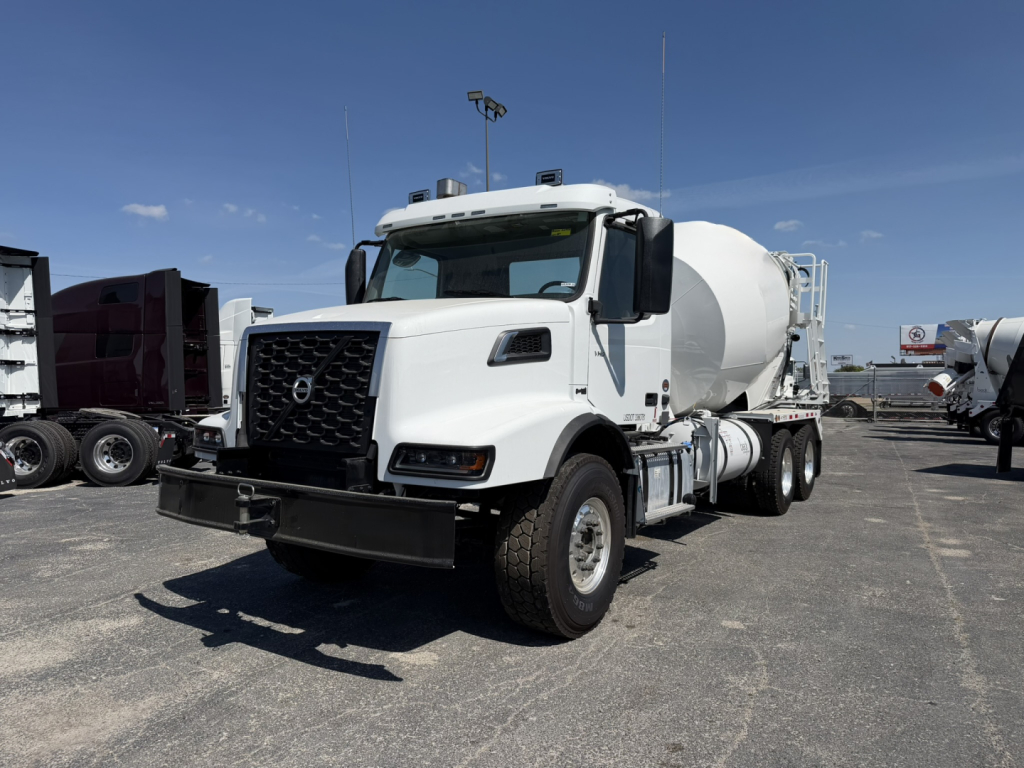
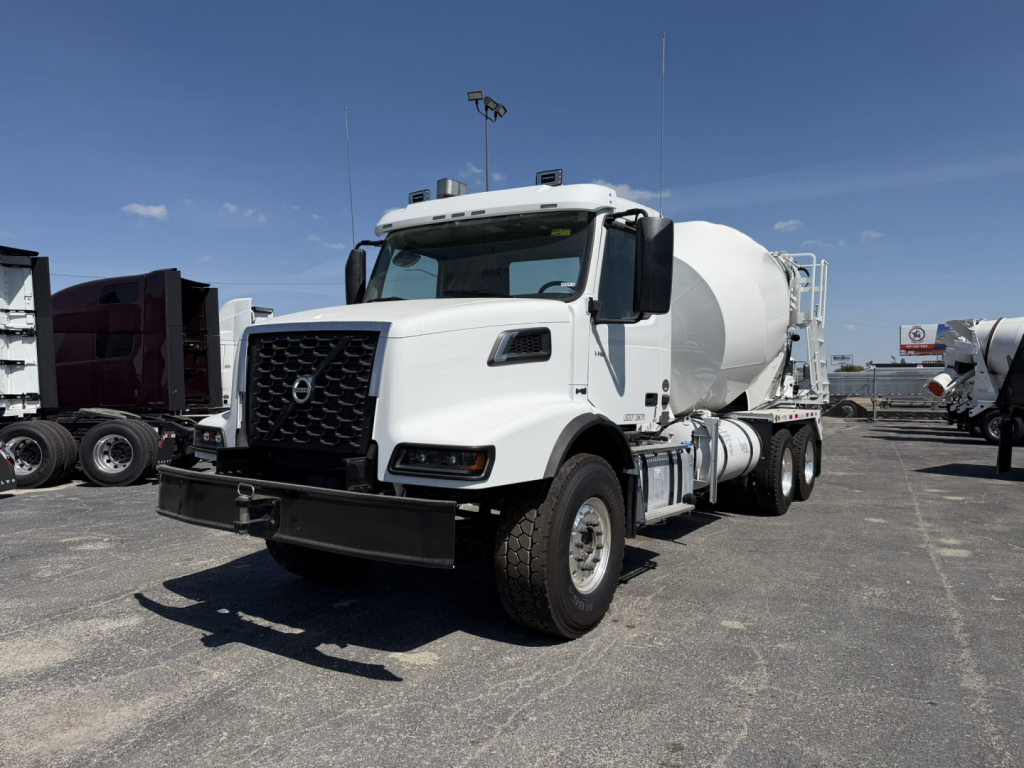
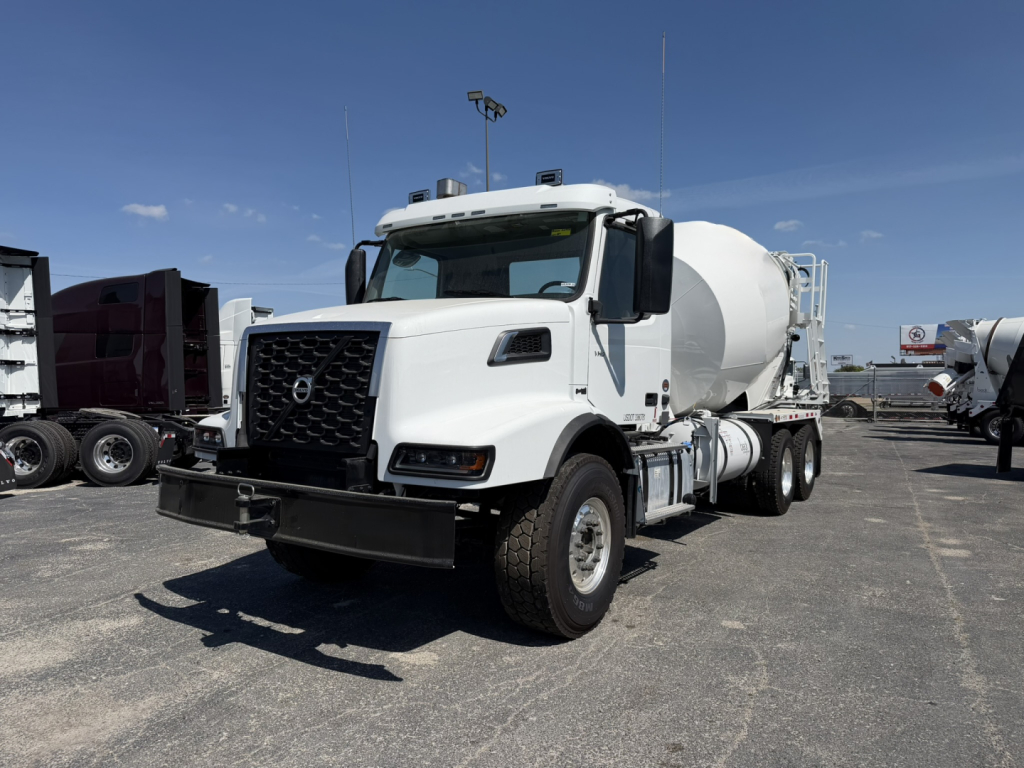
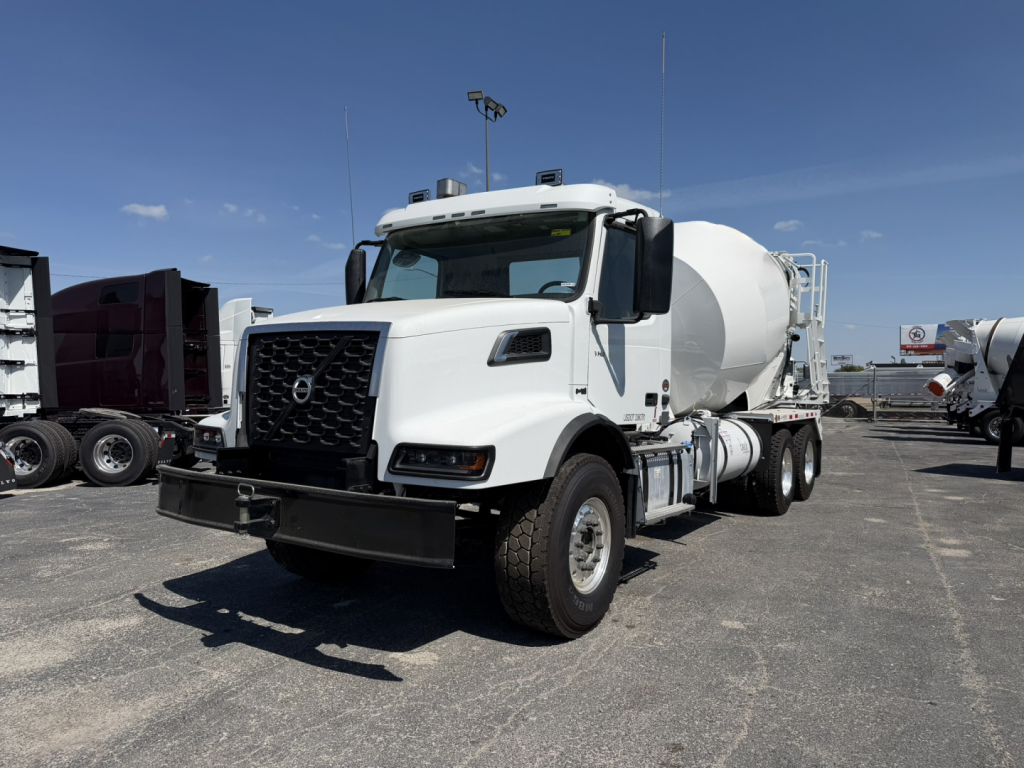
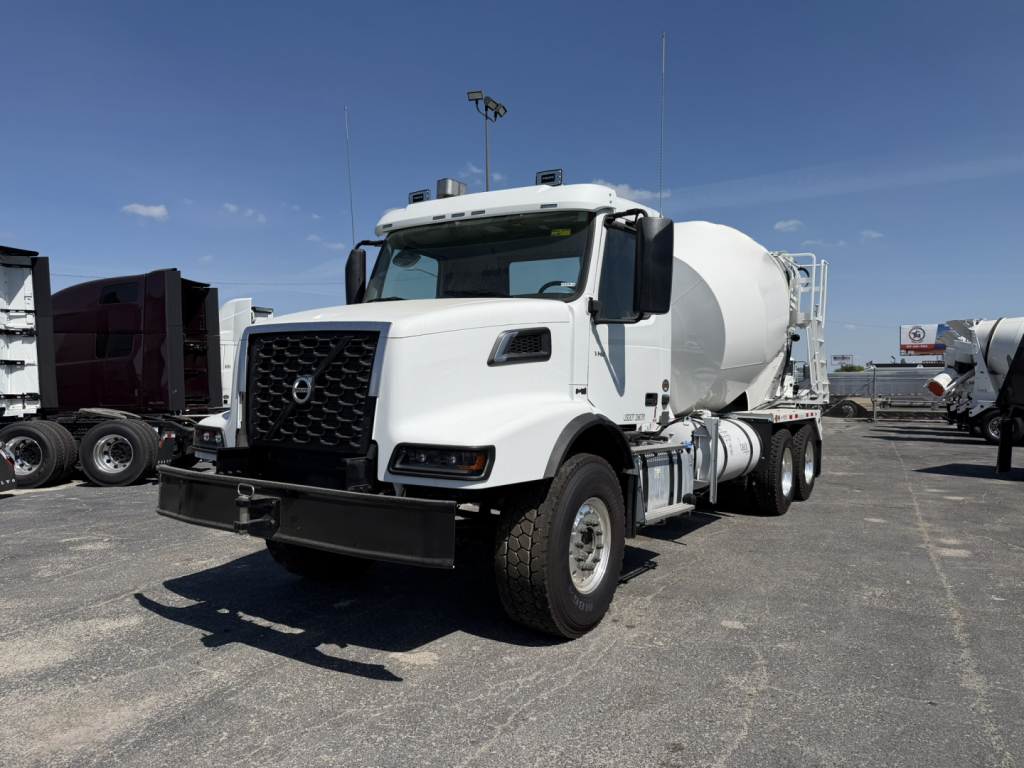
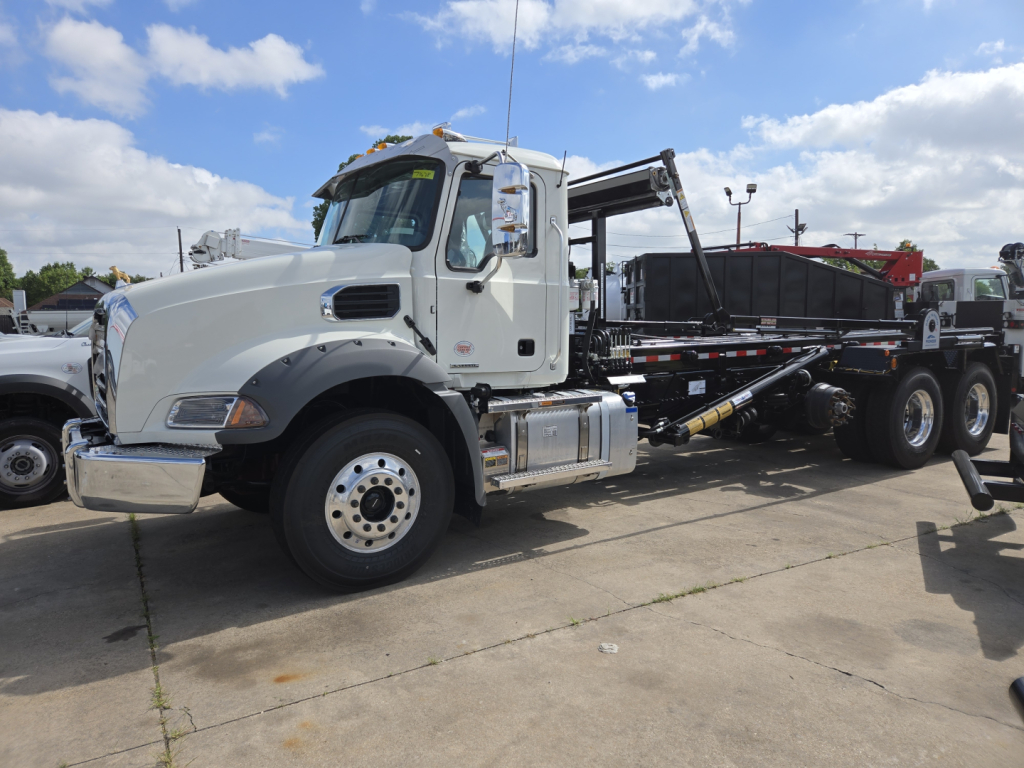
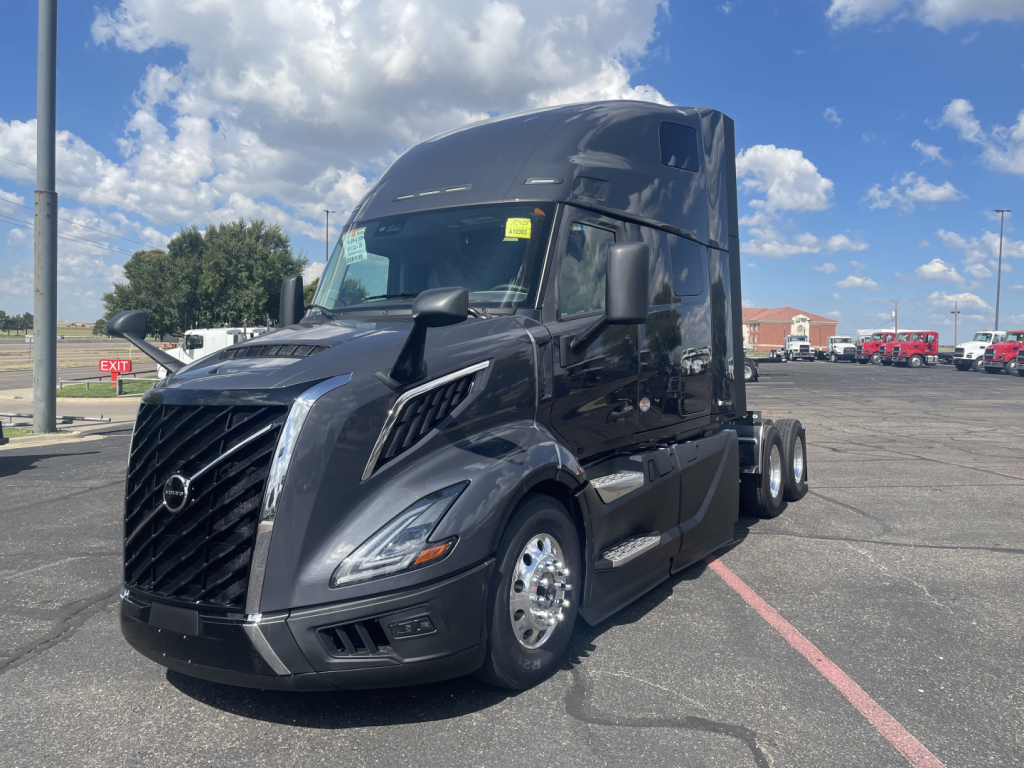
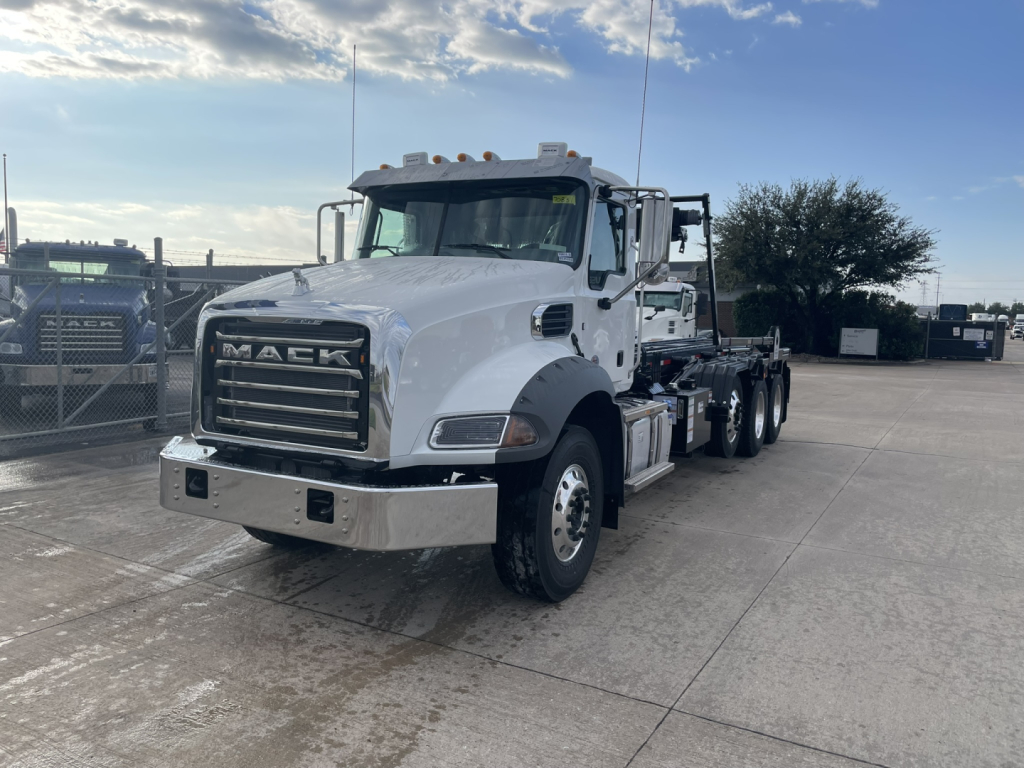
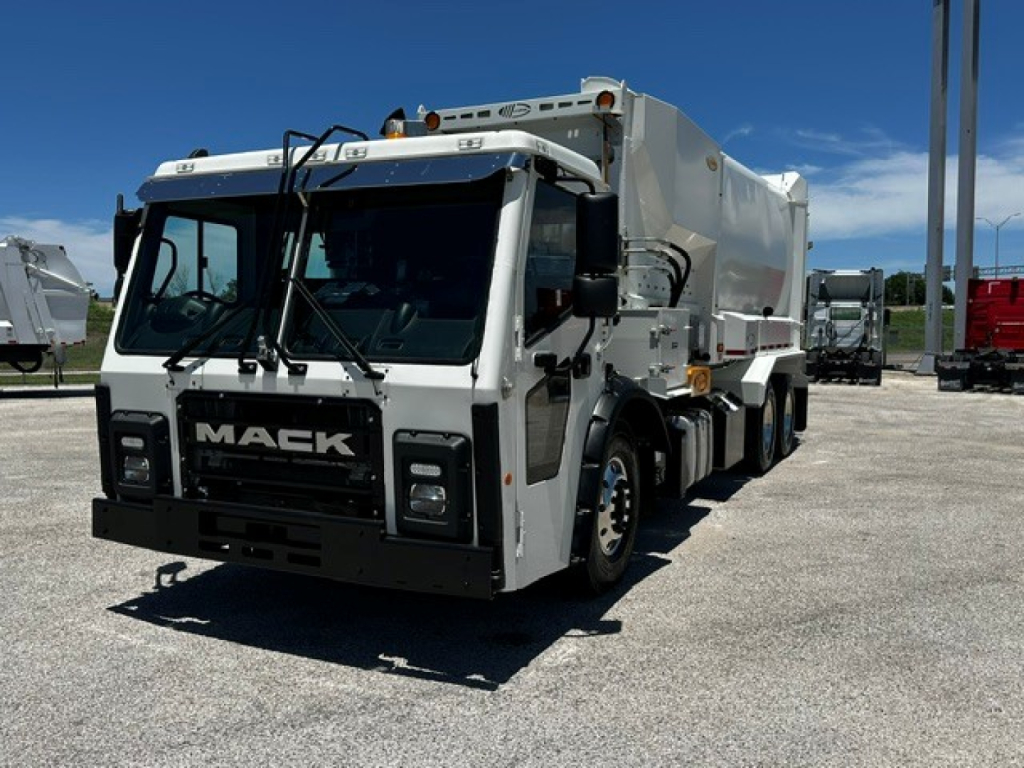
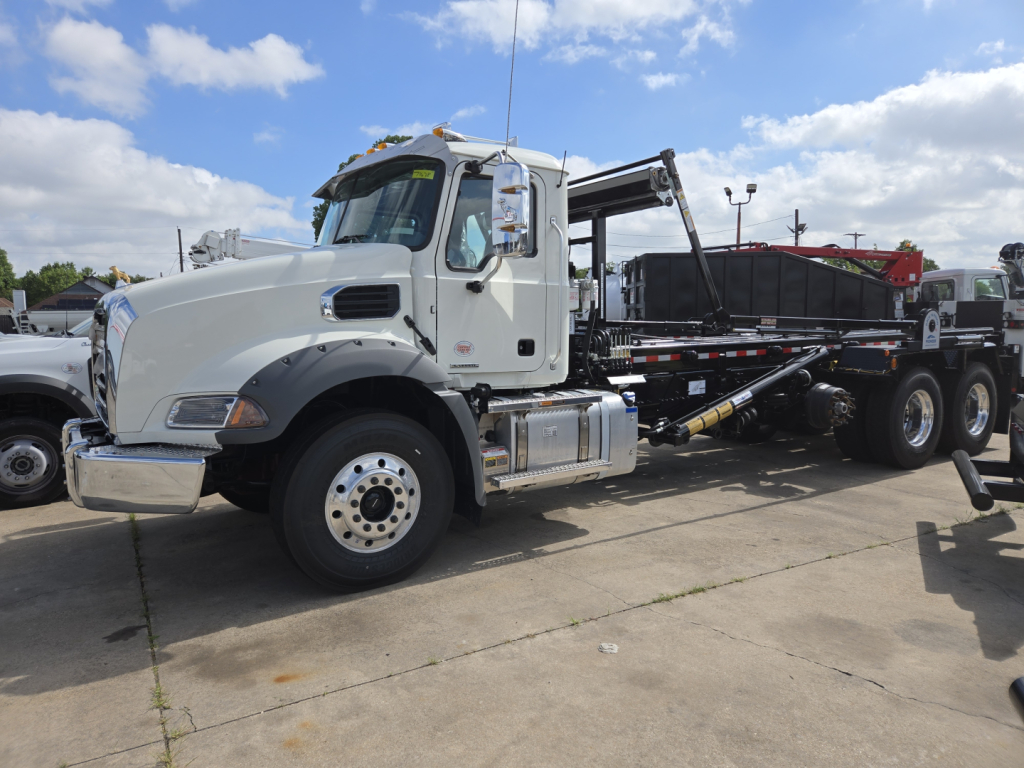
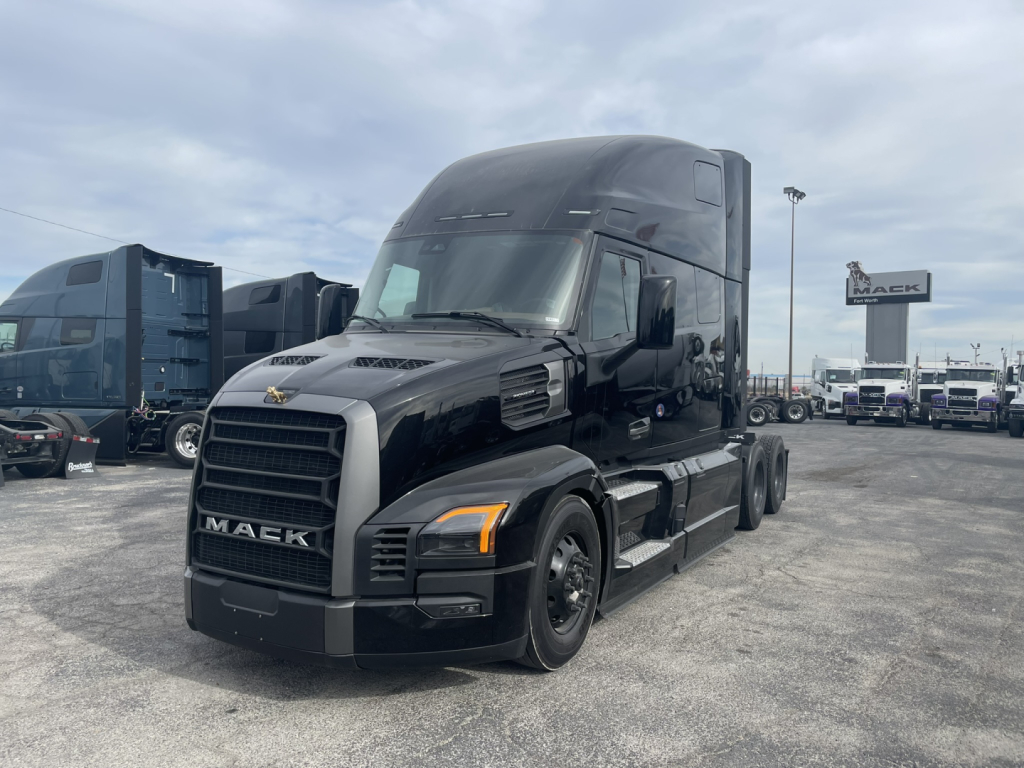
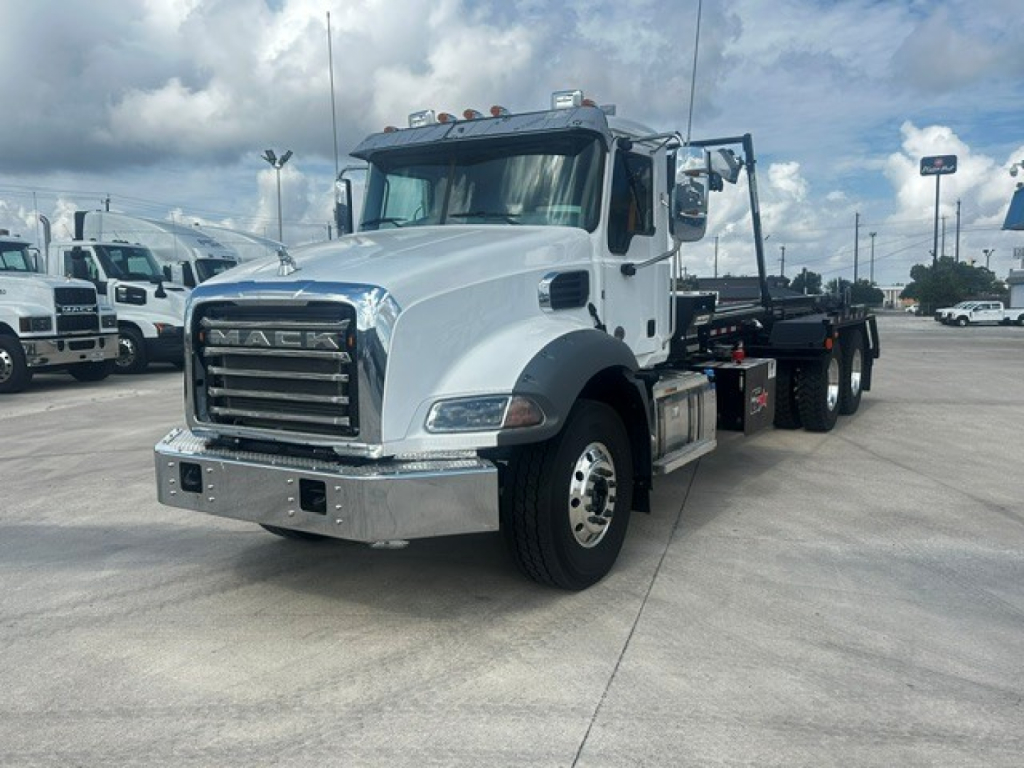
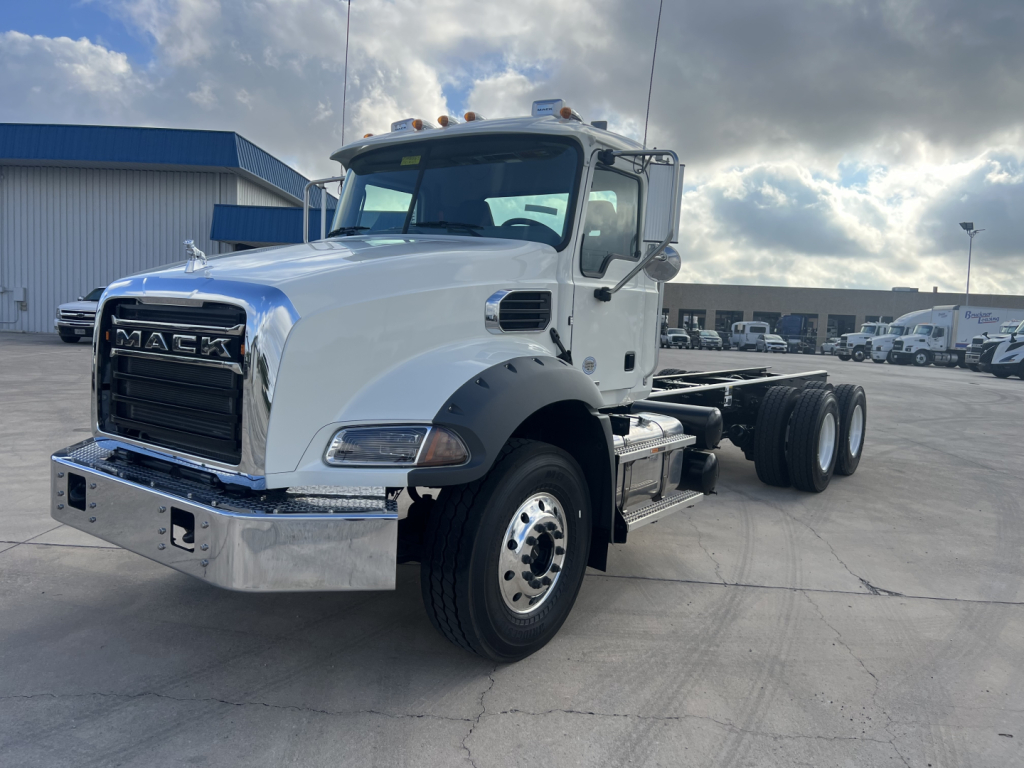
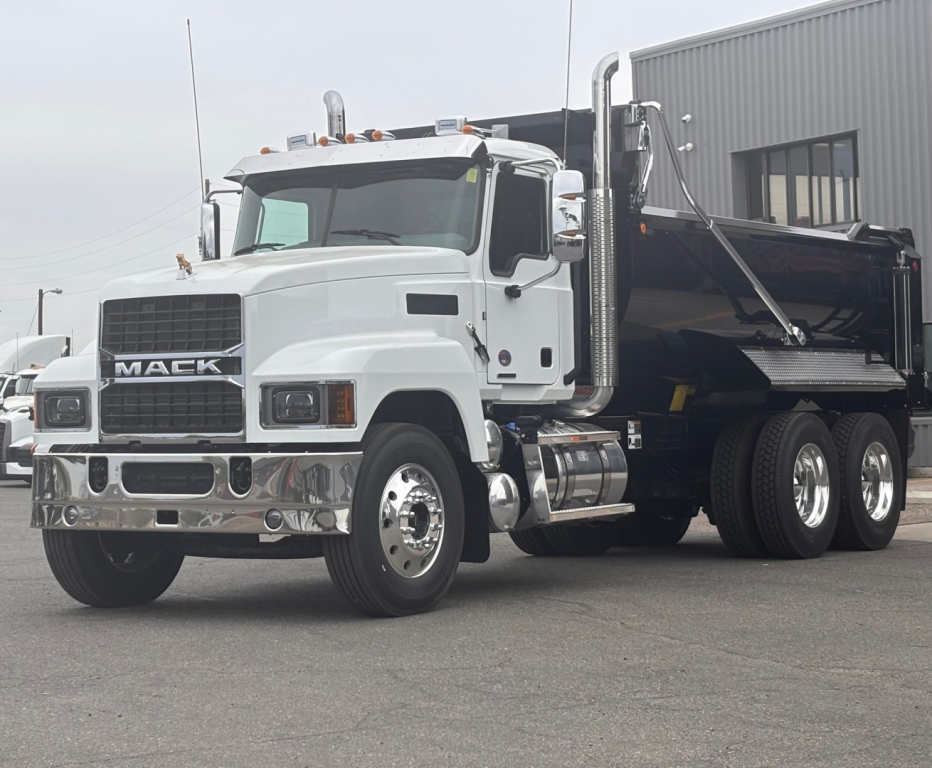
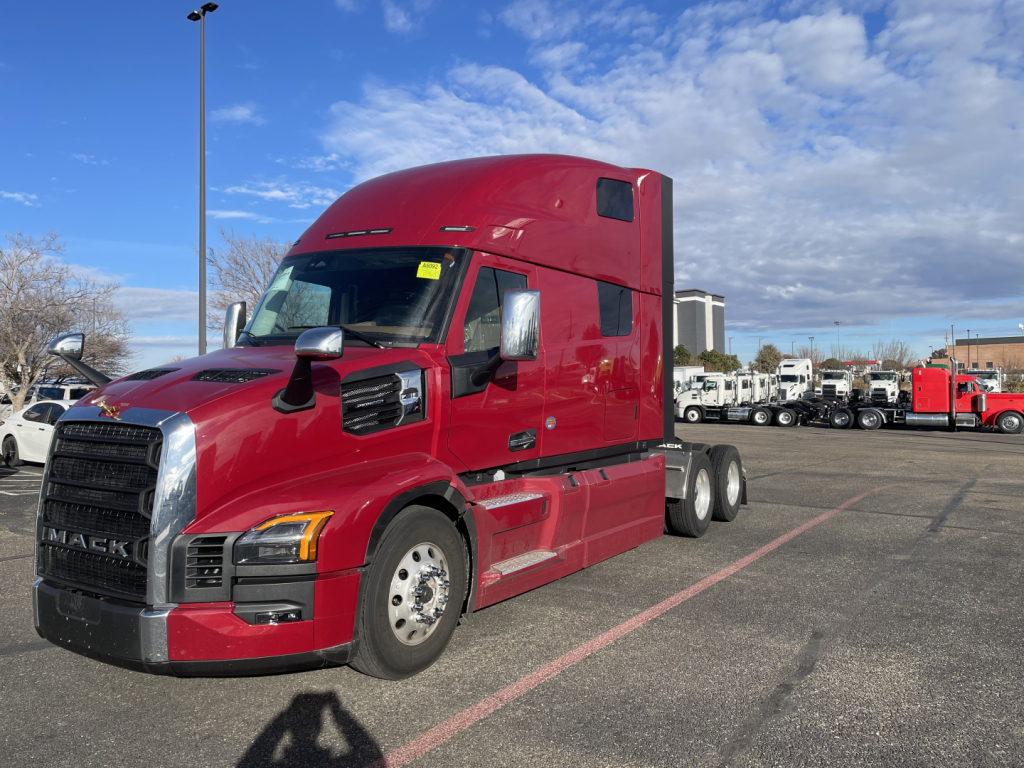
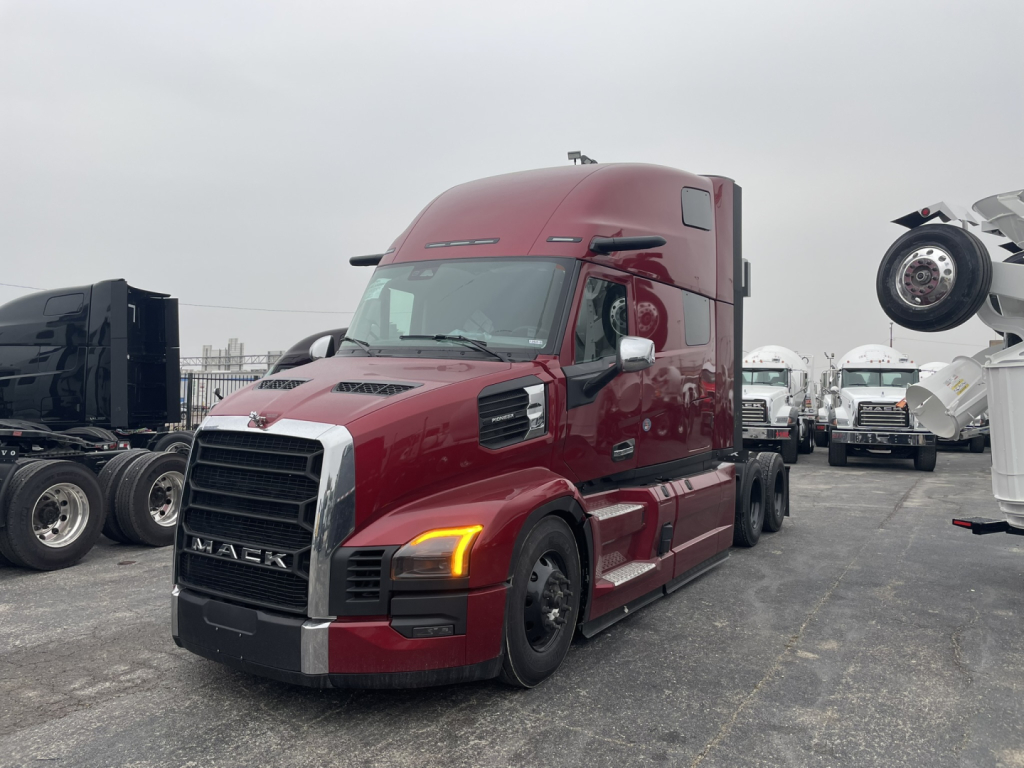
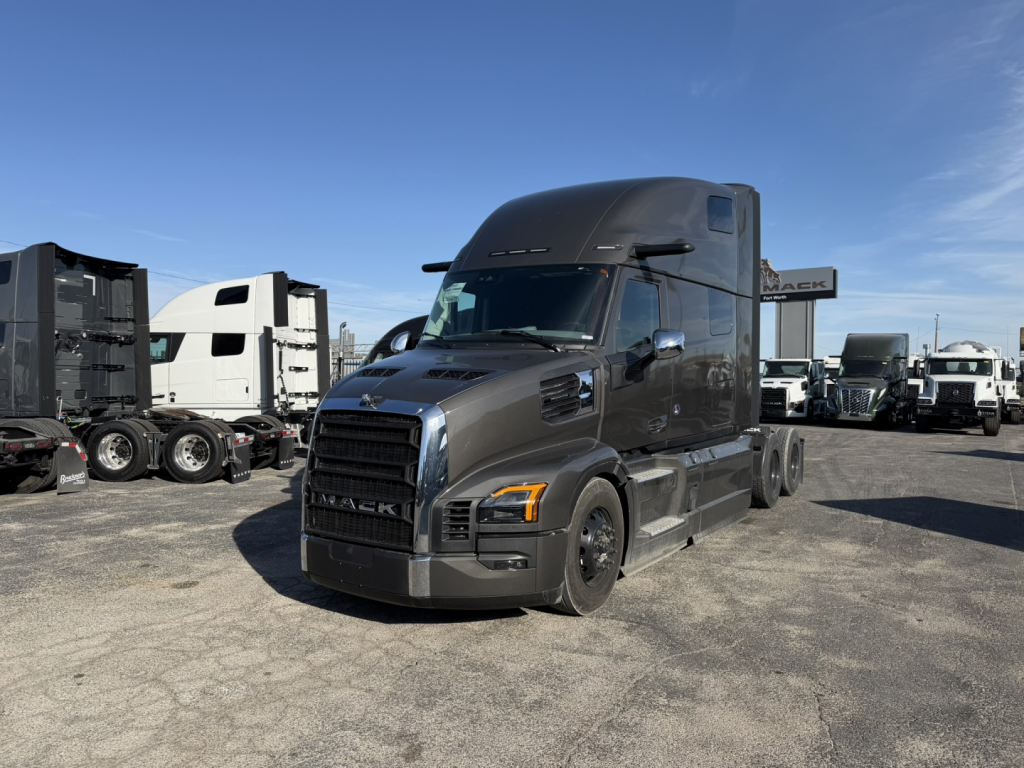
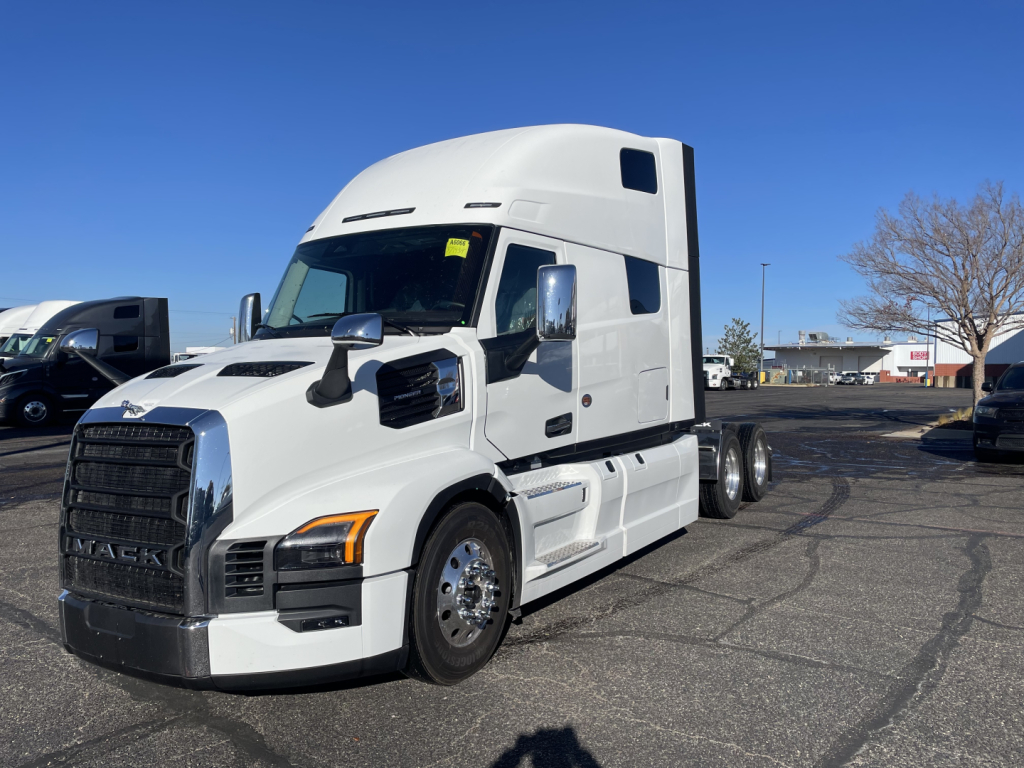
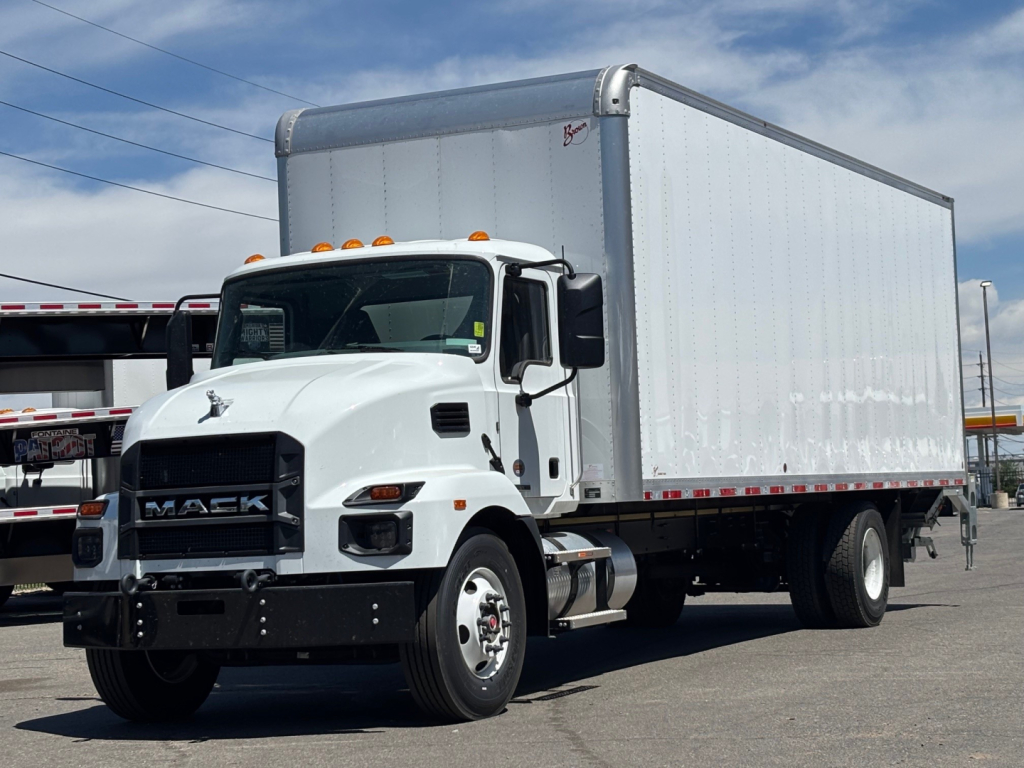
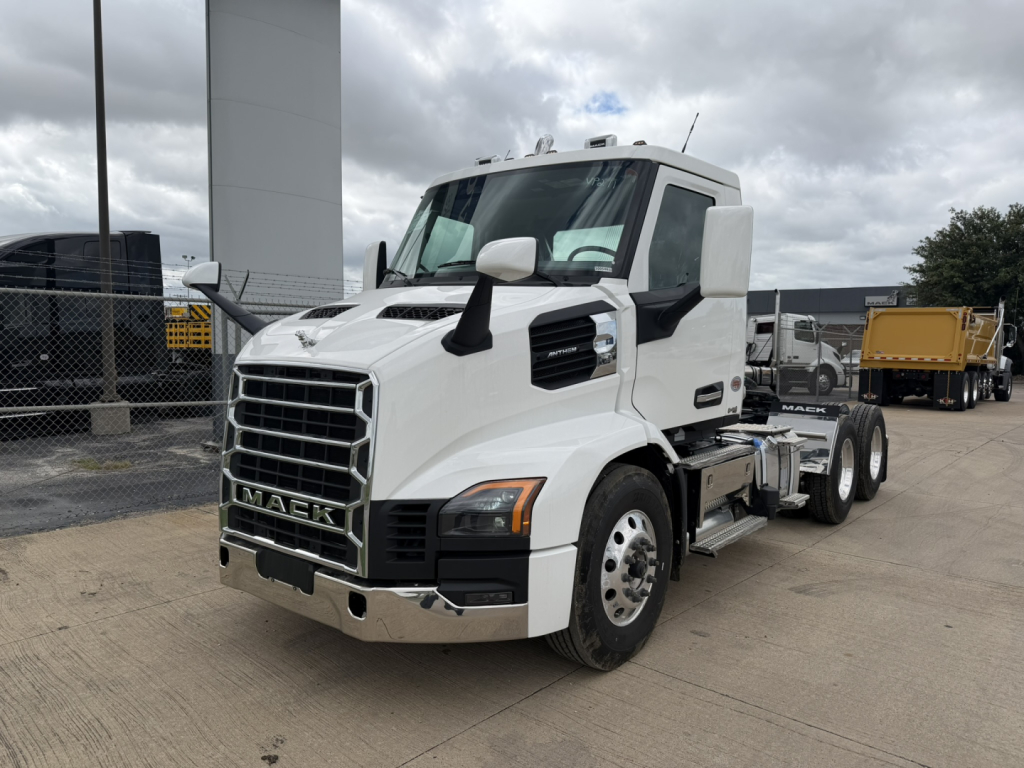
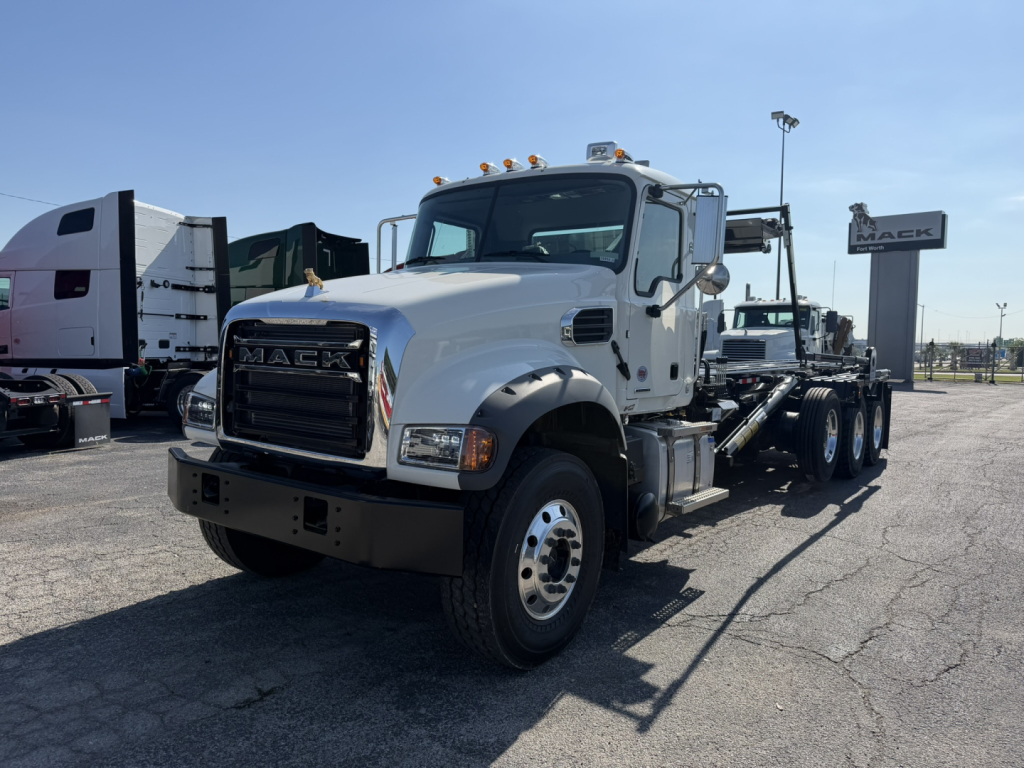
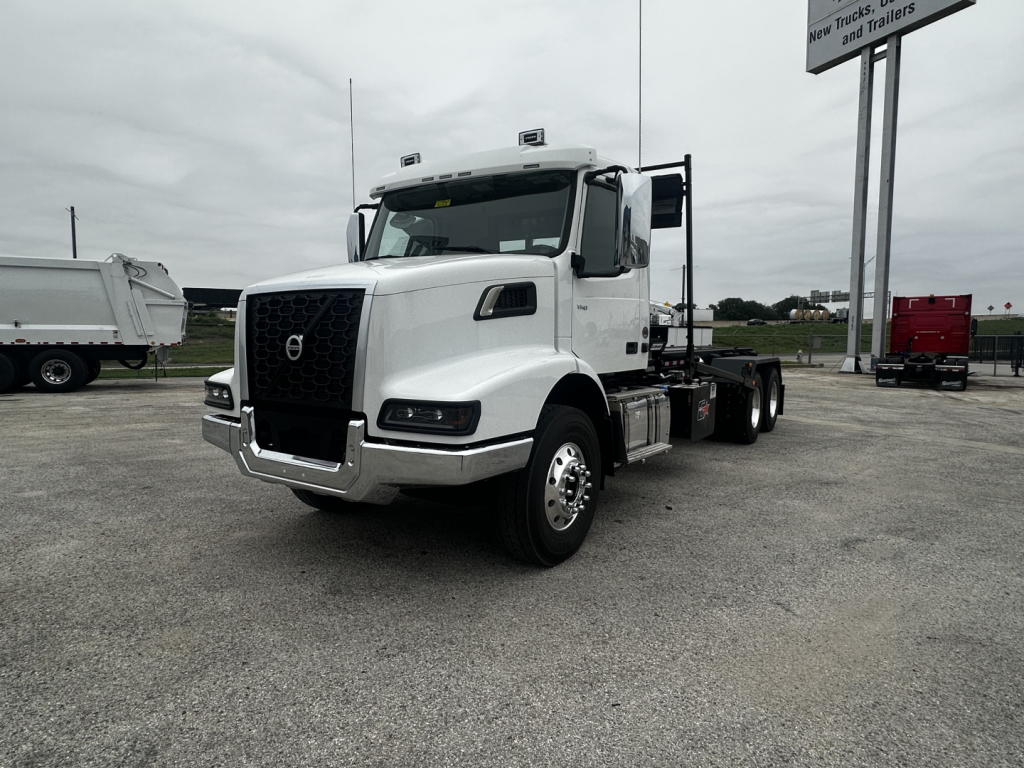
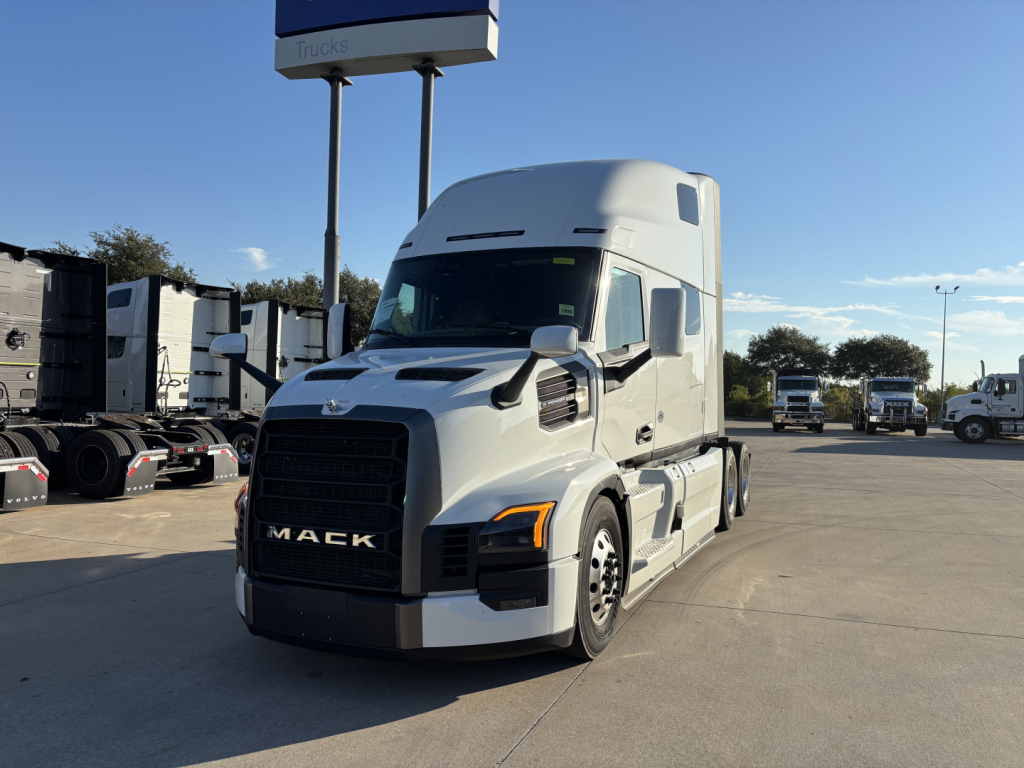
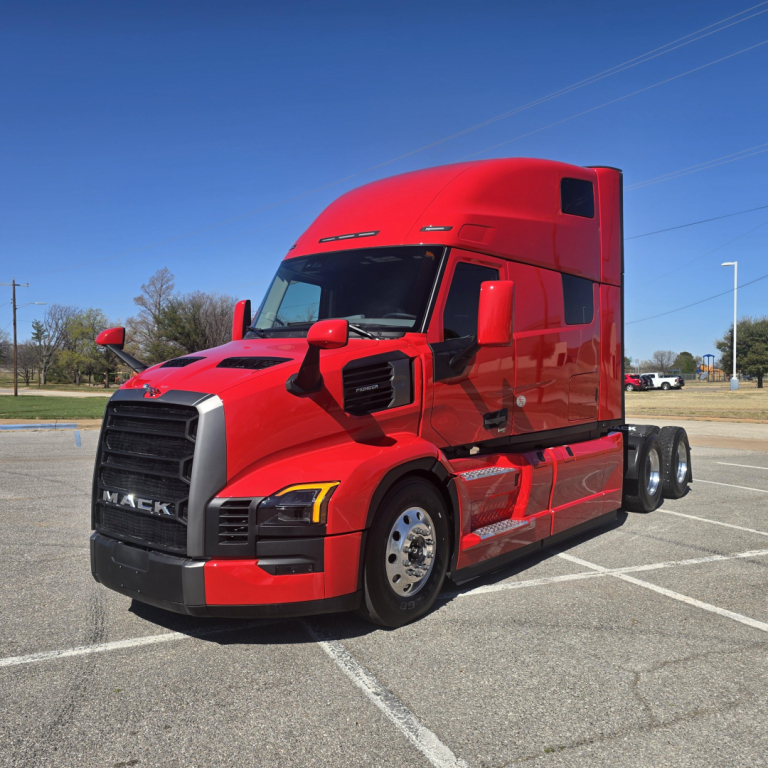
Showing 1 to 28 of 87 results
Selling a new 2026 commercial truck? List your new 2026 commercial truck for sale and reach thousands of commercial buyers.
New 2026 Commercial Trucks in Texas
For highway tractors, key decisions center on engine displacement, horsepower, torque curve, and drivetrain spec. New 2026 sleeper and day cab trucks may be spec'd with automated manual transmissions or full automatics depending on duty cycle, along with tandem drive axles, wheelbase choices, and fuel capacity sized for regional or over-the-road use. Aerodynamic packages, high-roof sleepers, driver-assist systems, and integrated telematics are increasingly common on new models. Buyers comparing tractors should pay attention to front axle ratings, rear axle ratios, suspension type, fifth wheel setup, and how the spec matches trailer weight and cruise speed expectations across Texas corridors.
For medium-duty and vocational trucks, body and equipment integration matter as much as the chassis. Refrigerated trucks often pair diesel engines in the 6.7-liter class with Allison automatics, reefer units from major brands, and body specs such as insulated walls, aluminum flooring, ramps, or liftgates. Dump trucks typically require close review of body capacity, hoist package, side height, tailgate design, PTO setup, locking differentials, and suspension durability. If the truck will run in municipalities, construction sites, or energy-service environments, buyers should confirm bridge law considerations, turning radius, axle spread, and whether the truck needs a non-CDL GVWR target or a heavier commercial registration.
A new 2026 truck also brings warranty coverage, current emissions systems, and updated safety technology, but the best value still comes from a correct vocational spec. Look closely at cooling capacity for Texas heat, idle management features, camera systems, visibility, service access, and dealer support for the make you choose. A truck that is properly spec'd for load, terrain, and operating radius will usually outperform a higher-horsepower unit that is mismatched to the job. The strongest buying approach is to match the truck's wheelbase, axle ratings, body dimensions, and powertrain to the freight or material it will move every day.
Frequently Asked Questions about New 2026 Commercial Trucks in Texas
What types of new 2026 trucks are commonly available in Texas?
New 2026 trucks in Texas commonly include heavy-duty sleeper tractors, day cab tractors, refrigerated straight trucks, dump trucks, step vans, and other medium-duty vocational units. The market tends to reflect Texas demand, so buyers often see specs built for long interstate runs, construction and aggregate hauling, food distribution, and municipal or service work. The right truck type depends first on cargo, required body style, and operating weight, not just make or horsepower.
What should I compare first when shopping for a new 2026 truck?
Start with the truck's intended application, then compare GVWR or GCWR, axle ratings, wheelbase, engine power, transmission, and any body equipment or upfit. For tractors, rear axle ratio, sleeper size, suspension, and fuel capacity are major factors. For straight trucks and vocational units, body dimensions, PTO provisions, reefer or dump equipment, and loading features such as ramps or liftgates are equally important. A correct spec is usually more valuable than extra options that do not support the job.
Are new 2026 trucks in Texas available in both CDL and non-CDL configurations?
Yes. Many medium-duty trucks can be spec'd to stay under the 26,001-pound GVWR threshold for non-CDL operation, while heavier vocational and tractor applications require CDL licensing. This matters for staffing, insurance, registration, and payload capacity. Buyers looking at reefer trucks, box trucks, or delivery equipment should verify the exact GVWR on the door sticker and confirm how body weight, fuel, and cargo affect usable payload.
What truck specs matter most for Texas operating conditions?
Cooling system capacity, axle ratings, suspension, fuel range, and cab configuration are especially important in Texas. Long distances between stops can make fuel capacity and driver comfort more important on highway trucks, while heat and dust put added emphasis on cooling performance and serviceability. For construction or mixed-surface work, locking differentials, durable suspensions, and the right tire setup can have a major impact on uptime and traction.
Is a new 2026 truck better for fleets or owner-operators?
A new 2026 truck can fit either fleets or owner-operators, but the preferred spec may differ. Fleets often prioritize standardization, telematics, automated transmissions, warranty support, and lower maintenance variability across multiple units. Owner-operators may focus more on sleeper comfort, appearance, fuel economy, and driver-specific options. In both cases, long-term value comes from choosing a truck with the right vocational setup, local service support, and a powertrain matched to the actual duty cycle.