
New 2026 Flatbed Trucks For Sale in Texas
Shop new 2026 flatbed trucks in Texas. Compare deck lengths, GVWR, axle ratings, drivetrain specs, and upfit options for jobsite hauling.
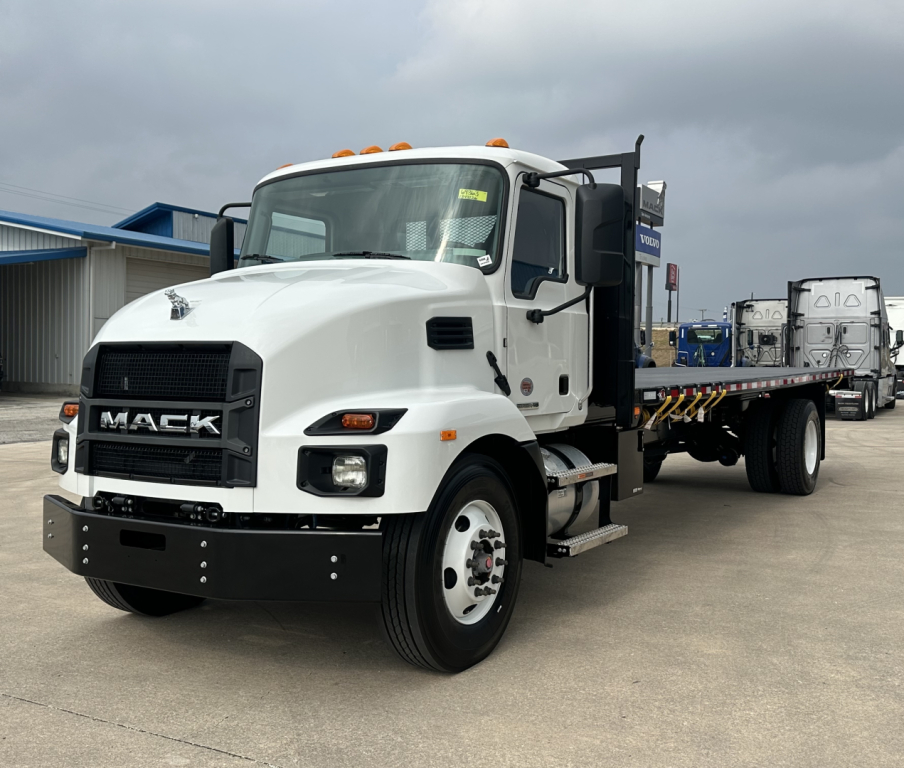
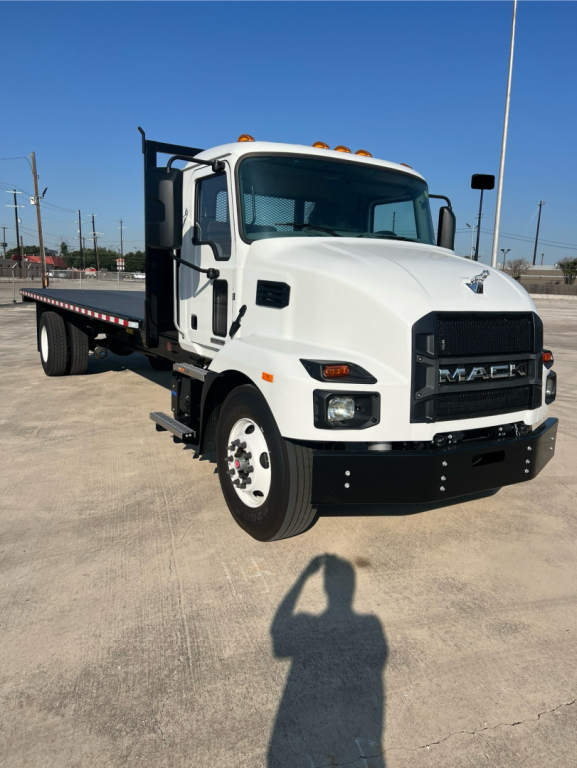
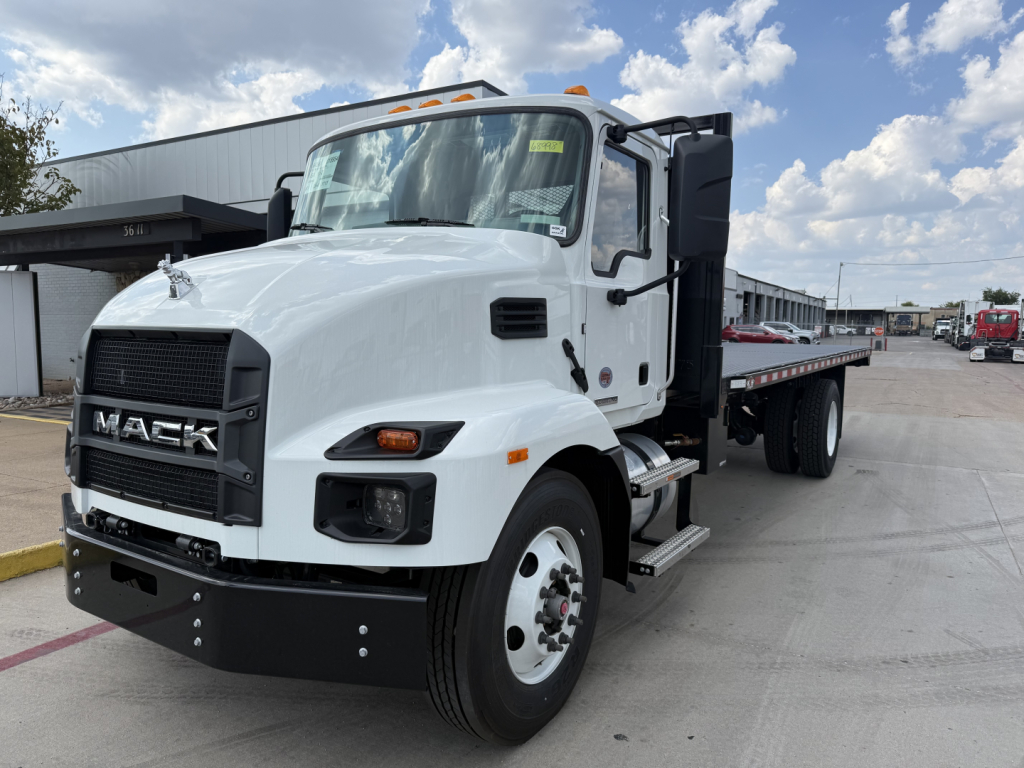
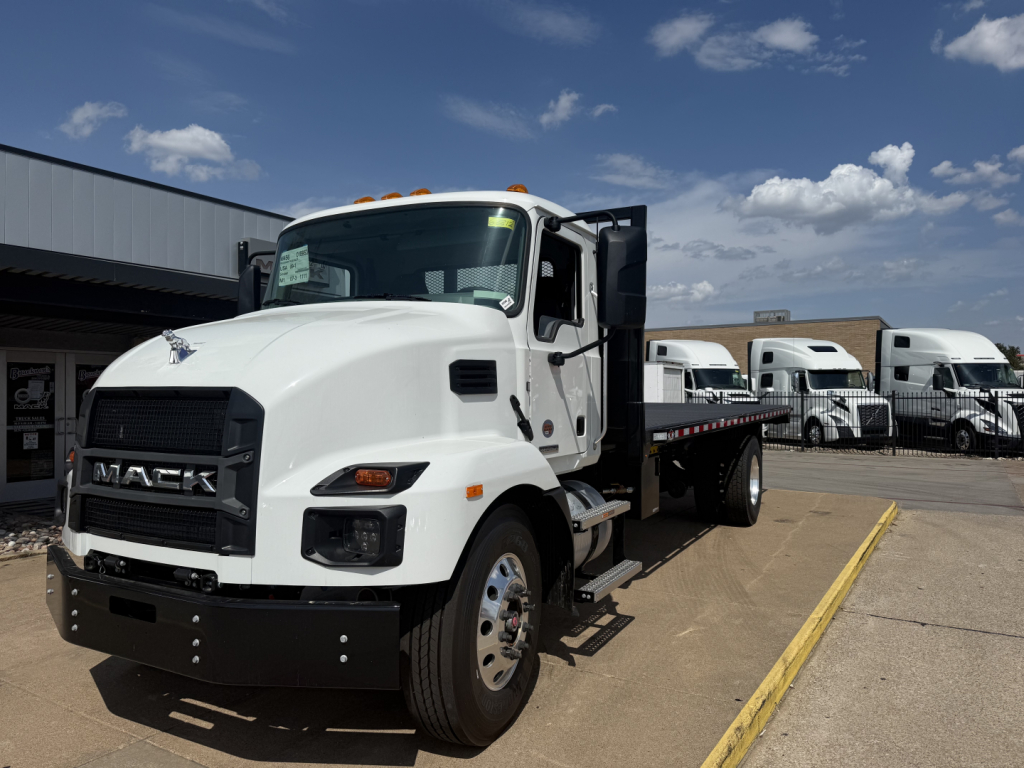
Selling a new 2026 flatbed truck? List your new 2026 flatbed truck for sale and reach thousands of commercial buyers.
New 2026 Flatbed Trucks in Texas
The key buying decisions usually start with GVWR, rear axle capacity, suspension, and powertrain. Sample specs in this class often include Cummins 6.7L diesel power, Allison automatic transmissions, 10,000-pound front axles, and 17,000- to 21,000-pound rear axles with multi-leaf spring suspension. Rear axle ratios in the 5.29 to 5.57 range are common on work-oriented flatbeds because they favor startability and low-speed load control. If the truck will carry dense materials, pull equipment, or run PTO-driven accessories, those axle and transmission details matter more than headline horsepower alone. Buyers should also confirm whether the truck is under CDL or above CDL once the flatbed body, toolbox package, headache rack, and any crane or dump equipment are installed.
Body construction deserves as much attention as the chassis. Steel flatbeds are popular for hard-use municipal, contractor, and supply applications because they resist abuse from forklifts, bundled material, and chains. Aluminum beds can save weight and improve payload on routes where corrosion resistance matters. On many 2026 flatbed trucks, useful upfit details include stake pockets, rub rails, winches, bulkheads, tie-down points, ICC lighting, and trailer wiring. Some listings in this segment may also blur the line between a standard flatbed truck and a dumping flatbed, sometimes called a flatbed dump or dump flatbed, which adds flexibility for aggregate, debris, and loose material but changes body weight, maintenance needs, and center-of-gravity considerations.
For Texas work, heat, long service intervals, and mixed highway-to-jobsite use all push buyers toward straightforward, proven specifications. A single-axle flatbed truck is often the right fit for building supply delivery, oilfield support, fencing, landscaping, equipment rental transport, and municipal maintenance. Look closely at frame spacing, wheelbase, body-to-cab clearance, PTO provisions, fuel tank placement, and how the bed is mounted to the chassis. A good 2026 flatbed truck should be easy to load from the side, strong enough for repeated forklift traffic, and matched to the real weight of the cargo instead of just the legal maximum on paper.
Frequently Asked Questions about New 2026 Flatbed Trucks in Texas
What should I look for first when buying a new 2026 flatbed truck?
Start with the truck's intended payload and the material you haul most often. Deck length, GVWR, rear axle rating, wheelbase, and body construction will determine whether the truck is actually suited to your work. Many buyers compare horsepower first, but on a flatbed truck the more important factors are axle capacity, suspension, body weight, and tie-down usability because those directly affect payload, durability, and daily loading efficiency.
Are flatbed trucks in this category usually under CDL?
Some are, but not all. Medium-duty flatbed trucks can be spec'd to stay under the 26,001-pound CDL threshold, yet the final legal classification depends on the completed truck, not just the bare chassis. Once the flatbed body, toolboxes, racks, liftgates, cranes, or dumping equipment are added, the GVWR and operating weight can change significantly. Buyers should verify the final door sticker and application-specific licensing requirements before purchase.
Is a steel flatbed or aluminum flatbed better for Texas work?
Steel flatbeds are usually the better choice for severe-duty service where forklifts, chains, pallets of dense material, and rough jobsite loading are part of the daily routine. Aluminum beds reduce tare weight and can improve payload while offering strong corrosion resistance, which is valuable for certain regional and municipal applications. The better choice depends on how hard the deck will be used, how important every pound of payload is, and how long the truck is expected to stay in service.
What are common specs on new medium-duty flatbed trucks?
Common specs in this class include a diesel engine such as a Cummins 6.7L, an Allison automatic transmission, single rear axle configuration, spring suspension, and front and rear axle ratings sized for construction and delivery work. Bed lengths around 23 to 24 feet are common on properly matched wheelbases. Buyers should also look for PTO provisions, trailer brake wiring, stake pockets, rub rails, and a bulkhead or headache rack if the truck will haul stacked or shifting cargo.
What is the difference between a standard flatbed truck and a dumping flatbed?
A standard flatbed truck is designed primarily for carrying palletized, bundled, or strapped cargo on an open deck. A dumping flatbed adds a hoist system that allows the bed to raise and discharge material, making it useful for debris, loose aggregate, and mixed contractor work. The dumping setup adds complexity, weight, and maintenance considerations, so it is a strong option when the truck needs to handle both delivery and light dump-body duties.