
New 2026 Flatbed Trucks For Sale
Shop new 2026 flatbed trucks built for hauling equipment, materials, and palletized loads with the right GVWR, bed length, and chassis setup.
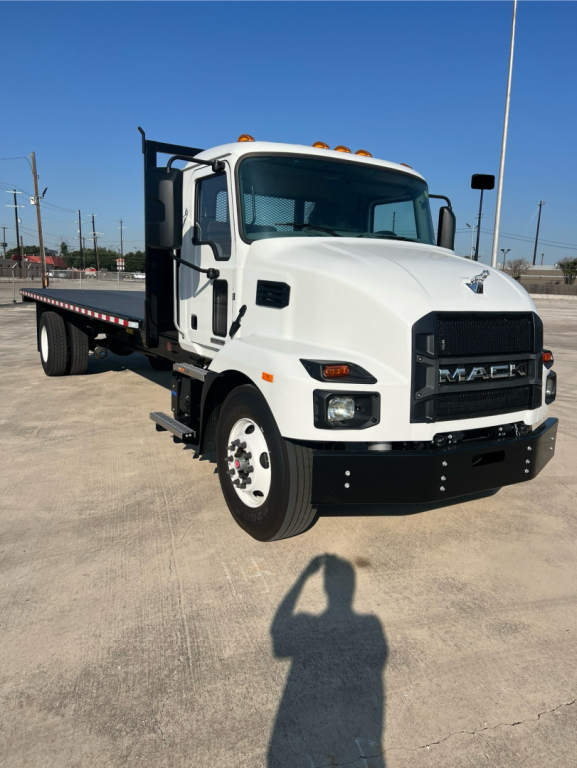
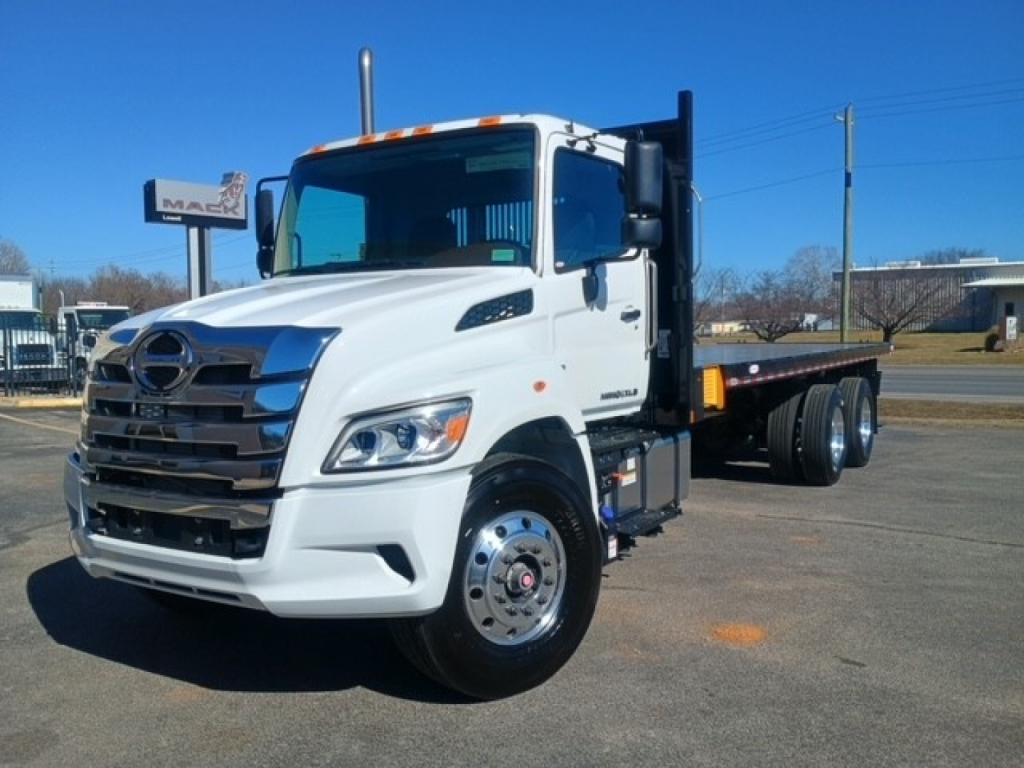
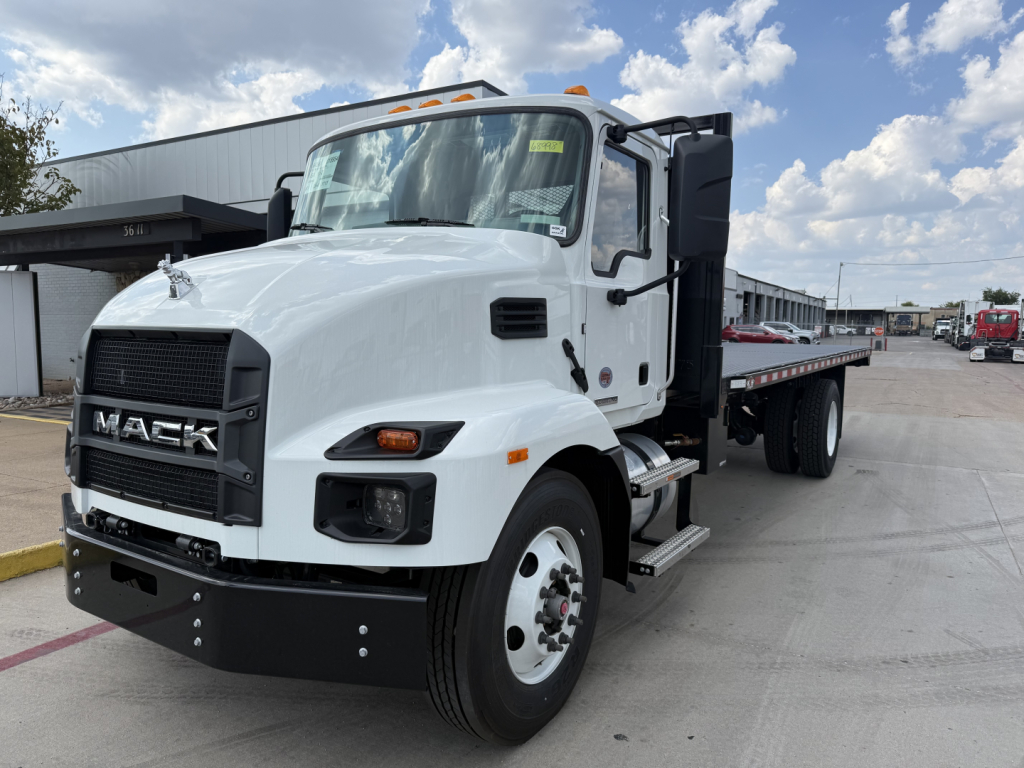
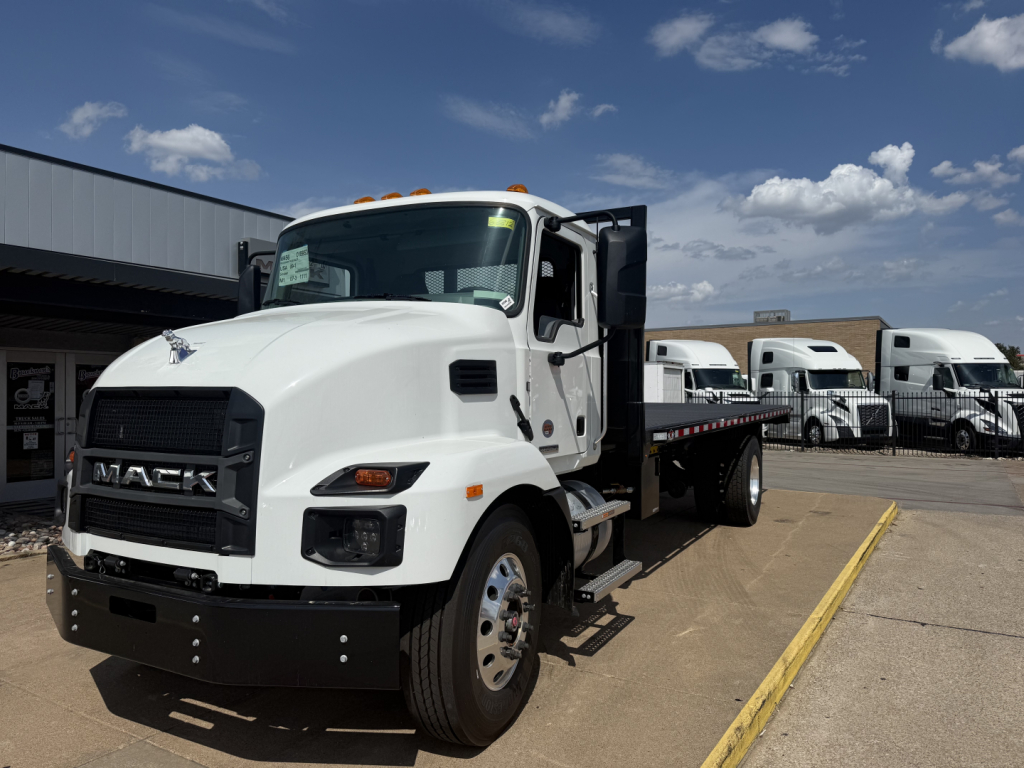
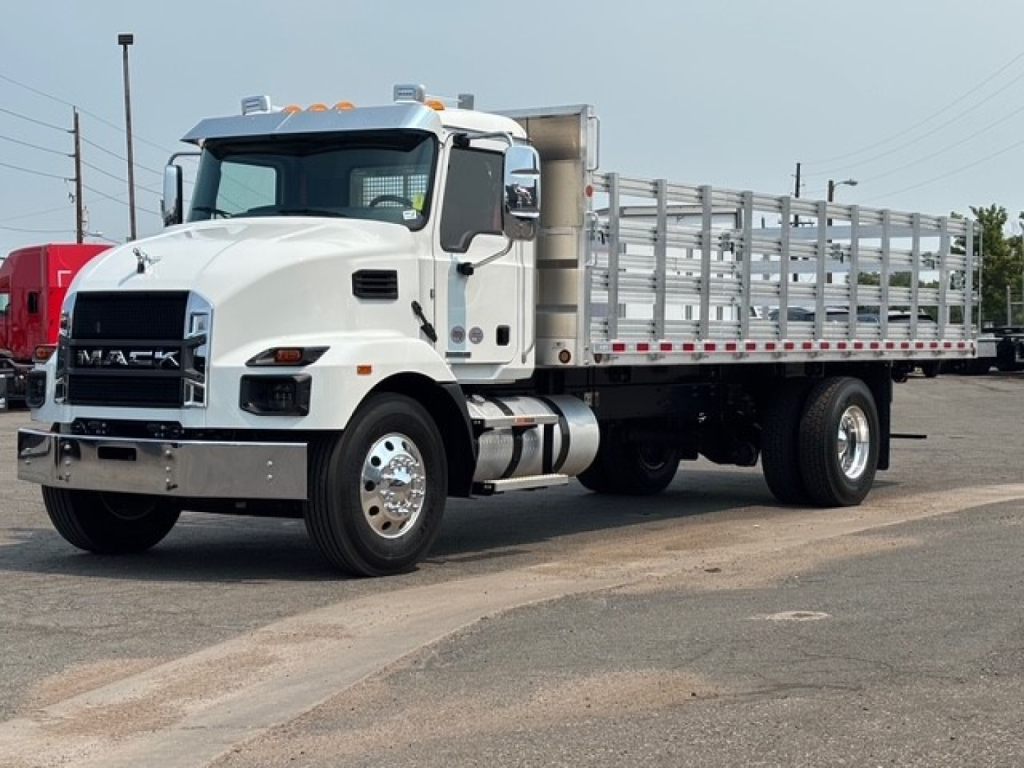
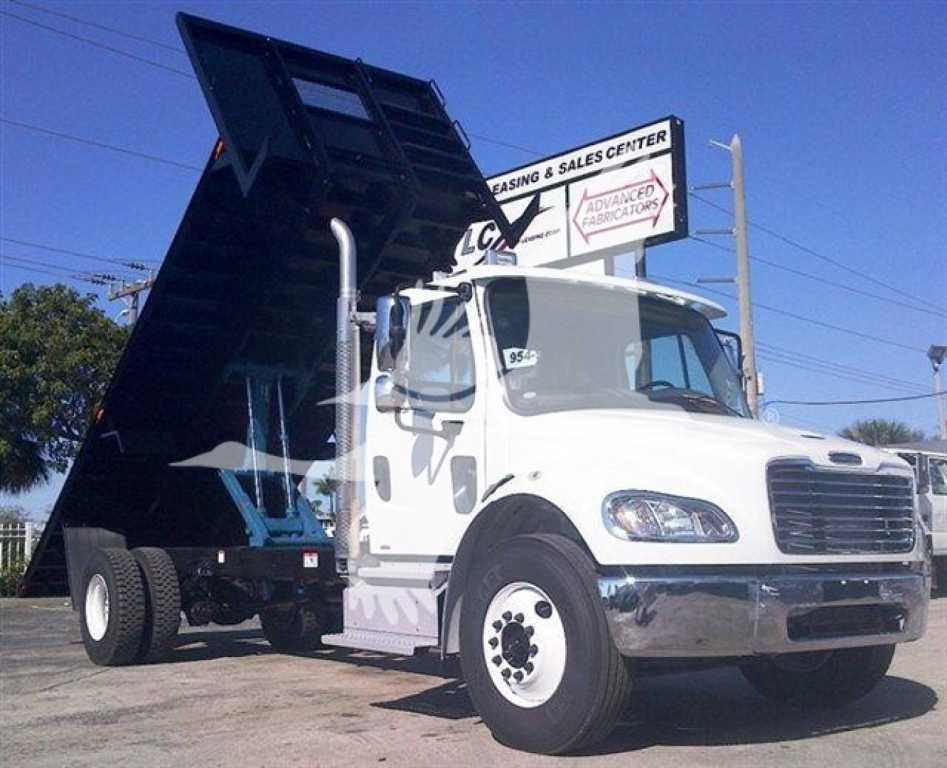
Selling a new 2026 flatbed truck? List your new 2026 flatbed truck for sale and reach thousands of commercial buyers.
New 2026 Flatbed Trucks
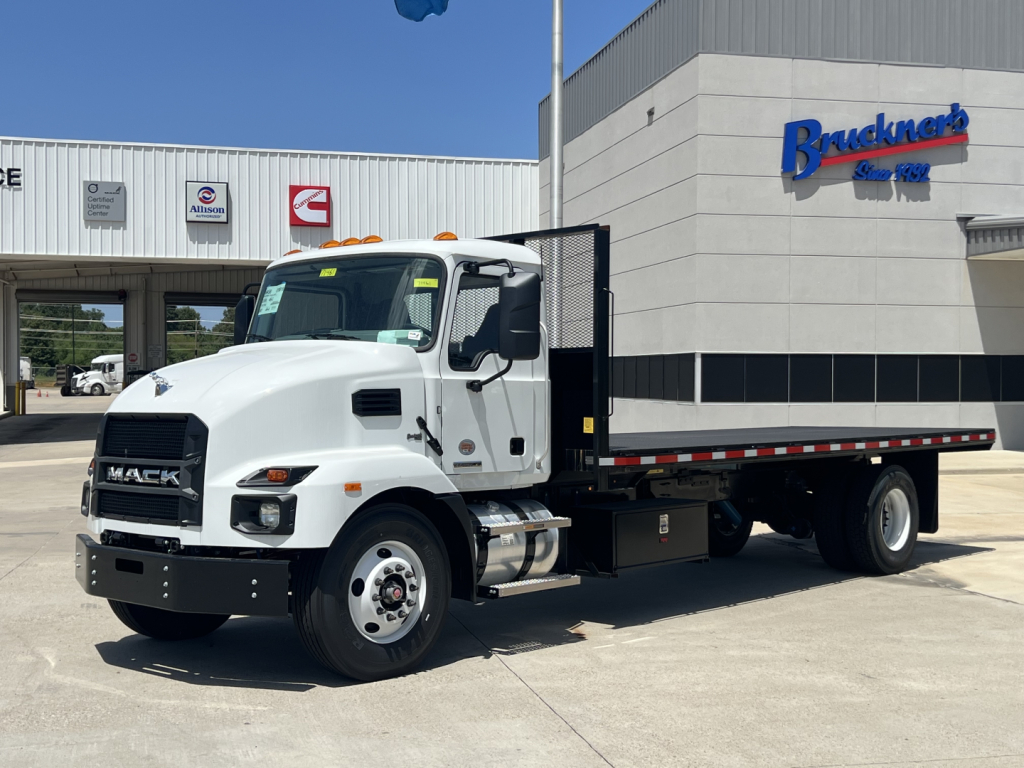
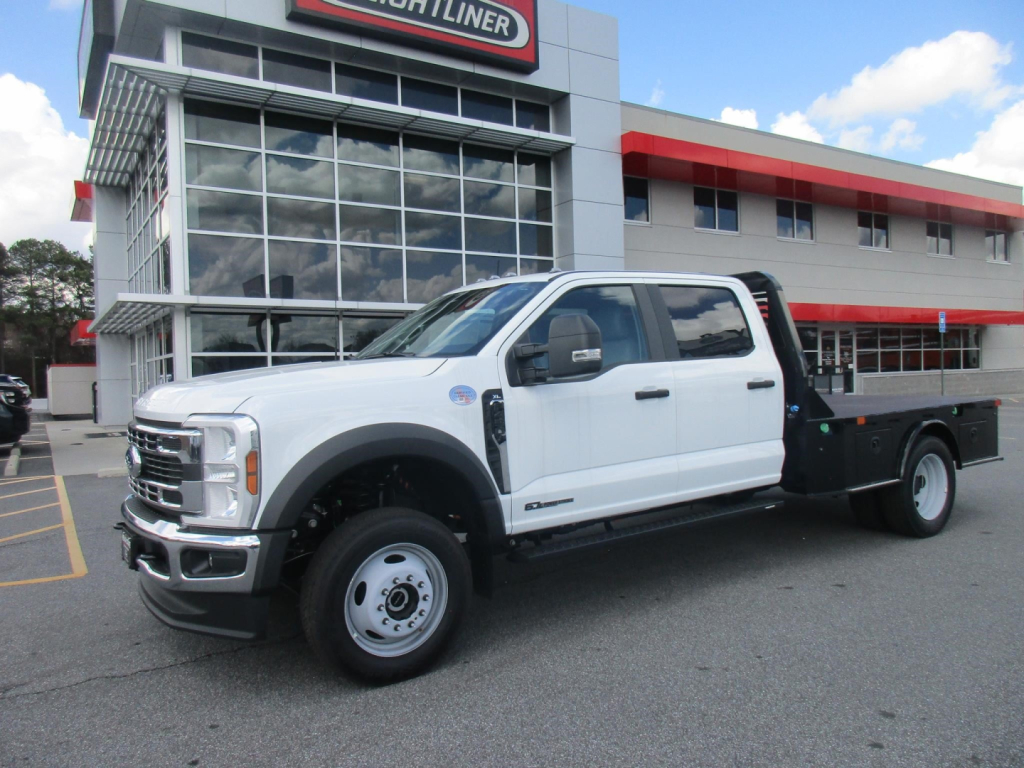
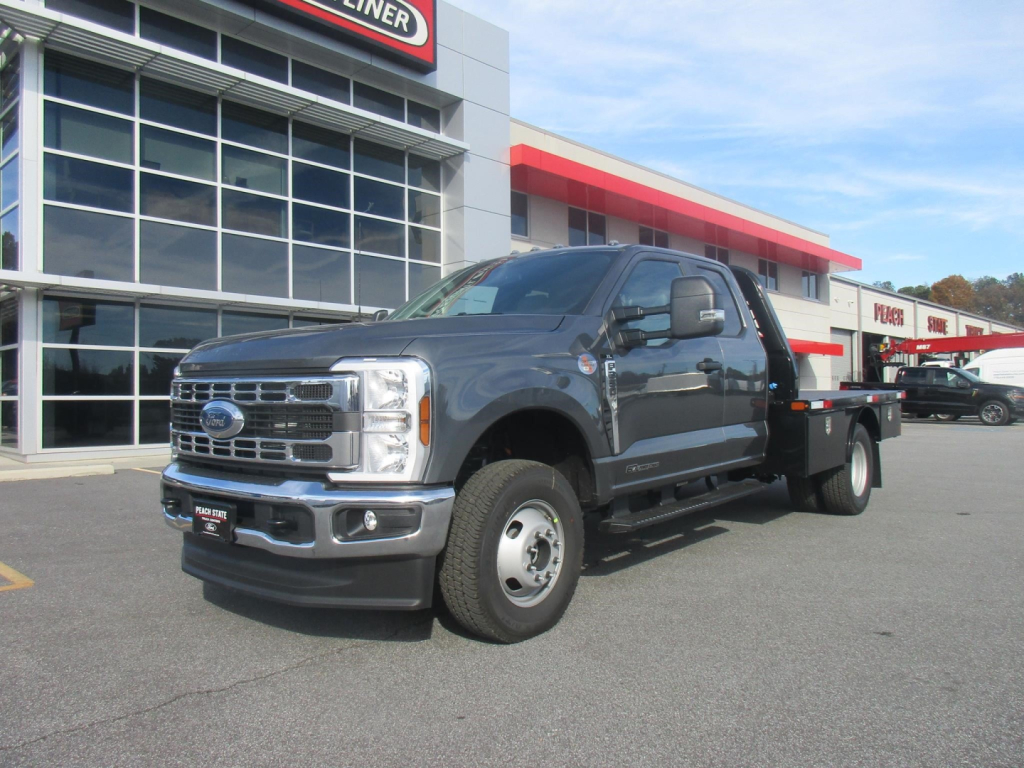
Bed construction matters as much as the truck itself. Steel flatbeds typically cost less and stand up well to concentrated point loads, while aluminum beds reduce tare weight and help maximize legal payload. Useful body features include headache racks, stake pockets, rub rails, flush-mount tie-downs, underbody tool boxes, rear hitches, and gooseneck or fifth-wheel prep for trailer work. Buyers hauling forklifts, palletized materials, pipe, or compact equipment should also check deck height, floor thickness, crossmember spacing, and the bed's rated capacity. If the truck will spend time on tight jobsites, rear corner taper, overall turning radius, and visibility from the cab become important.
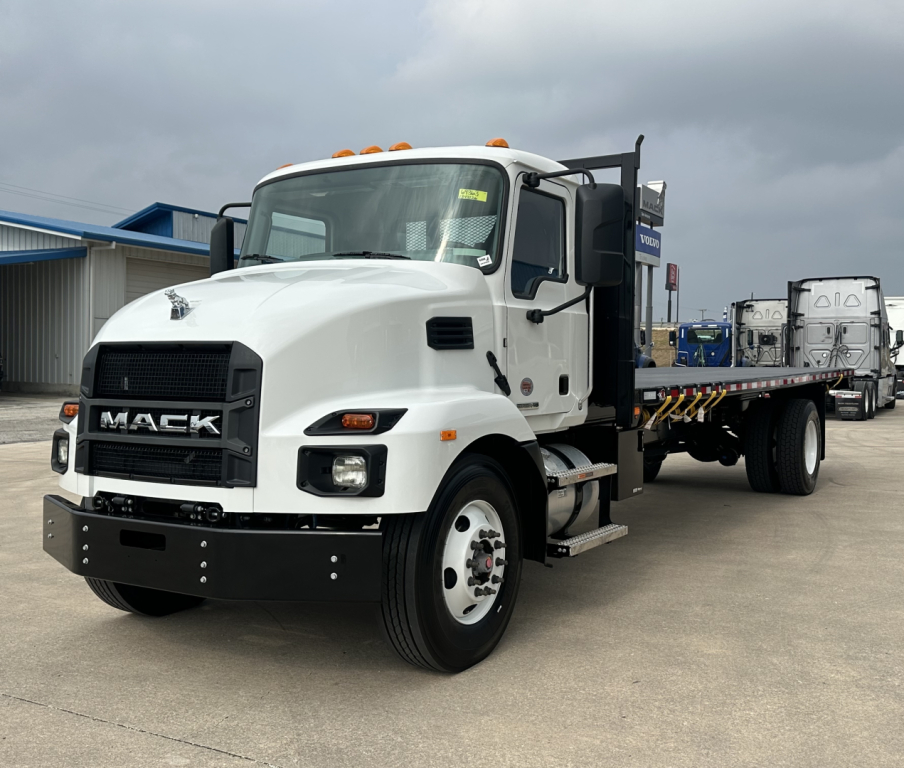
Powertrain choices in this segment usually center on diesel engines paired with automatic transmissions, especially on newer vocational specs. Engines such as the Cummins 6.7L and Ford 6.7L Power Stroke remain common because they offer strong low-rpm torque and broad service support. Rear axle ratio, suspension type, and brake configuration all affect how the truck performs under load. Multi-leaf rear suspension is typical for durability, while 4x4 is favored on pickup-based flatbeds that see oilfield roads, farms, construction sites, or winter conditions. For buyers trying to stay under CDL thresholds, some medium-duty flatbed trucks are specifically spec'd below 26,001 GVWR while still carrying a useful payload.
A new 2026 flatbed truck appeals to buyers who want current emissions systems, warranty coverage, and the ability to spec the truck around the job instead of adapting to a used unit. The smartest comparison is not just make versus make, but job versus spec. Bed length, tie-down layout, hitch ratings, axle capacity, and cab configuration will determine how productive the truck is day to day. For freight that must be loaded from the side, top, or by forklift, a flatbed truck, also known in some markets as a platform truck or hauler bed truck, remains one of the most practical body styles in commercial service.
Frequently Asked Questions about New 2026 Flatbed Trucks
What should I look for first when buying a new 2026 flatbed truck?
Start with the truck's intended load and loading method. Payload, GVWR, axle ratings, wheelbase, and cab-to-axle measurement should be confirmed before reviewing body options. A flatbed that is too short, too light, or poorly matched to the chassis can limit payload and create balance issues. Buyers hauling palletized freight, equipment, or towing trailers should also verify bed rating, hitch capacity, and tie-down provision.
What is the difference between a pickup-based flatbed truck and a medium-duty flatbed truck?
Pickup-based flatbed trucks, such as Ford F-350 and Ram 5500 configurations, are commonly used for contractor work, hotshot hauling, service bodies, and gooseneck trailer towing. They are easier to maneuver and often available with 4x4. Medium-duty flatbed trucks, such as Class 6 and Class 7 chassis, typically offer higher GVWR, longer bed lengths, stronger axle ratings, and better suitability for bulk materials, machinery, and repeated commercial delivery routes.
Is steel or aluminum better for a flatbed truck body?
Steel flatbeds are generally preferred when the work involves harsh abuse, heavy point loading, or lower initial cost. Aluminum flatbeds reduce body weight, resist corrosion, and can improve usable payload. The right choice depends on cargo type, climate, and how long the truck is expected to stay in service. Buyers in regions with road salt or operations focused on maximizing net payload often favor aluminum.
Can a flatbed truck be spec'd for gooseneck or trailer towing?
Yes. Many flatbed trucks are built with integrated gooseneck hitches, receiver hitches, trailer brake controls, and rear electrical plugs. The important step is confirming that the hitch rating, frame capacity, rear axle rating, and GCWR all support the intended trailer and cargo combination. A truck may have a heavy hitch installed, but legal and safe towing still depends on the complete chassis specification.
Do I need a CDL to operate a flatbed truck?
Not always. CDL requirements depend primarily on gross vehicle weight rating and combined weight rating, plus how the truck is used. Some flatbed trucks are intentionally spec'd under 26,001 pounds GVWR to remain under CDL thresholds, while larger medium-duty units may require a CDL depending on jurisdiction and trailer combination. Buyers should verify federal, state, and local requirements before choosing a chassis.