
New 2026 Mack Flatbed Trucks For Sale
Shop new 2026 Mack flatbed trucks with medium-duty specs, durable bed options, and upfit-ready chassis for delivery, construction, and service work.
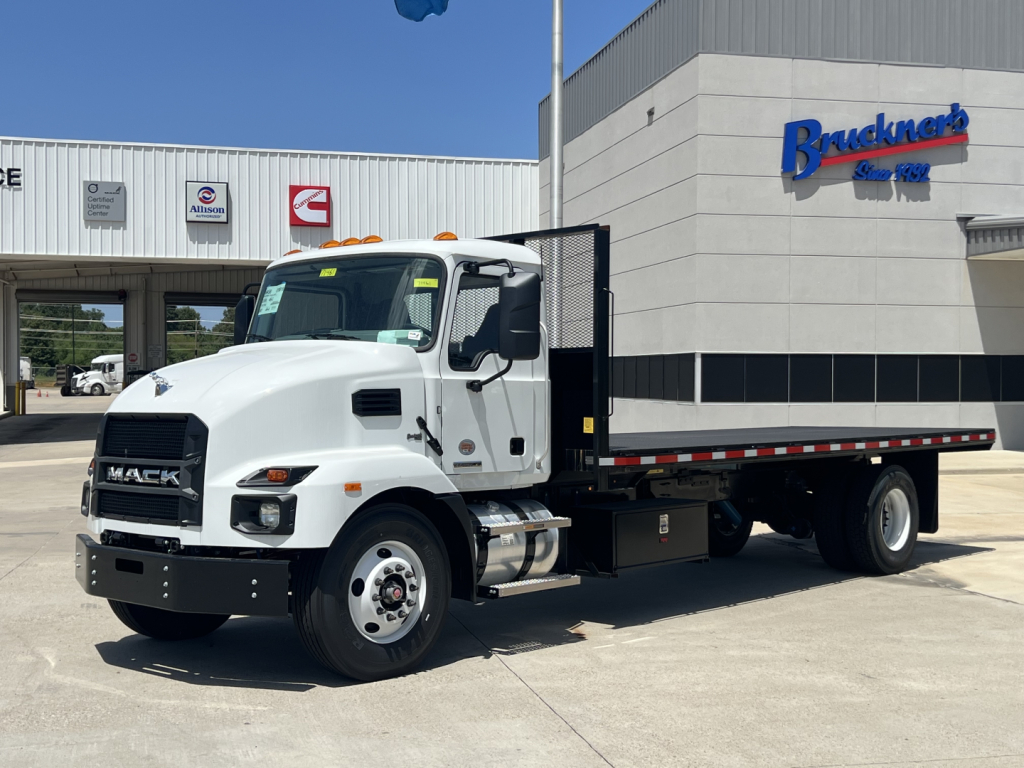
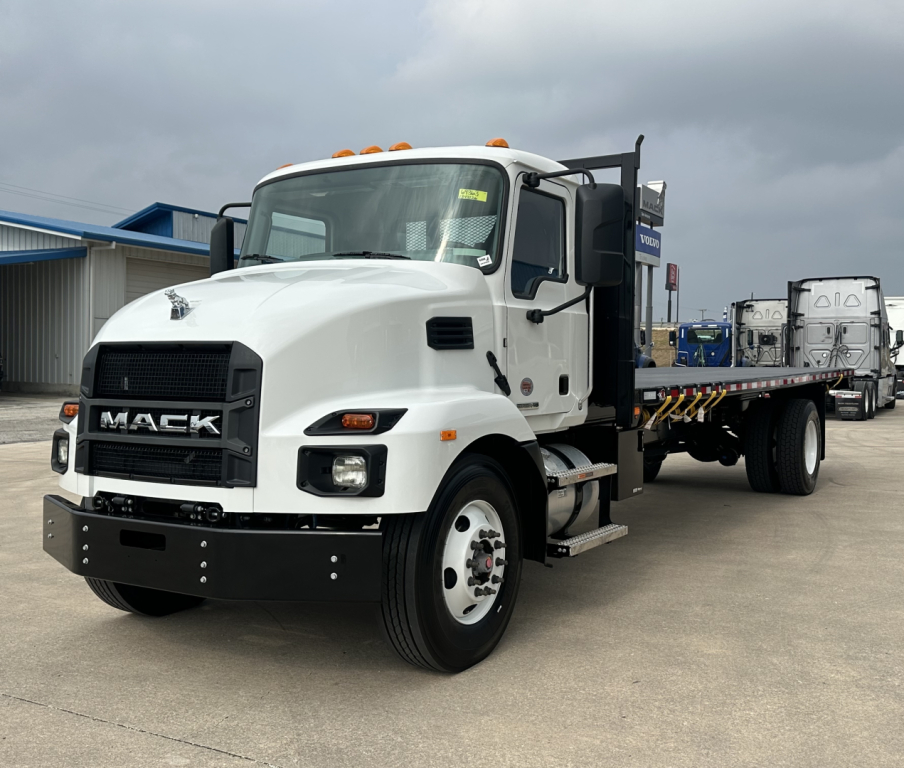
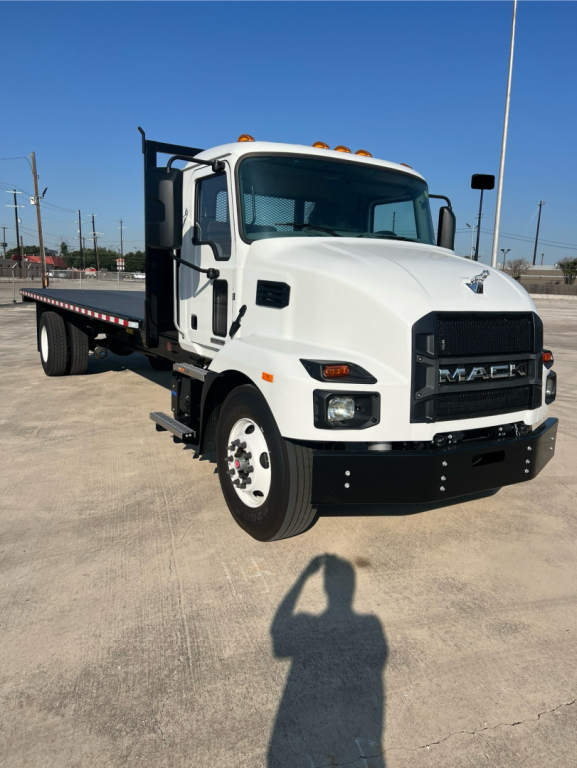
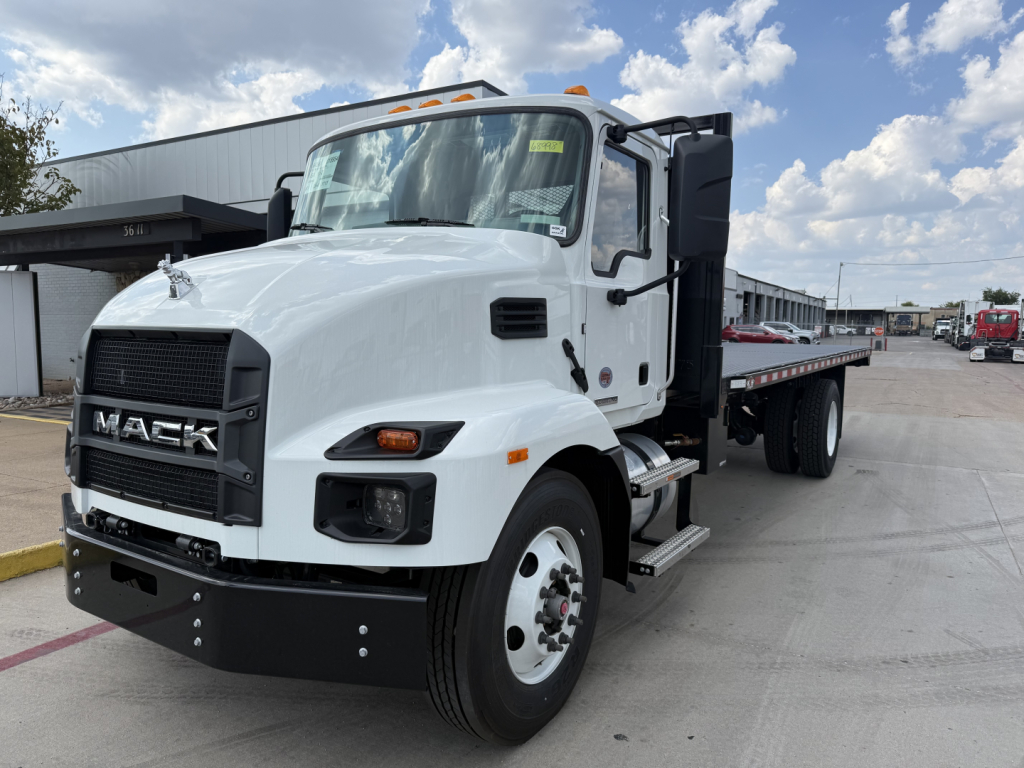
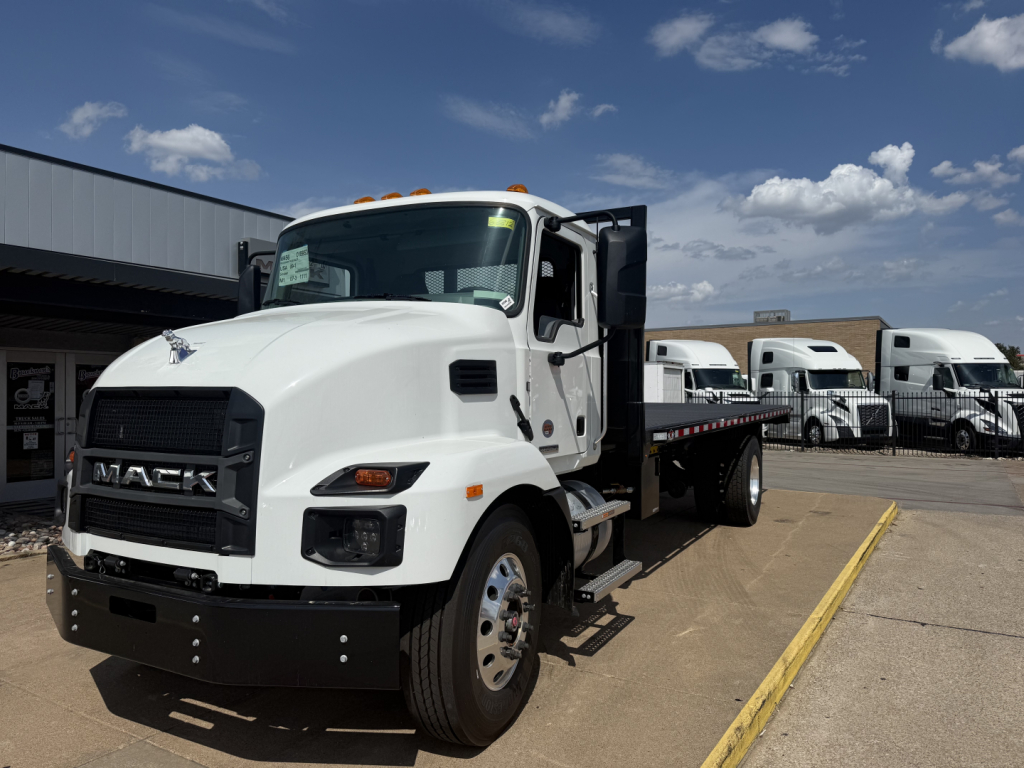
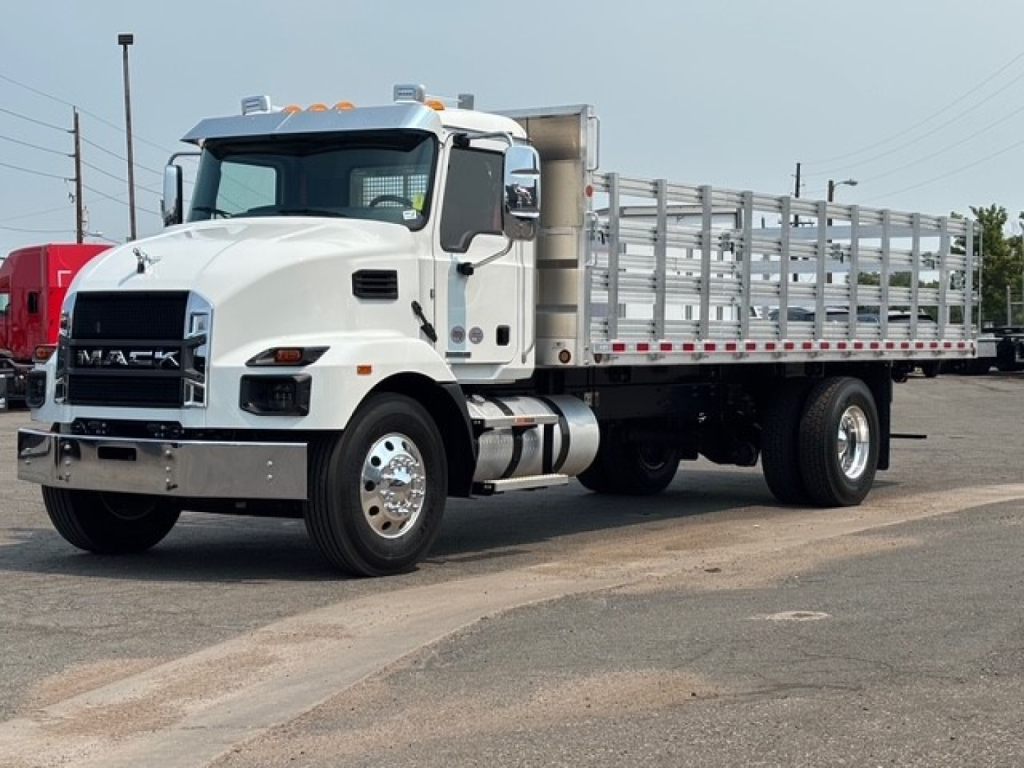
Selling a new 2026 mack flatbed truck? List your new 2026 mack flatbed truck for sale and reach thousands of commercial buyers.
New 2026 Mack Flatbed Trucks
The most important spec decisions usually start with GVWR, axle ratings, and bed material. Mack MD6 models are often chosen when buyers want strong payload capability while staying in an under-CDL configuration, depending on final GVWR and local operating requirements. MD7 models step up capacity for heavier loads and tougher duty cycles. Front axles in this class are commonly around 10,000 lb, with rear axles in the 17,000 lb to 21,000 lb range, paired with multi-leaf rear suspensions and aggressive rear axle ratios such as 5.29 or 5.57 for better startability under load. Bed choice matters too. Steel flatbeds usually make sense for hard-use environments and concentrated loads, while aluminum beds reduce tare weight and help maximize legal payload.
Powertrain specs on new 2026 Mack flatbed trucks typically center on the Cummins ISB 6.7L diesel, often in the 250 hp to 300 hp range, with torque suited for urban delivery, municipal work, and regional hauling. Allison 2500 RDS 6-speed automatic transmissions are common because they simplify driver operation, hold up well in vocational service, and often include PTO provisions for hydraulic equipment or dumping bodies. Wheelbase is another buying point that should match the body length and load profile. A wheelbase around 274 inches is common for 23-foot to 24-foot bodies, but buyers should still confirm axle placement, bridge compliance, and overall maneuverability for their routes. On the body side, details like rub rails, stake pockets, tie-down placement, headache racks, and bulkhead design can make a major difference in daily usability and cargo securement.
Buyers comparing new Mack flatbeds should focus on the complete truck, not just the chassis badge. Payload, bed length, deck height, frame strength, suspension type, PTO readiness, and intended cargo all affect long-term satisfaction. A fixed flatbed is usually the better fit for general freight, building supply, and equipment transport, while a dump-style flatbed can add productivity for aggregate, debris, and job-site material handling. Mack's medium-duty cab layout, service network, and vocational-oriented spec options make this category attractive for contractors, local fleets, municipalities, and owner-operators who need a practical work truck with modern drivability and strong upfit compatibility.
Frequently Asked Questions about New 2026 Mack Flatbed Trucks
What is the difference between a Mack MD6 flatbed and a Mack MD7 flatbed?
The main difference is capacity. The Mack MD6 is commonly selected for lighter medium-duty applications and can often be configured to meet under-CDL operating targets, depending on GVWR. The Mack MD7 is built for heavier payloads and more demanding vocational work, making it a better fit when axle ratings, suspension capacity, and body weight need to support tougher daily use. Buyers should compare actual GVWR, rear axle rating, suspension spec, and bed weight instead of choosing by model name alone.
Are new Mack flatbed trucks good for construction and material delivery?
Yes. Mack flatbed trucks in the MD6 and MD7 range are well-suited for construction supply delivery, landscape materials, palletized freight, equipment transport, and municipal service. Their medium-duty chassis can be upfit with steel or aluminum beds, stake sides, toolboxes, headache racks, and even dumping flatbeds. The right spec depends on cargo type, loading method, and how often the truck will operate at or near rated capacity.
What engine and transmission are common in a 2026 Mack flatbed truck?
A common setup is the Cummins ISB 6.7L diesel paired with an Allison 2500 RDS 6-speed automatic transmission. Horsepower in this category is often in the 250 hp to 300 hp range. This combination is popular because it delivers dependable torque, straightforward serviceability, and easy operation in urban and vocational duty cycles. PTO provisions are also important if the truck will run hydraulic equipment or a dump function.
Should I choose a steel or aluminum flatbed on a Mack truck?
Steel flatbeds are generally preferred for severe-duty work because they handle abuse, point loading, and rough job-site use well. Aluminum flatbeds reduce body weight, which can improve payload and corrosion resistance. The better choice depends on what the truck will haul, how it will be loaded, and how much bed durability matters compared with tare weight savings. A buyer hauling machinery, bundled material, or abrasive job-site cargo often leans steel, while delivery-focused operations may prefer aluminum.
What should I check before buying a new Mack flatbed truck?
Start with GVWR, axle ratings, wheelbase, and body length to make sure the truck matches the intended payload and route conditions. Then review deck material, tie-down options, bulkhead design, rear axle ratio, suspension type, and PTO capability. It is also important to confirm if the truck is a fixed flatbed or a dumping flatbed, because that changes both weight and application. A well-matched spec will perform better and usually costs less to operate over time than a truck that is overbuilt or undersized for the job.