
Mack Flatbed Trucks For Sale
Browse Mack flatbed trucks with specs, payload-focused configurations, bed options, and buyer tips for construction, delivery, and fleet use.
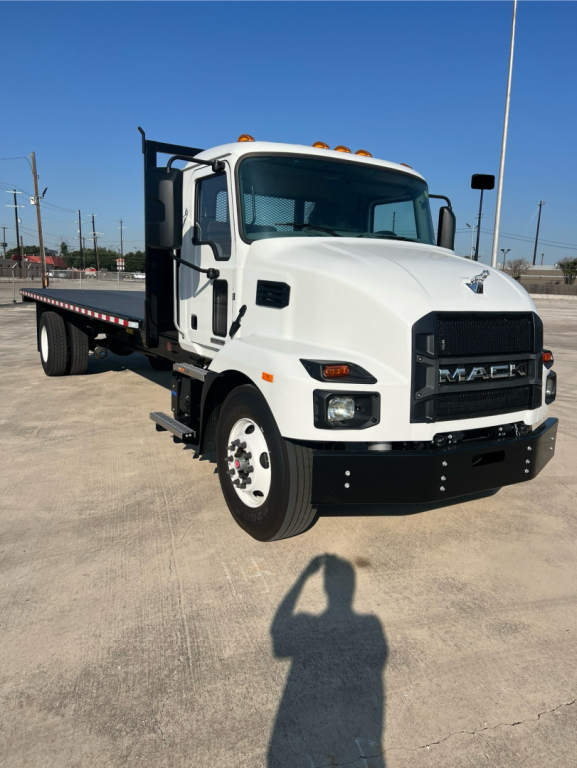
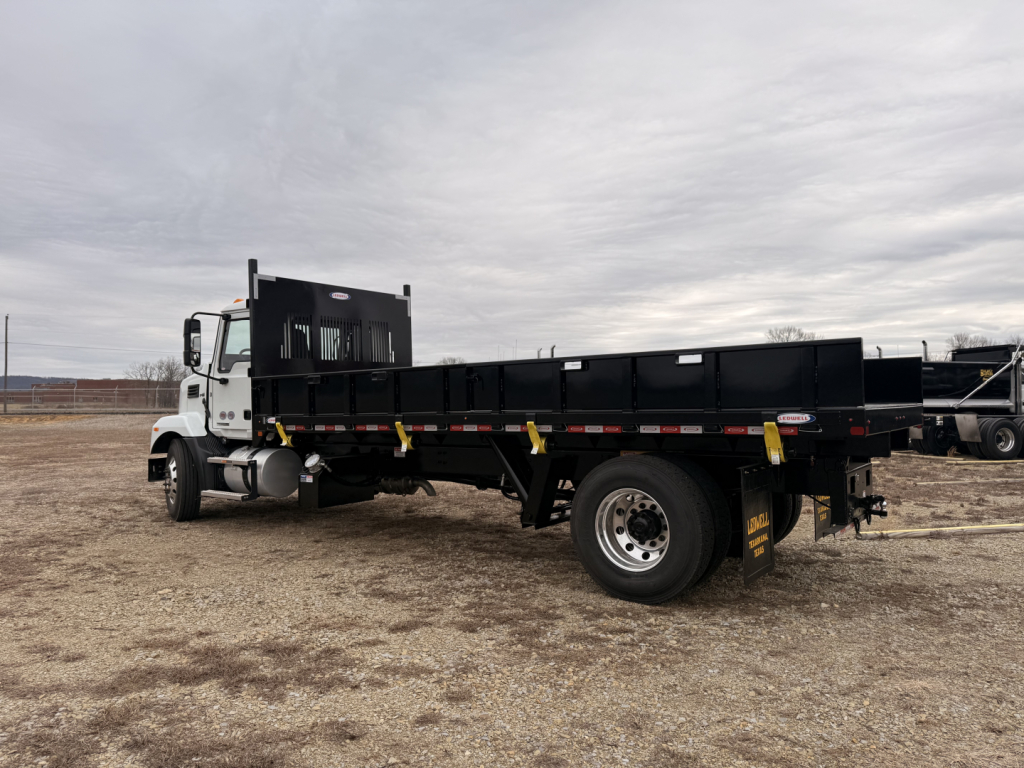
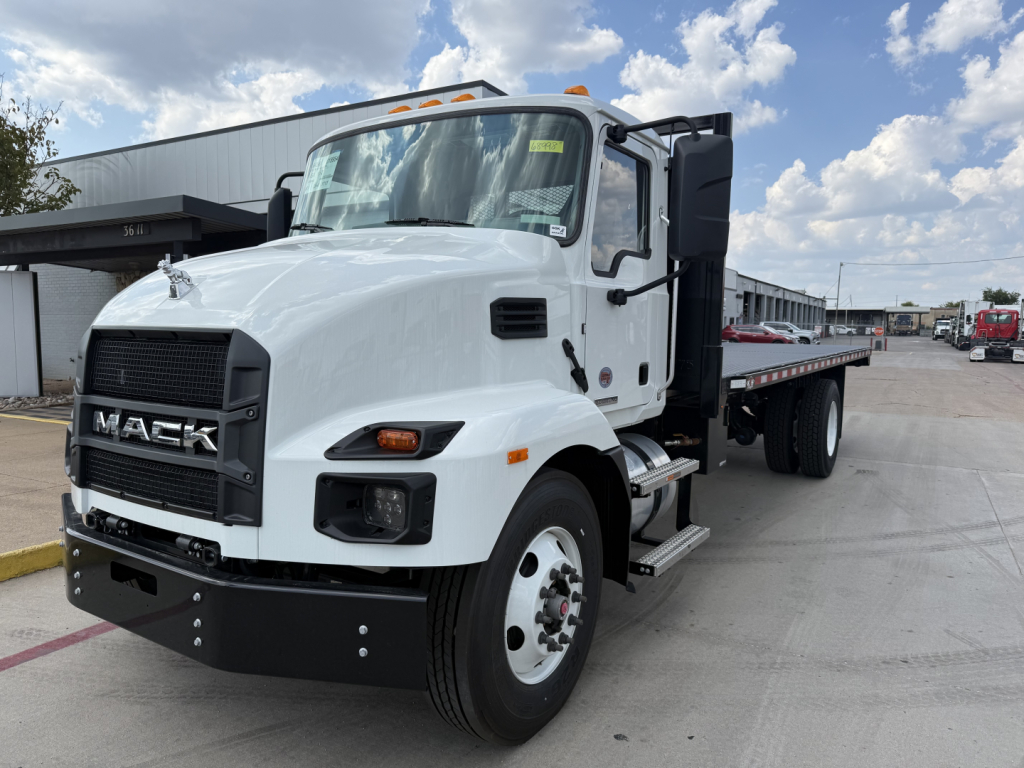
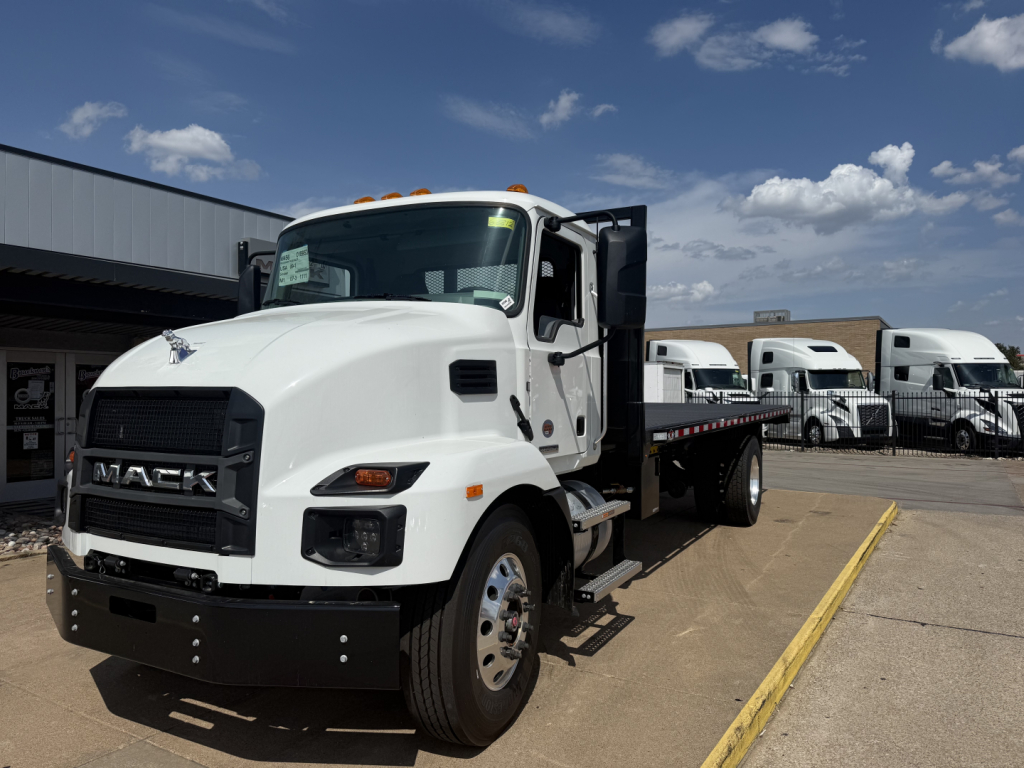
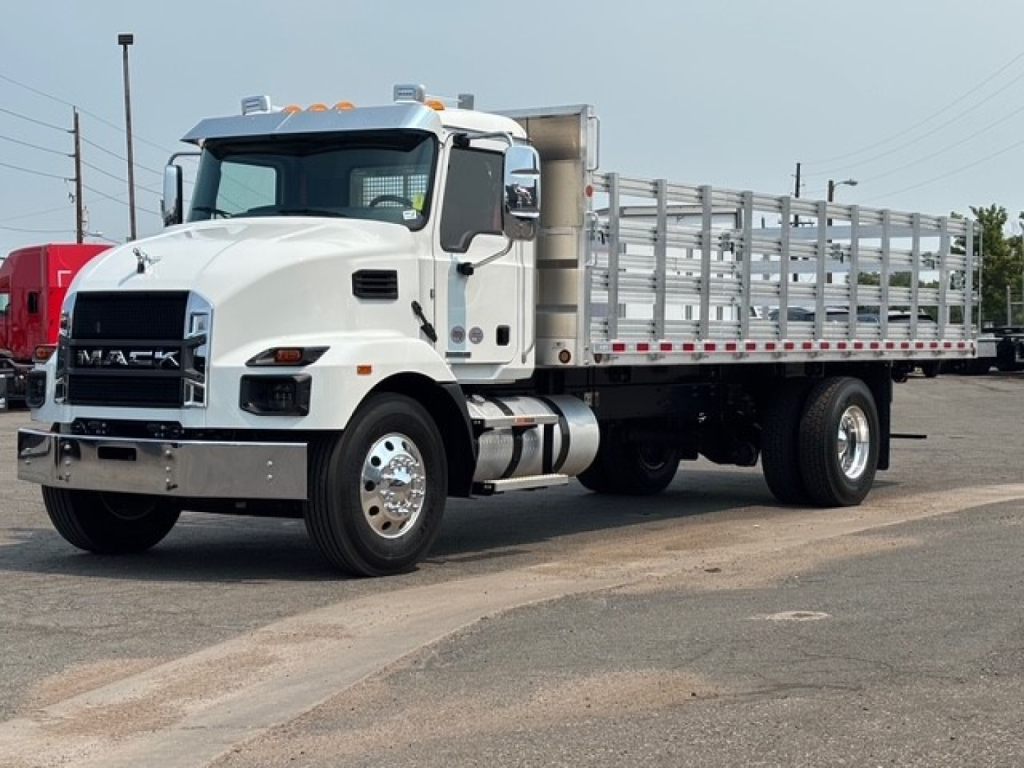
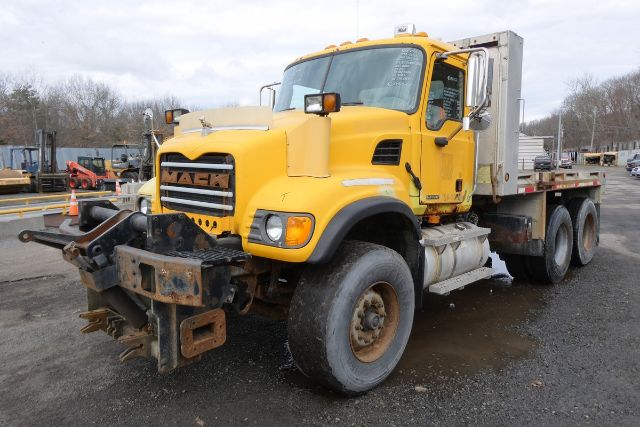

Selling a mack flatbed truck? List your mack flatbed truck for sale and reach thousands of commercial buyers.
Mack Flatbed Trucks
The first decision is usually GVWR and CDL exposure. Mack MD6 flatbed trucks are often built to stay under CDL thresholds at 31,000 pounds GVWR, while the MD7 typically moves up to 33,000 pounds GVWR for buyers who need more chassis capacity. Most examples in this class use the Cummins ISB 6.7L diesel with ratings around 250 to 300 horsepower, backed by an Allison 2500 RDS automatic. That powertrain is popular because it is simple to run in mixed-driver fleets, performs well in stop-and-go service, and suits PTO and vocational body applications. Rear axle ratings around 21,000 pounds, front axles from 10,000 to 12,000 pounds, multi-leaf spring suspensions, and deep rear ratios such as 5.29 or 5.57 are common on flatbed specs aimed at load control and low-speed pulling power rather than highway cruise efficiency.
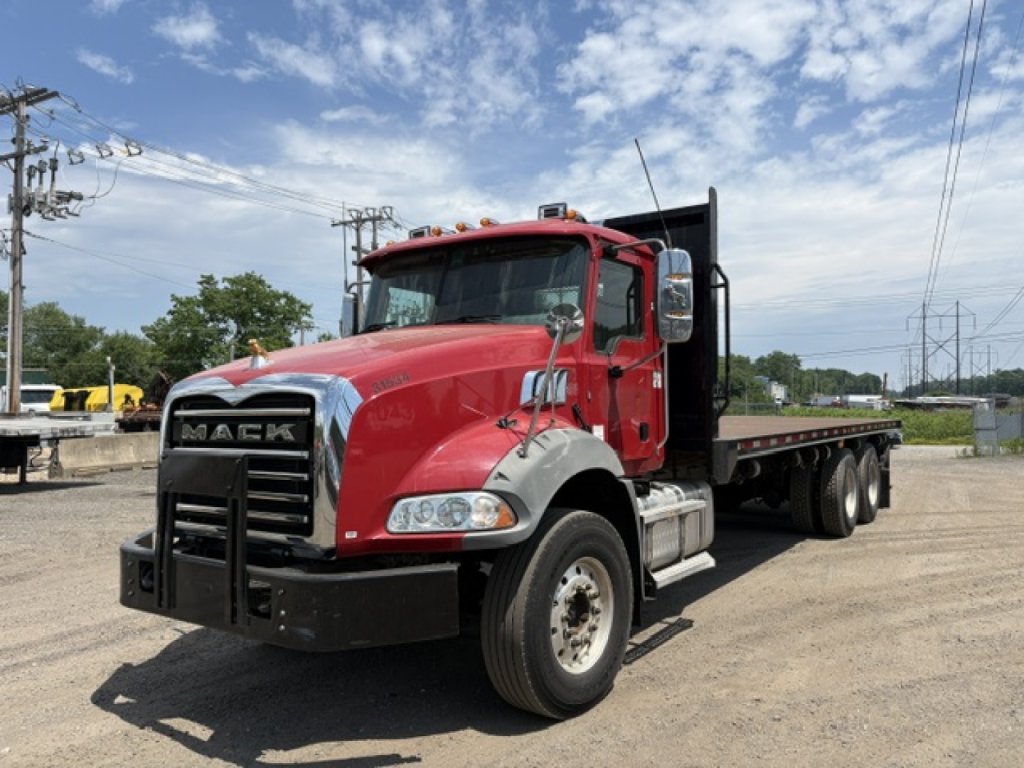
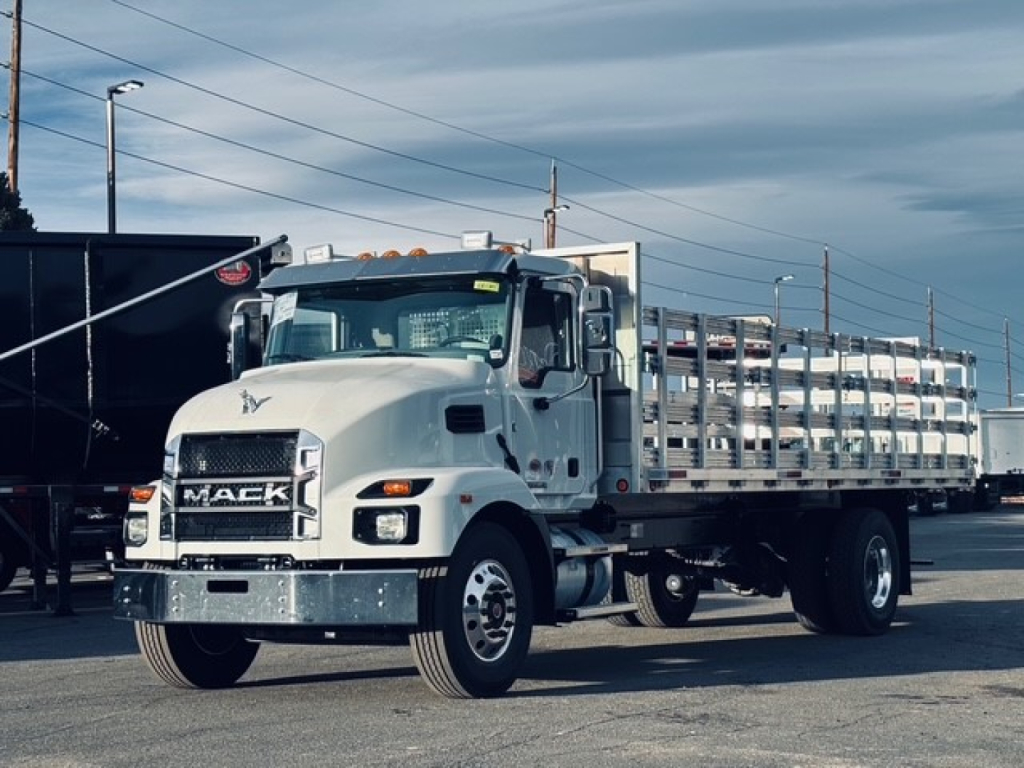
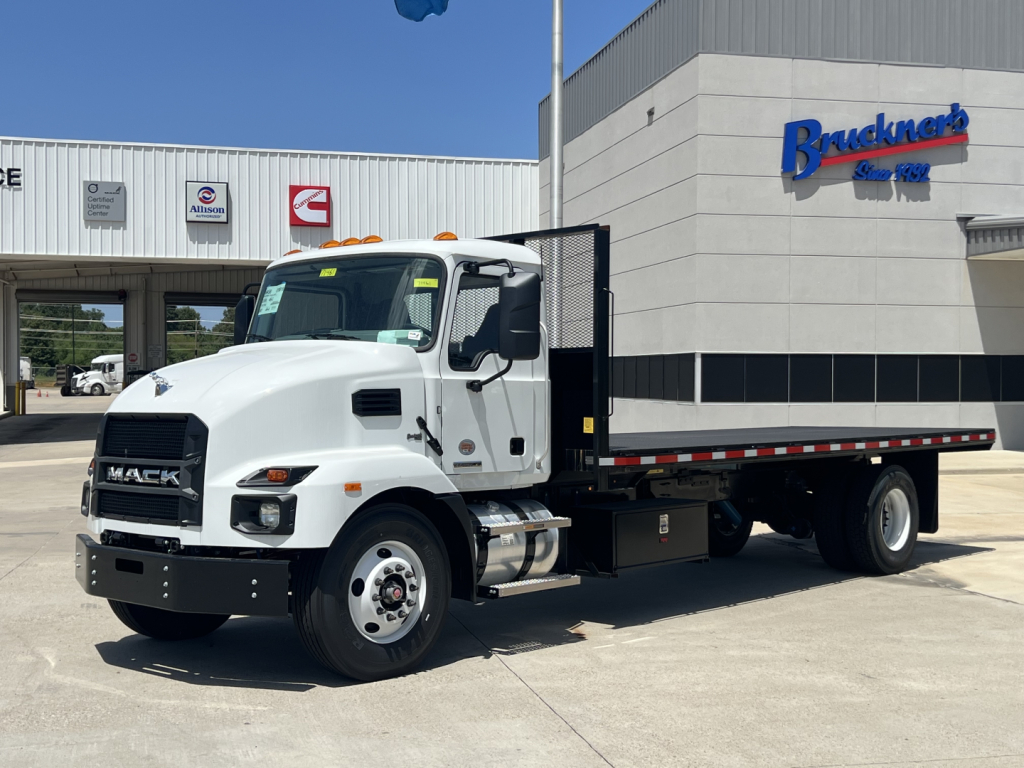
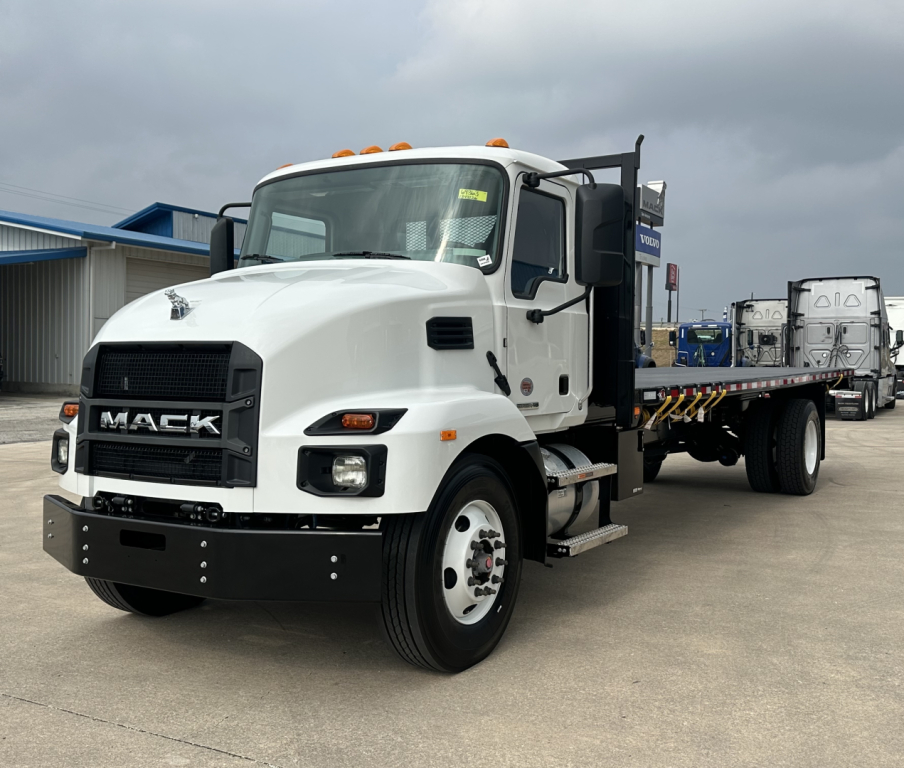
Body specification matters as much as the cab and chassis. A steel flatbed usually makes sense for harder job-site use, concentrated loads, and buyers who expect forklift contact, chain drag, or frequent use of binders. An aluminum bed or stake body reduces tare weight and can improve payload on lighter delivery routes. Buyers should look closely at deck length, bulkhead design, rub rail and stake pocket layout, tie-down points, toolbox placement, and whether the truck includes load securement gear such as winches, chains, binders, or straps. If the truck is used for palletized product, deck height and wheelbase can affect forklift loading angles. If it will handle equipment or dense materials, axle placement, frame capacity, and body subframe design become more important than overall bed length.
A good Mack flatbed truck is one that matches route density, payload profile, and loading method. For urban and regional delivery, shorter wheelbases and automatic transmissions improve drivability and dock access. For construction supply and heavier vocational work, buyers often prioritize spring suspension durability, a stout bulkhead, and a bed that can take repeated abuse. Also watch brake type, tire size, and final axle ratio if the truck will split time between highway miles and low-speed site work. Mack's medium-duty flatbed offerings are typically chosen for straightforward serviceability, familiar diesel power, and vocational-ready chassis specs that fit real working fleets.
Frequently Asked Questions about Mack Flatbed Trucks
What is the difference between a Mack MD6 and Mack MD7 flatbed truck?
The main difference is chassis capacity. A Mack MD6 flatbed is commonly rated at 31,000 pounds GVWR, which keeps it under the typical CDL threshold, while the Mack MD7 often carries a 33,000-pound GVWR for more body and payload capacity. The MD7 may also be spec'd with a heavier front axle and slightly different wheelbase or suspension choices depending on the application. For buyers hauling denser materials or running more demanding vocational routes, the MD7 usually provides more margin.
What engine and transmission are most common in Mack flatbed trucks?
Most current Mack medium-duty flatbed trucks are equipped with the Cummins ISB 6.7L diesel and an Allison 2500 RDS automatic transmission. Horsepower ratings commonly fall between 250 and 300 horsepower. This combination is widely used because it is proven in medium-duty vocational service, easy to operate across multiple drivers, and well suited for local delivery, contractor work, and stop-and-go routes.
Is a steel or aluminum flatbed better on a Mack truck?
Steel flatbeds are generally better for severe-duty use, concentrated loads, and rough job-site conditions because they resist impact and wear well. Aluminum flatbeds and stake beds reduce body weight, which can improve payload and may help on routes where corrosion resistance matters. The better choice depends on what the truck carries, how often forklifts load the deck, and how much abuse the body will take over time.
What should I check when comparing used Mack flatbed trucks?
Start with GVWR, axle ratings, wheelbase, bed length, and body material, because those determine whether the truck actually fits the work. Then inspect the flatbed itself for cracked crossmembers, bent rub rails, damaged stake pockets, floor wear, and signs of overloading near the bulkhead or rear section. On the chassis side, pay attention to suspension condition, brake wear, tire match, PTO operation if equipped, and service history on the engine and transmission. A clean cab and good drivetrain matter, but body condition is often what separates a reliable work truck from one that needs immediate reconditioning.
Are Mack flatbed trucks good for local delivery and construction work?
Yes. Mack flatbed trucks are commonly used for building materials, palletized freight, landscaping products, light equipment, and municipal or contractor support work. Medium-duty Mack flatbeds are especially useful where buyers need a truck that can handle repeated stops, tight access, and varied cargo without moving into a larger Class 8 chassis. The right spec depends on deck length, payload needs, and whether the truck spends more time on pavement, in neighborhoods, or on active job sites.