
Mack Flatbed Trucks For Sale in Texas
Shop Mack flatbed trucks for sale in Texas. Compare MD6 and heavy-duty flatbed specs, payload setups, bed lengths, and job-ready features.
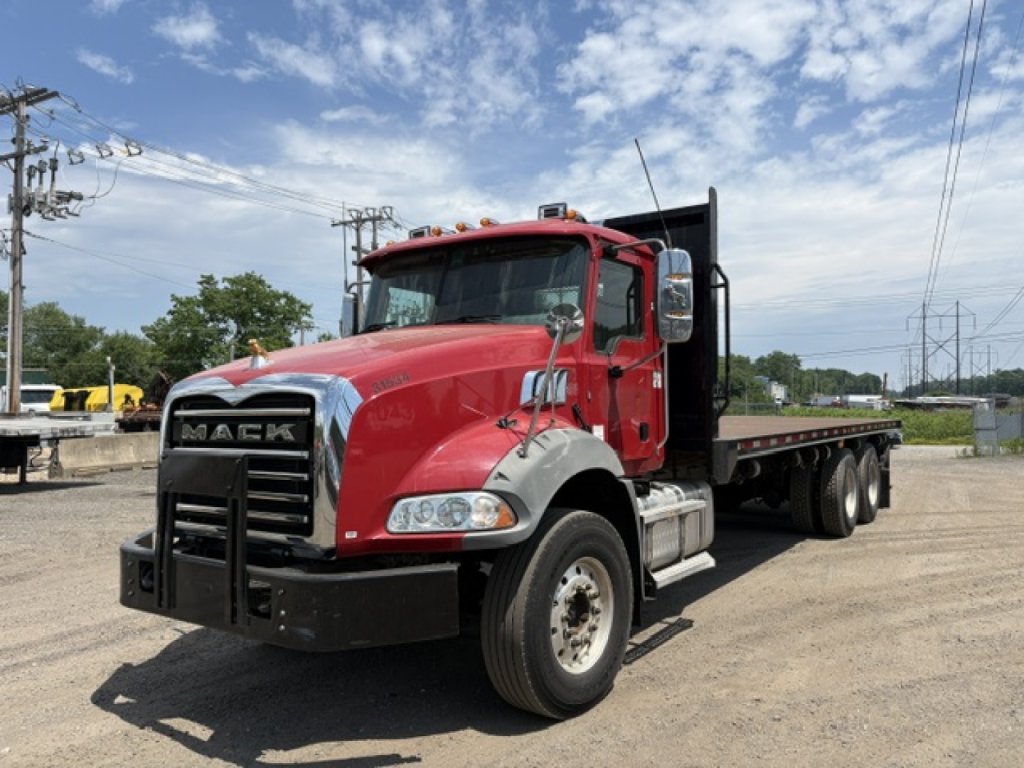
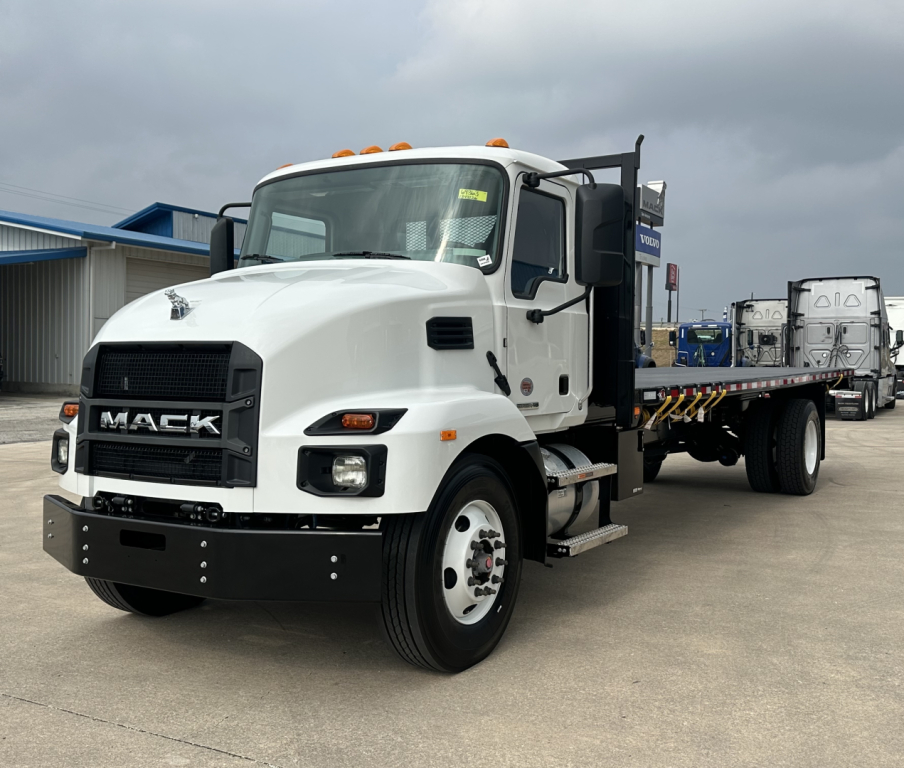
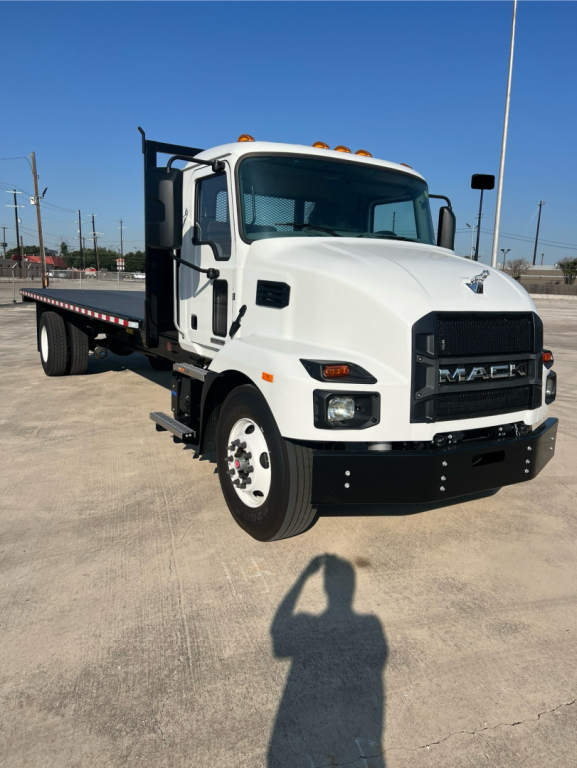
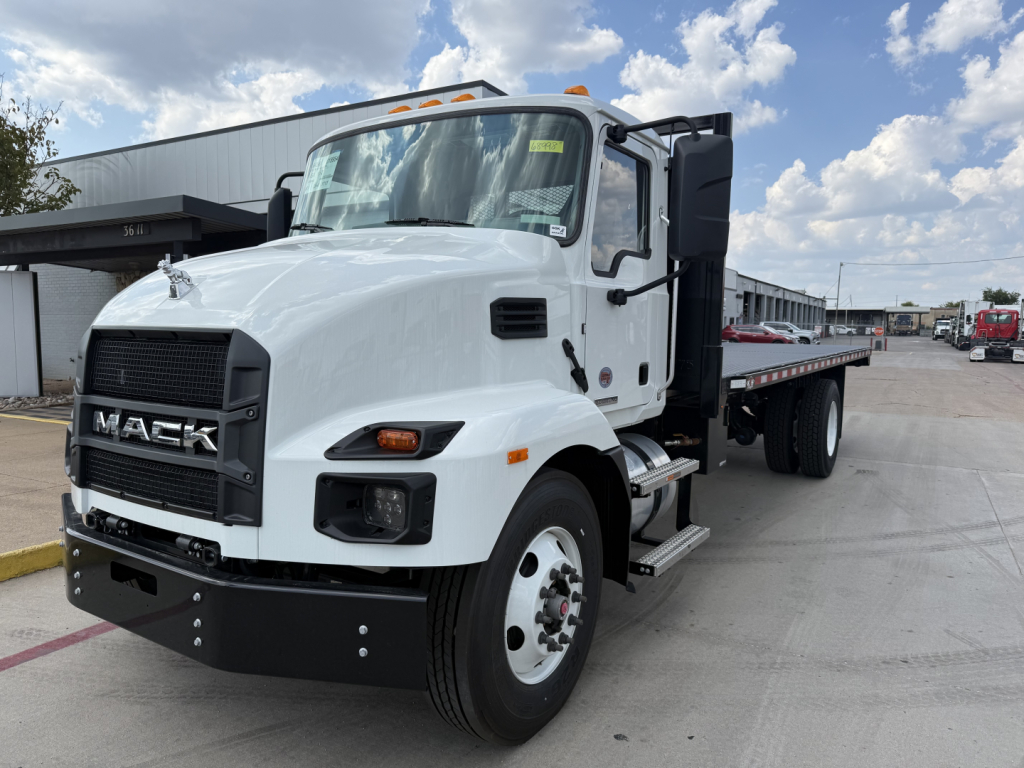
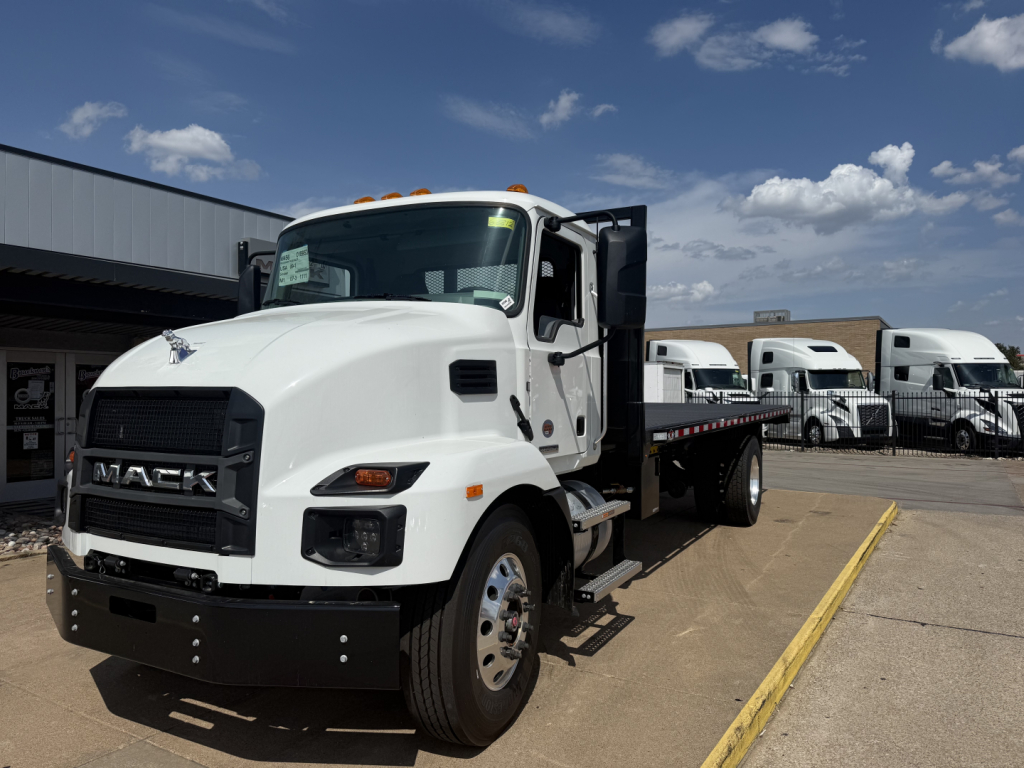

Selling a mack flatbed truck? List your mack flatbed truck for sale and reach thousands of commercial buyers.
Mack Flatbed Trucks in Texas
Powertrain choice on a Mack flatbed is usually straightforward but still important. Late-model MD6 trucks commonly use the Cummins ISB 6.7L engine with horsepower ratings around 250 to 300 hp, paired with an Allison 2500 RDS automatic transmission. That combination is well suited for stop-and-go routes, mixed drivers, and vocational service where smooth engagement and low driver fatigue are priorities. Rear axle ratings around 17,000 to 21,000 lb, front axles near 10,000 lb, and rear ratios in the mid-5s are typical on work-oriented trucks spec'd for hauling material rather than maximizing road speed. Wheelbase matters as much as horsepower on a flatbed, since it directly affects body length, bridge compliance, turning radius, and how the truck carries concentrated loads like bundled lumber, brick, or machinery.
The bed itself is where flatbed buyers need to look closely. Mack flatbed trucks may be equipped with steel flatbeds, aluminum platforms, stake beds, or dumping flatbeds depending on the job. Common features include rub rails, stake pockets, tie-down points, headache racks, toolboxes, and winch tracks. A steel dump flatbed can be a strong fit for landscaping, masonry, and construction debris, while a stake bed is often better for palletized freight, bagged materials, and deliveries that need side containment. On trailer-style flatbeds and some heavier truck applications, buyers may also run into aluminum construction, nail strips, sliding winch tracks, double spool setups, and spread axle configurations. In Texas service, bed durability, corrosion resistance, and securement options deserve extra attention because these trucks often see a mix of highway miles, yard loading, and rough job-site access.
A good Mack flatbed spec is one that matches the freight first. For local delivery, look closely at cab-to-axle measurement, body length, suspension type, brake package, and how easy the truck will be to load from the side with a forklift. For heavier vocational use, pay attention to frame strength, hoist setup on dump bodies, spring capacity, axle spread, and tire size. Mack has long been favored for straightforward work-truck durability, and that matters in a flatbed application where the truck is expected to handle shifting load types and daily loading cycles without constant adjustment. Buyers comparing Mack flatbed trucks in Texas should focus on legal payload, body material, securement hardware, and route environment before narrowing down model year or cosmetic condition.
Frequently Asked Questions about Mack Flatbed Trucks in Texas
What is the most common Mack flatbed truck configuration for local work in Texas?
A common Texas configuration is the Mack MD6 medium-duty flatbed with a Cummins ISB 6.7L engine, Allison automatic transmission, single rear axle, and a 24-foot class flatbed or stake bed. These trucks are popular for building materials, equipment delivery, and municipal use because they are easy to operate, fit urban and suburban routes well, and can be spec'd around 27,000 to 31,000 lb GVWR depending on the body and axle package.
Is a Mack MD6 flatbed under CDL?
Some Mack MD6 flatbed trucks can be operated in non-CDL applications if the truck is spec'd at 26,000 lb GVWR or below, but many flatbed versions are built above that threshold, often at 27,000 lb or 31,000 lb GVWR. Buyers should verify the exact GVWR on the door label and body spec sheet, because body upfit, hoist equipment, and axle ratings can move the truck into CDL territory even when the chassis itself is marketed as medium-duty.
What should I check first on a used Mack flatbed truck?
Start with the body and frame before looking at appearance items. Check the deck condition, crossmembers, stake pockets, rub rails, tie-down hardware, and any signs of frame rust, cracking, or previous repair. Then verify wheelbase, cab-to-axle measurement, axle ratings, suspension type, and PTO or hoist operation if it has a dump flatbed. On a Texas truck, also inspect for bed wear from forklift loading, sun exposure on decking and wiring, and brake and tire condition if the truck has spent time on mixed highway and job-site service.
What bed material is better on a Mack flatbed, steel or aluminum?
Steel flatbeds are usually preferred for harder vocational work because they tolerate concentrated loads, rough loading practices, and job-site use well. Aluminum flatbeds reduce tare weight and can improve payload while resisting corrosion better, which is useful for freight applications where every pound matters. The better choice depends on what the truck will carry, how it will be loaded, and whether durability or weight savings has the bigger effect on operating cost.
What features matter most on a Mack flatbed for securement and loading?
The most important flatbed features are the ones that match your freight and loading method. Stake pockets, rub rails, D-rings, winch tracks, headache racks, and toolboxes all affect how efficiently the truck can be loaded and secured. If side forklift loading is common, bed height and side access matter. If the truck hauls machinery, steel, pipe, or bundled material, buyers should pay close attention to tie-down placement, deck strength, and how well the body supports chains, straps, and edge protection.