
2026 Mack Flatbed Trucks For Sale
Shop 2026 Mack flatbed trucks including MD6 and MD7 models with steel or aluminum beds, medium-duty specs, and jobsite-ready upfits.
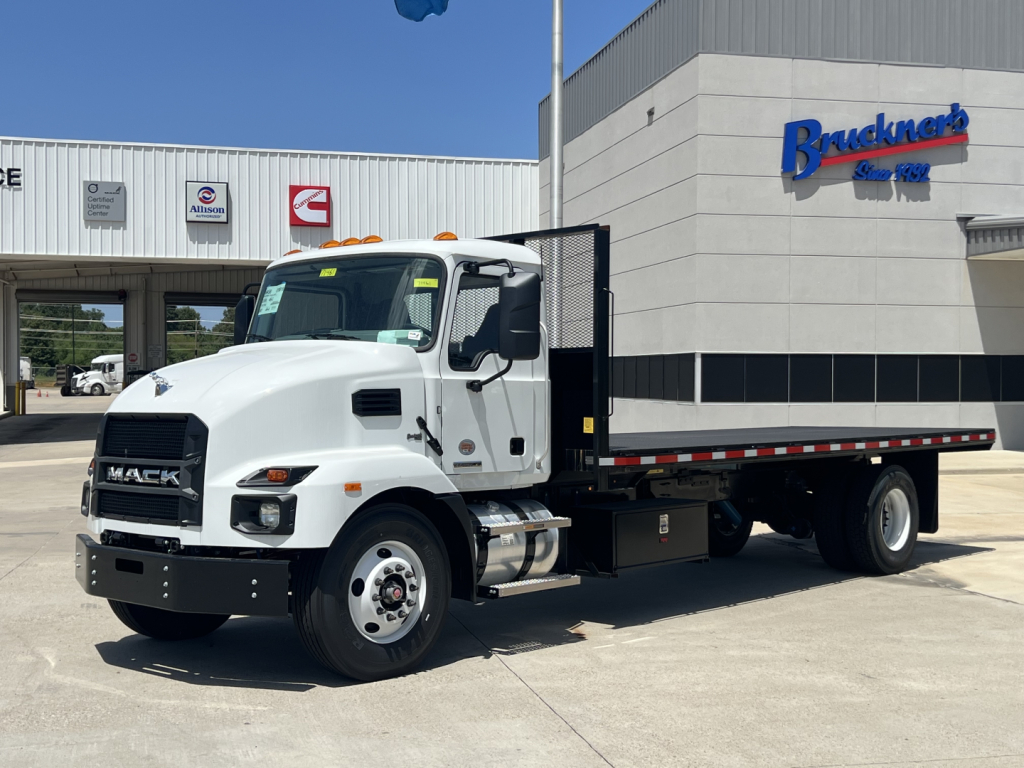
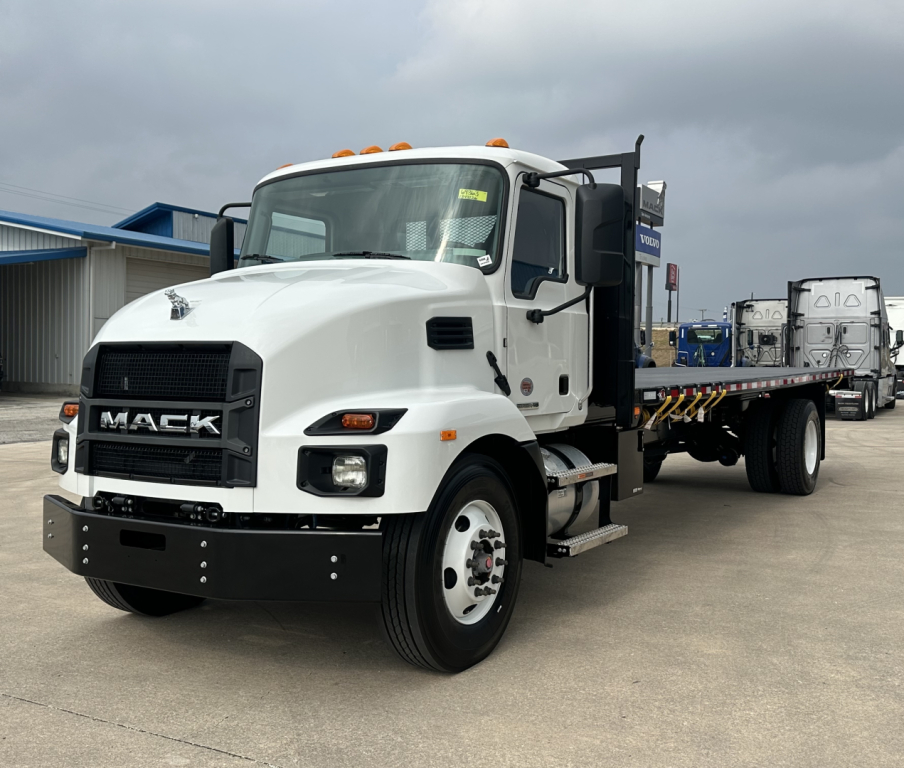
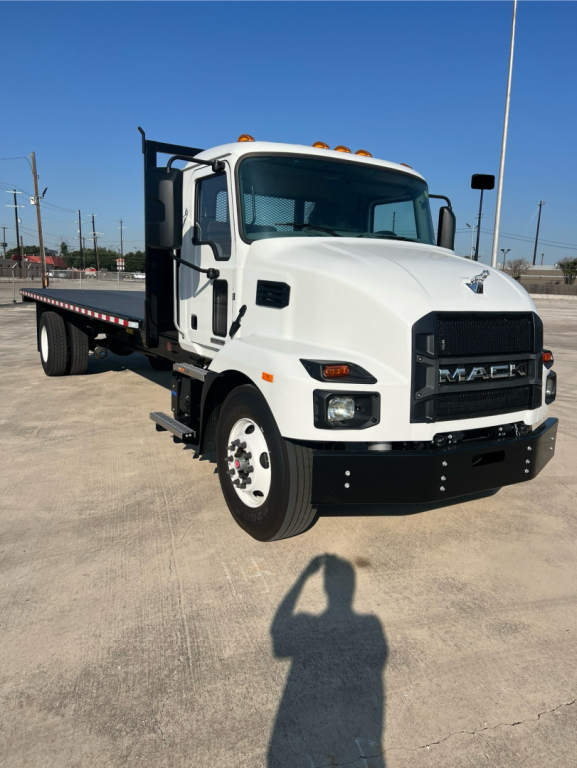
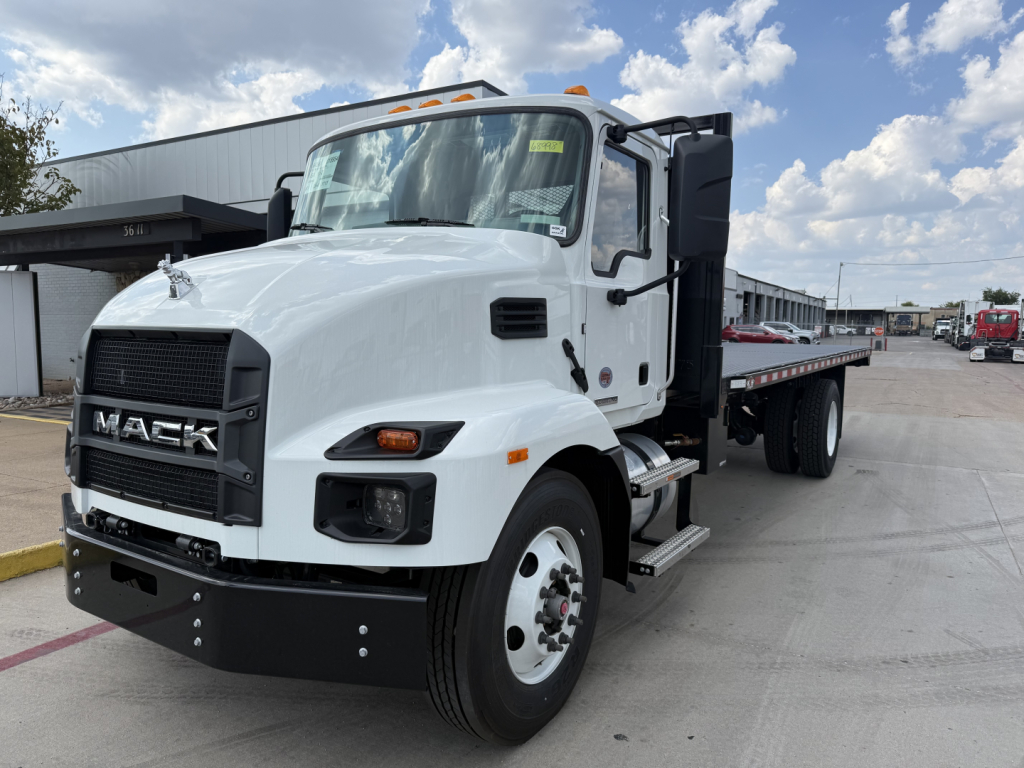
Selling a 2026 mack flatbed truck? List your 2026 mack flatbed truck for sale and reach thousands of commercial buyers.
2026 Mack Flatbed Trucks
One of the first decisions is GVWR and CDL impact. Mack MD6 models are often spec'd to stay in the Class 6 range, which can help operations that want strong payload without moving every driver into heavier truck requirements. MD7 trucks step up into heavier Class 7 territory and are a better fit when the body, hitch, cargo, or trailer demands more chassis capacity. On current Mack medium-duty flatbed specs, buyers will commonly see Cummins B6.7 or ISB6.7 diesel power in the high-200 to 300 HP range paired with an Allison 2500 RDS automatic transmission. That combination is popular because it is familiar to mixed fleets, easy to train drivers on, and well suited for stop-and-go routes, jobsite maneuvering, and PTO-related vocational use.
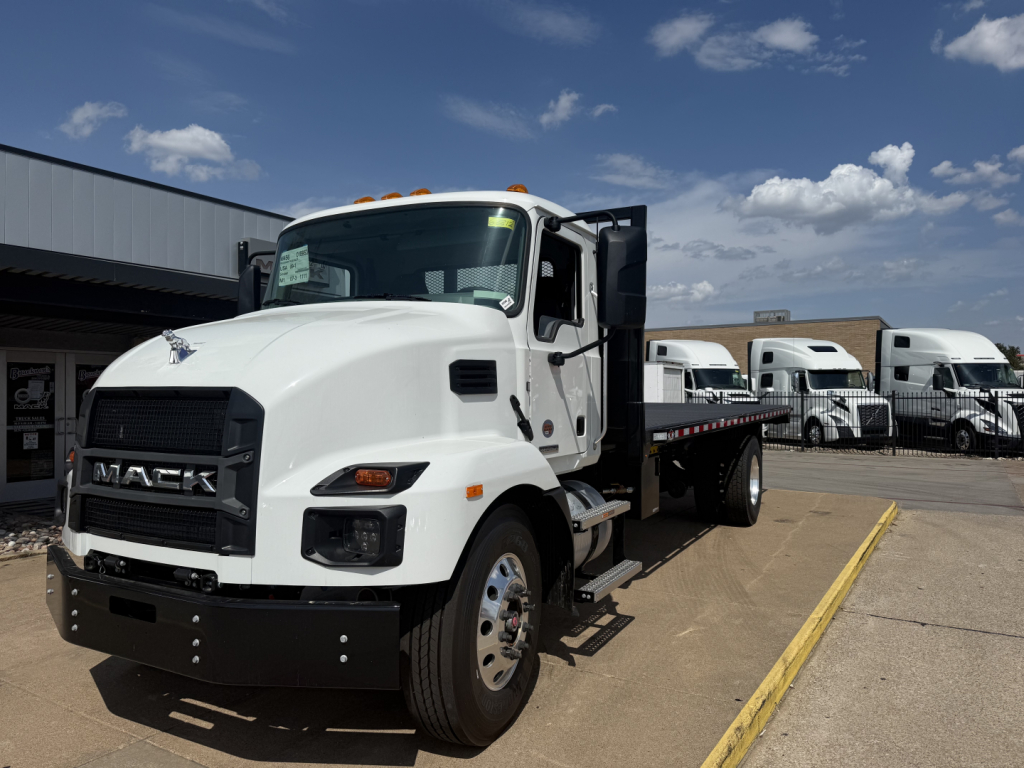
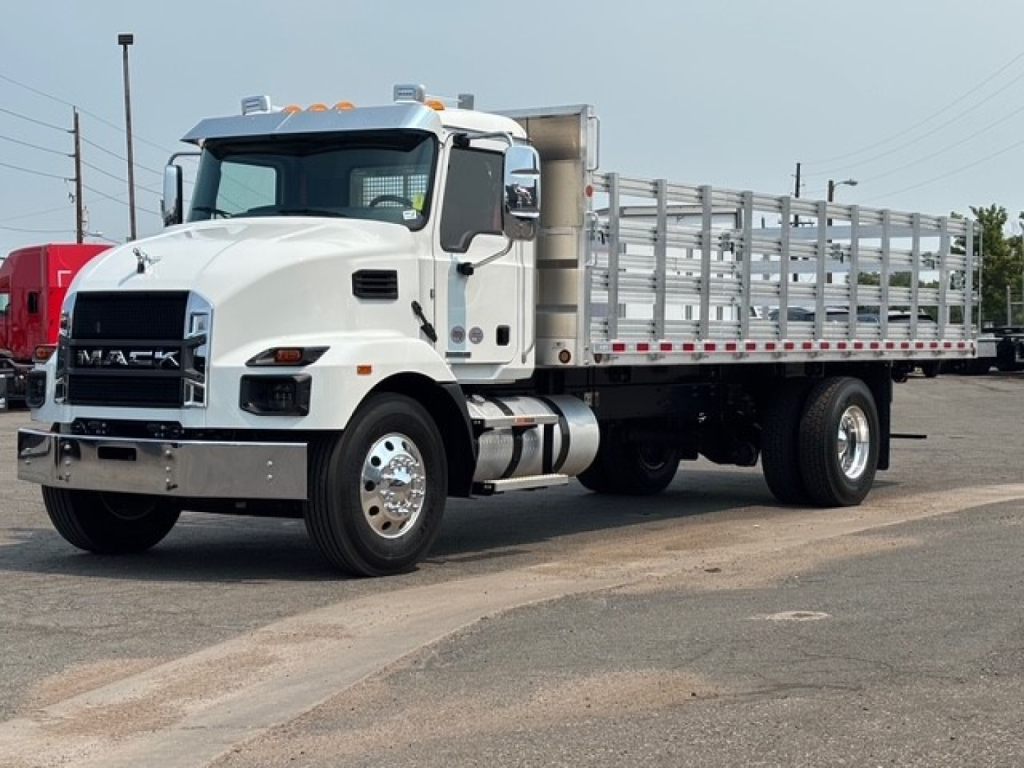
Body material changes the truck's working character. A steel flatbed generally costs less up front and handles hard daily abuse well, but it adds tare weight. An aluminum flatbed reduces body weight and can improve usable payload, which matters if the truck spends its life carrying dense material or operating near its legal limit. Buyers should also look closely at deck length, crossmember spacing, rub rail design, tie-down points, stake pockets, rear apron layout, and the height and strength of the front bulkhead. If the truck will pull equipment trailers, check pintle hitch rating, trailer brake setup, rear frame reinforcement, and electrical connections. If side loading is common, stake bed or removable side options may matter more than a plain deck.
For most buyers, the best 2026 Mack flatbed truck is the one whose chassis and body were spec'd together for the actual work cycle. A 22-foot or 23-foot bed may be ideal for palletized material and building products, while a shorter deck can be easier in urban delivery or tighter jobsites. Cab features like power windows, power locks, and heated mirrors are common on newer MD-series trucks, but the bigger value is in body details that reduce labor and downtime. Look at frame-to-body integration, toolbox placement, access to DEF and battery service points, and whether the truck has the right mix of payload, trailer capacity, and bed durability for the routes it will run every day.
Frequently Asked Questions about 2026 Mack Flatbed Trucks
What is the difference between a Mack MD6 flatbed and a Mack MD7 flatbed?
The main difference is chassis rating and intended workload. A Mack MD6 flatbed is generally a Class 6 truck, often chosen for operations that want medium-duty capacity with more flexibility around driver qualification and urban maneuverability. A Mack MD7 flatbed moves into heavier Class 7 use, making it a better choice for heavier payloads, larger bodies, more demanding trailer work, or applications with consistent vocational stress.
Are 2026 Mack flatbed trucks usually equipped with diesel engines and automatic transmissions?
Yes. In this category, Mack flatbed trucks are commonly spec'd with a Cummins 6.7-liter diesel and an Allison automatic transmission, often the 2500 RDS. That setup is widely used because it delivers proven medium-duty torque, straightforward serviceability, and easier driver operation in start-stop work such as deliveries, contractor routes, and municipal applications.
Is a steel or aluminum flatbed better on a Mack medium-duty truck?
It depends on the job. A steel flatbed is typically preferred for severe-duty use, rough loading practices, and buyers focused on lower initial body cost. An aluminum flatbed reduces body weight, which can increase net payload and improve corrosion resistance. If payload and weight sensitivity matter every day, aluminum can be the better long-term choice. If the truck will see frequent abuse from equipment, chains, and harsh jobsite handling, steel may be the more practical spec.
What bed length is most common on a Mack flatbed truck?
Many medium-duty Mack flatbed trucks are built with bodies around 20 feet to 23 feet long. That range works well for palletized freight, building materials, pipe, and small equipment while still keeping the truck manageable in yards and jobsites. The right length depends on axle spacing, weight distribution, turning environment, and how often the truck is loaded by forklift from the side versus the rear.
What should buyers inspect on a flatbed truck besides the cab and engine?
The body and chassis integration deserve as much attention as the powertrain. Buyers should inspect the flatbed floor material, crossmembers, rub rails, tie-down points, stake pockets, bulkhead design, rear lighting protection, hitch system, brake controller or trailer brake setup, and toolbox mounting. It is also smart to verify GVWR, rear axle rating, body manufacturer, and any reinforcement added for towing or severe vocational use.