
New Mack Flatbed Trucks For Sale
Shop new Mack flatbed trucks built for delivery, construction, and material hauling with durable bodies, strong GVWR options, and proven drivetrains.
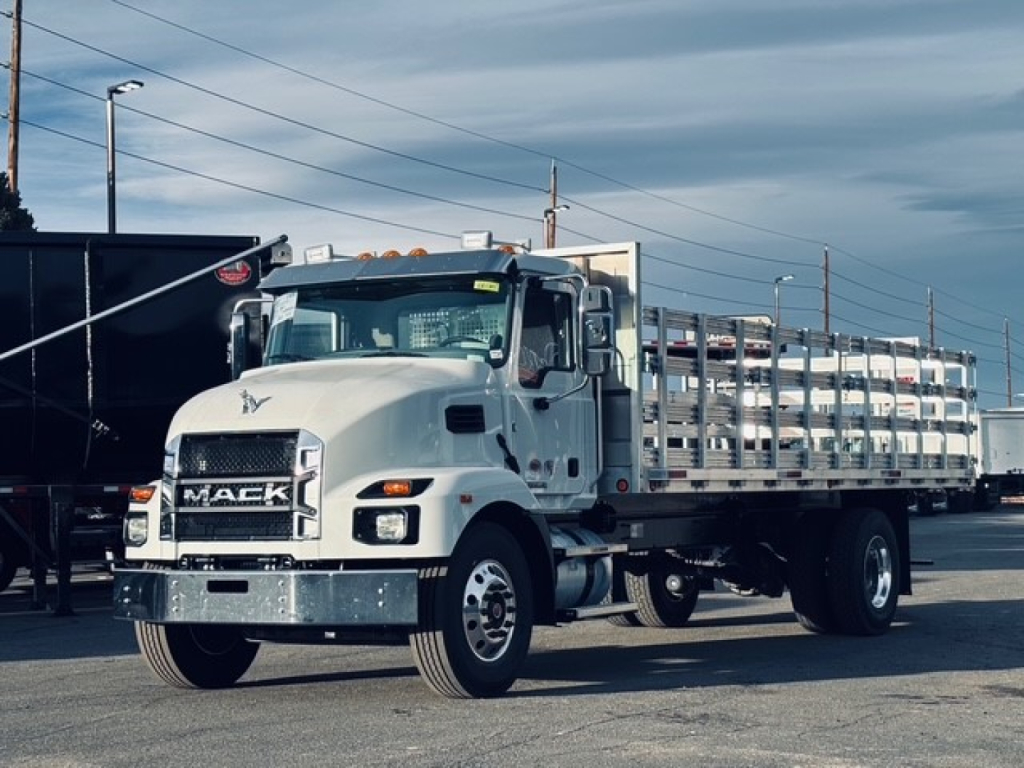
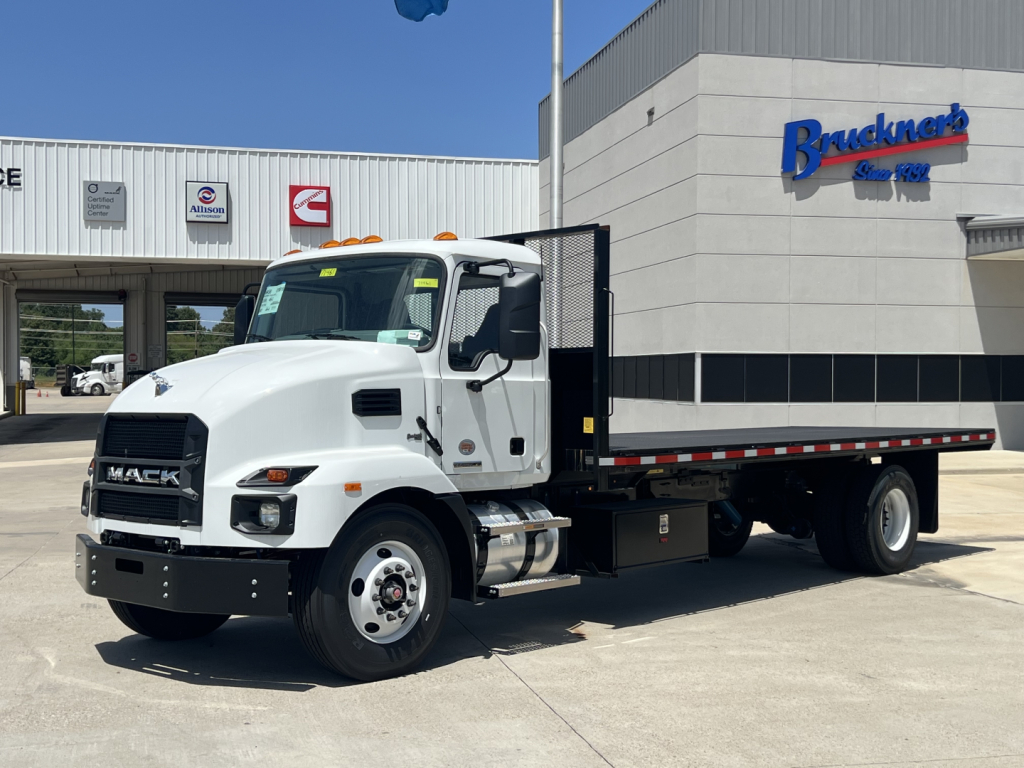
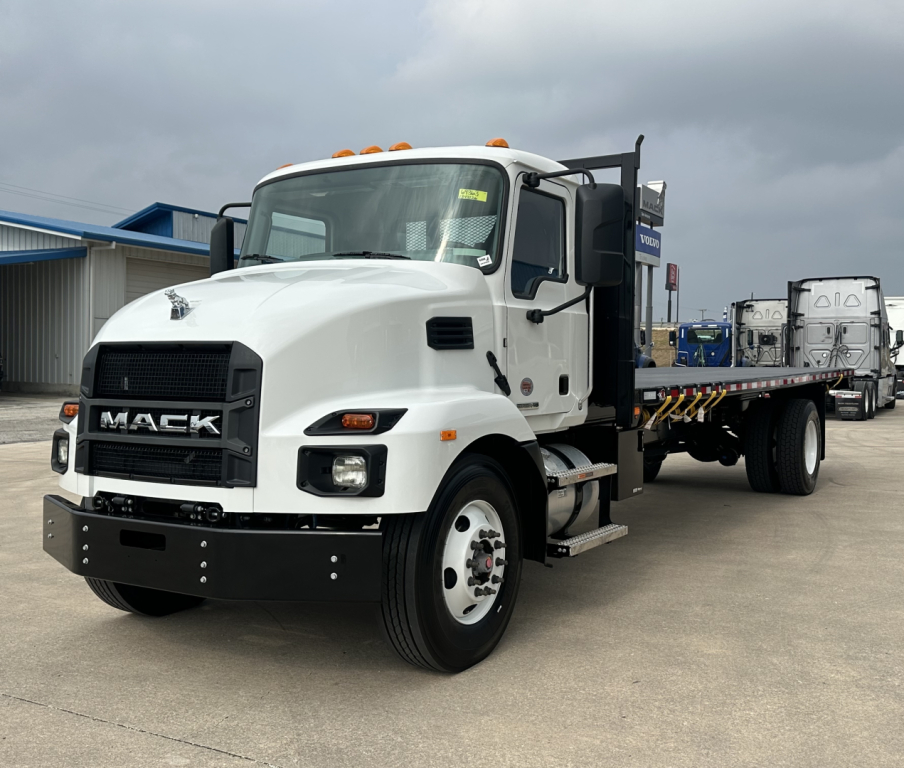
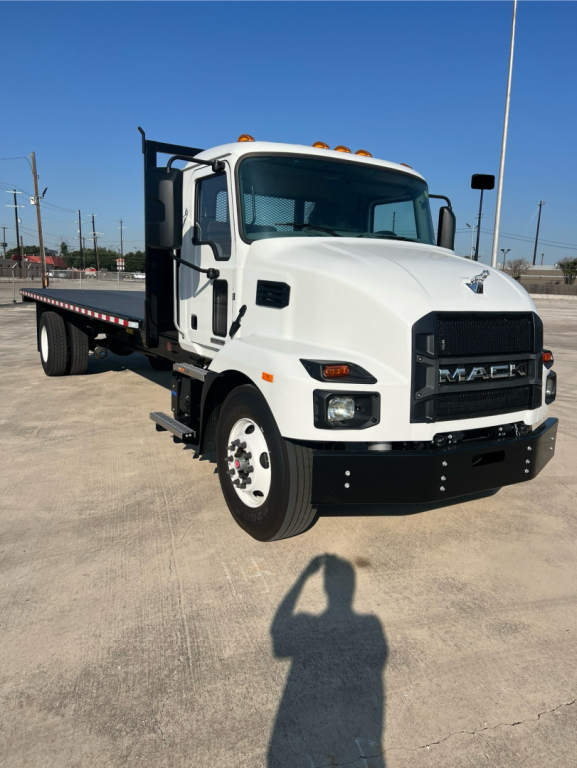

Selling a new mack flatbed truck? List your new mack flatbed truck for sale and reach thousands of commercial buyers.
New Mack Flatbed Trucks
Most new Mack flatbed trucks in this class use the Cummins ISB 6.7L engine paired with an Allison automatic, commonly a 2500 RDS or 3000 RDS 6-speed. That combination is popular because it is easy to operate, well supported, and a good fit for stop-and-go commercial duty. Horsepower in this segment commonly runs from around 250 to 300 HP, with single rear axle configurations, front axles in the 10,000 to 12,000 lb range, and rear axles around 21,000 lb. Typical GVWR ratings fall around 31,000 to 33,000 lb, though some builds are set up to meet specific registration or CDL targets. Multi-leaf rear suspension, Meritor brake components, and aggressive rear ratios such as 5.29 or 5.57 are common on vocational flatbed specs that need low-speed pulling power and dependable load control.
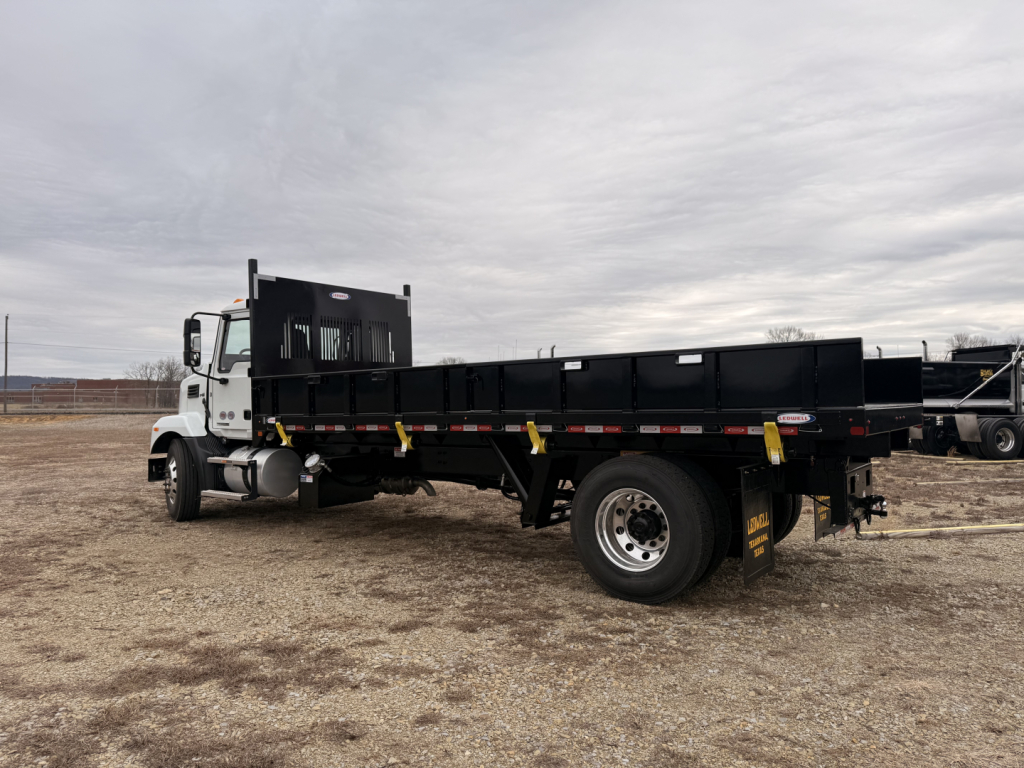
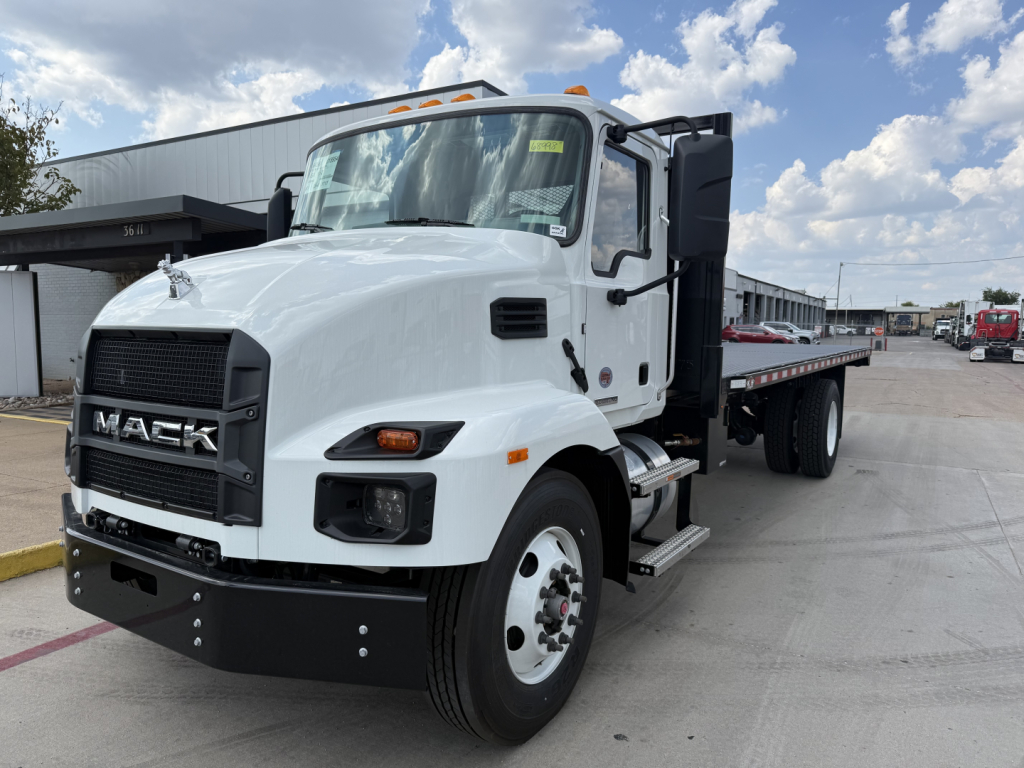
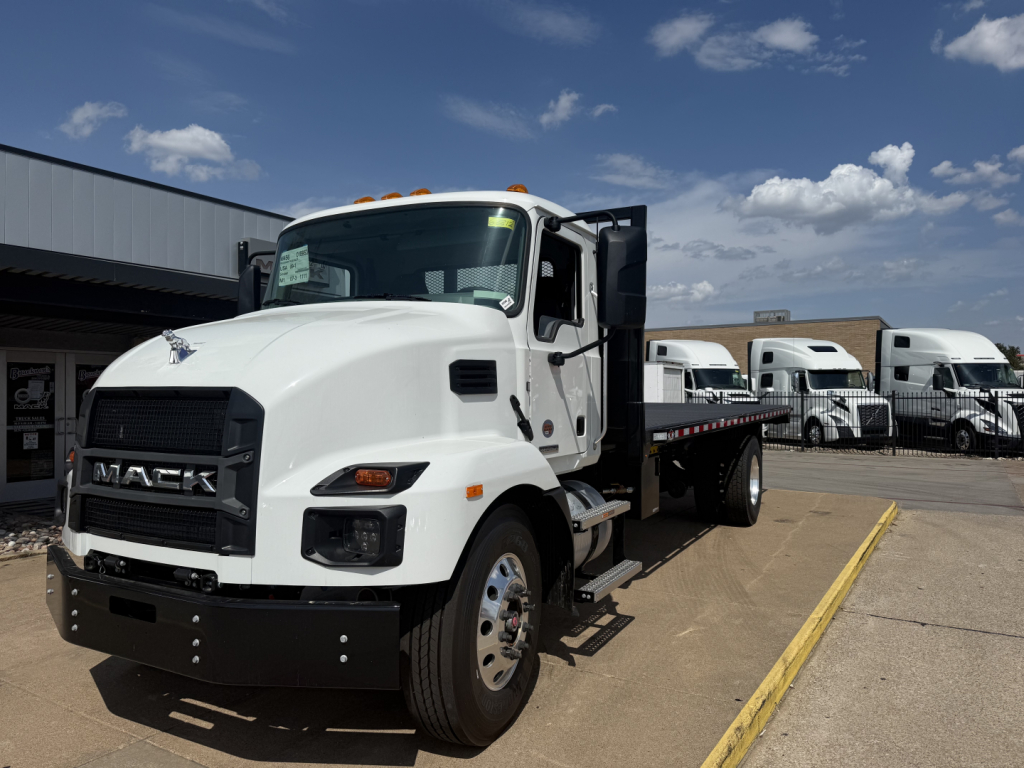
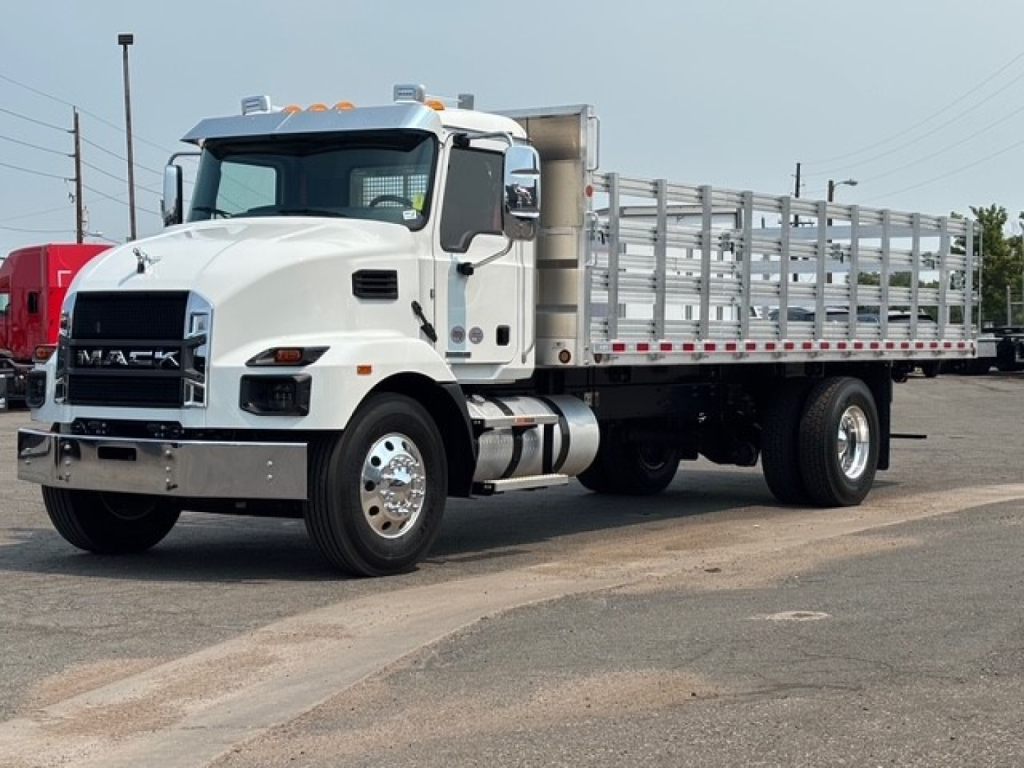
Body equipment matters as much as the chassis. Buyers should pay close attention to bed material, deck length, and work-ready upfits such as bulkheads, headache racks, pintle hitches, toolboxes, stake pockets, tie-down points, and load securement gear. An aluminum flatbed can reduce tare weight and improve payload, while a steel flatbed may be preferred for hard daily abuse and concentrated loads. If the truck will carry palletized product, pipe, steel, or bundled lumber, deck width and tie-down access are key. If it will pull equipment or trailers, hitch rating, brake setup, and rear frame configuration deserve a close look. Dumping flatbeds add versatility for landscaping, utility, and construction applications, but they also change usable payload and center-of-gravity considerations.
A new Mack flatbed truck is usually chosen by buyers who want a durable cab, proven medium-duty running gear, and a chassis that can be tailored to a specific route or trade. For tighter urban delivery, a shorter wheelbase and lighter bed can improve turning and payload efficiency. For heavier material handling, the better fit may be a higher GVWR MD7 with a stronger transmission and more robust body spec. The right truck comes down to what is being loaded, how often it is secured and unloaded, and whether the job calls for under-CDL operation, trailer towing, or dump capability.
Frequently Asked Questions about New Mack Flatbed Trucks
What is the difference between a Mack MD6 flatbed and a Mack MD7 flatbed?
The Mack MD6 and MD7 are both medium-duty platforms, but the MD7 is generally chosen when the application calls for more GVWR capacity, a heavier front axle rating, or a stronger vocational setup. In many flatbed specs, the MD6 is attractive for under-CDL or lighter-duty operation, while the MD7 is better suited for heavier payloads, more demanding body equipment, or towing needs. The exact difference depends on how the truck is upfitted, so axle ratings, wheelbase, and body weight should be reviewed along with the badge on the hood.
What engine and transmission are common in new Mack flatbed trucks?
A common configuration is the Cummins ISB 6.7L diesel paired with an Allison automatic transmission. In this category, buyers will often see 250 to 300 horsepower ratings with Allison 2500 RDS or 3000 RDS 6-speed automatics. This drivetrain is widely used in medium-duty commercial service because it is familiar to technicians, easy for multiple drivers to operate, and well suited for delivery routes, construction support, and stop-and-go hauling.
How do I choose the right flatbed length on a Mack truck?
Flatbed length should match the cargo profile first, then the route conditions. A 20-foot bed can be a strong choice for tighter maneuvering and mixed urban work, while 22-foot to 24-foot beds are common for palletized materials, longer products, and jobs that need more deck space. The longer the body, the more important wheelbase, rear overhang, and weight distribution become. Buyers should confirm that the body length still leaves room for proper load placement, securement access, and any hitch or dump equipment required for the job.
Is an aluminum or steel flatbed better on a new Mack chassis?
An aluminum flatbed usually helps reduce curb weight, which can improve legal payload and corrosion resistance. A steel flatbed is typically favored when the truck will see rougher loading conditions, concentrated point loads, or more severe vocational use. The right answer depends on what the truck carries every day. If payload and corrosion matter most, aluminum is often attractive. If impact resistance and long-term abuse are the bigger concerns, steel may be the better fit.
What specs matter most when buying a new Mack flatbed truck?
GVWR, axle ratings, wheelbase, rear axle ratio, body length, and bed material are the main items to compare first. After that, buyers should look closely at the upfit details such as bulkhead design, headache rack height, toolbox capacity, tie-down layout, hitch rating, and whether the body is fixed or dumping. These details determine how well the truck will actually perform in service. A flatbed truck that looks similar on paper can be far less useful if the body and chassis were not spec'd around the cargo, trailer, and route requirements.