
New 2026 Mixer Trucks For Sale in Texas
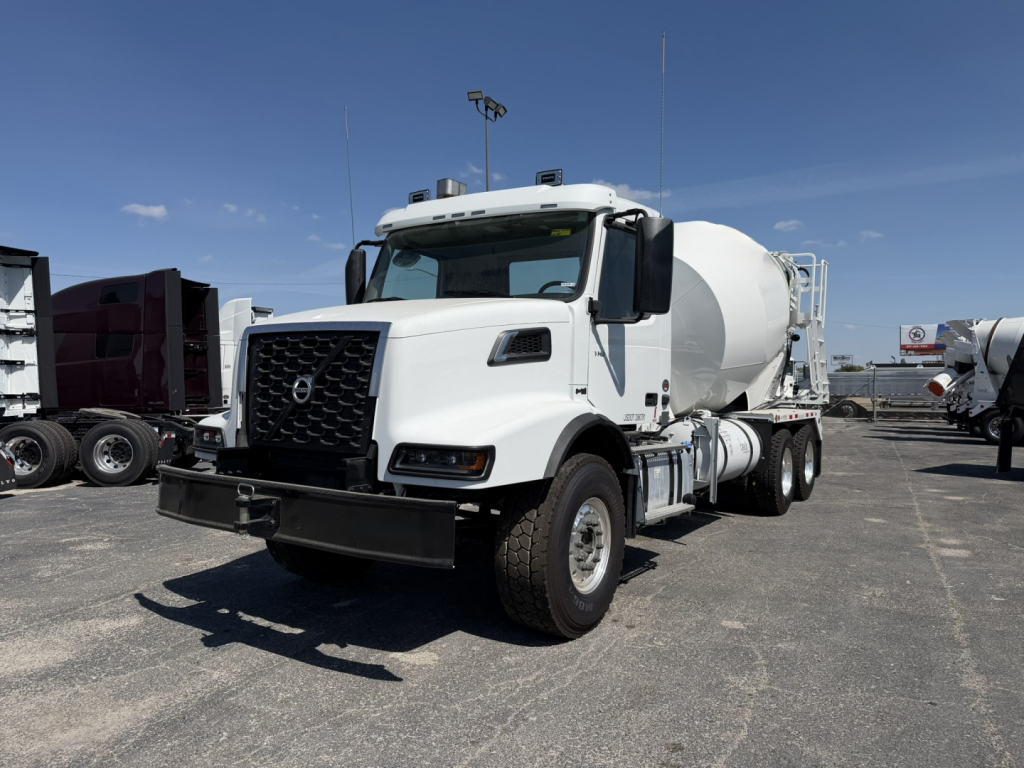
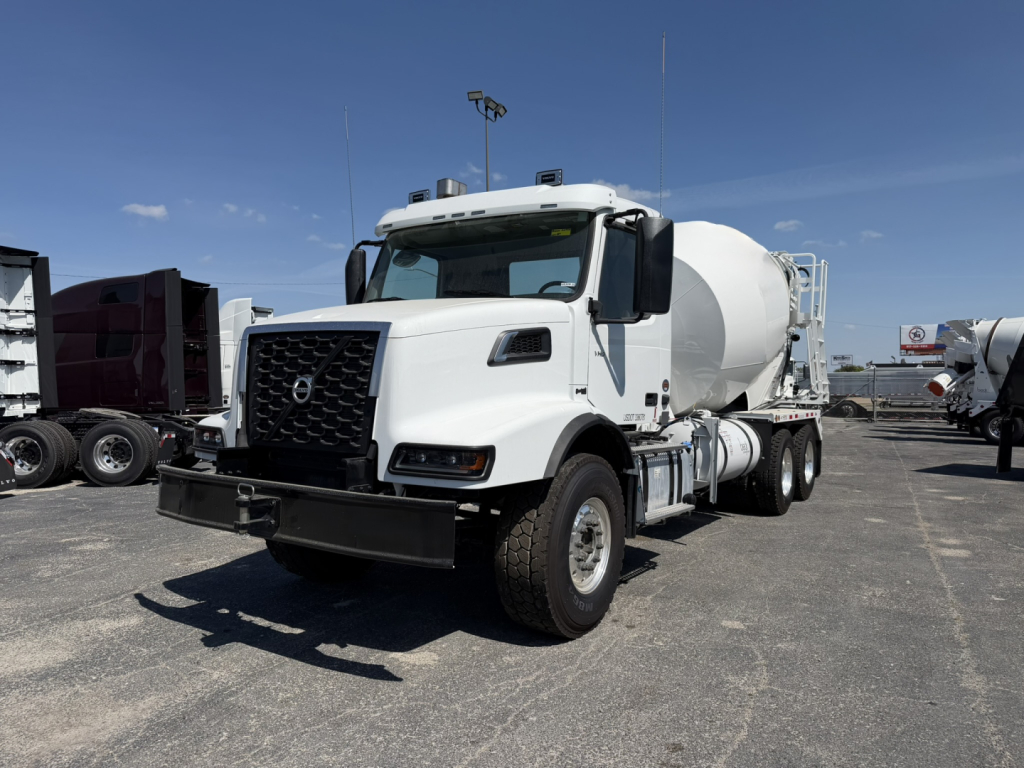
Shop new 2026 mixer trucks for sale in Texas. Compare ready-mix specs, drum capacity, chassis options, axle setups, and jobsite features.
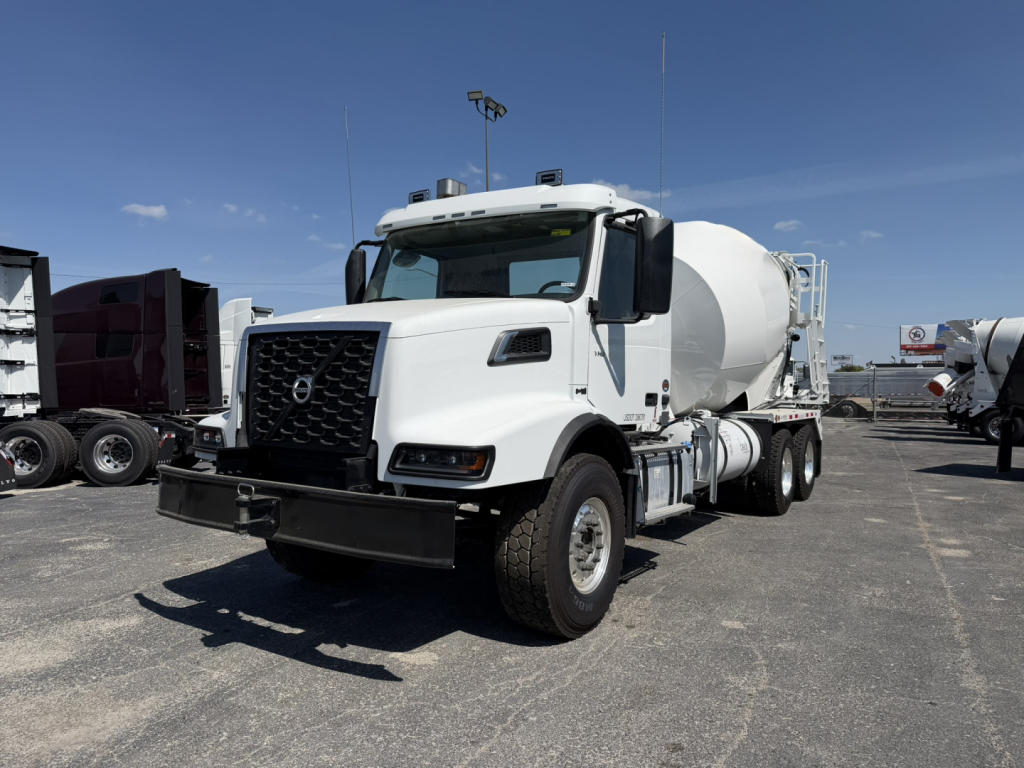
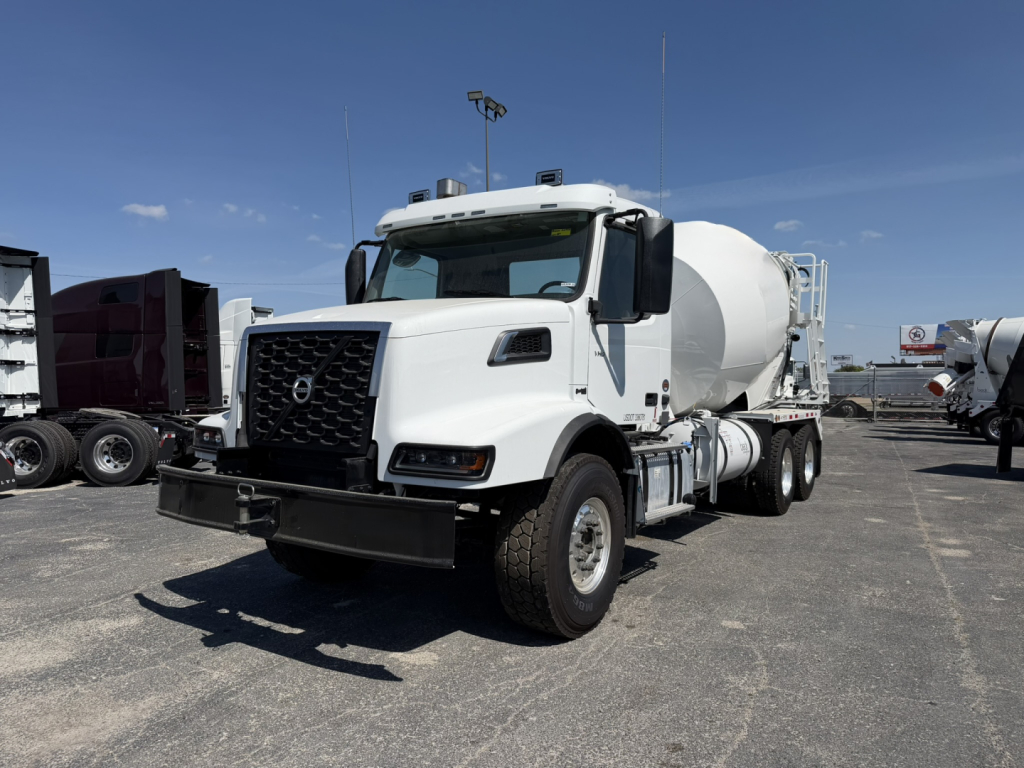
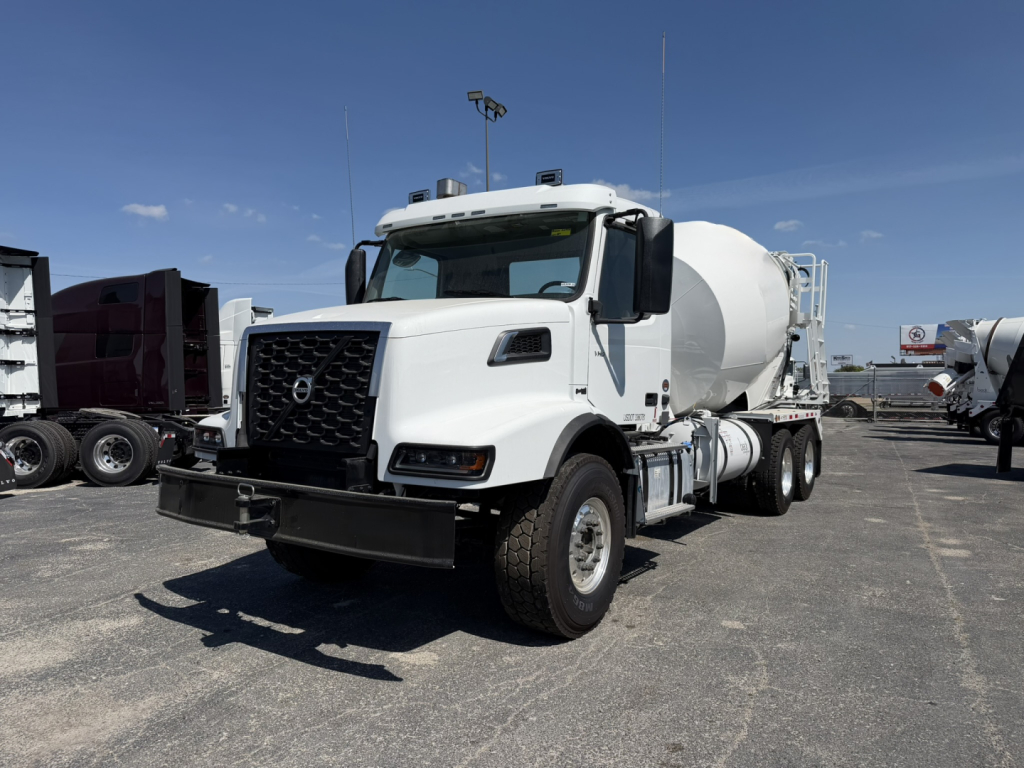
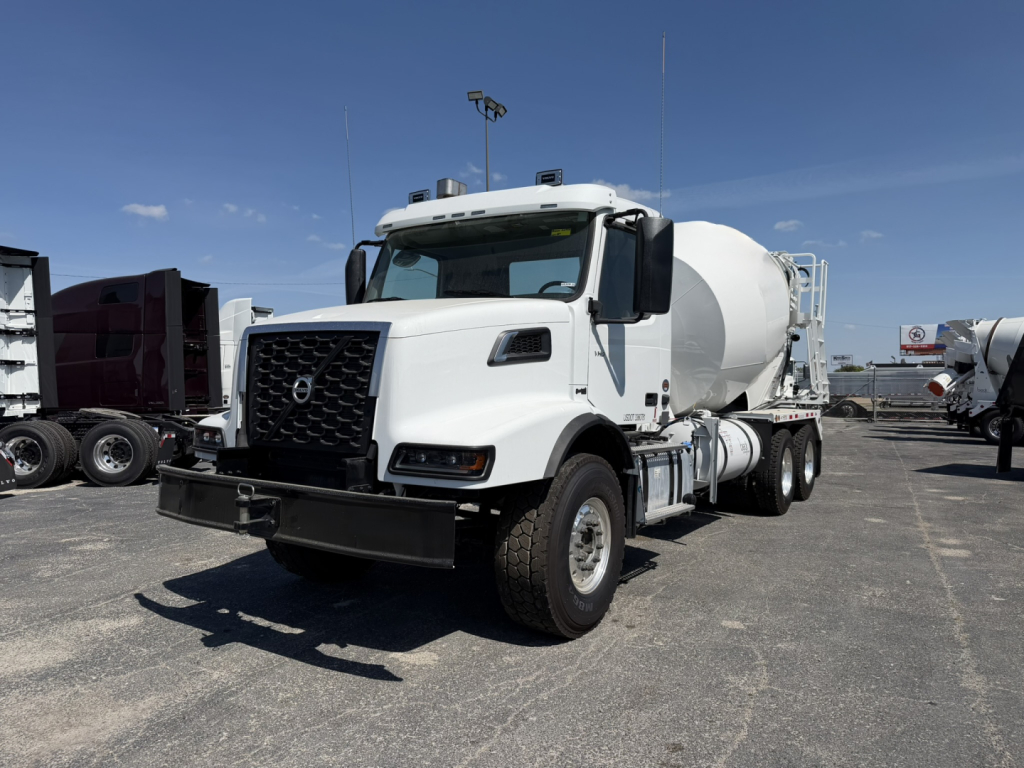
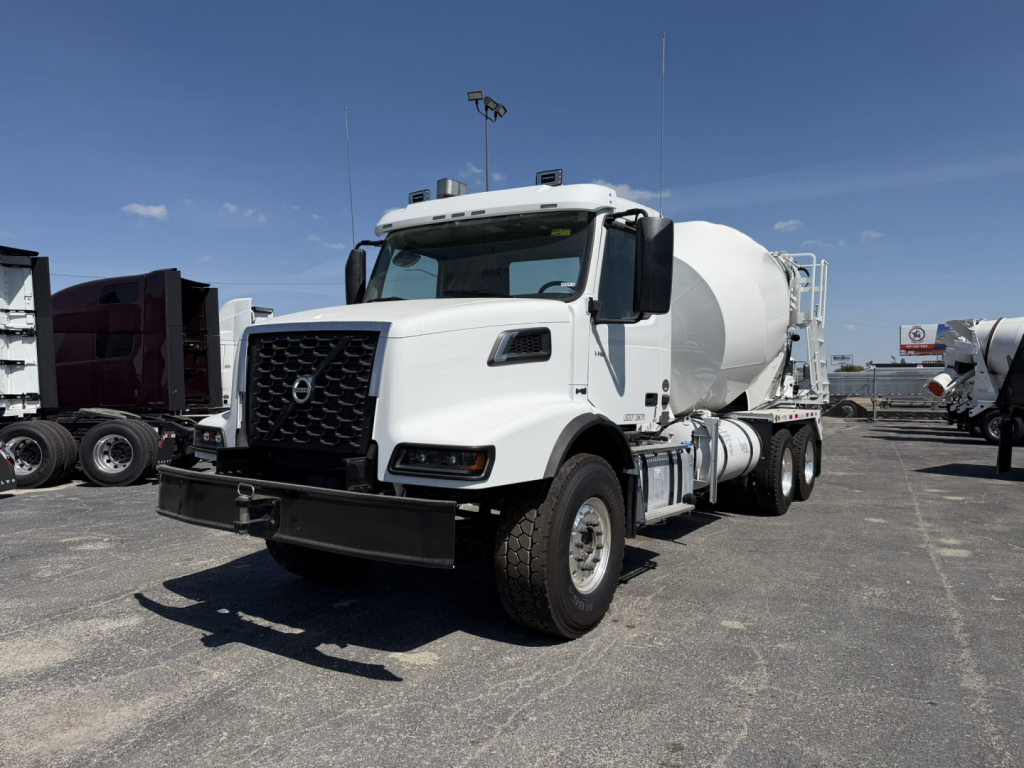
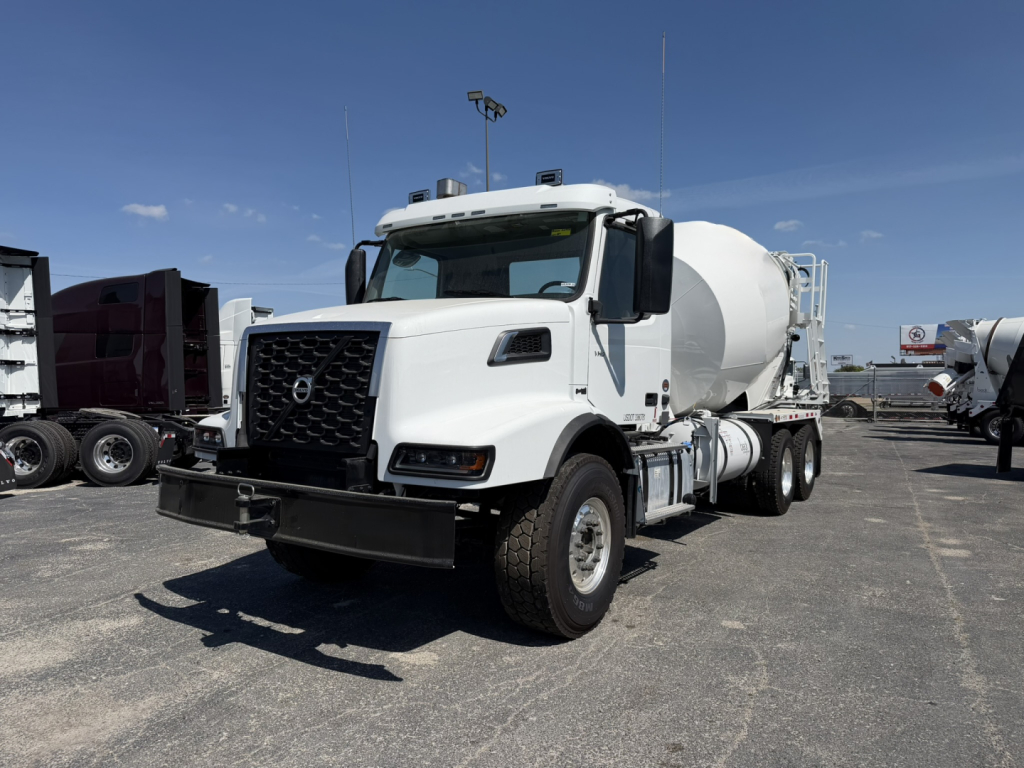
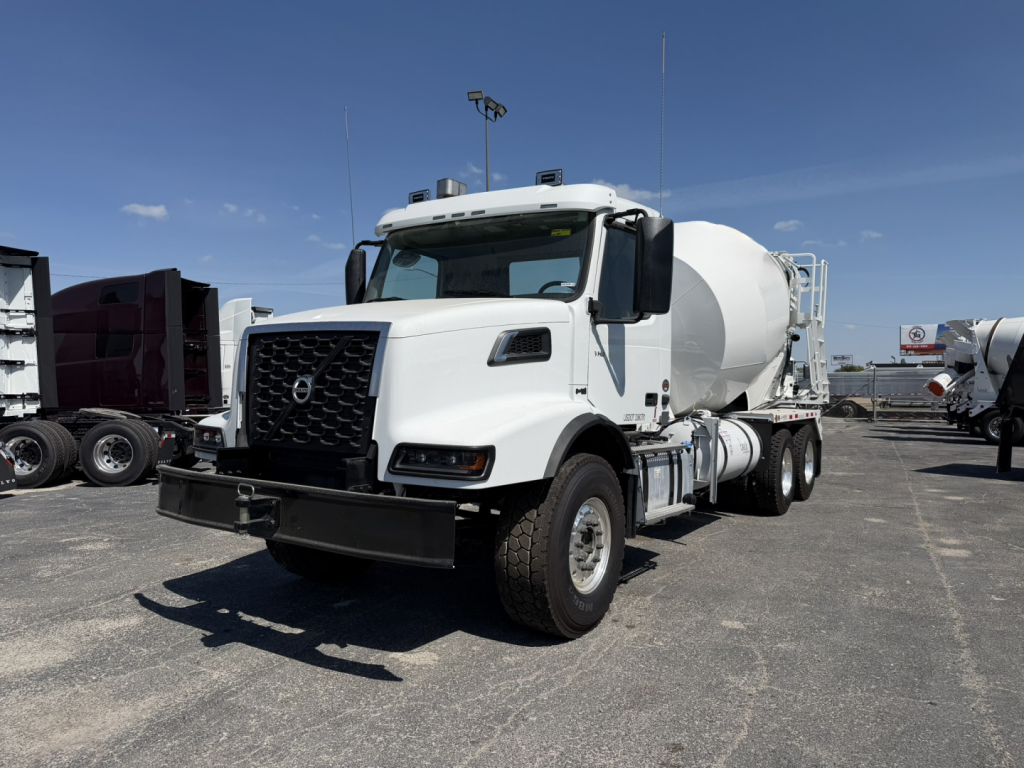
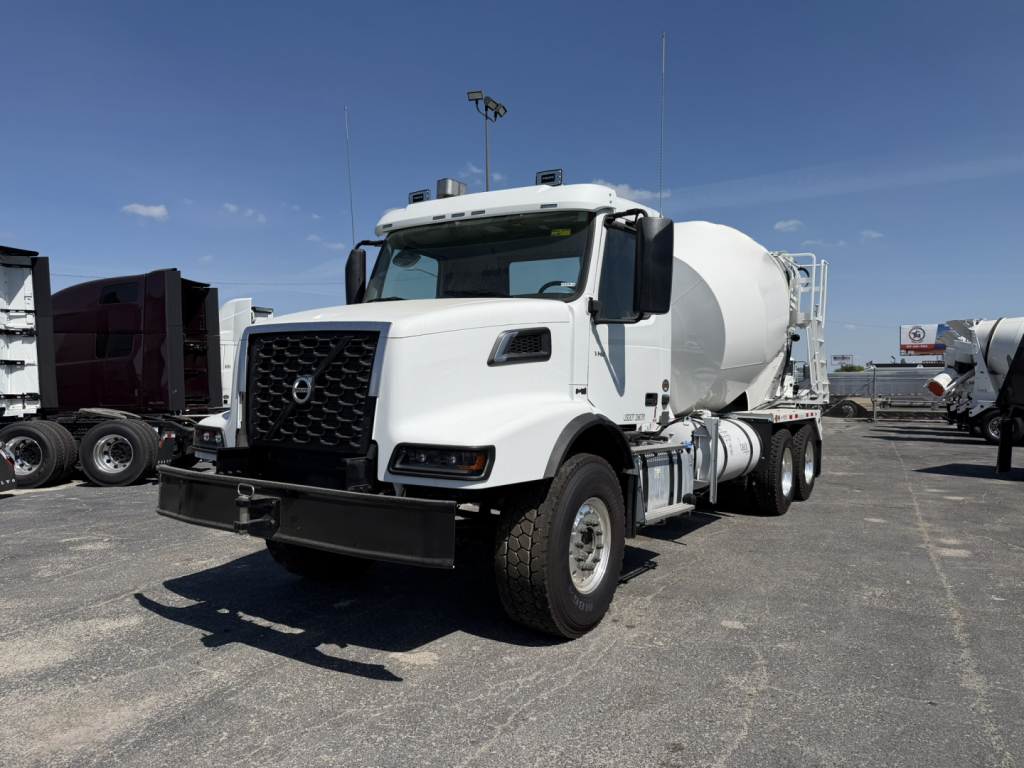
Selling a new 2026 mixer truck? List your new 2026 mixer truck for sale and reach thousands of commercial buyers.
New 2026 Mixer Trucks in Texas
The drum package matters as much as the truck underneath it. Buyers should look closely at drum material thickness, charge and discharge performance, water tank capacity, chute storage, and rear control layout. Features such as in-cab drum rotation controls, digital revolution counters, boot wash systems, remote roller greasing, and night-pour lighting can improve daily efficiency and reduce operator fatigue. Mixer body brands and configurations vary, but the best setups are designed to balance mix quality, discharge speed, and service access. On a new unit, hydraulic system layout, PTO integration, and parts support are worth as much attention as rated yardage.
Texas operating conditions put extra emphasis on cooling performance, brake spec, and durability on mixed pavement and jobsite surfaces. Full disc brakes, interwheel differential locks, and severe-duty suspension options are increasingly common on new mixer trucks because they help with control, traction, and shorter stopping distances under load. Engine choices in this class are typically in the 11-liter to 13-liter range, with vocational calibrations tuned for repeated starts, short hauls, and PTO-driven work. Automatic transmissions remain popular because they simplify driver training and hold up well in urban concrete delivery cycles.
A good 2026 mixer truck should be matched to the plant, the route, and the pour schedule. Tight urban delivery work favors maneuverability, visibility, and easy chute handling, while high-volume suburban or highway runs may justify higher fuel capacity, upgraded seating, and additional lighting. New mixer trucks also appeal to buyers who want current emissions systems, factory-backed warranty coverage, and updated safety features from the chassis OEM. When comparing listings, pay attention to front axle rating, rear suspension capacity, wheelbase, body brand, water system size, and the exact mixer controls included, because those details have a direct effect on payload, turnaround time, and long-term operating cost.
Frequently Asked Questions about New 2026 Mixer Trucks in Texas
What size drum is most common on a new mixer truck?
Many new ready-mix trucks are spec'd with drums in the 10 to 11 cubic yard range, although legal payload and local regulations can limit how much concrete is actually hauled on the road. The right drum size depends on axle ratings, bridge-law compliance, and the type of work being done. Buyers should compare rated drum capacity with legal carrying capacity, not just the advertised yardage.
Why are automatic transmissions so common in mixer trucks?
Automatic transmissions are popular in mixer applications because concrete delivery involves constant starts, stops, backing, and low-speed maneuvering. An automatic reduces driver fatigue, shortens training time, and helps deliver consistent performance in traffic and on jobsites. In many vocational specs, an Allison automatic is chosen for durability and smooth PTO-related operation.
What should a Texas buyer look for in a new mixer truck spec?
Texas buyers often focus on axle ratings, cooling capacity, brake performance, and traction features because trucks may see heat, traffic, rough access roads, and high utilization. A practical spec often includes a severe-duty vocational chassis, strong front axle capacity, differential locks, adequate water capacity, and lighting for early-morning or night pours. Service network coverage across the state is also an important consideration.
Which chassis features matter most on a ready-mix truck?
The most important chassis features usually include front axle capacity, rear suspension rating, wheelbase, engine torque curve, transmission choice, and brake package. These factors affect payload, maneuverability, stopping performance, and durability. Buyers should also evaluate visibility from the cab, turning radius, and how well the chassis is integrated with the mixer body and hydraulic system.
What mixer body options can improve day-to-day productivity?
Useful productivity features include in-cab rear drum rotation controls, digital drum revolution counters, larger water tanks, remote greasing systems, boot wash equipment, and well-designed chute storage. Night-pour lights and accessible service points also help reduce downtime and speed up turnaround between loads. Small body-spec details can make a major difference over a full year of concrete delivery work.