
New Mixer Trucks For Sale
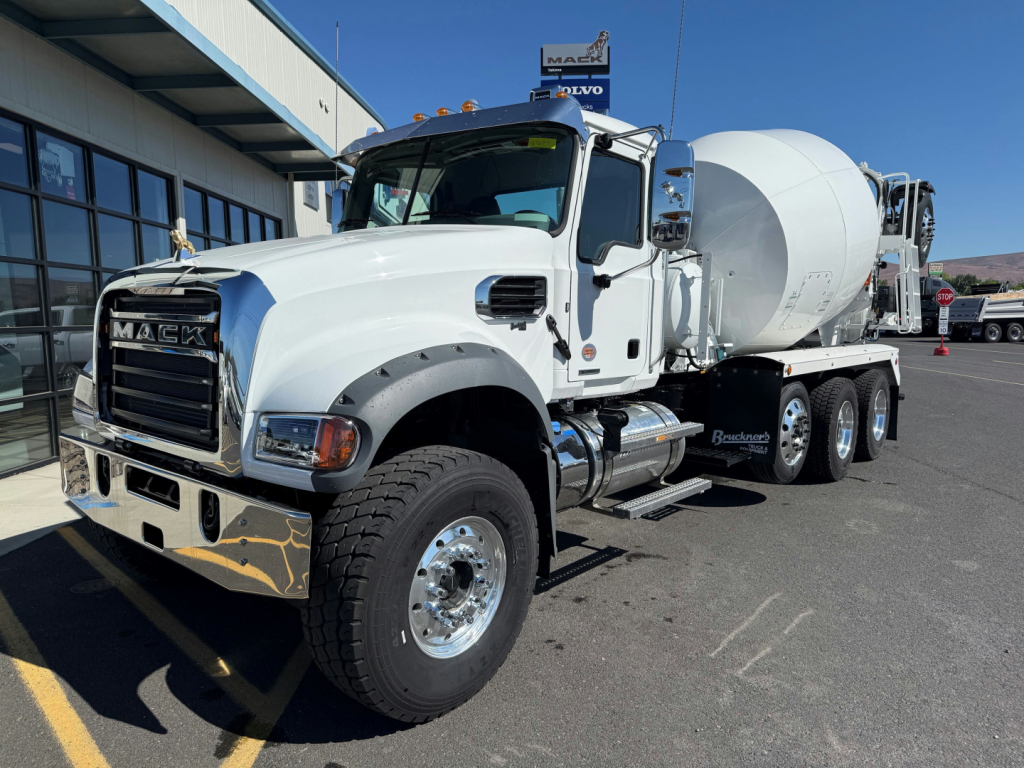
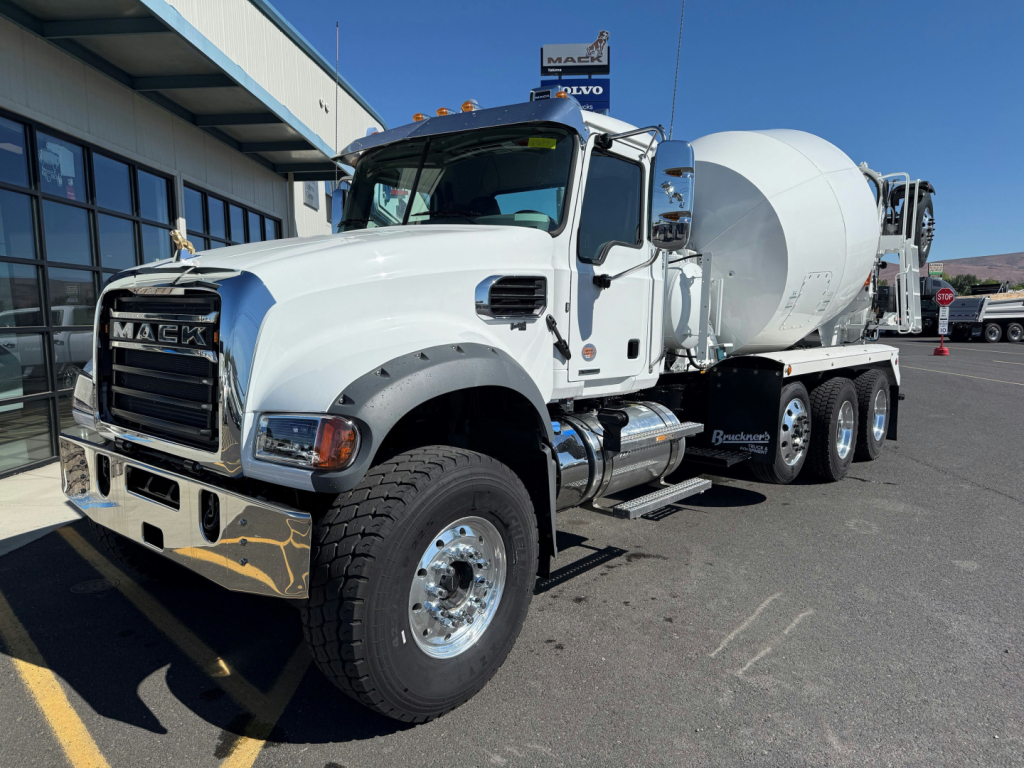
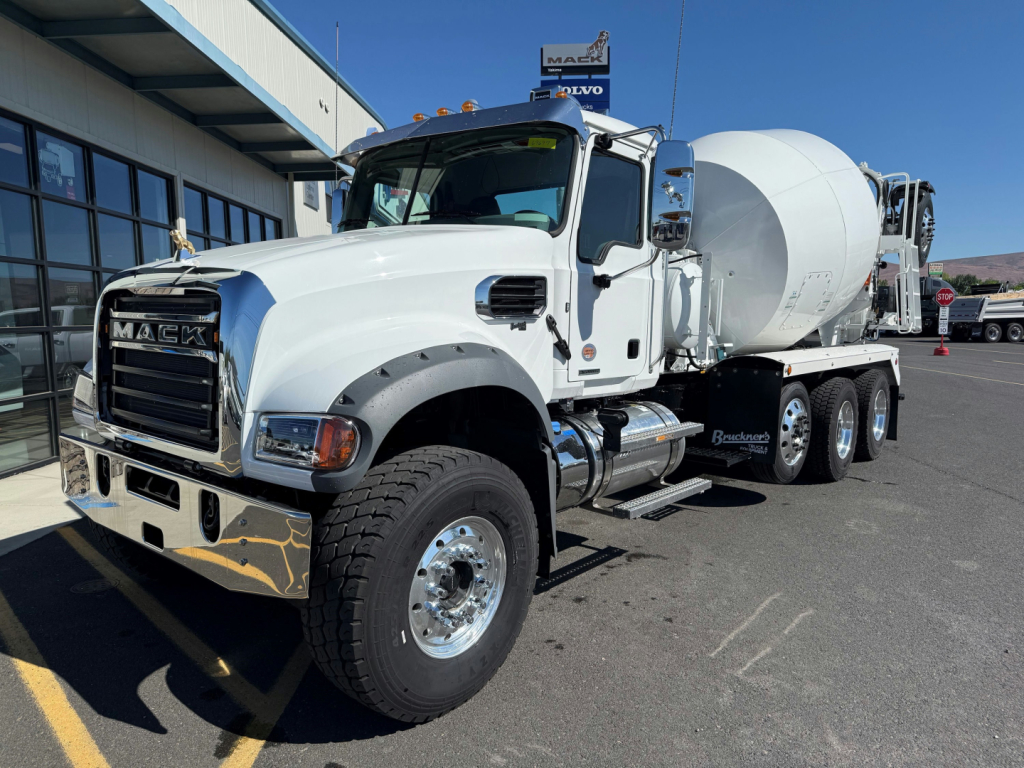
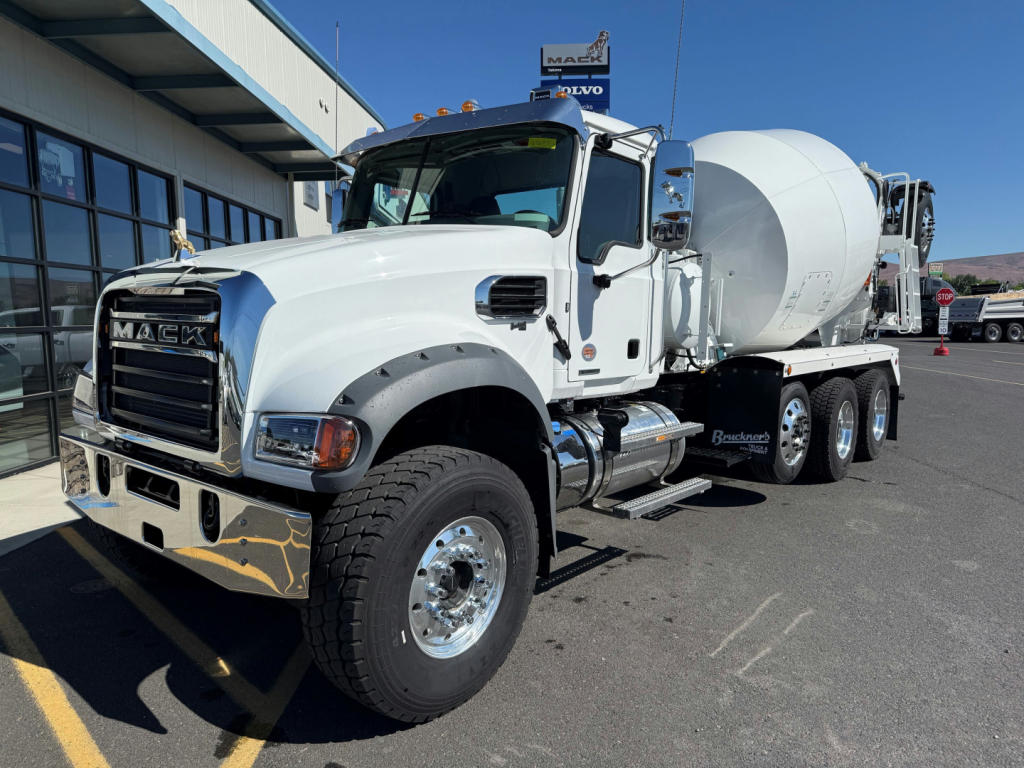
New mixer trucks for sale, including ready-mix concrete trucks with modern chassis, drum, axle, and bridge-law specs for construction fleets.
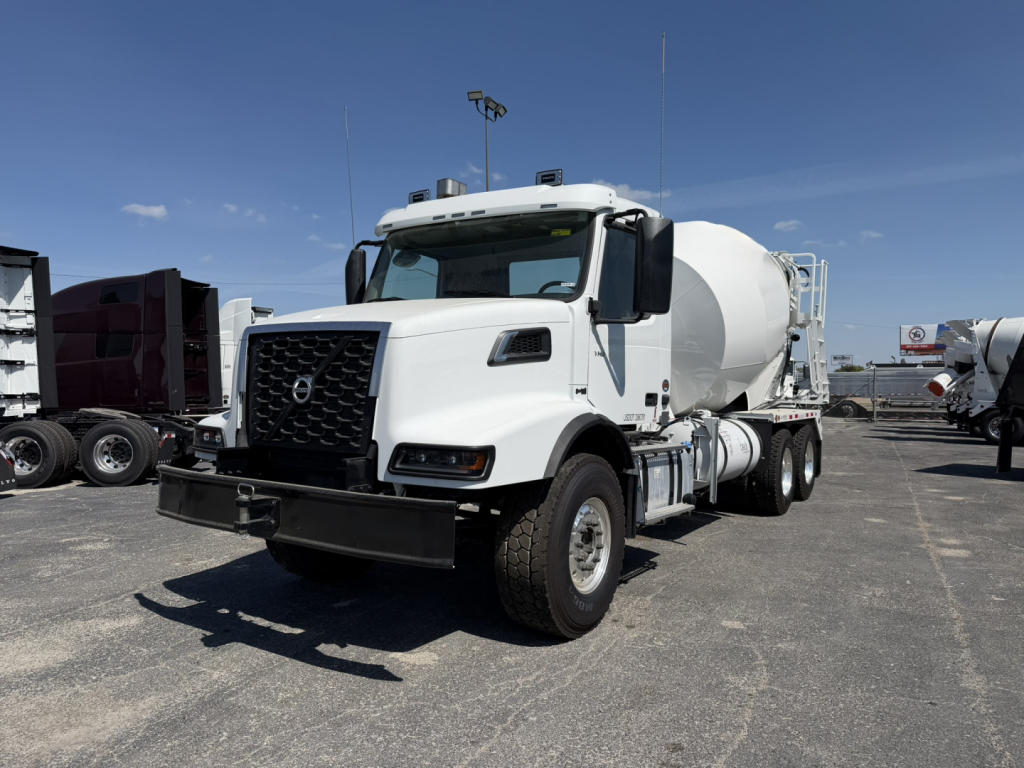
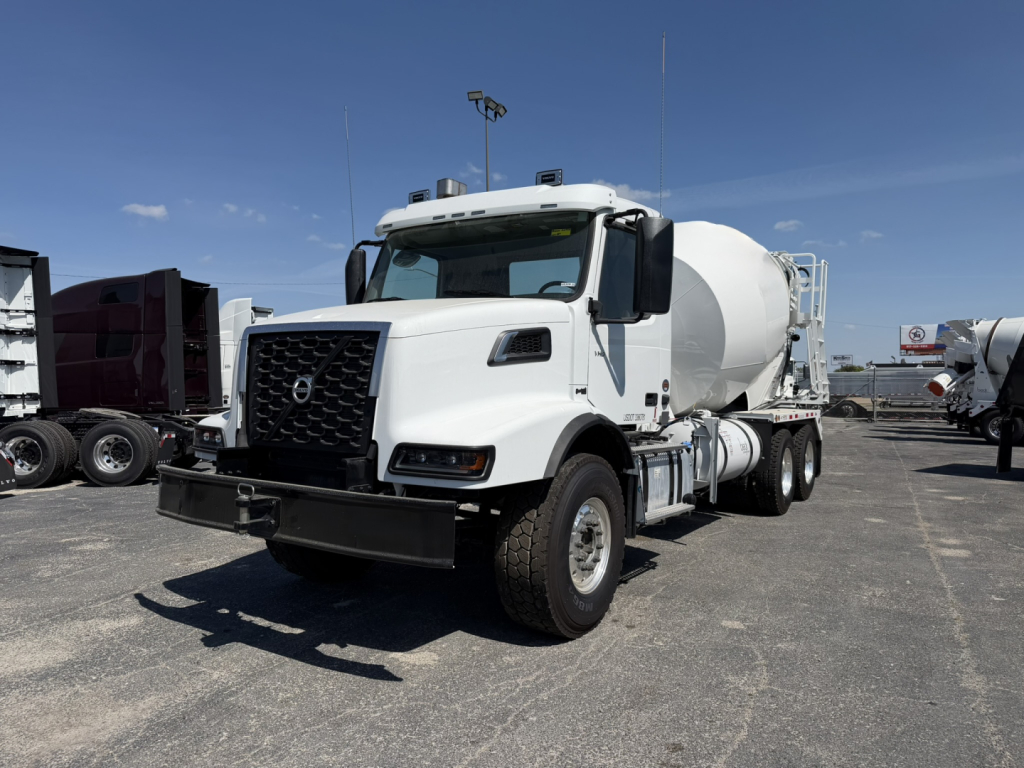
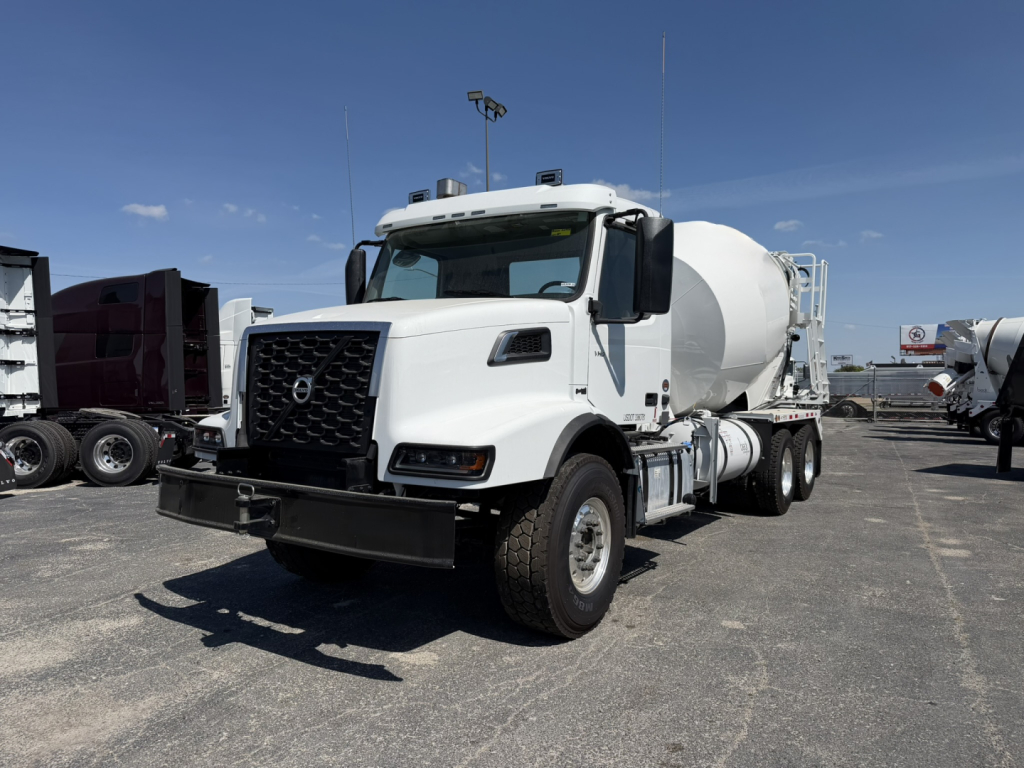
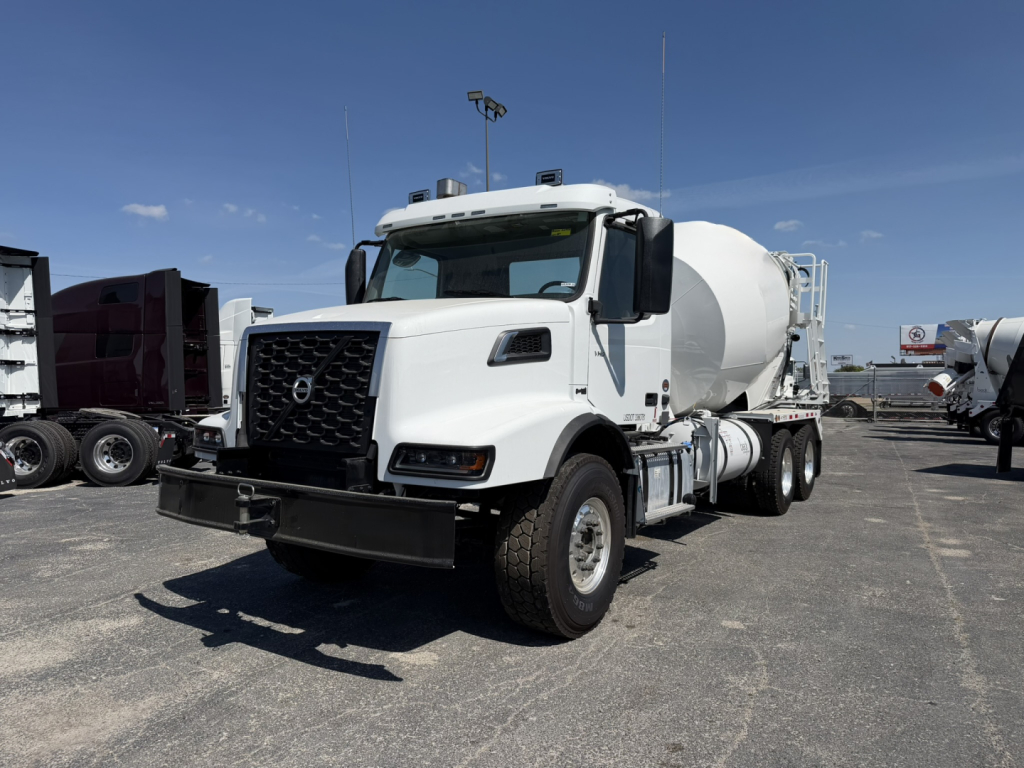
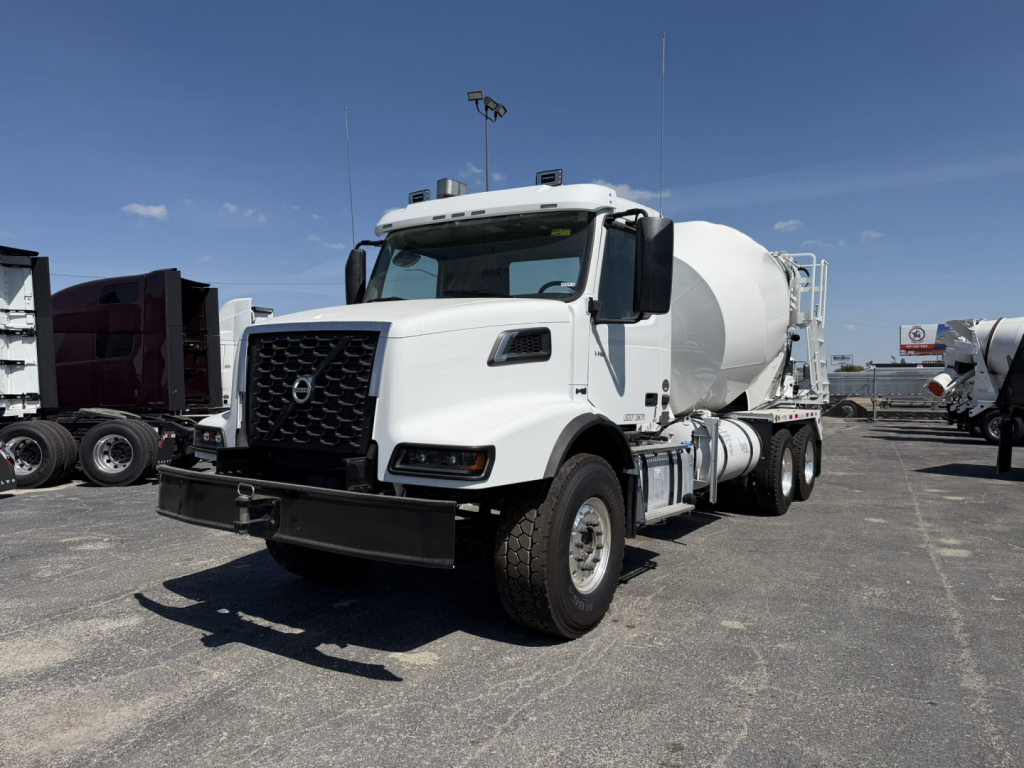
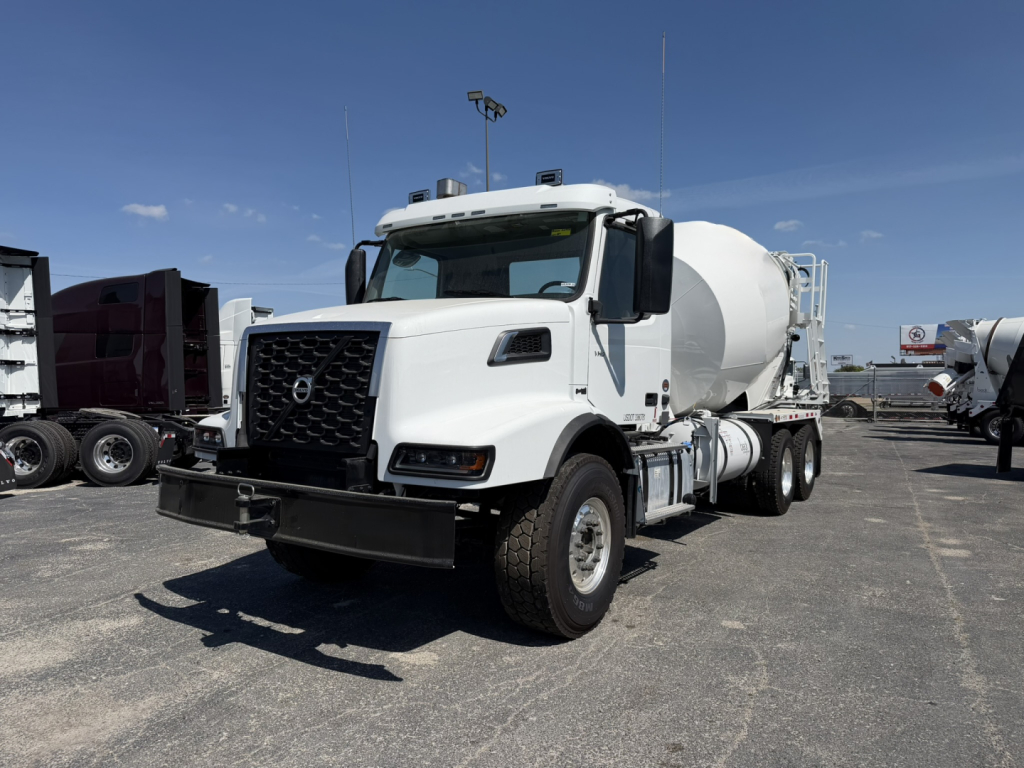
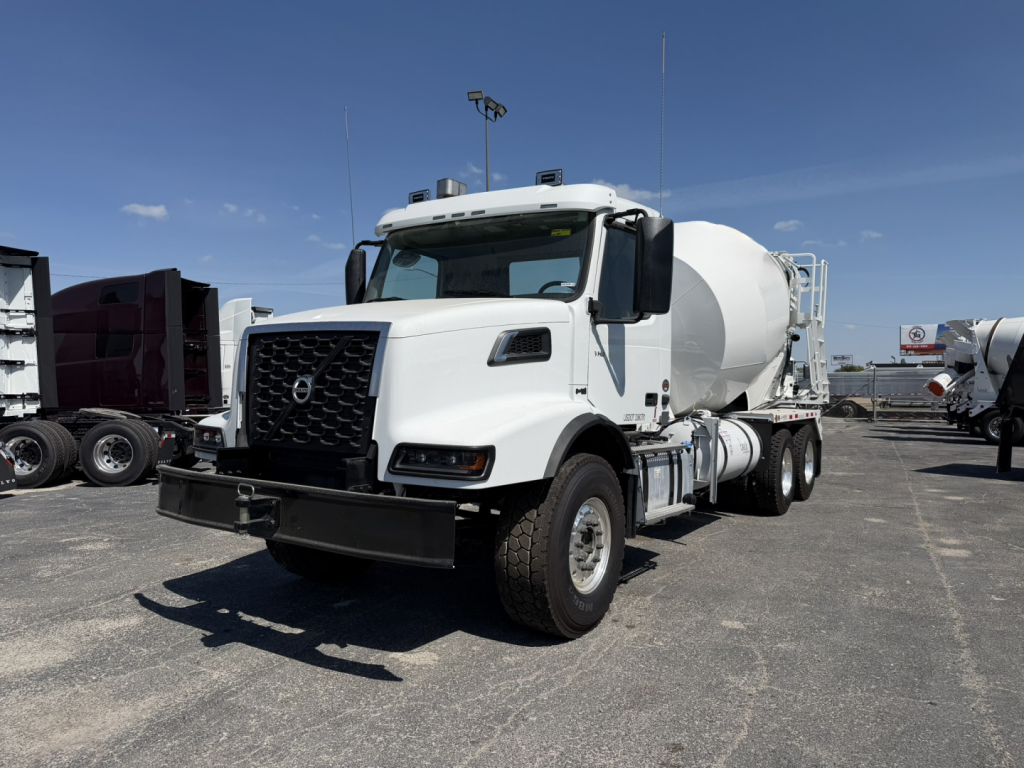
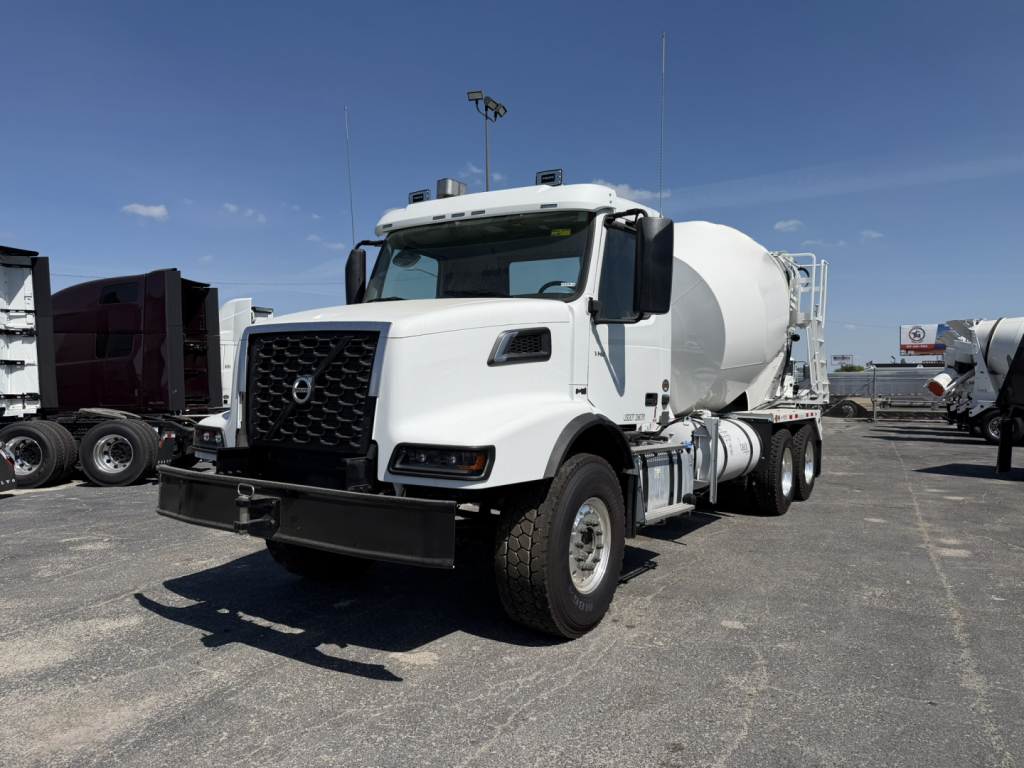
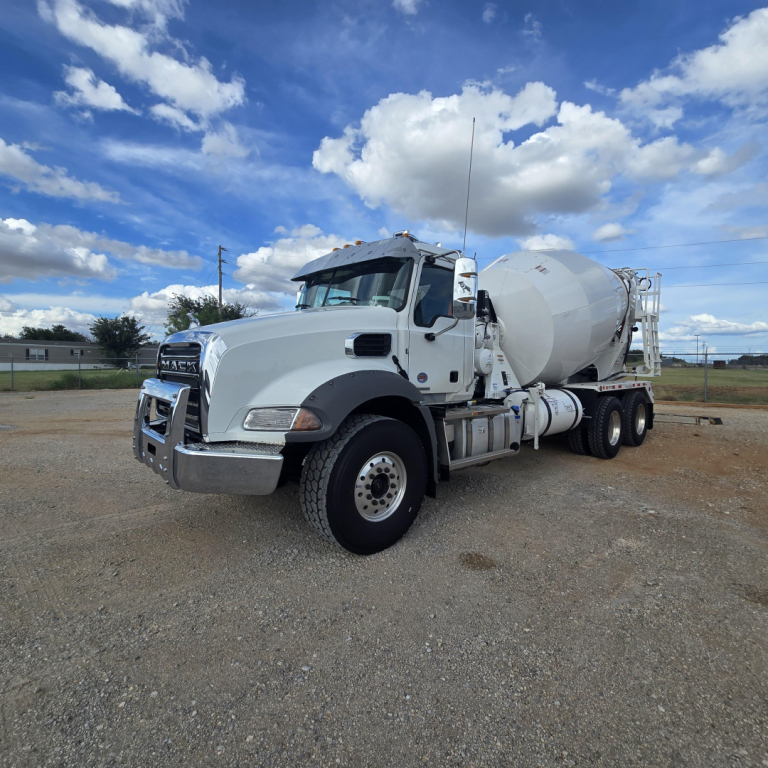
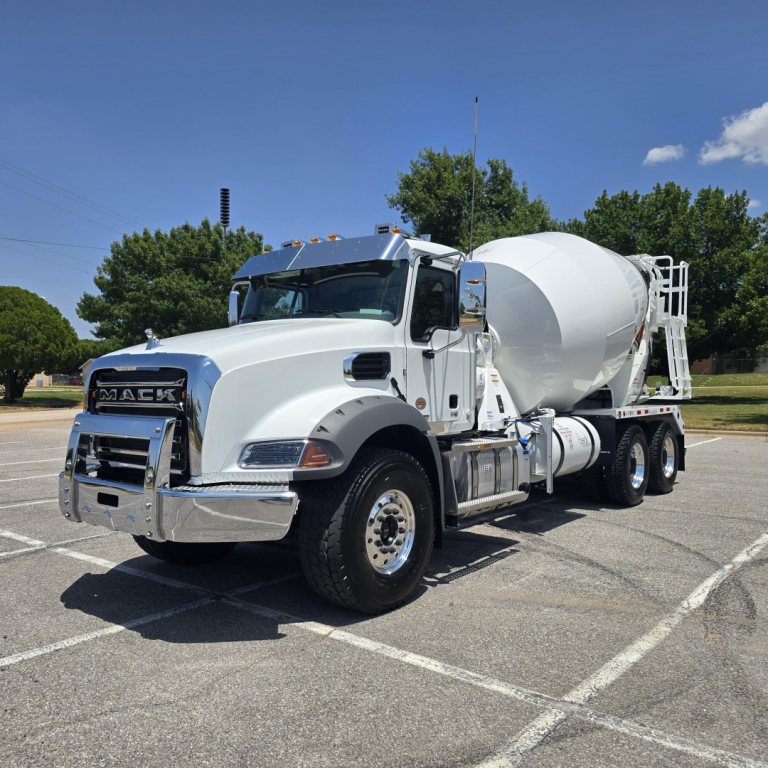
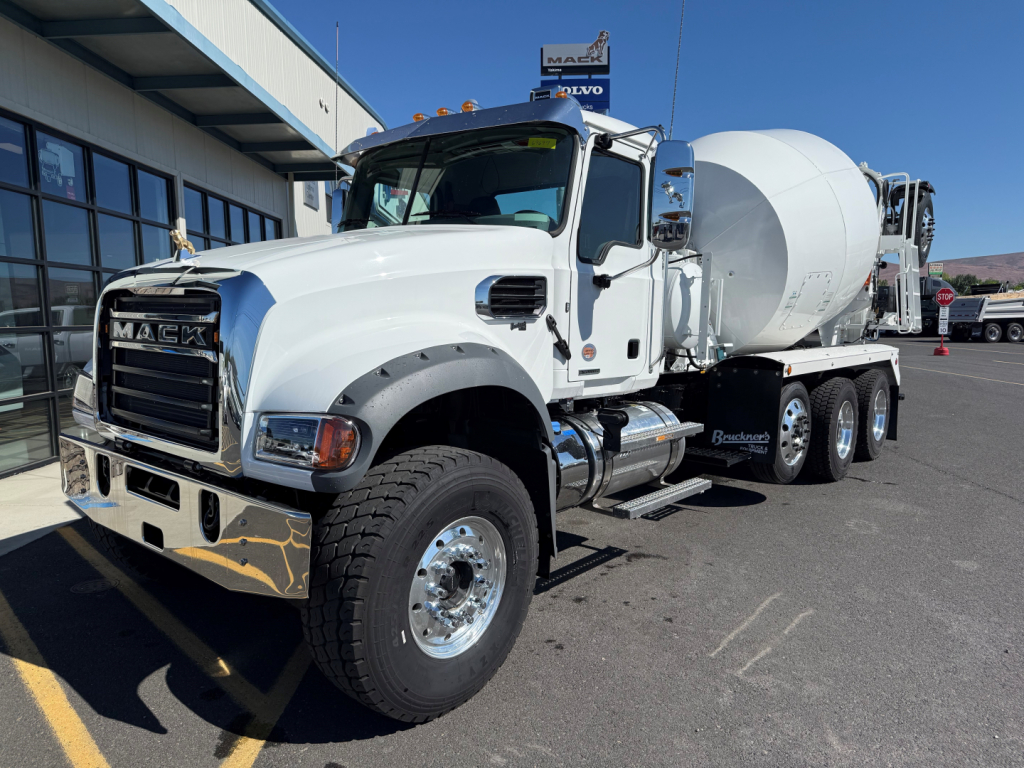
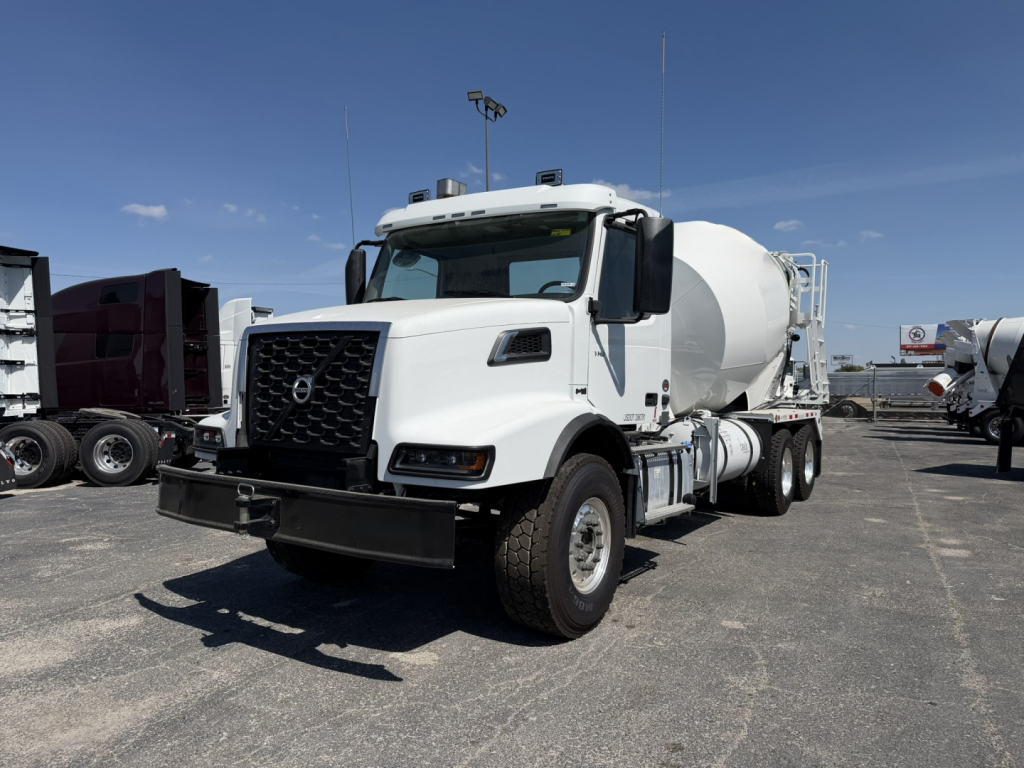
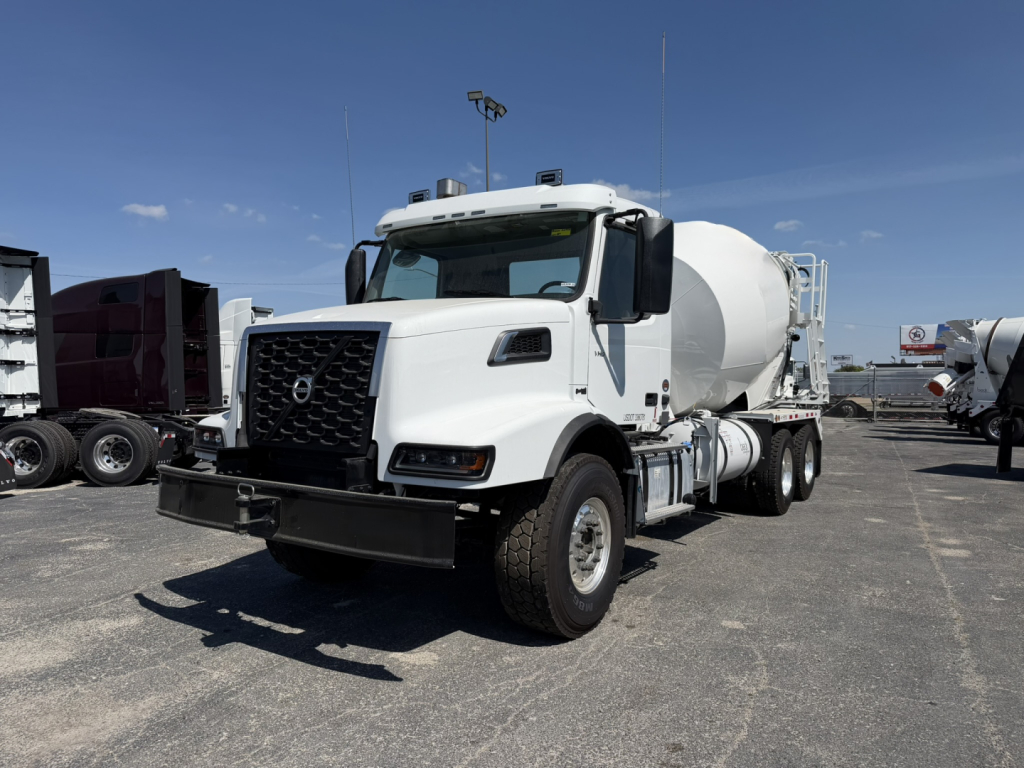
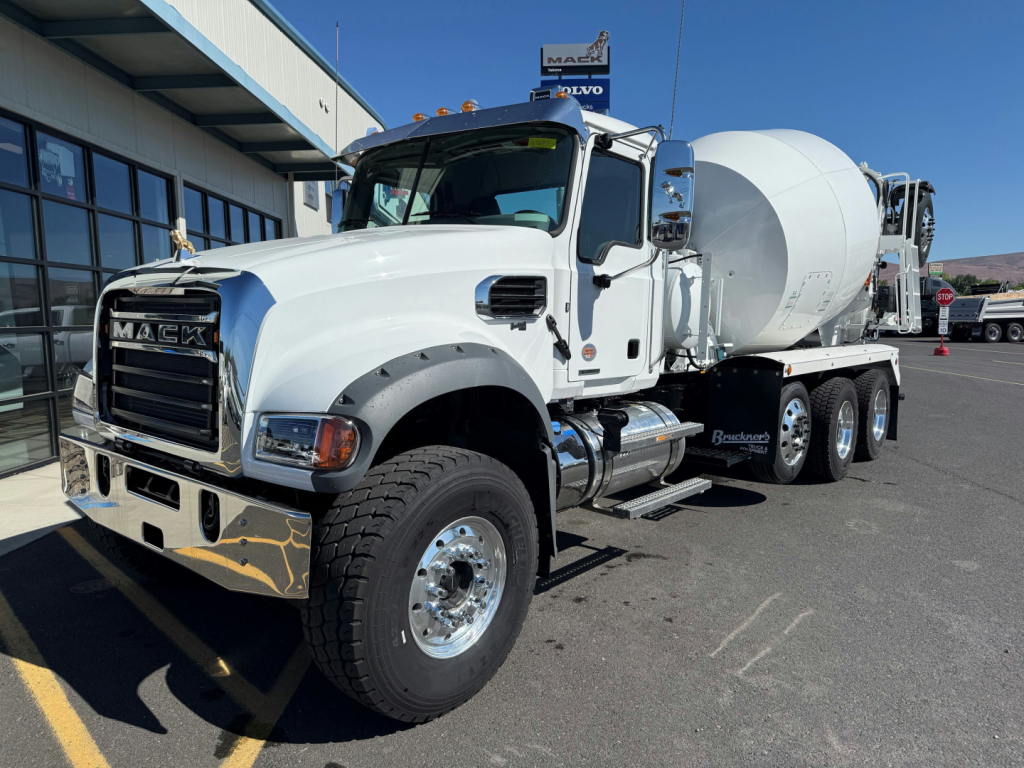
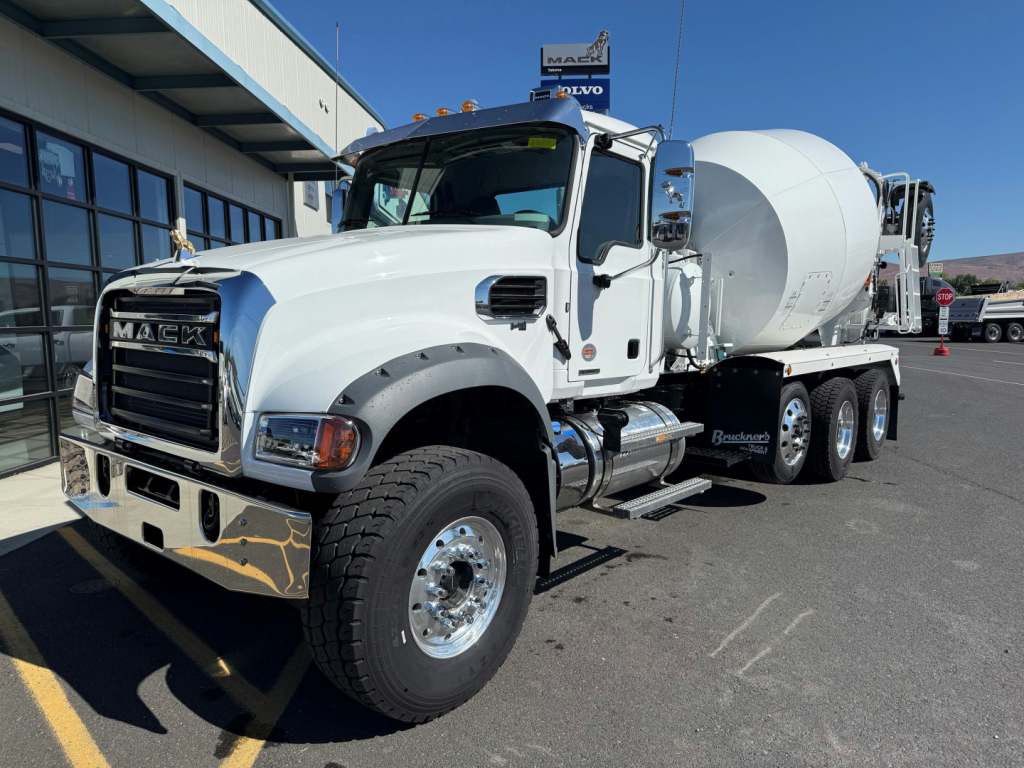
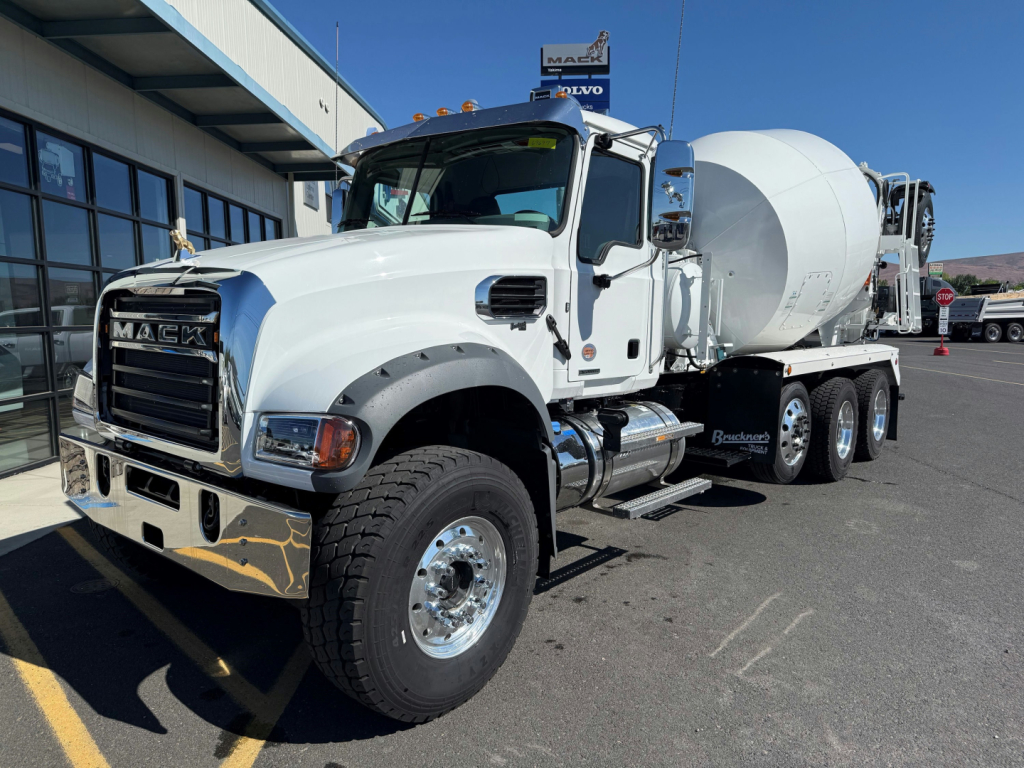
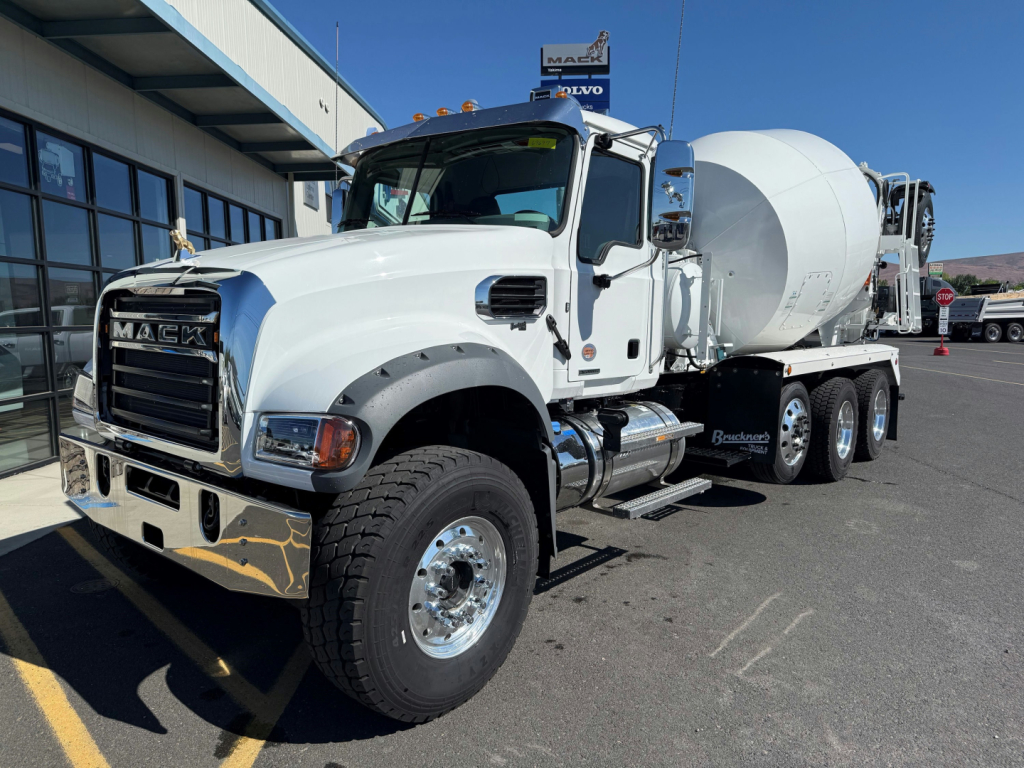

Selling a new mixer truck? List your new mixer truck for sale and reach thousands of commercial buyers.
New Mixer Trucks
Drum capacity, material, and hydraulic performance are key buying points in this category. Many new mixer trucks are spec'd in the 10.5 to 12 cubic yard range, but legal load capacity depends on local weight laws, axle spacing, and the exact chassis spec. Contractors and ready-mix producers should look closely at drum speed, charge and discharge performance, water tank capacity, slump system options, and washout access. Lightweight mixer packages can improve payload, while heavier-duty drums and subframes may deliver better long-term durability in demanding service. Front discharge mixers give the operator direct placement control and can reduce the need for spotters in some applications, while rear discharge mixers remain common for fleets focused on lower acquisition cost and familiar maintenance practices.
Engine and transmission selection should match route profile and PTO demand. Mixer trucks spend a lot of time in low-speed operation, on short hauls, and in urban traffic, so torque delivery, cooling capacity, and automatic transmission programming are more important than highway speed. Severe-service vocational models from builders like Mack are commonly chosen for their rugged frames, set-back or set-forward axle options, and vocational cab layouts. Buyers should also review visibility, cab entry height, steering cut, and driver-side controls, especially for repetitive city deliveries and tight residential pours. Safety and uptime features such as backup cameras, high-visibility fenders, collision mitigation systems, automatic greasing, and centralized lube points can make a measurable difference over the life of the truck.
A new mixer truck offers the advantage of ordering the chassis and body as a matched package instead of adapting to an older truck's limitations. That matters when you need precise axle ratings, exact drum capacity, plant loading compatibility, and emissions-compliant power. It also gives buyers the chance to spec for local conditions such as steep grades, soft jobsites, frequent bridge crossings, or winter operation. The best new mixer truck is not just the one with the biggest drum. It is the one built around your legal payload target, dispatch radius, plant setup, driver preferences, and maintenance capability.
Frequently Asked Questions about New Mixer Trucks
What is the most important spec to compare on a new mixer truck?
Axle configuration is usually the first spec to compare because it affects legal payload, turning radius, bridge-law compliance, and where the truck can operate. A truck with the right axle spacing, suspension ratings, and lift axle setup can be more productive than a larger drum on the wrong chassis. Buyers should evaluate axle ratings together with wheelbase, local weight limits, and the mixer body's installed weight.
How many cubic yards does a new mixer truck typically carry?
Many new mixer trucks are built with drum capacities around 10.5 to 12 cubic yards, but rated drum size is not the same as legal payload on the road. Actual carrying capacity depends on the mixer package weight, chassis spec, axle ratings, and state or local weight laws. A buyer should confirm both drum volume and legal loaded weight for the routes the truck will run.
Should I choose a front discharge or rear discharge mixer truck?
Front discharge mixer trucks give the driver direct visibility of the chute and can improve placement control on many jobsites. They are often preferred for complex pours, tighter site access, and operations that want to reduce dependence on a second crew member for spotting. Rear discharge mixers are still widely used because they are familiar, often simpler to service, and can be a practical choice for fleets with established operating procedures around rear chute delivery.
What chassis features matter most on a severe-duty concrete mixer truck?
Frame strength, suspension capacity, PTO compatibility, cooling performance, steering cut, and cab visibility are all critical on a mixer truck chassis. Concrete delivery creates repeated high-load cycles, tight turns, and constant stop-and-go use, so the truck must be built for vocational duty rather than general on-road service. Buyers should also look at transmission calibration, brake spec, and ease of maintenance because those factors directly affect uptime and driver acceptance.
Why buy a new mixer truck instead of an older used unit?
A new mixer truck allows the buyer to spec the chassis and mixer body around current payload goals, emissions requirements, and jobsite demands. That can improve reliability, warranty coverage, driver satisfaction, and long-term maintenance planning. New units also make it easier to order modern safety systems, updated hydraulics, and exact axle configurations without compromising around the limitations of an older truck.