
New 2027 Mixer Trucks For Sale
Shop new 2027 mixer trucks built for concrete delivery with modern chassis, automatic transmissions, durable drums, and jobsite-ready specs.
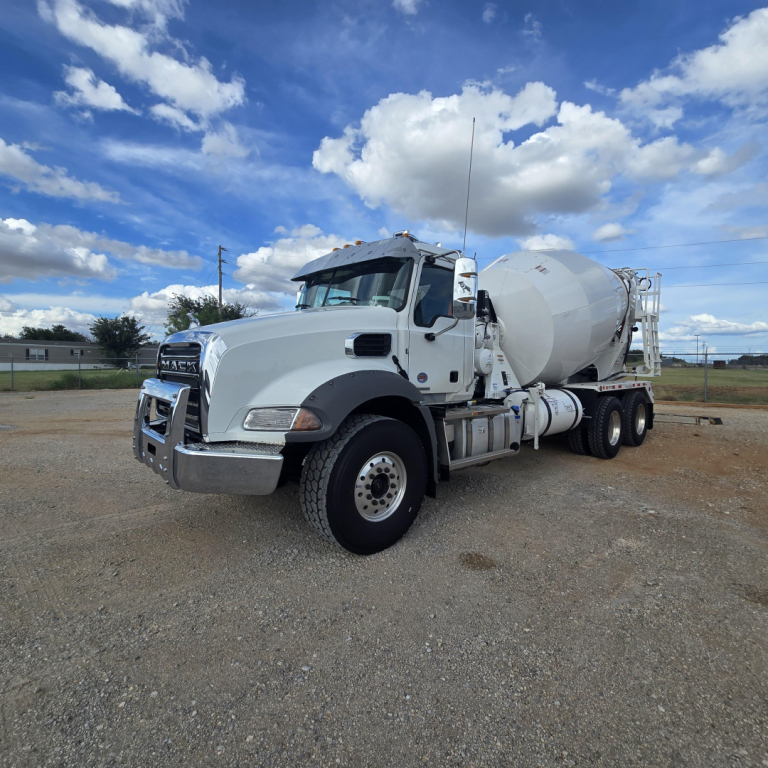
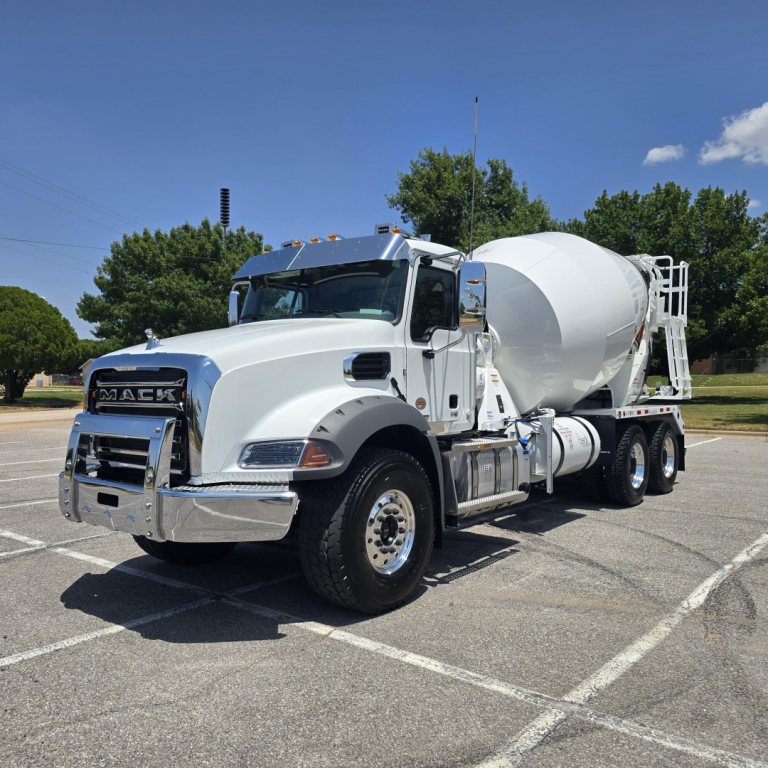
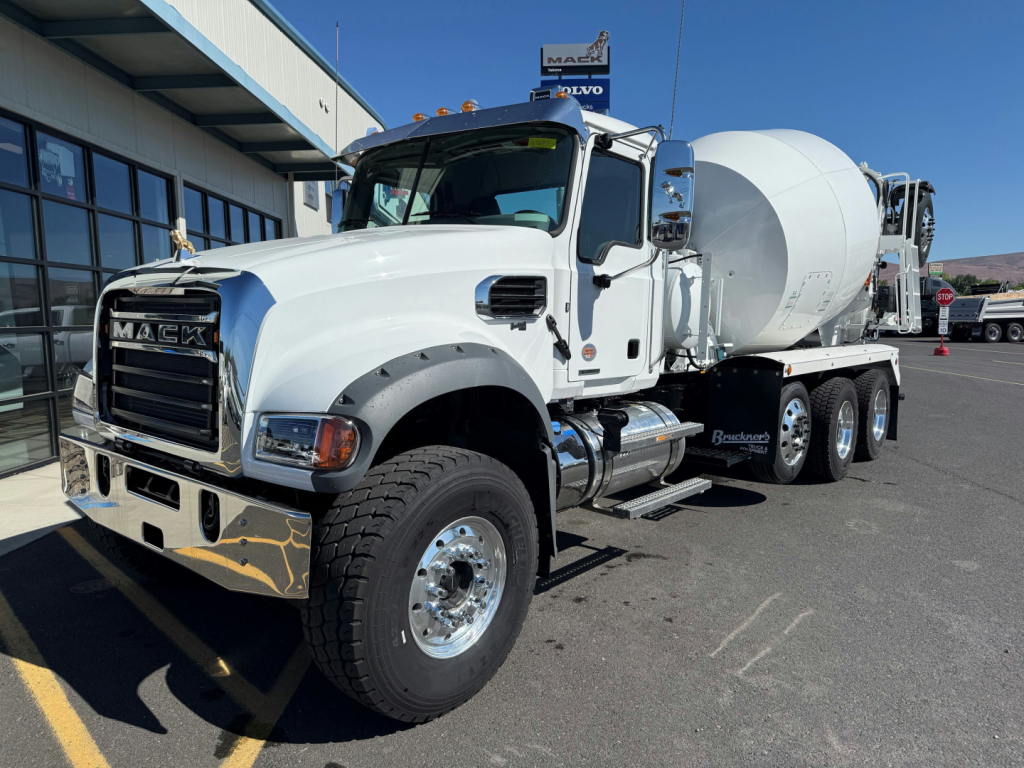
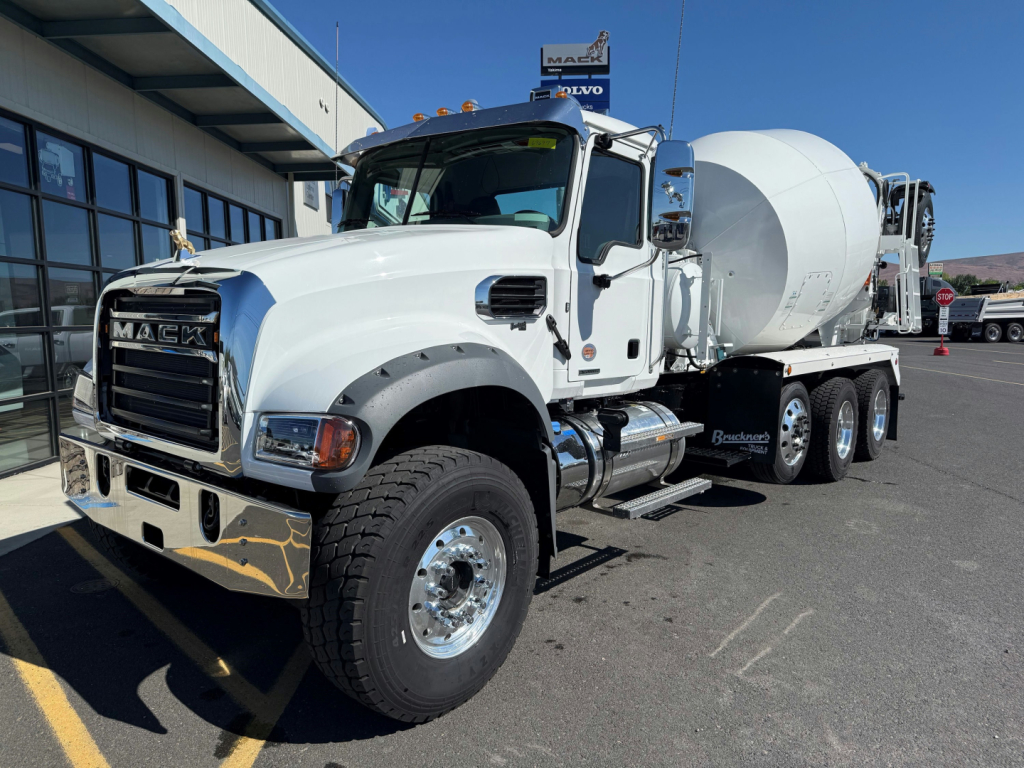
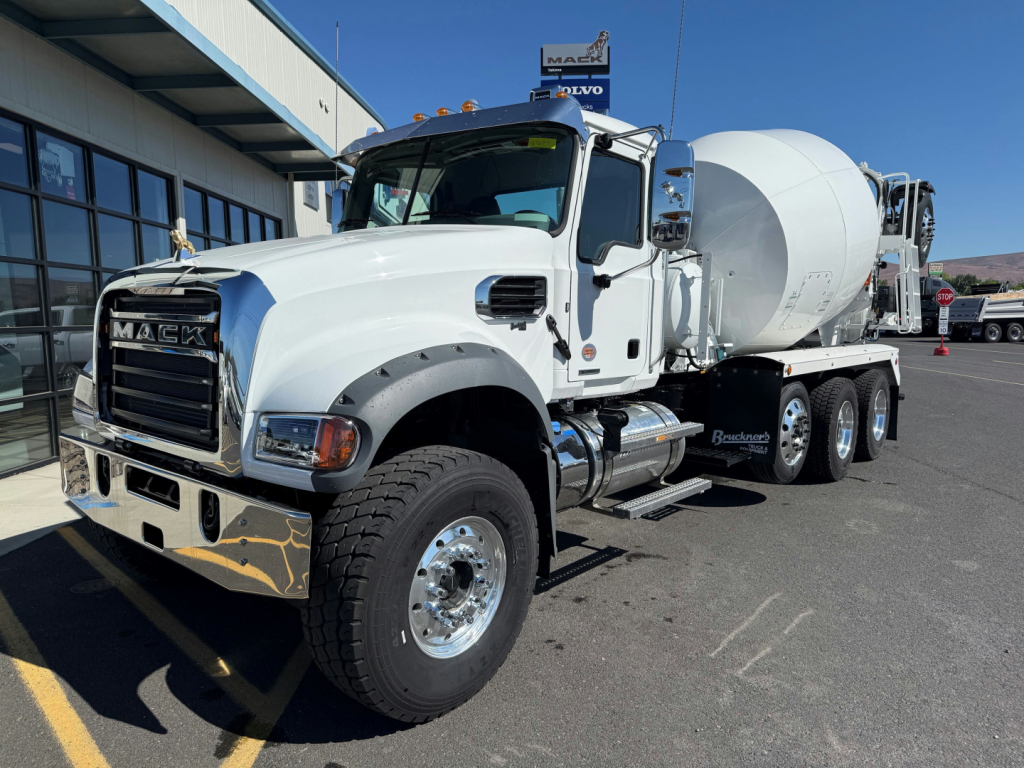
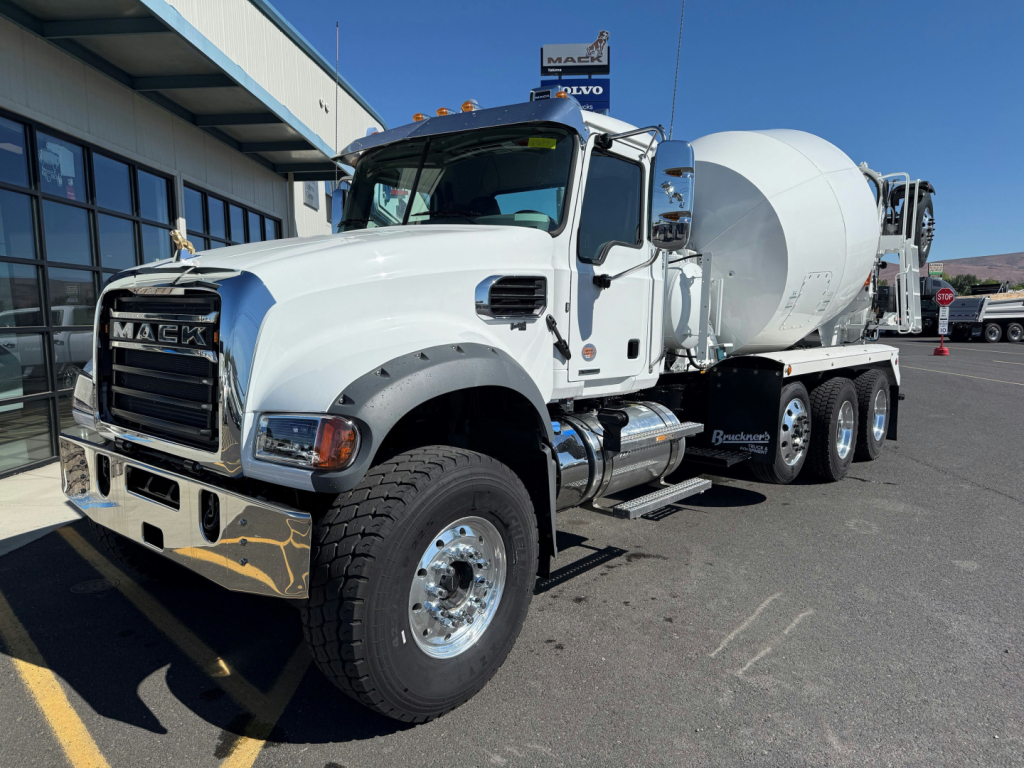
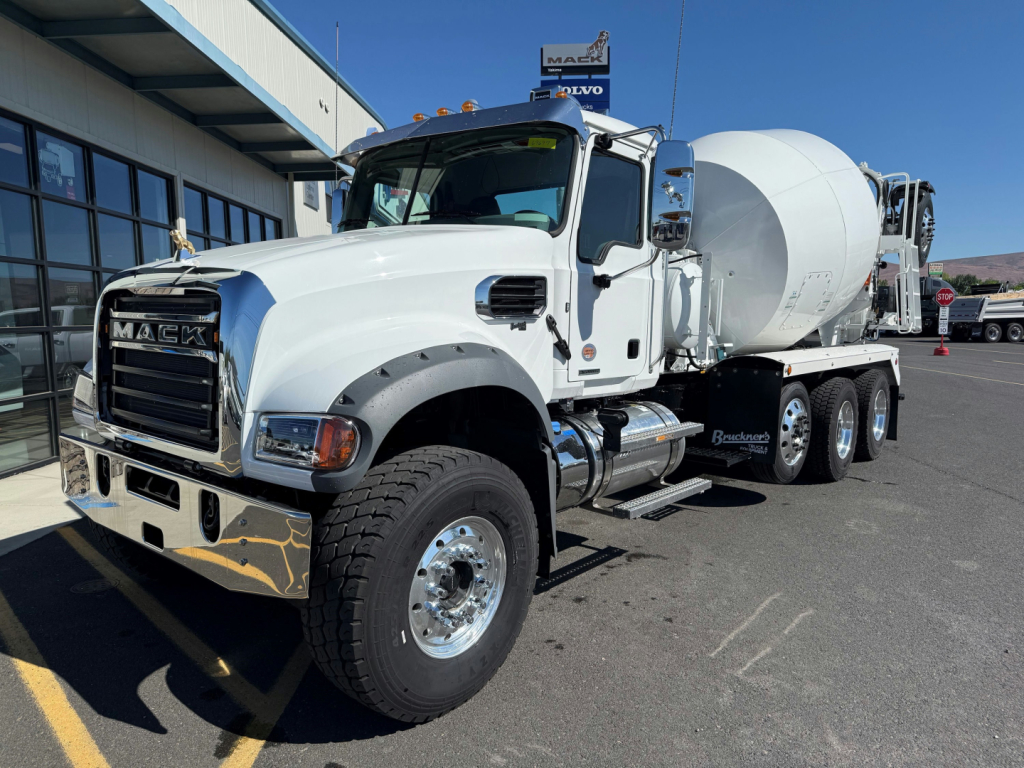

Selling a new 2027 mixer truck? List your new 2027 mixer truck for sale and reach thousands of commercial buyers.
New 2027 Mixer Trucks
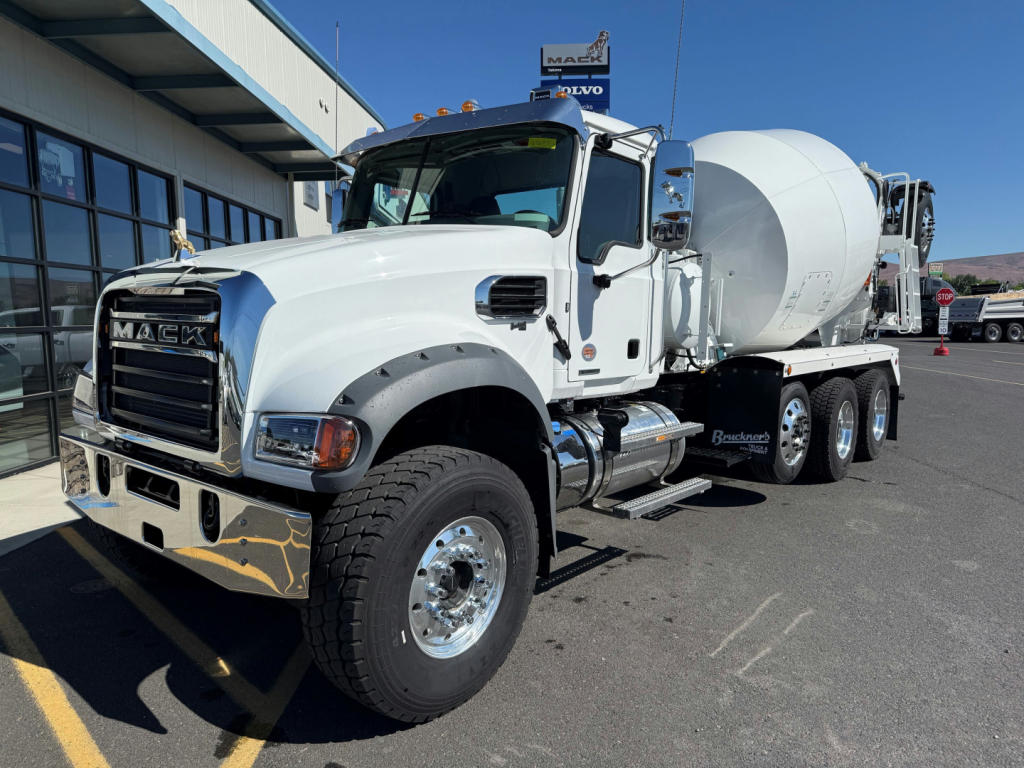
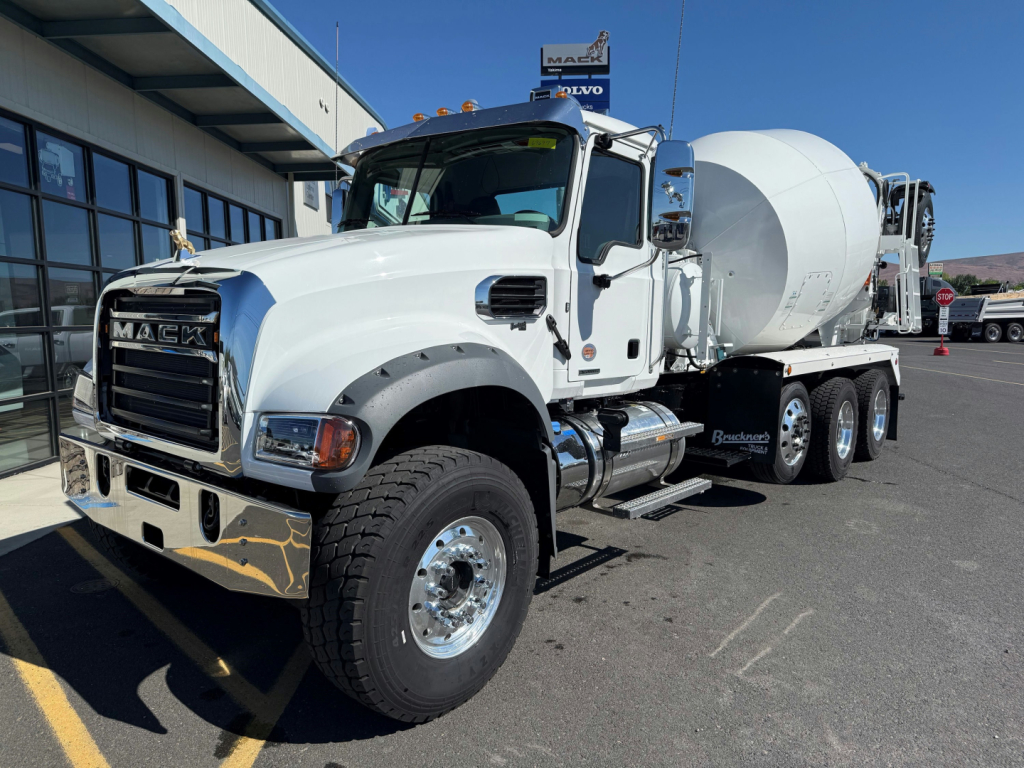
The mixer body deserves close attention because that is where daily production and long-term maintenance costs are set. Typical barrel capacities run around 10 to 11 cubic yards, though legal payload often depends on state weight laws, axle spacing, suspension spec, and how the truck is ordered. Buyers should look at drum material thickness, blade design, water tank capacity, ladder and platform layout, chute storage, and control placement. Rear controls, in-cab drum rotation controls, digital drum counters, boot wash systems, remote grease banks, and night-pour lighting can all improve ease of use and reduce downtime. On new 2027 mixer trucks, it is also worth comparing how the body manufacturer integrates hydraulic components, subframe design, and service access, since those details affect uptime over years of stop-and-go vocational use.
On the chassis side, most mixer trucks in this class use diesel engines in the 11- to 13-liter range paired with Allison automatic transmissions or similarly jobsite-friendly automatic and automated options. Automatic transmissions remain popular in concrete work because they simplify low-speed maneuvering, reduce driver fatigue, and hold up well in repeated start-stop cycles. Suspension choice, axle ratings, and brake spec should match the work mix. Full locking differentials, high-capacity front axles, and severe-service rear suspensions are common where trucks regularly enter soft, uneven jobsites. Buyers in hilly or high-traffic regions should also weigh engine brake performance, full disc versus drum brakes, and turning radius, especially when the truck will spend as much time in subdivision streets and plant yards as it does on the highway.
A new 2027 mixer truck can make sense for fleets that want current emissions hardware, factory warranty coverage, and a body-and-chassis combination ordered for a specific operation instead of adapted later. The right specification depends on haul distance, slump retention targets, pour schedule, and local weight rules. A short-haul ready-mix operation may prioritize payload and quick cycle times, while a contractor-focused unit may need more water capacity, better access equipment, and features that support paver or specialty mix work. The best buying decision usually comes down to matching legal payload, maneuverability, drum performance, and serviceability to the actual routes and pours the truck will see every week.
Frequently Asked Questions about New 2027 Mixer Trucks
What size drum is most common on a new mixer truck?
Many new mixer trucks are built with drum capacities around 10 to 11 cubic yards, but the best choice depends on legal payload rather than advertised barrel size alone. State bridge laws, axle spacing, front axle rating, and the weight of the chassis and mixer body all affect how much concrete you can haul legally and consistently.
Should I choose a front discharge or rear discharge mixer truck?
Front discharge mixers give the driver direct control of chute placement from the cab and are often favored for precise placement and reduced need for ground personnel at the pour site. Rear discharge mixers remain common in many ready-mix fleets and can offer familiar operation, strong body availability, and efficient plant-to-jobsite cycles, but they typically require more backing and spotter coordination on site.
Why are automatic transmissions so common in mixer trucks?
Automatic transmissions are widely used in mixer applications because concrete delivery involves constant stopping, starting, low-speed maneuvering, and frequent jobsite positioning. An Allison automatic or similar setup can improve drivability, reduce clutch wear, and help less-experienced drivers operate smoothly in tight or uneven conditions.
What specs matter most for mixer truck durability?
Durability usually comes down to frame strength, axle and suspension ratings, drum construction, hydraulic system layout, and service access. Buyers should pay attention to severe-service suspension packages, differential locks, brake type, subframe design, drum steel thickness, grease point accessibility, and how easily routine mixer-body components can be reached for inspection and repair.
How do I spec a mixer truck for local weight laws?
Start with the regulations that govern axle weights, bridge formula, and overall vehicle configuration in the states where the truck will run. Then match the wheelbase, lift axle or axle spread arrangement, front axle capacity, rear suspension rating, and drum size to those limits so the truck can carry useful payload without operating overweight on regular routes.