
New 2027 Mixer Trucks For Sale in Colorado
Shop new 2027 mixer trucks for sale in Colorado. Compare drum capacity, axle specs, bridge compliance, powertrain, and jobsite-ready options.
Selling a new 2027 mixer truck? List your new 2027 mixer truck for sale and reach thousands of commercial buyers.
New 2027 Mixer Trucks in Colorado
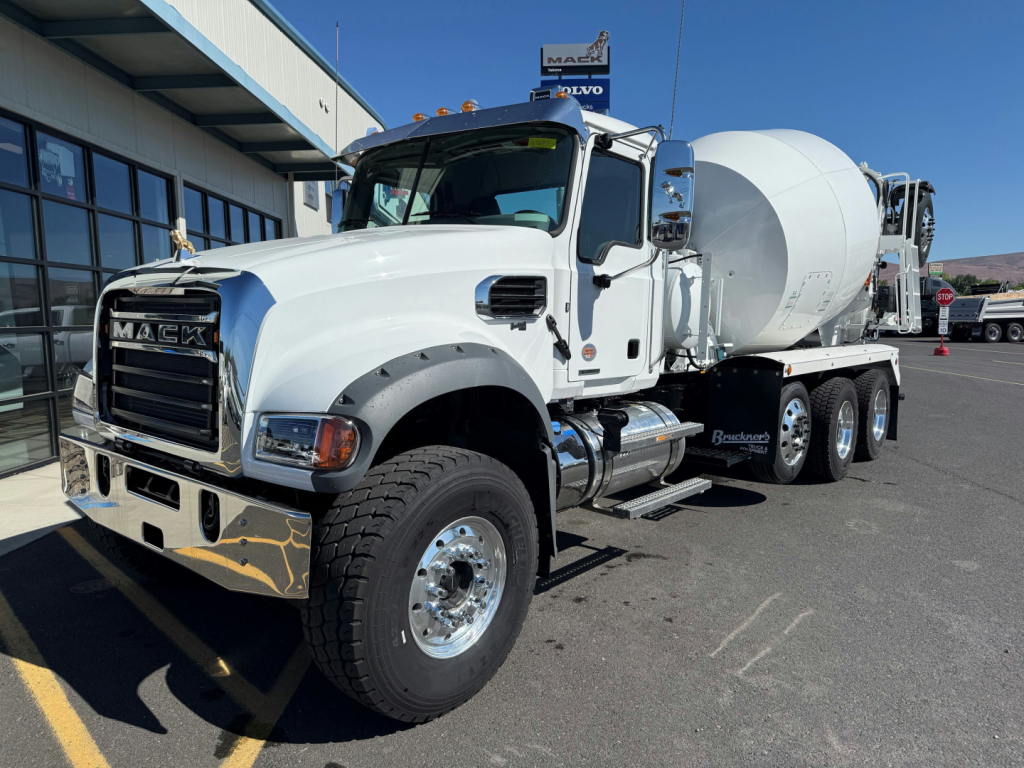
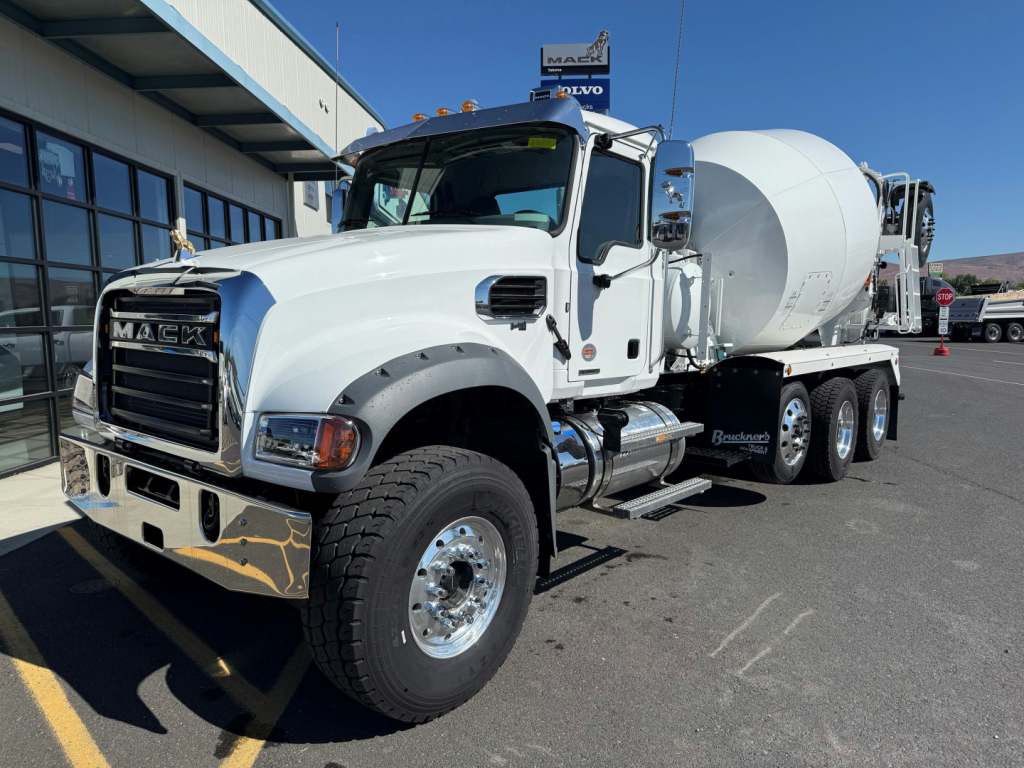
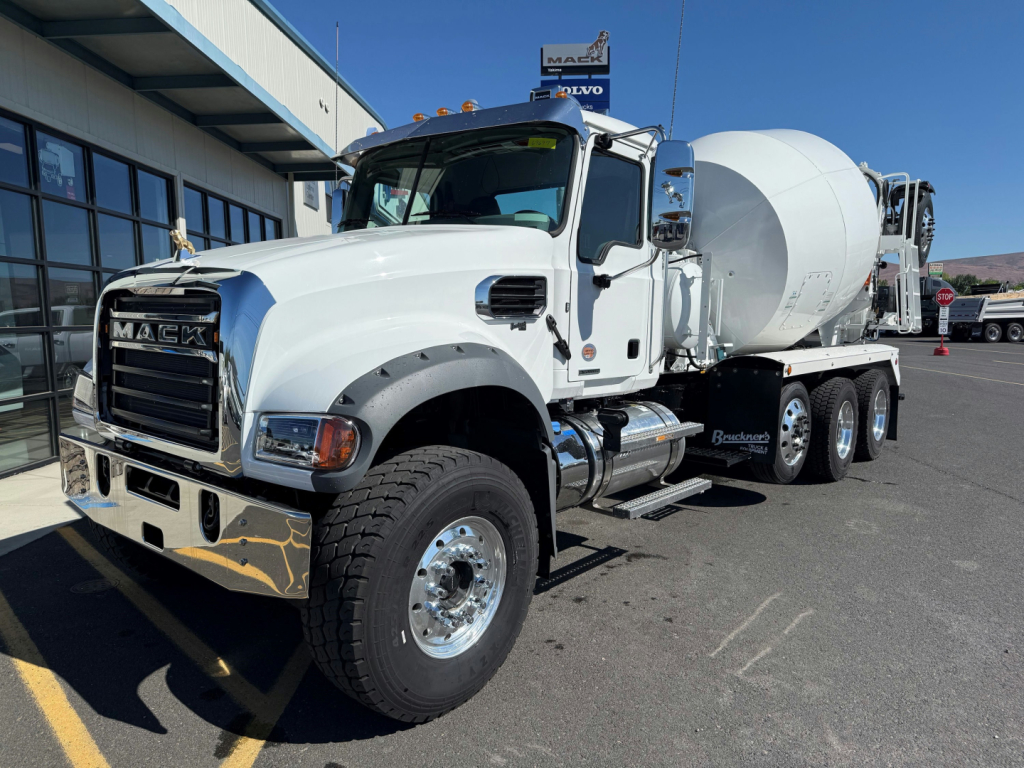
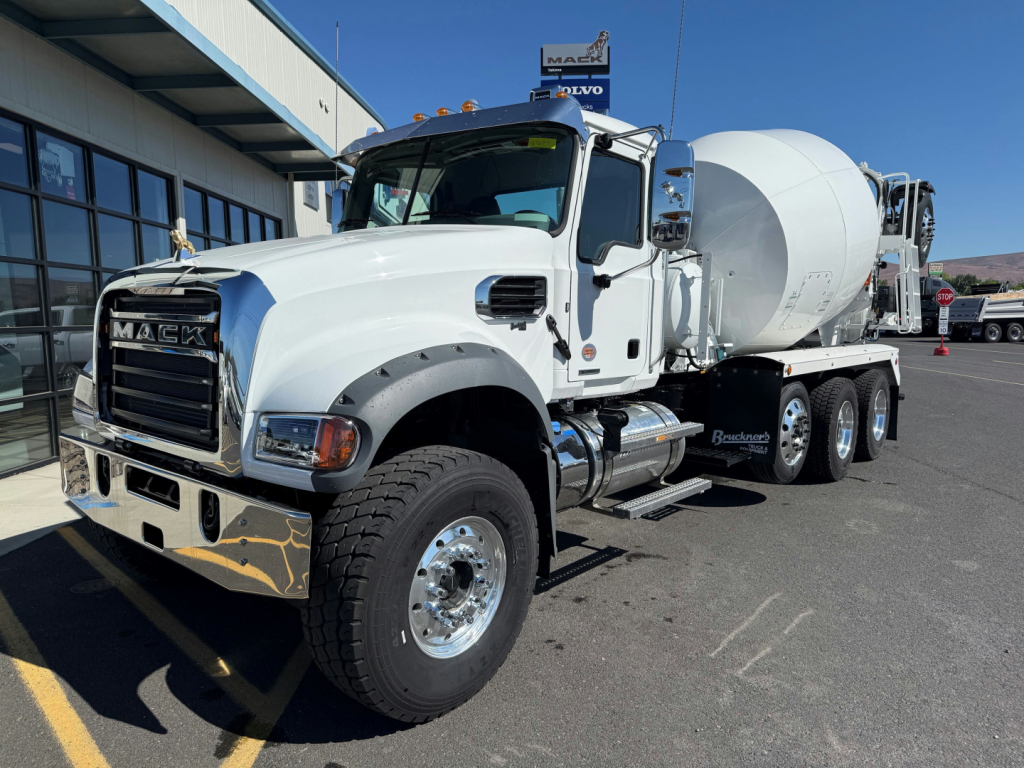
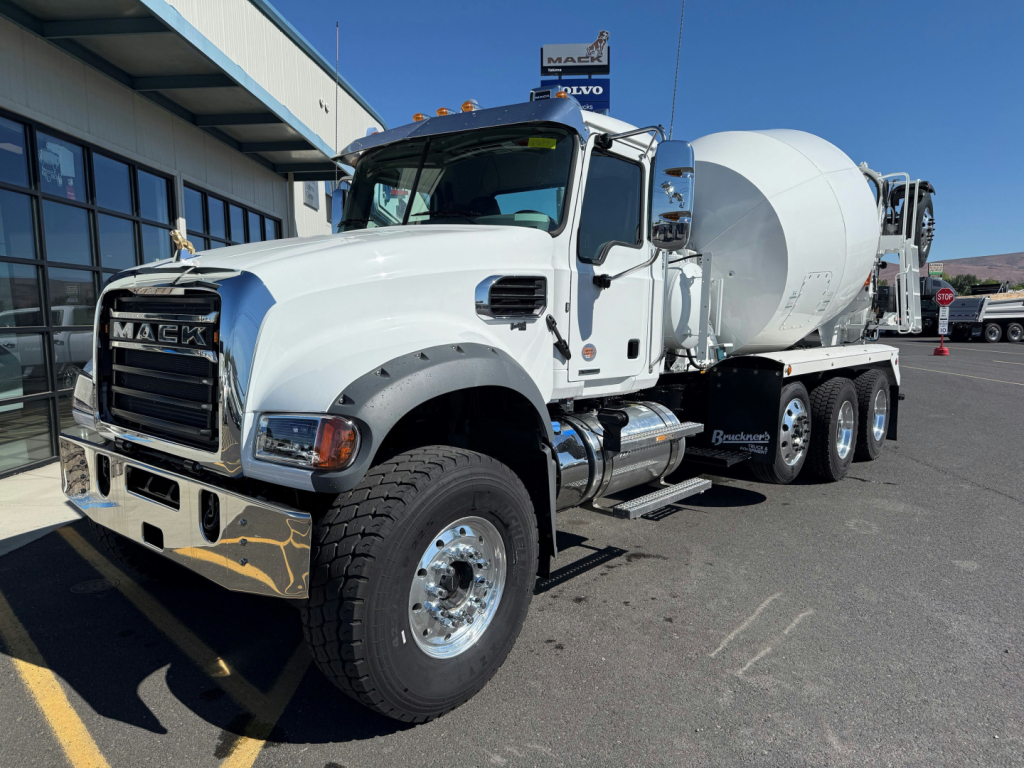
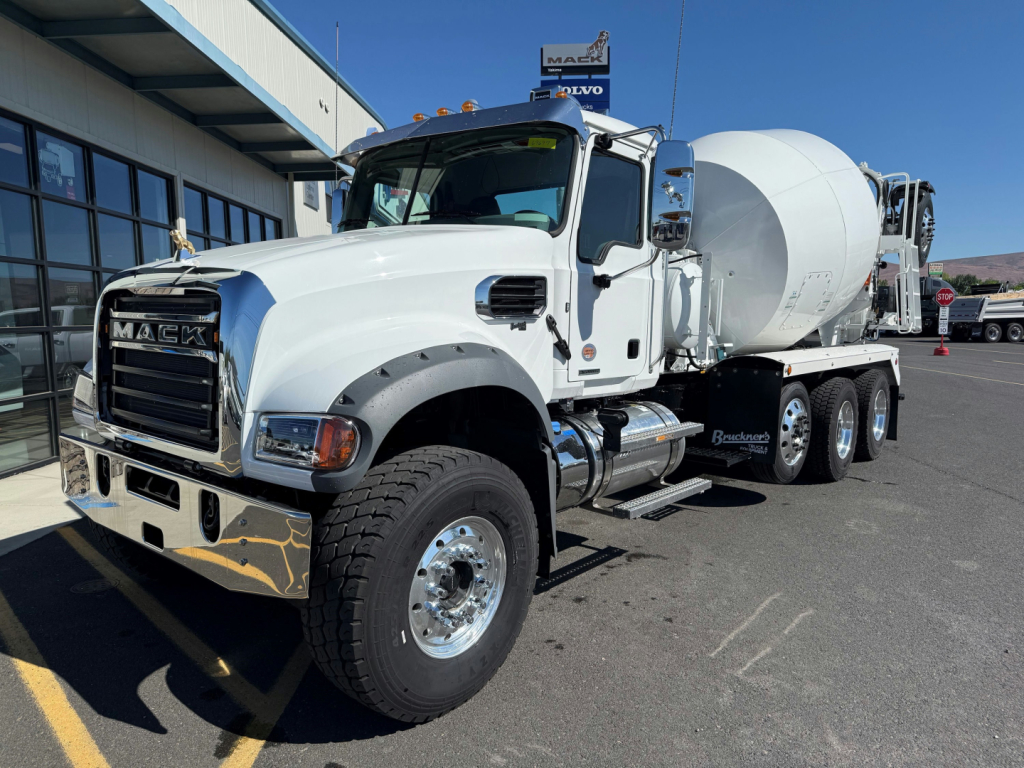
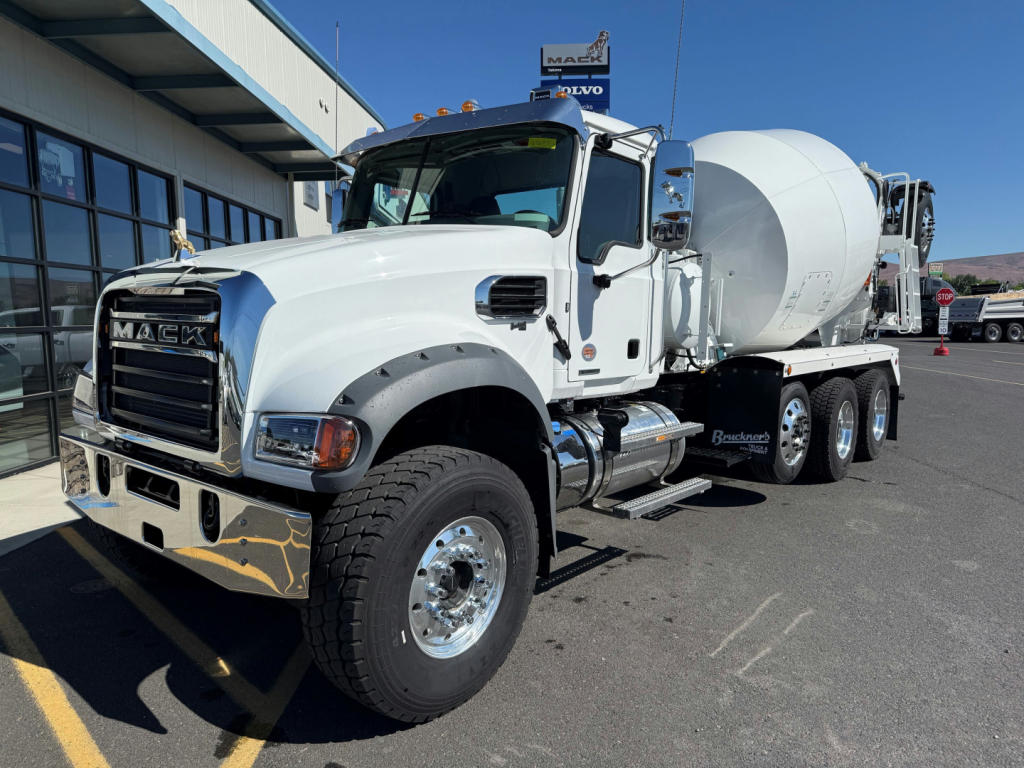
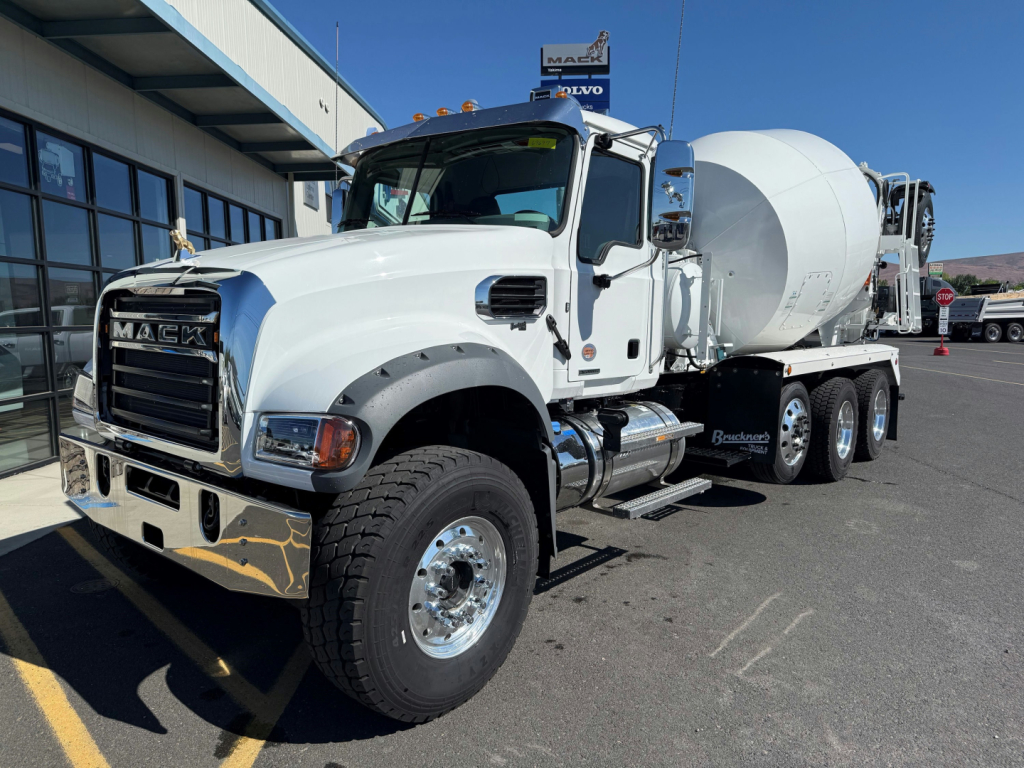
Mixer trucks, also known as concrete mixer trucks or ready-mix trucks, are typically spec'd around drum capacity, PTO performance, and chute configuration. Buyers often compare nominal drum volume, rated payload, water tank capacity, and the hydraulic system that drives drum rotation. Front-discharge mixers offer excellent placement visibility and can reduce the need for extra jobsite maneuvering, while rear-discharge mixers remain common for fleets that prioritize simpler operation and widespread driver familiarity. Drum material, blade design, and slump management all affect cleanout time and mix quality over the life of the truck. New units may also include automated controls, backup and side-view camera systems, electronic stability features, and telematics that help track idle time, maintenance intervals, and fuel use.
In Colorado, altitude, freeze-thaw conditions, and municipal weight restrictions can influence the best spec. A mixer that spends most of its time in Denver metro subdivisions may need a different wheelbase and turning radius than one running long distances between batch plants and mountain-area commercial pours. Engine and transmission choices should match terrain and stop-and-go duty cycles, with buyers paying close attention to low-speed drivability, PTO integration, cooling capacity, and brake performance on descents. Heavy-duty vocational chassis from makers such as Mack are common in this segment because they are designed for severe-service operation, high frame strength, and repeated loading cycles.
For a buyer comparing new 2027 mixer trucks, the practical questions are straightforward: how much legal payload can it carry, how well does it hold up in severe service, and how efficiently can it complete a full day of pours with minimal downtime. It is worth checking axle ratings, frame reinforcement, drum drive system, chute storage, cab visibility, and service access before focusing on appearance or trim. A well-spec'd mixer truck should fit the batch plant loading process, the jobsite access points, and the maintenance capabilities of the fleet that will run it.
Frequently Asked Questions about New 2027 Mixer Trucks in Colorado
What is the most important specification to compare on a new mixer truck?
Axle configuration and legal payload are usually the most important specs to compare first. Drum size gets attention, but the truck still has to meet bridge law and local weight limits when loaded. Front axle capacity, rear axle ratings, lift axle setup, wheelbase, and chassis weight all determine how much concrete the truck can haul legally and efficiently.
What is the difference between a front-discharge mixer and a rear-discharge mixer?
A front-discharge mixer lets the driver control chute placement from the cab area and can improve visibility during discharge, which is useful on tighter jobsites and when precise placement matters. A rear-discharge mixer is more traditional and widely used, often with a simpler operating setup and a larger pool of experienced drivers. The better choice depends on crew preference, site conditions, and how much maneuvering is required during pours.
How does Colorado use affect mixer truck specifications?
Colorado operations often require attention to altitude, steep grades, changing weather, and municipal route restrictions. Trucks running in mountain corridors may need powertrain specs that favor low-speed torque, strong cooling performance, and dependable braking on descents. Fleets working in urban subdivisions may put more value on turning radius, shorter wheelbase options, and axle layouts that help with local weight compliance.
How many cubic yards does a mixer truck usually carry?
Mixer truck capacity varies by drum design, chassis weight, axle setup, and state weight laws. Many vocational mixers are built around common ready-mix payload targets in the 8 to 12 cubic yard range, but legal carrying capacity depends on the complete truck specification rather than drum volume alone. Buyers should verify rated capacity against local road laws and actual empty weight.
What should buyers look for on a new 2027 mixer truck besides the engine?
Beyond the engine, buyers should evaluate the drum drive system, PTO integration, hydraulic reliability, frame strength, suspension, visibility, chute arrangement, and service access. Cab ergonomics and safety technology also matter because mixer work involves constant stopping, backing, and tight-site movement. A strong spec is one that supports uptime, easy washout, predictable handling, and low maintenance over repeated severe-duty cycles.