
New 2027 Mack Mixer Trucks For Sale in Colorado
Shop new 2027 Mack mixer trucks in Colorado. Compare bridge formula specs, axle setups, drum capacity, and jobsite-ready concrete truck features.
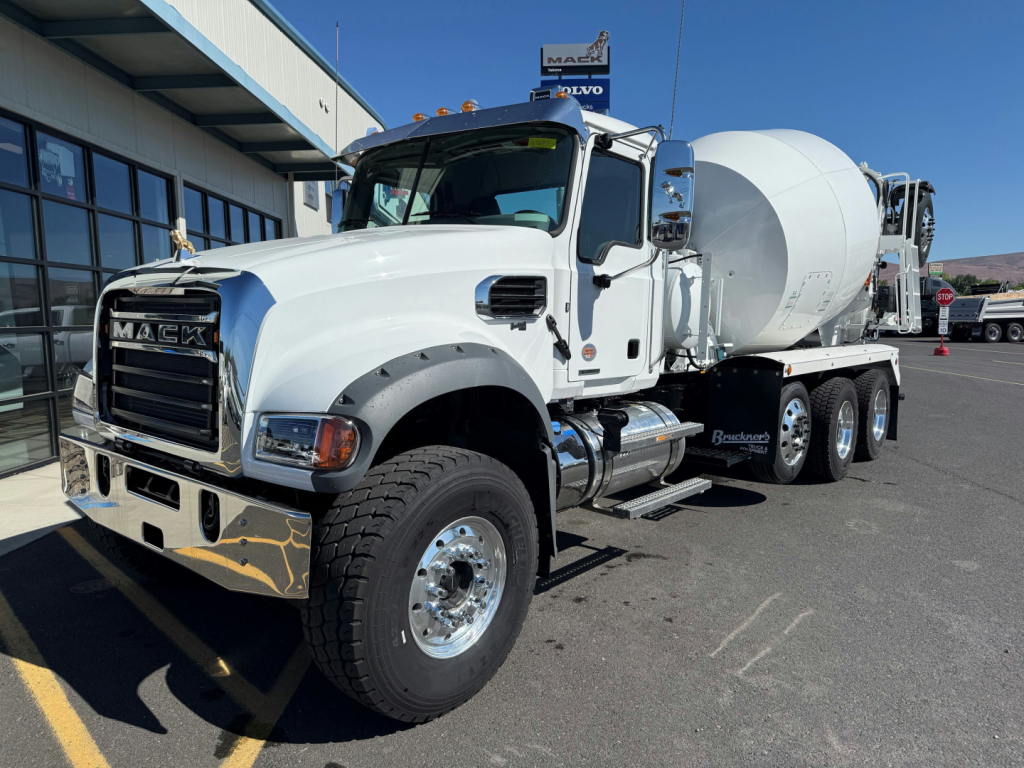
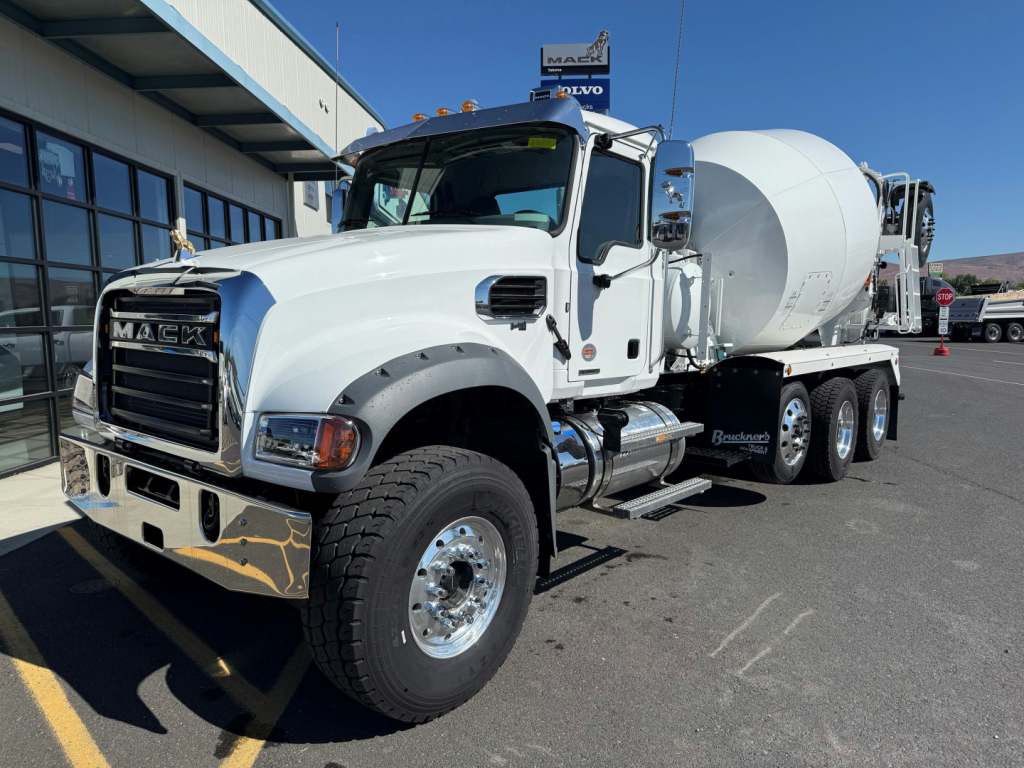
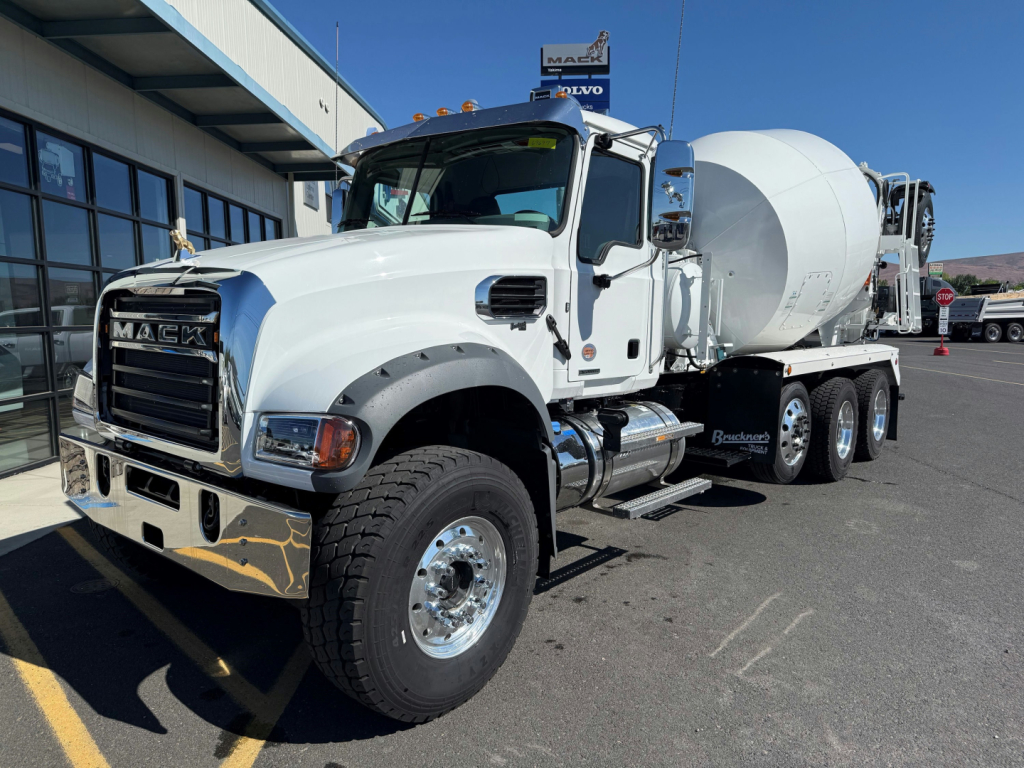
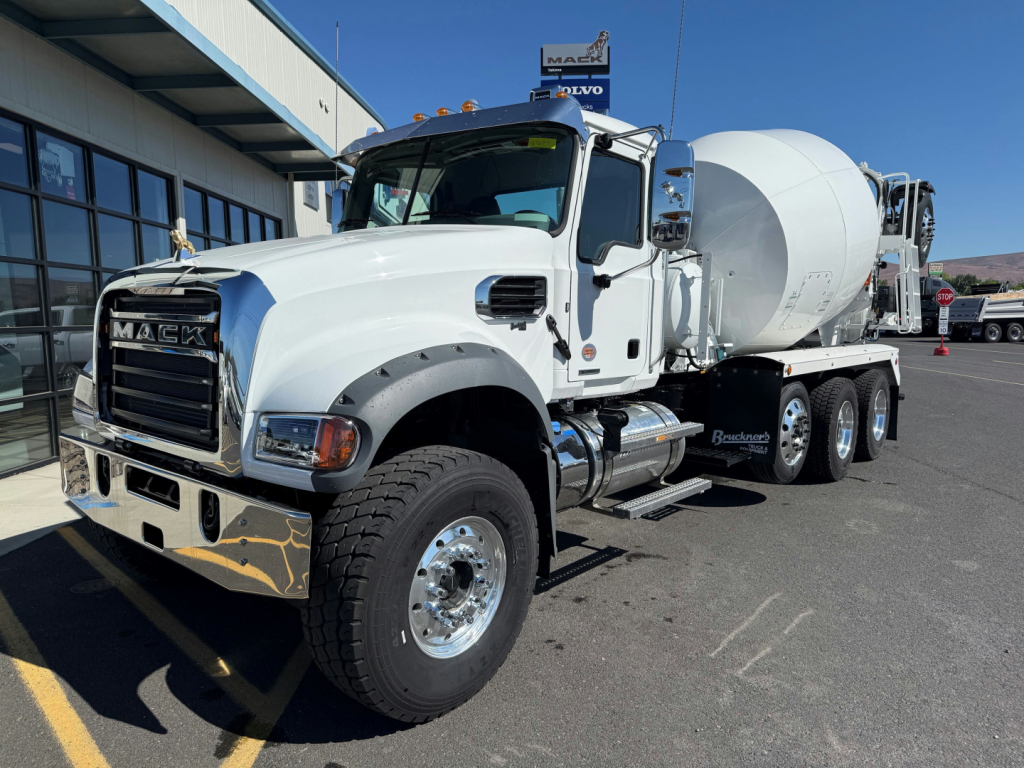
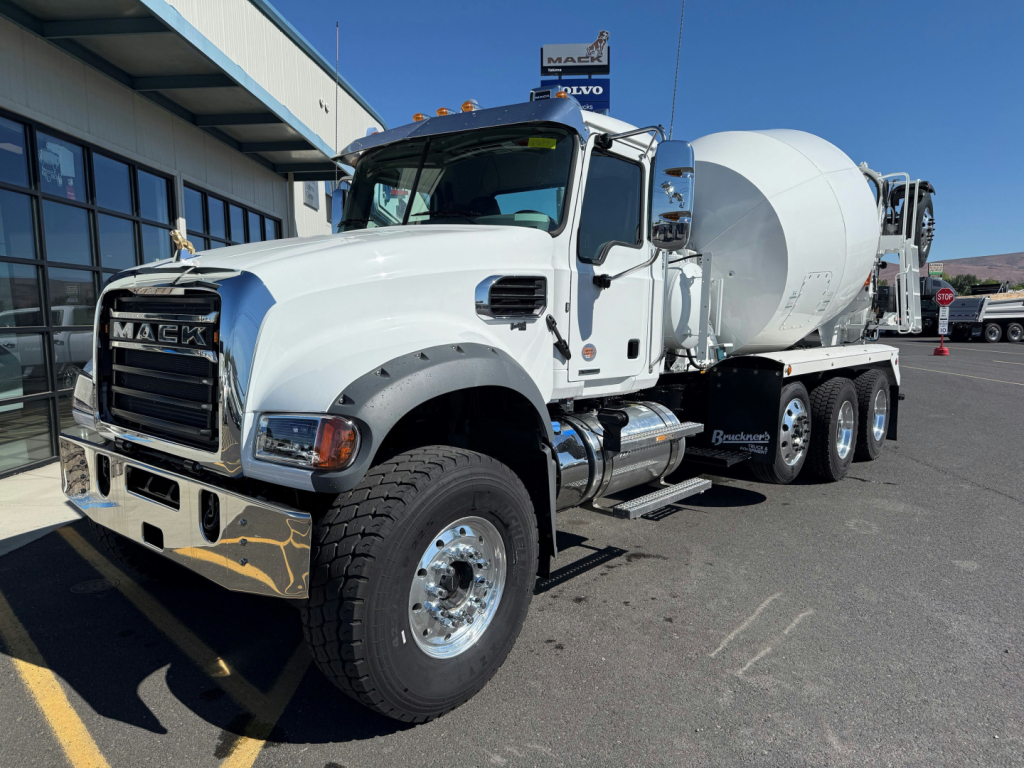
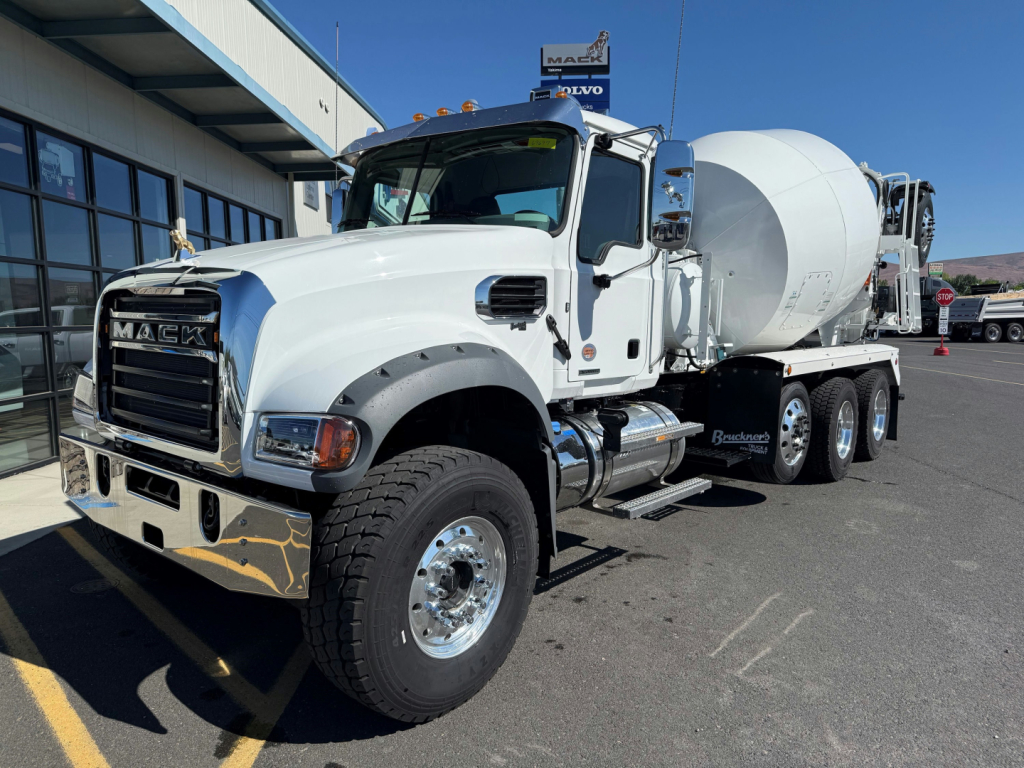
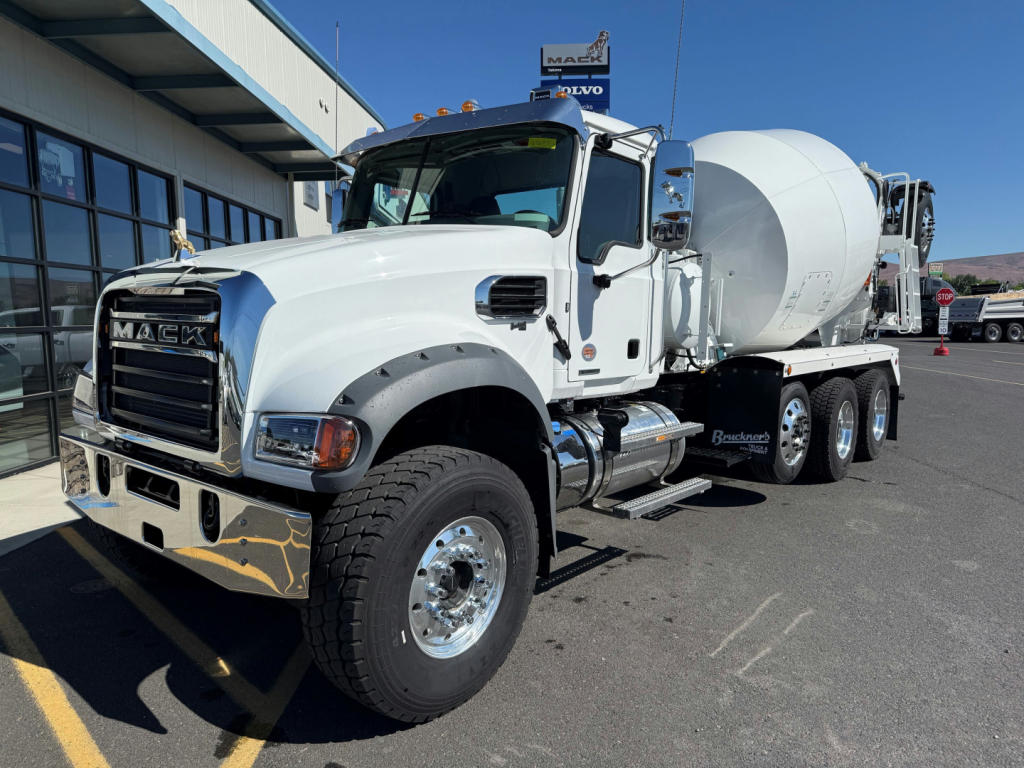
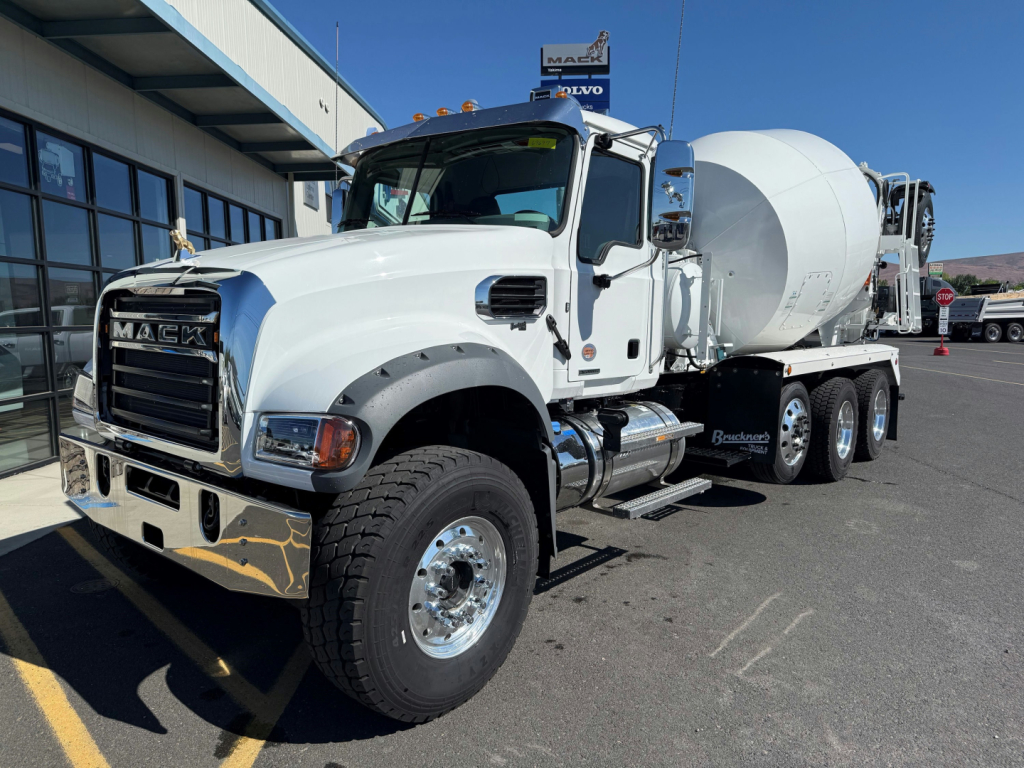
Selling a new 2027 mack mixer truck? List your new 2027 mack mixer truck for sale and reach thousands of commercial buyers.
New 2027 Mack Mixer Trucks in Colorado
In Colorado, spec decisions often come back to terrain, municipal routes, and access to tight residential pours versus larger commercial and highway work. A tandem or tri-axle configuration may be chosen based on legal payload targets, while the engine and transmission need to balance low-speed jobsite control with enough power for grades and stop-and-go operation. Many Mack mixer trucks are ordered with automated manual transmissions, double-channel frame reinforcement, heavy-duty rear suspensions, and PTO provisions matched to the hydraulic system that drives the drum. Suspension capacity, steer axle weight, and turning radius are especially important on mixer applications because a truck that carries concrete well on paper can still be a poor fit if it struggles on crowded jobsites or local roads.
The mixer body itself is a major part of the buying decision. Drum capacity is commonly considered in cubic yards, but the more useful question is what legal and practical payload the complete truck can carry in your operating area. Water tank placement, chute storage, ladder access, fender design, and cleanout access all affect daily usability. Buyers should also look at drum drive type, barrel material, and how the mixer installation impacts weight distribution across the steer and drive axles. A well-matched Mack chassis and mixer package should deliver stable handling with a full load, predictable backing performance, and enough durability in the subframe and rear structure to hold up under repeated loading cycles.
New 2027 Mack mixer trucks also appeal to fleets that want current emissions equipment, updated safety systems, and the serviceability advantages of a fresh vocational chassis. Cab configuration, visibility at the right front corner, camera options, and body-control integration can all affect driver efficiency and site safety. For many buyers, the best unit is not simply the one with the largest drum or highest horsepower. It is the truck with the right axle spread, legal weight strategy, suspension spec, and mixer integration for the concrete work it will actually perform in Colorado.
Frequently Asked Questions about New 2027 Mack Mixer Trucks in Colorado
What should I look at first when buying a new Mack mixer truck?
Start with axle ratings, wheelbase, and legal payload strategy before looking at horsepower or drum size. A mixer truck has to carry concrete within bridge and axle limits, so the steer axle capacity, rear suspension rating, and chassis layout matter more than headline specs. On a Mack mixer, buyers usually verify that the frame, PTO setup, and suspension are properly matched to the mixer body and the type of work the truck will handle.
What axle configuration is common on Mack mixer trucks?
Mixer trucks are commonly spec'd as tandem axle or tri-axle units, depending on state weight laws and target payload. Tandem axle mixers are often used where maneuverability is critical, while tri-axle configurations can help increase legal carrying capacity. The right setup depends on the mixer body weight, front axle rating, bridge requirements, and the routes the truck will run every day.
How important is drum capacity on a concrete mixer truck?
Drum capacity matters, but it should not be viewed by itself. The useful measure is how much concrete the complete truck can legally and practically haul once the chassis, mixer body, water, fuel, and driver are included. A larger drum does not always translate into a better working truck if axle weights, wheelbase, or local jobsite access limit what the unit can actually carry.
Why do buyers choose Mack for mixer truck applications?
Mack has long been a strong fit for severe-duty vocational work because the chassis, suspension options, and cab design are well suited for concrete service. Mixer applications put constant stress on the frame, suspension, and driveline, especially on rough approaches and short-haul stop-and-go routes. Buyers often consider Mack for its vocational build quality, durability under load, and the ability to spec the truck around demanding ready-mix applications.
Are Colorado operating conditions important when spec'ing a new mixer truck?
Yes. Colorado fleets often need to account for elevation, grades, weather shifts, and a mix of urban and jobsite driving. Those conditions can influence engine selection, transmission setup, traction choices, and axle configuration. A mixer truck built for flatter terrain may not be ideal if it regularly works in hilly areas, crowded subdivisions, or jobsites with limited traction and tight access.