
New Mack Mixer Trucks For Sale
Shop new Mack mixer trucks built for concrete hauling with strong chassis specs, vocational durability, and body options for ready-mix work.
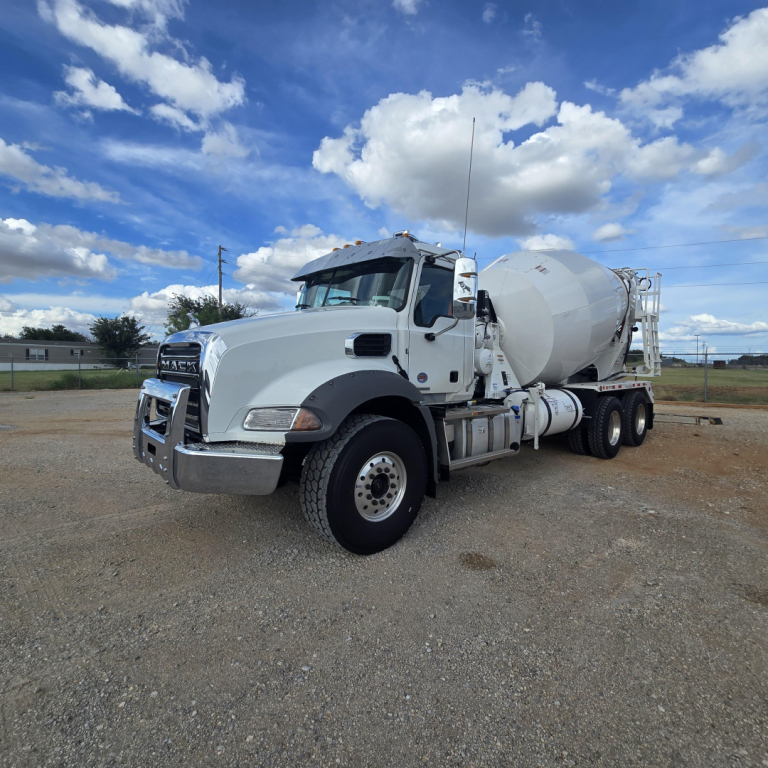
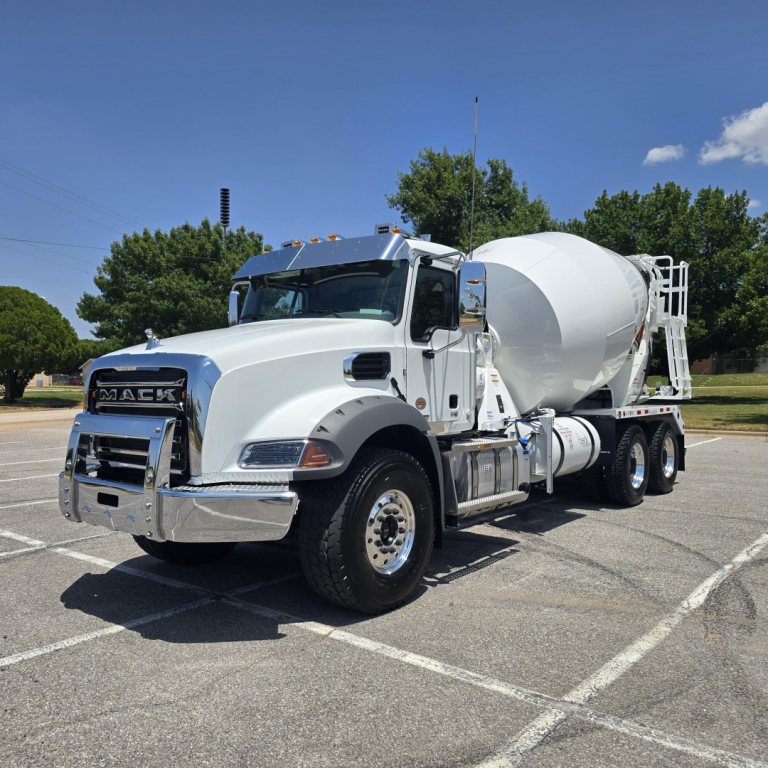
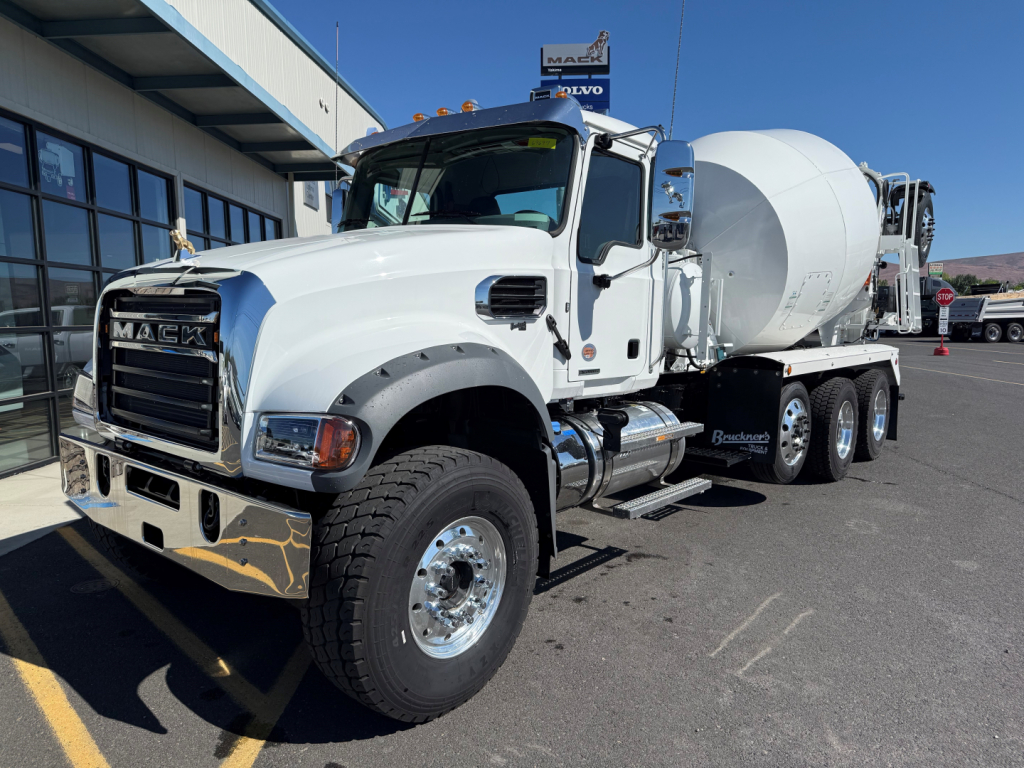
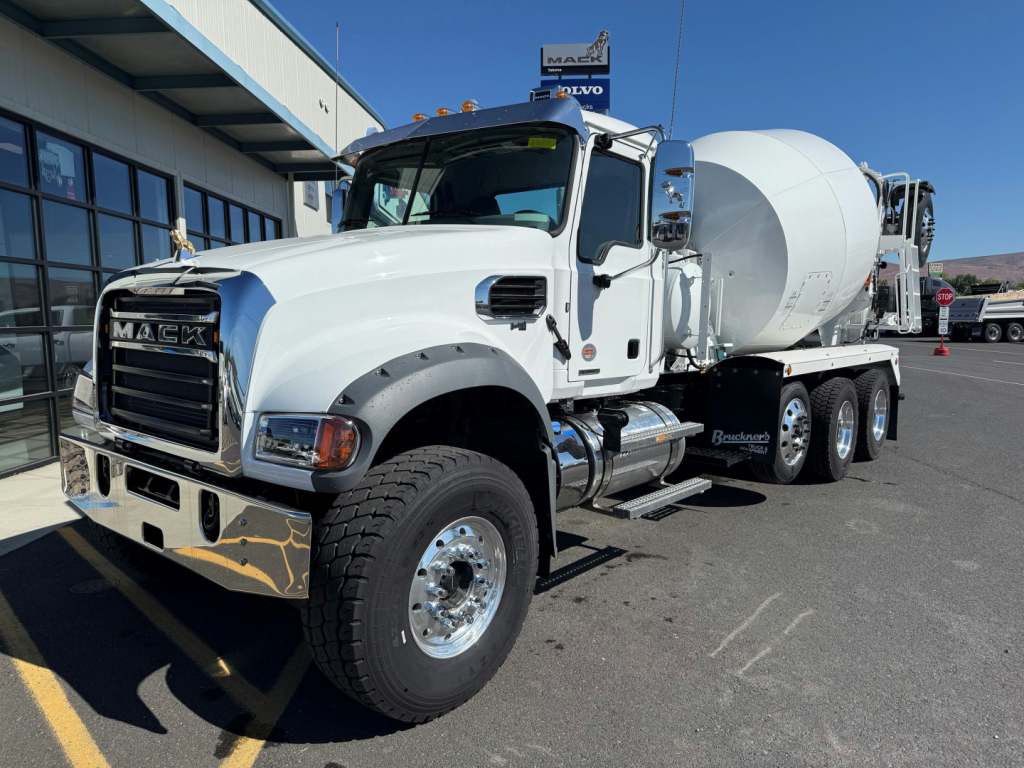
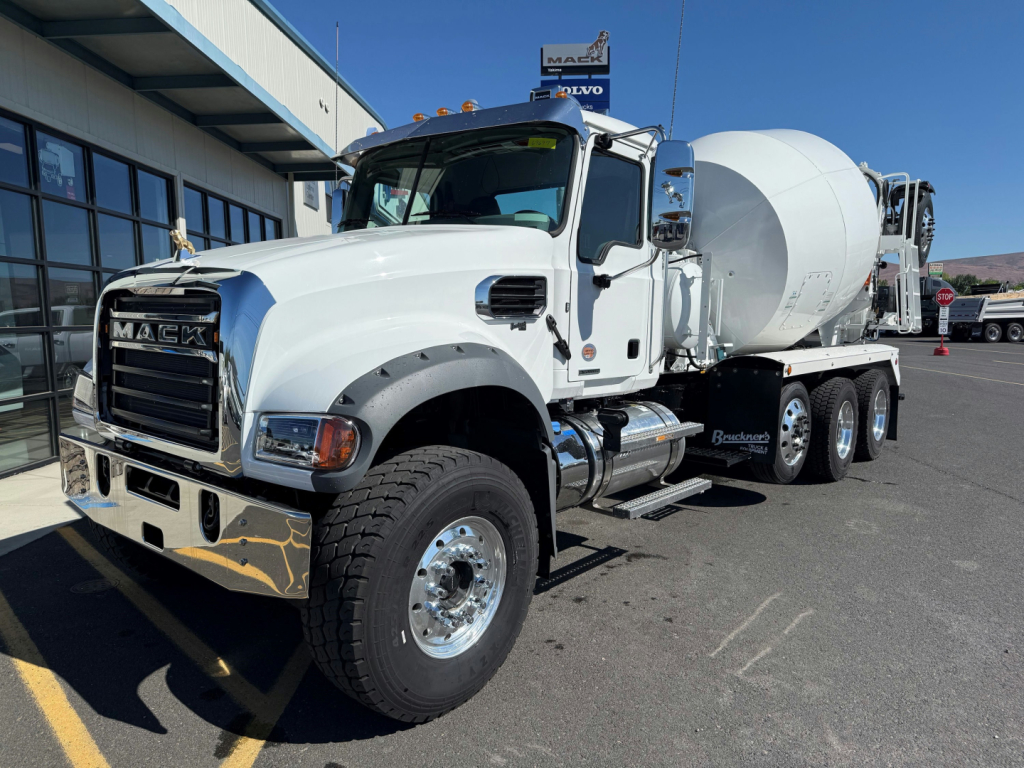
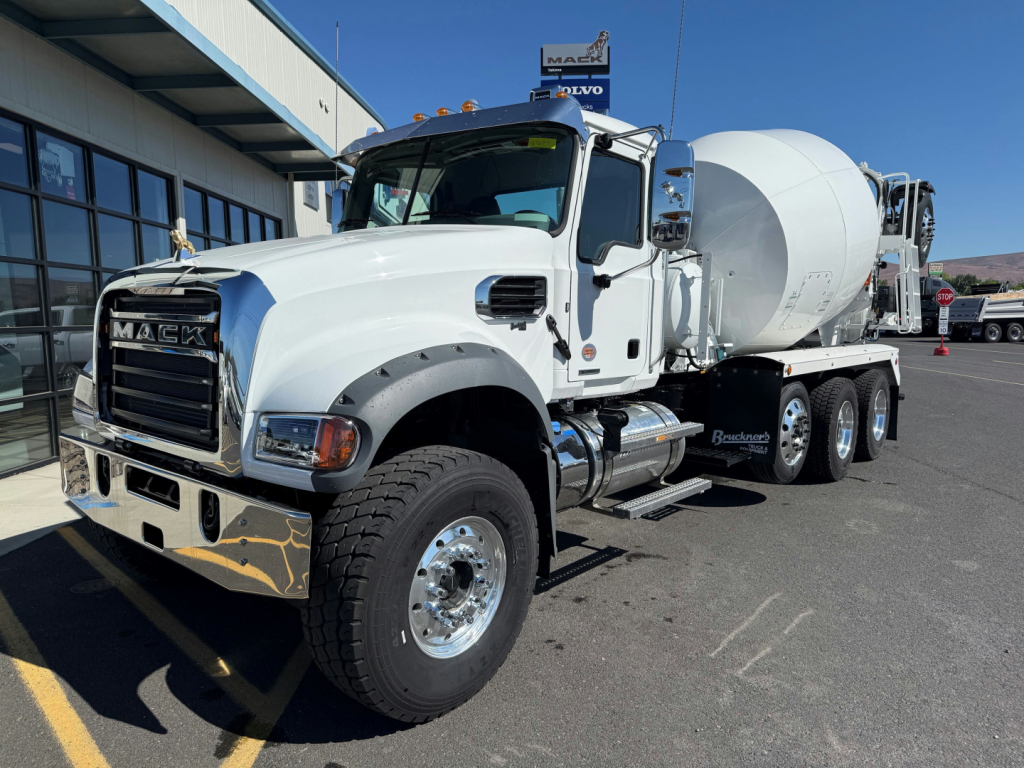
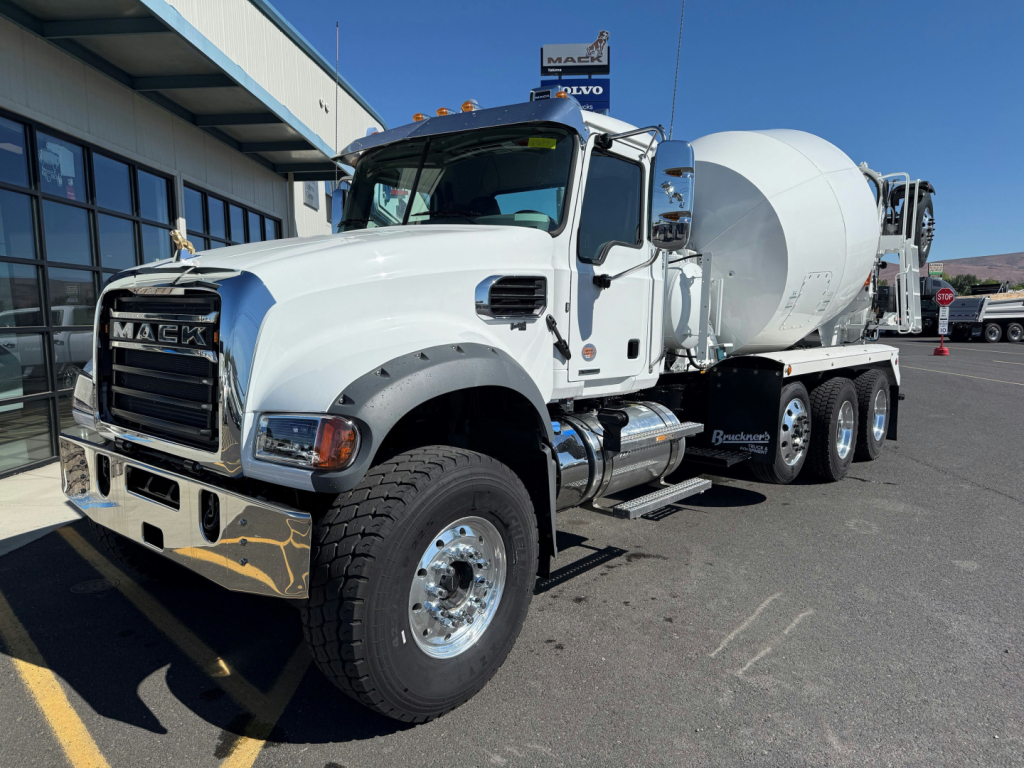
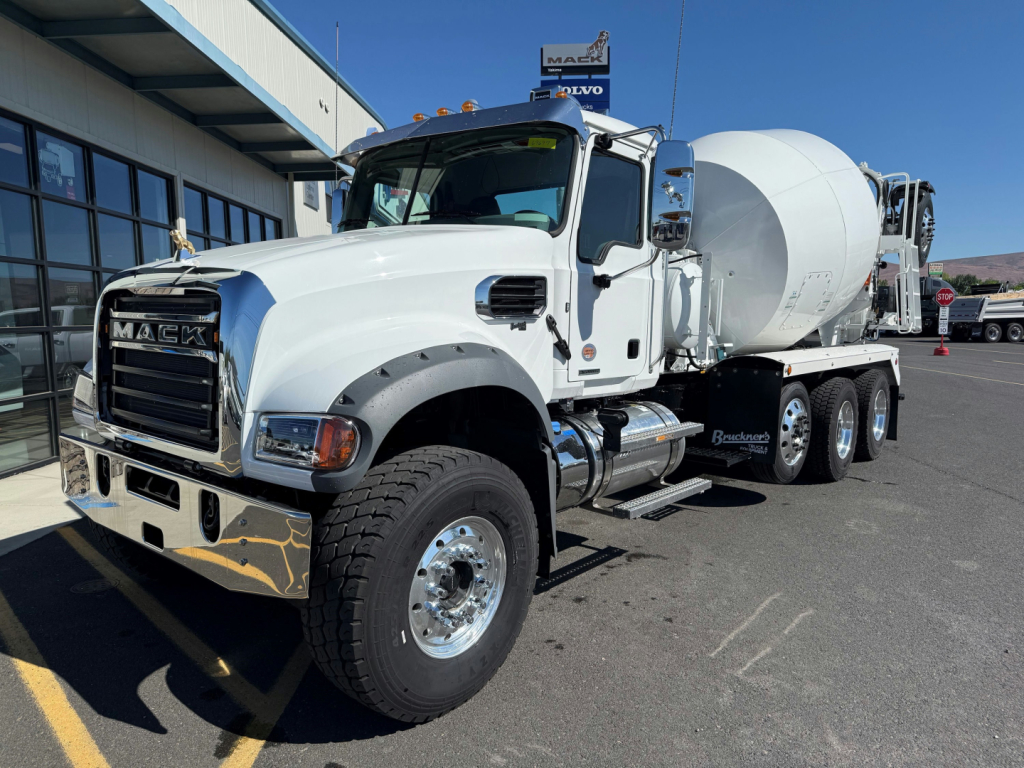
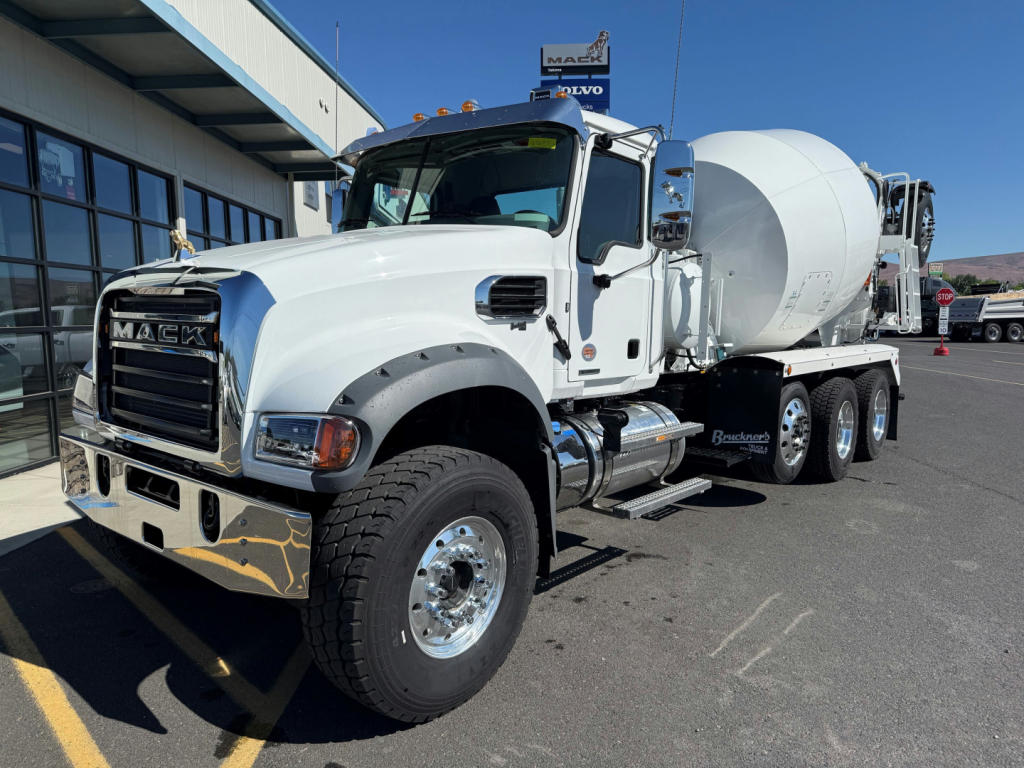
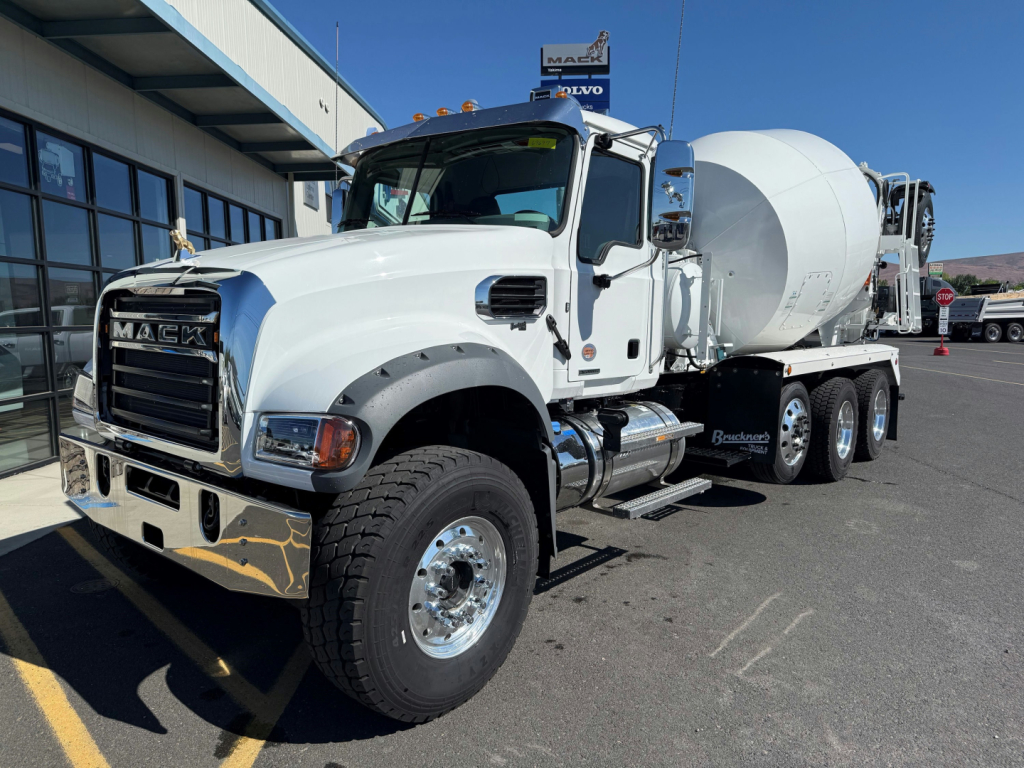

Selling a new mack mixer truck? List your new mack mixer truck for sale and reach thousands of commercial buyers.
New Mack Mixer Trucks
On the chassis side, the key decisions usually come down to engine rating, transmission type, wheelbase, and suspension. Mack mixer trucks are often spec’d with diesel engines in the range needed for stop-and-go concrete work, steep plant exits, and low-speed jobsite travel, commonly paired with Allison automatic transmissions for consistent launches and easier operation in traffic. Front axle ratings around 20,000 to 23,000 pounds and tandem rear ratings in the 40,000 to 46,000 pound range are typical on this class, with GVWR driven by local weight laws and mixer body size. Buyers should also pay attention to rear ratio, full locking differentials, brake configuration, and suspension design, especially if the truck will spend time on soft ground, unfinished sites, or steep residential approaches.
Mixer body specs matter as much as the truck underneath. Common drum capacities in this segment are around 10 to 11 cubic yards, with details like drum material thickness, discharge opening size, water tank capacity, hopper style, and chute arrangement affecting daily productivity. A paver or standard ready-mix configuration can change the way the truck works at the pour. Features such as digital drum controls, washdown systems, driver boot wash stations, and air-operated hoppers can make a measurable difference in cleanup time and jobsite efficiency. If uptime matters, look closely at service access around the mixer system, hydraulic layout, and how cleanly the body integration is handled on the chassis.
A good Mack mixer truck spec is usually one that matches the route, the plant, and the driver pool. Tight urban work benefits from a shorter wheelbase and good visibility, while higher-volume suburban or highway-fed routes may justify a larger drum and fuel capacity. Cab trim, seating, cruise control, and driver ergonomics also matter more than many buyers expect, especially in fleets trying to retain operators. For buyers comparing new Mack mixer trucks, the best value is rarely the highest payload on paper. It is the truck that stays legal on local roads, loads efficiently at the batch plant, and holds up under repeated starts, stops, and pours.
Frequently Asked Questions about New Mack Mixer Trucks
What makes a Mack mixer truck a strong choice for ready-mix work?
Mack mixer trucks are widely used in concrete service because the chassis is designed for vocational duty, not just highway miles. Buyers value their heavy front axle options, durable frame design, strong suspension choices, and driveline combinations that handle repeated stop-and-go operation. Mack also has a long track record in construction and municipal applications, which matters when uptime, service familiarity, and resale are part of the buying decision.
What engine and transmission setup is common in a new Mack mixer truck?
A common setup is a Mack diesel engine in the mid-to-upper horsepower range paired with an Allison automatic transmission. This combination fits ready-mix work well because it delivers smooth launches under load, easier low-speed maneuvering, and less driver fatigue in traffic or on jobsites. Final horsepower and gearing should be matched to payload, terrain, and how often the truck runs short local routes versus longer trips between plant and pour.
How do I choose the right axle and GVWR configuration for a mixer truck?
Start with your state bridge laws, target payload, and drum capacity. Front axle ratings, rear axle ratings, lift axle needs, and overall wheelbase all affect how much concrete the truck can legally carry. A truck that looks strong on paper can still be a poor fit if the axle spread or local road limits reduce legal payload. Buyers should spec the truck around legal weight distribution first, then optimize for maneuverability, durability, and body size.
What mixer body details should buyers pay attention to?
Drum capacity is only part of the picture. Buyers should also review drum steel thickness, water tank size, discharge opening dimensions, chute setup, hopper design, and the control system for the mixer. These details affect batching efficiency, washout time, discharge consistency, and long-term wear. For higher-production operations, body serviceability and the quality of the body-to-chassis integration can be just as important as the badge on the hood.
Are new Mack mixer trucks better for city routes or construction jobsites?
They can be spec'd for either, but the right configuration depends on the work. Urban routes usually call for tighter wheelbases, strong visibility, automatic transmissions, and maneuverable axle layouts. Jobsites with rough access or soft ground may need more aggressive suspension specs, locking differentials, and heavier axle ratings. The best mixer truck for a fleet is the one built around the actual route pattern, loading practice, and road conditions it will face every day.