
New Mack Mixer Trucks For Sale in Colorado
New Mack mixer trucks for sale in Colorado. Compare rugged concrete mixers built for payload, jobsite durability, and vocational uptime.
Selling a new mack mixer truck? List your new mack mixer truck for sale and reach thousands of commercial buyers.
New Mack Mixer Trucks in Colorado
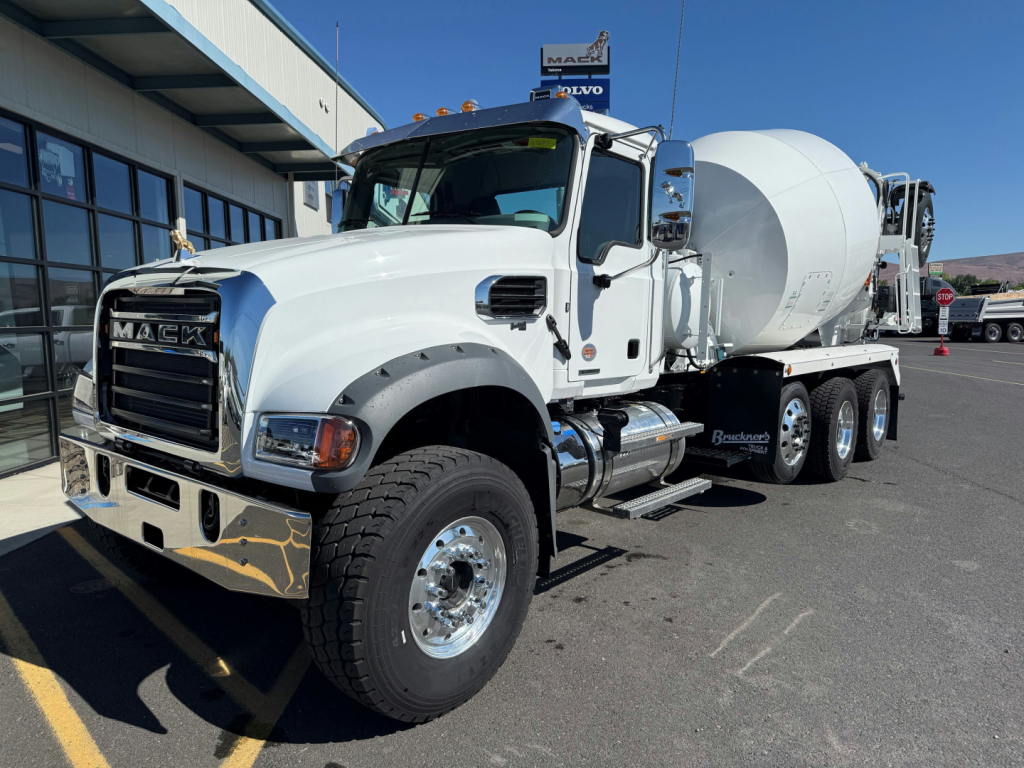
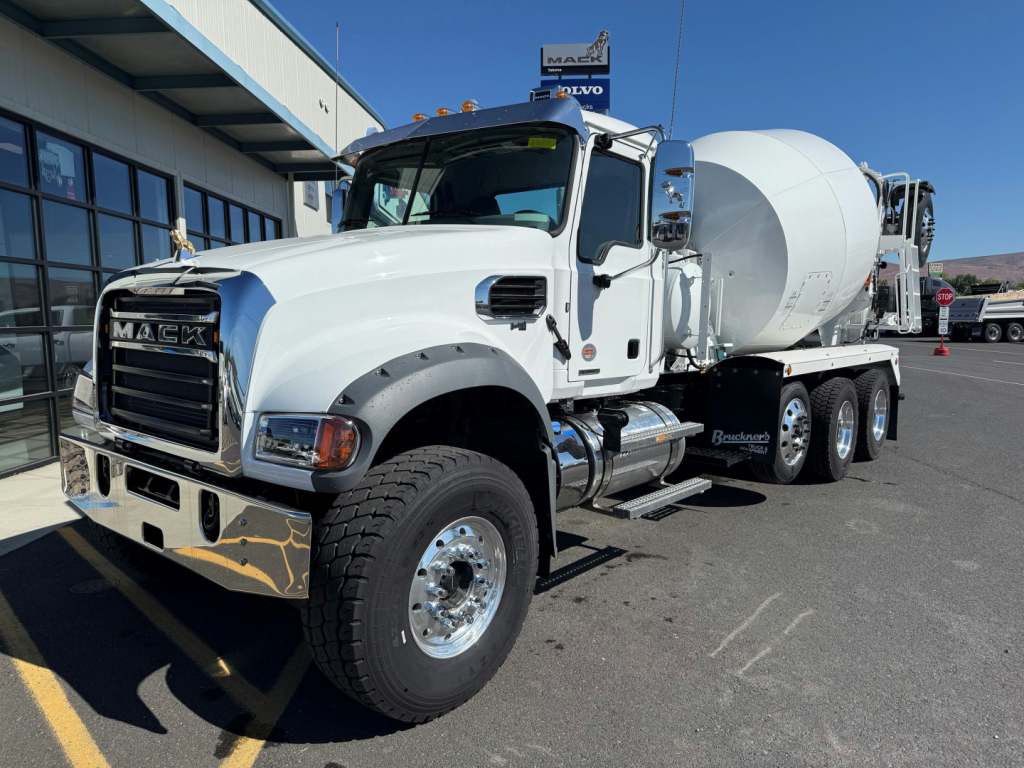
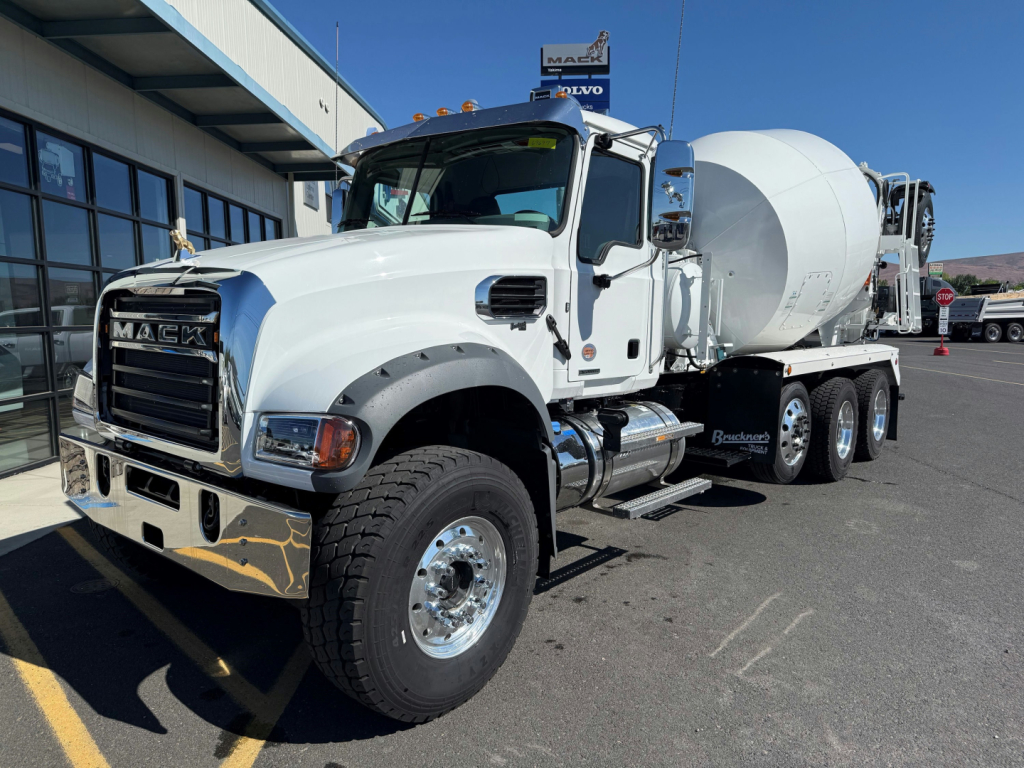
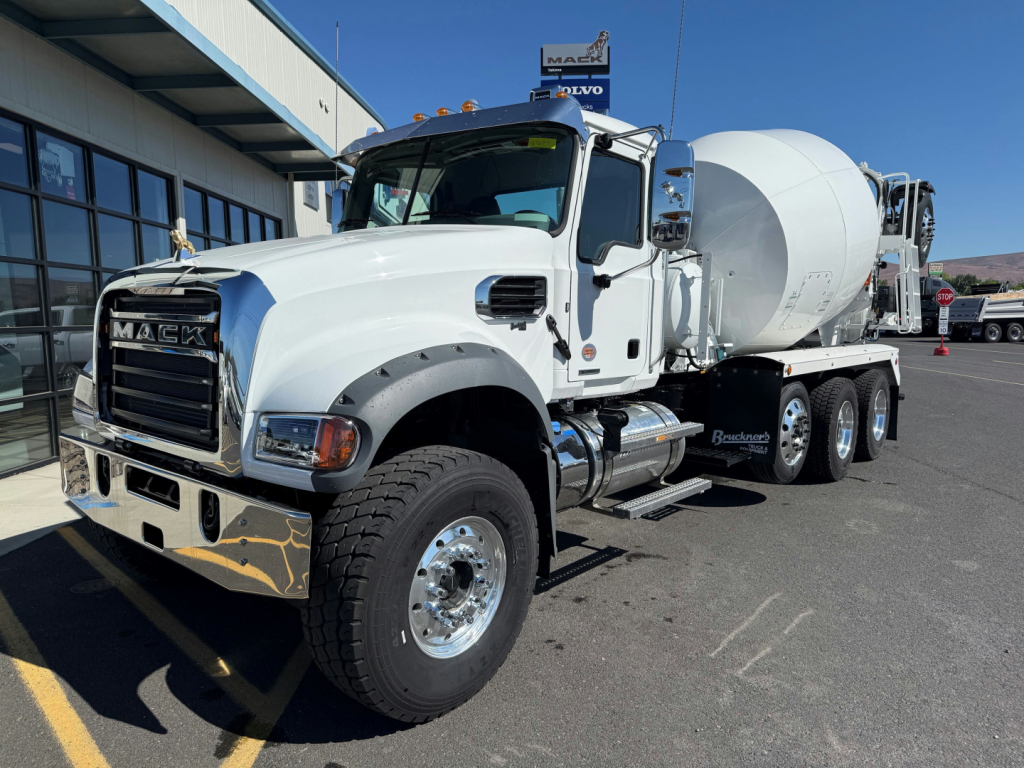
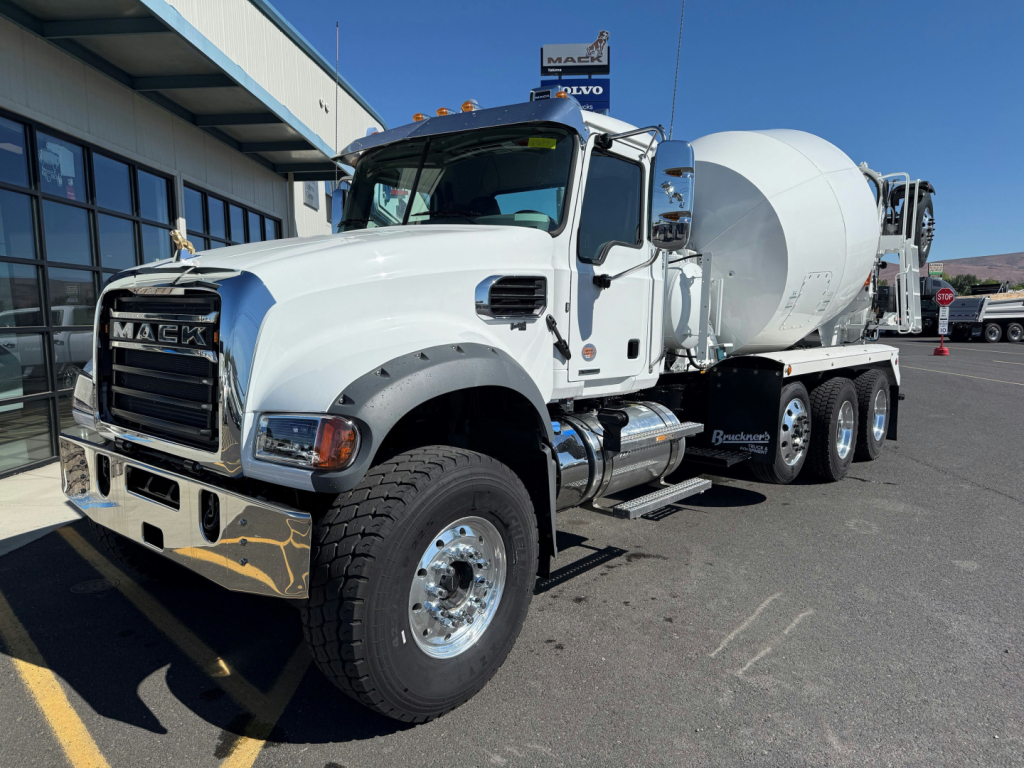
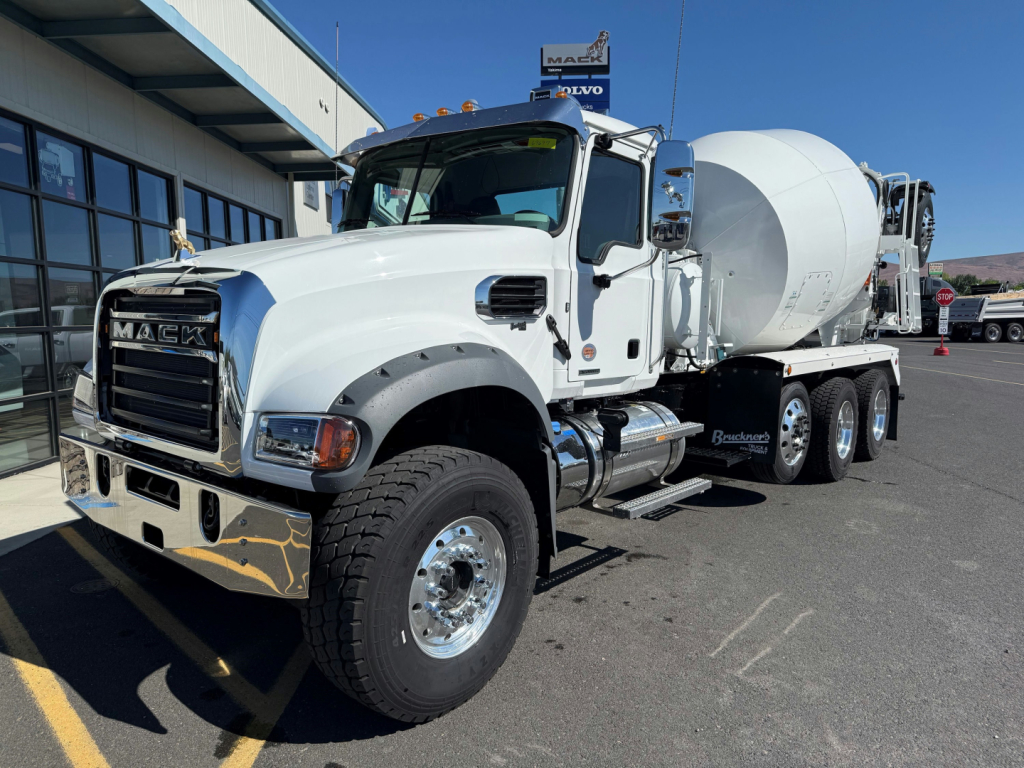
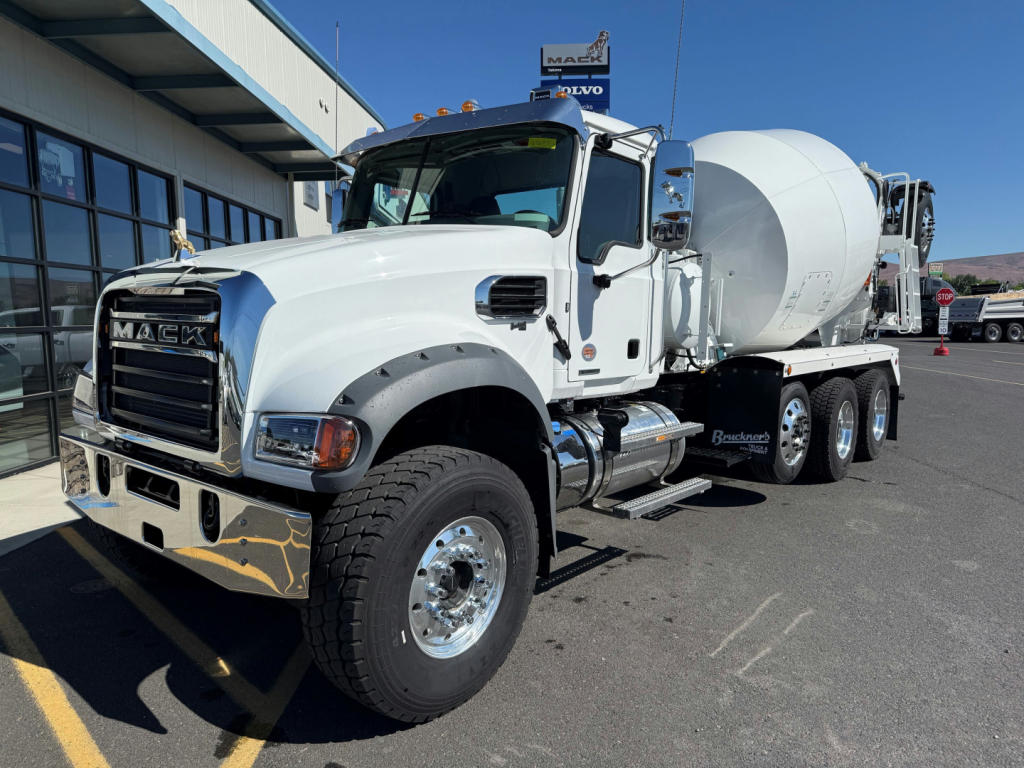
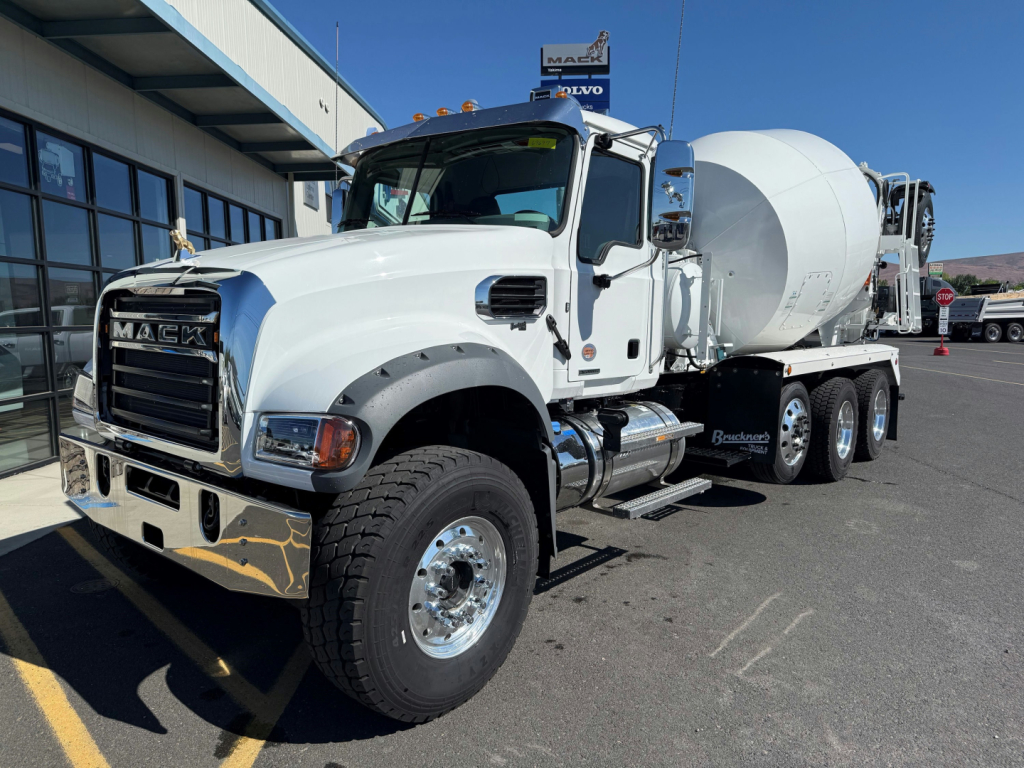
A Mack Granite mixer, including configurations like the GR64F, is a familiar choice in ready-mix fleets because it is designed around severe-duty work. Common specs in this class include tandem rear axles, high-capacity front axles, automated manual transmissions such as Mack mDRIVE, and engines tuned for low-end torque rather than highway speed. Wheelbase, frame rail strength, and steering angle matter more than they do on many other vocational trucks because a mixer spends its life backing into pours, turning in subdivisions, and working around forms and pump trucks. Drum sizes and body-builder packages vary, but buyers should look closely at PTO integration, chute storage, access ladder design, water tank placement, and overall weight distribution across the steer and drives.
Colorado operation adds another layer to the buying decision. Elevation and steep grades put extra value on cooling capacity, engine brake performance, and gearing that keeps the truck moving when fully loaded. Front axle ratings are especially important on mixer trucks because concrete loads can transfer weight forward quickly depending on drum position and road conditions. A new Mack mixer should also be evaluated for cab visibility, vocational bumper and fender design, and service access, since downtime on a concrete truck can disrupt dispatch schedules immediately. Features like heavy-duty radiators, severe-service air cleaners, and durable cab and hood construction are worth attention for fleets running in dust, cold weather, and mixed paved and unpaved jobsite conditions.
The right new Mack concrete mixer truck is usually the one that matches local haul distances, plant loading practices, and the payload targets your operation needs to hit every day. Some buyers prioritize short wheelbase maneuverability for urban pours, while others need a longer, heavier spec for stability and legal carrying capacity. Mack remains a strong fit for mixer work because the platform is purpose-built for vocational applications, with the durability, steering geometry, and frame options concrete fleets expect. When comparing listings, focus on axle ratings, transmission spec, suspension, wheelbase, PTO setup, and how the mixer body package aligns with your state weight rules and daily route conditions.
Frequently Asked Questions about New Mack Mixer Trucks in Colorado
What makes a Mack mixer truck a strong choice for ready-mix work?
Mack mixer trucks are widely used in concrete service because the chassis is engineered for severe-duty applications with strong frame options, vocational suspensions, and good maneuverability. Buyers often value Mack for low-speed torque, durable front axle and steering components, and body-builder support that fits mixer applications well. In daily operation, that translates into a truck that handles repeated loading, short hauls, jobsite turning, and heavy front-end weight better than a lighter vocational spec.
What should buyers check first on a new Mack mixer truck in Colorado?
Start with axle ratings, wheelbase, and overall weight distribution. Colorado buyers also need to consider elevation, grades, and local bridge and road restrictions, so gearing, cooling capacity, and engine brake performance matter. A mixer may look similar from one listing to another, but steer axle capacity, suspension spec, and body installation details can significantly affect legal payload and how the truck performs on steep or uneven routes.
Is the Mack Granite GR64F a common mixer truck configuration?
Yes. The Mack Granite, including GR64F configurations, is a common platform for concrete mixer applications because it is designed as a vocational chassis with severe-service capability. It is often spec'd with tandem rear axles, heavy front axle capacity, and transmission and frame choices suited to stop-and-go hauling. The exact mixer body, drum capacity, and PTO setup can vary, so buyers should compare the full chassis and body specification rather than model name alone.
How important is front axle capacity on a mixer truck?
Front axle capacity is critical on a mixer because the load can shift forward and place substantial weight on the steer axle. An underspec'd front axle can limit legal payload, affect tire life, and reduce durability in rough service. Buyers should verify the steer axle rating, front suspension, tires, and wheel equipment together, because the practical carrying ability of a mixer truck depends on the whole front-end package, not just the nominal axle number.
What transmission and drivetrain features are common on new Mack mixer trucks?
Many new Mack mixer trucks are equipped with automated manual transmissions such as mDRIVE, paired with axle ratios chosen for launch, low-speed control, and gradeability rather than highway cruising. Concrete hauling rewards smooth starts, dependable PTO integration, and gearing that keeps the engine in a useful torque range on hills and crowded jobsites. Buyers should also look at differential spec, driver-control features, and engine brake performance, since those details affect daily drivability and jobsite productivity.