
New 2027 Mack Mixer Trucks For Sale
Shop new 2027 Mack mixer trucks built for ready-mix work, with vocational chassis specs, durable drums, and jobsite-focused performance.
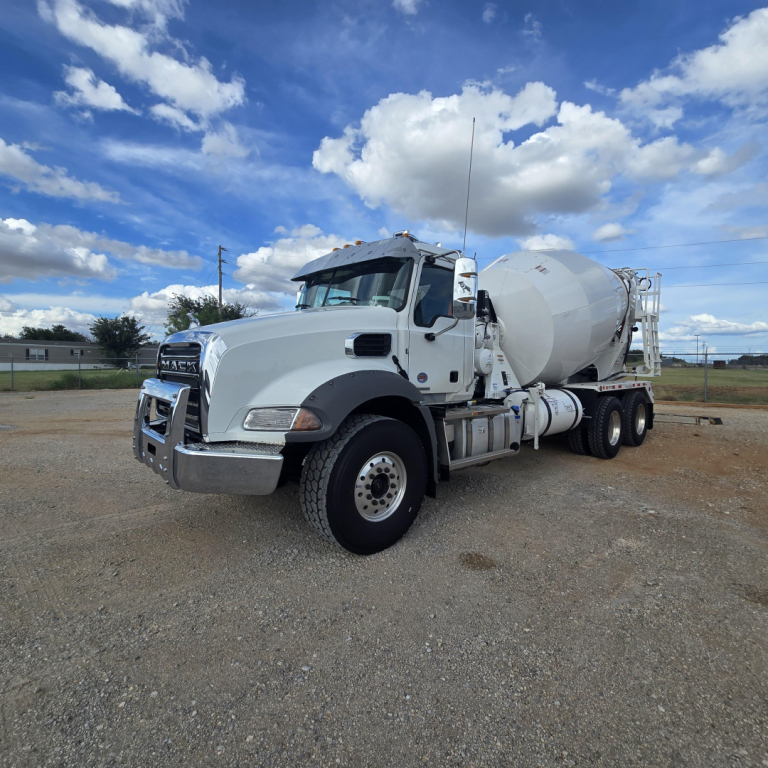
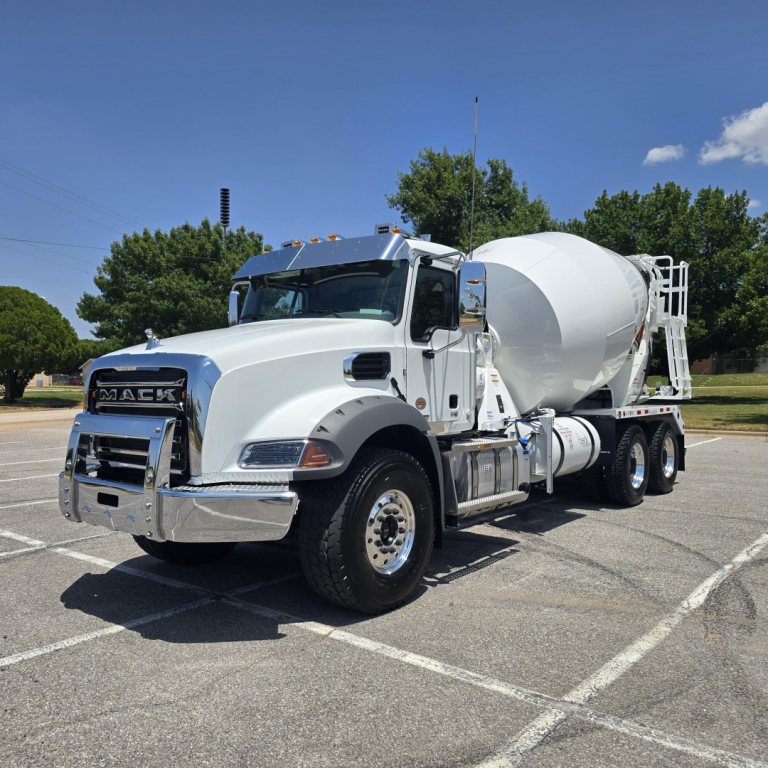
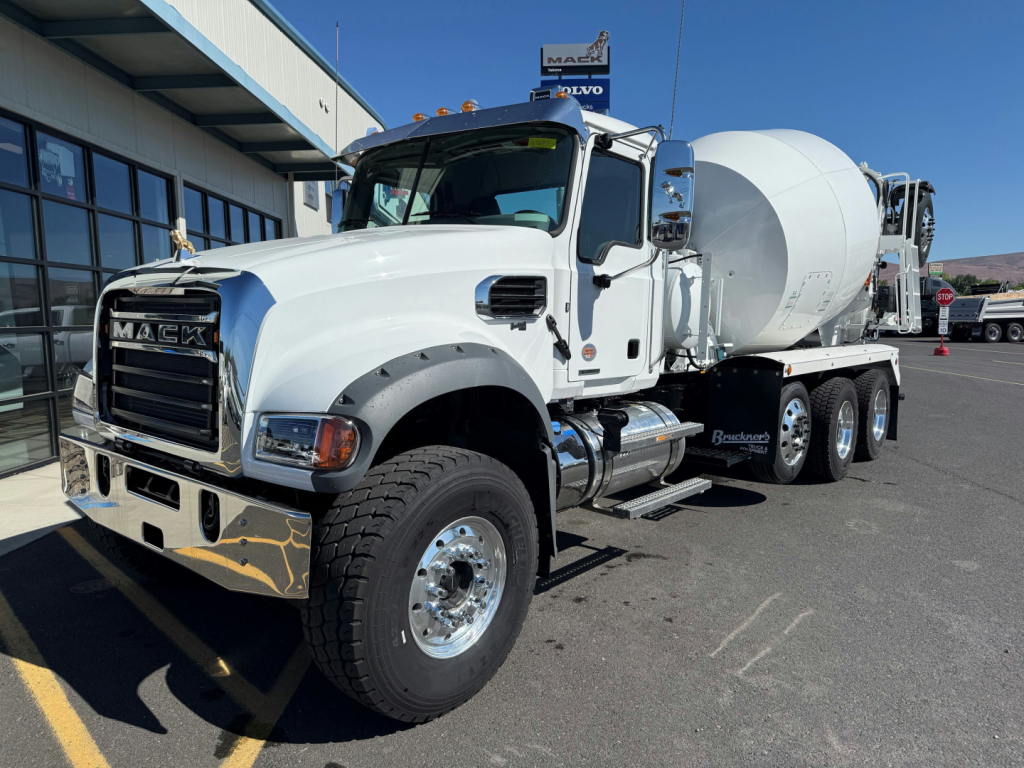
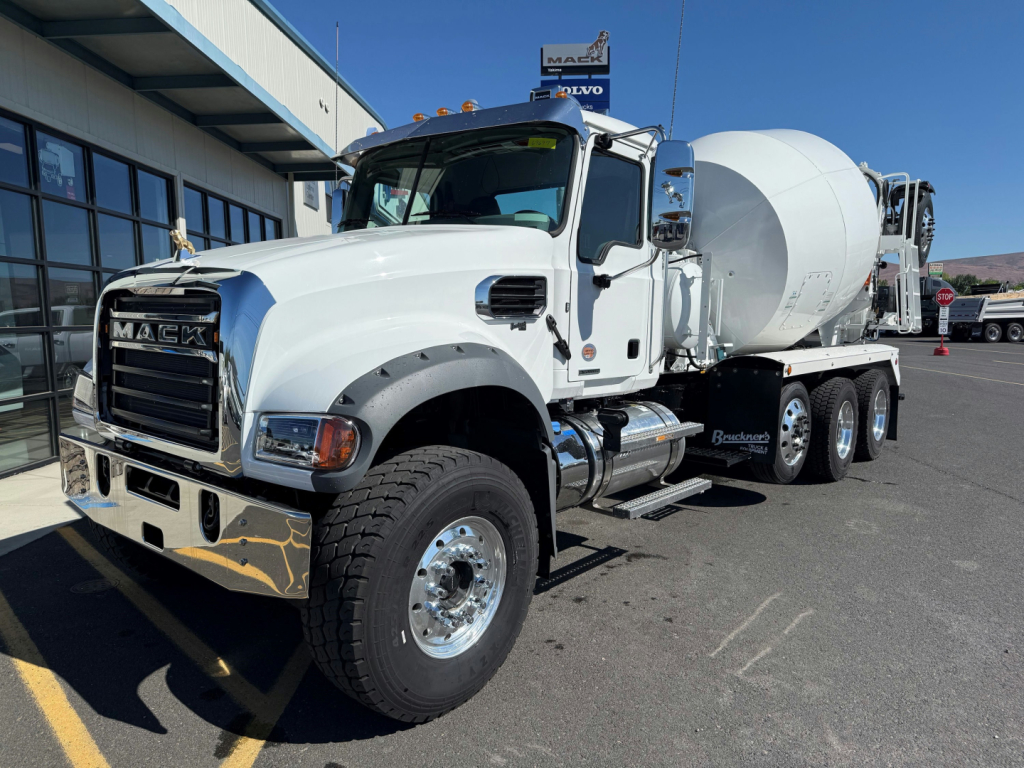
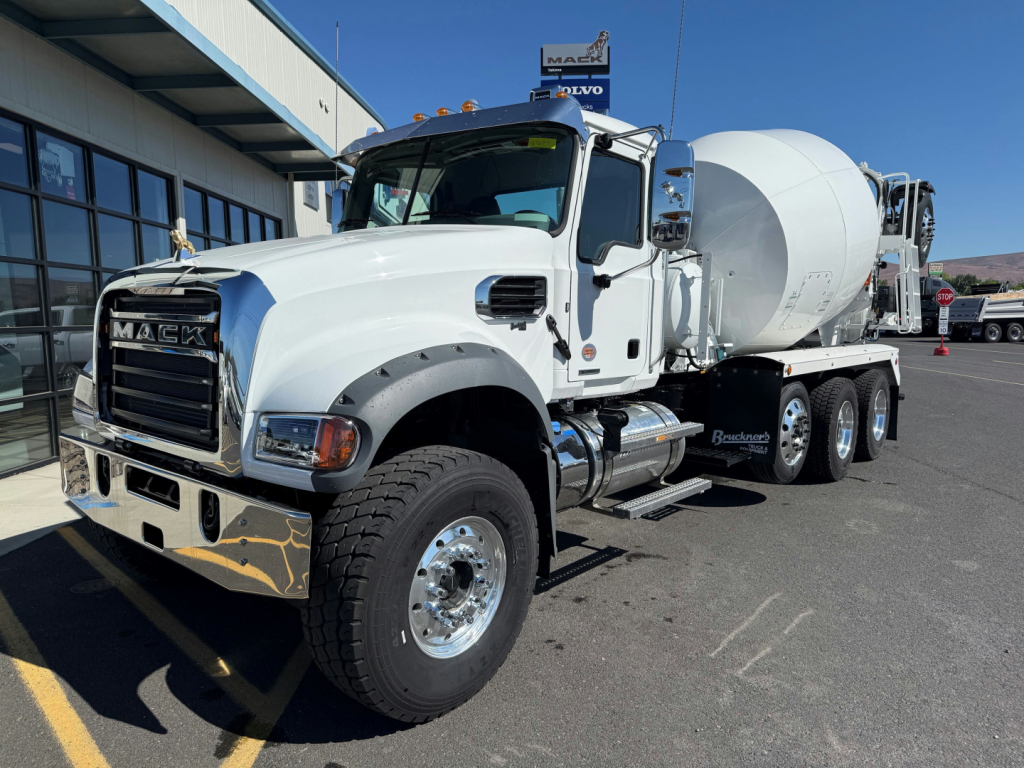
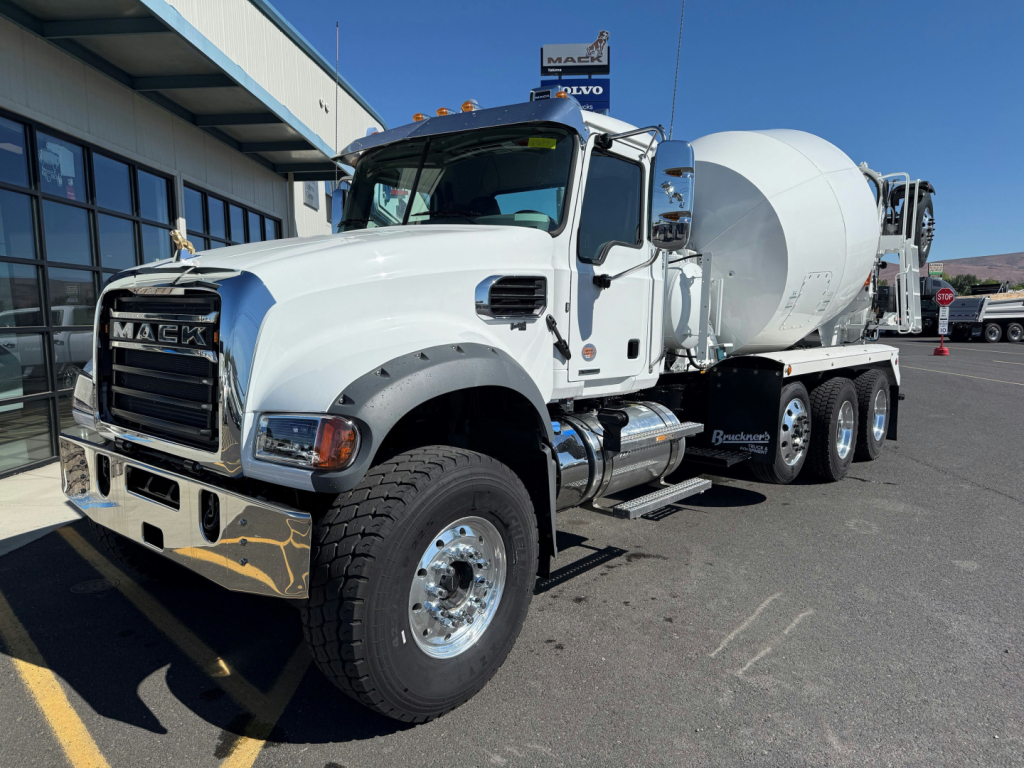
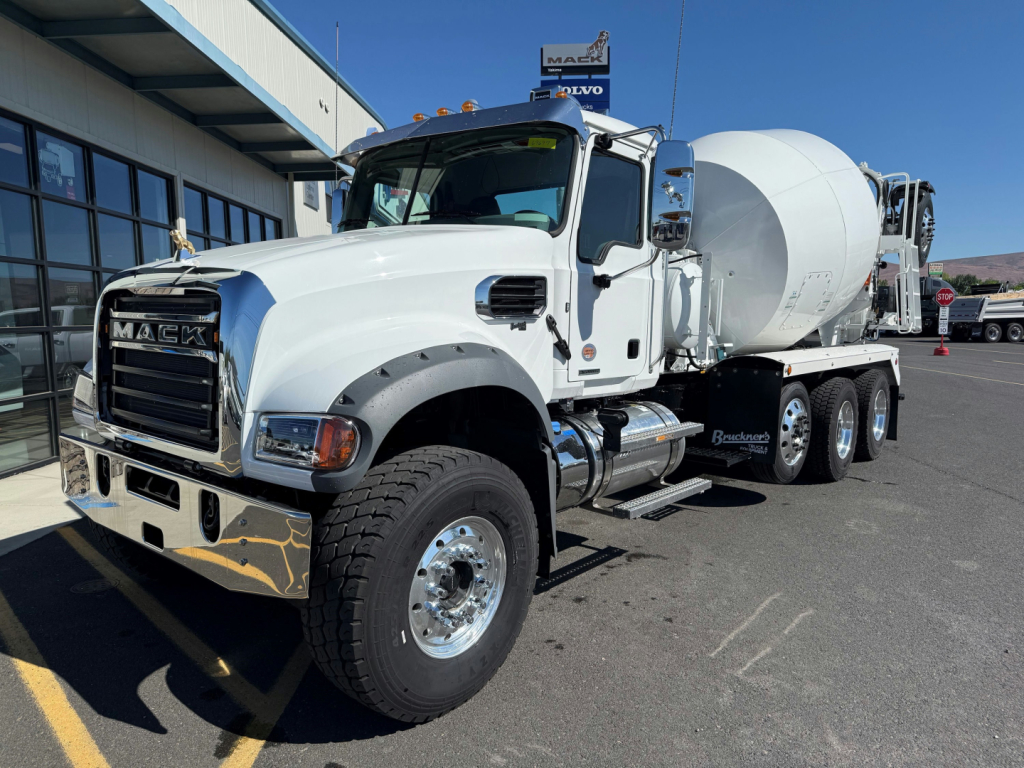
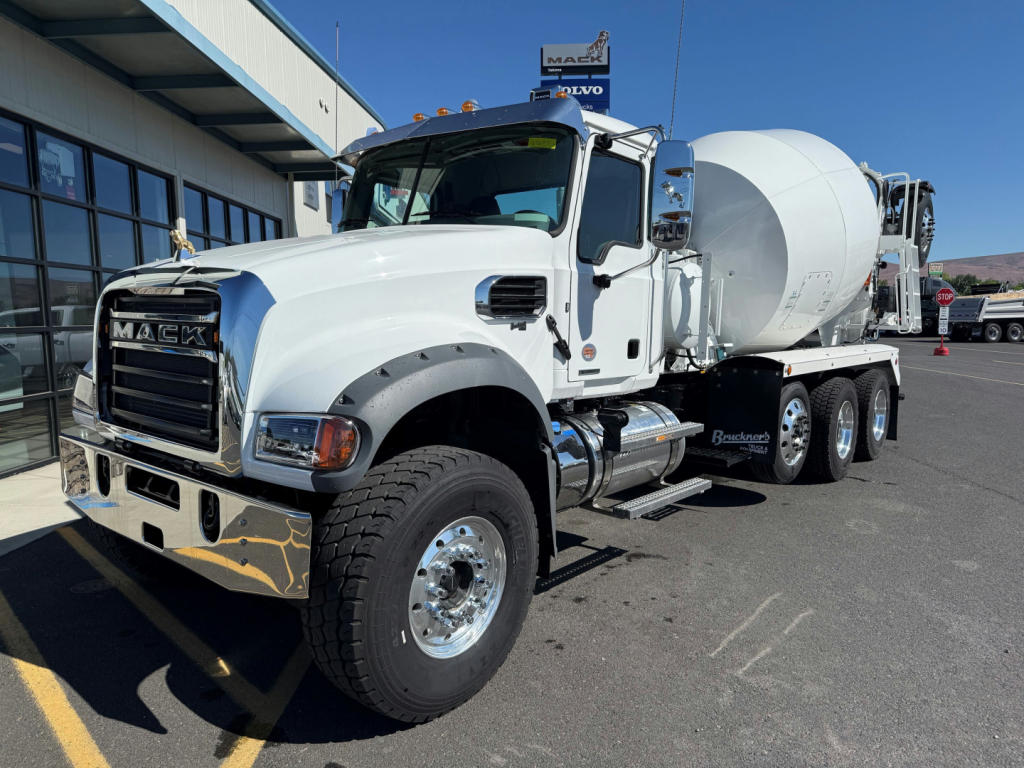
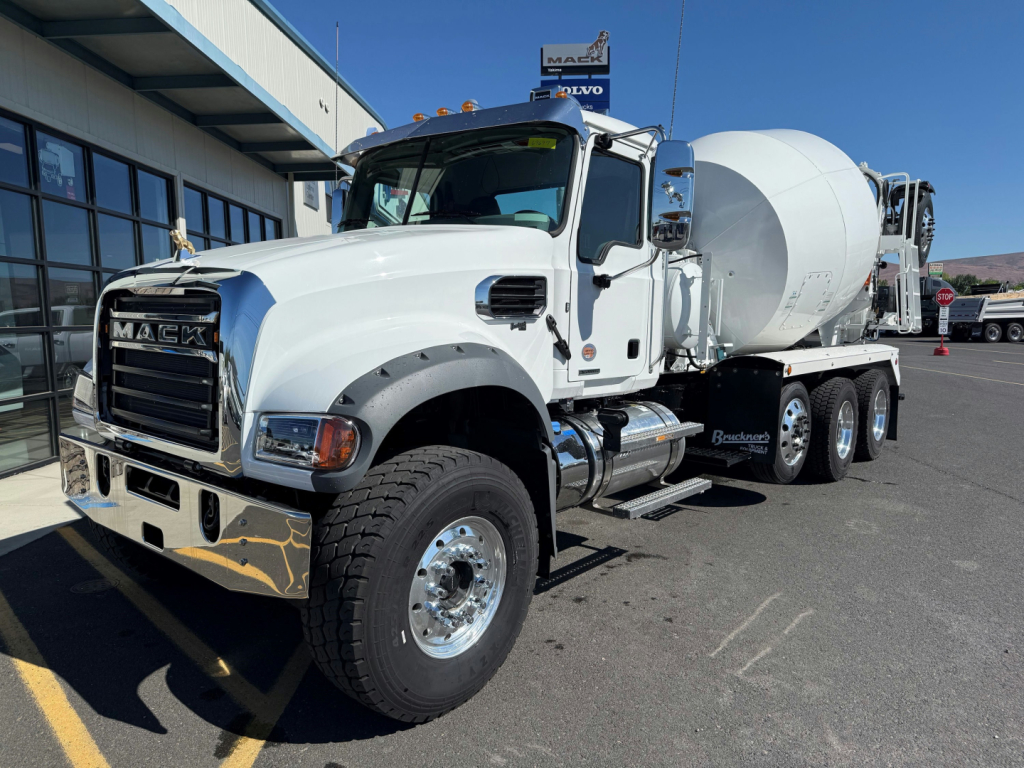

Selling a new 2027 mack mixer truck? List your new 2027 mack mixer truck for sale and reach thousands of commercial buyers.
New 2027 Mack Mixer Trucks
A buyer comparing Mack mixer trucks should start with axle configuration, bridge law requirements, and the barrel size the chassis is meant to support. Common mixer applications use set-forward or set-back front axle layouts depending on local weight laws and turning requirements. Front axle ratings, rear suspension capacity, wheelbase, and frame reinforcement all affect how well the truck carries a loaded drum without sacrificing maneuverability at plants and pours. Mack's vocational platforms are often chosen for their heavy-duty frame rails, high-capacity front ends, and components suited to severe service. Engine and transmission choices should be matched to urban route density, grade conditions, and PTO demand, especially if the truck will spend long hours in low-speed operation between batch plant and jobsite.
Mixer buyers also need to pay close attention to the body package, not just the cab and chassis. Drum capacity is usually measured in cubic yards, and the right size depends on local legal payload, mix design, and delivery radius. Water tank placement, chute configuration, hydraulic system layout, ladder access, fender package, and controls all affect daily usability and driver efficiency. On a new truck, it is worth reviewing visibility from the cab, cab entry height, steering cut, and site access protection because these trucks spend their lives in tight residential pours, commercial sites, and crowded plants. If uptime is the priority, look closely at service access for hydraulics, cooling package performance, and how the mixer installation is integrated with the chassis.
For fleets buying new 2027 Mack mixer trucks, the value is usually in long-term vocational fit rather than headline horsepower. A properly spec'd mixer should carry legal weight efficiently, hold up under constant load cycles, and stay productive in short-haul concrete service. Features such as severe-duty suspension, heavy front axle ratings, automatic transmissions tuned for vocational work, and driver-friendly controls can make a measurable difference in productivity and maintenance cost. Buyers evaluating GR64B and GR64F configurations should compare axle placement, weight distribution, and body compatibility first, then narrow the decision around local route conditions, plant loading practices, and the type of concrete work the truck will handle most often.
Frequently Asked Questions about New 2027 Mack Mixer Trucks
What should I look at first when buying a new Mack mixer truck?
Start with axle configuration, front axle rating, rear suspension capacity, and the barrel size the chassis is designed to carry. A mixer truck lives or dies by weight distribution. If the axle layout does not match your state bridge laws, plant loading practices, and jobsite access needs, the truck may be difficult to operate legally or efficiently. After that, review engine, transmission, PTO setup, and the specific mixer body installation.
What is the difference between Mack GR64B and GR64F mixer chassis applications?
The main difference is typically tied to axle placement and how the chassis is intended to manage weight, turning radius, and body fitment. In mixer service, those details affect legal payload, steering feel, and maneuverability on tight jobsites. Buyers should compare wheelbase, front axle position, bridge compliance, and the mixer body spec sheet rather than relying on model designation alone.
How many cubic yards does a mixer truck usually carry?
Mixer truck capacity varies by drum spec and legal weight limits, but many ready-mix applications fall in the range of about 8 to 11 cubic yards. The practical payload depends on the density of the concrete mix, axle ratings, and state or local road laws. A larger drum does not automatically mean more usable payload if the truck reaches legal axle weight before the drum is full.
Are new Mack mixer trucks suited more for city delivery or jobsite work?
They are designed to handle both, but the exact spec determines where they perform best. Mixer trucks need to operate in dense urban traffic, make repeated stops, and still reach rough or unfinished jobsites without excessive wear. A Mack vocational chassis with the right suspension, axle ratings, steering geometry, and protection package can serve residential pours, commercial placements, and municipal concrete work effectively.
Why do front axle ratings matter so much on a concrete mixer truck?
Front axle ratings are critical because mixer trucks carry substantial weight forward, especially with certain barrel sizes and axle set-ups. An underspecified front end can create legal compliance issues, poor steering performance, and accelerated tire or suspension wear. A properly rated front axle helps the truck stay balanced, steer predictably, and carry concrete loads within the limits the chassis was built for.