
New Mixer Trucks For Sale in Texas
New mixer trucks for sale in Texas. Compare drum capacity, chassis specs, bridge compliance, PTO setup, and jobsite-ready concrete hauling features.
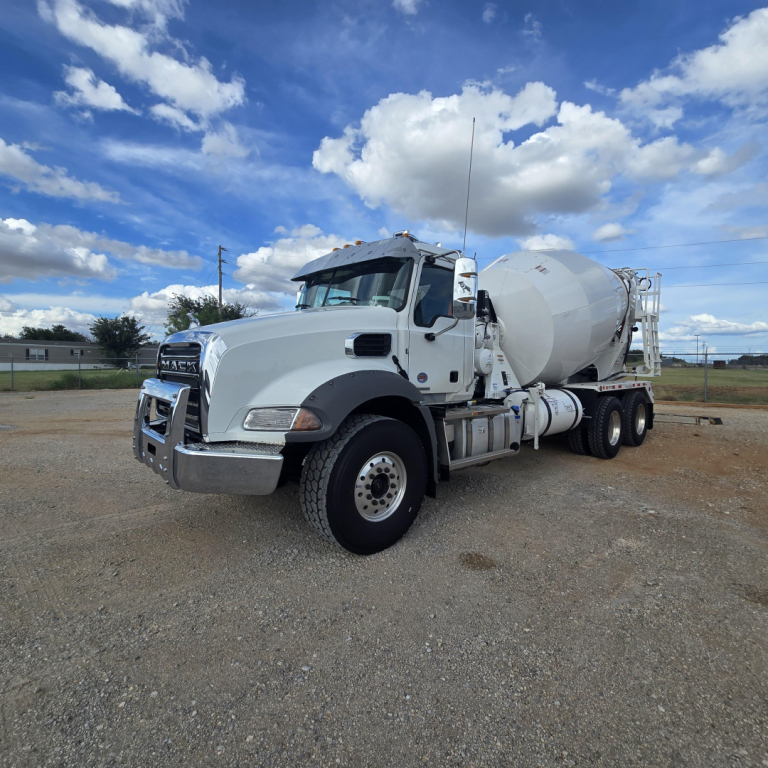
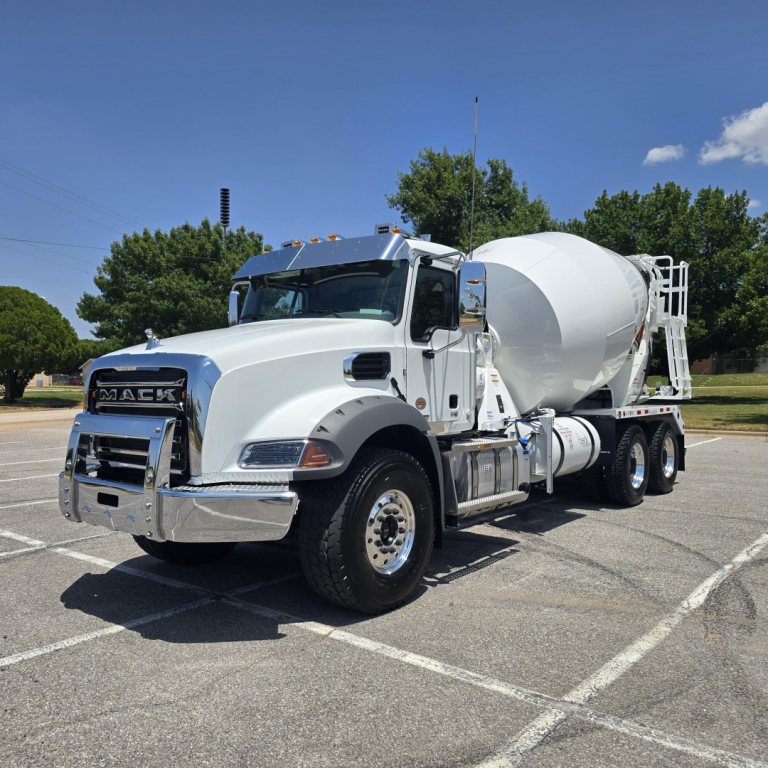
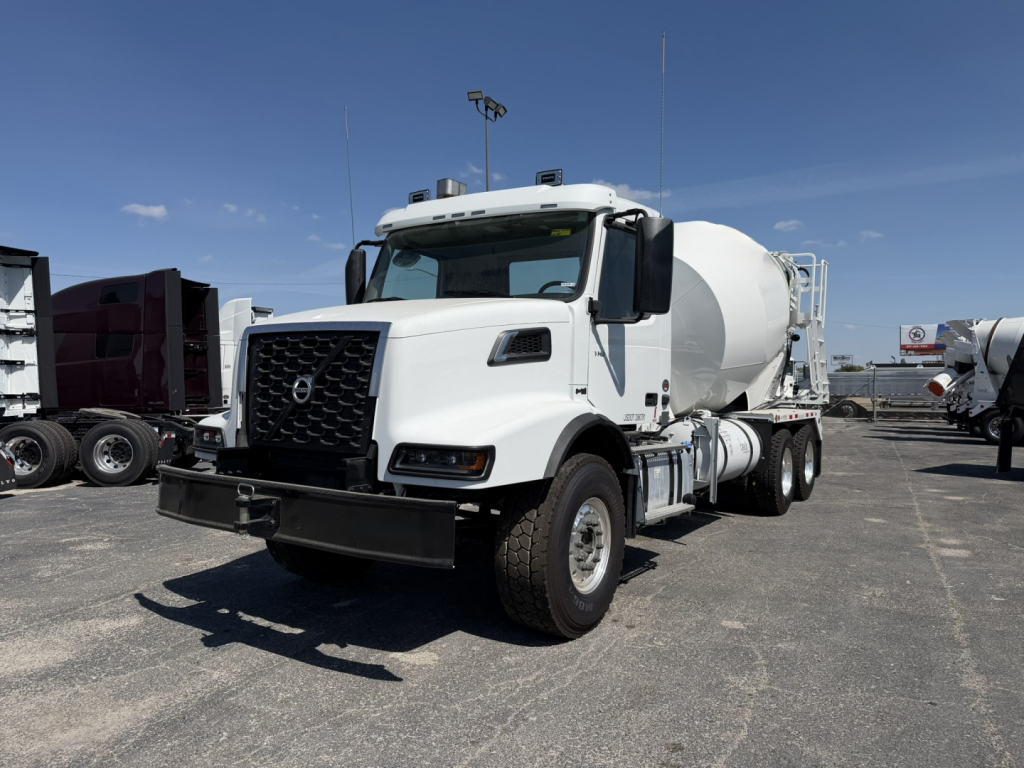
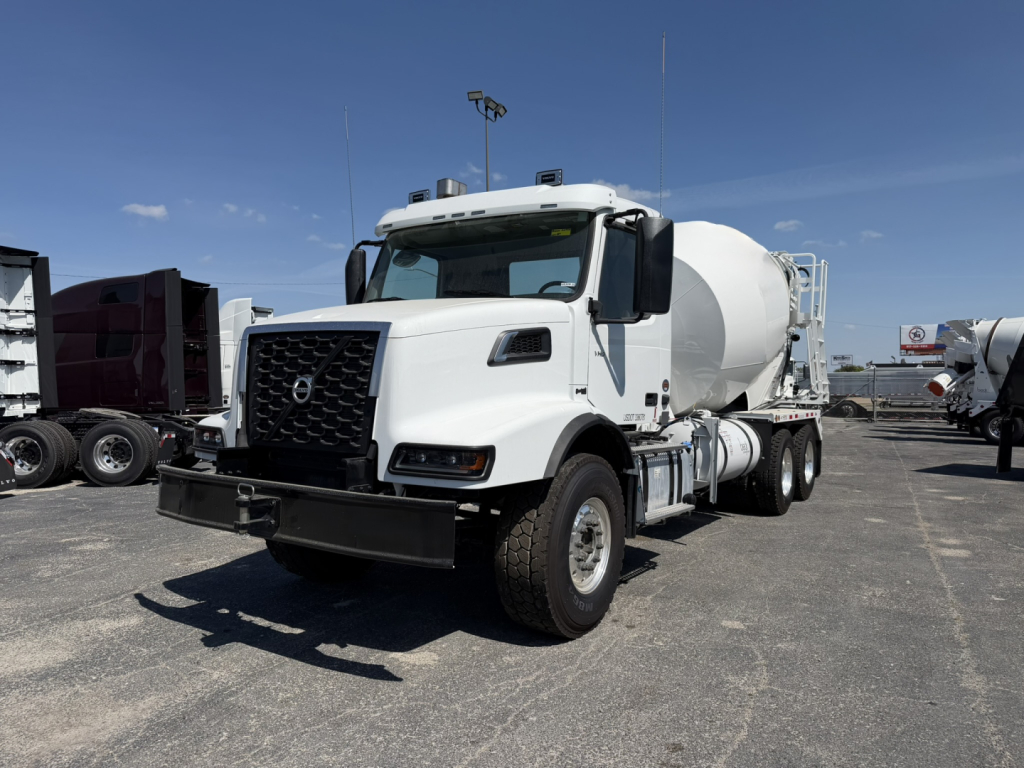
Selling a new mixer truck? List your new mixer truck for sale and reach thousands of commercial buyers.
New Mixer Trucks in Texas
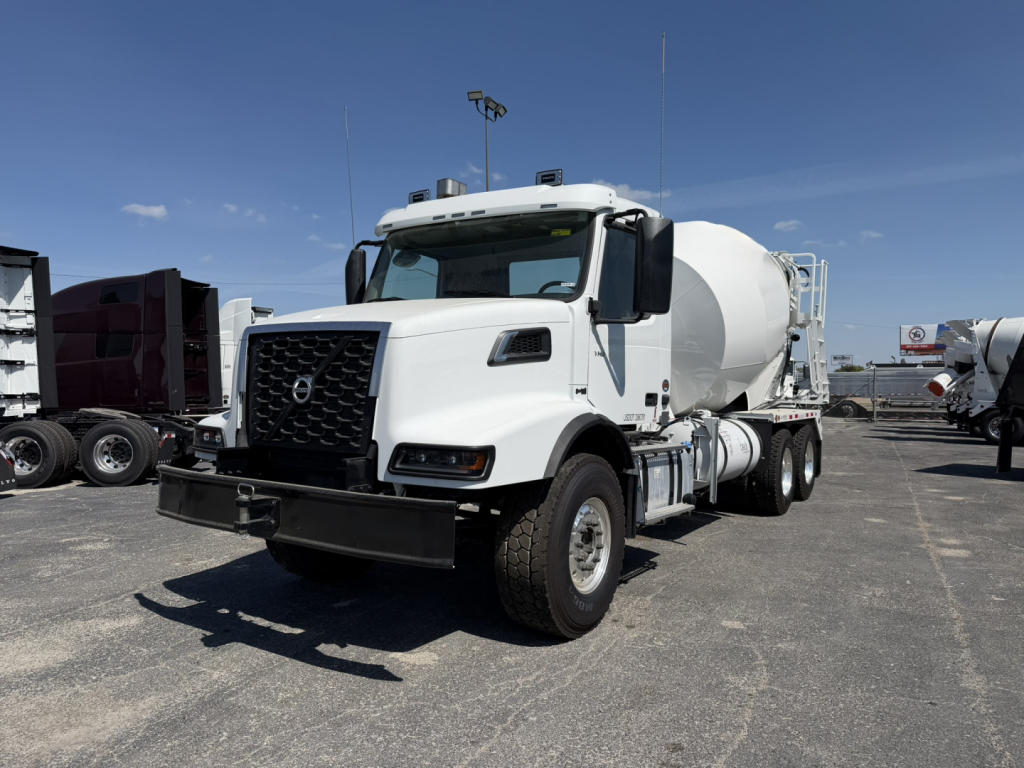
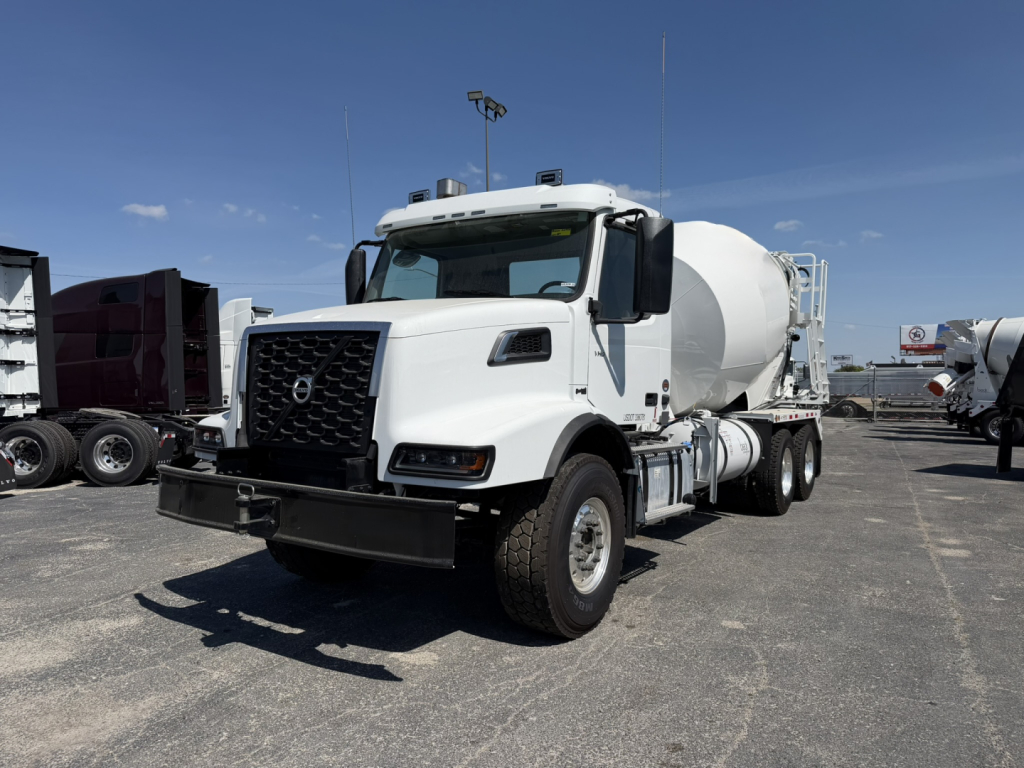
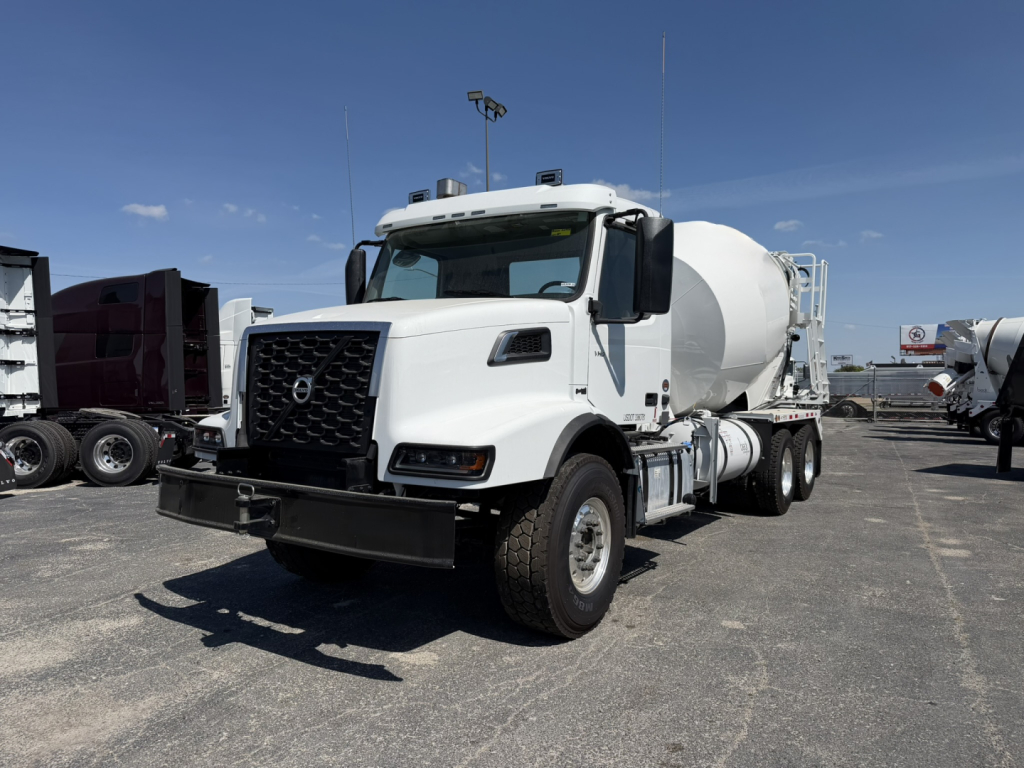
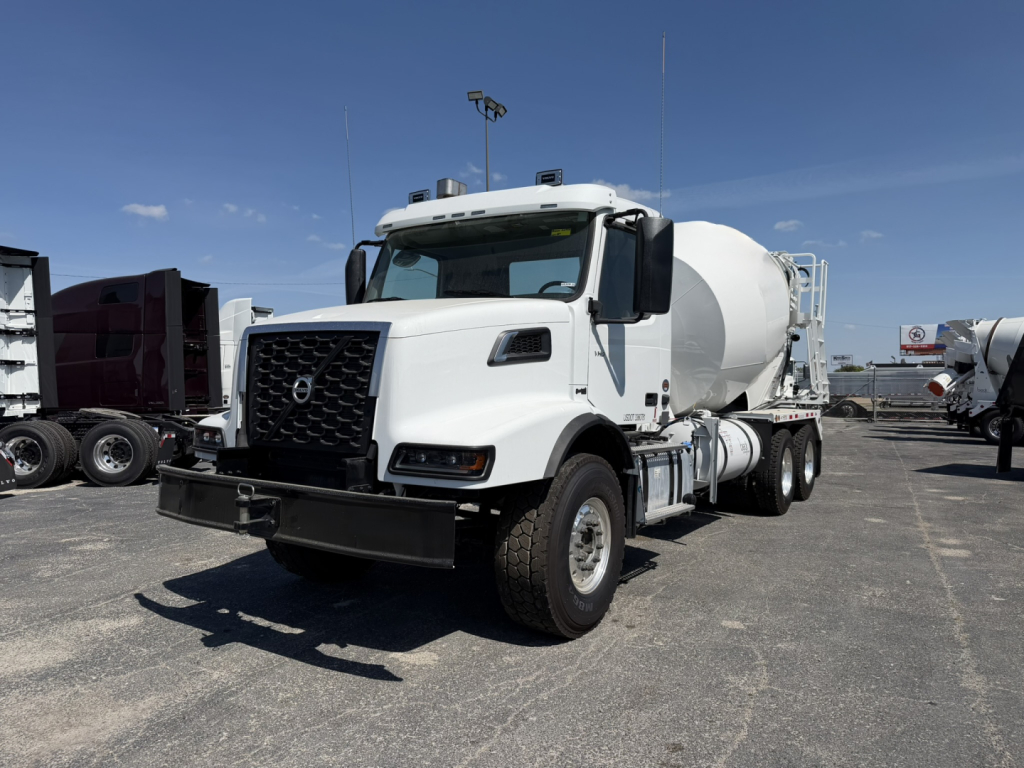
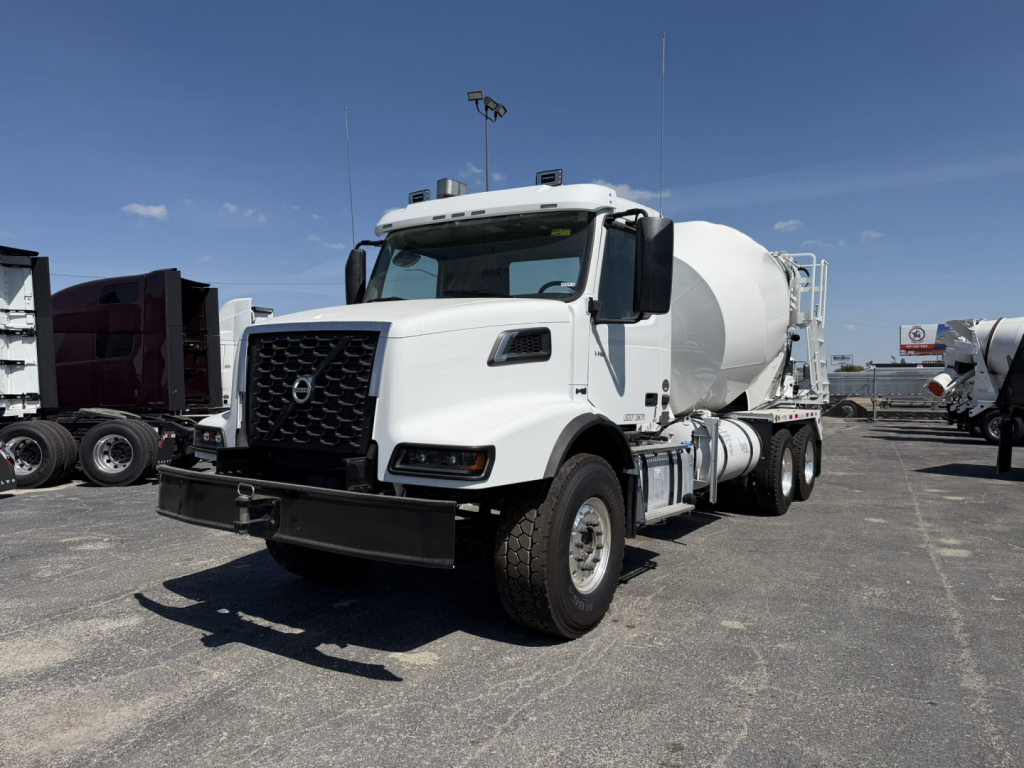
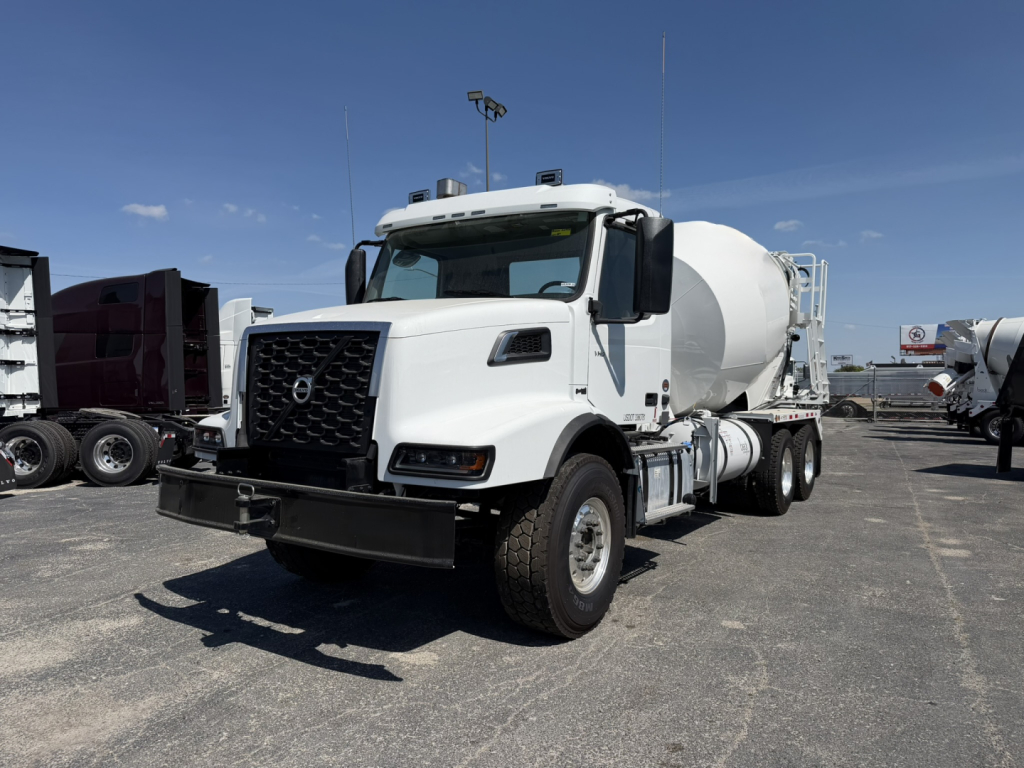
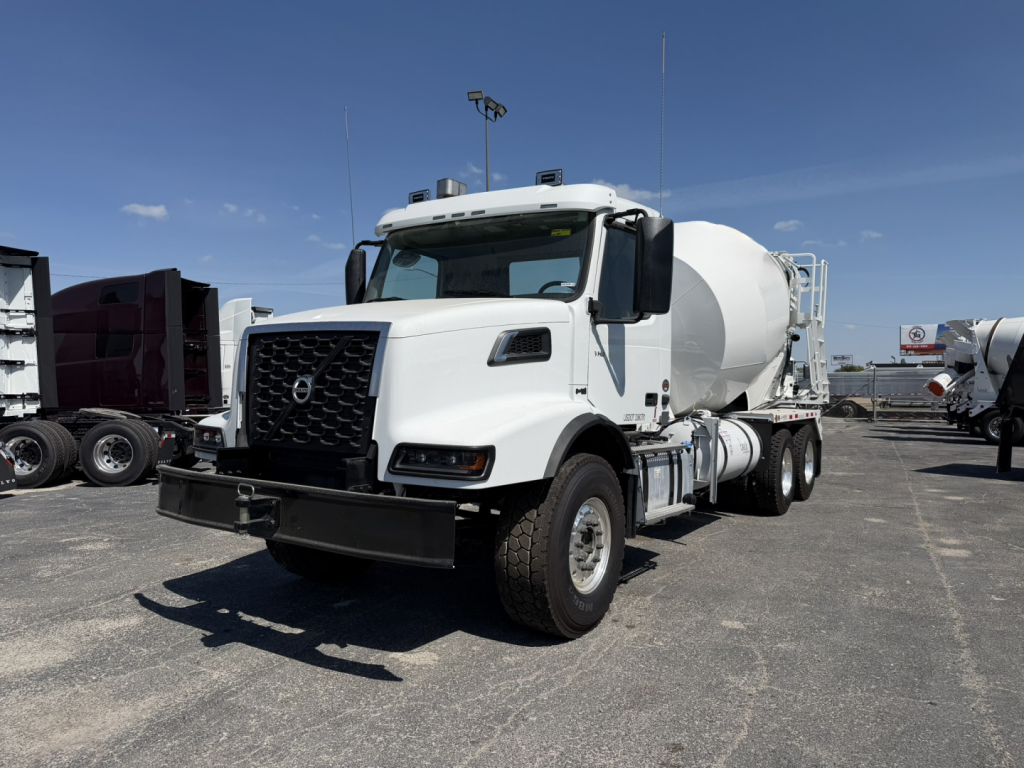
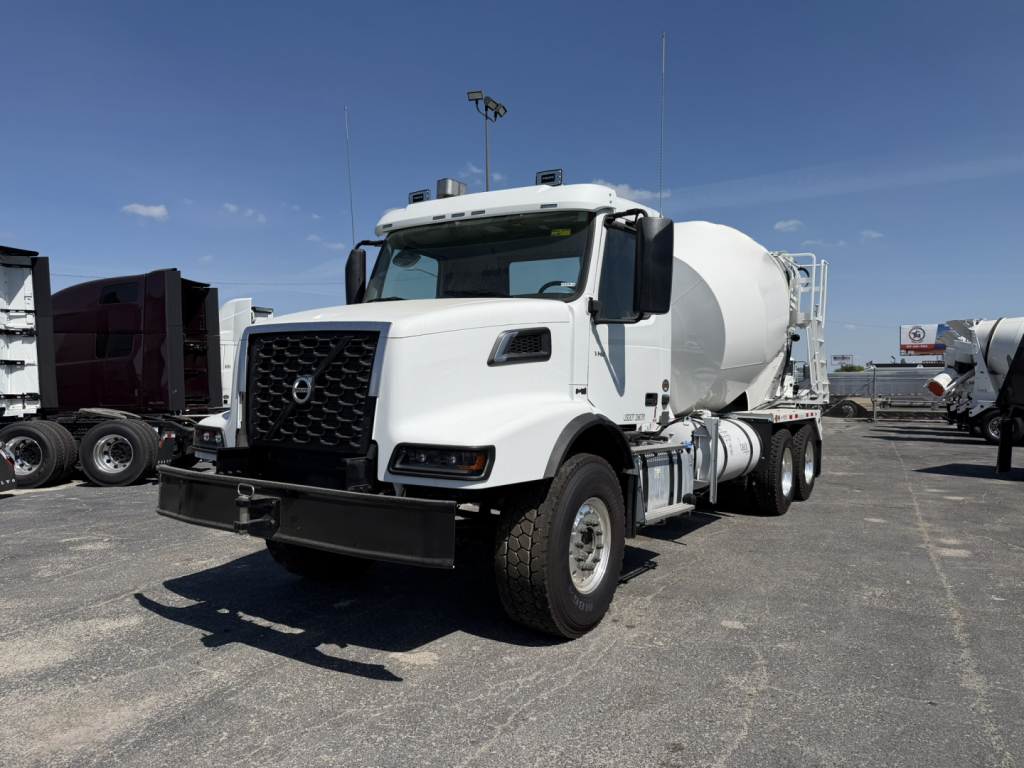
The chassis matters as much as the mixer package. New mixer trucks are often spec'd with vocational platforms from builders like Volvo, Mack, Peterbilt, Kenworth, or Western Star, typically paired with diesel engines in the 330 to 450 horsepower range and Allison automatic transmissions for stop-and-go duty. Buyers should look closely at front axle ratings, rear axle ratios, suspension type, frame reinforcement, and brake package. Full disc brakes, interwheel diff lock, high-capacity cooling, and heavy-duty steering components can make a meaningful difference on urban pours, soft access roads, and high-cycle operation. Cab layout also matters because mixer work is repetitive and visibility-sensitive, so rear controls, camera systems, clear sightlines, and easy cab entry can improve safety and reduce driver fatigue.
On the mixer side, drum construction, water capacity, and control layout deserve careful review. Many new units in this class use steel drums in the 11 yard range, with features such as side-mounted water tanks, in-cab rear drum rotation controls, digital revolution counters, boot wash systems, remote roller greasing, and night-pour lighting. Drum material thickness, blade design, charging and discharge performance, and hydraulic system access all affect long-term maintenance cost. If the truck will spend time on paving work, pump support, municipal jobs, or residential pours, chute configuration and washout practicality become just as important as published yardage. The right spec is not just about how much concrete the truck can carry on paper. It is about how consistently it can load, agitate, travel, discharge, and get back to the plant.
Texas operations often put extra emphasis on heat, traffic, and mixed on-road and off-road use. That makes cooling performance, air filtration, corrosion protection, and service access worth evaluating on every new mixer truck. A buyer comparing listings should think in terms of route length, average wait time on site, legal payload target, and maintenance support for both the chassis and the mixer body. New mixer trucks cost more up front than used units, but they offer the advantage of current emissions systems, factory warranty coverage, and the ability to spec the truck around a specific plant, territory, and customer mix. For fleets focused on uptime, standardization, and predictable lifecycle cost, that can be the deciding factor.
Frequently Asked Questions about New Mixer Trucks in Texas
What size drum is most common on a new mixer truck?
An 10 to 11 yard drum is one of the most common configurations on a new mixer truck, especially on heavy vocational chassis used for ready-mix delivery. The best size depends on local weight limits, axle spacing, and the density of the concrete being hauled. A larger drum does not always mean a higher legal payload, so buyers should compare rated drum volume against empty weight and bridge-law compliance in the actual operating area.
Why is axle configuration so important on a mixer truck in Texas?
Axle configuration determines how much concrete the truck can legally carry and how well it handles tight jobsites, soft ground, and municipal streets. In Texas, buyers often evaluate steer axle capacity, rear axle ratings, wheelbase, and bridge formula impact before settling on drum size. A truck that is too heavy for the route can lose payload every trip, while a truck that is too light-duty may wear out faster under repeated batch plant and jobsite cycles.
Are automatic transmissions common in new concrete mixer trucks?
Yes. Allison automatic transmissions are widely used in new concrete mixer trucks because they perform well in stop-and-go work, reduce driver fatigue, and provide smooth power delivery during loading, travel, and discharge. Automatic transmissions are especially valuable on urban routes and jobs with frequent starts, backing, and low-speed maneuvering. Buyers should still confirm the transmission model matches the engine torque rating and gross vehicle weight of the completed truck.
What features matter most on the mixer body itself?
Key mixer body features include drum capacity, drum material thickness, hydraulic drive design, water tank size, chute setup, and the accessibility of grease points and service components. Buyers also look for practical jobsite features such as rear drum rotation controls, digital revolution counters, boot wash systems, remote roller greasing, and work lighting for early morning or night pours. These details affect washout time, driver efficiency, and long-term maintenance cost as much as the headline yardage rating.
Is buying a new mixer truck better than buying used?
A new mixer truck gives the buyer current-spec emissions equipment, full warranty coverage, and the chance to match the chassis and mixer package to a specific route and production schedule. That can improve uptime, simplify parts support, and reduce surprise repair expense during the first years of service. Used trucks may lower acquisition cost, but the condition of the drum, hydraulics, frame, and suspension can vary widely, which makes total operating cost less predictable.