
New Volvo Mixer Trucks For Sale in Texas
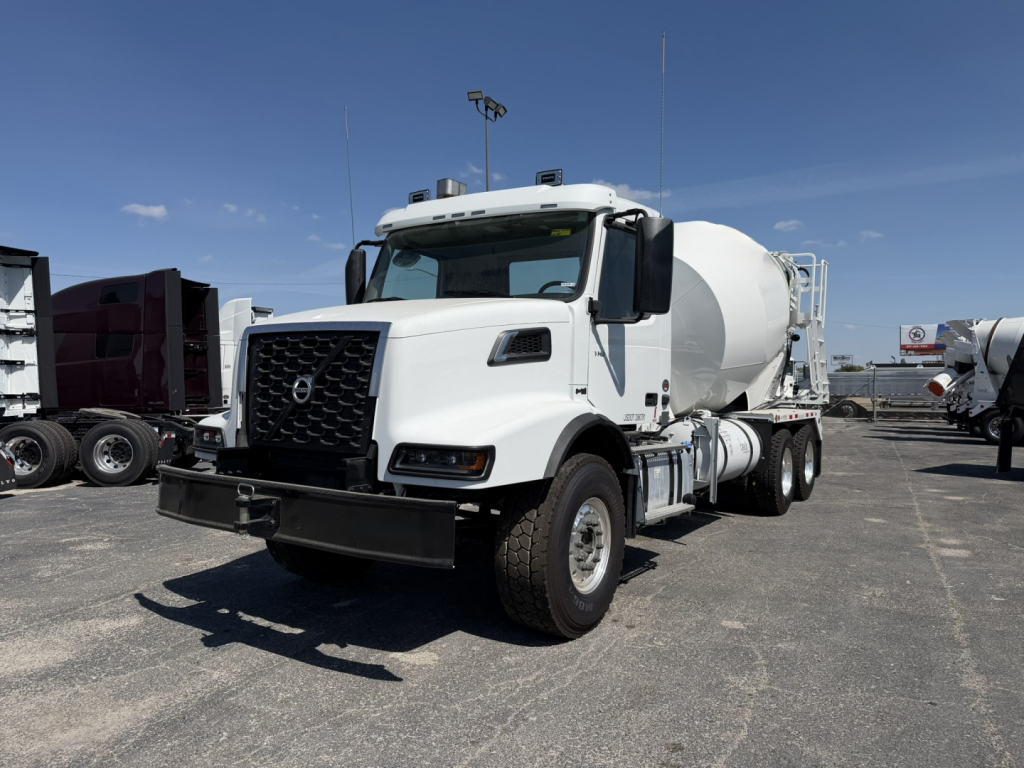
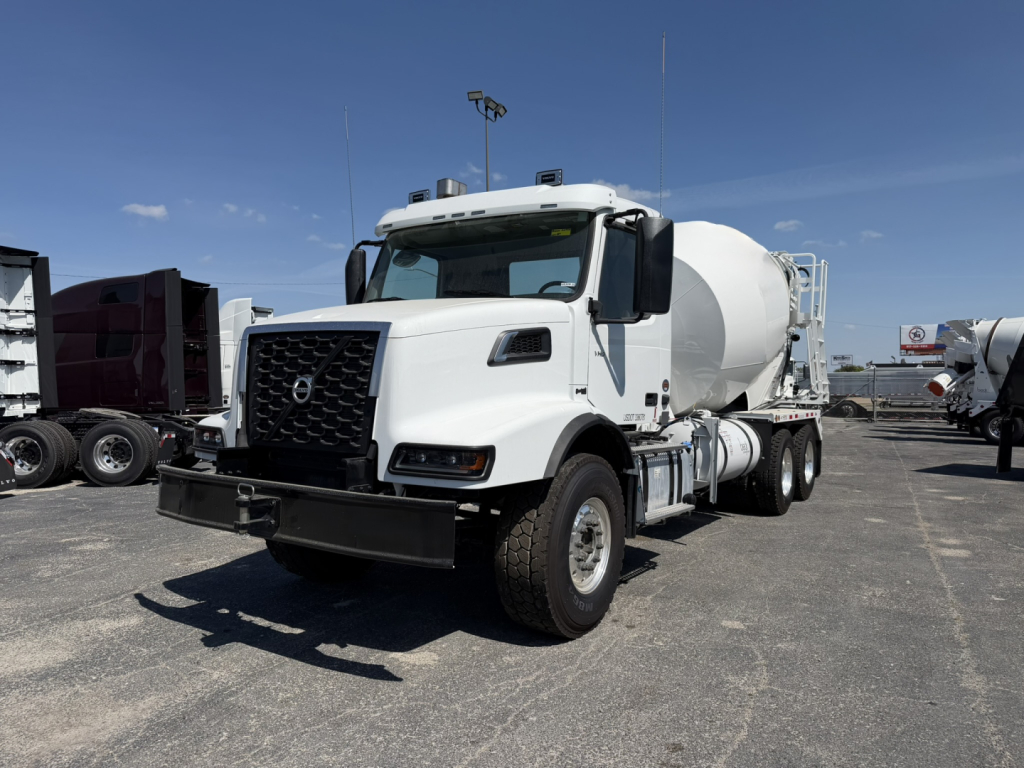
New Volvo mixer trucks for sale in Texas, including VHD concrete mixers with vocational specs, automatic transmissions, and ready-for-jobsite features.
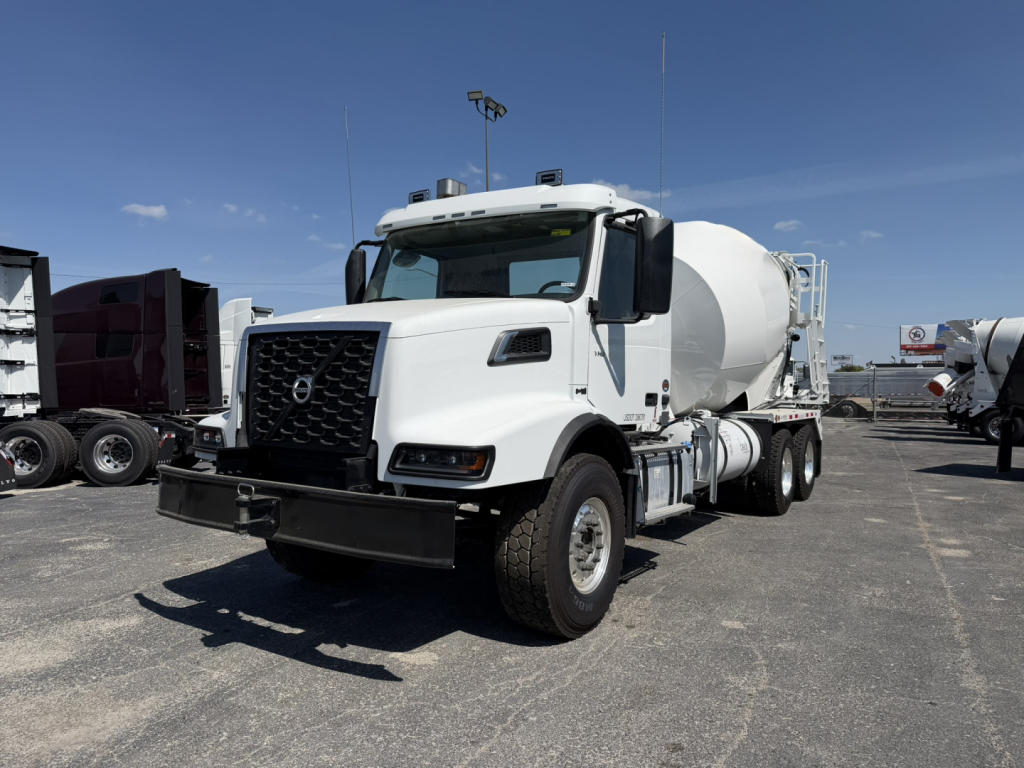
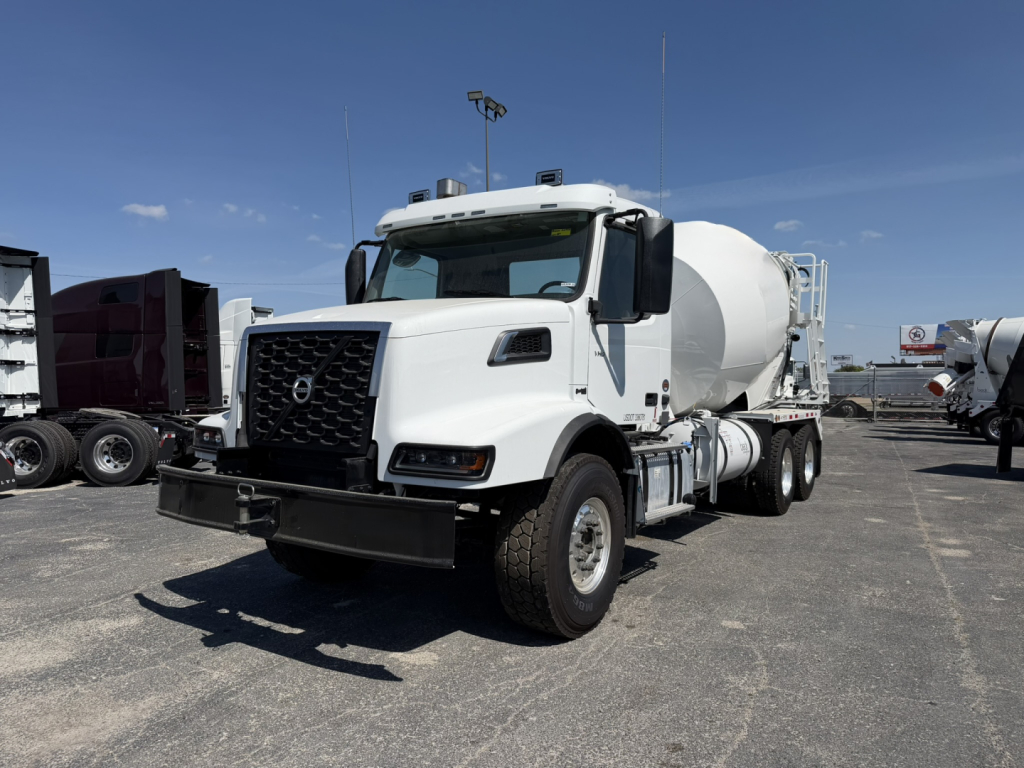
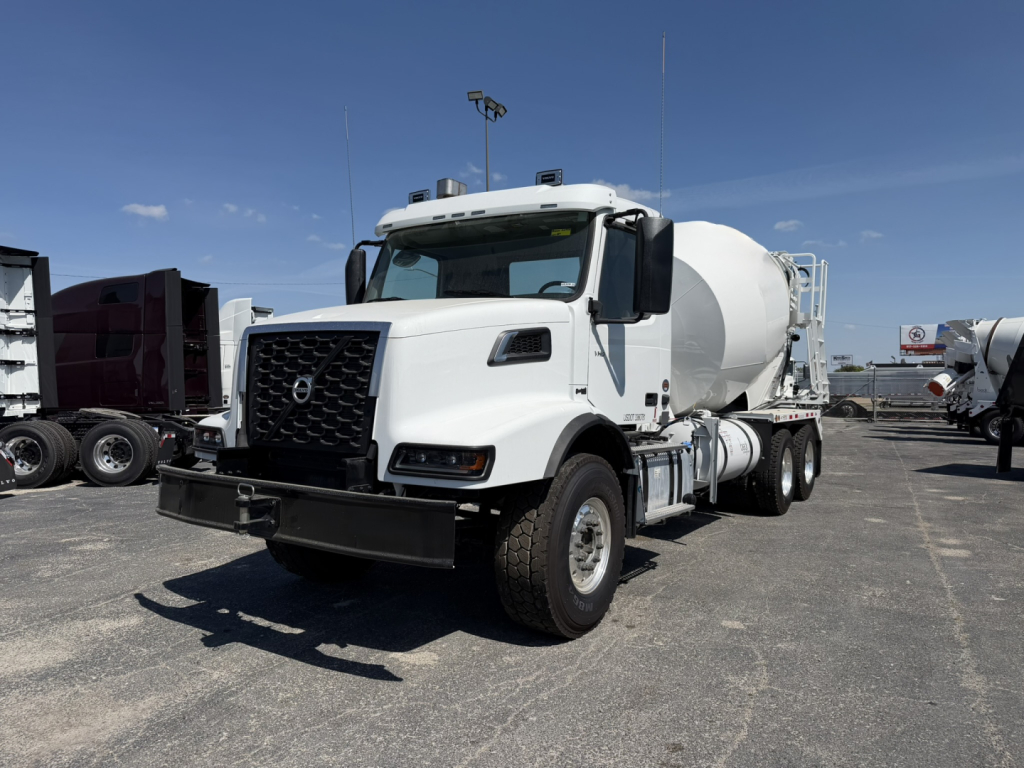
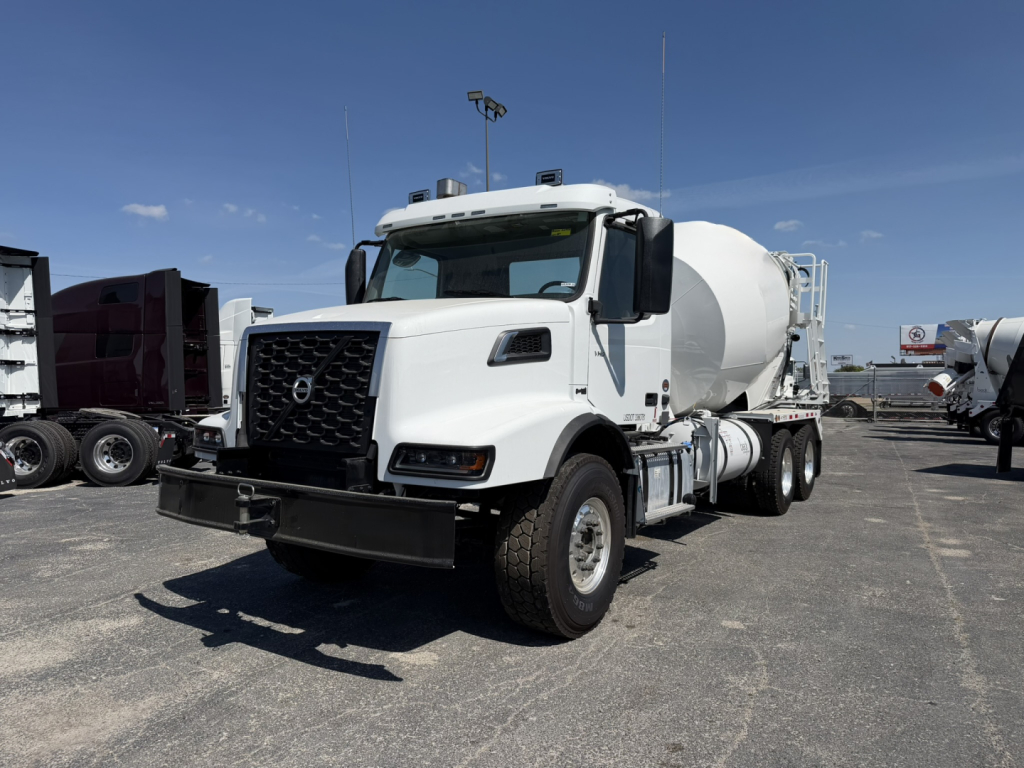
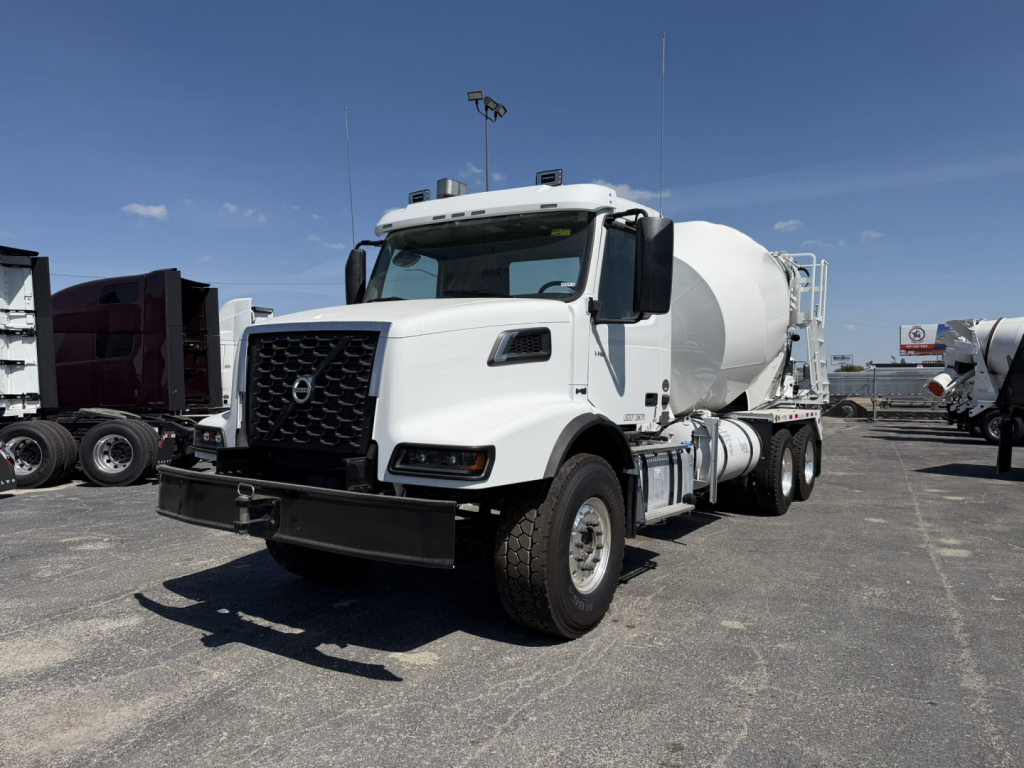
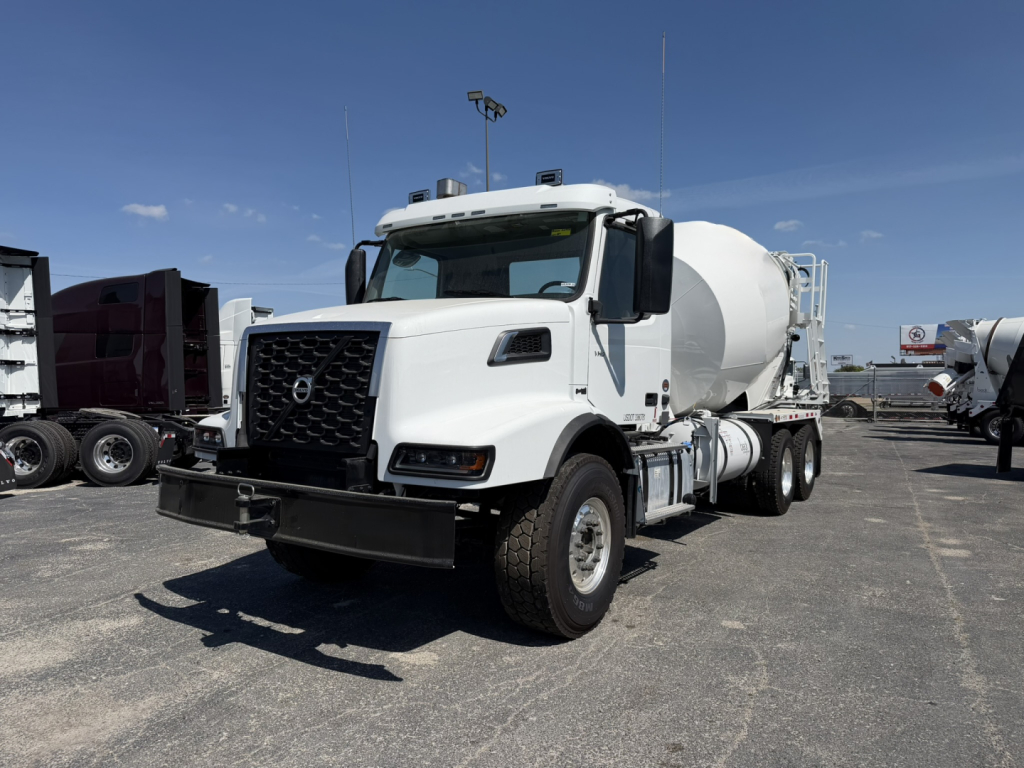
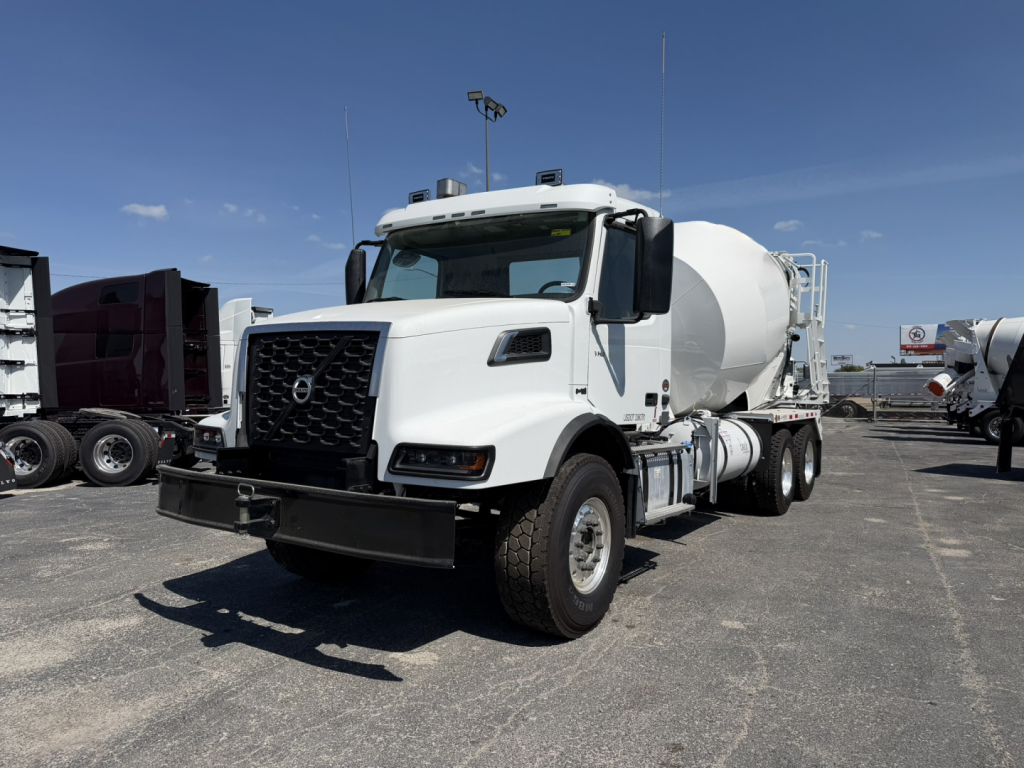
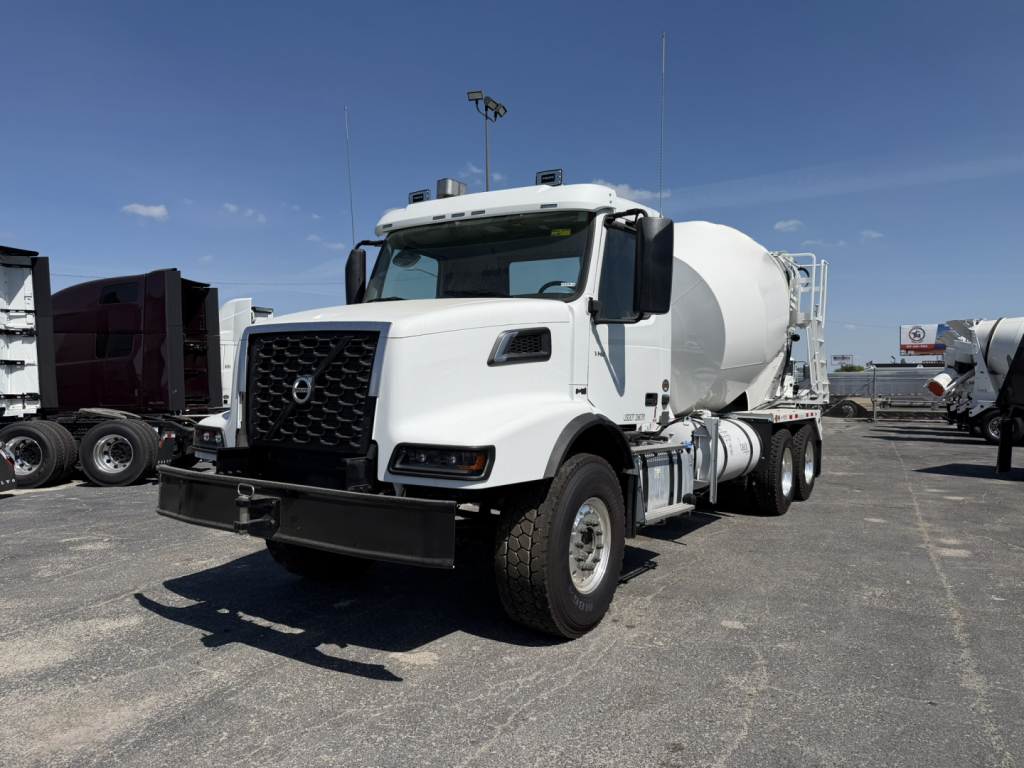
Selling a new volvo mixer truck? List your new volvo mixer truck for sale and reach thousands of commercial buyers.
New Volvo Mixer Trucks in Texas
One of the first decisions is drum capacity and body spec. Many buyers shop the 10.5- to 11-yard range because it balances payload, bridge compliance, and maneuverability for urban and suburban work. A heavy-duty drum shell, often around 1/4-inch steel, matters for service life when the truck is cycling daily in abrasive material. Water tank size, washout setup, ladder and platform design, chute storage, and rear control layout all affect how efficiently the truck works at the pour. Features like in-cab drum rotation controls, digital drum counters, remote greasing, boot wash systems, and night-pour lighting are not cosmetic. They directly reduce downtime and help crews keep the truck moving safely through longer shifts.
On the chassis side, Volvo mixer trucks are known for a driver-friendly cab, solid visibility, and vocational durability. Buyers should pay close attention to wheelbase, axle spread, suspension, brake spec, differential locks, and PTO integration with the mixer package. Allison automatic transmissions remain common in this category because they simplify training and improve consistency in crowded plant yards and backing situations. Full disc brakes, interwheel diff lock, and properly matched front axle capacity are especially relevant for Texas fleets running mixed pavement and jobsite conditions. Fuel capacity is usually secondary to payload and frame packaging, but it still matters for fleets covering larger service areas between batch plants and project locations.
A new Volvo concrete mixer truck should be evaluated as a complete system, not just a cab and chassis with a drum installed. The right spec depends on what the truck hauls, how far it runs, how tight the delivery environment is, and how your crew loads, pours, and washes out each day. Buyers comparing new mixer trucks often focus on engine and transmission first, but long-term value usually comes from body durability, control layout, service access, and how well the chassis and mixer manufacturer are matched. For contractors and ready-mix operations in Texas, a well-specced Volvo mixer can offer a strong mix of uptime, operator comfort, and vocational performance.
Frequently Asked Questions about New Volvo Mixer Trucks in Texas
What is the typical configuration for a new Volvo mixer truck?
A typical new Volvo mixer truck uses a severe-duty Volvo VHD chassis in a 6x4 configuration with a vocational diesel engine, an automatic transmission, tandem rear axles, and a mixer body in the 10- to 11-yard class. Exact ratings vary by application, but buyers usually look for enough front axle and rear axle capacity to support a full concrete load while maintaining legal compliance and good maneuverability.
Why do many mixer trucks use an Allison automatic transmission?
Allison automatic transmissions are popular in mixer applications because they handle constant starts, stops, low-speed maneuvering, and backing with less driver fatigue than a manual or automated manual in many vocational settings. They also help with driver consistency in batch plant traffic, congested jobsites, and short-haul delivery cycles where smooth control is more important than highway cruising efficiency.
What drum size is common on a new Volvo concrete mixer truck?
An 11-yard mixer is a common target because it offers useful payload for ready-mix and paving work without pushing the chassis beyond practical operating limits for many routes. Buyers still need to match drum size to local weight laws, axle ratings, and route conditions, because a larger nominal drum does not automatically mean the truck can legally or efficiently haul that volume on every job.
What features matter most on the mixer body itself?
The mixer body should be judged on drum construction, water capacity, chute arrangement, washout setup, control placement, service access, and greasing design. Heavy drum material, dependable hydraulics, accessible controls, and practical crew features like boot wash systems and work lights can make a noticeable difference in daily uptime, cleanup time, and jobsite safety.
Are Volvo mixer trucks a good fit for Texas concrete work?
Volvo mixer trucks are a strong fit for many Texas operations because they are available in vocational chassis specs suited for heat, stop-and-go work, and mixed road-to-jobsite conditions. The best fit depends on territory, batch plant spacing, and project type, but buyers in Texas often prioritize cooling performance, brake spec, differential traction, and a mixer package that can hold up to long workdays and frequent pours.