
New Volvo Mixer Trucks For Sale
Shop new Volvo mixer trucks built for concrete delivery with durable drums, automatic transmissions, tandem rears, and jobsite-ready specs.
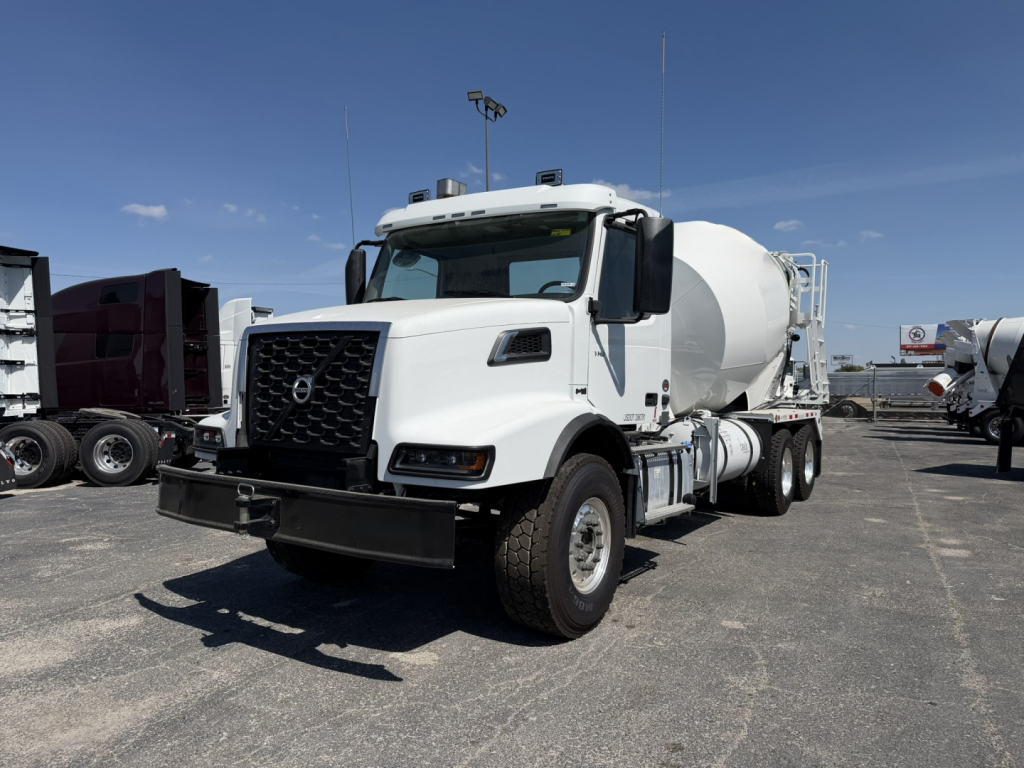
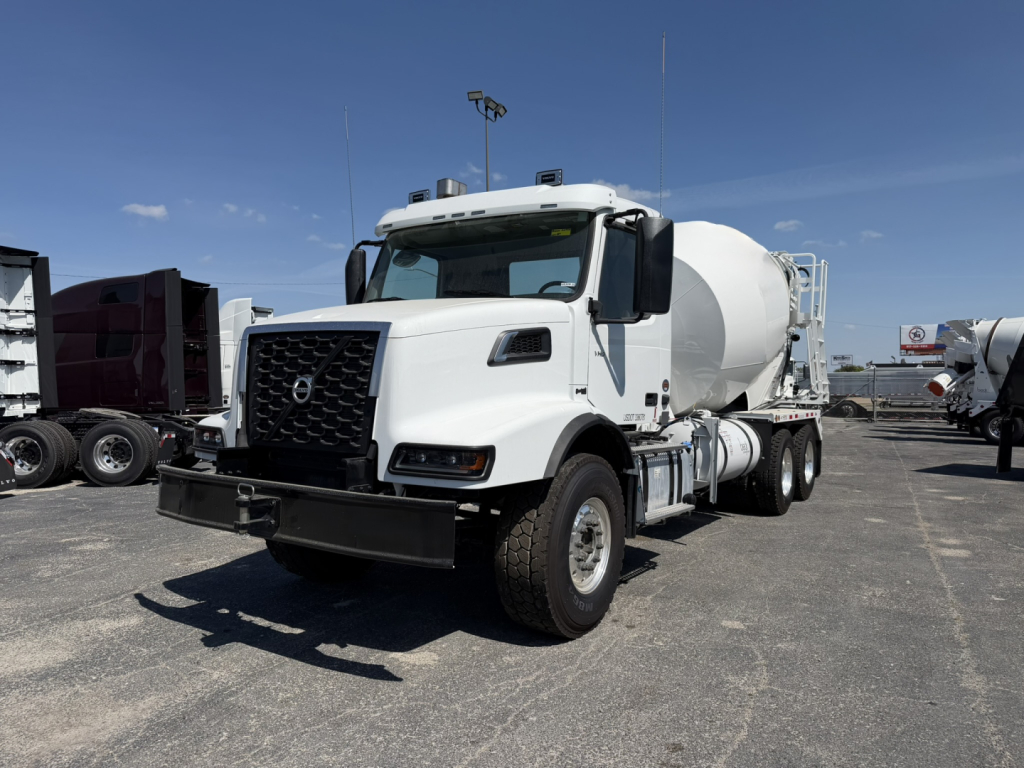
Selling a new volvo mixer truck? List your new volvo mixer truck for sale and reach thousands of commercial buyers.
New Volvo Mixer Trucks
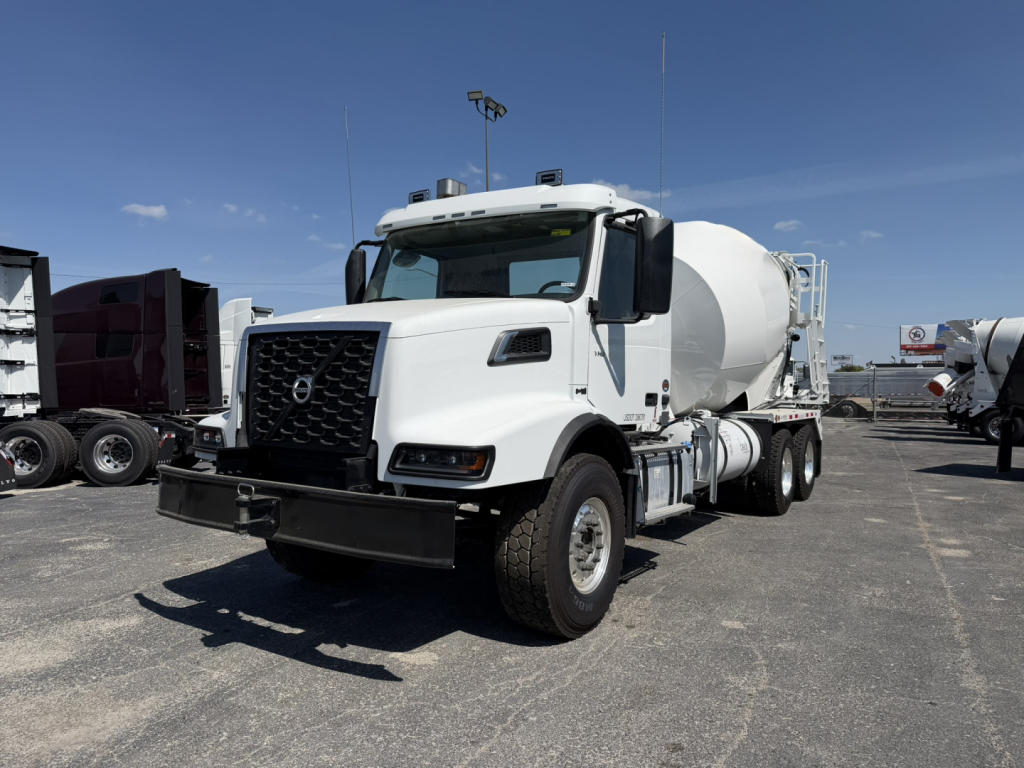
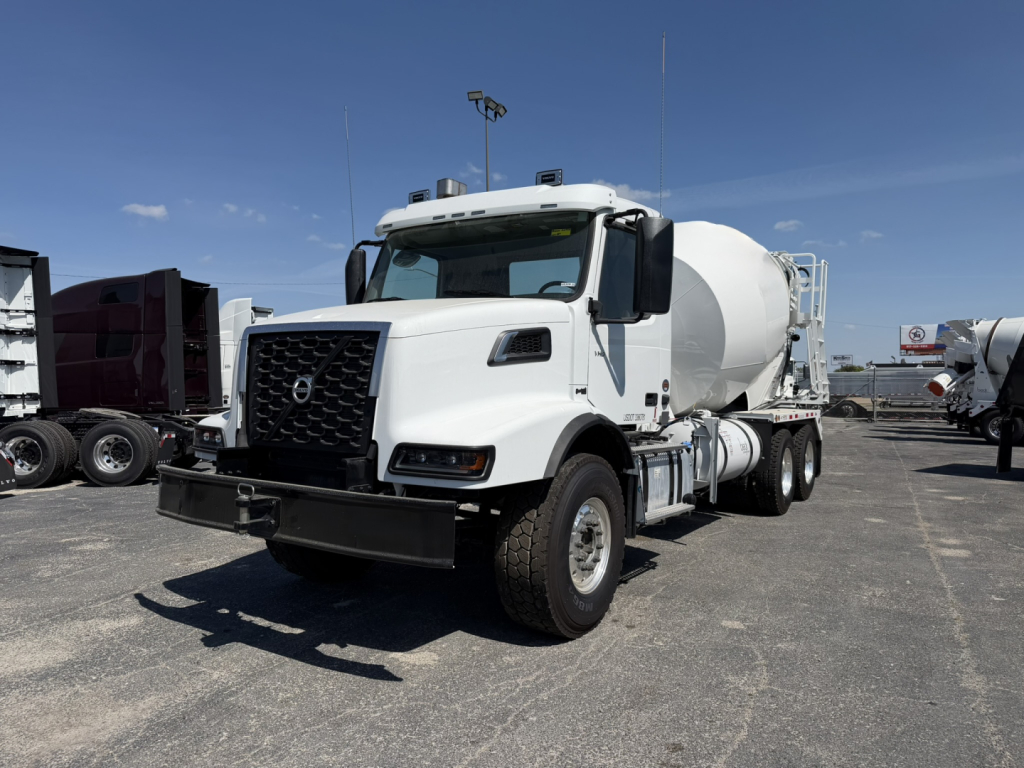
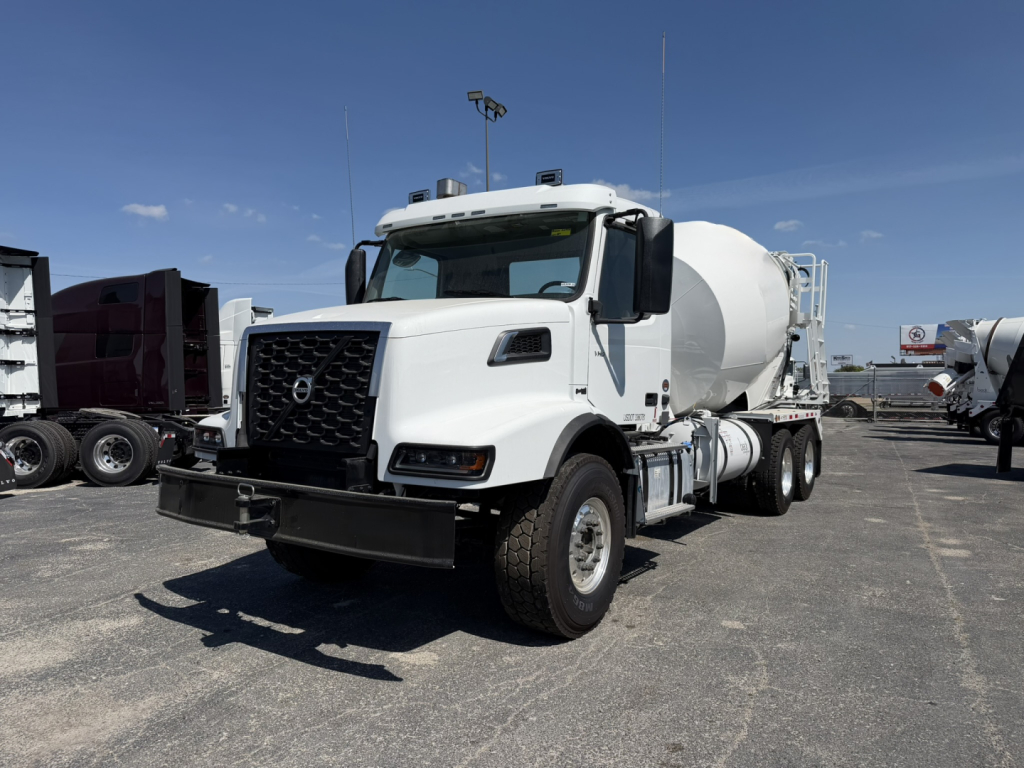
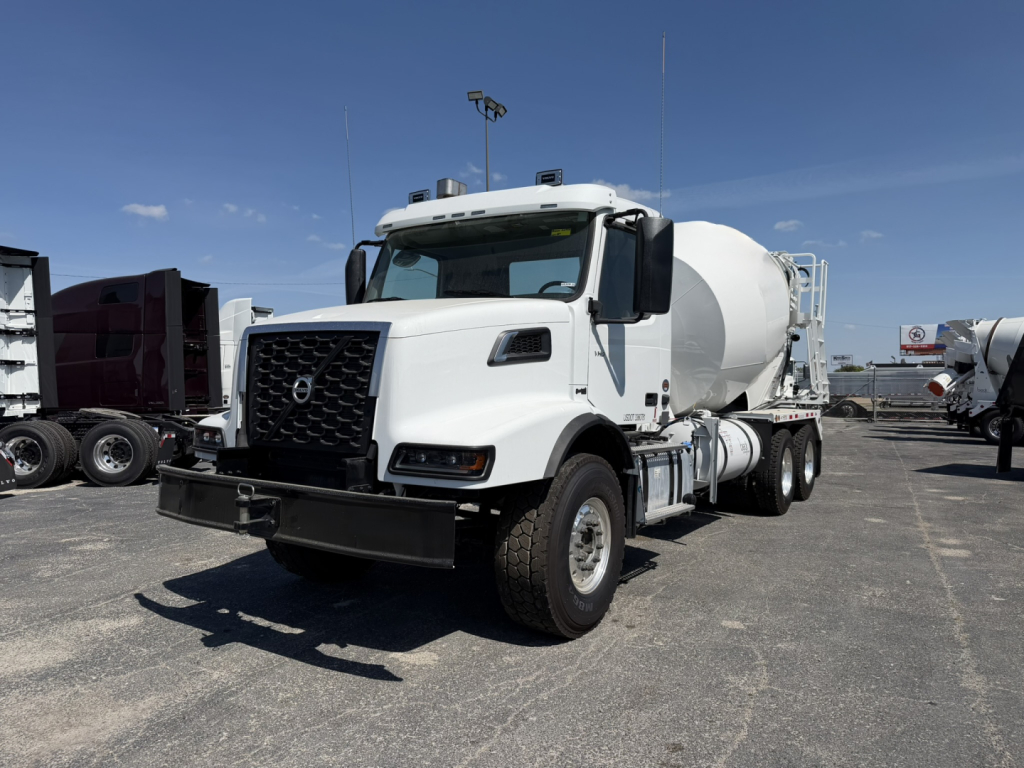
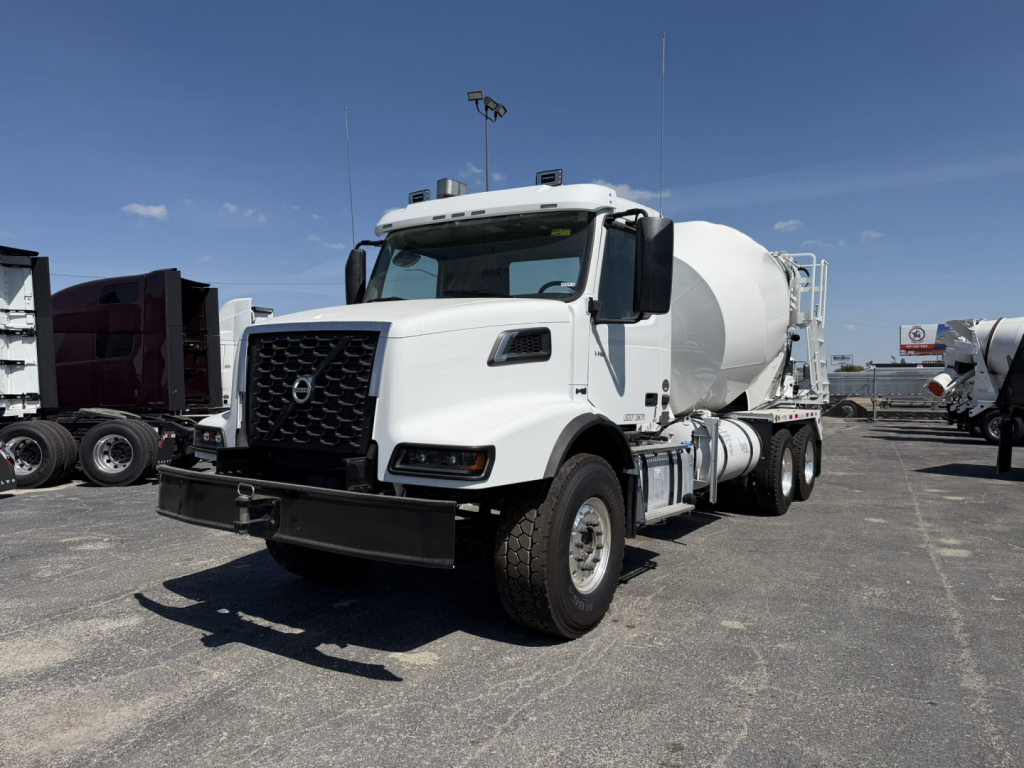
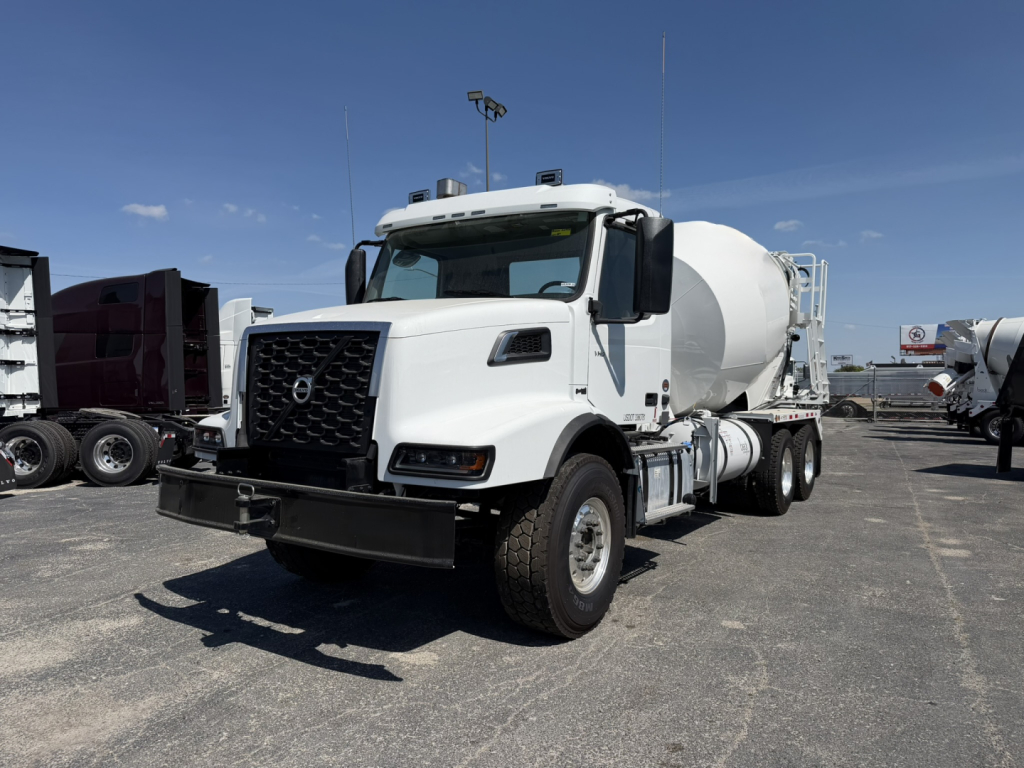
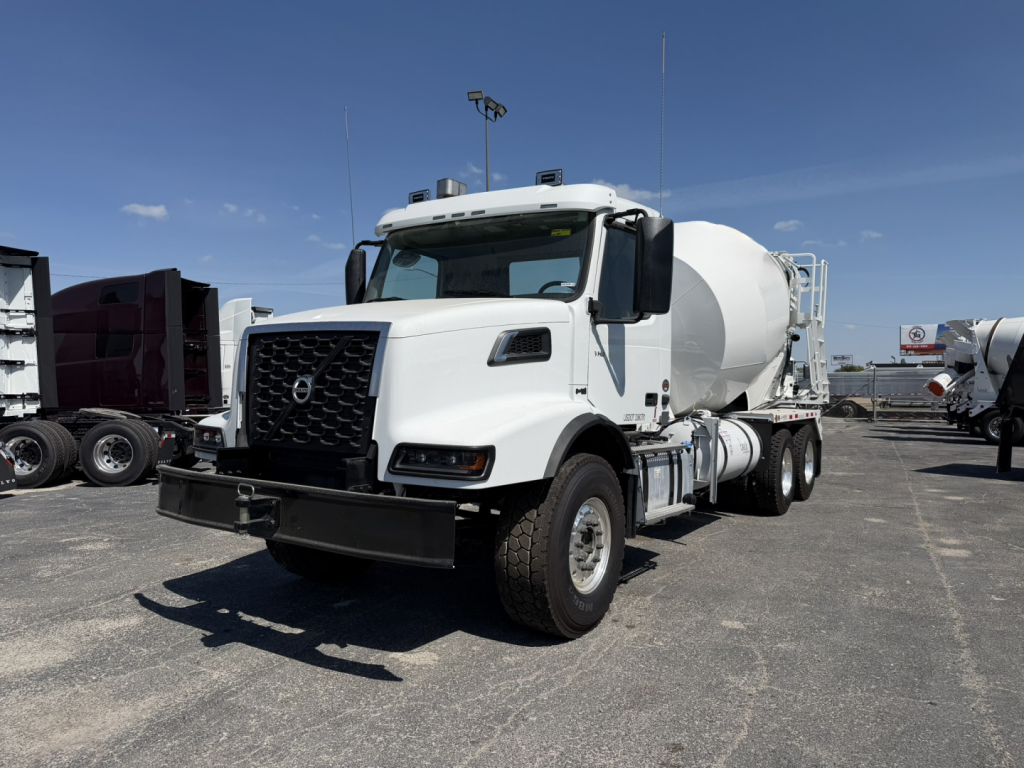
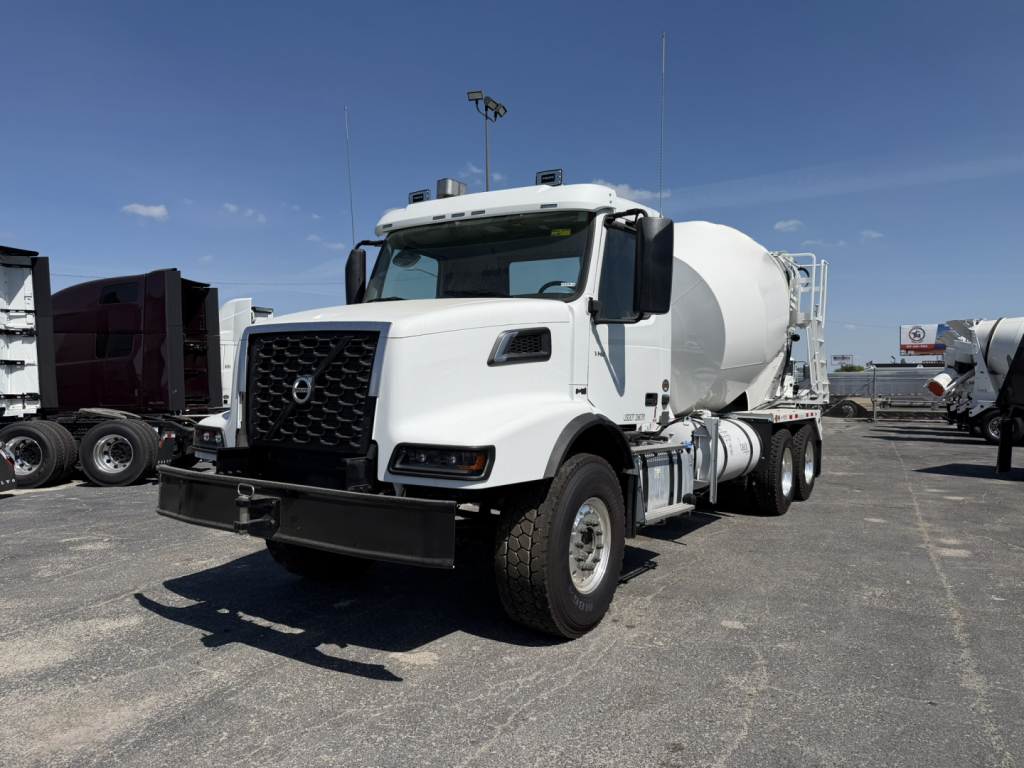
A good mixer spec starts with axle and suspension capacity. Many Volvo mixer trucks in this class are built around a 22,800-lb front axle, 46,000-lb rears, and GVWRs near 68,800 lbs, often with a vocational suspension like Hendrickson Haulmaax. That combination is aimed at carrying a full drum while staying stable on uneven jobsite approaches, plant yards, and city streets. Rear axle ratios around 4.30 are common because they balance low-speed launch, gradeability, and workable road speed between pours. Buyers should also pay attention to brake package, and full disc brakes are an attractive feature for fleets that want stronger fade resistance, predictable stopping, and easier service access.
The mixer body matters just as much as the chassis. Common details in this category include 11-yard drums, 1/4-inch steel drum construction, side-mounted water tanks around 150 gallons, in-cab rear drum rotation controls, digital rev counters, boot wash systems, remote roller greasing, and night-pour lighting. Those features affect production more than many first-time buyers expect. Drum material and thickness influence long-term wear. Water capacity matters for washout and slump adjustment within compliance limits. Control layout affects how efficiently the driver can manage charge and discharge cycles. If the truck will spend most of its time in tight subdivisions or urban commercial work, visibility, cab ergonomics, and steering feel deserve as much attention as horsepower.
Volvo mixer trucks appeal to contractors and ready-mix fleets that want a modern vocational chassis with a strong driver environment and a straightforward powertrain match for mixer duty. When comparing listings, focus on the complete build rather than the badge alone: engine rating, Allison transmission spec, PTO provisions, wheelbase, axle ratings, suspension, brake type, drum capacity, and operating accessories all determine how well the truck fits your territory and route density. A properly matched Volvo mixer truck can reduce driver fatigue, improve maneuverability at the pour site, and hold up better under the repeated starts, short hauls, and heavy loaded cycles that define concrete delivery.
Frequently Asked Questions about New Volvo Mixer Trucks
What engine and transmission setup is common in a new Volvo mixer truck?
A common setup is a Volvo D11 diesel rated around 385 to 425 horsepower paired with an Allison 4500 series automatic transmission. That combination is popular in mixer service because it handles repeated starts, low-speed maneuvering, PTO-driven mixer operation, and frequent stop-and-go routing more smoothly than many manual or automated manual setups. It also helps reduce driver fatigue on urban and suburban concrete routes.
What axle ratings should I look for on a Volvo concrete mixer truck?
For an 11-yard class tandem-axle mixer, buyers often look for a front axle around 22,800 lbs and tandem rears around 46,000 lbs, with total GVWR near 68,800 lbs depending on the exact chassis and body spec. Those ratings are important because mixer trucks carry a concentrated, shifting load and need stability during both transport and discharge. Local bridge laws, state weight rules, and the mix design you haul should all be considered before choosing a spec.
Why do many new Volvo mixer trucks use an Allison automatic?
Allison automatics are widely used in mixer applications because they provide smooth engagement, strong low-speed control, and dependable performance in repeated acceleration and backing cycles. Concrete delivery work involves plant queues, jobsite crawling, frequent turns, and short-route driving, so an automatic transmission can improve drivability and reduce clutch-related wear. PTO compatibility is also a major reason these transmissions remain a standard choice in vocational mixer builds.
What mixer body features are most important for ready-mix work?
The most important features usually include drum capacity, drum material thickness, water tank size, control placement, lighting, and service-friendly details like remote greasing. An 11-yard drum is a common size in this class, and a 1/4-inch steel drum is valued for durability. A larger water tank supports washout needs and controlled slump adjustment, while in-cab controls and night-pour lights can improve efficiency and safety during long production days.
Are Volvo mixer trucks a good fit for city and suburban concrete delivery?
Yes, Volvo mixer trucks are often well suited for city and suburban work because the VHD platform is commonly spec'd for maneuverability, visibility, and driver comfort in tight operating conditions. Short-haul ready-mix routes demand a chassis that can handle curb approaches, narrow entrances, and repeated stop-and-go traffic without beating up the driver. The right wheelbase, axle spread, suspension, and steering setup can make a noticeable difference in crowded jobsite access and daily route productivity.