
New 2026 Volvo Mixer Trucks For Sale
Shop new 2026 Volvo mixer trucks built for concrete delivery, featuring vocational chassis, automatic transmissions, and ready-to-work mixer bodies.
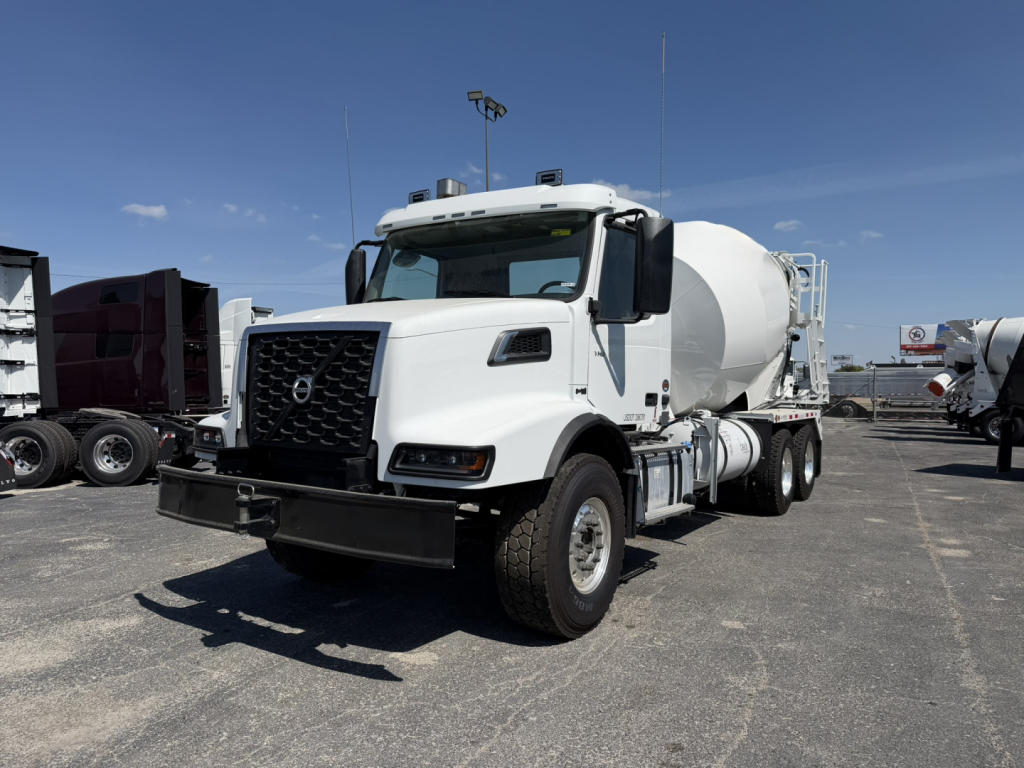
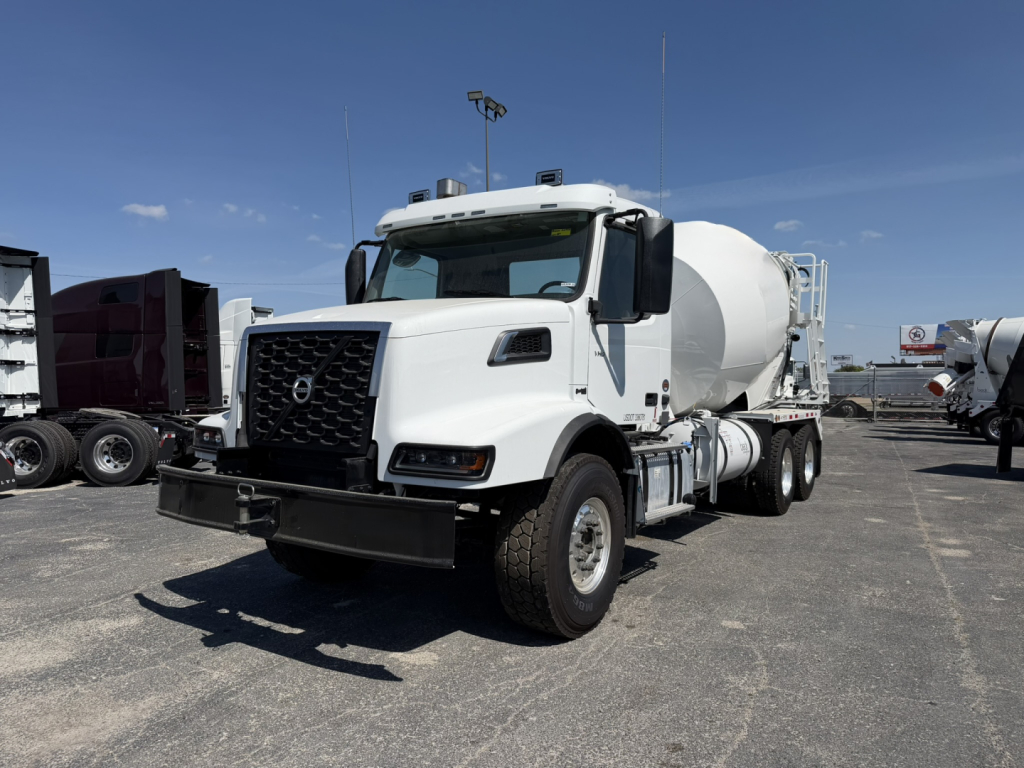
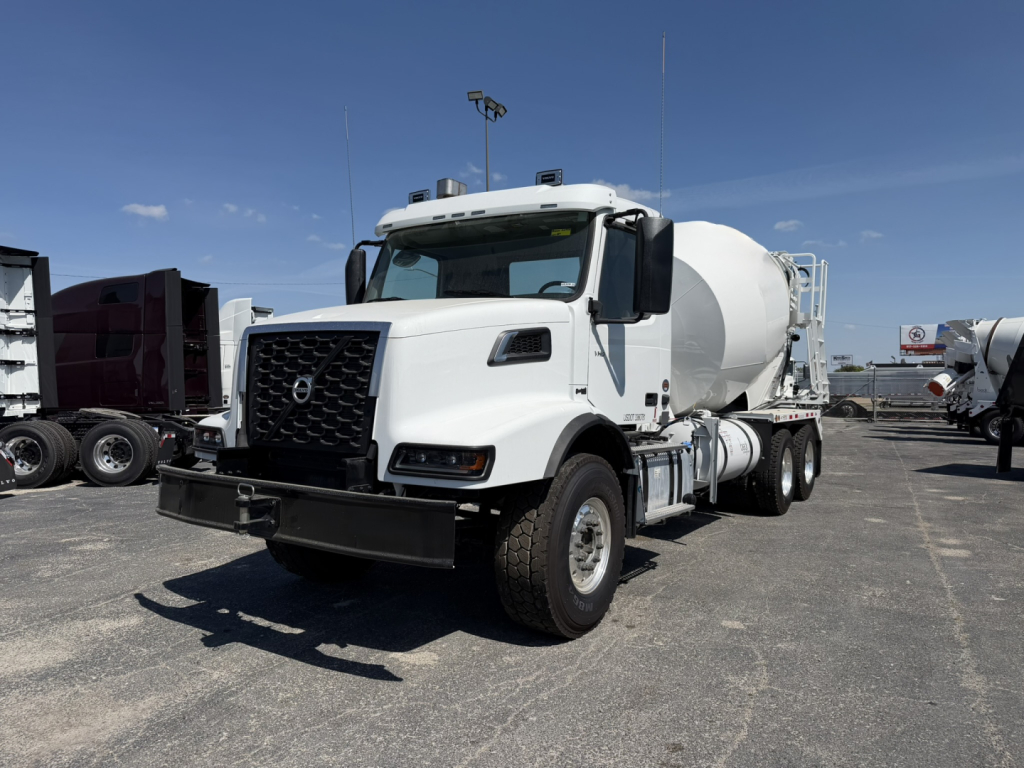
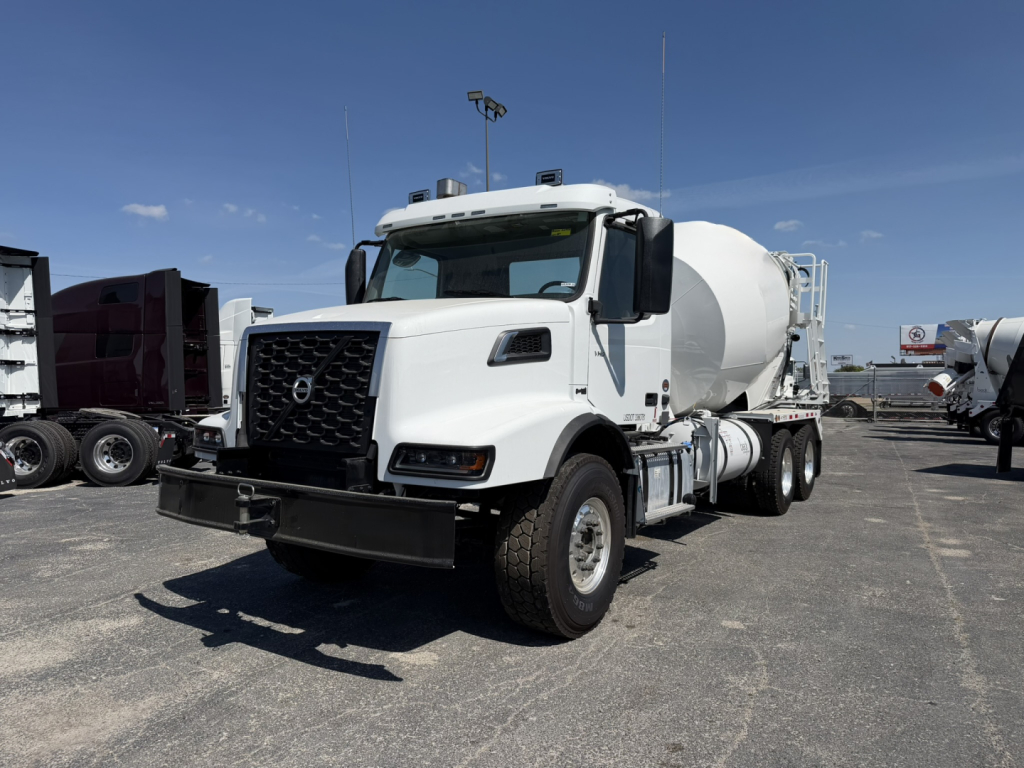
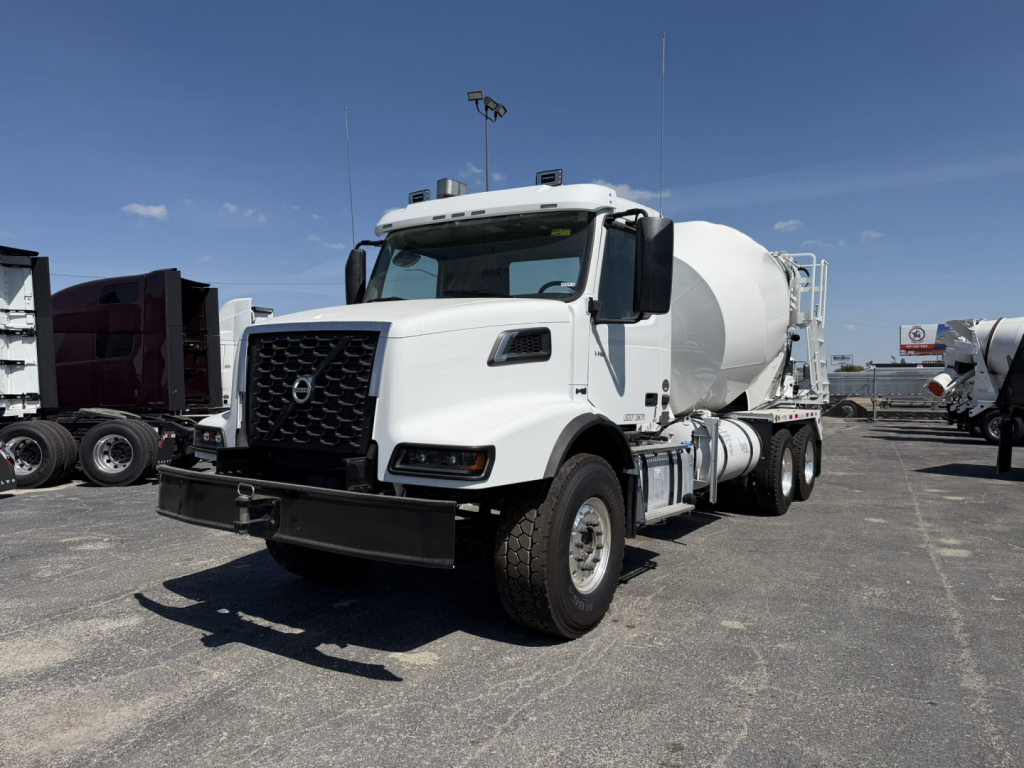
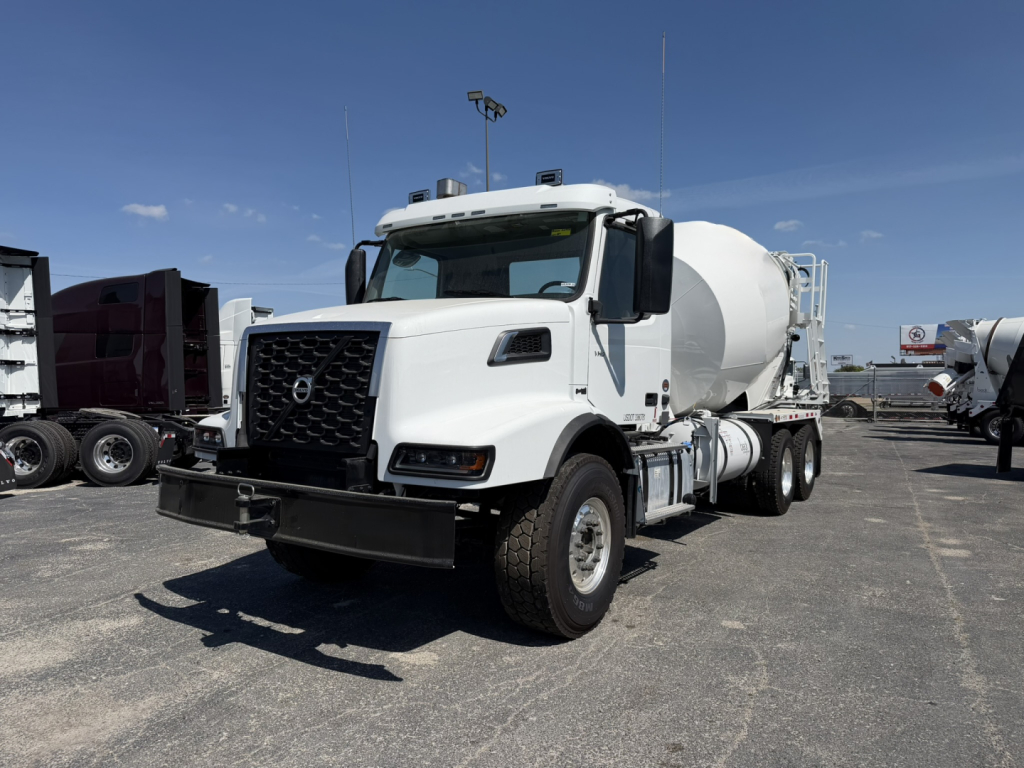
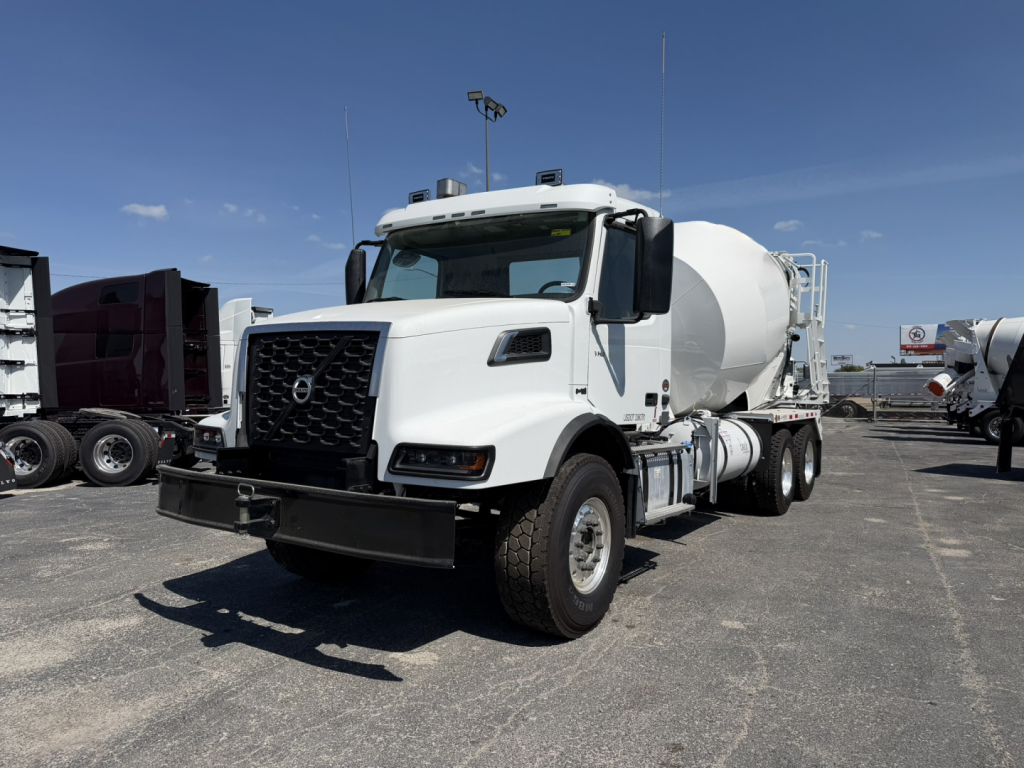
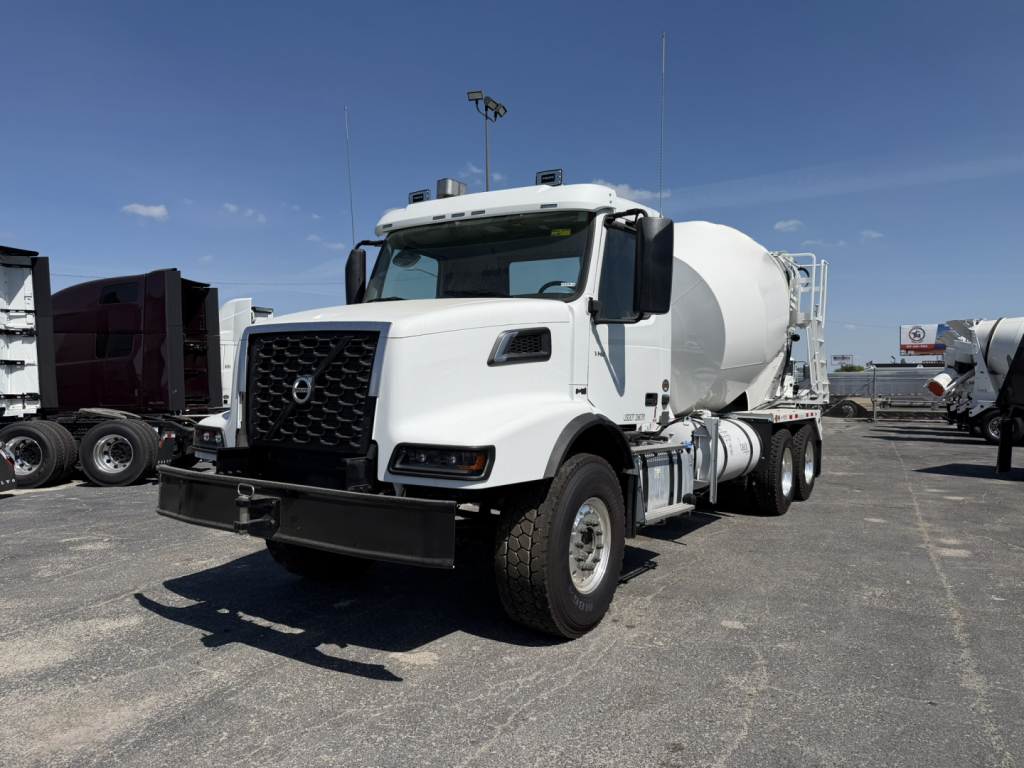
Selling a new 2026 volvo mixer truck? List your new 2026 volvo mixer truck for sale and reach thousands of commercial buyers.
New 2026 Volvo Mixer Trucks
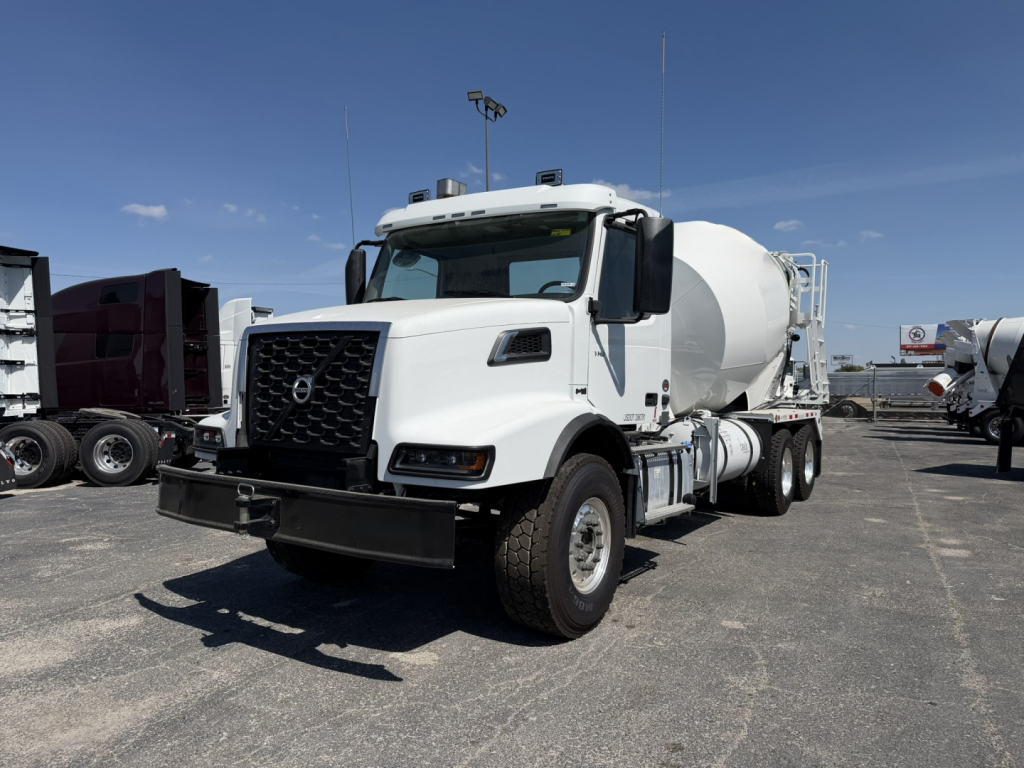
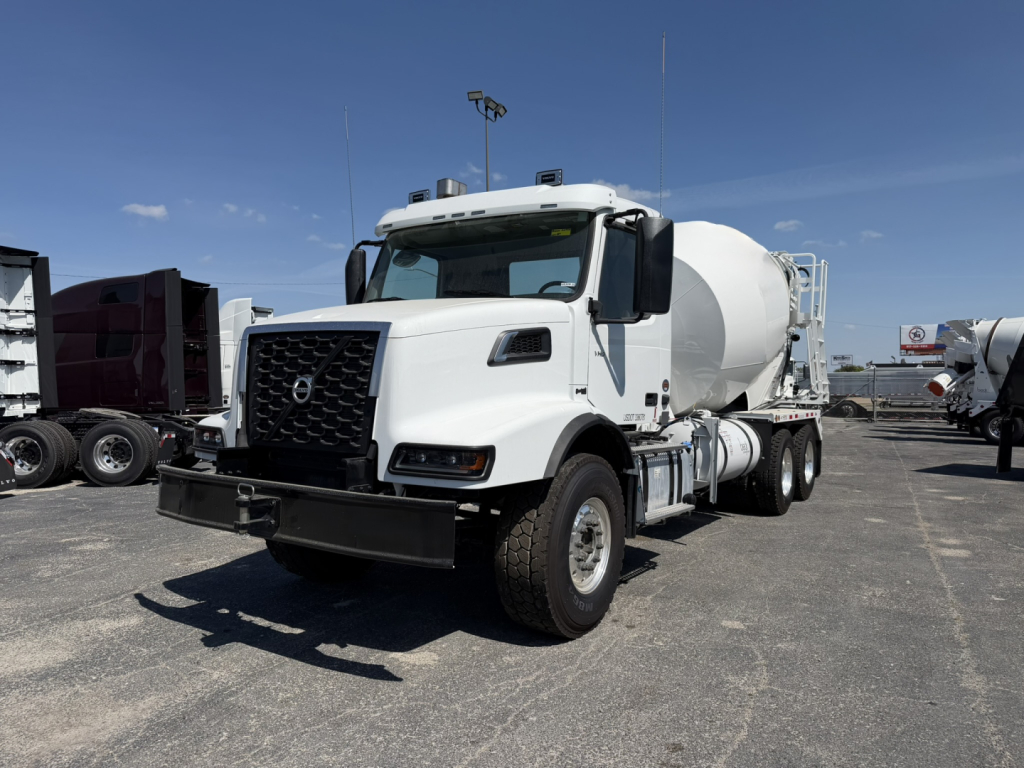
For most ready-mix operations, drum capacity, axle layout, and bridge compliance matter more than raw horsepower alone. An 11-yard mixer is a common target for full-load concrete delivery, but legal payload and route restrictions still depend on local weight laws, wheelbase, axle ratings, and suspension spec. Buyers should look closely at front axle capacity, rear tandem ratings, interwheel differential lock, and how the body builder has integrated the mixer package with the chassis. Drum construction, often 1/4-inch steel in working areas, water tank size, chute configuration, and access for washout all affect long-term uptime as much as the engine and transmission do.
A well-specced Volvo mixer truck should also be judged by operating controls and serviceability. In-cab rear drum rotation controls, digital rev counters, remote greasing points, boot wash systems, and night-pour lighting are practical features, not extras for appearance. They reduce driver fatigue, speed up cleanup, and make early morning or late evening pours easier to manage. Full disc brakes are another notable consideration in this category because mixer trucks run heavy, stop often, and work in mixed highway and city traffic. Fuel capacity, PTO integration, hydraulic performance, and body-to-cab clearance should all be reviewed with daily route length and plant-to-job turnaround times in mind.
The right 2026 Volvo mixer truck is usually the one that fits your concrete operation’s delivery pattern, not just the one with the biggest drum. Short-haul residential work, commercial flatwork, municipal pours, and paving support can all require different specs for wheelbase, discharge height, water volume, and driver access. Buyers comparing new Volvo cement mixers, also known as concrete mixer trucks or ready-mix trucks, should focus on payload legality, durability of the mixer body, ease of cleaning, and the strength of the vocational chassis underneath it. A good spec should deliver concrete consistently, hold up under washdown and jobsite abuse, and stay productive with minimal downtime.
Frequently Asked Questions about New 2026 Volvo Mixer Trucks
What makes a Volvo mixer truck a good choice for ready-mix concrete work?
Volvo mixer trucks are typically built on vocational chassis designed for severe-duty applications, especially repeated stop-and-go cycles, heavy payloads, and rough jobsite access. In mixer service, that matters because the truck must handle shifting liquid loads, PTO-driven drum operation, and frequent low-speed maneuvering without sacrificing driver control. Volvo VHD models are commonly selected for their durable frame, maneuverable set-forward or setback axle configurations, and compatibility with automatic transmissions that suit concrete delivery routes.
What size drum is common on a new mixer truck?
An 11-yard drum is a common specification for standard ready-mix applications, but the right drum size depends on legal payload limits, the density of the material hauled, and the axle setup under the truck. Bigger capacity does not always mean more usable payload if local bridge laws or front axle ratings become the limiting factor. Buyers should evaluate drum volume together with gross vehicle weight rating, wheelbase, and state or regional weight rules before deciding on the best configuration.
Why is an Allison automatic transmission common in mixer trucks?
Allison automatic transmissions are widely used in mixer trucks because they perform well in constant start-stop operation and reduce driver workload in traffic, at batch plants, and on jobsites. Concrete delivery involves frequent launches, careful positioning, and low-speed control, which are all strong use cases for a fully automatic vocational transmission. They also pair well with PTO-driven equipment and help maintain smoother operation when the truck is carrying a full, moving load.
What features matter most on a mixer body?
The most important mixer body features usually include drum material thickness, water tank capacity, chute arrangement, drum controls, washdown access, and service points such as remote greasing. Features like in-cab drum rotation controls, digital rev counters, boot wash systems, and night-pour lights directly affect daily usability and turnaround time. A durable drum and practical service layout can improve uptime just as much as a strong chassis spec.
How should a buyer compare new mixer trucks beyond engine horsepower?
Horsepower is only one part of the decision. Buyers should compare front and rear axle ratings, suspension, brake type, wheelbase, turning radius, fuel capacity, PTO setup, and how the mixer body is integrated with the chassis. In concrete hauling, legal payload, durability, cleaning efficiency, and driver-friendly controls often have a bigger impact on profit and uptime than peak engine output alone.