
Volvo Mixer Trucks For Sale
Shop Volvo mixer trucks for concrete hauling and delivery. Compare VHD specs, drum capacity, axle ratings, PTO setup, and jobsite-ready features.
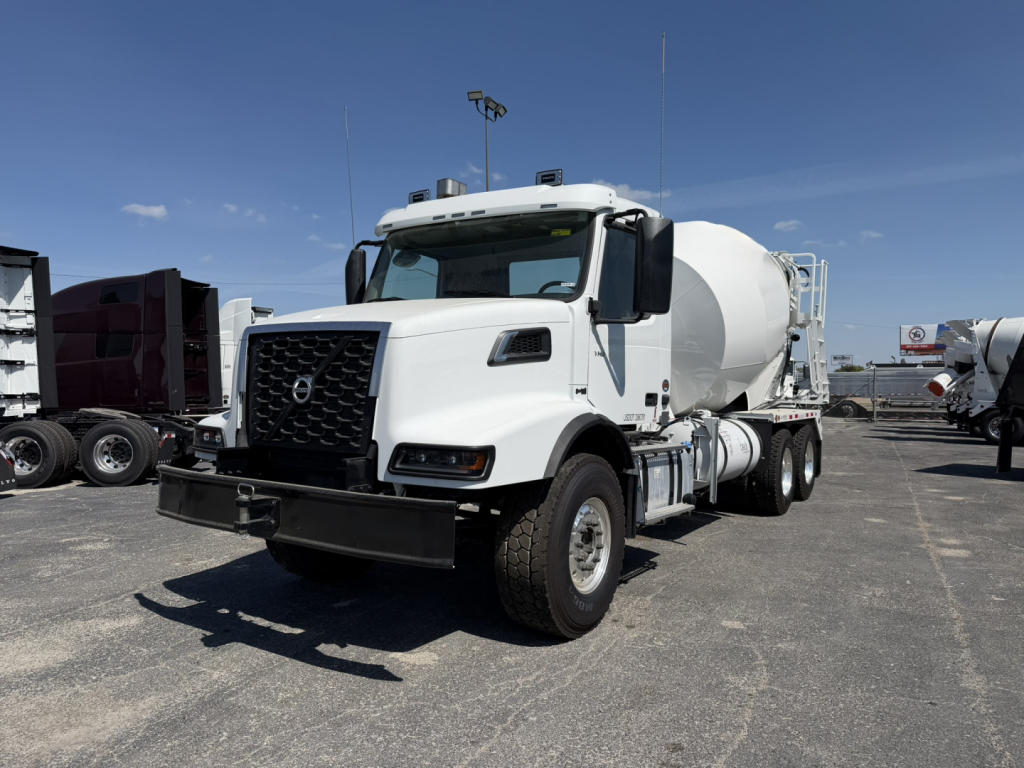
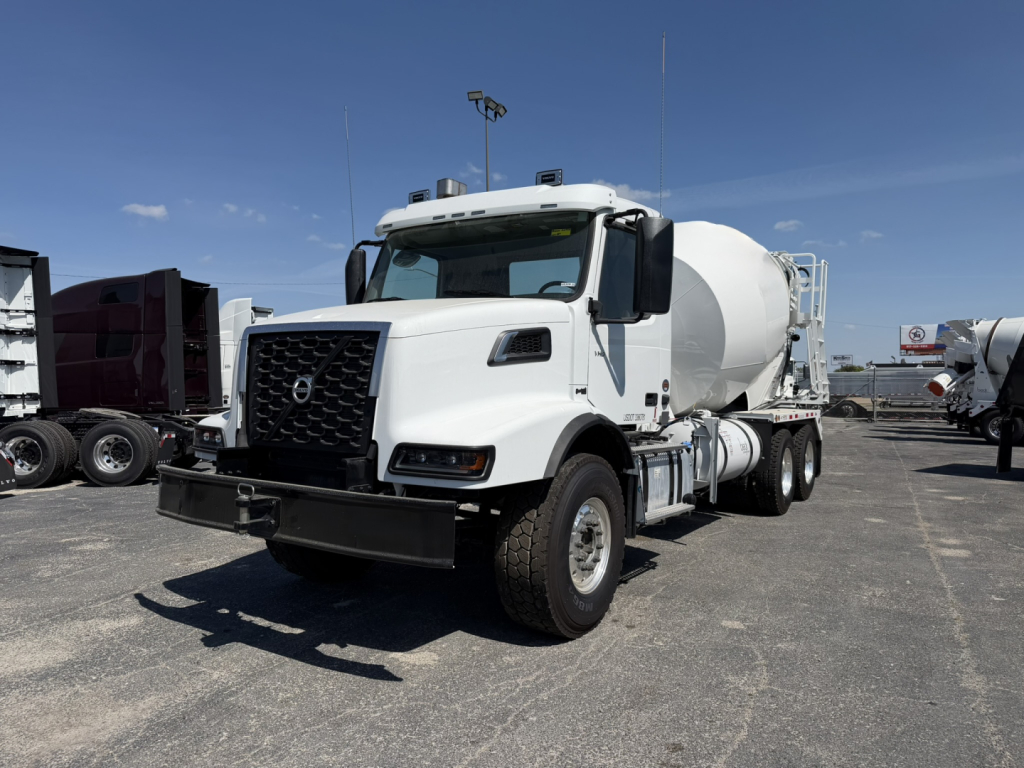
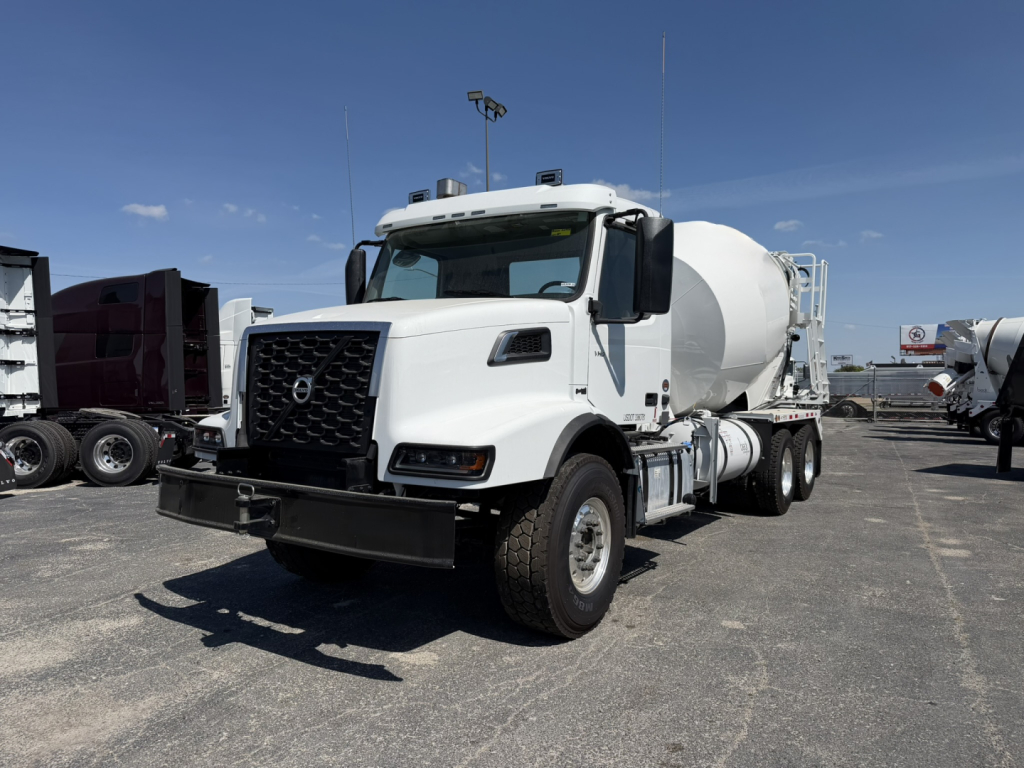
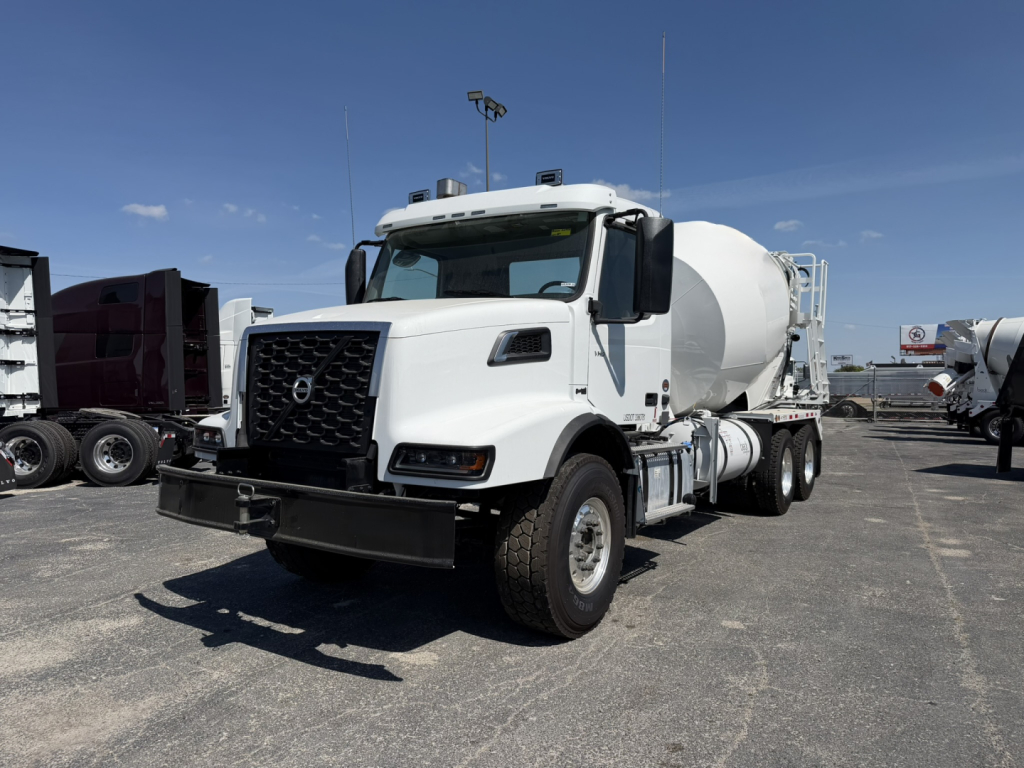
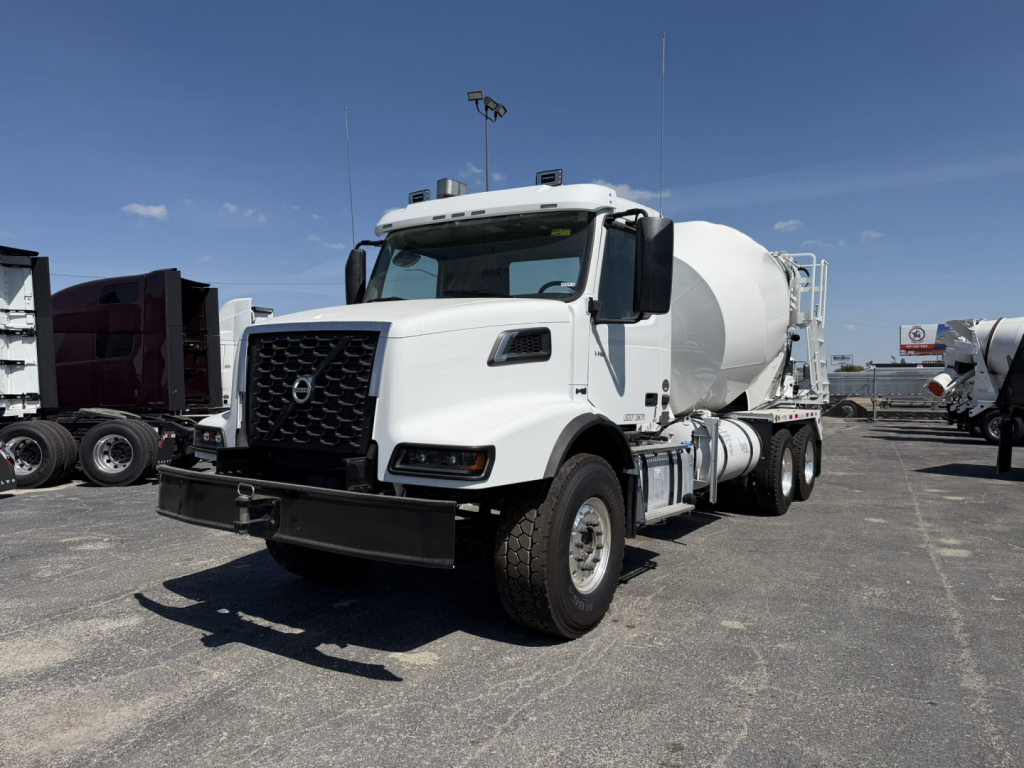
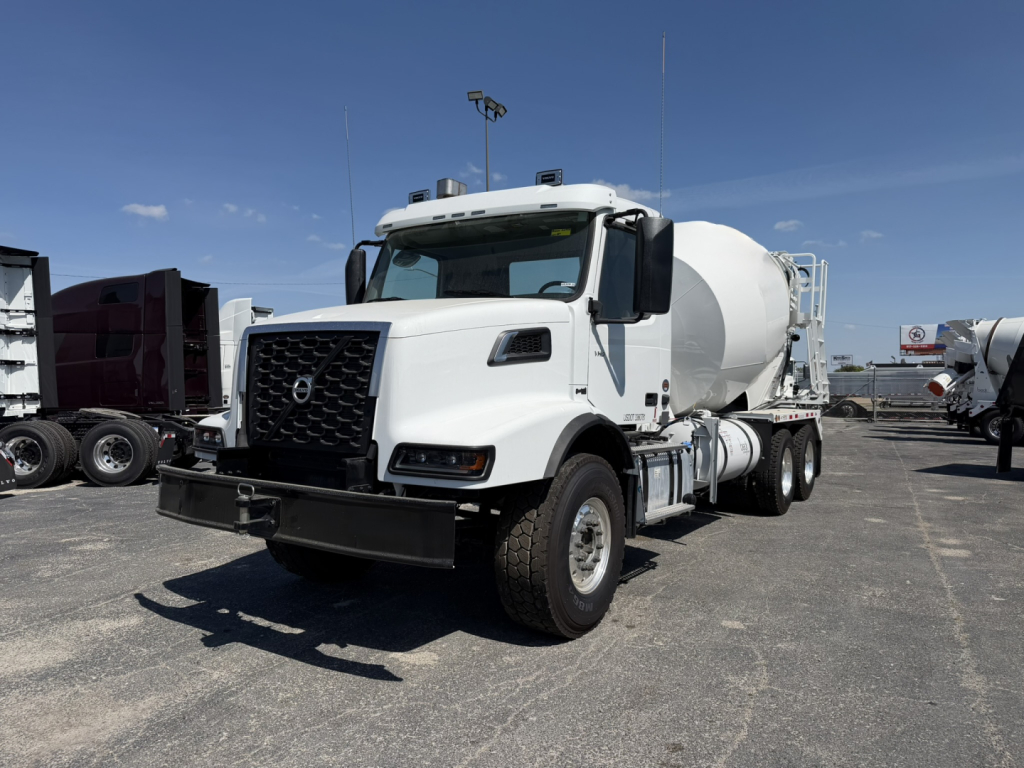
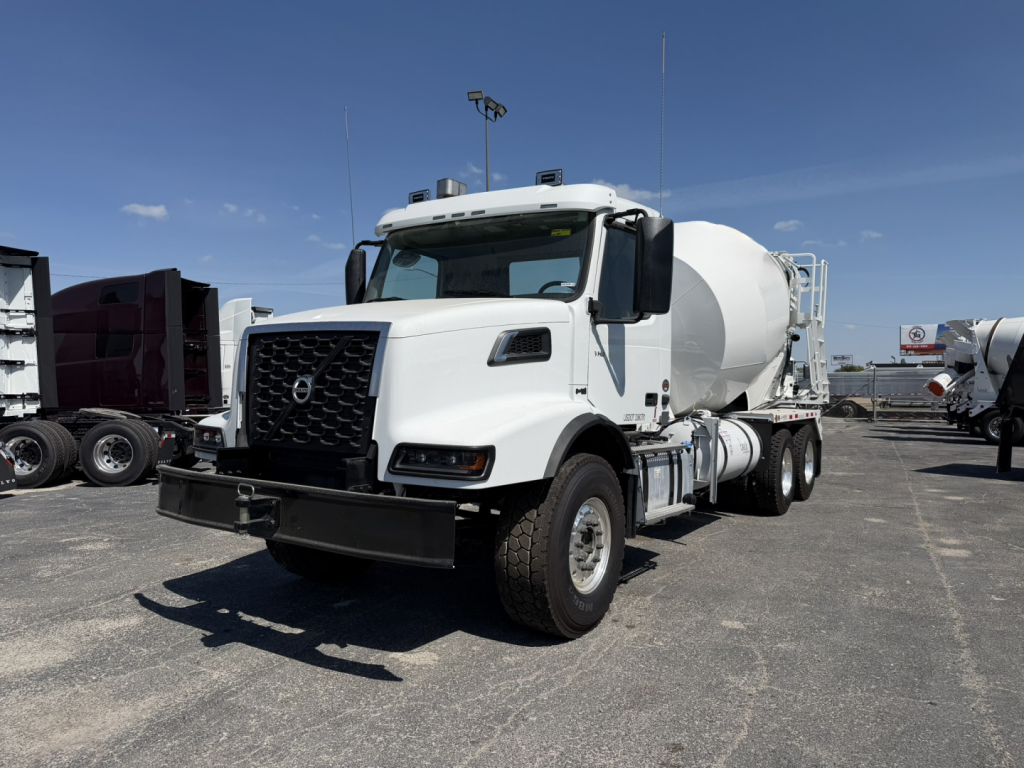
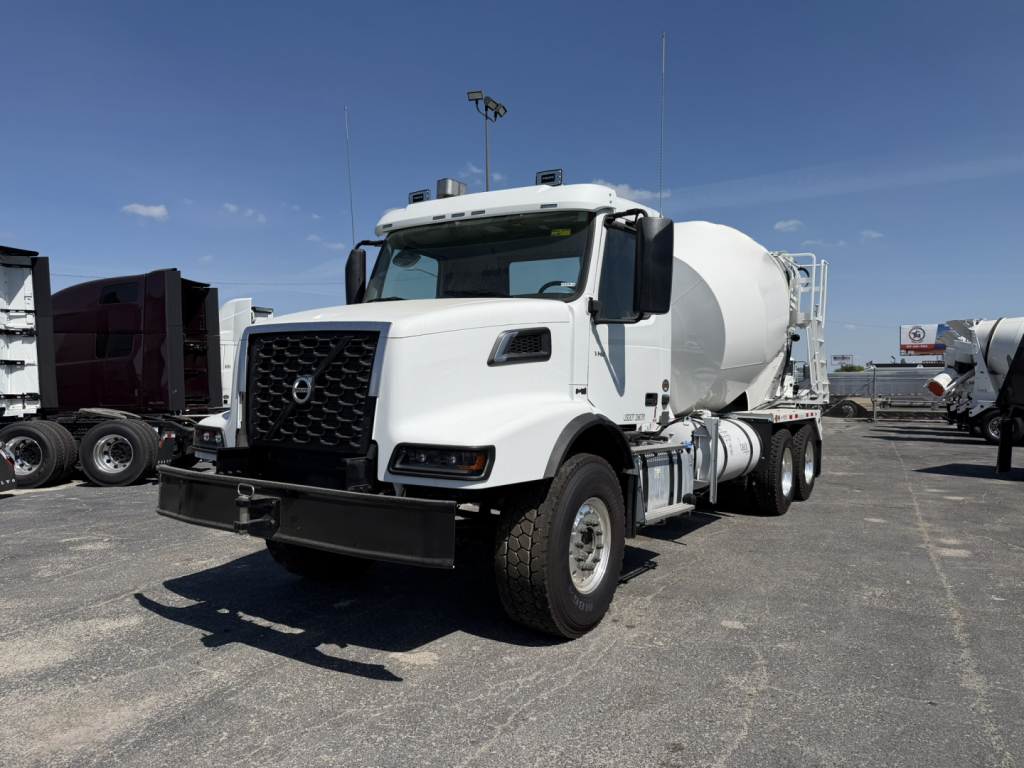
Selling a volvo mixer truck? List your volvo mixer truck for sale and reach thousands of commercial buyers.
Volvo Mixer Trucks
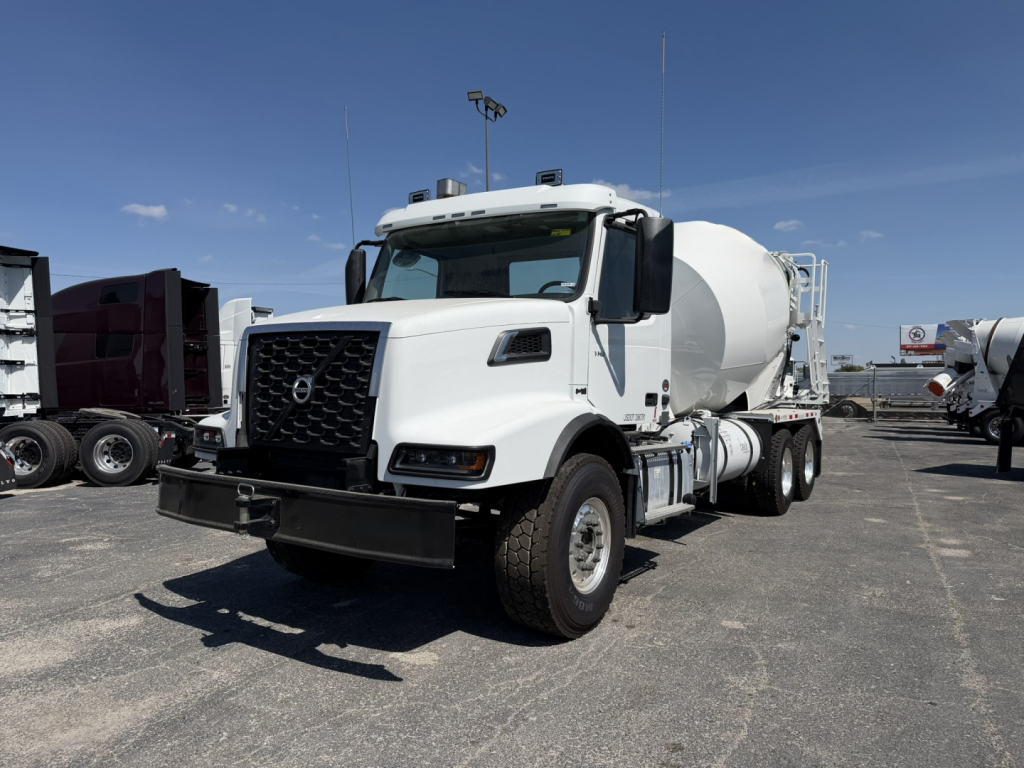
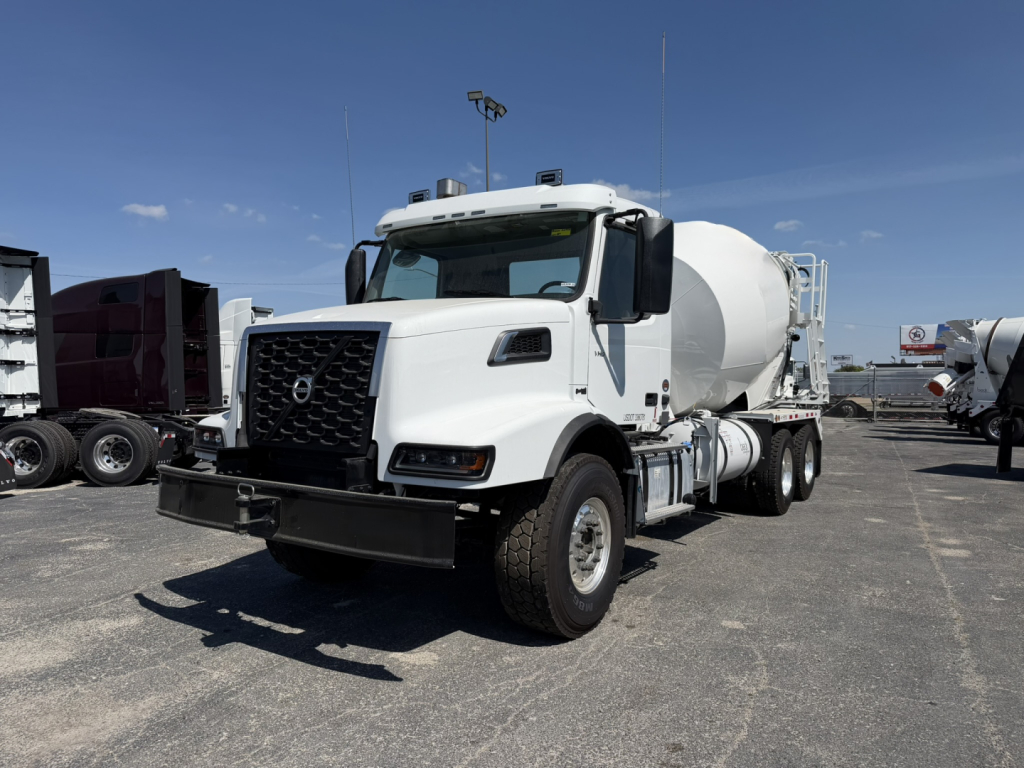
One of the biggest buying decisions is matching the chassis to the mixer body and route profile. Many Volvo mixer trucks are spec'd with the Volvo D11 engine in the low-to-mid 400 horsepower range, paired with an Allison automatic transmission such as a 4500 RDS. That combination is common in concrete service because it supports PTO operation, smooth low-speed maneuvering, and less driver fatigue in urban delivery cycles. Buyers should also look closely at rear axle ratio, differential locks, suspension type, and brake configuration. Full disc brakes, interwheel diff lock, and heavy-duty walking beam or rubber block suspensions can make a real difference on uneven jobsites and in wet yard conditions.
Mixer body details deserve the same attention as the cab and chassis. Drum capacity, shell thickness, water tank size, chute storage, and control layout all affect daily productivity. An 11-yard drum, 1/4-inch steel drum construction, and a side-mounted water tank are common features on heavy concrete specs. In-cab drum rotation controls, digital revolution counters, boot wash systems, remote roller greasing, and night-pour lighting are practical features for fleets running early starts, late pours, or high cycle counts. Buyers comparing listings should confirm the mixer manufacturer, body model, drum material, and service access points, since maintenance convenience can vary quite a bit from one installation to the next.
A Volvo mixer truck is usually purchased for durability, driver comfort, and stable performance under load. The VHD platform is well suited for municipal concrete delivery, commercial pours, residential foundation work, and paving support. When comparing trucks, pay attention to front axle weight rating, rear axle capacity, wheelbase, overall GVWR, and how those specs align with local bridge laws and payload targets. It also helps to verify visibility features, cab entry height, fuel capacity, and any options that reduce downtime in concrete service. A well-matched Volvo mixer truck can deliver strong uptime, predictable handling, and a chassis that holds up under severe vocational use.
Frequently Asked Questions about Volvo Mixer Trucks
What makes Volvo mixer trucks a good fit for concrete delivery work?
Volvo mixer trucks are commonly chosen for concrete delivery because the chassis is built to handle severe-duty vocational use with frequent stop-and-go driving, loaded starts, and rough jobsite conditions. Models like the Volvo VHD are often spec'd with heavy front axles, tandem rears, robust suspensions, and automatic transmissions that work well with PTO-driven mixer systems. Buyers also tend to value Volvo's cab ergonomics, visibility, and driver comfort on high-frequency local routes.
What engine and transmission setup is common in a Volvo mixer truck?
A common configuration is a Volvo D11 diesel engine paired with an Allison automatic transmission, often in the 4500 series. This setup is popular in mixer service because it delivers solid low-speed performance, smooth shifting, and good compatibility with PTO applications. The exact horsepower, rear ratio, and transmission programming should match the truck's drum size, terrain, and expected payload cycle.
How much concrete can a Volvo mixer truck usually carry?
Payload depends on drum size, axle ratings, local weight laws, and the density of the concrete being hauled. Many tandem-axle Volvo mixer trucks are equipped with drums in the 10 to 11 yard class, but legal payload will vary by jurisdiction and truck specification. Buyers should compare rated drum capacity against GVWR, bridge formula limits, front axle capacity, and rear axle capacity instead of relying on drum size alone.
What should I inspect on the mixer body itself?
Key mixer body checkpoints include drum capacity, drum shell thickness, water tank size, chute condition, roller and drive components, hydraulic system condition, and control placement. It is also smart to verify the mixer body manufacturer, body model, and access for service items such as greasing points and washout areas. Features like digital rev counters, in-cab controls, boot wash systems, and night-pour lights can improve day-to-day usability and reduce operator hassle.
Are disc brakes and differential locks important on a mixer truck?
Yes. Disc brakes can improve stopping performance, heat management, and serviceability in demanding urban and vocational cycles. Differential locks are important for traction when a truck is backing into soft ground, climbing muddy access roads, or working on uneven jobsites. On a concrete mixer, these features are not just convenience items. They can directly affect safety, uptime, and the truck's ability to complete deliveries in difficult conditions.