
Volvo Mixer Trucks For Sale in Texas
Shop Volvo mixer trucks for sale in Texas. Compare VHD concrete mixer specs, drum size, axle ratings, transmission, and jobsite-ready features.
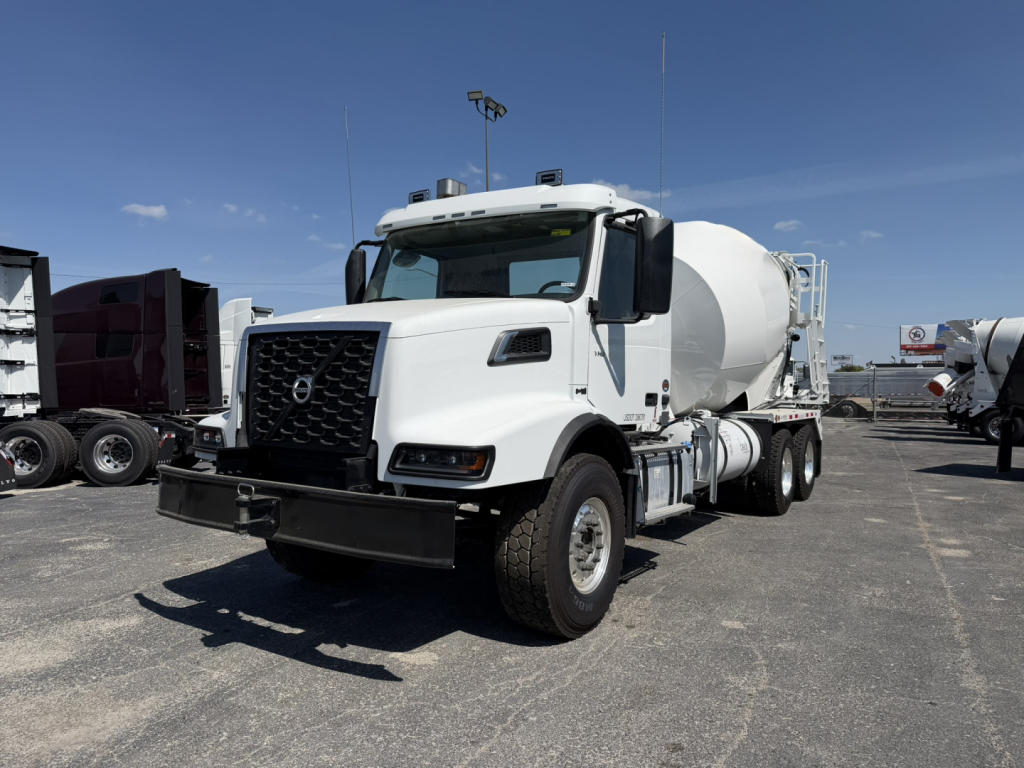
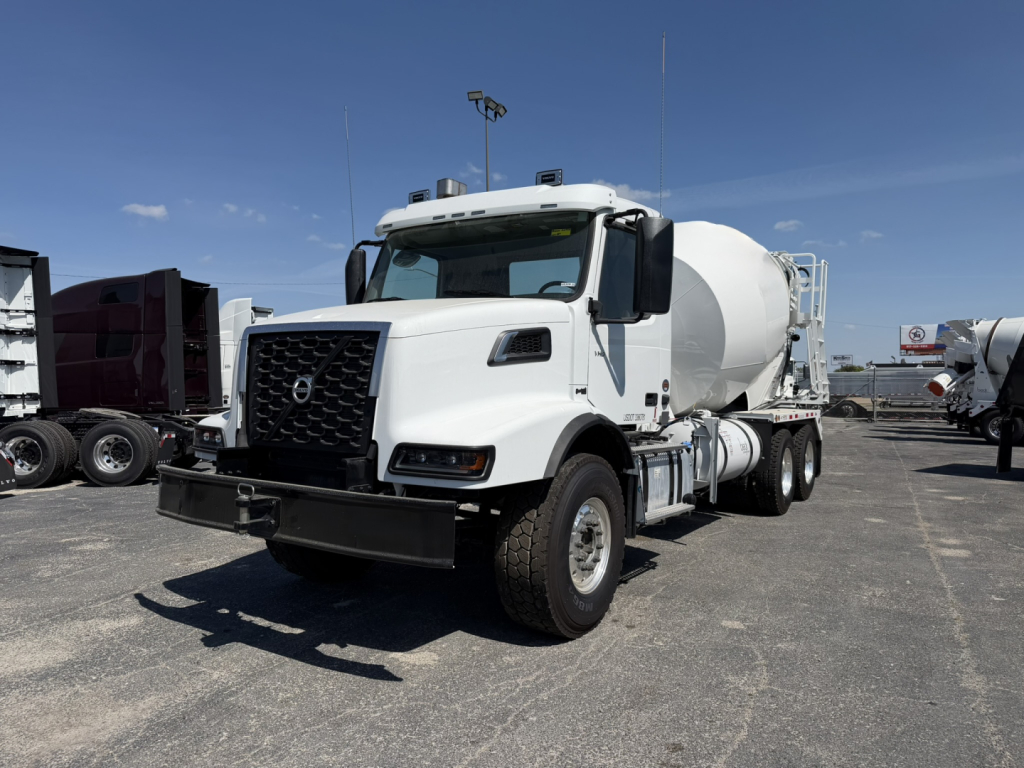
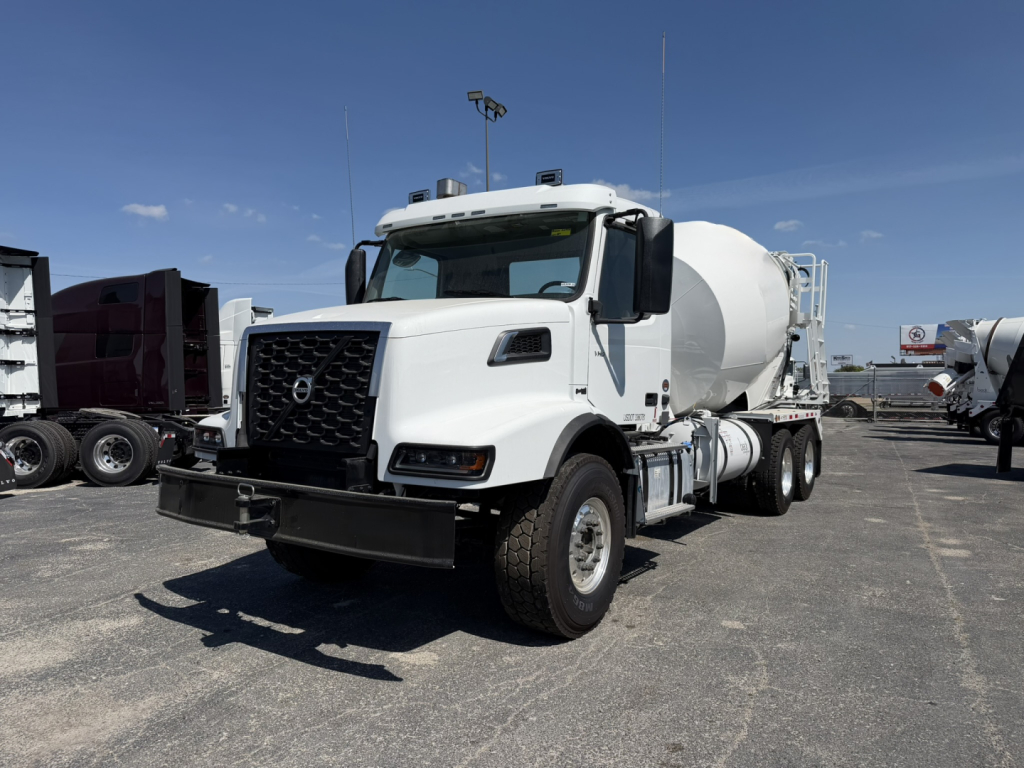
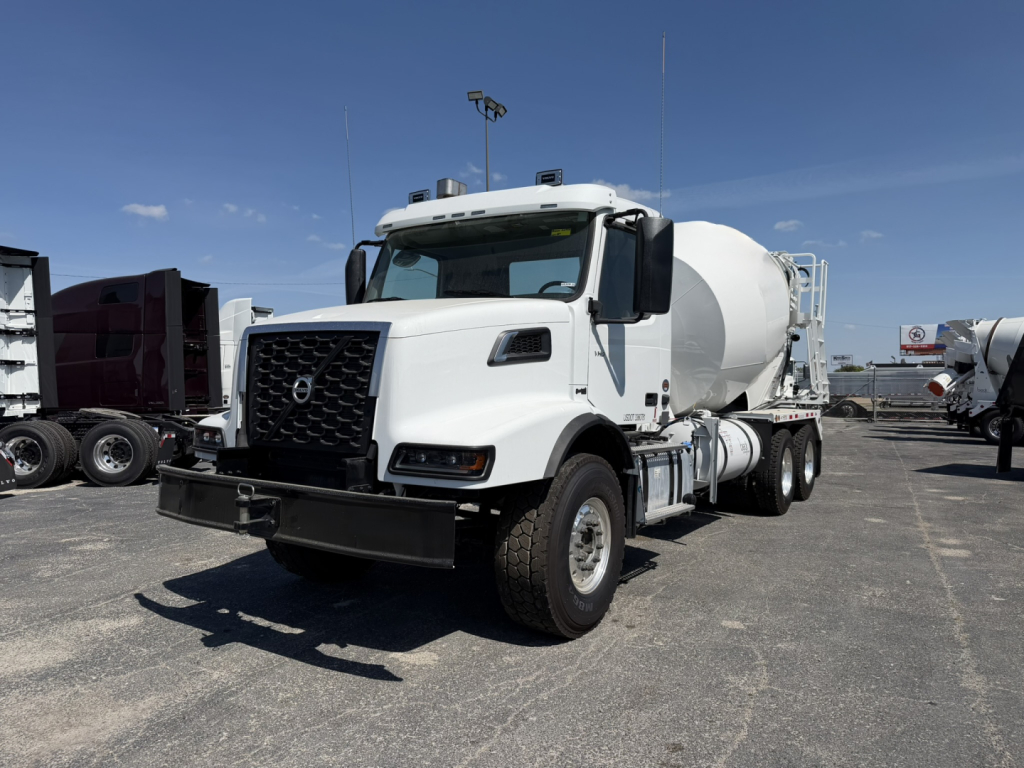
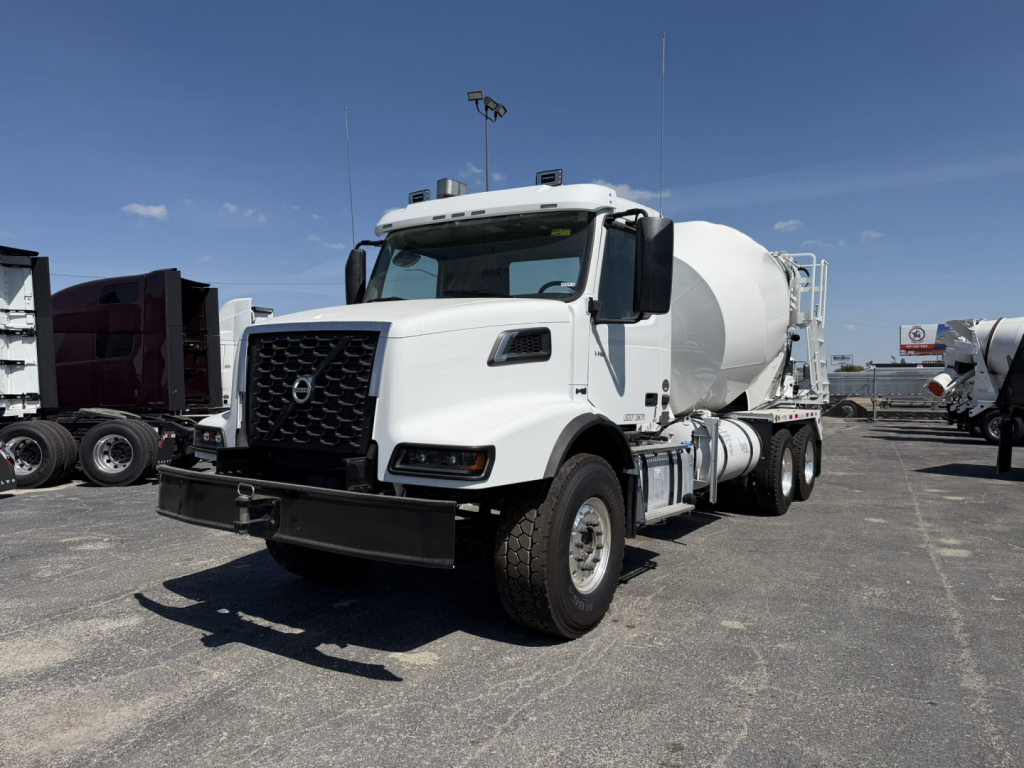
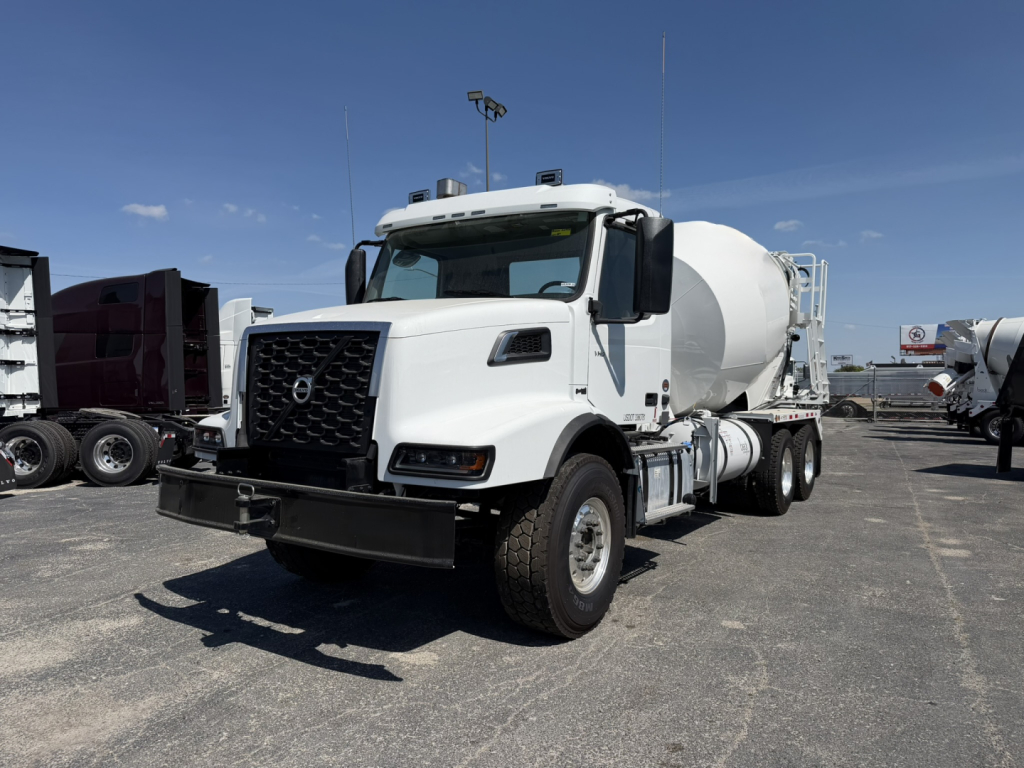
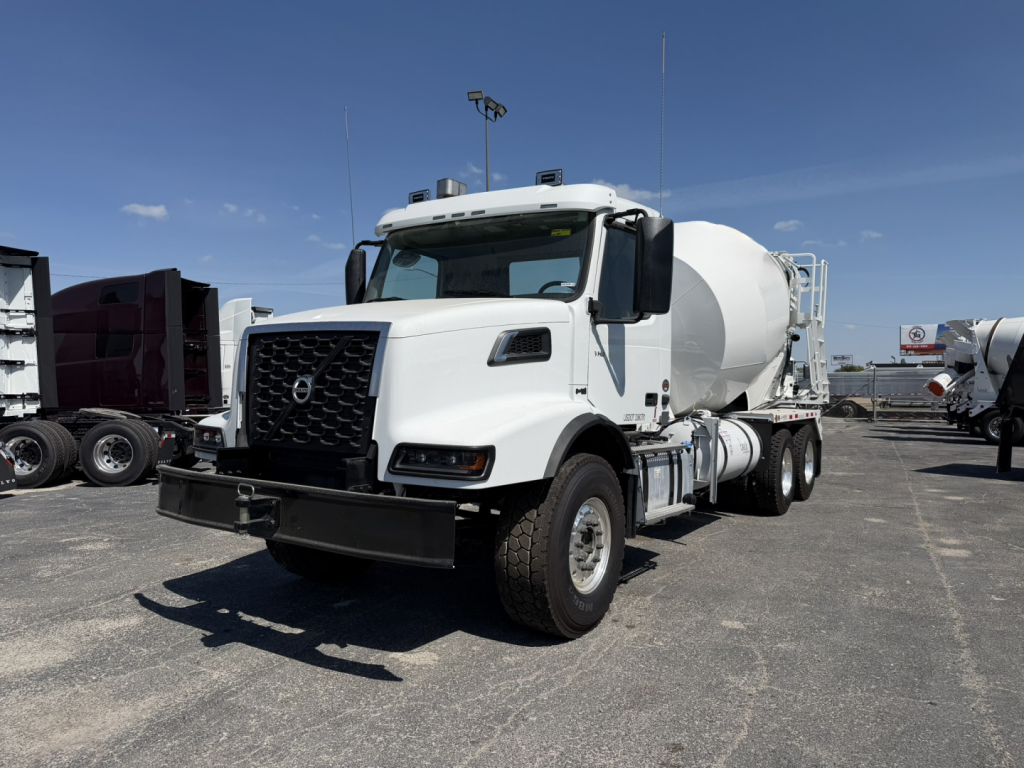
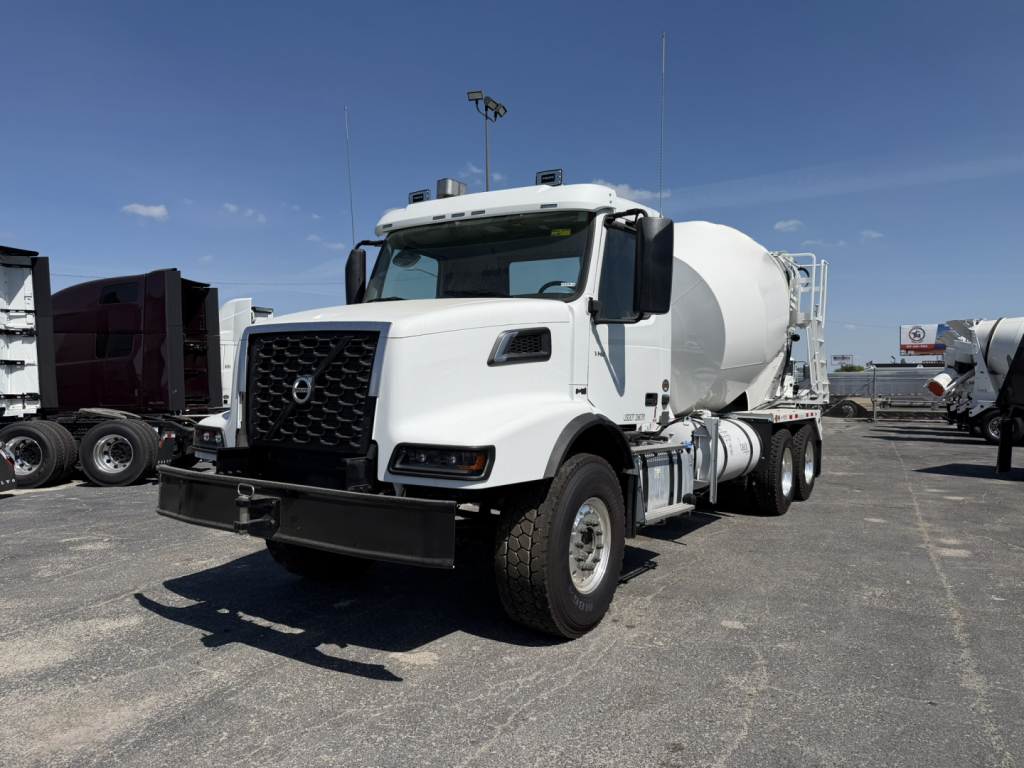
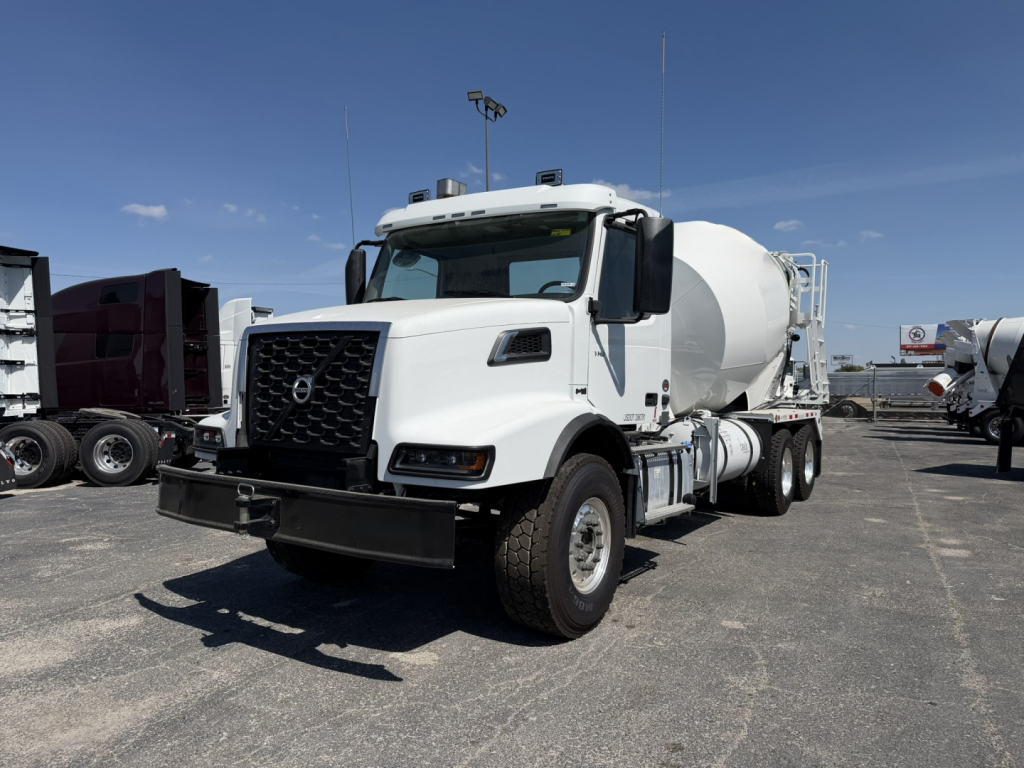
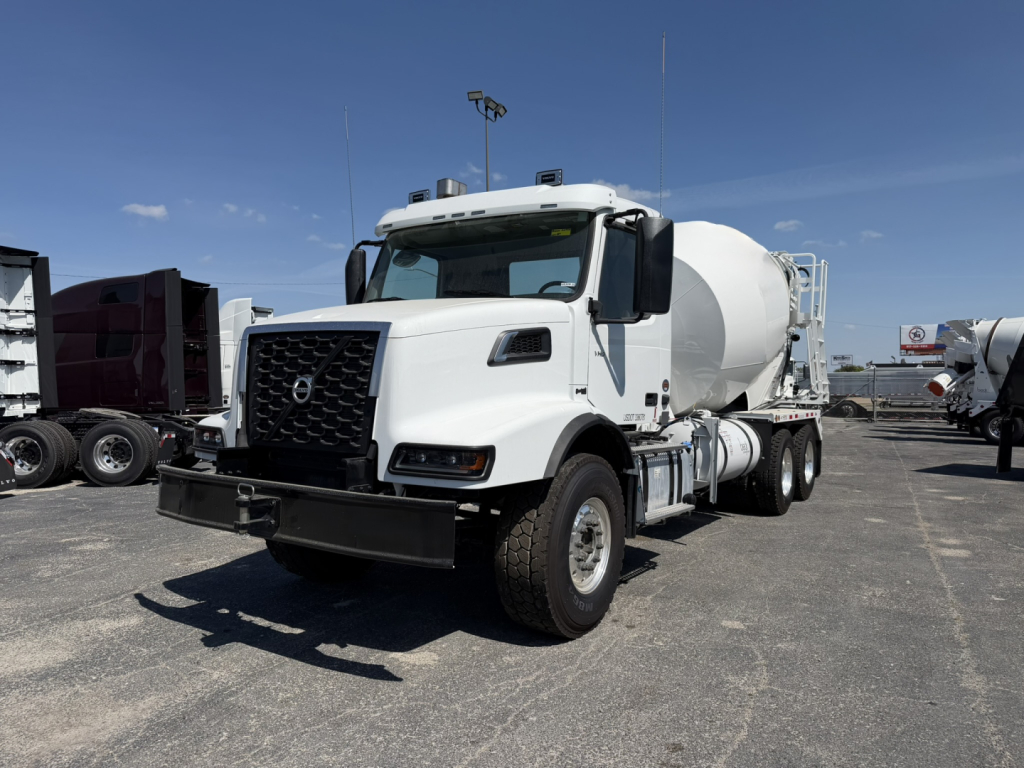
Selling a volvo mixer truck? List your volvo mixer truck for sale and reach thousands of commercial buyers.
Volvo Mixer Trucks in Texas
The Volvo VHD platform is well suited to mixer duty because it balances vocational durability with a driver-friendly cab and good visibility. Engines in this category often include the Volvo D11, typically in the mid- to upper-300 hp range into the low-400s, paired with an Allison automatic such as the 4500 RDS. That transmission choice matters on mixer trucks because repeated starts, tight site maneuvering, and drum load changes favor smooth automatic operation over a manual gearbox in many fleets. Tandem rears in the 46,000 lb. class, rear ratios around 4.30, and heavy front axles in the 22,000 lb. range are common on trucks carrying bridge laws and mixer body weight up front.
Mixer body details deserve just as much attention as the cab and chassis. Many buyers focus on drum capacity first, but drum material thickness, water tank capacity, control layout, and maintenance access affect uptime every day. Features such as in-cab rear drum rotation controls, digital rev counters, boot wash systems, remote roller greasing, and night-pour lighting can make a real difference for paving crews and early-morning or late-night pours. On Texas jobs, where heat and long staging times can stress both equipment and concrete quality, a properly spec'd water system and dependable hydraulic performance are not minor details.
A good Volvo mixer truck spec comes down to matching the truck to the work. Short urban batch plant runs call for maneuverability and strong visibility. Residential foundation work may put more value on turning radius and chute access. Paving and heavier commercial work often push buyers toward robust suspension, disc brakes, and durable drum construction that can handle long shifts and rough site conditions. When comparing Volvo mixer trucks for sale, focus on axle spread, wheelbase, horsepower, automatic transmission spec, brake type, suspension package, and mixer make. Those factors tell you far more about day-to-day performance than model year alone.
Frequently Asked Questions about Volvo Mixer Trucks in Texas
What makes a Volvo mixer truck a good choice for concrete delivery work?
Volvo mixer trucks are popular in vocational service because the VHD chassis is designed for demanding weight, frequent stopping, and jobsite access while still giving drivers a comfortable, highly usable cab. Buyers often like the combination of a strong vocational frame, good steering feel, and automatic transmission compatibility. In concrete service, that translates to easier operation in traffic, smoother starts under load, and less driver fatigue during repeated batch plant and pour site cycles.
What specs matter most when buying a Volvo mixer truck in Texas?
The key specs are front axle rating, rear axle rating, GVWR, wheelbase, drum capacity, engine horsepower, transmission model, and suspension type. Texas buyers should also consider route lengths, local weight enforcement, and whether the truck will spend more time on city streets, subdivision work, or larger commercial pours. An 11-yard mixer on a tandem axle chassis with a heavy front axle and Allison automatic is a common configuration because it covers a broad range of ready-mix work without overcomplicating maintenance and driver training.
Is an Allison automatic transmission a good fit for a mixer truck?
Yes. Allison automatics are widely used in mixer applications because they handle constant starts, low-speed maneuvering, and variable load conditions very well. A mixer truck spends much of its life in traffic, at plants, and on jobsites where smooth engagement matters. That can reduce driver fatigue, improve control when backing or positioning at a pour, and help protect driveline components compared with a poorly matched manual setup.
How important is drum size on a Volvo concrete mixer truck?
Drum size is important, but it should be evaluated with the full chassis spec rather than by itself. An 11-yard drum is a common target for many fleets because it offers strong production capability, but payload, axle legality, wheelbase, and the drum's tare weight all affect how useful that capacity really is. Buyers should also look at drum construction, water tank size, control placement, and access for cleaning and greasing because those details affect productivity and maintenance costs over the long term.
Are disc brakes worth considering on a Volvo mixer truck?
Disc brakes can be a strong advantage on mixer trucks, especially in stop-and-go service and heavier vocational use. They generally offer consistent braking feel, good heat management, and straightforward service access compared with some drum brake setups. For mixer fleets working in traffic, on graded jobsite roads, or on routes with repeated braking cycles, disc brakes can support safety, driver confidence, and maintenance planning.