
2026 Volvo Mixer Trucks For Sale
Shop 2026 Volvo mixer trucks built for ready-mix and paving work, with VHD chassis options, automatic transmissions, and jobsite-focused specs.
Selling a 2026 volvo mixer truck? List your 2026 volvo mixer truck for sale and reach thousands of commercial buyers.
2026 Volvo Mixer Trucks
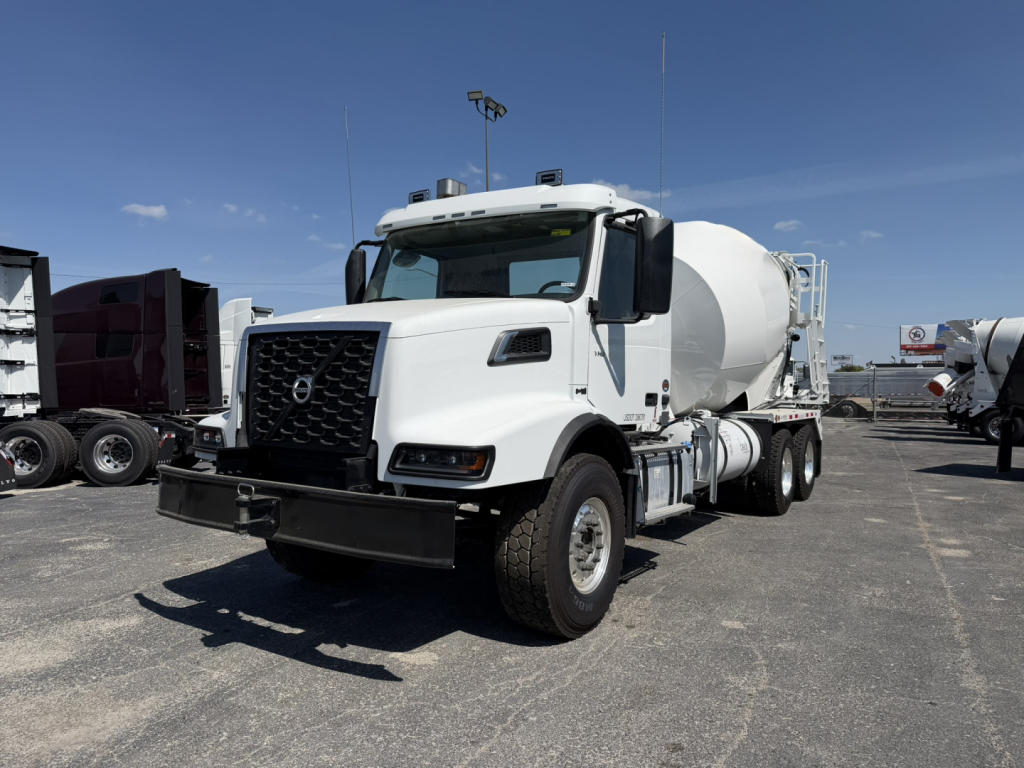
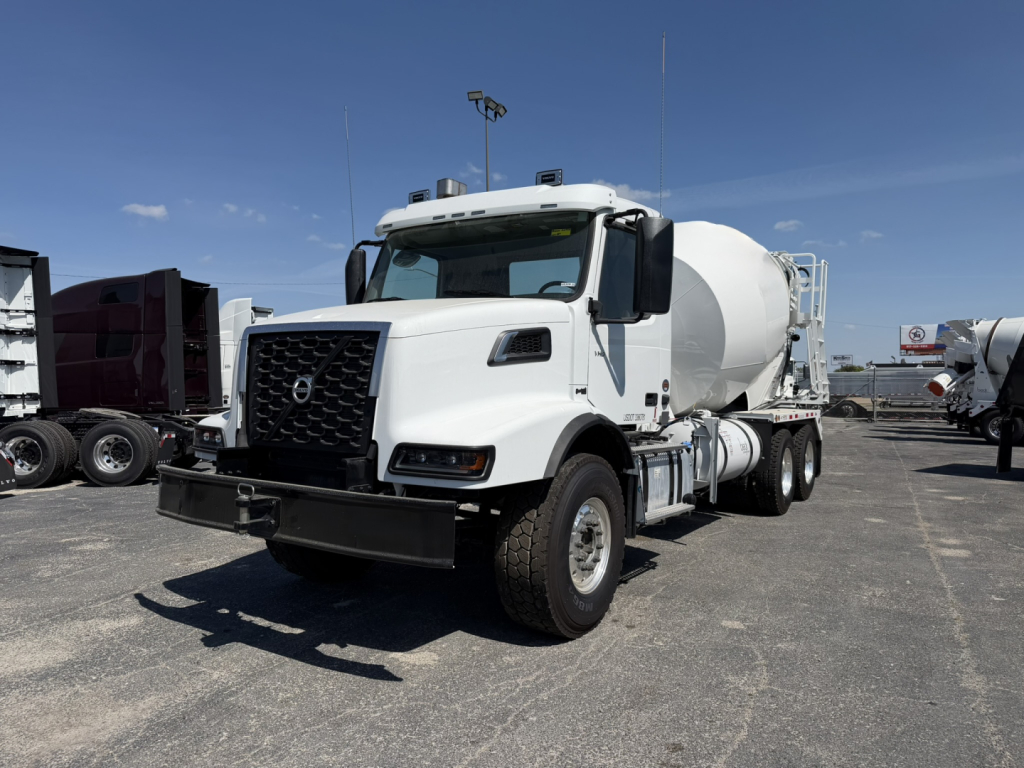
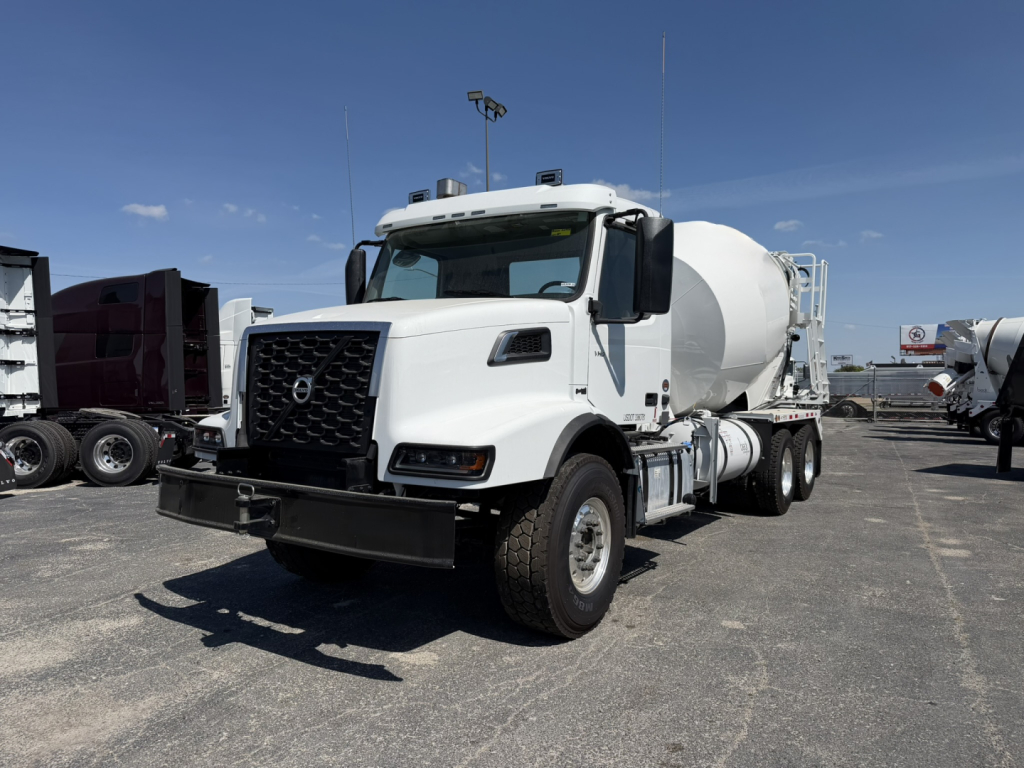
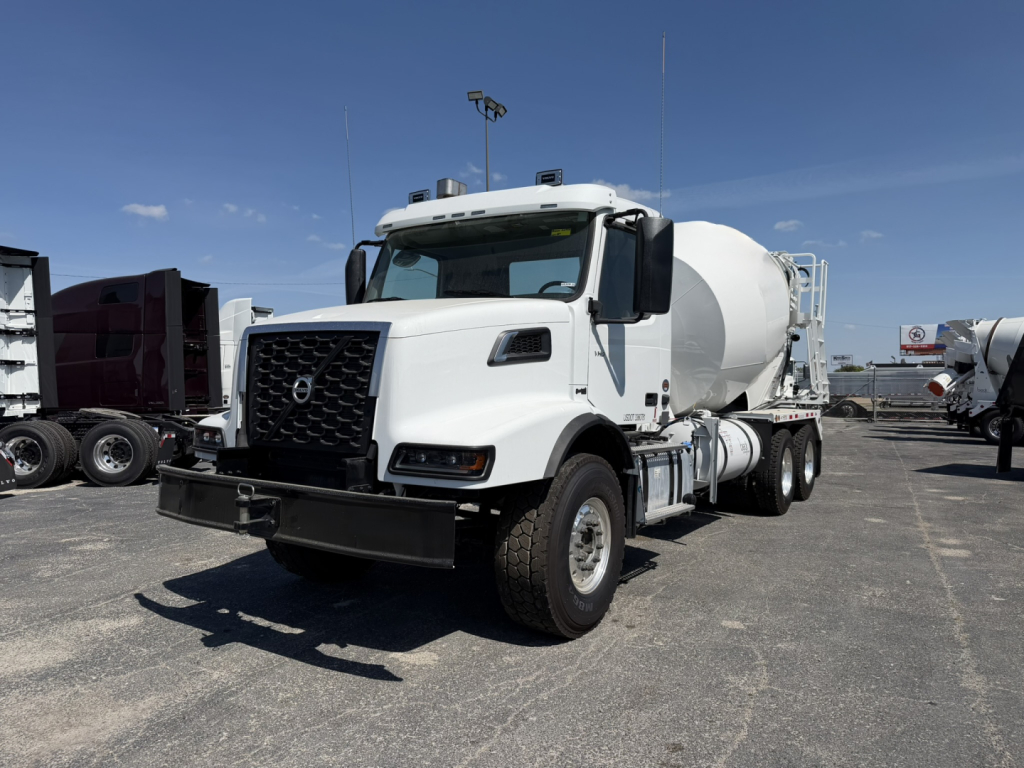
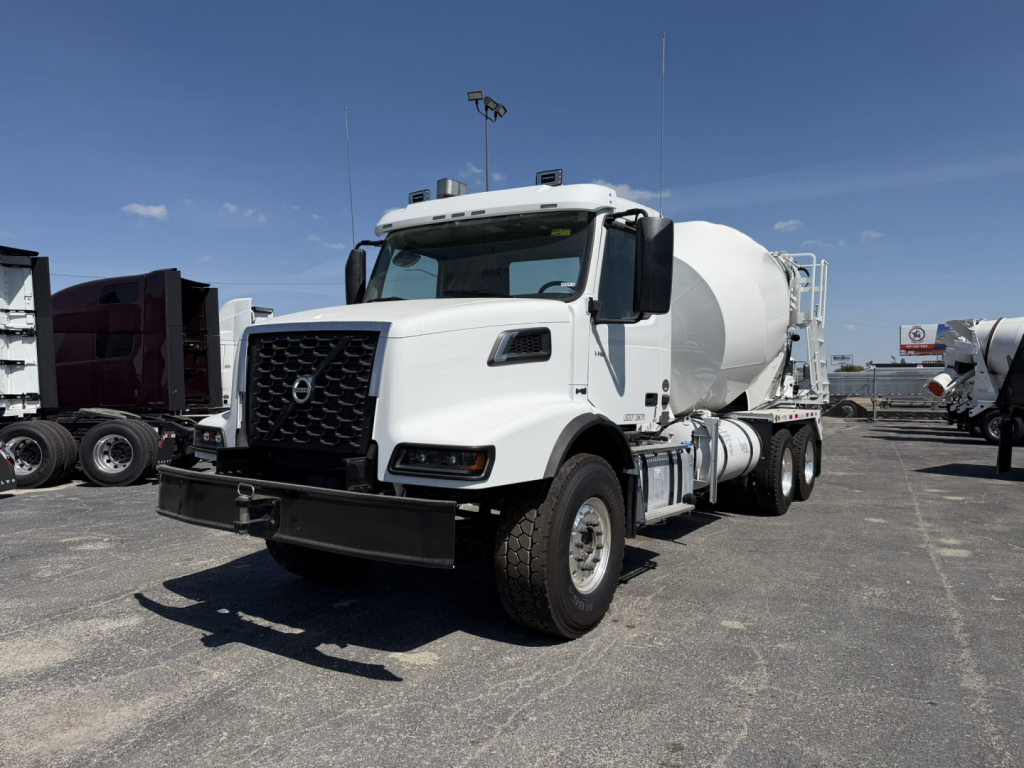
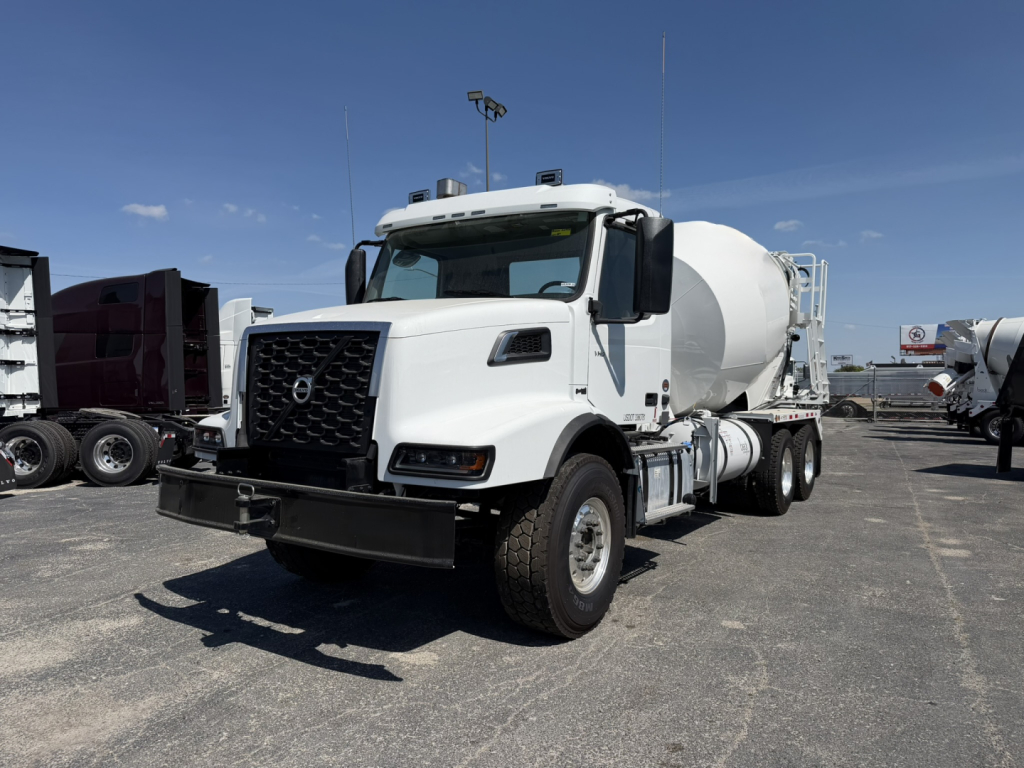
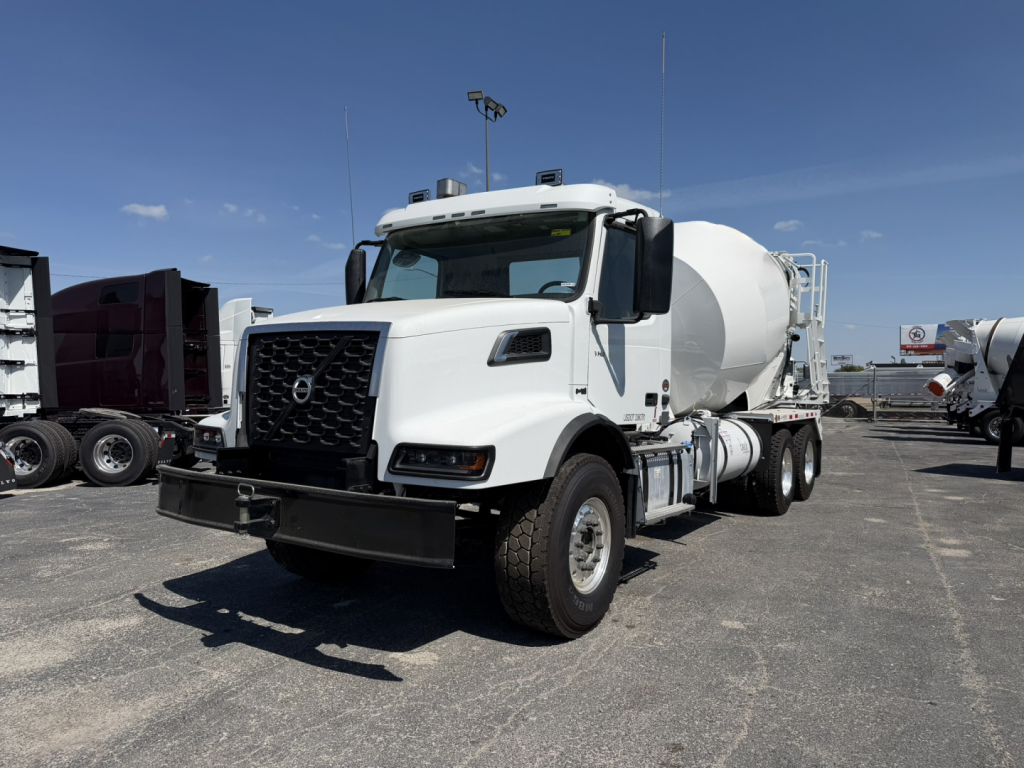
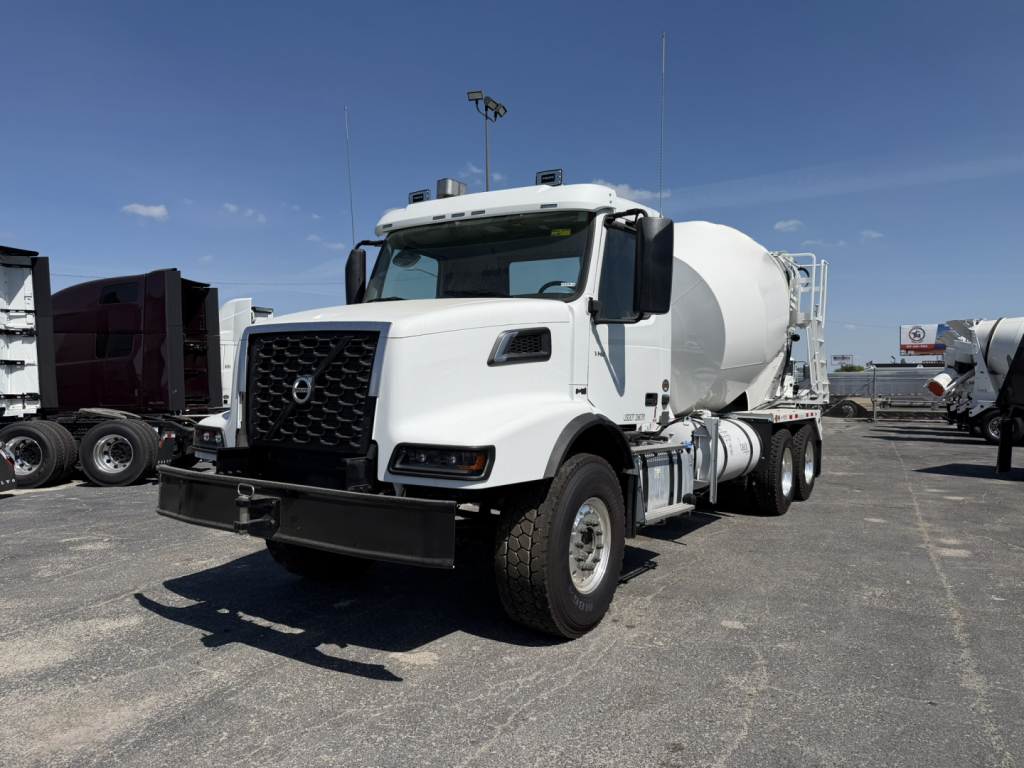
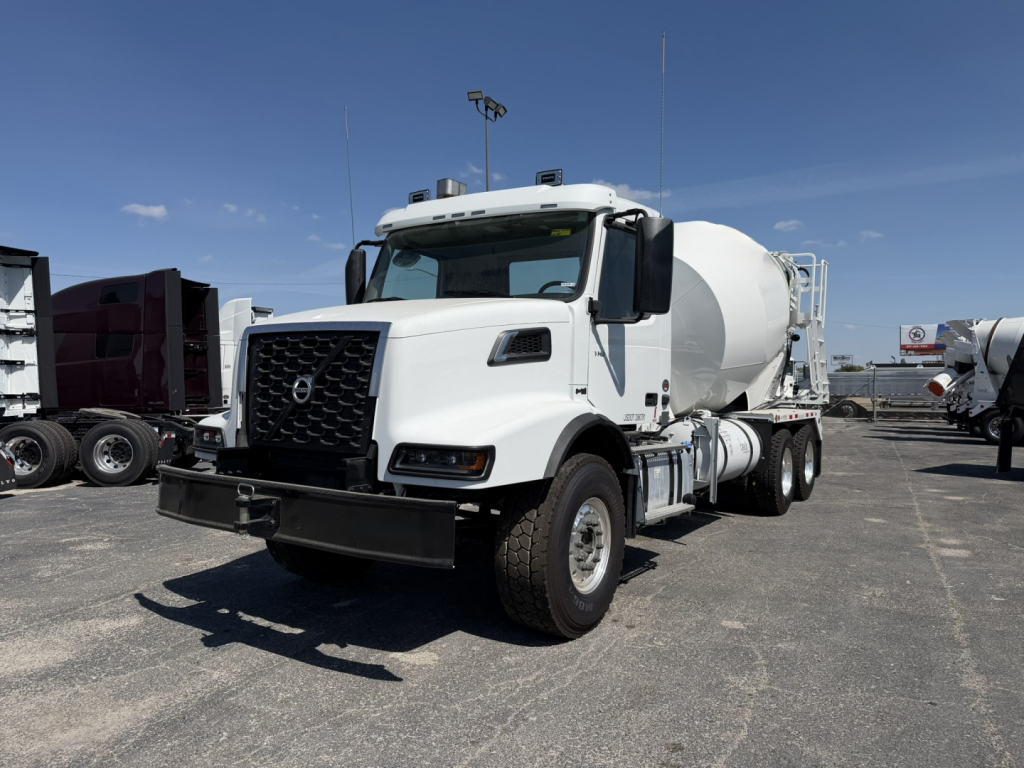
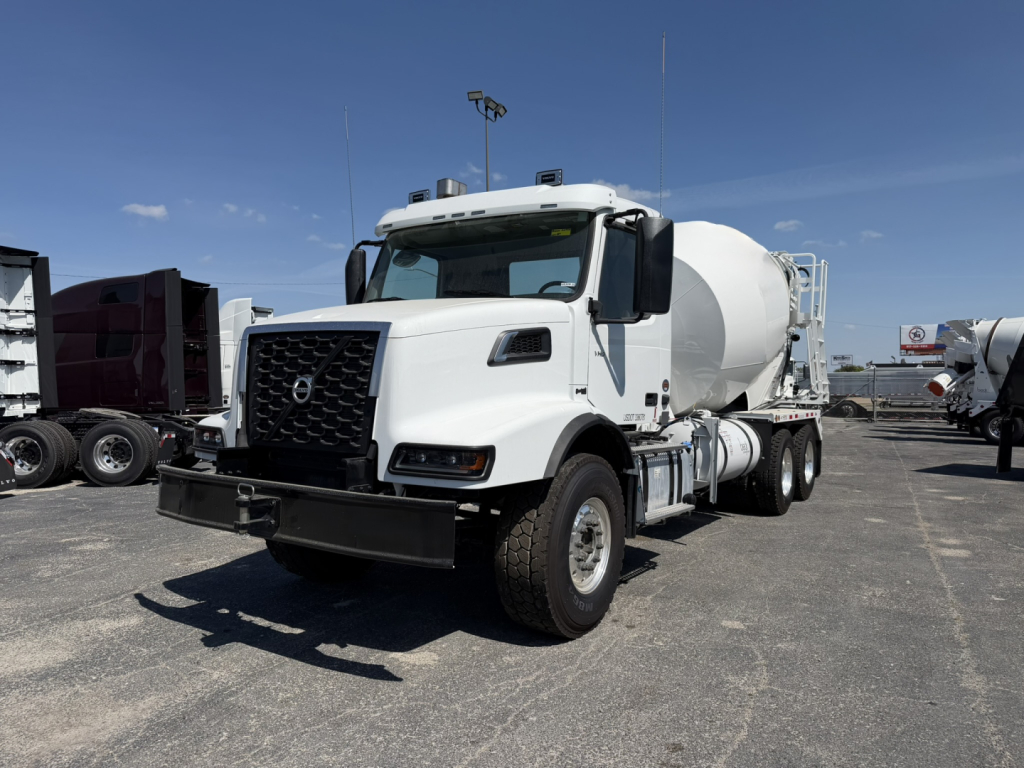
One of the first decisions is chassis and drivetrain spec. Many 2026 Volvo mixer trucks are configured as tandem axle 6x4 units, often with the Volvo D11 engine paired to an Allison automatic transmission such as the 4500 RDS. That combination is common in mixer service because it balances low-end torque, simple operation in traffic, and smooth launch characteristics when the truck is loaded. Buyers should pay close attention to axle ratings, suspension, wheelbase, bridge compliance, and front axle capacity, especially when an 11-yard drum or paver-spec body is involved. Disc brakes, differential locks, and proper vocational tires also matter because mixer trucks spend as much time maneuvering in mud, gravel, and crowded pours as they do on pavement.
The mixer package itself deserves as much scrutiny as the cab and chassis. Common items include steel drum construction, water tanks, in-cab drum controls, rear controls, digital rev counters, boot wash systems, remote grease points, and work lighting for early morning or night pours. Drum capacity, charge and discharge rate, chute configuration, and access for washout all affect daily productivity. If the truck is intended for municipal, commercial, or paving work, it is worth checking for paver-style mixers and body options that improve material placement and operator visibility. Service access is another practical consideration because mixers live in abrasive, wet conditions and maintenance intervals can quickly affect uptime.
For many fleets, Volvo mixer trucks stand out for driver comfort, visibility, and vocational durability in a package that still feels road-friendly between jobs. A well-matched spec should reflect route length, plant turnaround time, legal payload targets, and the type of concrete work being handled. Buyers comparing 2026 Volvo mixer trucks should focus less on cosmetic differences and more on engine-transmission pairing, drum manufacturer, water capacity, brake package, and the details that reduce downtime during a long concrete season.
Frequently Asked Questions about 2026 Volvo Mixer Trucks
What engine and transmission setup is common in a 2026 Volvo mixer truck?
A common setup is a Volvo D11 diesel paired with an Allison automatic transmission, often in the 4500 RDS range for mixer duty. This combination is popular because it delivers strong low-speed performance, smooth starts under load, and easier operation in urban traffic, at batch plants, and on jobsites where constant shifting can slow production.
What drum size is typical on a Volvo mixer truck?
Many tandem axle Volvo mixer trucks are equipped with drums in the 10 to 11-yard class, although legal payload and bridge rules can affect the practical usable capacity in your region. The right drum size depends on front axle rating, rear axle capacity, local weight laws, and the type of work, especially if the truck is being spec'd for standard ready-mix versus paving applications.
Why do buyers choose a Volvo VHD chassis for mixer service?
The Volvo VHD is a proven vocational chassis with a strong reputation for concrete, dump, and severe-duty applications. Buyers often choose it for its combination of maneuverability, driver visibility, durable frame options, and compatibility with mixer body builders. It also offers a cab layout that many fleets find easier to live with on routes involving repeated stops, tight access, and long workdays.
What options matter most on a concrete mixer truck?
The most important options are usually axle capacity, brake type, differential locks, suspension spec, water tank capacity, drum controls, lighting, and serviceability features. Items like rear drum rotation controls, digital counters, remote greasing, boot wash systems, and night-pour lights can make a real difference in operator efficiency and maintenance time over the life of the truck.
Are automatic transmissions better for mixer trucks?
For many concrete fleets, yes. Automatic transmissions are widely preferred in mixer applications because they reduce driver fatigue, improve consistency in stop-and-go operation, and help newer drivers handle loaded starts and low-speed maneuvering more smoothly. The final choice still depends on terrain, fleet maintenance practices, and driver preference, but automatic specs are very common in modern mixer trucks.