
New Mixer Trucks For Sale in Colorado
Shop new mixer trucks for sale in Colorado. Compare bridge formula, drum capacity, axle setups, and jobsite-ready concrete truck specs.
Selling a new mixer truck? List your new mixer truck for sale and reach thousands of commercial buyers.
New Mixer Trucks in Colorado
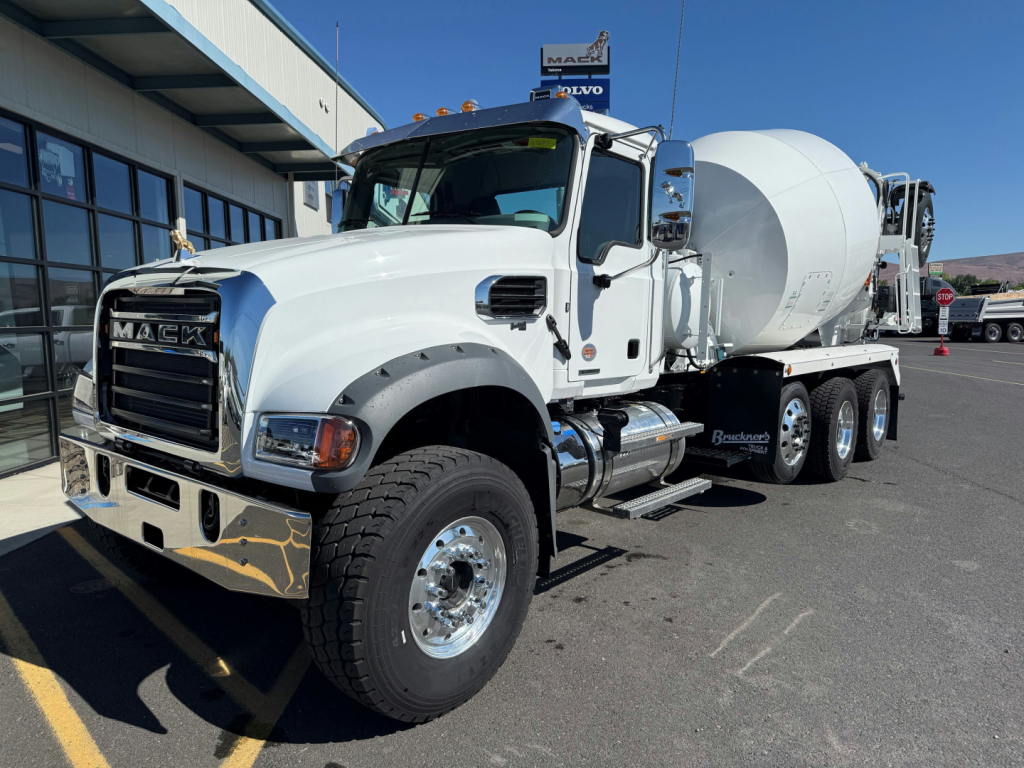
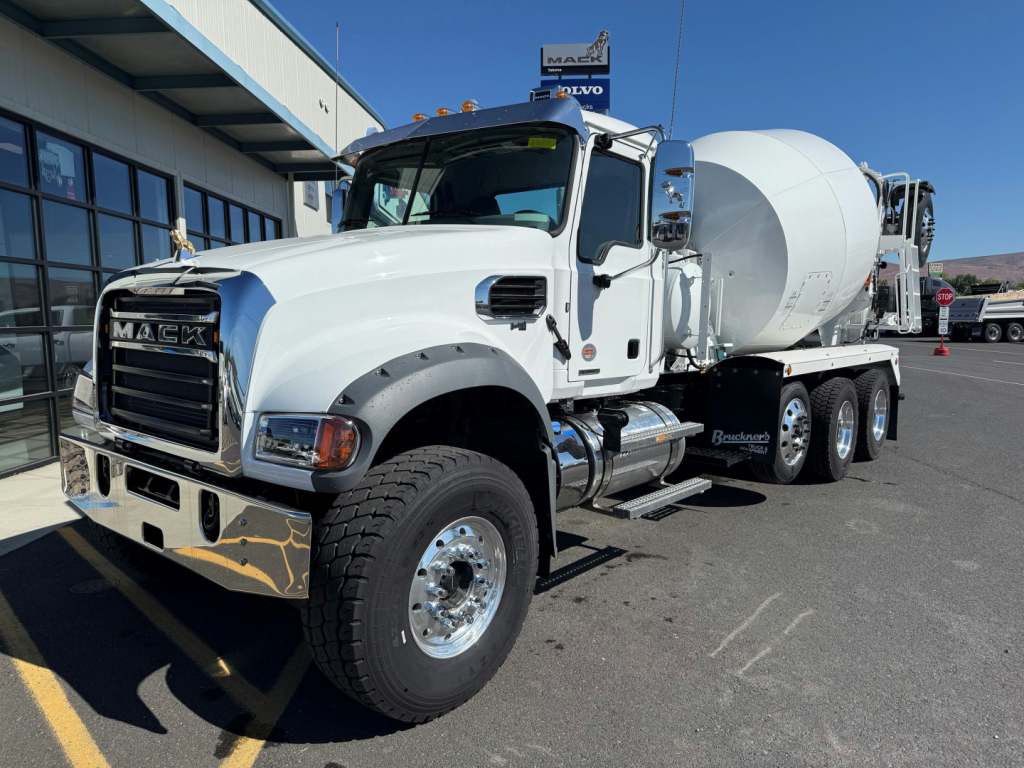
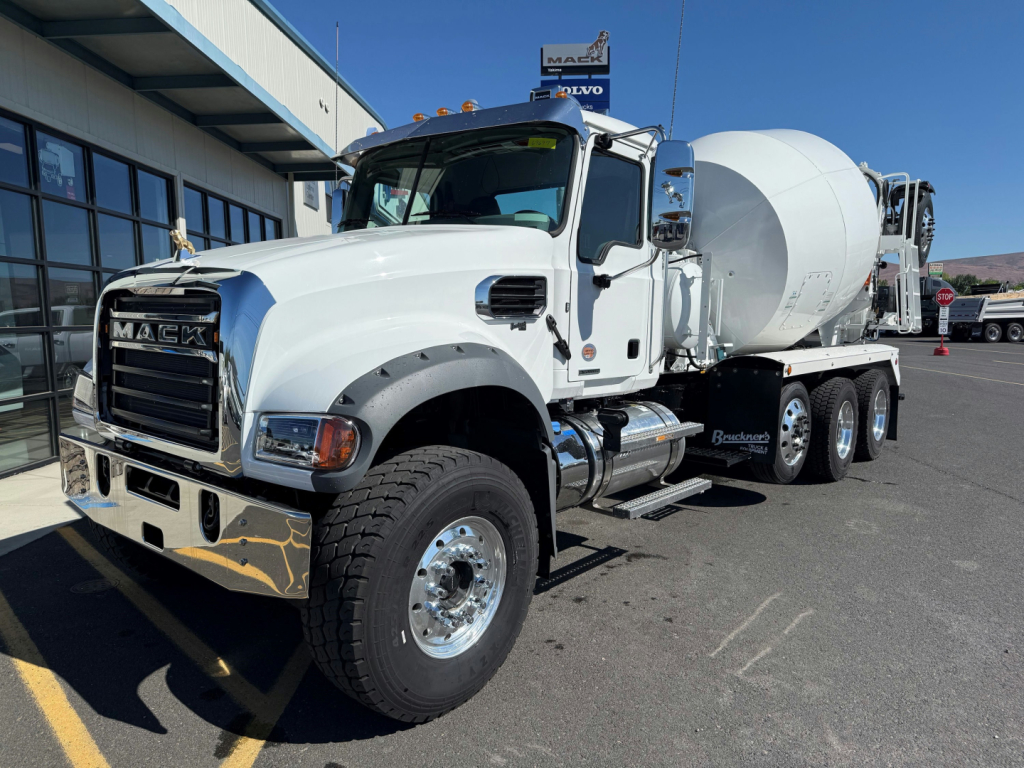
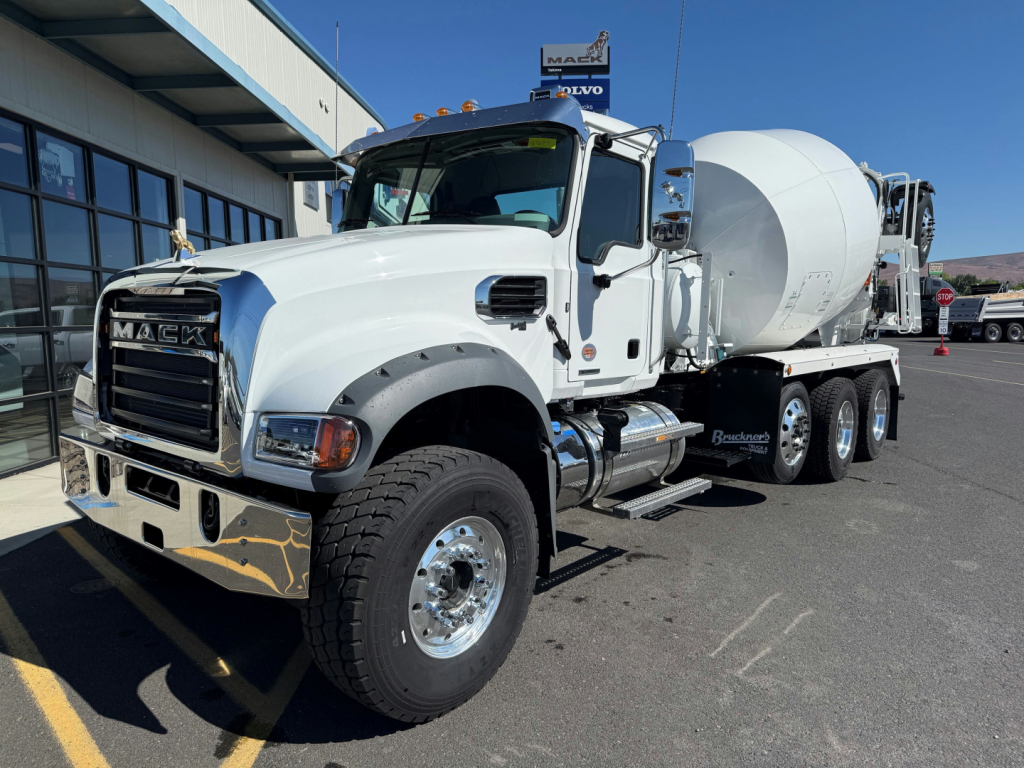
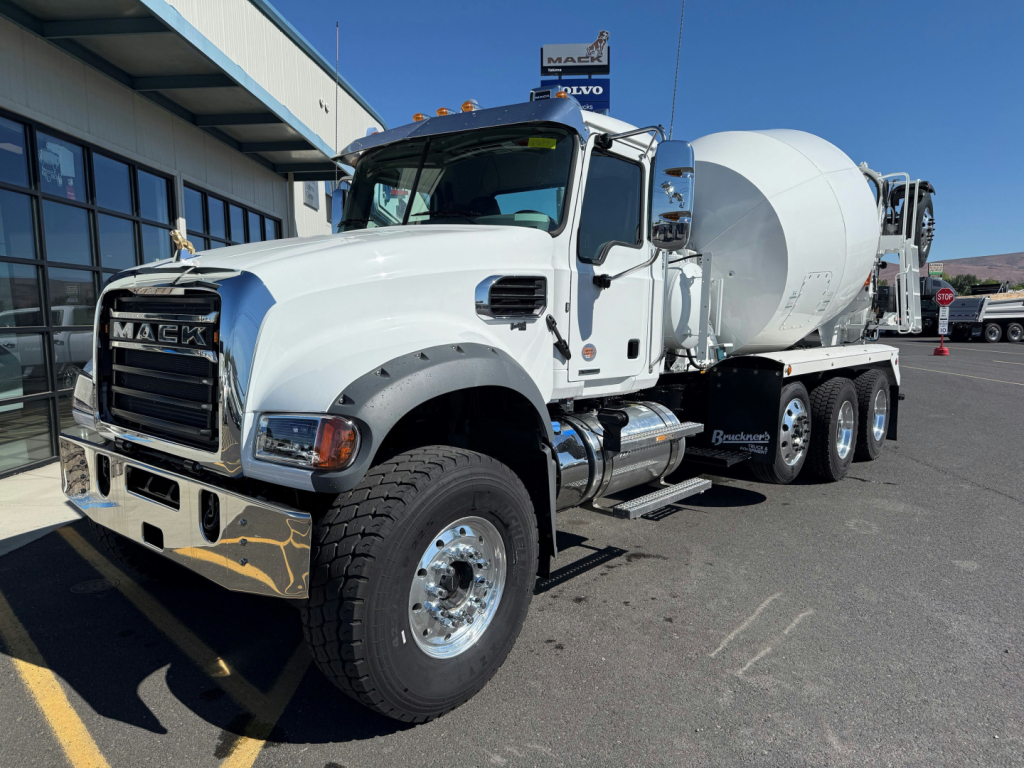
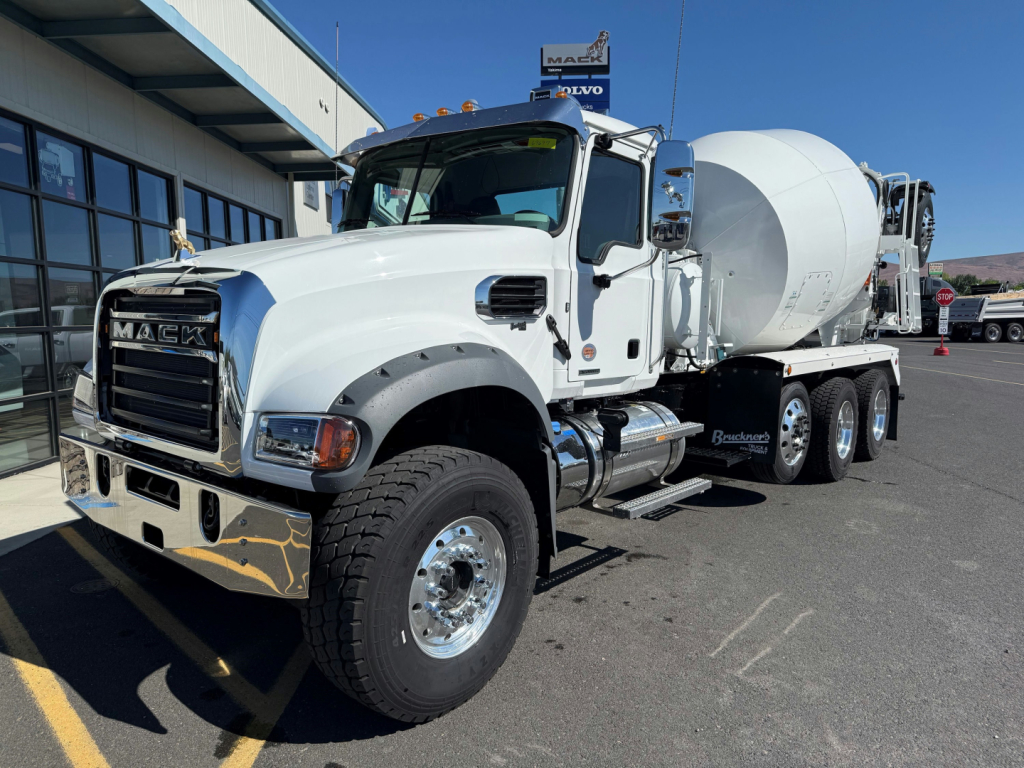
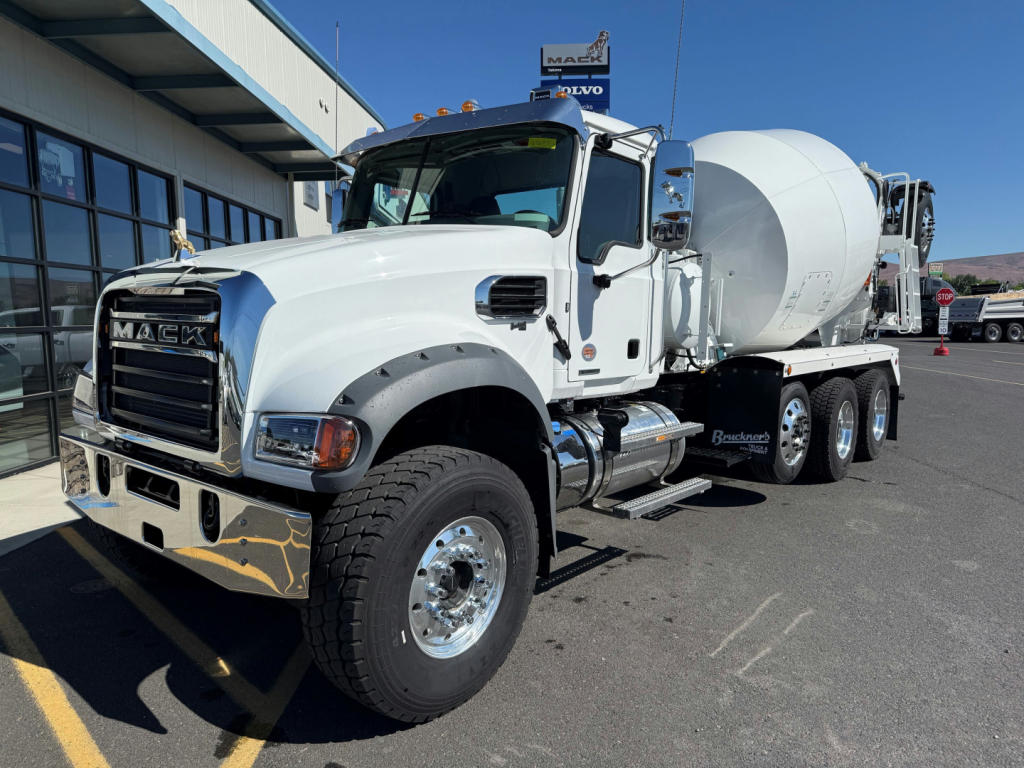
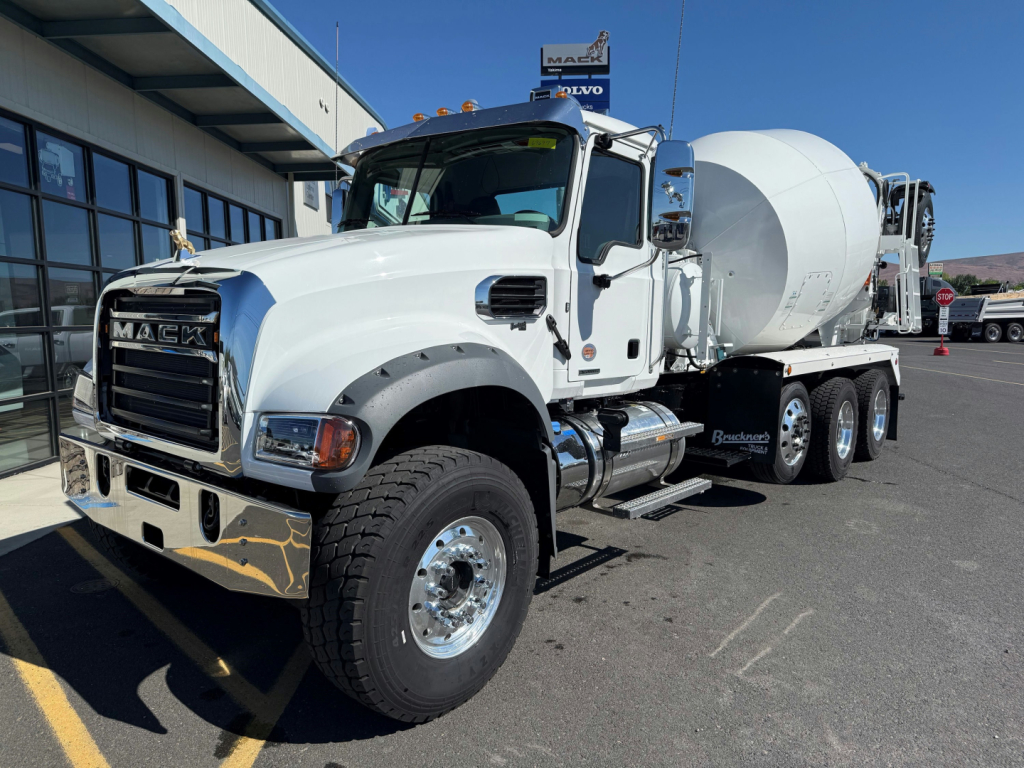
The drum and mixer package matter as much as the cab and chassis. Buyers typically compare rated drum capacity, water tank size, charge hopper design, chute storage, and drum drive system. New mixer trucks may use hydraulic or mechanical drive systems depending on the body builder and intended duty cycle. It is also worth looking at frame reinforcement, PTO integration, and weight distribution across the steer and drive axles, since these directly affect payload and durability. On a new unit, emissions package, engine horsepower, torque curve, and transmission calibration should be matched to stop-and-go hauling, steep approaches, and PTO operation rather than just highway cruising.
For Colorado operations, traction and braking deserve extra attention. Locking differentials, proper rear axle ratios, vocational tires, and severe-duty suspension can make a noticeable difference when a truck is backing into muddy sites or climbing grades with a full load. Visibility is another practical buying point. Cab layout, hood design, mirror package, camera systems, and chute access all affect safety when working around finish crews, forms, and congested jobsites. Many buyers also focus on corrosion resistance, fender design, and ease of washout because mixer trucks live in a punishing environment of cement, water, aggregate, and frequent cleaning.
A new mixer truck offers the advantage of current safety systems, full spec control, and a chassis that can be matched closely to the mixer body and local weight laws. That matters when uptime, driver familiarity, and maintenance planning are tied directly to daily production. Looking across listings, the best comparison points are axle count, gross vehicle weight rating, mixer capacity, discharge style, engine and transmission pairing, and the reputation of both the chassis manufacturer and mixer body builder. A properly spec'd mixer truck is not just a truck with a drum on it. It is a production asset designed to carry legal payload, survive repeated loading cycles, and deliver consistent concrete quality from batch plant to pour.
Frequently Asked Questions about New Mixer Trucks in Colorado
What should I look for first when buying a new mixer truck in Colorado?
Start with axle configuration, legal payload, and the type of work the truck will handle most often. Colorado buyers often need to balance bridge formula compliance, steep grades, and jobsite maneuverability, so wheelbase, lift axles, suspension, and rear axle ratio all matter early in the buying process. After that, compare drum capacity, discharge style, and engine-transmission specs to make sure the truck is built for ready-mix duty instead of general vocational use.
What is the difference between a front discharge mixer truck and a rear discharge mixer truck?
A front discharge mixer truck lets the driver control placement from the cab and can improve visibility to the pour area, which is useful on many residential and tight-access jobsites. A rear discharge mixer truck is common in fleets that rely on a driver and chute crew working together behind the truck. The right choice depends on labor model, site access, driver preference, and how much precision placement is needed without repositioning the truck.
How many yards does a new mixer truck usually carry?
Capacity varies by body builder, axle setup, and local weight regulations, but many mixer trucks are spec'd in ranges commonly associated with 8 to 12 cubic yards. Rated drum volume and legal payload are not always the same thing, so buyers should confirm how much concrete the truck can legally haul in real operating conditions. Water weight, fuel, driver weight, and installed equipment all affect usable payload.
Why are axle specs so important on a mixer truck?
Axle specs determine legal weight distribution, durability, and how well the truck performs under repeated heavy loads. Steer axle rating, drive axle rating, lift-axle design, suspension type, and frame reinforcement all influence payload and service life. On a mixer truck, poor axle matching can limit the amount of concrete carried or create handling and tire wear issues, especially on rough jobsites and uneven approaches.
Are new mixer trucks easier to maintain than older units?
A new mixer truck can simplify maintenance planning because the chassis, mixer body, hydraulic or mechanical drive components, and emissions systems all start with known service intervals and no unknown wear history. New units also give buyers a chance to standardize specs across a fleet, which can reduce parts complexity and driver training issues. Maintenance still depends heavily on daily washout, drum care, lubrication, PTO service, and attention to chute and hopper wear, but a new truck generally offers a cleaner baseline for uptime management.