
New 2026 Conventional Sleeper Trucks For Sale in Texas
Shop new 2026 conventional sleeper trucks in Texas. Compare long-haul specs, sleeper sizes, powertrains, fuel capacity, and driver comfort.
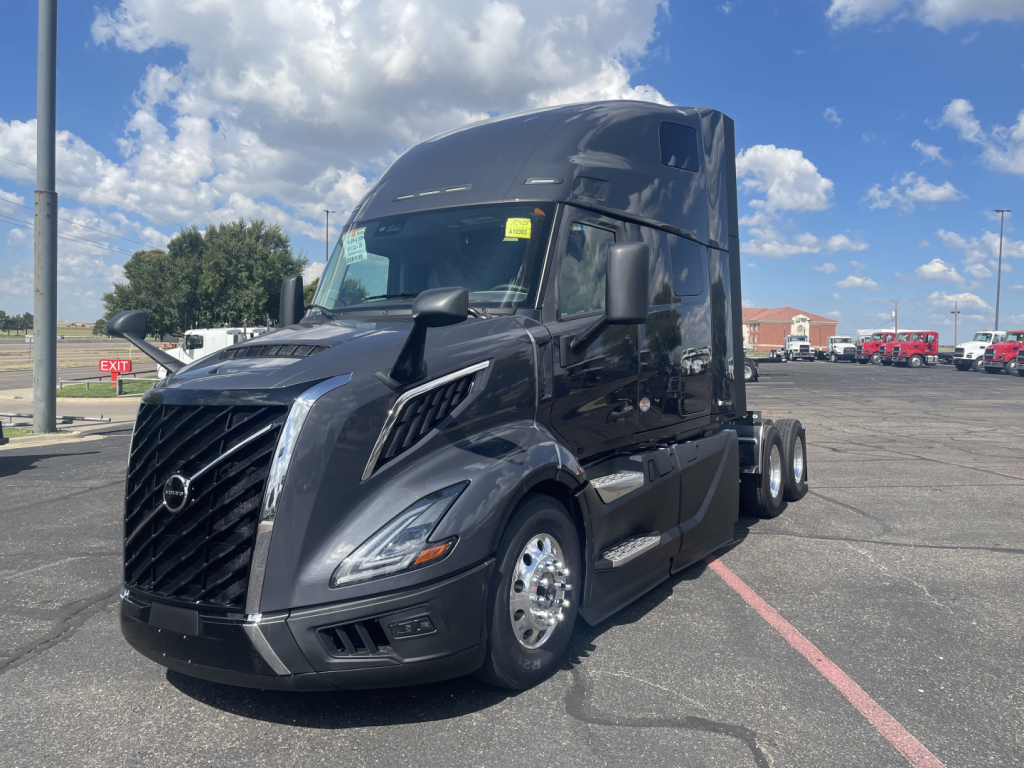
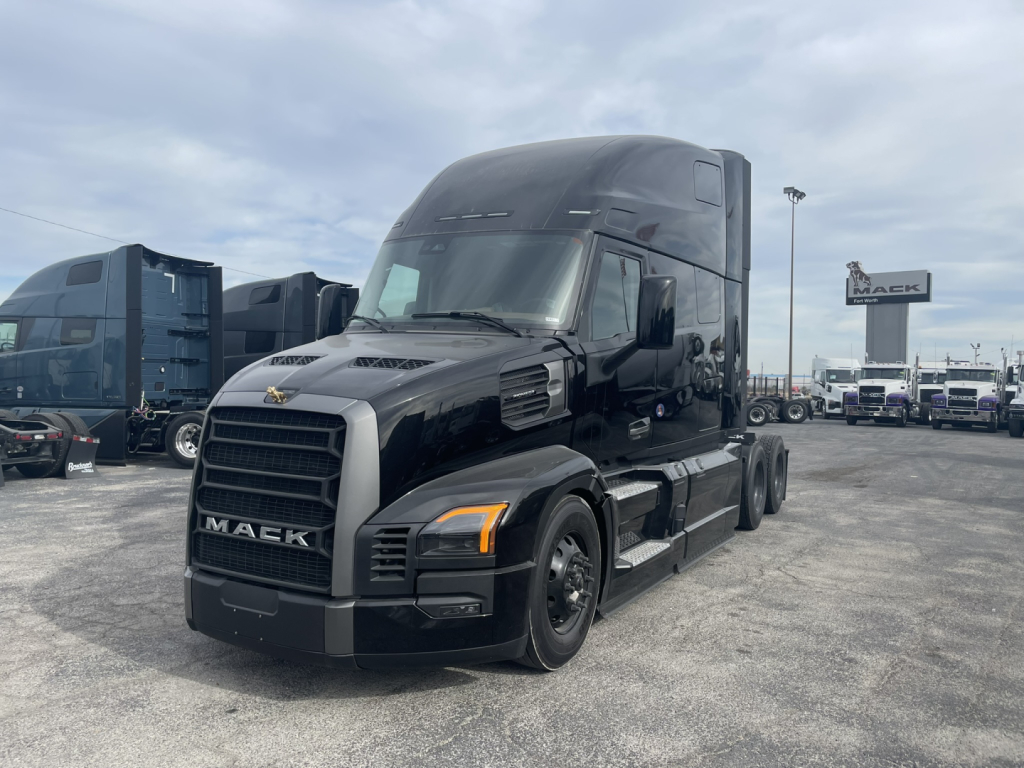
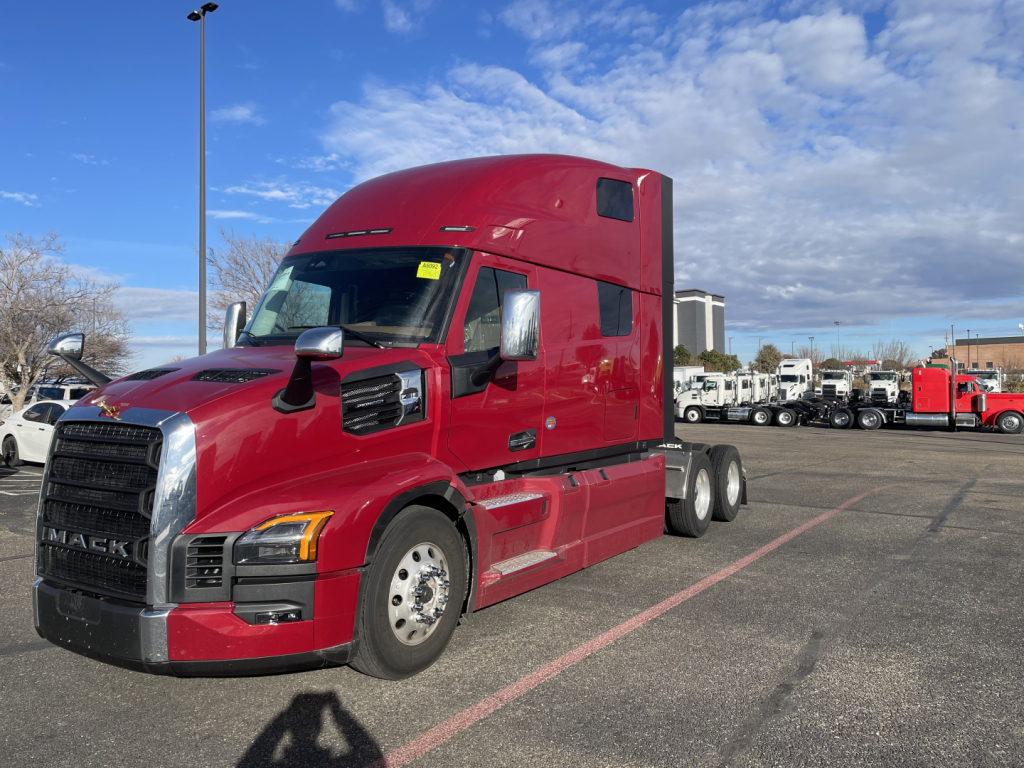
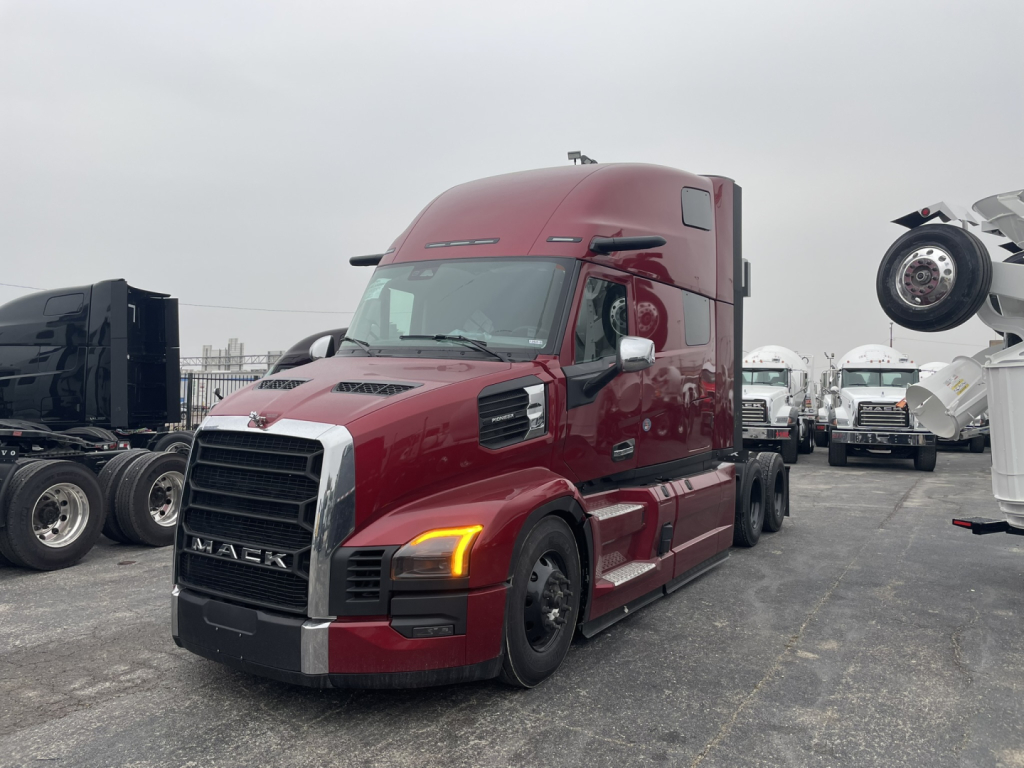
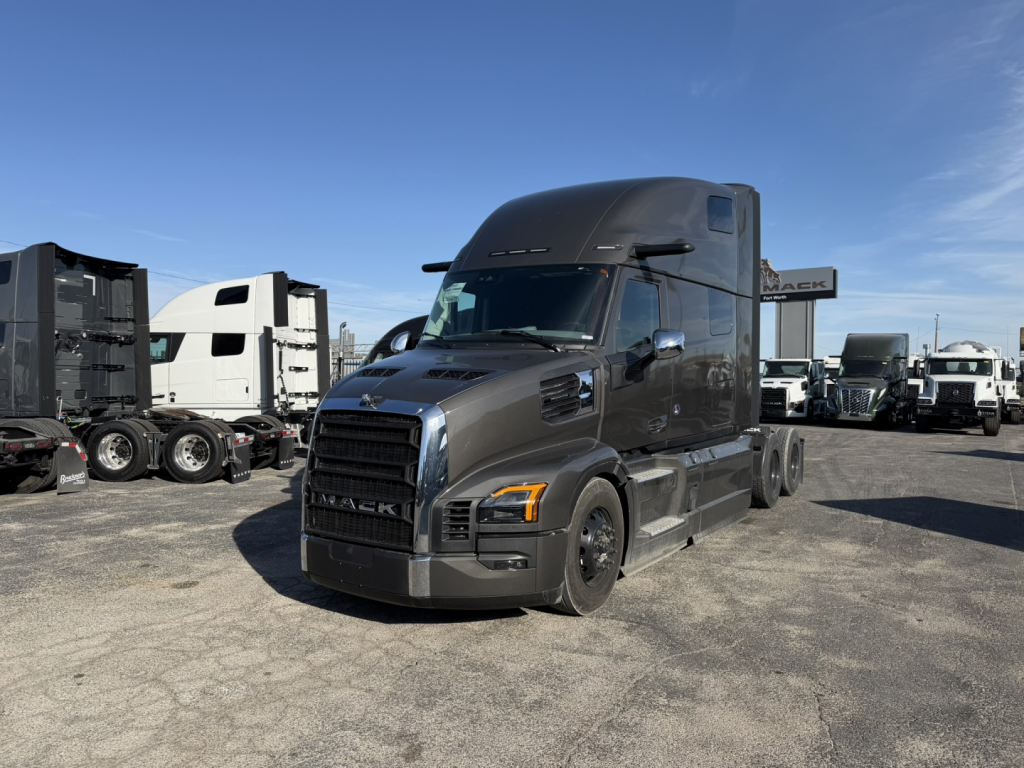
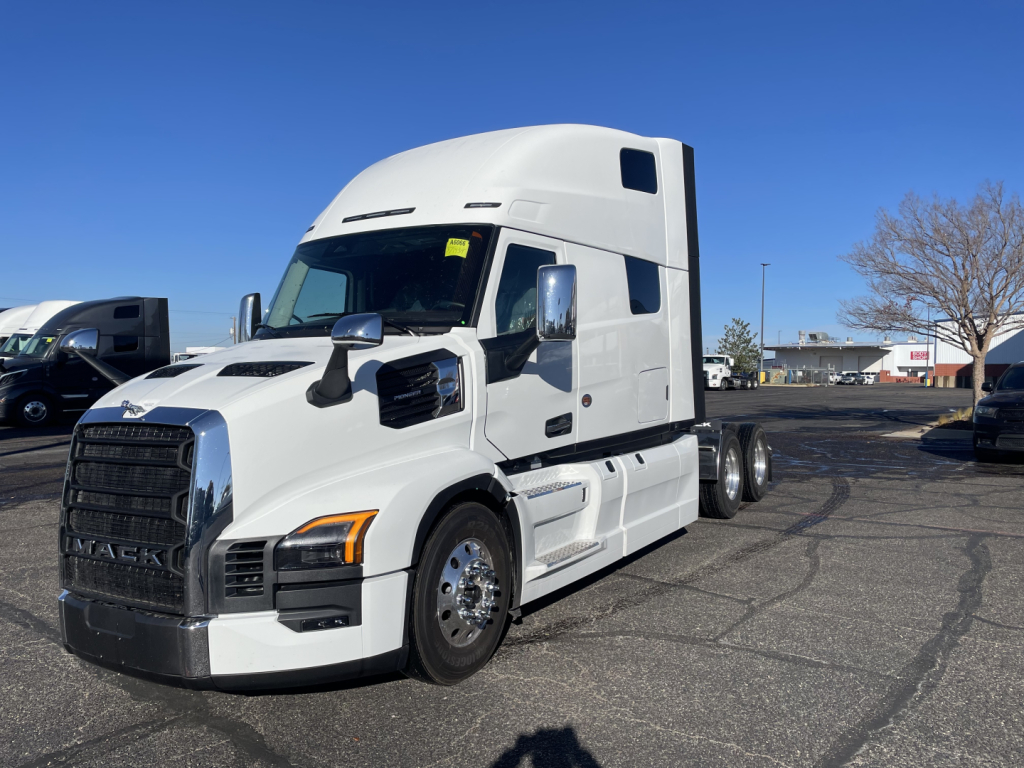
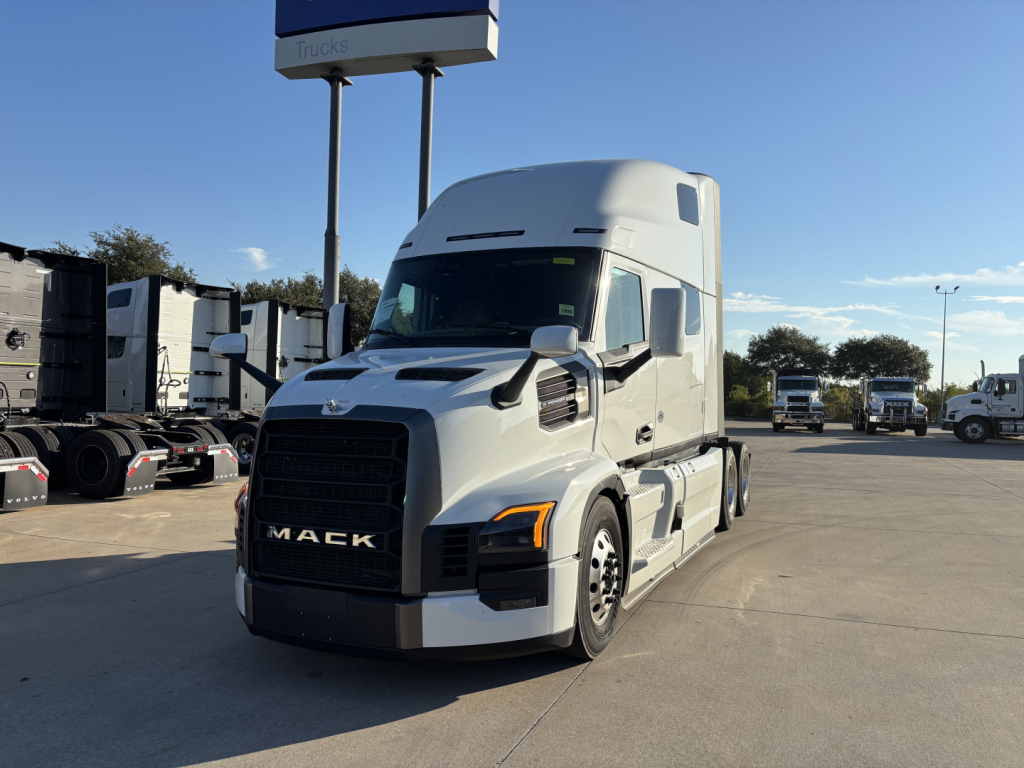
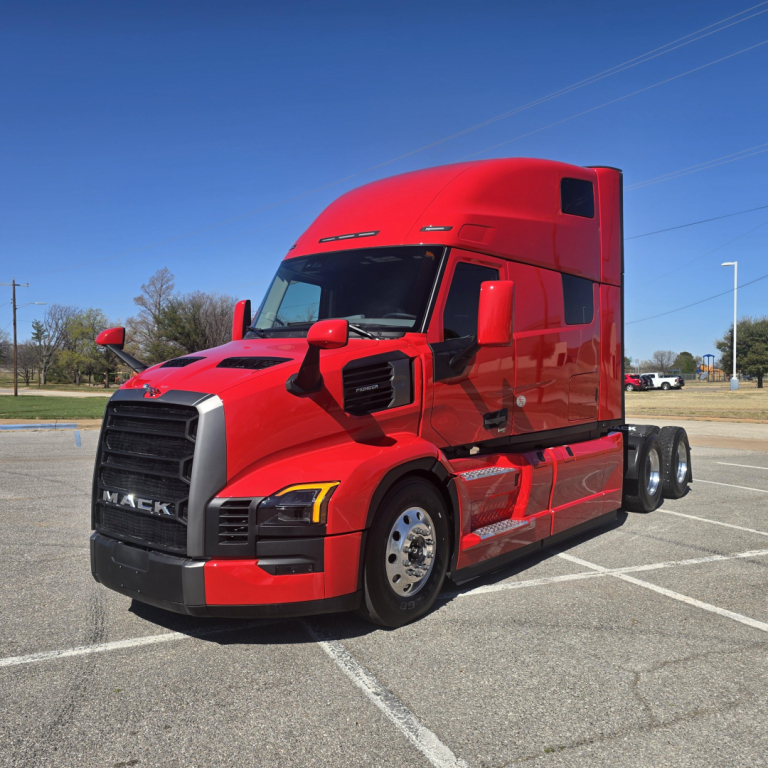
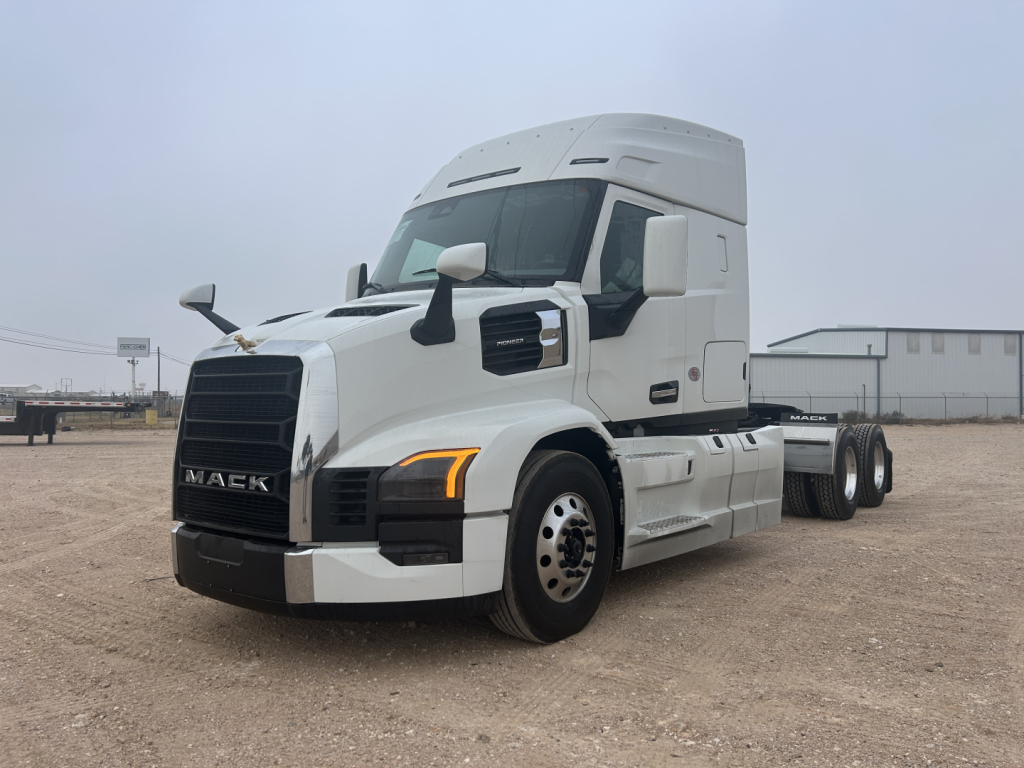
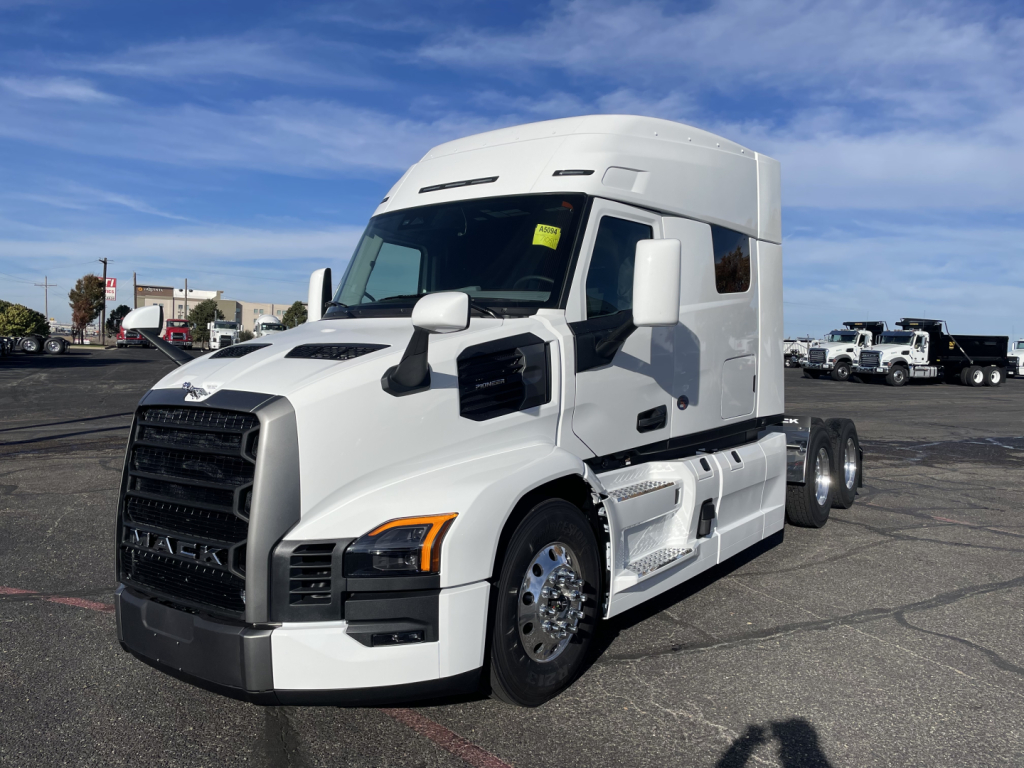
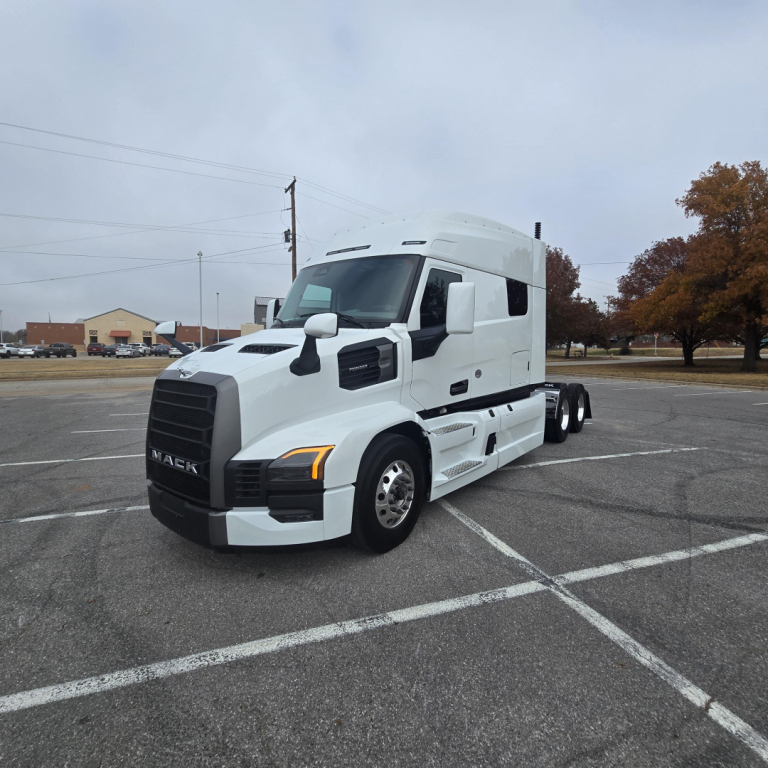
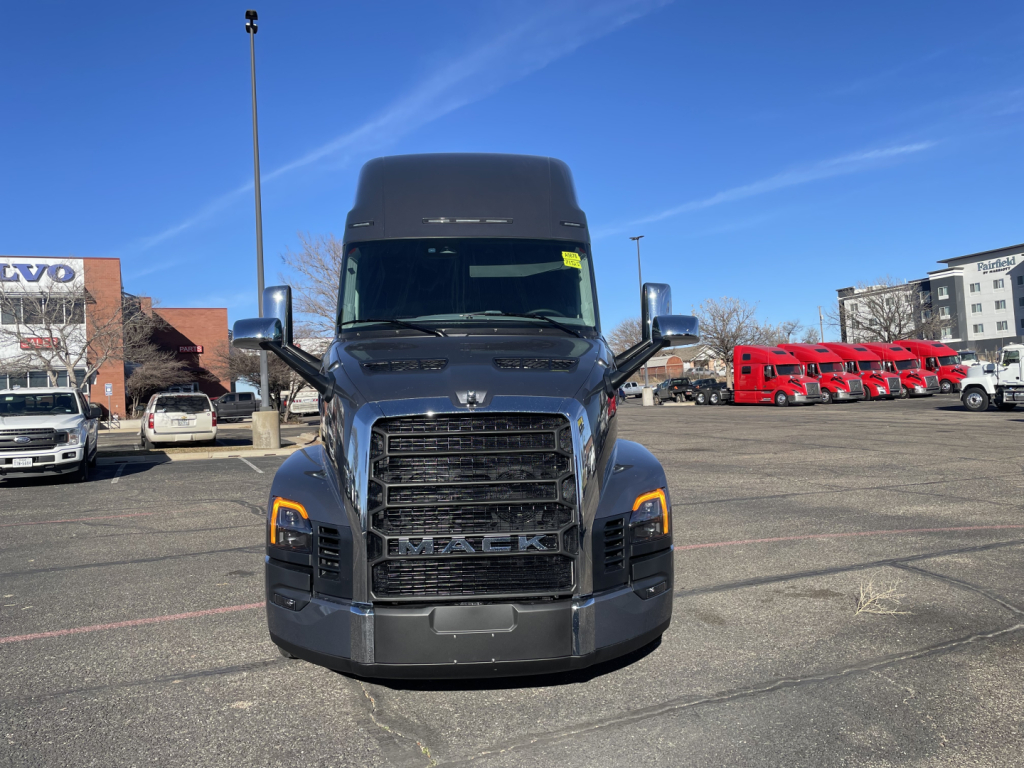
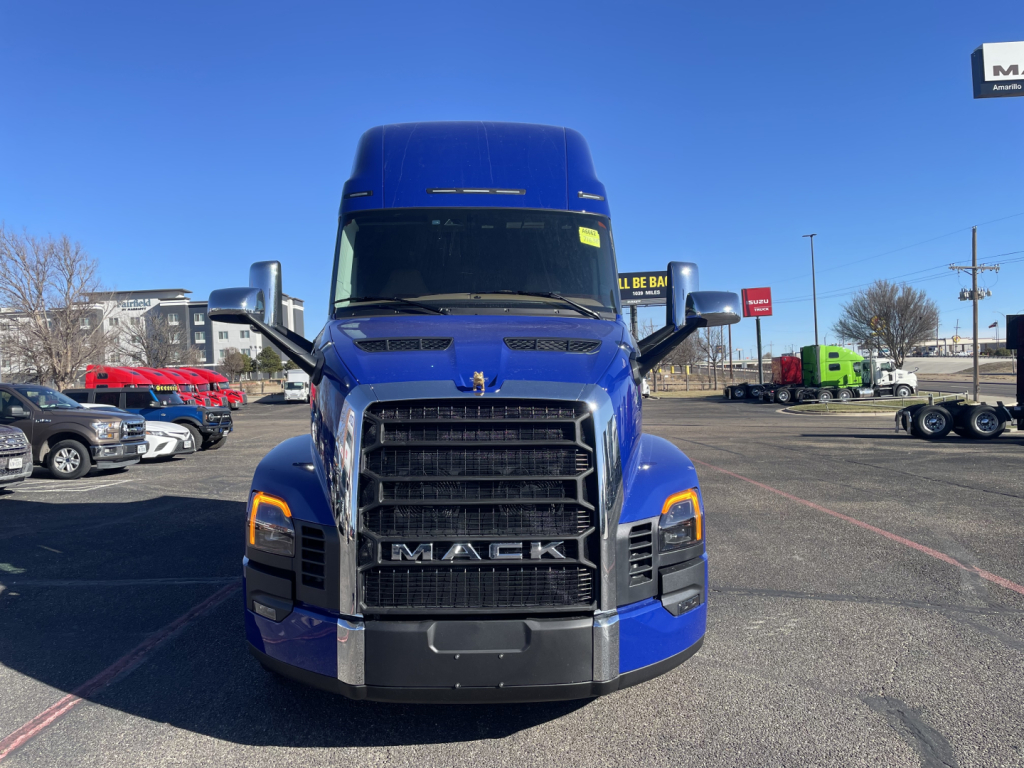
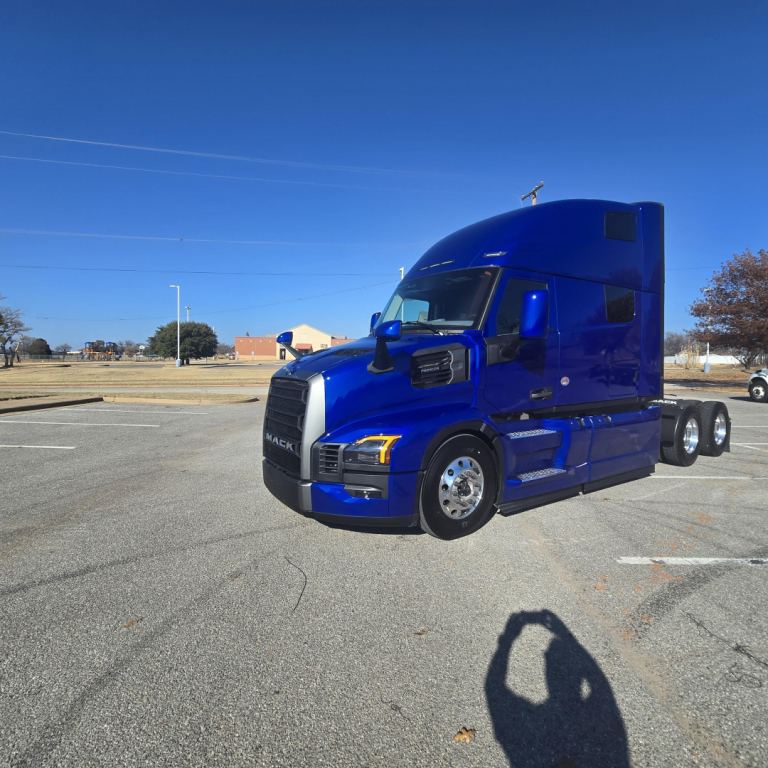
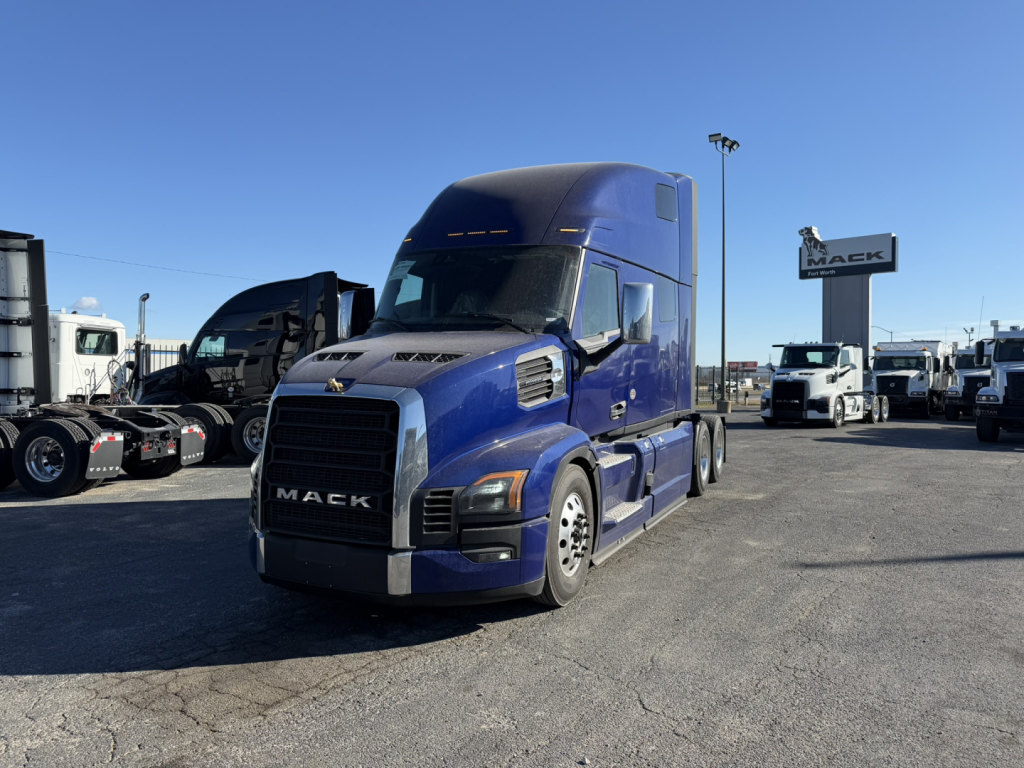
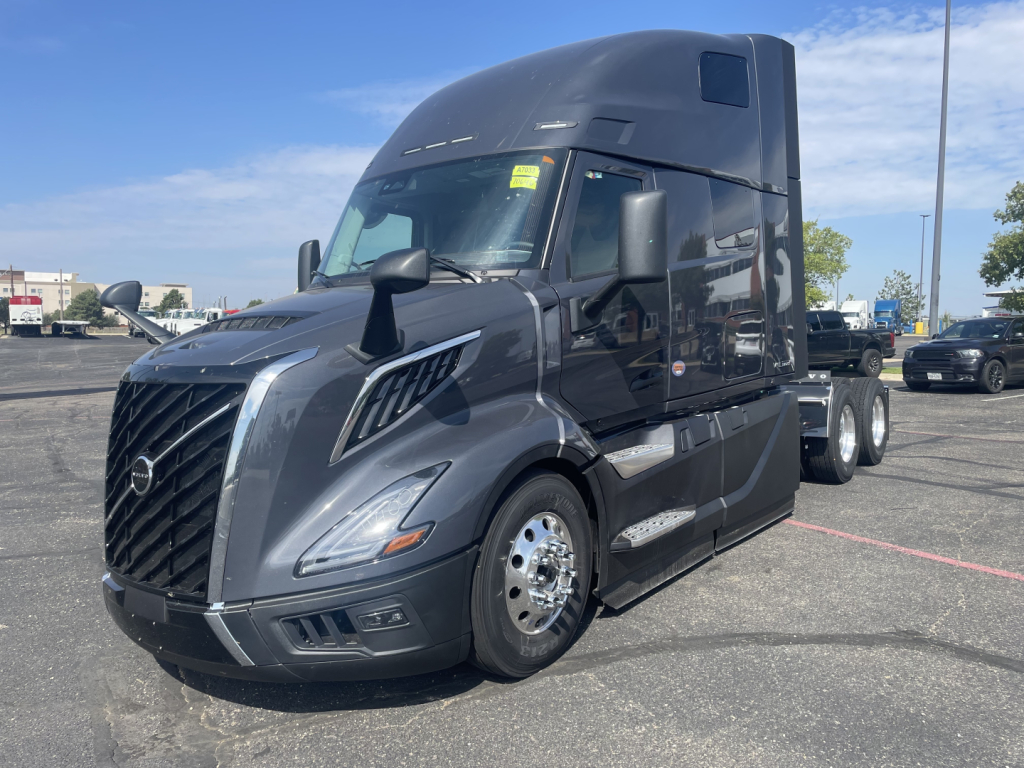
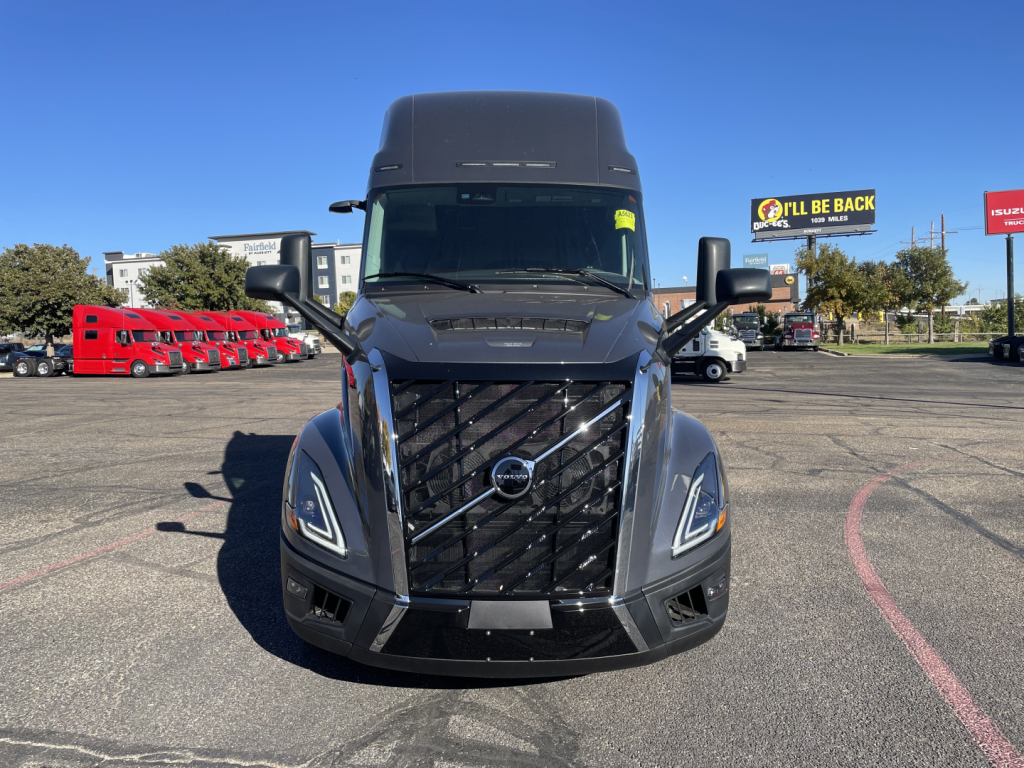
Selling a new 2026 conventional sleeper truck? List your new 2026 conventional sleeper truck for sale and reach thousands of commercial buyers.
New 2026 Conventional Sleeper Trucks in Texas
The biggest purchase decisions usually start with the powertrain. Most new conventional sleepers in this class run 13-liter engines in roughly the 425 to 500 horsepower range, backed by automated manual transmissions such as a 12-speed or 13-speed. That setup covers the bulk of dry van, reefer, and general freight applications while balancing startability, cruise RPM, and fuel burn. Buyers should compare rear axle ratios, GCWR, wheelbase, and fuel tank capacity just as closely as horsepower. A truck spec'd for Texas linehaul often leans toward taller highway gearing, dual tanks in the 200 to 250 gallon range, and aero packages that support lower operating cost at sustained interstate speeds.
Sleeper design is what separates one conventional sleeper from another. Common sleeper sizes range from mid-roof and shorter bunks up to 70-inch and 76-inch raised-roof sleepers with double bunk layouts, workstation space, refrigerator prep, inverters, parking HVAC, and extensive storage. If the truck will stay out for multiple nights, look for insulation quality, bunk configuration, HVAC performance, shore power or APU provisions, and how the cab is laid out for driver movement. Safety and driver-assist features are now a major part of the spec as well, including adaptive cruise control, collision mitigation, lane departure warning, disc brakes, and integrated telematics.
For buyers comparing new 2026 models, the real question is not just brand preference but intended duty cycle. A lighter long-haul van operation may prioritize aerodynamics, downsped drivetrains, and premium sleeper amenities, while heavier or mixed-route freight may call for stronger axle specs, locking differentials, and a more versatile ratio package. New conventional sleeper trucks typically offer the latest emissions technology, warranty coverage, and factory-integrated electronics, which can simplify uptime planning and fleet standardization. The right spec is the one that fits your freight, your routes, and the amount of time the driver will actually live in the truck.
Frequently Asked Questions about New 2026 Conventional Sleeper Trucks in Texas
What is a conventional sleeper truck used for?
A conventional sleeper truck is primarily used for long-haul and regional over-the-road freight where the driver needs a built-in sleeping and living area behind the cab. These trucks are common in dry van, refrigerated, and general freight operations because they combine highway comfort, fuel capacity, and storage with the maneuverability and service access of a conventional hooded tractor design.
What horsepower is typical for a new 2026 conventional sleeper tractor?
Most new 2026 conventional sleeper tractors are spec'd with 13-liter diesel engines in the 425 to 500 horsepower range. That band covers the majority of highway freight applications and is commonly paired with automated manual transmissions. The better buying decision is usually based on the full drivetrain package, including torque rating, rear axle ratio, transmission gearing, and expected gross combination weight, rather than horsepower alone.
What sleeper size should I look for in a long-haul truck?
The right sleeper size depends on how long the truck stays out and whether it runs solo or team. A larger 70-inch to 76-inch raised-roof sleeper is a common choice for extended over-the-road work because it provides more bunk space, storage, and room for amenities like inverters, refrigerators, and parking HVAC systems. Shorter sleepers can work well for regional operations with fewer overnight stays and a lower tare weight target.
Are automated transmissions standard in new conventional sleeper trucks?
Automated manual transmissions are now the dominant choice in new conventional sleeper trucks. They improve driver consistency, reduce clutch wear, and help optimize fuel economy through integrated shift logic. Many fleets prefer them for easier driver onboarding and lower fatigue in heavy traffic, while owner-operators often value them for cruise efficiency and smoother operation on long interstate runs.
What matters most when buying a conventional sleeper truck in Texas?
In Texas, buyers usually pay close attention to cooling system performance, fuel range, aerodynamic spec, and sleeper HVAC because the trucks often run long interstate miles in sustained heat. Wheelbase, tank size, rear axle ratio, and driver-assist safety technology also matter because they affect uptime, operating cost, and how well the truck matches regional versus true coast-to-coast freight patterns.