
New 2026 Conventional Sleeper Trucks For Sale
Shop new 2026 conventional sleeper trucks with modern aero design, integrated sleepers, automated transmissions, and long-haul spec options.
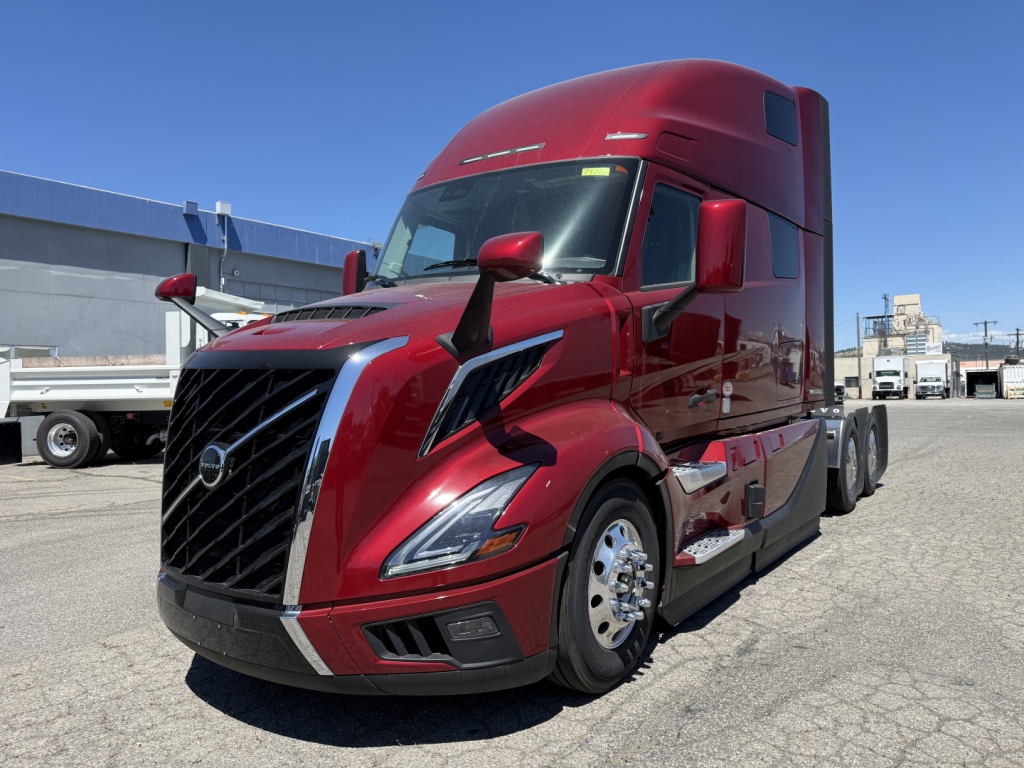
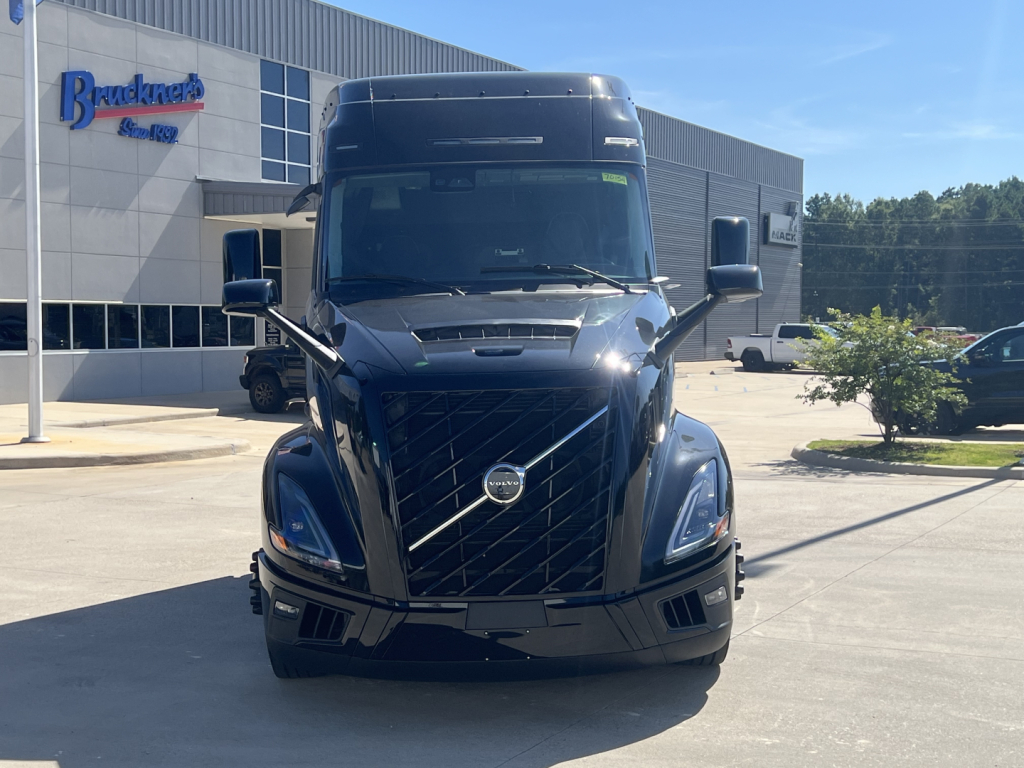
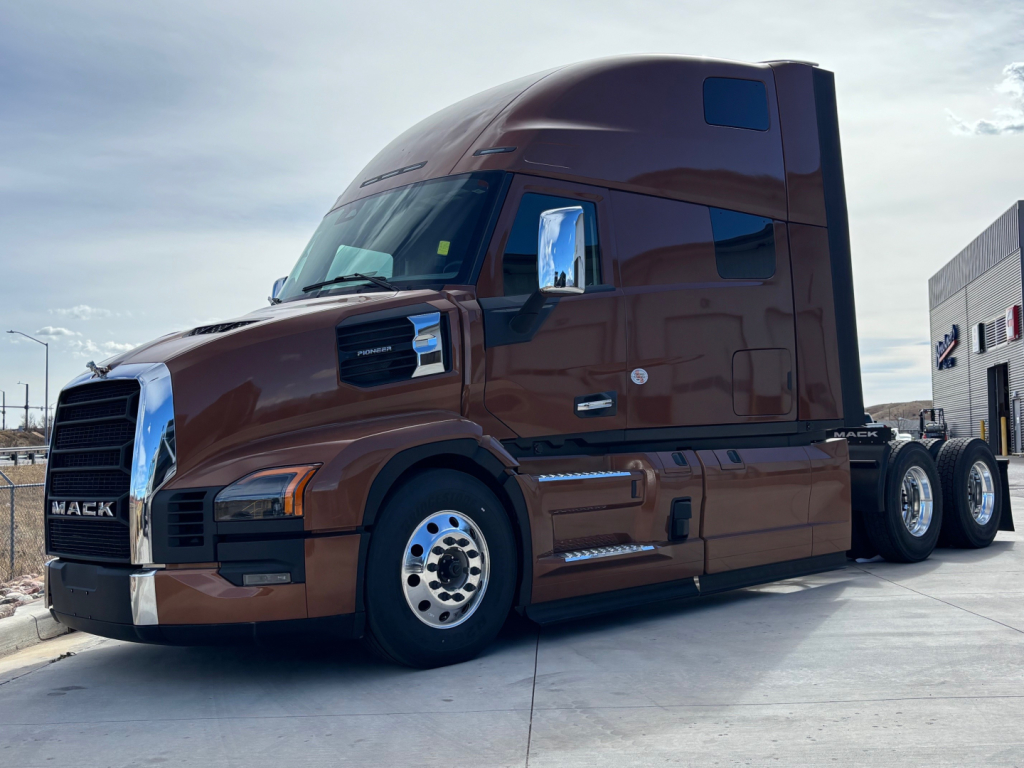
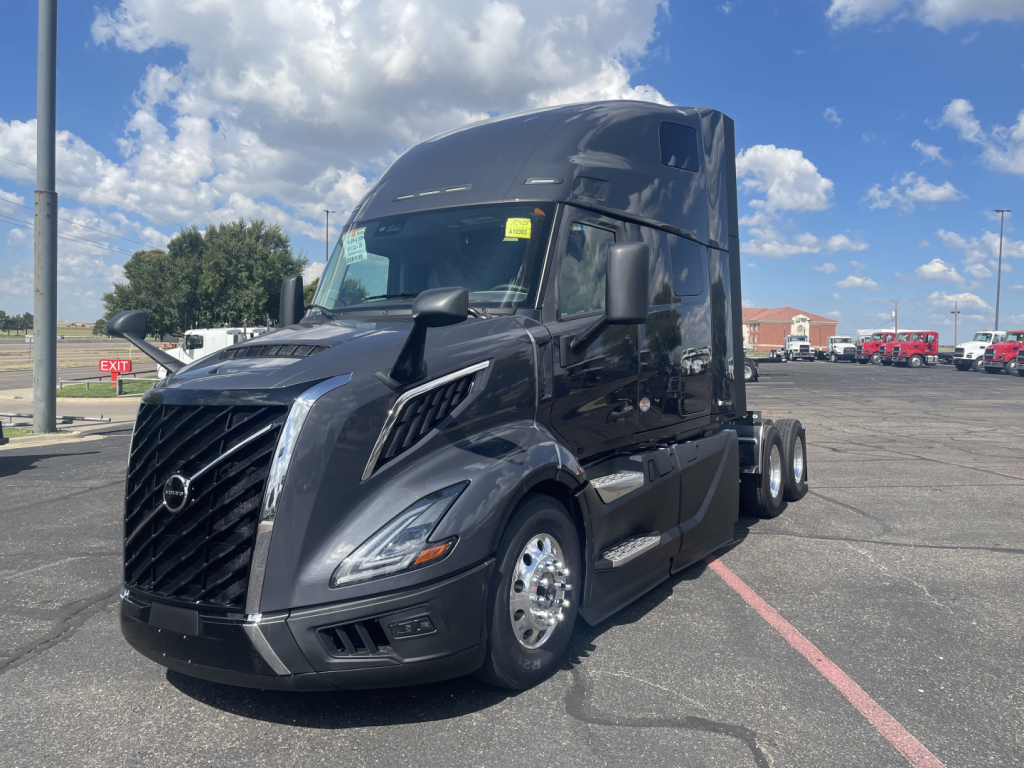
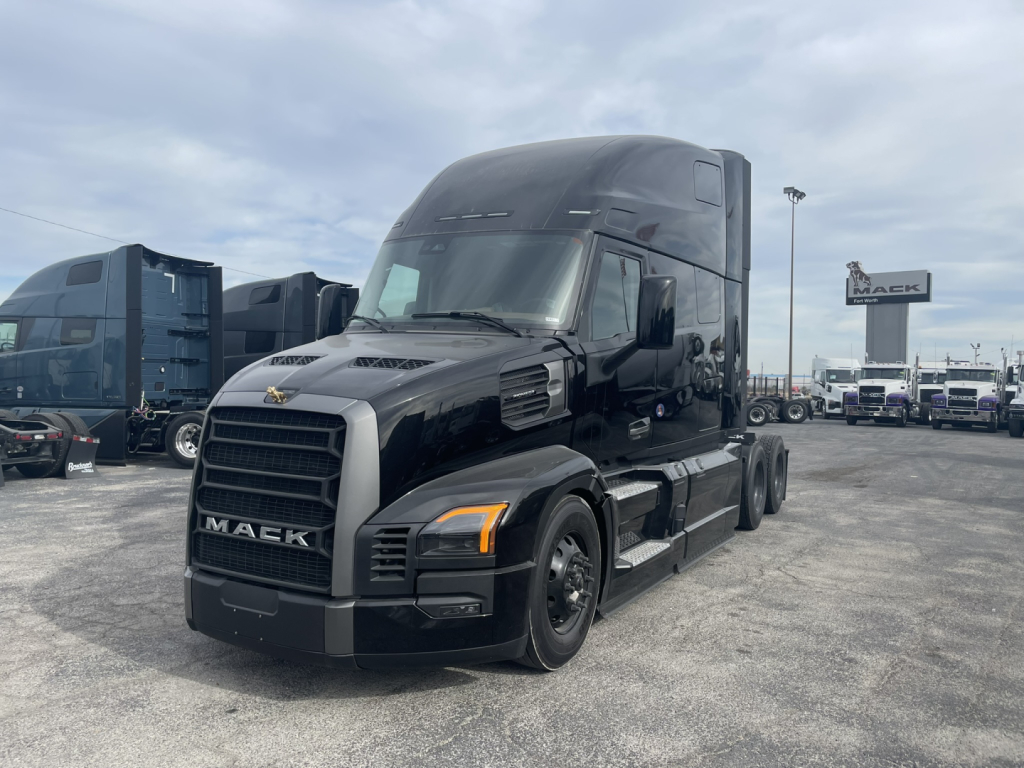
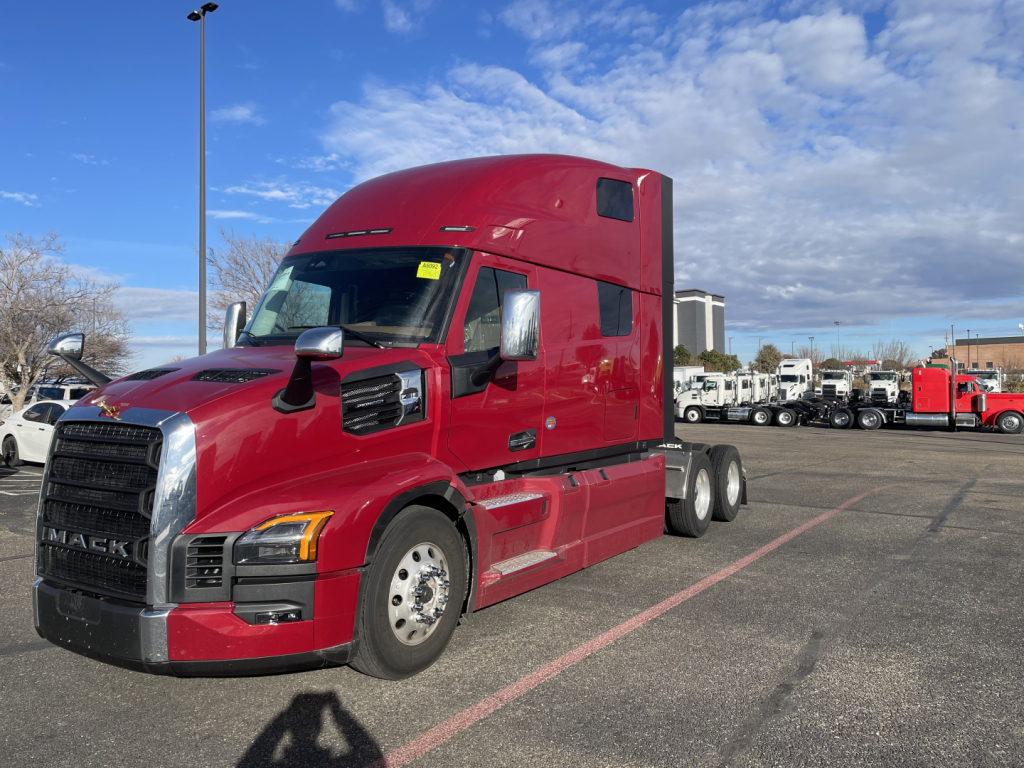
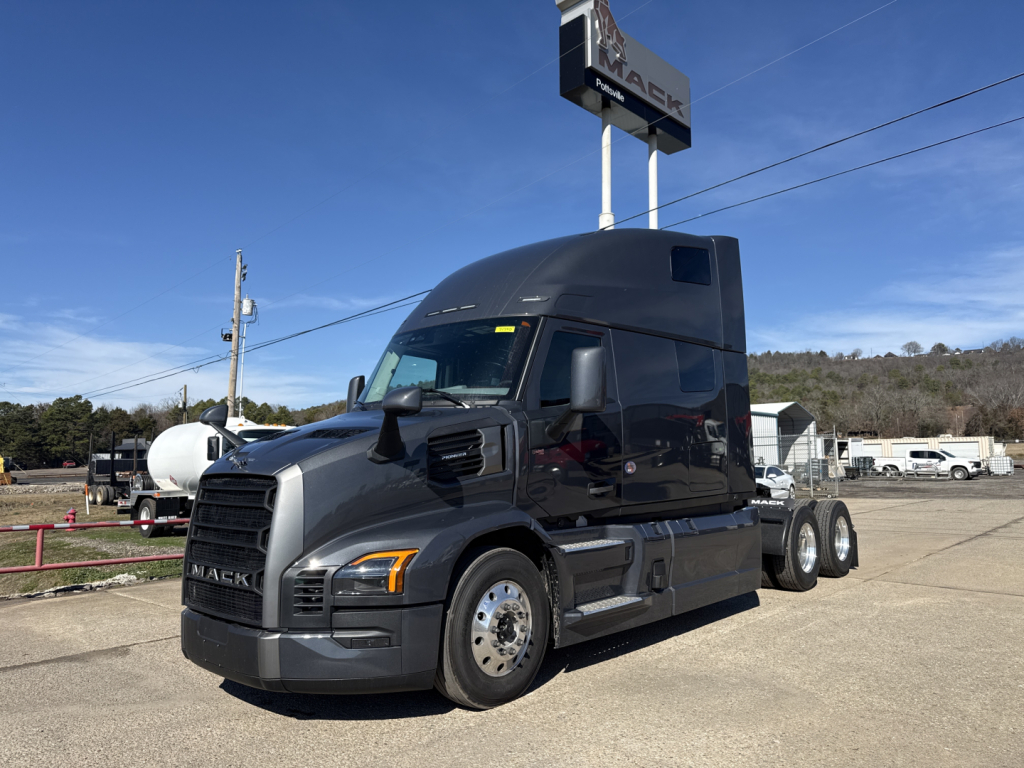
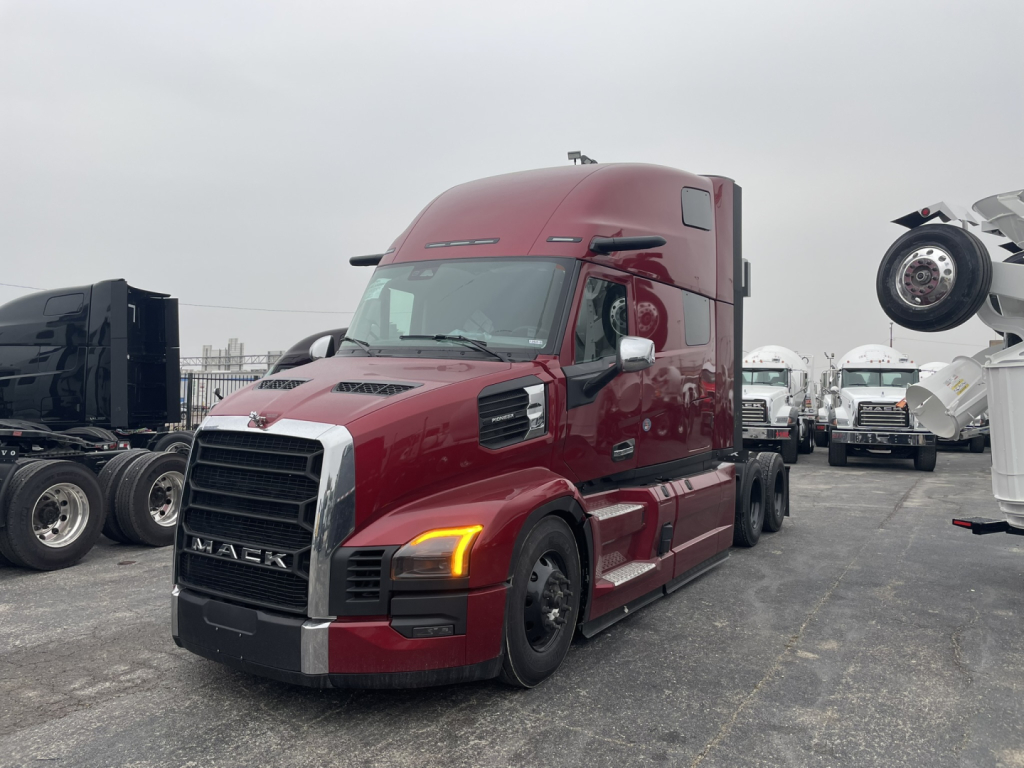
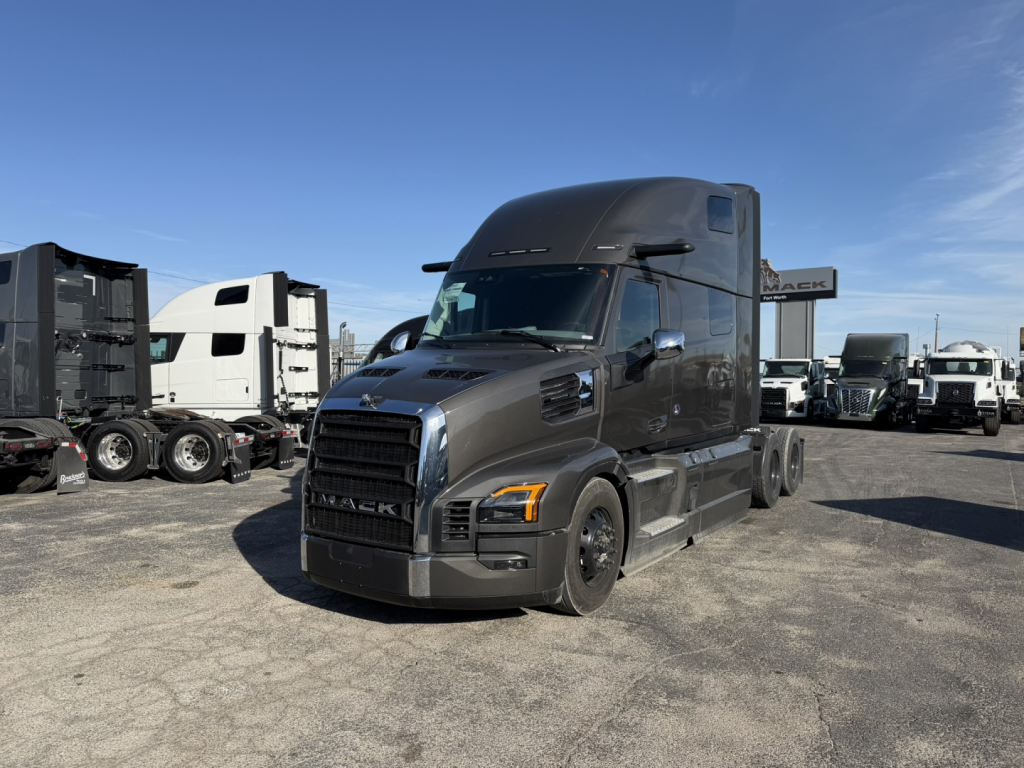
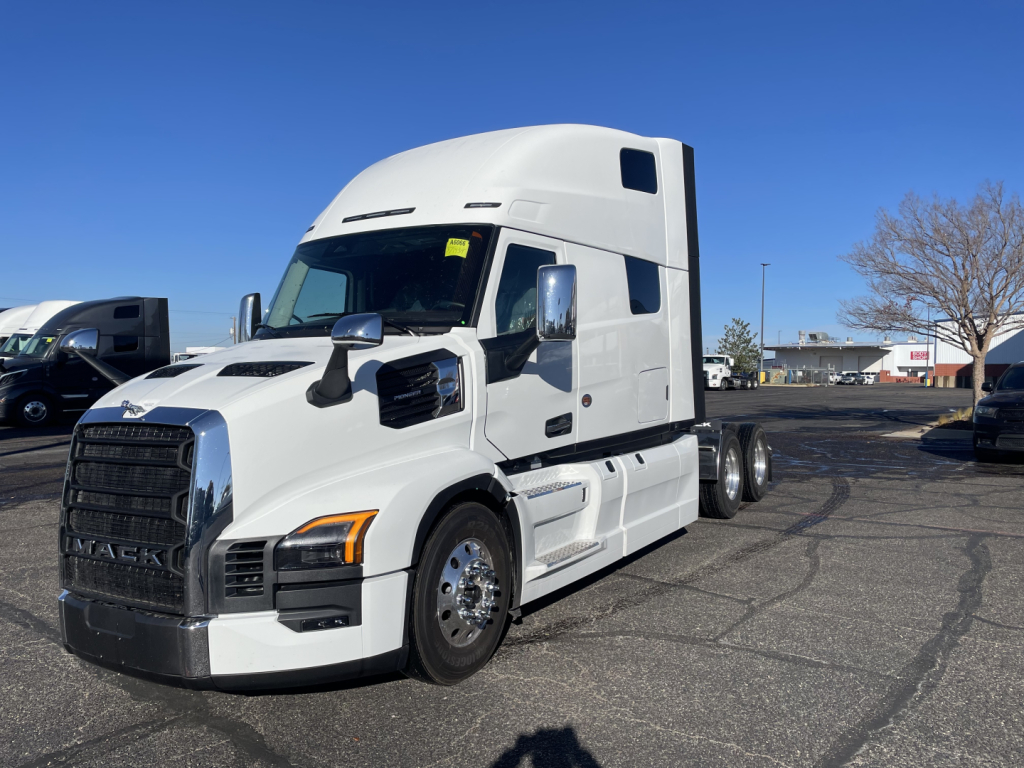
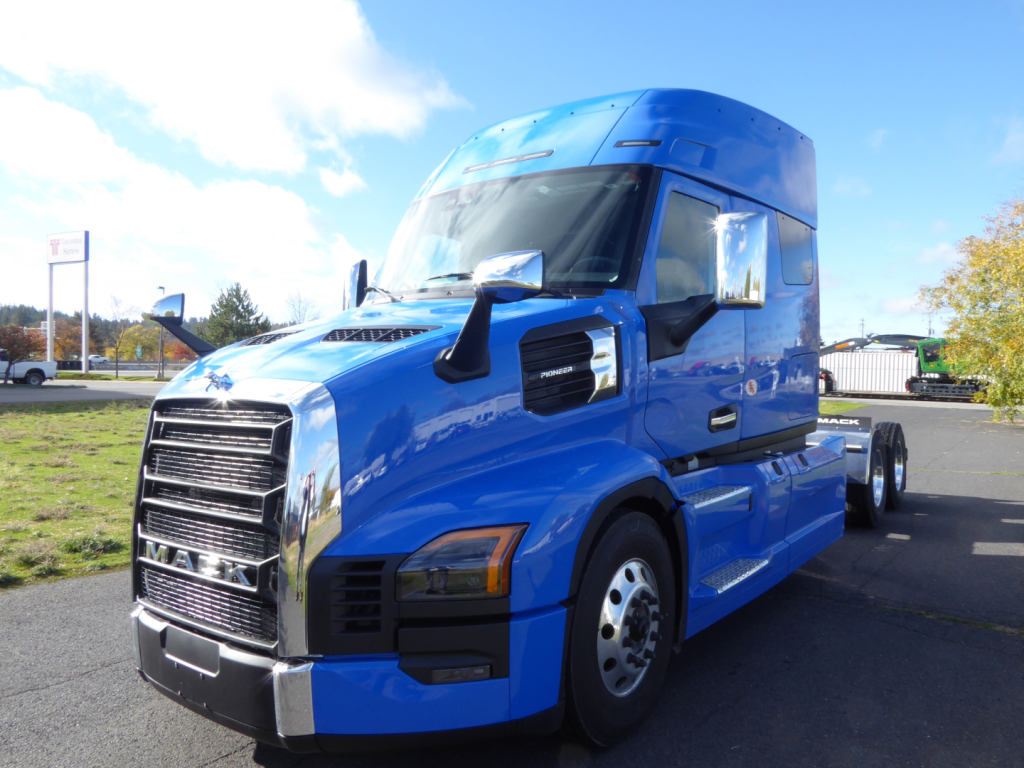
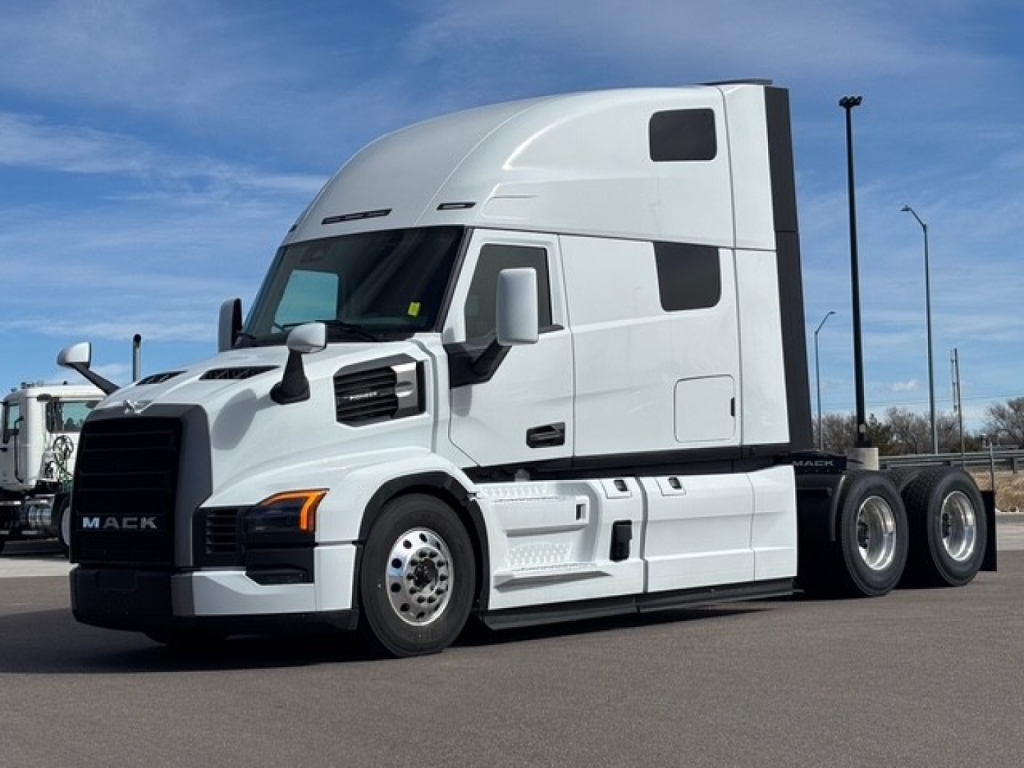
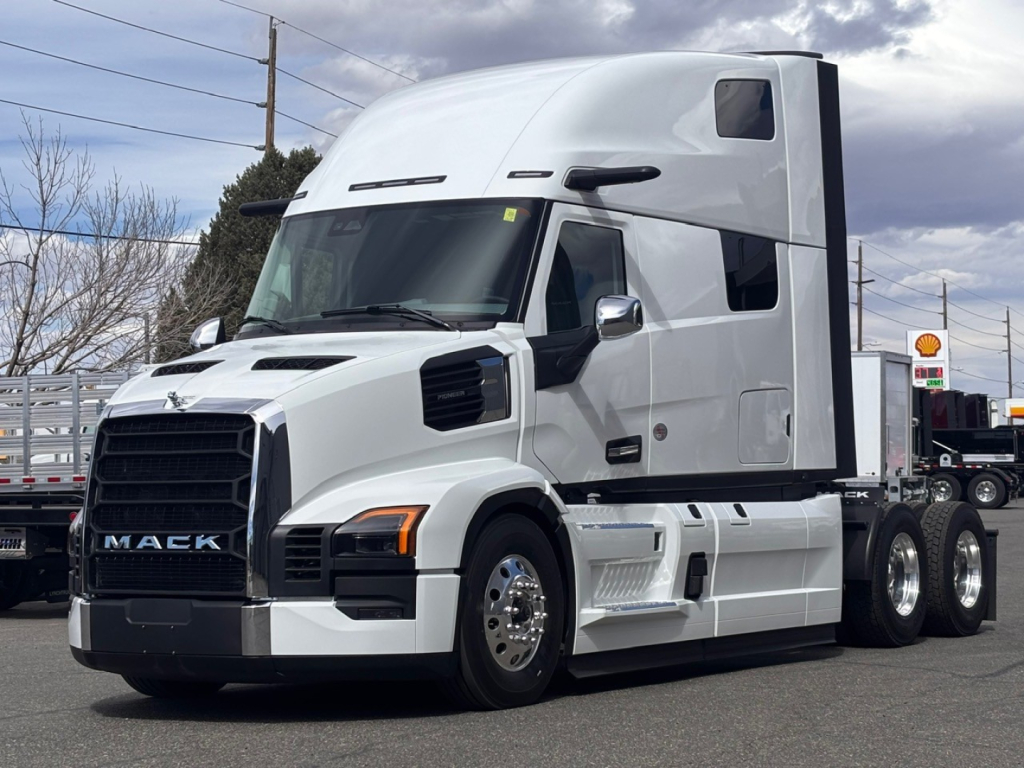
2026 Mack PR64T64
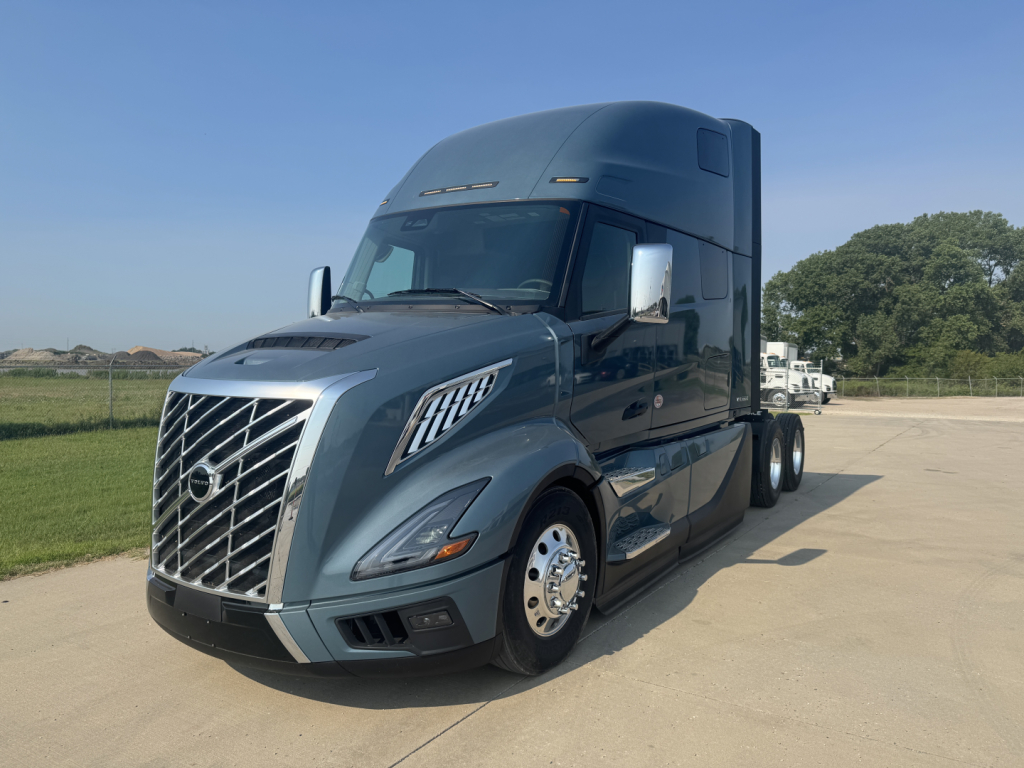
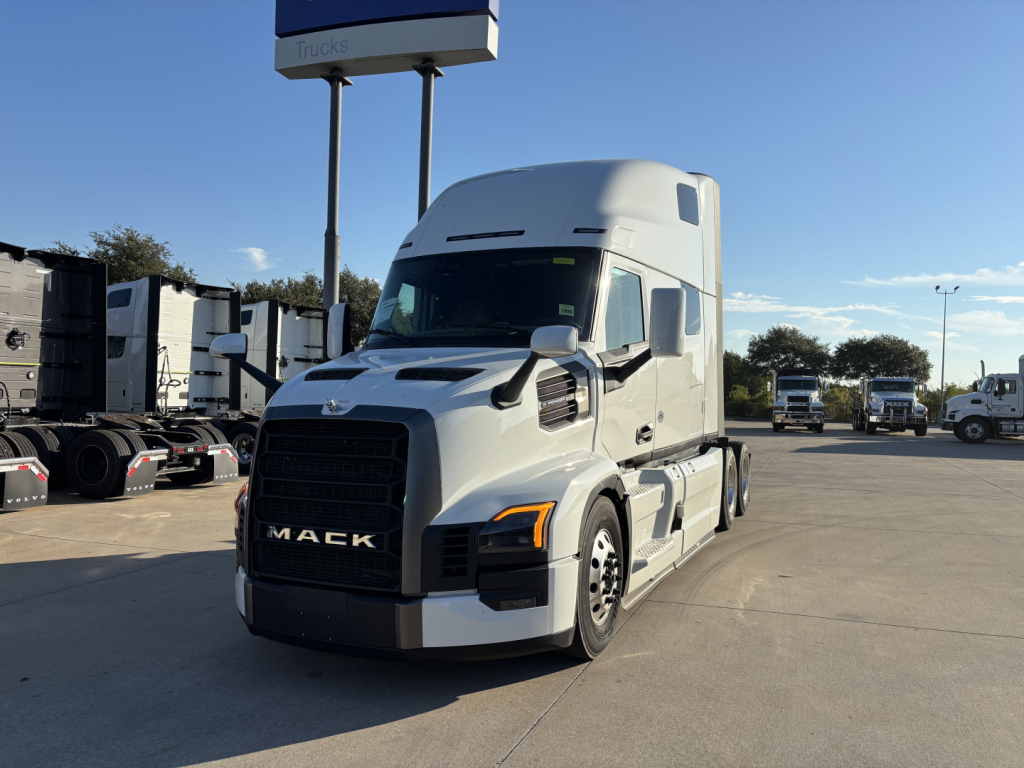
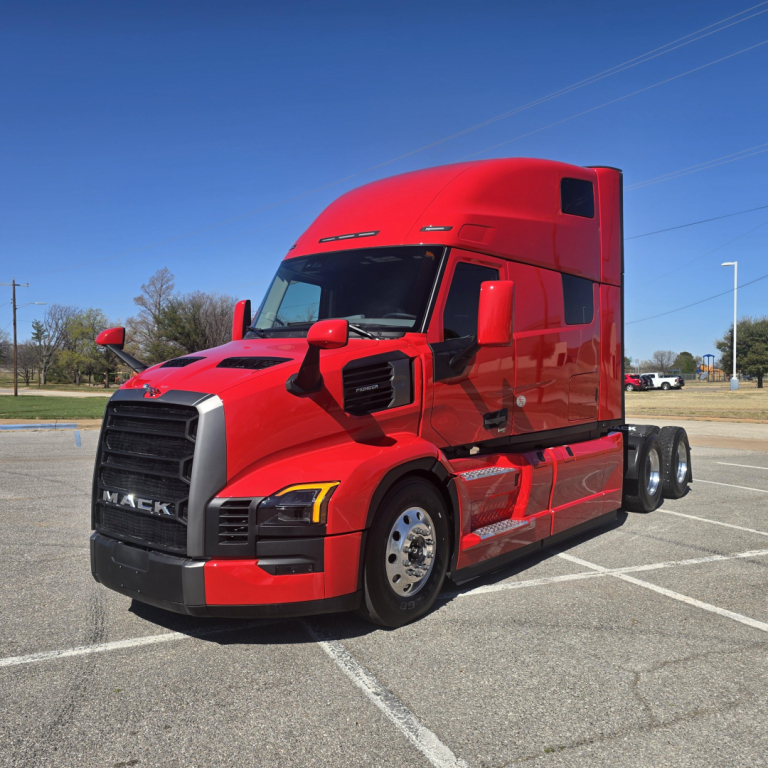
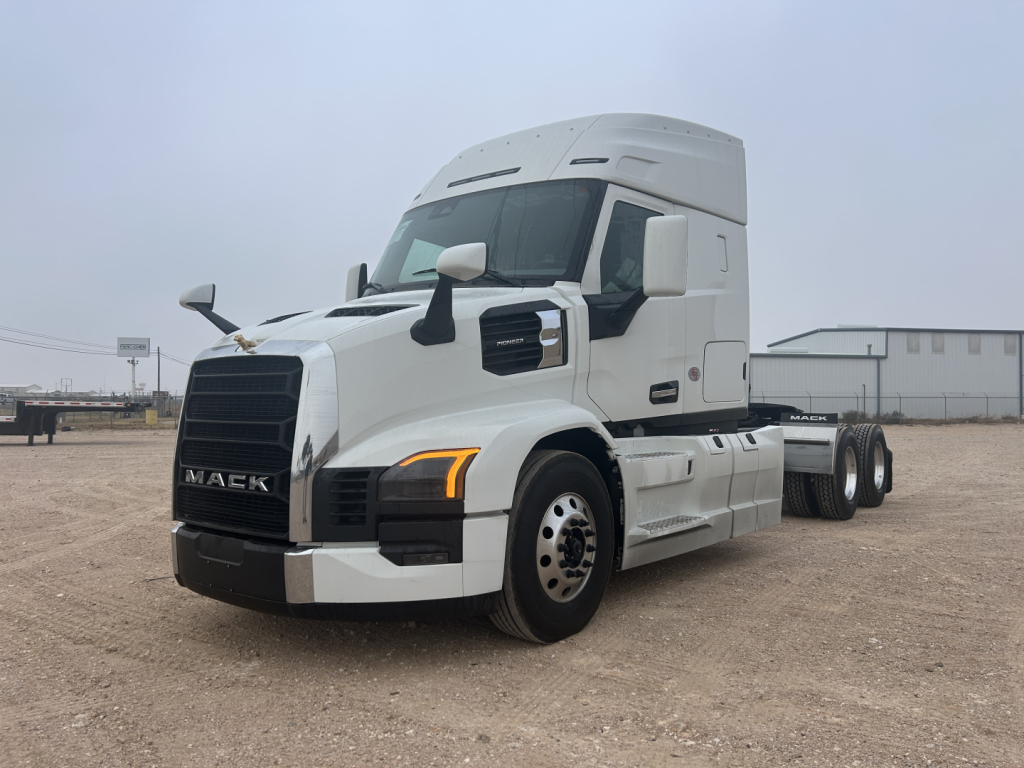
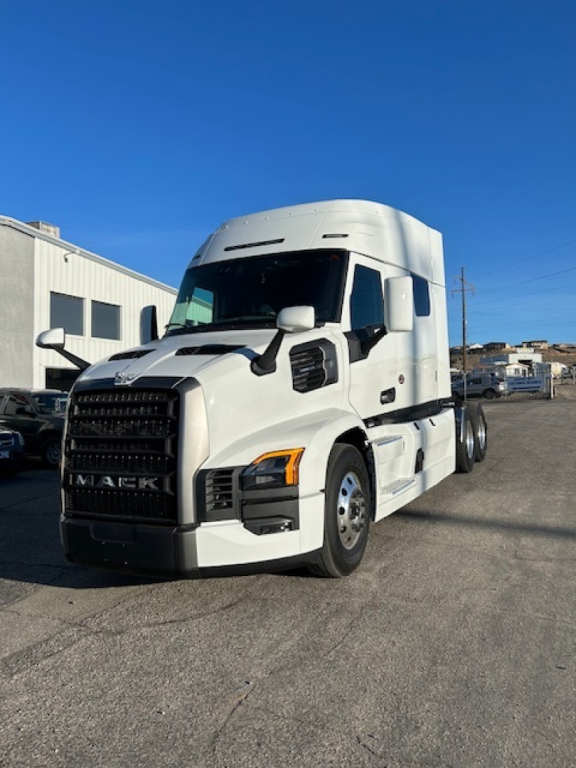
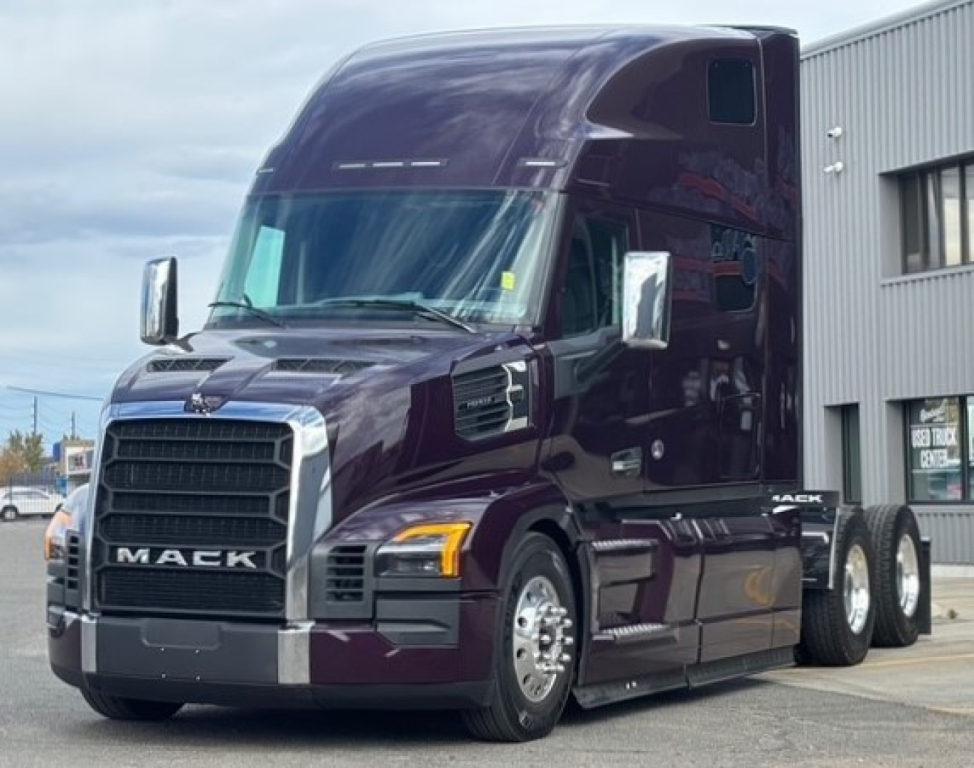

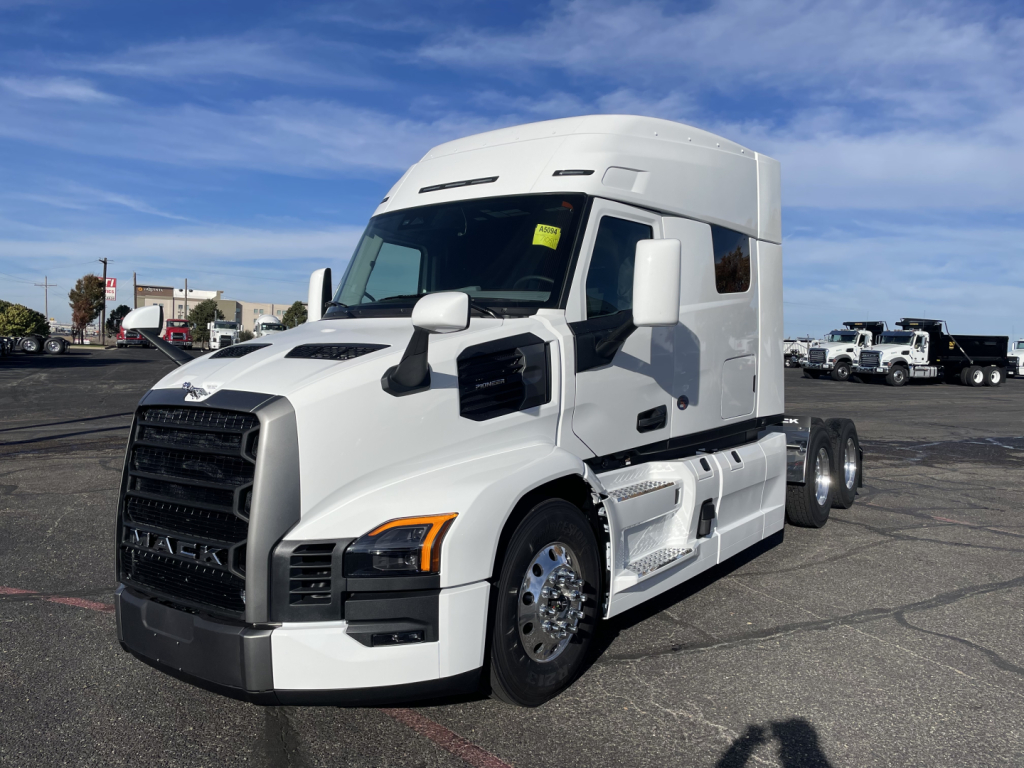
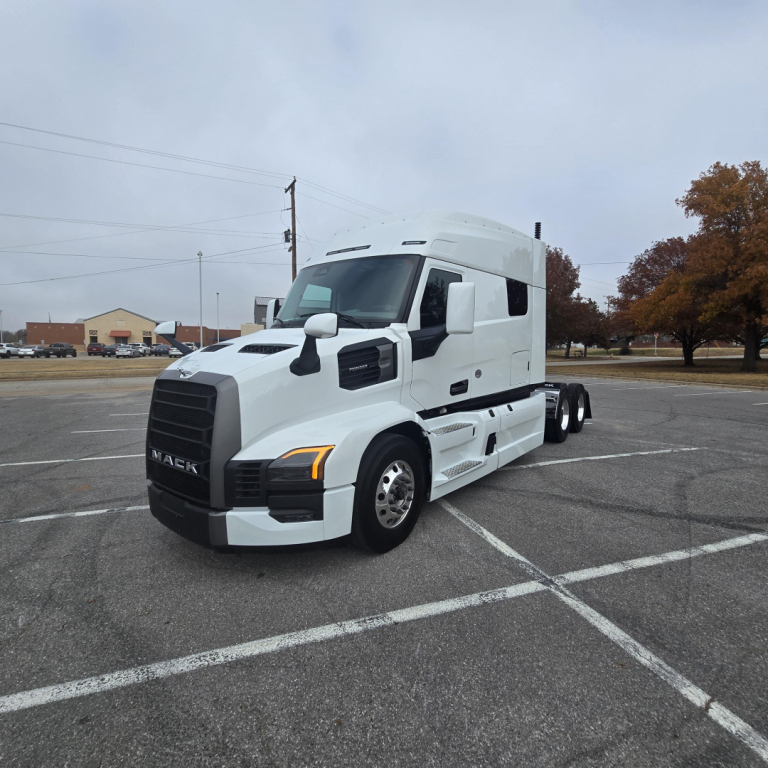
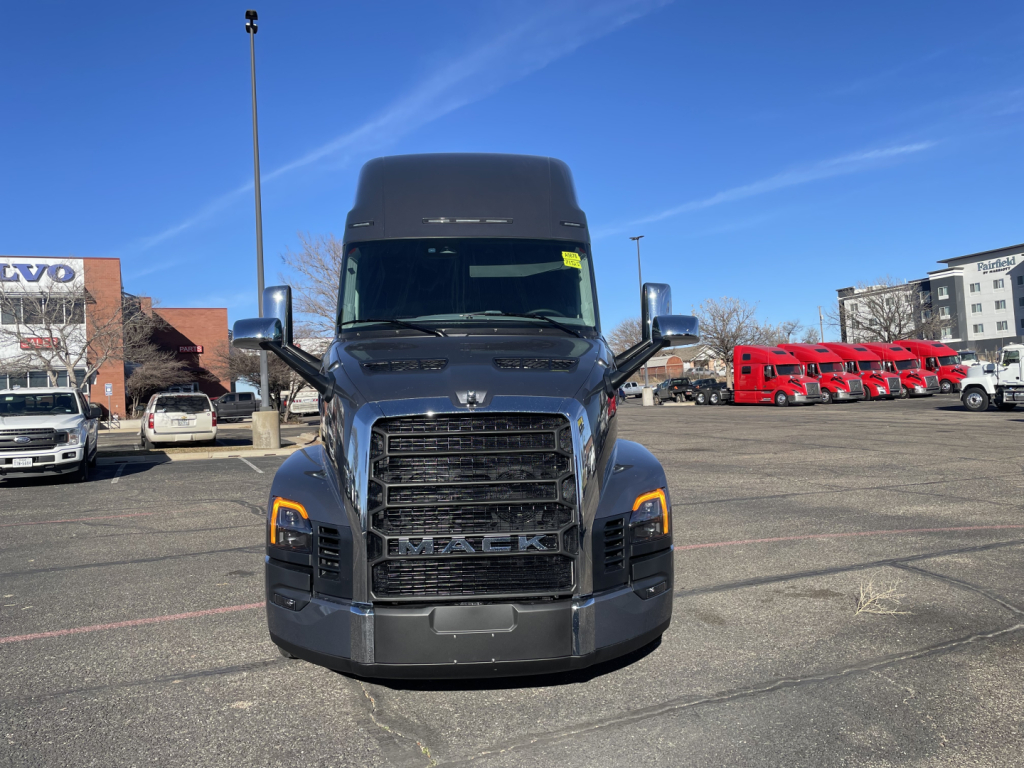
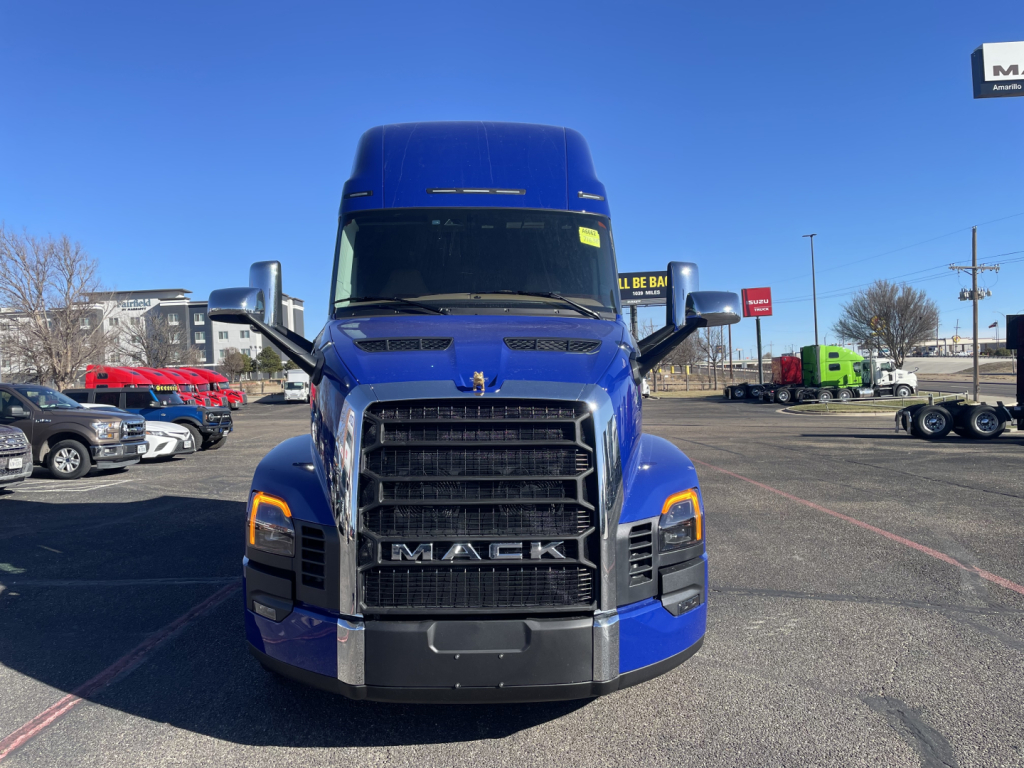
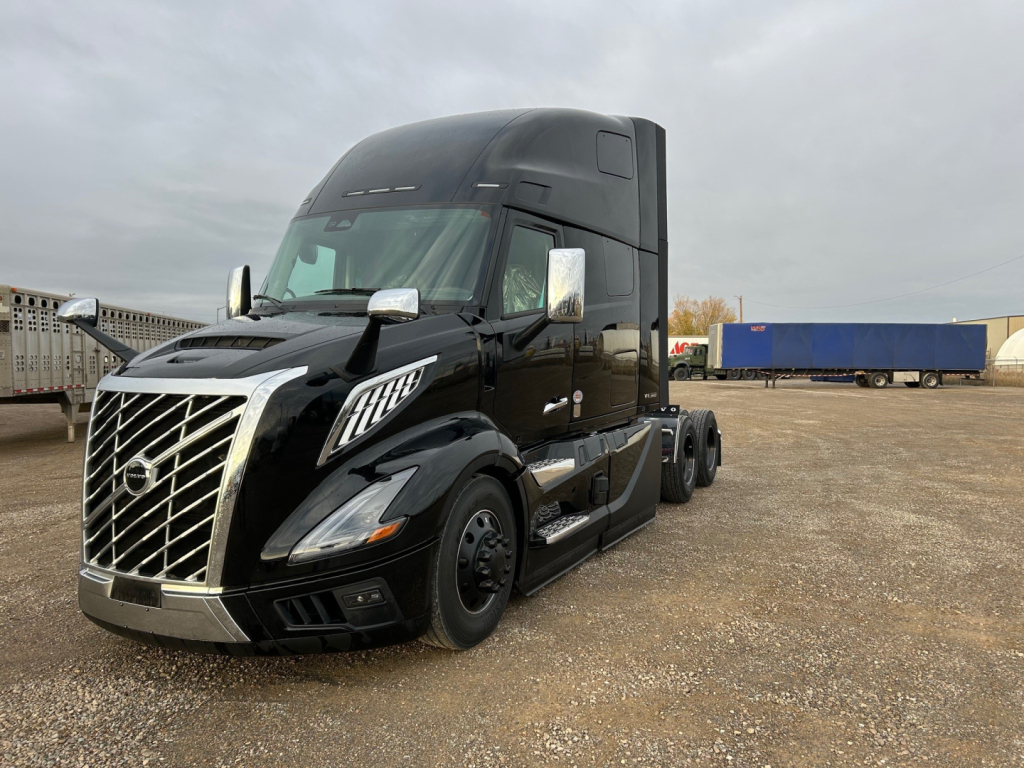
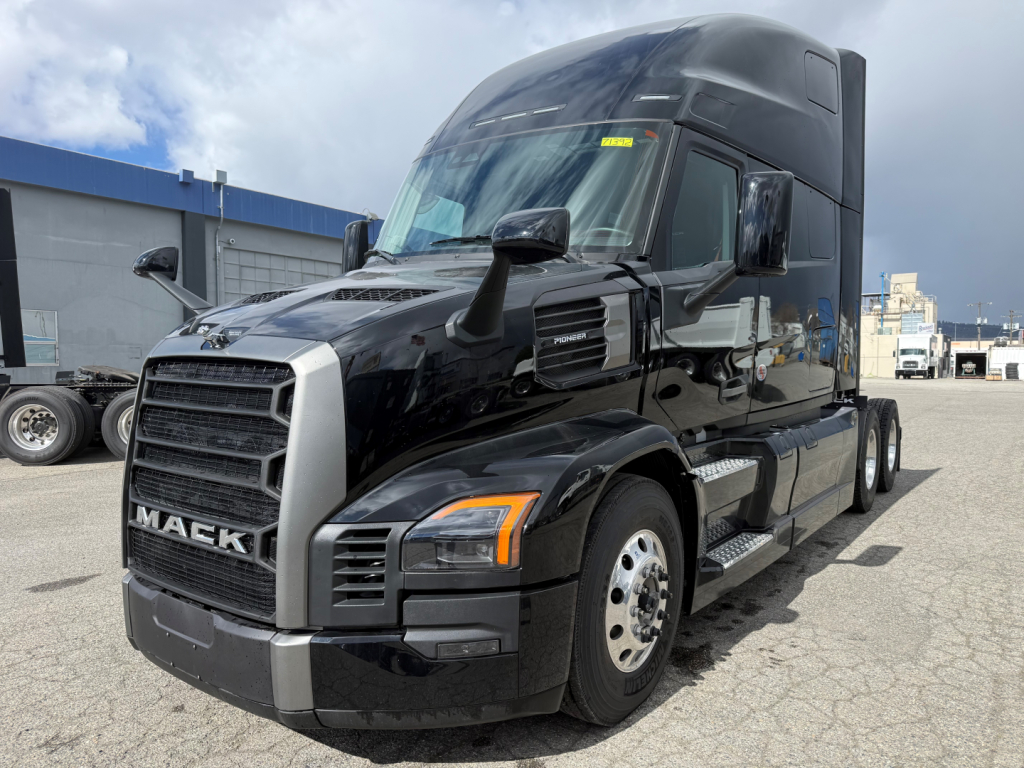
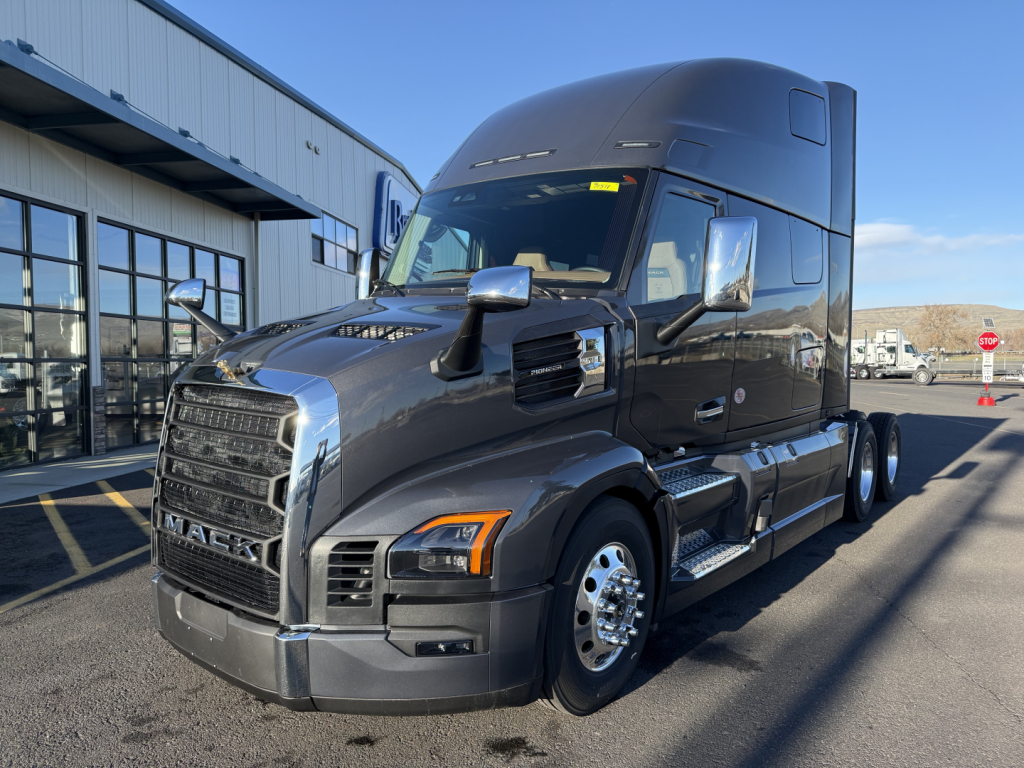

Showing 1 to 28 of 50 results
Selling a new 2026 conventional sleeper truck? List your new 2026 conventional sleeper truck for sale and reach thousands of commercial buyers.
New 2026 Conventional Sleeper Trucks
The most important buying decisions usually start with the sleeper size and powertrain. Common sleeper lengths range from about 60 inches to 76 inches, with larger sleepers offering more room for single-driver long-haul work or team service. Engines in this class are typically 13-liter platforms in the 425 to 500 horsepower range, often paired with 12-speed or 13-speed automated transmissions. Rear axle ratios around 2.28 to 2.64 are common on fuel economy specs, especially when matched with direct-drive or overdrive automated gearboxes. Wheelbases often fall in the 225-inch to 245-inch range depending on sleeper length, fuel capacity, fairing layout, and fifth wheel placement. Buyers should also compare front axle ratings, rear suspension type, and kingpin setting flexibility if trailers vary across the operation.
New conventional sleepers in this model year are increasingly equipped with factory safety and driver-assist systems that affect both operating cost and driver retention. Adaptive cruise control, collision mitigation, lane departure warning, backup cameras, and integrated telematics are now common in premium highway specs. Many buyers also look for dual aluminum fuel tanks, battery management systems, idle reduction equipment, APUs or inverter prep, refrigerator cabinets, workstation layouts, and upgraded seating and trim. Disc brakes and air ride suspensions have become more common on linehaul tractors because they improve stopping consistency and ride quality while simplifying some maintenance compared with older drum-brake specs.
For a buyer comparing listings, the best 2026 conventional sleeper truck is the one whose spec matches the freight and the drivers. A 455 HP to 500 HP aero tractor with a 72-inch or 76-inch sleeper, automated transmission, and efficient rear ratio fits most long-haul van and reefer fleets. Heavier or more varied operations may need a different wheelbase, higher horsepower, locking differentials, or a more flexible sliding fifth wheel setup. Look closely at the complete spec sheet, not just the badge on the hood. Fuel capacity, bunk layout, axle ratings, safety electronics, suspension package, and service network support will matter every day the truck is on the road.
Frequently Asked Questions about New 2026 Conventional Sleeper Trucks
What is a conventional sleeper truck used for?
A conventional sleeper truck is designed for long-haul and regional over-the-road freight where the driver needs a built-in sleeping compartment. These tractors are commonly used in dry van, refrigerated, and general freight operations. Compared with day cab tractors, they provide more onboard storage, rest space, and comfort features for multi-day trips, team driving, and operations that spend significant time away from a terminal.
What engine and transmission specs are common in new 2026 conventional sleepers?
Most new 2026 conventional sleeper trucks are spec'd with 11-liter to 13-liter diesel engines, with 13-liter platforms being the most common for linehaul work. Horsepower usually falls between 425 and 500 HP, and torque ratings are selected to match gross combined weight, terrain, and cruise speed targets. Automated manual transmissions dominate this category because they improve shift consistency, support fuel-efficient downspeeding strategies, and reduce driver fatigue in heavy traffic and long-distance service.
How do I choose the right sleeper size?
Sleeper size should match trip length, driver count, and onboard amenities. A 60-inch to 66-inch sleeper can work well for many solo regional and long-haul applications where weight savings and shorter wheelbase are priorities. A 72-inch to 76-inch sleeper is more common for extended over-the-road use, team operations, and fleets that want space for a refrigerator, inverter, storage cabinets, and a more comfortable living area. Larger sleepers generally add weight and wheelbase, so trailer swing clearance and payload needs should be reviewed.
Are safety and driver-assist systems standard on this type of truck?
Many new conventional sleeper trucks now include advanced safety technology either as standard equipment or within factory packages. Common systems include adaptive cruise control, automatic emergency braking, collision mitigation, lane departure warning, electronic stability control, and integrated camera systems. These features can help reduce accident exposure, improve driver confidence, and support fleet safety goals, but buyers should verify exactly which systems are active and how they are configured on each truck.
What specs matter most when comparing listings for conventional sleeper tractors?
The most important specs are the ones that affect daily operating cost and compatibility with your trailers and freight. Buyers should compare engine rating, transmission model, rear axle ratio, wheelbase, front and rear axle ratings, suspension type, fuel capacity, and fifth wheel configuration. It is also worth checking disc versus drum brakes, idle reduction equipment, inverter or APU setup, and the interior sleeper layout. A well-matched specification will usually outperform a higher-trim truck that does not fit the application.