
New 2026 Conventional Sleeper Trucks For Sale in Alabama
Shop new 2026 conventional sleeper trucks in Alabama. Compare long-haul specs, sleeper sizes, wheelbases, powertrains, and driver-focused features.
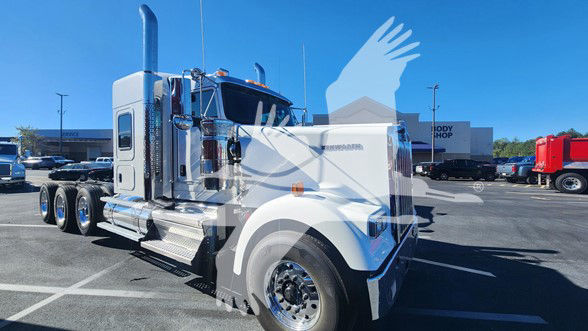
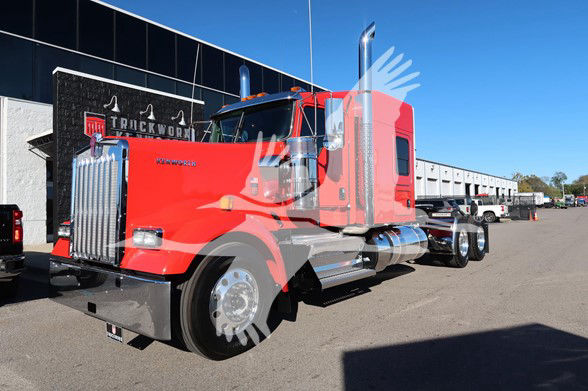
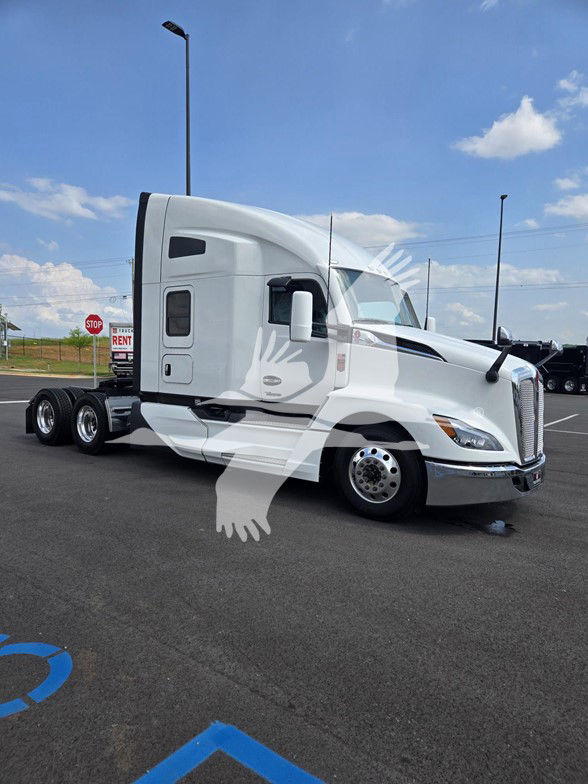
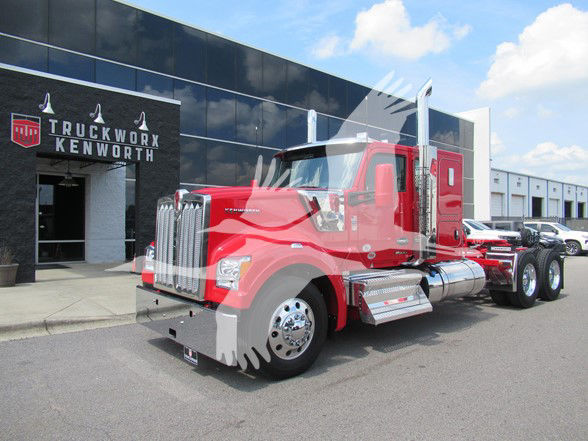
Selling a new 2026 conventional sleeper truck? List your new 2026 conventional sleeper truck for sale and reach thousands of commercial buyers.
New 2026 Conventional Sleeper Trucks in Alabama
Sleeper configuration matters because it changes both driver comfort and tractor layout. Common sleepers in this category range from compact mid-roof designs to 72-inch sleepers with flat-top or AeroCab-style roofs. A larger sleeper gives more room for storage, stand-up access on some specs, and better livability for extended runs. It also affects wheelbase, bridge law planning, and trailer swing clearance. Buyers should look closely at bunk layout, cabinet package, HVAC capacity, insulation, and idle-management options, especially for teams or drivers staying out for longer periods.
The powertrain is where a conventional sleeper truck either fits your freight or becomes expensive to operate. New 2026 specs in this category often center on diesel engines in the 450 to 605 horsepower range, with torque matched to gross combination weight, terrain, and cruise speed targets. A 13-speed manual or automated transmission remains a common choice for vocational flexibility and heavy-haul style performance, while downsped automated setups are often selected for linehaul efficiency. Rear axle ratio, suspension rating, frame spec, and fuel capacity should be matched to your average payload, trailer type, and operating radius. For Alabama lanes that include port freight, regional manufacturing freight, and long interstate pulls, it pays to balance maneuverability with fuel range and ride quality.
New-model conventional sleepers also give buyers access to updated safety and driver-assist technology, improved telematics integration, and cleaner interior ergonomics. Features such as collision mitigation, adaptive cruise, lane departure warning, disc brakes on some specs, and premium infotainment packages are increasingly common. If resale value matters, pay attention to brand reputation, emissions warranty coverage, and how broadly your chosen engine and transmission package is supported by dealer service networks. The best conventional sleeper truck is the one spec'd for the freight, the driver, and the maintenance plan, not just the one with the highest horsepower or biggest bunk.
Frequently Asked Questions about New 2026 Conventional Sleeper Trucks in Alabama
What is a conventional sleeper truck?
A conventional sleeper truck is a highway tractor with a front engine hood and an integrated sleeping compartment mounted behind the cab. It is designed for over-the-road hauling where drivers spend nights in the truck. Compared with a day cab, a sleeper adds bunk space, storage, and added comfort for longer routes.
What sleeper size is best for long-haul trucking?
For long-haul work, a 72-inch sleeper is one of the most common choices because it balances livability, storage, and overall tractor length. Smaller sleepers can work well for regional routes or occasional overnight runs, while larger and better-equipped sleepers are preferred for teams or drivers who stay out for extended periods. The right size depends on route length, wheelbase limits, and how much interior space your operation requires.
How do aerodynamic sleepers compare with long-hood conventional trucks?
Aerodynamic sleeper trucks are generally designed to reduce drag and improve fuel economy at highway speeds. Long-hood conventional trucks often prioritize appearance, driver preference, service access, and traditional ride characteristics over maximum aerodynamic efficiency. Buyers should compare fuel cost, wheelbase needs, resale demand, and the image they want to present to customers and drivers.
What specs matter most when buying a new 2026 conventional sleeper truck?
The key specs are engine horsepower and torque, transmission type, rear axle ratio, wheelbase, sleeper size, suspension rating, and fuel capacity. Those choices affect fuel economy, payload capability, driver comfort, turning radius, and trailer compatibility. Safety systems, warranty coverage, and dealer support are also important because they directly affect uptime and long-term operating cost.
Are conventional sleeper trucks a good fit for Alabama freight?
Yes, conventional sleeper trucks are a strong fit for Alabama operations that include interstate linehaul, port-related freight, manufacturing freight, and dedicated regional lanes with overnight runs. Buyers should spec the truck around route density, average load weight, and driver retention goals. In this market, a balanced setup with the right sleeper, fuel capacity, and drivetrain can support both regional efficiency and true over-the-road service.