
New 2026 Conventional Sleeper Trucks For Sale in Louisiana
Shop new 2026 conventional sleeper trucks in Louisiana with modern aero design, advanced safety, efficient powertrains, and long-haul driver comfort.
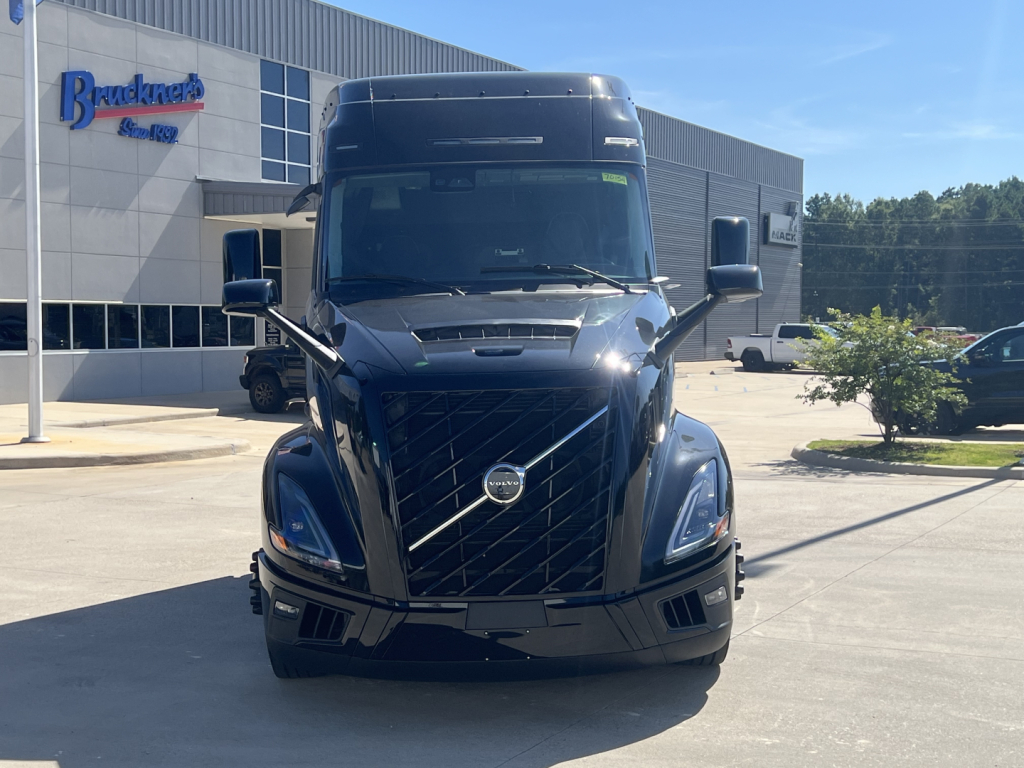

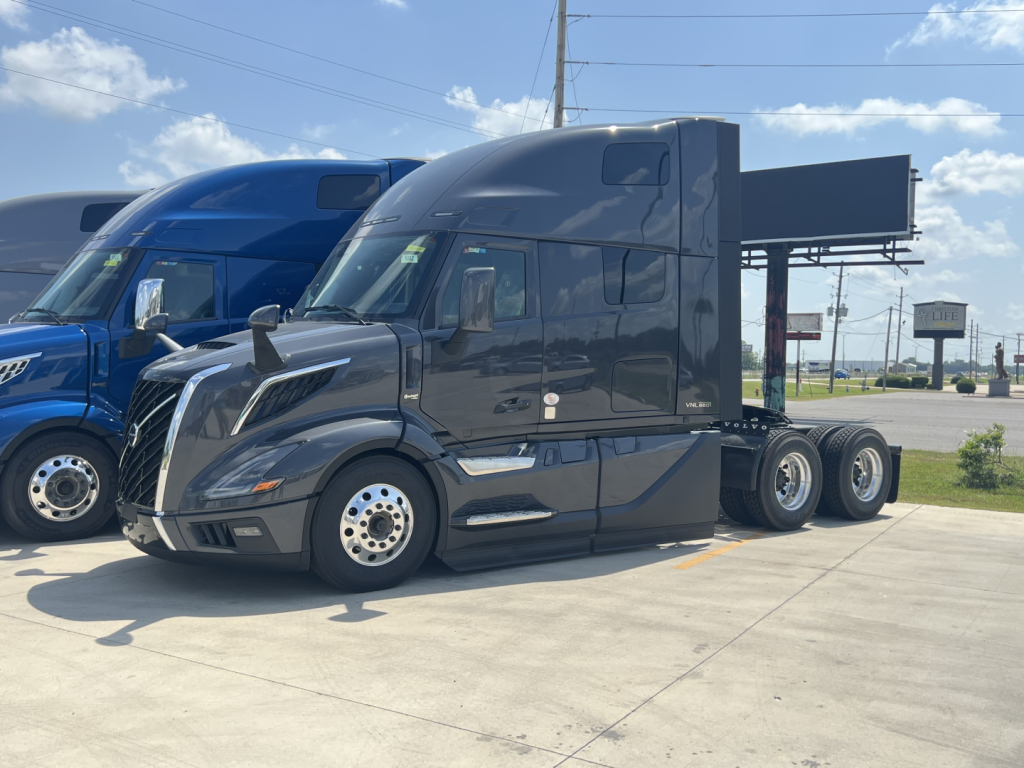
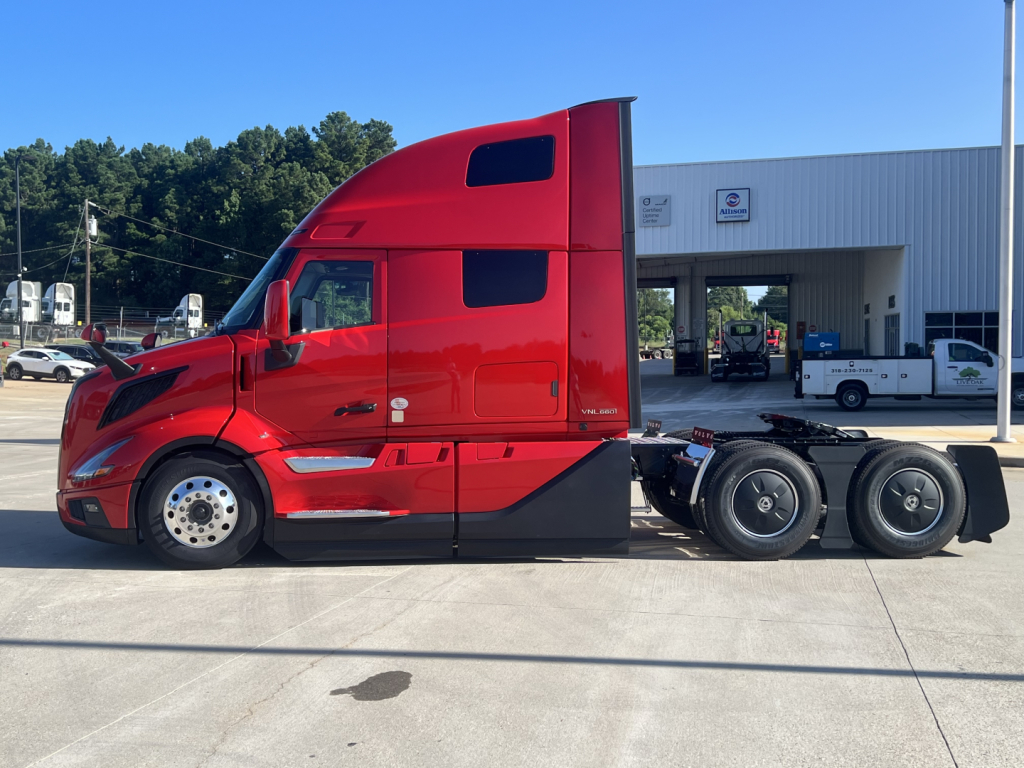
Selling a new 2026 conventional sleeper truck? List your new 2026 conventional sleeper truck for sale and reach thousands of commercial buyers.
New 2026 Conventional Sleeper Trucks in Louisiana
Current 2026 sleeper tractors commonly center around 13-liter engines, automated manual transmissions, and aerodynamic packages designed to lower cost per mile. Typical ratings fall in the 400 to 500 horsepower range with torque bands that support highway cruise speeds without sacrificing gradeability. Rear axle ratios in the high-2s to low-3s are common when the goal is fuel mileage on van and reefer freight. Buyers comparing specs should look closely at gross combined weight rating, front axle capacity, suspension type, and the match between engine downspeeding strategy and tire size. For fleets pulling 53-foot dry vans or reefers across I-10, I-20, and Gulf Coast corridors, that driveline match has a direct effect on fuel burn, cruise RPM, and driver satisfaction.
The sleeper itself is more than a bunk. It affects resale, retention, and how useful the truck is for team service or extended dispatch cycles. High-roof sleepers are popular because they improve stand-up room, cabinet space, and overall livability. Common features include premium mattresses, under-bunk storage, refrigerator prep, inverter systems, optimized insulation, and battery-based or diesel-fired parking climate systems for engine-off comfort. In Louisiana heat and humidity, idle reduction and cab cooling are especially important. A well-spec'd sleeper truck with effective HVAC, noise control, and practical interior storage can make a measurable difference in rest quality and hours-of-service productivity.
Safety and serviceability deserve the same attention as the sleeper amenities. New conventional sleeper trucks increasingly include collision mitigation, adaptive cruise control, lane departure warning, improved camera visibility, and integrated telematics. Buyers should also evaluate dealer support, diagnostic capability, emissions warranty coverage, and the accessibility of routine service points. For many operations, the right truck is the one that balances aerodynamics, sleeper comfort, axle ratings, and a proven powertrain with parts and service support across the South. When those pieces line up, a 2026 conventional sleeper truck becomes a strong fit for long-haul fleets, leased operators, and private carriers moving consistent highway freight.
Frequently Asked Questions about New 2026 Conventional Sleeper Trucks in Louisiana
What is a conventional sleeper truck used for?
A conventional sleeper truck is used for over-the-road hauling where the driver needs onboard sleeping space for multi-day trips. It is the standard tractor configuration for dry van, refrigerated, and many flatbed operations because it combines highway efficiency, larger fuel capacity, and a separate sleeper compartment behind the cab. Compared with a day cab, a sleeper tractor is better suited for longer dispatch cycles, team driving, and lanes that require overnight layovers.
What engine and transmission setup is common in a new 2026 conventional sleeper?
Most new 2026 conventional sleeper tractors are spec'd with 13-liter diesel engines and automated manual transmissions. Horsepower commonly falls between 400 and 500, with torque selected to match trailer weight, terrain, and cruising speed goals. Automated manuals dominate this category because they improve shift consistency, help protect the driveline, and usually support better fuel economy than older manual-heavy specs.
What sleeper size should a buyer choose?
Sleeper size depends on route length, driver schedule, and how much living space is needed. Mid-roof and smaller sleepers can work well for shorter regional lanes, but high-roof sleepers are often preferred for long-haul operations because they provide more headroom, storage, and room for comfort features. If the truck will stay out for several nights at a time, or if driver retention is a priority, the larger high-roof sleeper usually makes more operational sense.
Why do axle ratio and wheelbase matter on a sleeper tractor?
Axle ratio and wheelbase directly affect fuel economy, maneuverability, ride quality, and how the truck handles specific trailer types. A faster rear ratio can reduce engine RPM at highway speed and improve fuel mileage, but it has to be matched correctly to tire size, transmission gearing, and loaded weight. Wheelbase influences bridge law compliance, turning radius, and fifth wheel placement, so it should be chosen based on trailer length, kingpin settings, and the freight being hauled.
What features matter most for sleeper trucks operating in Louisiana?
For Louisiana service, buyers often prioritize strong air conditioning performance, engine-off climate control, corrosion resistance, and powertrain specs that handle humid Gulf Coast conditions and long interstate runs. Effective insulation, a parking cooler or auxiliary HVAC system, and practical storage are important for driver comfort in hot weather. Reliable dealer support along major freight corridors is also a major factor because downtime can erase the savings from an otherwise efficient truck.