
New 2026 Kenworth Conventional Sleeper Trucks For Sale
Shop new 2026 Kenworth conventional sleeper trucks, including W900L and W990 specs, sleeper options, powertrain choices, and highway applications.
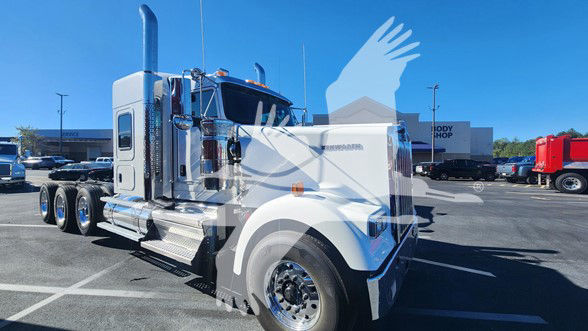
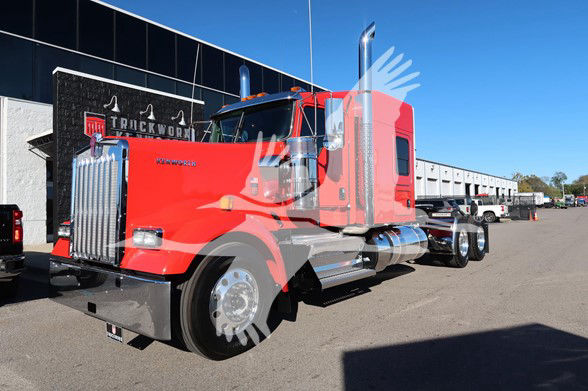
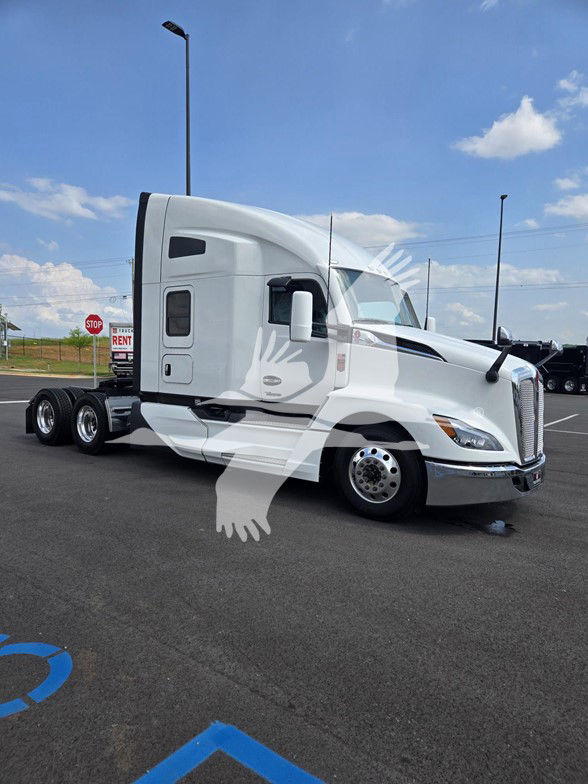
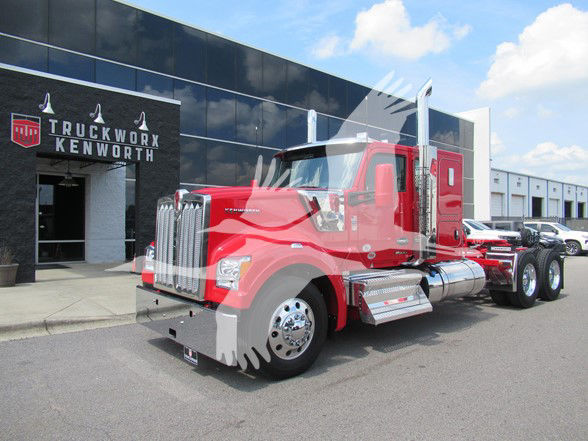
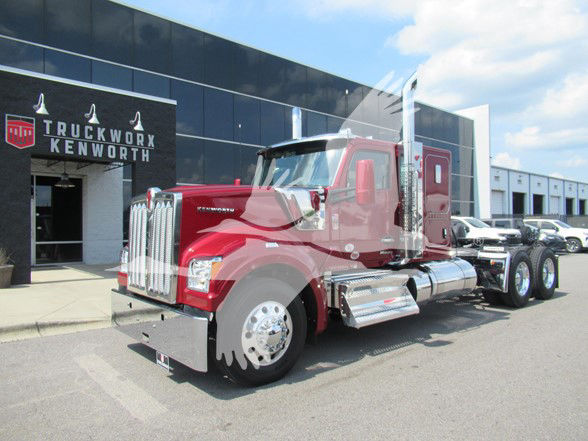
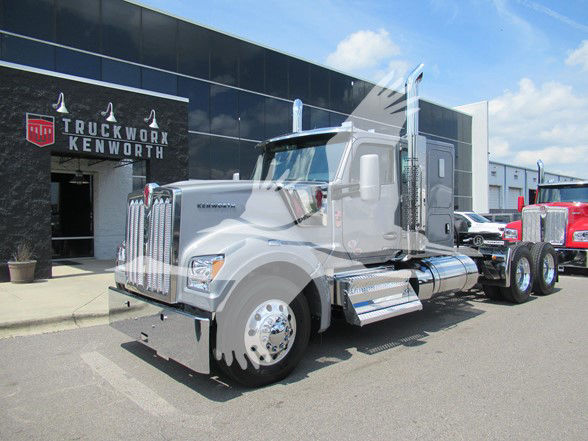
Selling a new 2026 kenworth conventional sleeper truck? List your new 2026 kenworth conventional sleeper truck for sale and reach thousands of commercial buyers.
New 2026 Kenworth Conventional Sleeper Trucks
The typical 2026 Kenworth conventional sleeper in this class is spec'd with a Cummins X15 and an 18-speed manual or automated manual transmission. Horsepower ratings commonly land in the 500-plus range for buyers pulling heavy freight, step deck, lowboy, livestock, or specialized refrigerated lanes. Rear suspension and axle choice matter as much as engine output. A Kenworth AG400L or a Neway suspension can appeal to buyers looking for a certain ride feel, articulation, or durability under heavier loads. If the truck will run across mountain states or haul over-dimensional freight, it is worth paying close attention to rear axle ratio, frame spec, and front axle capacity rather than looking at horsepower alone.
Sleeper configuration is another major decision point. Flat top sleepers around 52 inches are common on classic-style Kenworths and can be a practical fit for regional long-haul work where overall height and weight need to stay in check. Larger sleepers such as 62-inch AeroCab or studio-style layouts give more living space and tend to suit longer over-the-road cycles. Buyers should also compare interior storage, bunk layout, cabinet configuration, and idle management options, especially if the truck will spend multiple nights per week away from the terminal. For many fleets and independent operators, the sleeper is not just a comfort feature. It affects driver retention, usable payload, and resale appeal.
Kenworth conventional sleeper trucks also hold strong interest because of their serviceability, traditional styling, and broad acceptance in specialized hauling. The W900L remains a staple for buyers who want a long-hood platform with classic appearance and heavy-haul credibility, while the W990 adds a more modern flagship feel without leaving the conventional long-hood segment. When comparing trucks in this category, look closely at hood length, bumper setting, fuel capacity, sleeper roof profile, suspension brand, and fifth wheel position. Those details determine how well the truck matches a 53-foot van, flatbed, lowboy, or other trailer type and how efficiently it will perform in the lane or load profile you run.
Frequently Asked Questions about New 2026 Kenworth Conventional Sleeper Trucks
What is the difference between a Kenworth W900L and a W990 conventional sleeper?
The W900L is the classic long-hood Kenworth platform known for its traditional styling, long wheelbase presence, and popularity in owner-operator and heavy-spec applications. The W990 is also a long-hood conventional sleeper, but it generally carries a more modern interior and flagship positioning. Both are used for long-haul and specialized freight, so the better choice usually comes down to cab layout preference, desired appearance, wheelbase target, and how the truck is spec'd for the job.
What engine and transmission specs are common in new 2026 Kenworth conventional sleeper trucks?
A common setup in this category is a Cummins X15 paired with an 18-speed manual or automated manual transmission. Many buyers in the conventional sleeper segment choose higher horsepower ratings because these trucks are often ordered for heavier freight, western grades, or premium owner-operator specs. The right drivetrain depends on gross combination weight, terrain, cruise speed target, and whether the truck will spend most of its time on general van freight or more demanding flatbed and lowboy work.
How do I choose the right sleeper size on a Kenworth conventional sleeper truck?
Sleeper size should match trip length, driver needs, and weight sensitivity. A 52-inch flat top sleeper is often a good fit for regional long-haul or buyers who want a lower profile and less overall weight. A 62-inch sleeper gives more room for storage and living space, which can be important for teams or drivers staying out for longer stretches. Interior layout, cabinet space, bunk design, and idle management equipment are just as important as sleeper length when comparing trucks.
Are Kenworth conventional sleeper trucks good for heavy-haul or specialized freight?
Yes, many Kenworth conventional sleeper trucks are ordered with the frame, suspension, axle ratings, and drivetrain needed for heavy or specialized hauling. Models like the W900L and W990 are often seen with high-horsepower engines, 18-speed transmissions, and suspensions such as AG400L or Neway. Buyers should verify axle capacity, frame reinforcement, gear ratio, wheelbase, and fifth wheel placement to make sure the truck is properly matched to lowboy, step deck, or other specialized trailer applications.
What should I compare first when shopping for a new Kenworth conventional sleeper?
Start with the application, then compare wheelbase, sleeper size, engine rating, transmission, rear suspension, axle ratio, and fuel capacity. Those specs affect maneuverability, payload, ride quality, and operating efficiency more than appearance alone. For buyers in this segment, small spec differences can have a major effect on bridge compliance, trailer clearance, and performance on steep grades, so it pays to compare the truck as a total package rather than focusing on model name only.